
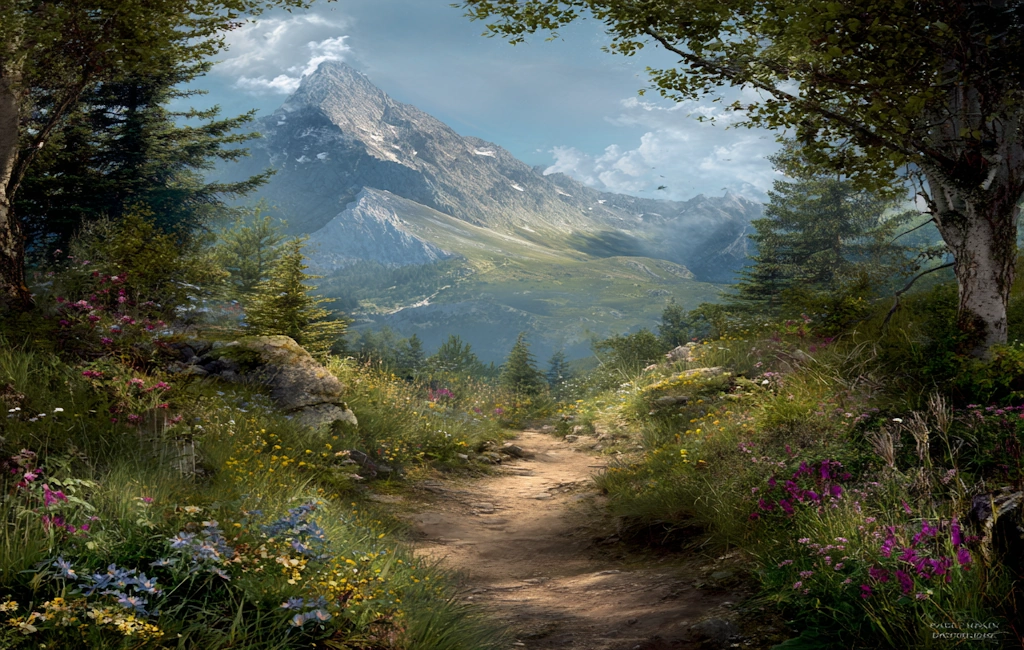
Gran Cratere Hike - Aeolian Islands Volcanic Wonder
The Gran Cratere Hike on the island of Vulcano, Italy, offers a captivating journey to the rim of a dormant volcano, providing unparalleled views of the surrounding Aeolian archipelago and the Tyrrhenian Sea. This moderate day walk is a quintessential experience for visitors to the island, showcasing its unique geological heritage and dramatic landscapes. The trail ascends through a stark, volcanic terrain, rewarding hikers with panoramic vistas that stretch across the shimmering blue waters, encompassing neighbouring islands like Lipari, Salina, and Stromboli. It's a relatively short but impactful hike, accessible to most fitness levels, and a must-do for anyone seeking to understand the raw, elemental beauty of this UNESCO World Heritage site.
- Distance: 12.0 km return
- Duration: 4–6 hours
- Season: Spring and Autumn (ideal); Summer can be very hot
- Huts: None (day hike)
- Highest point: Summit of Gran Cratere (approx. 500 m)
- Difficulty: Moderate
- Access: Trailhead near Pianoconte, Vulcano
Overview
The Gran Cratere Hike is a journey into the heart of Vulcano's volcanic past and present. The trail begins its ascent from the vicinity of Pianoconte, a small settlement on the western side of the island, and winds its way upwards towards the summit caldera of Gran Cratere, the island's main volcanic edifice. As you climb, the landscape transforms from scrubby Mediterranean vegetation to a more barren, ash-strewn terrain, a stark reminder of the volcano's powerful eruptions.
The path is generally well-defined, though in places it can be loose and rocky, requiring careful footing. The elevation gain of approximately 350 metres is steady, making it a manageable challenge for most walkers. The real reward comes as you approach the crater rim. The views that unfold are simply breathtaking. To the north and east, the islands of Lipari, Salina, and the active volcano Stromboli (often visible with a plume of smoke) dominate the horizon. To the south and west, the vast expanse of the Tyrrhenian Sea stretches out, dotted with smaller islets. The crater itself is a vast, ancient caldera, its slopes scarred by past lava flows and fumarolic activity, though the main crater is now dormant.
The air can carry the faint scent of sulphur, a subtle hint of the geothermal activity that still simmers beneath the surface of Vulcano, particularly evident at the nearby fumaroles of the Fossa Grande. This hike is not just about the physical ascent; it's an immersion into a landscape shaped by immense geological forces, offering a profound connection to the raw power of nature. The contrast between the arid volcanic slopes and the vibrant blue sea creates a visually stunning experience that lingers long after the hike is completed.
History and Geological Significance
Vulcano, one of the seven main islands of the Aeolian archipelago, has a history deeply intertwined with volcanic activity. The island is named after Vulcan, the Roman god of fire and blacksmiths, a testament to its fiery nature. The Gran Cratere itself is the summit of the Vulcano della Fossa, a stratovolcano that has been active for at least 100,000 years. Its most recent significant eruption occurred in 1888–1890, a period of intense activity that shaped the island's current topography and led to its temporary abandonment by inhabitants.
The island's geological history is a complex tapestry of eruptions, lava flows, and pyroclastic events. The Gran Cratere, while currently dormant, represents the most recent active cone. Its caldera is a vast depression, a testament to the immense forces that have shaped it. The surrounding landscape is a living museum of volcanology, with evidence of past eruptions visible in the rock formations, ash deposits, and the unique flora that has adapted to this environment.
Beyond its geological importance, Vulcano has a long history of human habitation, dating back to prehistoric times. The island's volcanic resources, particularly sulphur, were exploited by ancient peoples. The strategic location of the Aeolian Islands also made them important for trade and navigation throughout history. Today, Vulcano is a popular tourist destination, drawing visitors who are fascinated by its volcanic landscapes, therapeutic mud baths, and the opportunity to hike to the summit of Gran Cratere, offering a direct connection to the island's powerful geological heritage.
Seasonal Considerations and Weather
The best time to undertake the Gran Cratere Hike is during the shoulder seasons: spring (April to June) and autumn (September to October). During these periods, the weather is generally mild and pleasant, with temperatures conducive to hiking. The Mediterranean sun is less intense, and the risk of extreme heat is significantly reduced.
Spring (April–June): Wildflowers bloom across the lower slopes, adding splashes of colour to the volcanic landscape. Temperatures are typically between 15°C and 25°C, with occasional rain showers. The sea is still cool for swimming but the air is fresh and invigorating.
Summer (July–August): This is the peak tourist season, but also the hottest time of year. Daytime temperatures can easily exceed 30°C, and the volcanic slopes offer little shade. Hiking during midday in summer is strongly discouraged due to the risk of heatstroke and dehydration. If hiking in summer, an early morning start is essential, and carrying ample water is paramount.
Autumn (September–October): Similar to spring, autumn offers pleasant temperatures, typically ranging from 18°C to 26°C. The sea is still warm enough for swimming, and the light can be particularly beautiful for photography. The risk of rain increases as the season progresses.
Winter (November–March): While the temperatures are cooler (10°C–18°C), winter on Vulcano can be characterised by strong winds and frequent rainfall, making the trail potentially slippery and less enjoyable. The fumaroles may be more active, but visibility can be poor.
Weather on the summit: Even outside of peak summer, conditions at the summit can be windy and exposed. It is advisable to check the local weather forecast before setting out and to be prepared for rapid changes. The presence of sulphur fumes from nearby fumaroles is a constant, though usually mild, feature of the summit area.
Recommended Itinerary
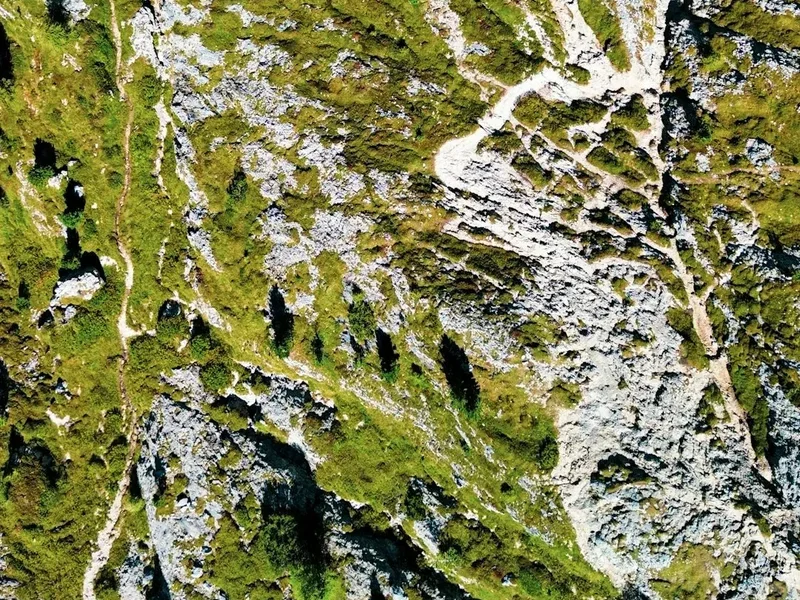
Gran Cratere Hike - Day Walk Itinerary
Early Morning (Approx. 8:00 AM): Departure from Lipari/Base
- Travel from your accommodation on Vulcano or take a ferry from Lipari to Vulcano Porto.
- From Vulcano Porto, take a local bus or taxi to the village of Pianoconte.
- Alternatively, if driving, park your vehicle near the trailhead in Pianoconte.
Morning (Approx. 9:00 AM): Trailhead and Ascent Start
- Begin the hike from the designated trailhead near Pianoconte.
- The initial section of the trail is often a dirt or gravel path, winding through sparse vegetation.
- Note the changing landscape as you gain elevation, with more volcanic rock and ash becoming prevalent.
- Keep an eye out for the distinctive flora that has adapted to this arid environment.
Midday (Approx. 11:00 AM - 1:00 PM): Reaching the Crater Rim and Exploration
- Arrive at the rim of the Gran Cratere.
- Spend time exploring the rim, taking in the panoramic views of the Aeolian Islands.
- Observe the vastness of the caldera and the geological features within.
- Note the presence of fumaroles (steam vents) and the faint smell of sulphur, indicating ongoing geothermal activity.
- Enjoy a packed lunch with spectacular views.
Afternoon (Approx. 1:00 PM - 3:00 PM): Descent and Return to Pianoconte
- Begin the descent back towards Pianoconte.
- The descent can be faster but requires careful footing due to loose scree and rocks.
- Take your time to appreciate the views from a different perspective on the way down.
- Arrive back at the trailhead in Pianoconte.
Late Afternoon (Approx. 3:00 PM onwards): Post-Hike Activities
- Option to visit the thermal mud baths at Vulcano Porto for a relaxing post-hike experience.
- Enjoy a refreshing drink or meal at a local trattoria in Pianoconte or Vulcano Porto.
- Take a ferry back to Lipari or your next destination.
Important Considerations:
- This is a day hike; no overnight accommodation is required on the trail.
- Carry sufficient water (at least 2 litres per person) as there are no water sources on the trail.
- Wear sturdy hiking boots with good ankle support.
- Sun protection (hat, sunglasses, sunscreen) is essential, especially during warmer months.
- A light jacket or windbreaker is advisable, as conditions at the summit can be windy.
Planning and Bookings
Book Your Trip
Everything you need to plan your journey
Accommodation
Find places to stay near Lipari
Flights
Search flights to Lipari
Essential Preparation
The Gran Cratere Hike is a day walk, meaning no complex multi-day booking coordination is required. However, essential preparation focuses on logistics for reaching the trailhead and ensuring you have the necessary supplies. The closest major airport is Catania (CTA) on Sicily. From Catania, you will need to travel to Milazzo on the Sicilian mainland, typically by bus or train. From Milazzo, regular ferries and hydrofoils operate to Vulcano. The journey to Vulcano can take several hours depending on your mode of transport and ferry schedules.
Upon arrival at Vulcano Porto, you will need to reach the village of Pianoconte, which is the primary access point for the Gran Cratere trail. Local buses run from the port to Pianoconte, or you can opt for a taxi. If you are travelling by car, there is parking available near the trailhead in Pianoconte, though it can be limited during peak season.
It is advisable to check ferry schedules in advance, especially if travelling outside of the main tourist season, as services can be less frequent. Consider basing yourself on Vulcano or the neighbouring island of Lipari, which has more extensive accommodation options and frequent ferry connections.
Trail Accommodation
This is a day hike requiring no overnight accommodation.
Required Gear
- Sturdy hiking boots: Essential for navigating the uneven, rocky, and sometimes loose volcanic terrain. Ensure they have good ankle support.
- Waterproof and windproof jacket: Conditions at the summit can change rapidly, and it can be windy and cooler than at sea level.
- Sun hat and sunglasses: Protection from the strong Mediterranean sun is crucial, especially as there is little shade on the trail.
- Backpack: A small daypack (20-30 litres) is sufficient to carry water, snacks, and personal items.
- Navigation: While the trail is generally well-marked, a map or GPS device is recommended, especially if you plan to explore off the main path. A downloaded offline map on your smartphone is a good option.
- First-aid kit: A basic kit including plasters, antiseptic wipes, pain relievers, and any personal medications.
- Trekking poles (optional): Can be helpful for stability on the descent, particularly on loose scree.
What to Bring
- Water: At least 2 litres per person. There are no water sources on the trail.
- Food: Packed lunch, energy bars, and snacks.
- Sunscreen: High SPF sunscreen is essential.
- Insect repellent: While not usually a major issue on the exposed slopes, it can be useful in the lower vegetated areas.
- Camera: To capture the spectacular panoramic views.
- Cash: For local transport (buses, taxis) and any purchases in Pianoconte or Vulcano Porto.
- Toilet paper and hand sanitiser: For personal use.
Permits
No specific permits are required to hike the Gran Cratere trail. Access to the volcano's rim is generally open to the public. However, it is always advisable to check with local authorities or the park visitor centre for any temporary closures or restrictions that may be in place due to volcanic activity or maintenance work. The trail is part of the natural landscape of Vulcano and is managed by local authorities and the Aeolian Islands National Park.
Access Fees: While there is no direct permit fee for hiking, there may be small entrance fees or charges associated with accessing certain areas or facilities on the island, such as parking or public transport. These are typically nominal and contribute to the upkeep of the island's infrastructure and natural sites.
Volcanic Activity: Vulcano is an active volcanic island. While the Gran Cratere is currently dormant, the island is monitored for seismic and fumarolic activity. In the event of increased volcanic unrest, access to the crater area may be temporarily restricted for safety reasons. Always heed any signage or instructions from local officials regarding safety and access.
Best Practice: It is recommended to visit the local tourist information office in Vulcano Porto or Pianoconte upon arrival to inquire about current conditions, any advisories, and the best times to hike. They can provide up-to-date information on trail status and safety recommendations.
Other Activities in the Area
Vulcano offers a range of unique experiences beyond the Gran Cratere hike:
- Vulcanello Peninsula: Explore the younger volcanic formations of Vulcanello, located to the north of the main island. This area features lava fields, ancient craters, and offers different perspectives of the archipelago.
- Valle dei Mostri (Valley of the Monsters): A fascinating area on Vulcanello with bizarre lava formations that resemble mythical creatures, sculpted by the elements over centuries.
- Therapeutic Mud Baths (Fanghi di Vulcano): Located at Vulcano Porto, these natural hot mud pools are renowned for their therapeutic properties. Visitors can immerse themselves in the warm, mineral-rich mud for a unique spa experience.
- Sulphur Fumaroles: Near the Gran Cratere, but more accessible from the coast, are the active fumaroles of Fossa Grande. Here, you can witness steam and sulphur gases venting directly from the earth, a vivid demonstration of the island's geothermal energy. The smell of sulphur is strong in this area.
- Beaches: Vulcano has several beaches, including the distinctive black sand beach at Porto Ponente and the sandy beach at Sabbie Nere (Black Sands).
- Scuba Diving and Snorkelling: The clear waters around Vulcano and the Aeolian Islands offer excellent opportunities for underwater exploration, with diverse marine life and interesting volcanic underwater formations.
- Island Hopping: Vulcano is well-connected by ferry to the other Aeolian Islands, making it an ideal base for exploring Lipari, Salina, Stromboli, Panarea, Filicudi, and Alicudi.
Safety and Conditions
Trail Conditions: The Gran Cratere trail is generally well-maintained but can be steep, rocky, and loose underfoot, especially on the descent. Wear sturdy hiking boots with good grip and ankle support. The path is exposed, offering little shade, so sun protection is paramount.
Weather: The weather on Vulcano can be unpredictable. While the Mediterranean climate is generally pleasant, strong winds can occur, particularly at higher elevations. Summer temperatures can be extremely high, making midday hiking dangerous. Always check the local weather forecast before setting out and be prepared for rapid changes. Carry layers, including a windproof jacket.
Hydration: This is a critical safety aspect. There are no water sources on the trail. Carry at least 2 litres of water per person, and more if hiking during hot weather. Dehydration can lead to heat exhaustion and other serious health issues.
Volcanic Hazards: While Gran Cratere is dormant, the island is geologically active. Be aware of the presence of sulphur fumes from fumaroles, especially near the summit. Avoid direct contact with hot vents or unstable ground. If there are any official warnings or advisories regarding volcanic activity, heed them immediately.
Navigation: The main trail to the crater rim is usually clear, but it's wise to have a map or GPS device, especially if you plan to explore any side paths or if visibility is reduced due to fog or haze. Stick to marked trails to avoid getting lost or disturbing fragile vegetation.
Emergency Contacts: In case of an emergency, contact the local emergency services. It's advisable to have the local emergency number (112 in Italy) saved on your phone. Inform someone of your hiking plans, including your expected return time.
Health: Ensure you have adequate travel insurance that covers hiking and potential medical emergencies. If you have any pre-existing health conditions, consult your doctor before undertaking the hike.
Side Trips and Points of Interest
Fumaroles of Fossa Grande: Located on the slopes below the Gran Cratere, these active steam vents are a must-see. The air here is thick with the smell of sulphur, and you can witness the raw power of the earth's internal heat. A short detour from the main trail allows for a closer, though cautious, inspection of these geological wonders. The contrast between the barren volcanic rock and the steaming vents is striking.
Panoramic Viewpoints along the Rim: As you circumnavigate the crater rim, numerous vantage points offer different perspectives of the surrounding Aeolian Islands. Take time to identify Lipari, Salina, and the distant Stromboli. The views change with the light throughout the day, making an early morning or late afternoon hike particularly rewarding for photography.
Geological Formations: Observe the varied textures and colours of the volcanic rock and ash. The slopes of Gran Cratere are a textbook example of volcanic stratigraphy, with layers of ash, pumice, and lava flows telling the story of past eruptions. Look for distinctive rock formations and mineral deposits.
Flora Adaptation: Despite the harsh volcanic environment, life finds a way. Observe the hardy plants that have adapted to grow in the ash and porous soil. These resilient species, often low-lying shrubs and grasses, add a touch of green to the otherwise stark landscape and are a testament to nature's persistence.
Leave No Trace
The Gran Cratere Hike traverses a unique and fragile volcanic landscape. Practising Leave No Trace principles is essential to preserve its natural beauty and geological integrity for future visitors and the local ecosystem.
Plan Ahead and Prepare: Research the trail, understand its conditions, and be prepared for the weather. Carry sufficient water and food to avoid needing to forage or leave waste behind.
Travel and Camp on Durable Surfaces: Stick to the marked trail. The volcanic ash and soil are easily disturbed, and straying from the path can lead to erosion and damage to delicate plant life. The trail itself is the most durable surface.
Dispose of Waste Properly: Pack out everything you pack in. This includes all food scraps, wrappers, and any other litter. There are no bins on the trail. Use the designated waste disposal facilities in Pianoconte or Vulcano Porto.
Leave What You Find: Do not take rocks, plants, or any other natural objects from the environment. These are part of the geological and ecological heritage of Vulcano.
Minimise Campfire Impacts: Not applicable for this day hike, as camping is not permitted on the trail.
Respect Wildlife: Observe any wildlife from a distance and do not feed them. While large animals are scarce on the exposed crater slopes, smaller insects and birds inhabit the lower vegetated areas.
Be Considerate of Other Visitors: Keep noise levels down, especially near the summit, to allow everyone to enjoy the natural sounds and the panoramic views. Yield to others on narrow sections of the trail.
By adhering to these principles, you help ensure that the Gran Cratere remains a pristine and awe-inspiring destination.
 Italy
Italy