
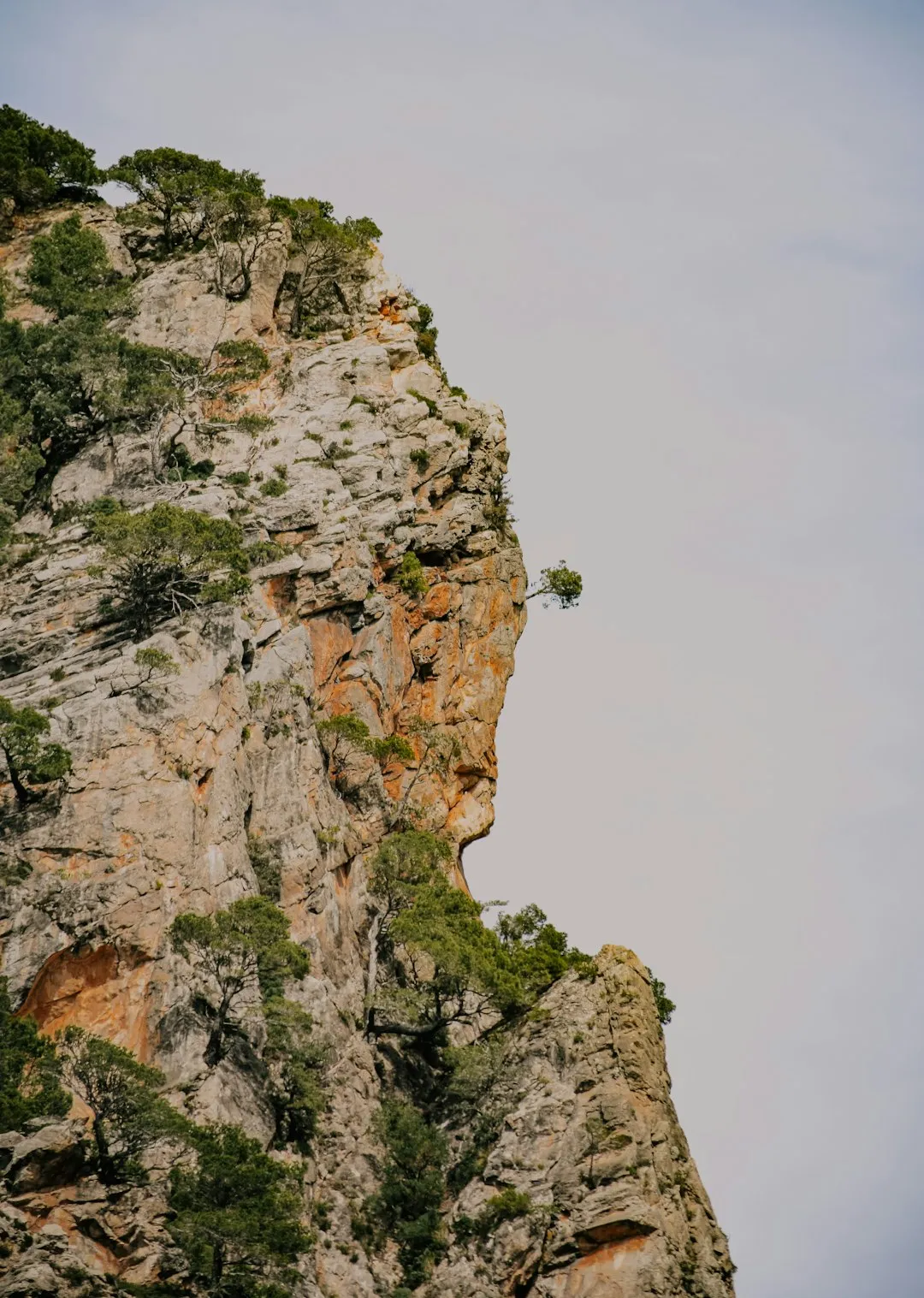
GR92 (Costa Brava Trail) - Coastal Catalonia's Gem
The GR92, also known as the Costa Brava Trail, is a spectacular long-distance hiking route that traces the rugged and beautiful coastline of Catalonia, Spain. Stretching approximately 200 kilometres from the French border at Portbou down to the town of Tossa de Mar, this trail offers an unparalleled journey through diverse landscapes, from dramatic cliffs and hidden coves to charming fishing villages and ancient ruins. It's a path that blends natural beauty with rich history, providing a truly immersive experience of the Mediterranean coast.
- Distance: 200.0 km one-way
- Duration: 10-14 days
- Season: Spring (April-June) or Autumn (September-October)
- Difficulty: Moderate
- Closest City: Girona
- Trailhead Access: Nearest airport: Girona-Costa Brava Airport (GRO). From Girona, take a bus or taxi to Portbou (trail start). Car: AP-7 highway to France, exit Portbou. Parking available in Portbou. Road conditions are generally good. No permits needed.
- Coordinates: 41.8000, 3.1000
Overview
The GR92 is more than just a coastal path; it's a sensory expedition. As you traverse its length, the scent of pine and wild herbs mingles with the salty sea air. The soundscape shifts from the gentle lapping of waves on sandy beaches to the crashing surf against sheer rock faces. The visual panorama is a constant feast: turquoise waters, dramatic cliffs plunging into the sea, vibrant wildflowers in spring, and the golden hues of autumn foliage. The trail is well-marked with the characteristic red and white stripes of the Gran Recorrido (GR) network, ensuring navigation is generally straightforward, though some sections can be challenging due to steep ascents and descents.
This route is divided into numerous stages, each offering its unique character. You'll pass through iconic towns like Cadaqués, a picturesque village that has long attracted artists, and Calella de Palafrugell, with its whitewashed houses and traditional fishing boats. Beyond the villages, the trail delves into protected natural parks, such as the Cap de Creus Natural Park, Spain's easternmost point, known for its wind-sculpted rock formations and stark beauty. Further south, the coastline becomes softer, with more accessible beaches and charming coves (calas) perfect for a refreshing dip. The GR92 is a journey that caters to a range of hikers, from those seeking a challenging multi-day adventure to those who prefer to tackle sections as day hikes, using the numerous coastal towns as bases.
The trail's moderate difficulty rating reflects its varied terrain. While there are flat stretches along promenades and coastal paths, expect significant elevation changes as the route navigates headlands and climbs to viewpoints. The path can be narrow and rocky in places, requiring sturdy footwear and a degree of sure-footedness. The best times to walk are spring and autumn, when the weather is pleasant, the crowds are thinner, and the natural scenery is at its most vibrant. Summer can be very hot, making daytime hiking challenging, while winter can bring cooler temperatures and occasional rain, though it offers a quieter experience.
History and Cultural Context
The Costa Brava, meaning "Wild Coast," has a history stretching back millennia. The GR92 follows ancient paths that were once used by Iberian tribes, Roman traders, and medieval fishermen. Evidence of these past civilisations can be found scattered along the route, from Roman ruins and medieval watchtowers to the remnants of old fishing trails that have been trodden for centuries.
The region's strategic coastal location meant it was frequently a target for pirates and invaders throughout history. Many of the small watchtowers and fortified structures that dot the coastline served as lookouts and defence points. The trail often passes through these historical sites, offering a tangible connection to the past and a glimpse into the lives of those who inhabited this rugged shore.
In more recent times, the Costa Brava became a popular destination for artists and writers, drawn by its dramatic landscapes and unique light. Salvador Dalí, for instance, found inspiration in the surreal rock formations of Cap de Creus and established his home in nearby Portlligat. The trail's passage through towns like Cadaqués allows hikers to walk in the footsteps of these cultural figures, experiencing the very vistas that fuelled their creativity.
The GR92 itself is part of a larger European network of long-distance footpaths, designed to connect significant natural and cultural heritage sites. Its development as a marked trail has helped to preserve these ancient routes and make them accessible to a wider audience, while also promoting sustainable tourism in the region.
Seasonal Highlights and Weather Reality
The GR92 offers a different experience depending on the season, each with its own charm and challenges.
Spring (April-June): This is arguably the best time to walk the GR92. The weather is typically mild and pleasant, with average temperatures ranging from 15°C to 25°C. The landscape bursts into colour with wildflowers, and the sea is often calm and inviting. The days are longer, providing ample time for hiking. However, occasional spring showers are possible, and the sea might still be too cool for swimming for some.
Summer (July-August): While the Costa Brava is a popular summer destination, hiking the GR92 during these months can be challenging due to high temperatures, often exceeding 30°C. The coastal paths can become very hot and exposed, with limited shade. If hiking in summer, it's essential to start very early, take frequent breaks, stay hydrated, and consider shorter sections or focusing on coastal towns. The sea is warm and perfect for swimming, and the atmosphere in the coastal villages is vibrant.
Autumn (September-October): Another excellent season for hiking. The intense heat of summer subsides, and the weather remains warm and sunny, with average temperatures between 18°C and 28°C. The sea is still warm enough for swimming, and the autumn light casts a beautiful glow over the landscape. The crowds thin out considerably after August, offering a more tranquil experience. The vegetation may start to turn golden, adding to the scenic beauty.
Winter (November-March): Winter on the Costa Brava is generally mild compared to inland Spain, with average temperatures between 10°C and 18°C. However, it is also the wettest period, and strong winds can occur, especially along the exposed coast. Some coastal facilities and restaurants may have reduced hours or be closed. Despite the potential for rain, winter offers a peaceful and uncrowded experience, with dramatic seascapes and the opportunity to see the coastline in a different light. It's crucial to check weather forecasts carefully and be prepared for rain and wind.
Recommended Itinerary
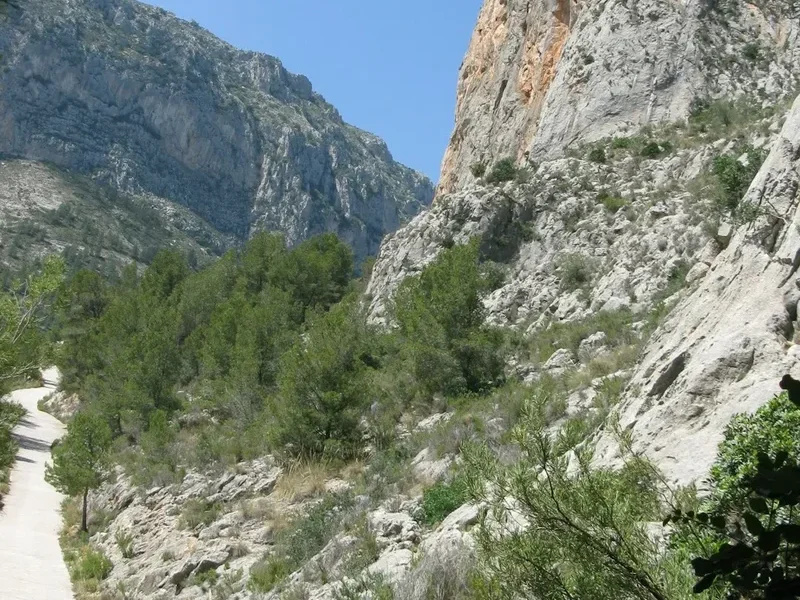
10-Day GR92 (Costa Brava Trail) Itinerary Example
Day 1: Portbou to Llançà
- Distance: 15 km
- Elevation gain: 500 m
- Time: 4-5 hours
- Start at the French border in Portbou.
- Follow the GR92 signs along the coast, with initial steep climbs offering panoramic views.
- Pass through rugged coastal terrain and small coves.
- Descend into the charming fishing town of Llançà.
Day 2: Llançà to El Port de la Selva
- Distance: 12 km
- Elevation gain: 400 m
- Time: 3-4 hours
- A shorter, scenic day.
- The trail winds through coastal scrub and offers views of the Cap de Creus Natural Park.
- Pass by the historic Sant Pere de Rodes monastery (optional detour).
- Arrive in the picturesque fishing village of El Port de la Selva.
Day 3: El Port de la Selva to Cadaqués
- Distance: 18 km
- Elevation gain: 600 m
- Time: 5-6 hours
- A more challenging day, crossing the Cap de Creus peninsula.
- The landscape becomes more dramatic and windswept.
- Pass through the heart of Cap de Creus Natural Park, with its unique rock formations.
- Descend into the iconic artist's village of Cadaqués.
Day 4: Cadaqués to Roses
- Distance: 20 km
- Elevation gain: 700 m
- Time: 6-7 hours
- Continue along the coast, with some sections requiring careful footing.
- Pass by secluded coves and enjoy views of the Bay of Roses.
- The trail may involve some road walking as you approach Roses.
- Arrive in the larger resort town of Roses.
Day 5: Roses to Empuriabrava / Sant Pere Pescador
- Distance: 22 km
- Elevation gain: 200 m
- Time: 5-6 hours
- A flatter section, often following coastal paths and beaches.
- Pass through the Aiguamolls de l'Empordà Natural Park, a significant wetland area.
- Option to stay in Empuriabrava (a town of canals) or continue to Sant Pere Pescador.
Day 6: Sant Pere Pescador to L'Escala
- Distance: 15 km
- Elevation gain: 300 m
- Time: 4-5 hours
- Follow the coast towards the historic town of L'Escala.
- Explore the ancient Greco-Roman ruins of Empúries.
- L'Escala is famous for its anchovies.
Day 7: L'Escala to Begur
- Distance: 25 km
- Elevation gain: 800 m
- Time: 7-8 hours
- A longer and more demanding day, with significant ascents and descents.
- The trail navigates through pine forests and offers stunning views of coves like Cala Montgó.
- Arrive in the charming hilltop town of Begur, with its medieval castle.
Day 8: Begur to Palafrugell (Calella de Palafrugell)
- Distance: 18 km
- Elevation gain: 500 m
- Time: 5-6 hours
- Descend from Begur towards the coast.
- Pass through beautiful coves such as Sa Tuna, Aiguablava, and Tamariu.
- Arrive in the picturesque fishing village of Calella de Palafrugell.
Day 9: Palafrugell to Palamós
- Distance: 15 km
- Elevation gain: 400 m
- Time: 4-5 hours
- Continue south along the coast.
- Pass through more charming coves and small beaches.
- Arrive in the larger fishing port of Palamós.
Day 10: Palamós to Tossa de Mar
- Distance: 25 km
- Elevation gain: 900 m
- Time: 7-8 hours
- The final and arguably most spectacular section.
- The trail is very rugged and dramatic, with steep climbs and descents over numerous headlands.
- Pass through the protected area of the Costa del Montgrí.
- Arrive in the stunning medieval town of Tossa de Mar, with its walled old town (Vila Vella).
Notes:
- This is a suggested itinerary; distances and times are approximate and can vary based on fitness and chosen routes.
- Accommodation is readily available in most towns and villages along the route, ranging from hotels and guesthouses to campsites.
- Consider breaking longer days or combining shorter ones based on your preferences and available accommodation.
- The trail can be walked in sections, using public transport to access different starting and ending points.
Planning and Bookings
Book Your Trip
Everything you need to plan your journey
Accommodation
Find places to stay near Girona
Flights
Search flights to Girona
Essential Preparation
The GR92 is a well-established trail, but proper planning is still crucial for an enjoyable experience. Given its length and the availability of accommodation in numerous towns, it's feasible to walk it in sections or as a continuous trek. The closest major city with an airport is Girona. From Girona, you can take a bus or train to reach the northern trailhead at Portbou or other coastal towns. If driving, there is parking available in Portbou, but it's advisable to arrange transport back from your endpoint or use public transport for a one-way journey.
Logistics: For a continuous trek, consider arranging luggage transfer services between accommodations. This allows you to hike with a lighter day pack. Alternatively, plan your route to coincide with towns that have good public transport links, enabling you to return to your starting point or move to a new section easily.
Base Town/City: Girona is an excellent base for accessing the northern sections of the trail. For the southern sections, towns like Palafrugell or Palamós offer good amenities and transport connections. Many coastal towns along the route also provide excellent bases for day hikes.
Trail Accommodation
The GR92 passes through numerous coastal towns and villages, offering a wide range of accommodation options. There are no designated "huts" in the same sense as alpine trails; instead, you will find:
- Hotels and Hostals: Available in most towns and villages, offering private rooms with varying levels of comfort and amenities.
- Guesthouses (Pensiones): Often a more budget-friendly option, providing basic but comfortable accommodation.
- Apartments and Holiday Rentals: Ideal for longer stays or for groups, offering self-catering facilities.
- Campsites: Several campsites are located along the coast, particularly near larger towns or natural parks. These are often well-equipped with facilities like showers, toilets, and sometimes swimming pools.
Booking Requirements: It is highly recommended to book accommodation in advance, especially during the peak summer season (July-August) and shoulder seasons (spring and autumn). Popular towns like Cadaqués and Tossa de Mar can fill up quickly. Booking online through platforms like Booking.com, Airbnb, or directly with hotels is advisable.
Facilities Provided: Typically include private rooms, en-suite bathrooms, bedding, and towels. Apartments and campsites will have kitchen facilities. Hotels often offer breakfast and other services.
What's NOT Provided: Unless you are in a self-catering apartment or campsite, you will need to arrange your own meals. Cooking equipment is generally not provided in hotels or guesthouses.
Seasonal Availability: Accommodation is generally available year-round, but options may be limited in smaller villages during the winter months. Campsites are typically open from spring to autumn.
Costs: Prices vary significantly by location, season, and type of accommodation. Expect to pay anywhere from €40-€60 per night for a budget guesthouse or campsite, up to €100-€200+ per night for a mid-range to high-end hotel, especially in popular areas during peak season.
This is a day hike requiring no overnight accommodation.
Required Gear
- Hiking Boots: Sturdy, waterproof hiking boots with good ankle support are essential. The terrain can be uneven, rocky, and sometimes slippery. Ensure they are well broken-in to prevent blisters.
- Waterproof Jacket: A lightweight, breathable waterproof jacket is crucial, especially for spring and autumn walks, as rain showers can occur.
- Waterproof Overtrousers: Recommended for protection against rain and wind, particularly on exposed coastal sections.
- Backpack: A comfortable daypack (20-30 litres) is sufficient if you are staying in towns and doing day hikes. If trekking continuously, a larger pack (40-50 litres) will be needed to carry more supplies. A rain cover for your pack is advisable.
- Navigation Tools: While the GR92 is generally well-marked, a good map of the area, a compass, and a GPS device or smartphone with offline maps are highly recommended. The official GR92 guidebook is also invaluable.
- First-Aid Kit: A comprehensive kit including blister treatment, bandages, antiseptic wipes, pain relievers, and any personal medications.
- Sun Protection: High SPF sunscreen, a wide-brimmed hat, and sunglasses are essential, especially during warmer months.
- Head Torch: Useful for early morning starts, late finishes, or if staying in basic accommodation.
What to Bring
- Food and Water: Carry sufficient water for each day's hike, especially on longer sections between villages. Water sources may be scarce. Snacks such as energy bars, nuts, and fruit are recommended. You can resupply in towns and villages along the route.
- Water Treatment: While tap water in towns is safe to drink, it's wise to carry a water filter or purification tablets if you plan to refill from natural sources, though this is generally not necessary on this trail.
- Clothing: Layers are key. Bring moisture-wicking base layers, a warm fleece or mid-layer, and comfortable hiking trousers or shorts. Consider quick-drying fabrics.
- Footwear: In addition to hiking boots, bring comfortable shoes or sandals for evenings in towns.
- Toiletries: Biodegradable soap, toothbrush, toothpaste, and any personal hygiene items. Consider a small quick-drying towel.
- Personal Items: Camera, phone and charger, power bank, book, and any personal comfort items.
- Cash: While credit cards are widely accepted in towns, it's advisable to carry some cash for smaller purchases, rural shops, or in case of card machine failures.
- Walking Poles: Optional but can be beneficial for steep ascents and descents, reducing strain on knees.
Permits
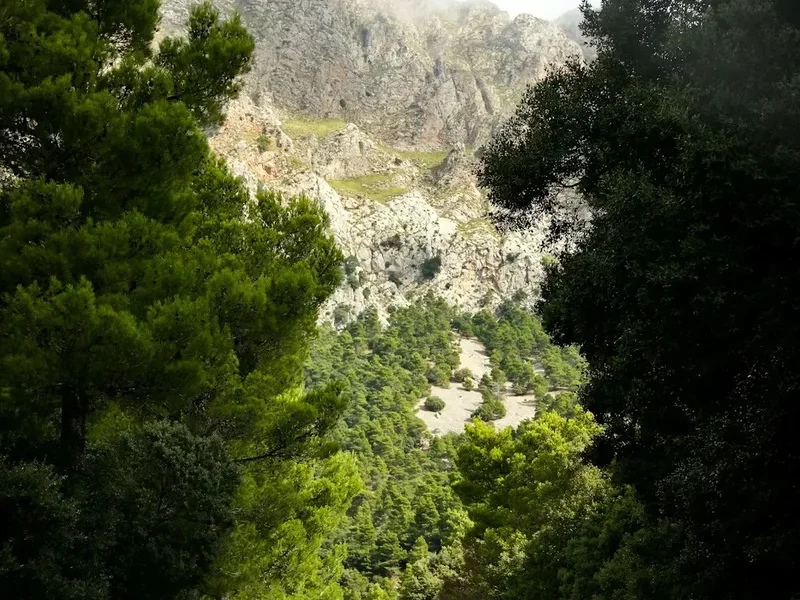
The GR92 (Costa Brava Trail) does not require any specific permits for hiking. It is a public footpath managed by local authorities and the Catalan government. You are free to walk the trail at any time of year without needing to obtain special permission.
However, it is always advisable to check for any local advisories or temporary closures that might affect specific sections of the trail, particularly in natural parks or areas prone to landslides or fire risk. These can usually be found on the websites of the relevant regional park authorities or the Catalan tourism board.
Accommodation: As mentioned in the planning section, booking accommodation in advance is highly recommended, especially during peak seasons. This is not a permit requirement but a practical necessity to secure your lodging.
Camping: Wild camping is generally not permitted along the GR92, especially in natural parks and near coastal areas. Designated campsites are the only legal option for camping. Always adhere to local regulations regarding camping to avoid fines and protect the environment.
Other Activities in the Area
The Costa Brava offers a wealth of activities beyond hiking:
- Beach and Cove Exploration: Discover countless beautiful beaches and hidden coves (calas) perfect for swimming, sunbathing, and snorkelling.
- Water Sports: Kayaking, paddleboarding, sailing, and diving are popular activities, with rental facilities available in most coastal towns.
- Cultural and Historical Sites: Visit the Greco-Roman ruins of Empúries, explore medieval castles in towns like Begur and Tossa de Mar, and discover charming old towns with narrow streets and historic churches.
- Gastronomy: Indulge in the delicious Catalan cuisine, focusing on fresh seafood, local wines, and traditional dishes. Many restaurants offer stunning sea views.
- Art and Museums: Explore the legacy of artists like Salvador Dalí by visiting his house-museum in Portlligat or the Dalí Theatre-Museum in Figueres (a short drive inland).
- Boat Trips: Take a boat tour to explore the coastline from the sea, visit inaccessible coves, or enjoy a sunset cruise.
- Wine Tasting: The Empordà region is known for its excellent wines. Visit local vineyards for tours and tastings.
- Natural Parks: Explore the unique landscapes of Cap de Creus Natural Park and the Aiguamolls de l'Empordà Natural Park, which offer diverse flora and fauna.
Safety and Conditions
Trail Conditions: The GR92 is generally well-maintained and marked. However, sections can be steep, rocky, and uneven. Be prepared for ascents and descents, especially when navigating headlands. In wet weather, some paths can become slippery.
Weather: While the Costa Brava enjoys a Mediterranean climate, weather can change. Summers can be very hot, requiring careful hydration and sun protection. Spring and autumn offer milder temperatures but can bring rain and wind. Always check the weather forecast before setting out, especially for longer or more exposed sections.
Navigation: The trail is marked with red and white GR stripes. However, it's always wise to carry a map and compass or use a GPS device/app with offline maps, as signage can occasionally be unclear or damaged. Familiarise yourself with the route and have a backup plan.
Water: Carry sufficient water, especially during warmer months and on sections between villages where water sources may be scarce. You can refill your bottles in towns and villages.
Sun Exposure: Large parts of the trail are exposed to the sun. Wear a hat, sunglasses, and apply sunscreen regularly. Seek shade during the hottest parts of the day.
Coastal Hazards: Be aware of the sea conditions, especially if swimming or exploring rocky areas. Tides and waves can be unpredictable. Stick to marked paths and avoid venturing onto unstable cliff edges.
Emergency Contacts: In case of emergency, dial 112 (the European emergency number). It's advisable to have a fully charged mobile phone. Consider carrying a power bank for longer hikes.
Fitness: The trail is rated as moderate due to its length and elevation changes. Ensure you have a reasonable level of fitness and are comfortable with sustained walking, including uphill and downhill sections.
Side Trips and Points of Interest
Cap de Creus Natural Park: The easternmost point of mainland Spain, this park is renowned for its dramatic, wind-sculpted rock formations, rugged coastline, and stark beauty. The GR92 passes through its heart, offering incredible views and a sense of wildness.
Sant Pere de Rodes Monastery: A magnificent Romanesque monastery perched high on a hill overlooking the coast. A significant detour from the main GR92, but well worth the effort for its historical and architectural importance, and the panoramic views it offers.
Ruins of Empúries: An archaeological site featuring well-preserved Greek and Roman ruins right on the coast. Walking the GR92 allows you to easily incorporate a visit to this fascinating historical location.
Begur Castle: The ruins of a medieval castle offering commanding views over the town of Begur and the surrounding coastline. A short climb from the town centre provides a rewarding perspective.
Tossa de Mar's Vila Vella: The only remaining fortified medieval town on the Catalan coast. Walking the GR92 culminates in reaching this picturesque walled town, a truly memorable sight.
Hidden Calas: The GR92 frequently leads to secluded coves (calas) with crystal-clear waters, perfect for a refreshing swim and a break from hiking. Some of the most beautiful include Cala Montgó, Sa Tuna, Aiguablava, and Cala Pola.
Leave No Trace
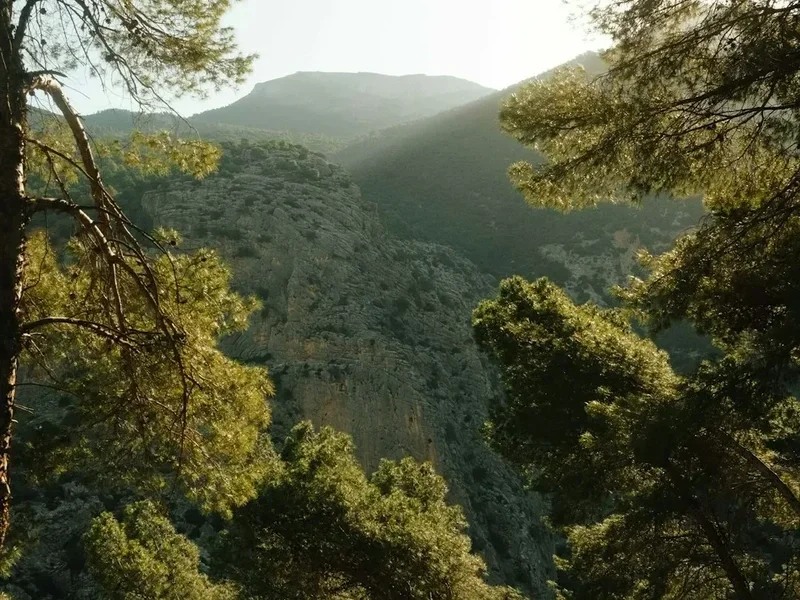
The GR92 traverses a beautiful and ecologically sensitive coastal environment. Practising Leave No Trace principles ensures that this stunning landscape remains pristine for future generations and for the enjoyment of all visitors.
- Plan Ahead and Prepare: Research your route, understand the terrain, and be aware of local conditions. Book accommodation in advance, especially during peak season.
- Travel and Camp on Durable Surfaces: Stick to the marked trails. Avoid cutting switchbacks or walking on fragile vegetation. If camping, use designated campsites only.
- Dispose of Waste Properly: Pack out everything you pack in, including all food scraps, wrappers, and any other litter. Use designated bins in towns and villages. If no bins are available, carry your waste with you until you find one.
- Leave What You Find: Do not remove plants, rocks, or historical artefacts. Take only photographs and memories.
- Minimise Campfire Impacts: Campfires are generally prohibited along the Costa Brava coast and in natural parks. Use a portable stove for cooking if necessary.
- Respect Wildlife: Observe wildlife from a distance and do not feed any animals.
- Be Considerate of Other Visitors: Keep noise levels down, especially in natural areas and residential zones. Yield to other hikers on narrow paths.
By following these principles, you contribute to the preservation of the Costa Brava's natural and cultural heritage.
 Spain
Spain