
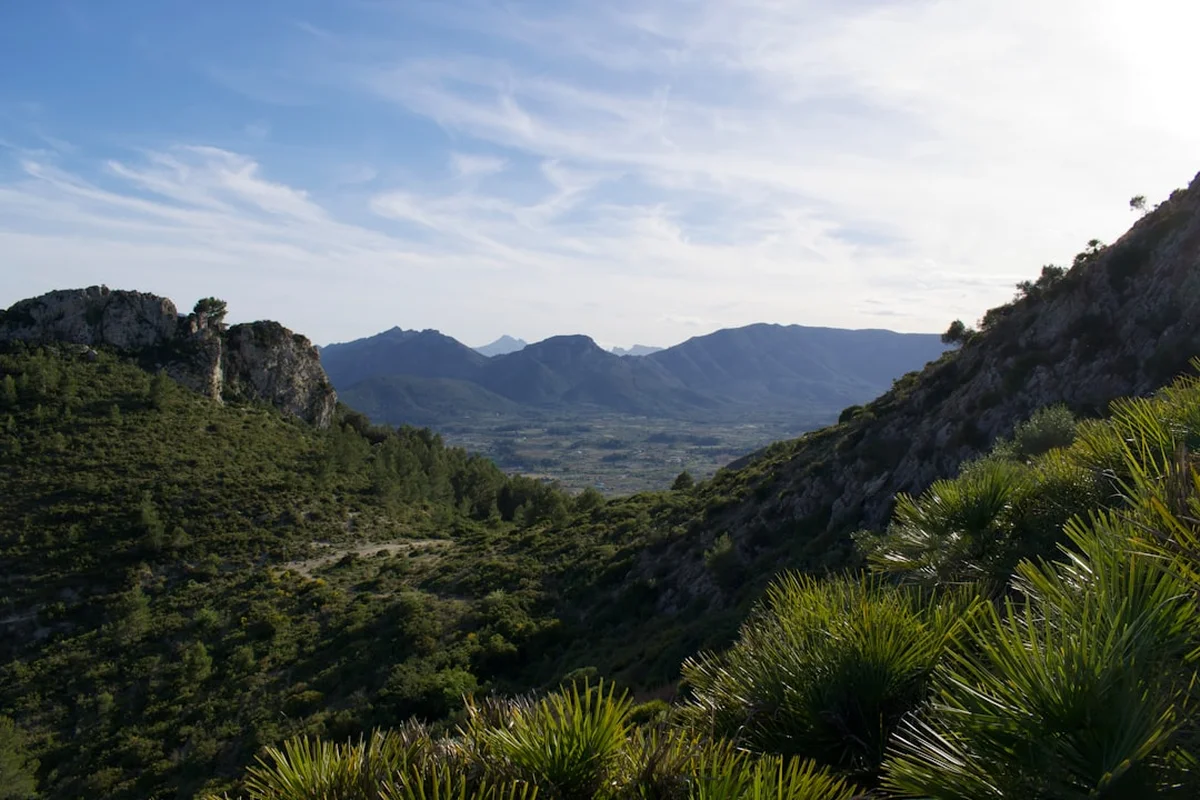
GR92 - Mediterranean Trail: The Coastal Odyssey of Spain
The GR92, famously known as the Sendero Mediterráneo, is one of Spain’s most iconic long-distance footpaths, tracing the undulating contours of the Mediterranean coastline with breathtaking precision. Stretching approximately 720 kilometres through the region of Catalonia alone (and continuing further south), this trail offers a profound immersion into the diverse landscapes, ancient histories, and vibrant cultures of the Iberian Peninsula. From the rugged, wind-swept cliffs of the Cap de Creus near the French border to the expansive, bird-rich wetlands of the Ebro Delta, the GR92 is a journey of constant transformation. It is a route where the scent of salt spray mingles with the aroma of Aleppo pines and wild rosemary, and where every turn of the path reveals a hidden cove, a medieval watchtower, or a sun-drenched fishing village.
The trail is part of the E10 European long-distance path, symbolising a continental connection that transcends borders. For the modern walker, the GR92 represents a unique challenge: it is not merely a test of physical endurance over 4 to 6 weeks, but a cultural pilgrimage. The path utilises the ancient "Camins de Ronda"—coastal tracks originally used by local fishermen, smugglers, and later by the Guardia Civil to patrol the shoreline. Walking the GR92 means stepping into these historical footprints, traversing terrain that has seen the passage of Greeks, Romans, and Moors. Whether you are navigating the technical granitic steps of the Costa Brava or the long, sandy stretches of the Costa Daurada, the Mediterranean Sea remains your constant, shimmering companion, its turquoise waters providing both a visual anchor and a refreshing reward at the end of a long day’s trek.
- Distance: 720.0 km (Catalan section)
- Duration: 4–6 weeks
- Season: Spring (April–May) or Autumn (September–October)
- Accommodation: Hostels, pensiones, hotels, and campsites
- Highest point: Approximately 500 m (various coastal massifs)
- Difficulty: Moderate (long distance requires high endurance)
- Direction: North to South (Portbou to Ulldecona/Ebro region)
Overview
The GR92 is a masterclass in coastal geography. The trail is traditionally walked from north to south, beginning at the border town of Portbou and winding its way down to the southern reaches of Catalonia near the Sénia River. This direction allows walkers to witness the landscape’s dramatic evolution. The northernmost section, the Costa Brava, is characterised by its "wild" nature—steep cliffs of schist and granite, deep-set "calas" (coves) accessible only by foot, and dense forests of cork oak and pine that grow right to the water's edge. As the trail progresses south of Palamos, the terrain softens slightly, though it remains punctuated by significant massifs such as the Montgrí and the Gavarres, which require inland detours through Mediterranean scrubland and ancient olive groves.
Central to the GR92 experience is the transition through the metropolitan influence of Barcelona. The trail does not shy away from the city; instead, it climbs into the Collserola Hills, providing a spectacular balcony view of the Sagrada Família and the Mediterranean horizon before descending back toward the coast. South of the capital, the landscape shifts again into the limestone ruggedness of the Garraf Massif, a stark, lunar-like environment that contrasts sharply with the lushness of the north. The final stages of the Catalan GR92 lead through the Costa Daurada (the Golden Coast), where the cliffs give way to long, expansive beaches and the remarkable flatlands of the Ebro Delta, one of the most important wetland habitats in Europe.
Physically, the trail is classified as moderate. While it lacks the extreme altitudes of the Pyrenees, the cumulative elevation gain of 15,000 metres is significant. The challenge lies in the "rollercoaster" nature of the coastal path—constant short, steep climbs and descents as the trail hugs the cliffs. Underfoot, the terrain varies from well-maintained promenades and gravel tracks to narrow, rocky single-tracks where sure-footedness is essential. The Mediterranean climate is a defining factor; the intense sun and lack of shade in certain sections demand careful hydration and sun protection. However, the proximity to civilisation means that fresh water, excellent Catalan cuisine, and comfortable accommodation are rarely more than a few hours away, making this an accessible adventure for those with the time to commit to its full length.
History and Cultural Context
The history of the GR92 is inextricably linked to the "Camins de Ronda." These paths have existed for centuries, serving as vital arteries for coastal communities. In the 19th and early 20th centuries, they were the primary routes for "carabinero" patrols tasked with suppressing the rampant smuggling of tobacco, silk, and coffee that occurred in the secluded coves of the Costa Brava. During the Spanish Civil War and the subsequent Francoist era, these paths took on a more somber tone as lookout points for maritime incursions. Today, these once-utilitarian tracks have been reclaimed for leisure and conservation, forming the backbone of the GR92 and allowing walkers to access areas of the coast that remain untouched by modern road infrastructure.
Beyond the paths themselves, the trail is a corridor through time. At Empúries, the GR92 passes the most significant Greek and Roman ruins in Spain, where the foundations of ancient marketplaces and mosaics still overlook the sea. Further south, the city of Tarragona (ancient Tarraco) serves as a living museum, with its Roman amphitheatre situated just metres from the trail. The cultural heritage is not limited to antiquity; the trail passes through the heart of the "Dalí Triangle." The surrealist master Salvador Dalí lived and worked in Cadaqués and Port Lligat, and the landscape of the Cap de Creus—with its bizarrely weathered rocks—is clearly recognisable in many of his most famous paintings. Walking here is, in a sense, walking through a surrealist canvas.
The Catalan identity is woven into the fabric of the trail. From the traditional "havaneres" songs sung in the taverns of Calella de Palafrugell to the distinct culinary traditions of the Ebro Delta (the rice basket of Catalonia), the GR92 offers a deep dive into a culture that is fiercely proud of its maritime roots. The trail is marked with the characteristic red and white stripes of a "Gran Recorrido" (long-distance path), a system established in Spain in the 1970s to encourage the exploration of the country’s natural and historical wealth on foot.
Want more background? Read extended notes on history and cultural context → Learn more
Seasonal Highlights and Weather Reality
Timing is everything on the GR92. Because the trail is coastal and relatively low-lying, it is subject to the full intensity of the Mediterranean sun. Summer (July and August) is generally discouraged for long-distance walking. Temperatures frequently exceed 30°C, humidity can be high, and the coastal towns are crowded with holidaymakers, making accommodation difficult to secure and significantly more expensive. Furthermore, the risk of heatstroke on the exposed cliff sections is a genuine safety concern.
Spring (April to May) is arguably the finest time to embark on the journey. The landscape is in full bloom; the "macchia" (shrubland) is vibrant with wildflowers, and the air is filled with the scent of blossoming citrus trees. Temperatures are mild, typically ranging between 15°C and 22°C, providing ideal conditions for high-mileage days. The sea, while still brisk, is becoming warm enough for a quick dip at the end of the day.
Autumn (September to October) is another excellent window. The summer crowds have dissipated, and the sea remains warm from the summer heat. This is the season of the grape harvest in the Empordà and Penedès regions, adding a festive atmosphere to the inland detours. However, walkers should be aware of the "Gota Freda" (Cold Drop)—sudden, intense rainstorms that can occur in late autumn, occasionally causing flash flooding in dry riverbeds (rieres).
Winter (November to March) is feasible for experienced walkers, especially in the southern sections. Catalonia enjoys many clear, sunny winter days with temperatures around 10–15°C. However, the northern Costa Brava can be lashed by the "Tramuntana," a fierce, cold wind from the Pyrenees that can reach speeds of over 100 km/h, making cliff-top walking dangerous. Many seasonal hotels and restaurants in smaller villages close during the winter months, requiring more meticulous logistical planning.
Recommended Itinerary
30-Day GR92 Catalan Section Itinerary
Week 1: The Wild Coast (Costa Brava North)
- Day 1: Portbou to Llançà (15 km) - Crossing the border hills with views back to France.
- Day 2: Llançà to Cadaqués (20 km) - Entering the surreal landscape of Cap de Creus.
- Day 3: Cadaqués to Roses (22 km) - Rugged cliff paths and hidden coves.
- Day 4: Roses to Torroella de Montgrí (31 km) - Crossing the flat Aiguamolls de l'Empordà wetlands.
- Day 5: Torroella de Montgrí to Begur (20 km) - Climbing the Montgrí Massif and entering the heart of the Costa Brava.
- Day 6: Begur to Palamós (23 km) - The most iconic "Camins de Ronda" sections.
- Day 7: Palamós to Sant Feliu de Guíxols (18 km) - Spectacular coastal architecture and pine-fringed paths.
Week 2: The Selva and Maresme Coast
- Day 8: Sant Feliu de Guíxols to Tossa de Mar (21 km) - A challenging, hilly section with deep forest cover.
- Day 9: Tossa de Mar to Lloret de Mar (14 km) - Passing the iconic medieval walls of Tossa.
- Day 10: Lloret de Mar to Blanes (12 km) - Visiting the Marimurtra Botanical Gardens.
- Day 11: Blanes to Calella (22 km) - Transitioning to the flatter Maresme coastline.
- Day 12: Calella to Mataró (24 km) - Long beachside stretches and coastal rail-side paths.
- Day 13: Mataró to Montgat (20 km) - Approaching the Barcelona metropolitan area.
- Day 14: Montgat to Barcelona (Besòs) (15 km) - Entering the city via the river park.
Week 3: Barcelona and the Garraf Massif
- Day 15: Barcelona (Besòs) to Vallvidrera (18 km) - Climbing into the Collserola Hills for city views.
- Day 16: Vallvidrera to Sant Vicenç dels Horts (16 km) - Descending the western slopes of the city hills.
- Day 17: Sant Vicenç dels Horts to Begues (22 km) - Entering the limestone world of the Garraf.
- Day 18: Begues to Sitges (25 km) - A rugged, dry section through the Garraf Natural Park.
- Day 19: Sitges to Vilanova i la Geltrú (10 km) - A short, beautiful coastal walk.
- Day 20: Vilanova i la Geltrú to Calafell (22 km) - Passing through coastal resorts and ancient ruins.
- Day 21: Calafell to Torredembarra (20 km) - Flat, sandy paths and coastal dunes.
Week 4: Costa Daurada and the Ebro Delta
- Day 22: Torredembarra to Tarragona (15 km) - Arriving at the Roman capital.
- Day 23: Tarragona to Cambrils (24 km) - Walking past the Roman aqueduct and through tourist hubs.
- Day 24: Cambrils to L'Hospitalet de l'Infant (20 km) - The coast becomes quieter and more industrial-natural.
- Day 25: L'Hospitalet de l'Infant to L'Ametlla de Mar (23 km) - Returning to rugged, red-rock coastal paths.
- Day 26: L'Ametlla de Mar to L'Ampolla (16 km) - Pristine coves and crystal-clear water.
- Day 27: L'Ampolla to Deltebre (22 km) - Entering the vast, flat expanse of the Ebro Delta.
- Day 28: Deltebre to Sant Carles de la Ràpita (25 km) - Walking through rice fields and bird sanctuaries.
- Day 29: Sant Carles de la Ràpita to Alcanar (18 km) - The final coastal stretch of Catalonia.
- Day 30: Alcanar to Ulldecona (15 km) - Moving inland to the Sénia River and the end of the Catalan section.
Important Notes:
- Distances are approximate and can vary based on specific detours or accommodation choices.
- The trail is well-marked with red and white blazes, but a GPS or map is essential for inland sections.
- Public transport (trains) runs parallel to much of the coast, allowing for "section hiking" or skipping industrial areas.
- Water is generally not potable from countryside streams; use town fountains or buy bottled water.
Planning and Bookings
Book Your Trip
Everything you need to plan your journey
Accommodation
Find places to stay near Barcelona
Flights
Search flights to Barcelona
Essential Preparation
Walking 720 kilometres requires significant physical and mental preparation. While the terrain is not alpine, the daily repetition of 20–25 kilometre stages with a weighted pack takes a toll on the joints and feet. It is recommended to begin a training programme at least three months prior, focusing on endurance and walking in the boots you intend to use. Logistics are relatively straightforward due to the trail's proximity to towns, but the sheer length of the trip requires a flexible mindset.
Barcelona serves as the primary hub. Most walkers fly into Barcelona-El Prat (BCN) and take a train to the northern trailhead at Portbou. It is wise to spend a day or two in Barcelona or Girona to finalise gear and adjust to the local rhythm (including the later meal times). Booking the first few nights of accommodation is highly recommended, especially in popular spots like Cadaqués or Tossa de Mar.
Trail Accommodation
The GR92 does not have a system of dedicated mountain huts like the Pyrenees. Instead, walkers rely on a mix of commercial and municipal accommodation. This provides a high level of comfort but requires more active booking during peak periods.
Accommodation Types:
- Hostals and Pensiones: Family-run guesthouses offering basic, clean rooms. These are the backbone of GR92 accommodation. Costs range from €30 to €60 per night.
- Hotels: Abundant in coastal resorts. Prices vary wildly depending on the season.
- Campsites: Numerous along the coast, often with excellent facilities (pools, shops). Many offer "bungalows" if you don't want to carry a tent.
- Youth Hostels (Albergs): Available in larger towns like Barcelona, Tarragona, and Mataró.
Booking Requirements:
- In July and August, bookings are mandatory weeks in advance.
- In the shoulder seasons (May/September), booking 24–48 hours ahead is usually sufficient.
- Wild camping is technically illegal in Catalonia, especially in Natural Parks. Stick to designated campsites.
Required Gear
- Footwear: Lightweight hiking boots or high-quality trail running shoes. The terrain is often hard-packed or rocky; cushioning is more important than heavy-duty stiffness.
- Backpack: 35–50L capacity. Keep the total weight under 10–12 kilograms to protect your knees over the 720 km distance.
- Sun Protection: A wide-brimmed hat, high-quality sunglasses, and SPF 50+ sunscreen are non-negotiable.
- Clothing: Moisture-wicking base layers, a lightweight fleece for evenings, and a high-quality breathable rain jacket.
- Navigation: A smartphone with offline maps (e.g., Gaia GPS, AllTrails) and a power bank. Physical maps (Editorial Alpina) are excellent for the Costa Brava and Garraf sections.
What to Bring
- Water System: At least 2–3 litres of carrying capacity. A hydration bladder is useful for constant sipping in the heat.
- First Aid: Focus on blister care (Compeed, zinc oxide tape), electrolyte salts, and anti-inflammatories.
- Toiletries: Biodegradable soap, travel towel, and hand sanitiser.
- Snacks: High-energy bars, nuts, and dried fruit. While towns are frequent, some sections (like the Ebro Delta or Garraf) have long stretches without shops.
- Swimwear: You will want to swim almost every day. A lightweight, quick-dry towel is essential.
- Cash and Cards: Most places accept cards, but small village bars and some pensiones may still require cash (Euros).
Permits
One of the greatest appeals of the GR92 is its accessibility. No permits are required to walk the trail, and there are no daily quotas or entry fees for the path itself. You are free to start and stop wherever you choose. However, there are specific regulations regarding the protected areas the trail passes through.
Natural Park Regulations:
- Cap de Creus and Aiguamolls de l'Empordà: Strict "no camping" rules apply. You must stay in designated accommodation in nearby towns.
- Garraf Natural Park: Fire risk is extremely high in summer and autumn. Smoking or lighting any kind of flame is strictly prohibited and heavily fined.
- Ebro Delta: This is a sensitive bird sanctuary. Walkers must stay on the marked paths to avoid disturbing nesting sites.
Logistical Costs: While the trail is free, the cost of a 30-day trek adds up. A budget of €50–€80 per day is realistic for a comfortable experience including accommodation, two meals, and snacks. Budget travellers using campsites and supermarkets can reduce this to €30–€40 per day.
Other Activities in the Area
The GR92 passes through some of Spain's most culturally rich regions. Consider taking "zero days" to explore:
- The Dalí Museum in Figueres: A short train ride from Llançà or Roses, this is the largest surrealist object in the world and a must-visit for art lovers.
- Wine Tasting in the Empordà: The northern section of the trail passes through a burgeoning wine region known for its robust reds and crisp rosés. Many "bodegas" offer tours and tastings.
- Kayaking the Costa Brava: Rent a kayak in Tamariu or Llafranc to explore the sea caves and coves from a different perspective.
- Girona Old Town: A 40-minute train ride from the coast, Girona offers one of the best-preserved Jewish quarters in Europe and stunning cathedral views.
- Roman Tarragona: Spend a full day exploring the UNESCO-listed ruins, including the circus, the walls, and the seaside amphitheatre.
- Birdwatching in the Ebro Delta: Hire a local guide to see flamingos, herons, and rare gulls in the vast lagoons of the south.
Safety and Conditions
Heat and Hydration: The primary danger on the GR92 is the sun. Heat exhaustion can occur quickly, especially on the exposed limestone of the Garraf or the flat, shadeless dikes of the Ebro Delta. Always carry more water than you think you need, and use electrolyte replacements. Avoid walking during the peak heat (1:00 PM to 4:00 PM) if temperatures are high.
Coastal Erosion and Cliff Safety: The "Camins de Ronda" are subject to erosion. After heavy rain, some sections may be undercut or prone to small rockfalls. Always respect "Cami Tallat" (Path Closed) signs; they are there for a reason. Stick to the marked path, as the cliffs can be crumbly and unstable at the edges.
Road Walking: While the GR92 strives to stay on trails, some sections (particularly in the Maresme and near industrial ports) require walking on road shoulders or alongside railway lines. Wear high-visibility gear if walking in low light and stay alert to traffic.
The Tramuntana Wind: In the north, this wind can be powerful enough to knock a person off balance. If the Tramuntana is blowing, avoid high cliff-top sections and take inland alternatives. Check the "Meteocat" (Catalan Weather Service) for wind warnings.
Emergency Services: The universal emergency number in Spain is 112. Mobile signal is excellent along 95% of the trail, but be aware that in deep coves or remote parts of the Garraf, you may lose reception.
Side Trips and Points of Interest
Cap de Creus Lighthouse: Located at the easternmost point of the Iberian Peninsula, this lighthouse sits in a landscape of tortured rock formations and crashing waves. It is a 7 km detour from Cadaqués but offers a profound sense of "the end of the world." The restaurant at the lighthouse serves excellent local seafood.
The Ruins of Empúries: You literally walk through history here. The GR92 passes right by the gates of this ancient site where the Greeks first landed in the 6th century BC. It is worth the €7 entry fee to walk among the Roman villas and see the statue of Asclepius overlooking the Mediterranean.
Castell de Sant Joan (Blanes): A steep climb from the town of Blanes leads to this 11th-century castle. It marks the gateway to the Costa Brava and provides a panoramic view that encompasses the flat plains to the south and the rugged mountains to the north.
The Ebro Delta Dikes: In the final stages, the trail follows the dikes that separate the rice fields from the sea. This is a minimalist landscape of sky and water, home to over 300 species of birds. The silence here, broken only by the wind and bird calls, is a stark and beautiful contrast to the bustling resort towns further north.
Montserrat Monastery: While not on the GR92, a train from Barcelona can take you to this spectacular mountain monastery in an hour. It is the spiritual heart of Catalonia and offers world-class hiking in a unique conglomerate rock landscape.
Leave No Trace
The Mediterranean coast is under immense environmental pressure from tourism and development. As a long-distance walker, your impact should be minimal. The GR92 passes through several "Parcs Naturals" and "Reserves Marines" that require the utmost respect.
Your responsibility as a walker:
- Plastic Waste: The Mediterranean has a significant plastic problem. Never leave rubbish on beaches or trails. Carry a reusable water bottle and avoid single-use plastics where possible.
- Water Conservation: Catalonia frequently suffers from droughts. Be mindful of water usage in hostels and campsites.
- Respect Wildlife: In the Ebro Delta, stay on the paths to avoid crushing the eggs of ground-nesting birds. Never feed wild animals, including the boars that are sometimes seen in the Collserola hills.
- Fire Safety: Wildfires are the greatest threat to the Mediterranean forest. Never light a fire, and dispose of cigarette butts with extreme care (or better yet, don't smoke on the trail).
- Stay on the Path: To prevent erosion and protect rare coastal flora like the sea lily, stay on the marked red and white trail.
By following these principles, you help ensure that the "Camins de Ronda" remain a pristine escape for future generations of walkers.
 Spain
Spain