
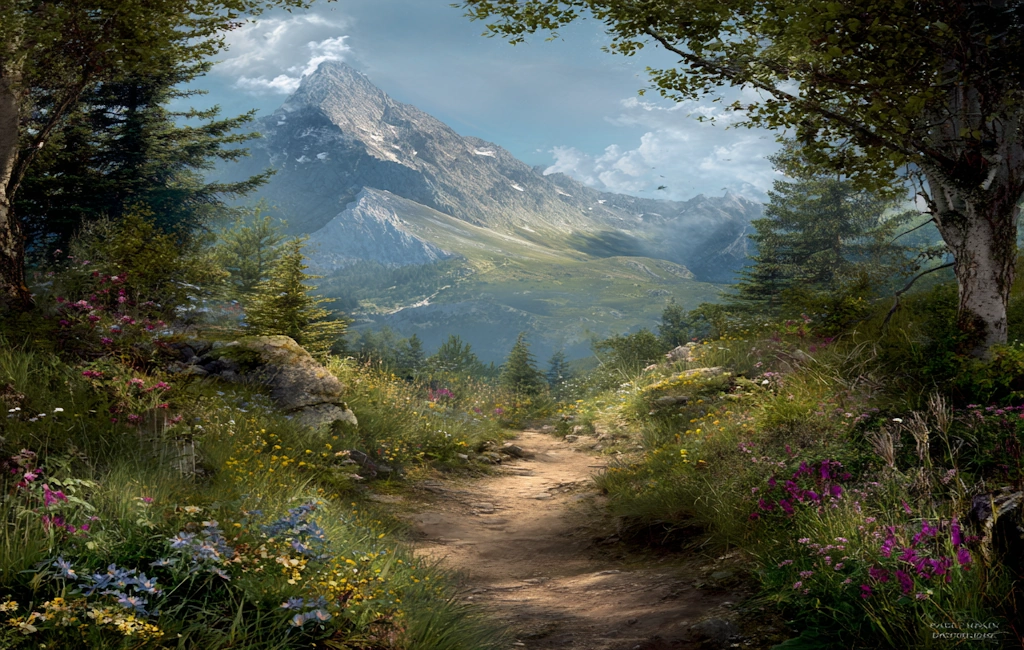
GR65: Le Puy to Conques - The Way of Saint James
The GR65, also known as the Via Podiensis, is one of the most popular and historically significant routes of the Camino de Santiago (Way of Saint James) in France. This ancient pilgrimage trail stretches from Le Puy-en-Velay in the Auvergne region to the Spanish border, ultimately leading to Santiago de Compostela in Spain. This description focuses on the initial and arguably most scenic French section, from Le Puy-en-Velay to the medieval village of Conques, a distance of approximately 120 kilometres. This segment traverses diverse landscapes, from the volcanic highlands of the Velay to the rolling hills of Rouergue, passing through charming villages, historic churches, and offering a profound spiritual and cultural experience.
- Distance: 120 km (Le Puy to Conques)
- Duration: 5–7 days
- Season: Spring (April–June) and Autumn (September–October)
- Accommodation: Gîtes d'étape (pilgrim hostels), chambres d'hôtes (B&Bs), small hotels
- Highest point: Approximately 1,100 metres in the Monts du Velay
- Difficulty: Moderate (due to cumulative distance and some elevation changes)
- Direction: East to West (Le Puy-en-Velay to Conques)
Overview
The GR65 from Le Puy-en-Velay to Conques is a journey through the heart of rural France, steeped in history and spirituality. It follows ancient pilgrimage routes that have been trodden by countless souls for over a millennium. The trail begins at the magnificent Cathédrale Notre-Dame du Puy, a UNESCO World Heritage site and a major starting point for pilgrims. From there, it winds through the dramatic volcanic landscapes of the Monts du Velay, characterised by striking rock formations and vast panoramas. The route then descends into the picturesque valleys and plateaus of the Lozère and Aveyron regions, passing through hamlets and small towns that seem frozen in time.
Walkers will encounter a rich tapestry of French rural life, from agricultural fields and forests to charming villages with Romanesque churches and medieval architecture. The terrain is varied, with some challenging ascents and descents, particularly in the early stages, but generally offers a moderate walking experience suitable for those with a reasonable level of fitness. The trail is well-marked with the characteristic red and white GR (Grande Randonnée) blazes, making navigation relatively straightforward. The accommodation options are geared towards pilgrims, with many gîtes d'étape offering simple, communal lodging and meals, fostering a unique camaraderie among walkers.
The spiritual dimension is ever-present, with numerous opportunities for reflection at ancient chapels, wayside shrines, and the imposing cathedrals and abbeys encountered along the way. Conques itself, a stunningly preserved medieval village nestled in a valley, is a fitting and awe-inspiring destination, home to the Abbey Church of Sainte-Foy, another UNESCO World Heritage site renowned for its Romanesque sculpture.
History and Cultural Context
The GR65 is part of the historic network of routes leading to the tomb of Saint James the Great in Santiago de Compostela, Spain. The specific route from Le Puy-en-Velay, known as the Via Podiensis, gained prominence in the Middle Ages. Le Puy-en-Velay itself has been a significant pilgrimage destination since at least the 10th century, drawing pilgrims to its cathedral, which is said to house relics of the Virgin Mary. The cathedral's construction, beginning in the 12th century, reflects the importance of the site as a spiritual centre.
The Via Podiensis was one of the four major pilgrimage routes in France, and its popularity was such that it fostered the development of infrastructure to support pilgrims, including hostels (gîtes d'étape), churches, and bridges. The route was meticulously documented in medieval pilgrim guides, such as the Codex Calixtinus, which described the stages, landmarks, and spiritual significance of the journey. Many of the villages and towns along the GR65 retain their medieval character, with ancient stone buildings, Romanesque churches, and traditional architecture that bear witness to centuries of pilgrimage traffic.
The decline of pilgrimage in the 17th and 18th centuries led to many of these routes falling into disuse. However, the late 20th century saw a resurgence of interest in the Camino de Santiago, and the GR65 has been revitalised and re-marked, attracting thousands of pilgrims and walkers each year. The route is not just a historical relic; it is a living tradition, connecting modern travellers with the spiritual and cultural heritage of medieval Europe. The preservation of villages like Conques, with its Abbey Church of Sainte-Foy, a masterpiece of Romanesque art and architecture, underscores the enduring legacy of this ancient pilgrimage.
Seasonal Highlights and Weather Reality
The GR65 offers a distinct experience depending on the season, with spring and autumn generally considered the most favourable times to walk.
Spring (April–June): This is a beautiful time to walk, with the countryside bursting into bloom. Wildflowers are abundant, and the temperatures are generally mild, making for pleasant walking conditions. The days are getting longer, providing ample daylight for hiking. However, spring can also bring unpredictable weather, including rain showers and cooler temperatures, especially in the higher elevations of the Monts du Velay. Early spring (April) can still be quite cool, with a possibility of late frosts.
Summer (July–August): While the days are long and generally warm, summer can be very hot, particularly in the southern sections of the route. This can make for challenging walking, especially during the midday sun. Accommodation can also be more crowded during the peak holiday season. However, the long daylight hours allow for more flexibility in daily distances.
Autumn (September–October): Autumn is another excellent season for walking the GR65. The weather is often stable and mild, with clear skies and pleasant temperatures. The changing colours of the foliage create a stunning visual spectacle, particularly in the forested areas. The crowds of summer have thinned, offering a more tranquil experience. However, as autumn progresses, temperatures will drop, and the days become shorter.
Winter (November–March): Walking the GR65 in winter is generally not recommended for most walkers. Many gîtes d'étape and smaller accommodations close for the season, and the weather can be harsh, with cold temperatures, snow, and ice, especially at higher altitudes. Navigation can also be more challenging in winter conditions.
Recommended Itinerary
5-Day GR65 Itinerary (Le Puy to Conques)
Day 1: Le Puy-en-Velay to Montbonnet
- Distance: 22 km
- Elevation gain: 700 m
- Time: 6–7 hours
- Start at Cathédrale Notre-Dame du Puy
- Ascend through volcanic landscapes and forests
- Pass through villages like Saint-Christophe-sur-Dolaizon
- Reach the high plateau of Montbonnet
- Overnight in a gîte d'étape or small hotel
Day 2: Montbonnet to Le Sauvage
- Distance: 25 km
- Elevation gain: 500 m
- Time: 7–8 hours
- Continue across the Monts du Velay
- Pass through the village of Saint-Privat-d'Allier, known for its historic church
- Descend into the valley of the Allier River
- Cross the river and ascend towards the hamlet of Le Sauvage
- Le Sauvage is famous for its unique pilgrim gîte, often described as a step back in time
Day 3: Le Sauvage to La Baumette (near Saugues)
- Distance: 20 km
- Elevation gain: 400 m
- Time: 5–6 hours
- Walk through forests and open countryside
- Pass through the town of Saugues, a larger centre with amenities
- Continue towards La Baumette, a smaller hamlet offering accommodation
- The terrain becomes gentler as you move away from the highest volcanic peaks
Day 4: La Baumette to Sainte-Eulalie-d'Olt
- Distance: 25 km
- Elevation gain: 300 m
- Time: 6–7 hours
- Descend into the Truyère valley
- Pass through charming villages and agricultural landscapes
- The route may involve crossing the Truyère River via a bridge
- Sainte-Eulalie-d'Olt is a beautiful village, often listed among "Les Plus Beaux Villages de France"
Day 5: Sainte-Eulalie-d'Olt to Conques
- Distance: 28 km
- Elevation gain: 400 m
- Time: 7–8 hours
- The final day's walk towards the magnificent village of Conques
- Pass through rolling hills and small hamlets
- The anticipation builds as you approach your destination
- Descend into the valley where Conques is dramatically situated
- Arrive in Conques and marvel at the Abbey Church of Sainte-Foy
Important Notes:
- This is a suggested itinerary; distances and daily stages can be adjusted based on fitness and accommodation availability.
- Book accommodation in advance, especially during peak season, as gîtes d'étape can fill up quickly.
- Carry sufficient water and snacks, as services can be sparse between villages.
- The GR65 is well-marked, but a map and compass or GPS device are recommended for backup.
- Be prepared for varied weather conditions.
Planning and Bookings
Book Your Trip
Everything you need to plan your journey
Accommodation
Find places to stay near Le Puy-en-Velay
Flights
Search flights to Le Puy-en-Velay
Essential Preparation
The GR65 is a well-established pilgrimage route, but it still requires careful planning. The primary logistical challenge is securing accommodation, as many villages have limited options, especially for pilgrims. Booking gîtes d'étape or chambres d'hôtes in advance is highly recommended, particularly during the spring and autumn seasons when demand is high. Le Puy-en-Velay is easily accessible by train and has good transport links. For those arriving by air, Lyon (LYS) is the nearest major international airport, with onward train connections to Le Puy-en-Velay. Parking is available in Le Puy-en-Velay for those travelling by car, though it's advisable to check long-term parking options.
Trail Accommodation
Accommodation along the GR65 primarily consists of:
- Gîtes d'étape: These are pilgrim hostels offering basic dormitory-style accommodation, often with shared bathrooms and communal dining areas. They are the most common and affordable option. Many provide evening meals and breakfast, which is a convenient and social aspect of the pilgrimage.
- Chambres d'hôtes: Bed and breakfast establishments offering private rooms, often in charming rural houses. These provide more comfort and privacy than gîtes.
- Small Hotels: In larger towns like Saugues, you may find small hotels offering more conventional lodging.
- Camping: Wild camping is generally not permitted in France. Designated campsites may be available in some larger towns, but are less common directly on the route.
Booking Requirements: It is strongly advised to book accommodation at least a few days in advance, and ideally weeks or months ahead for popular gîtes during peak season. Many gîtes d'étape operate on a simple booking system, often via phone or email. Some have websites with online booking capabilities.
Facilities Provided: Gîtes d'étape typically provide a bed (often a bunk), a pillow, and a blanket. They usually have shared bathroom facilities (showers and toilets). Communal kitchens may be available in some, but many rely on providing meals.
What's NOT Provided: Sleeping bags are usually required for gîtes d'étape, even if blankets are provided. Towels are often not provided. You will need to bring your own toiletries and personal items. Meals are often an optional extra.
Seasonal Availability: Many gîtes d'étape operate seasonally, typically from April/May to September/October. It is essential to check opening dates and times, especially if travelling in the shoulder seasons.
Costs: Dormitory beds in gîtes d'étape typically range from €20 to €35 per night, often including breakfast. Evening meals can add another €15 to €25. Chambres d'hôtes and hotels will be more expensive.
Required Gear
- Sturdy walking boots: Waterproof, well broken-in boots with good ankle support are essential for varied terrain.
- Waterproof jacket and trousers: Lightweight, breathable waterproofs are crucial for unpredictable weather.
- Backpack: A comfortable daypack (30-40 litres) is sufficient for most walkers carrying their own gear. If using luggage transfer services, a smaller daypack is adequate.
- Sleeping bag: A lightweight sleeping bag (3-season) is often required for gîtes d'étape.
- Head torch: Essential for navigating in early mornings or evenings, and for use in shared dormitories.
- First-aid kit: Including blister treatment, pain relievers, antiseptic wipes, and any personal medications.
- Navigation tools: A detailed guidebook, maps, and a compass or GPS device. The GR65 is well-marked, but it's wise to have backups.
- Water bottles or hydration reservoir: Capacity for at least 1.5-2 litres per person.
What to Bring
- Clothing: Layers are key. Include moisture-wicking base layers (merino wool or synthetic), insulating mid-layers (fleece or down jacket), and comfortable walking trousers. Bring a change of clothes for evenings.
- Footwear: Comfortable shoes or sandals for evenings at your accommodation.
- Toiletries: Biodegradable soap, toothbrush, toothpaste, sunscreen, insect repellent (especially for evenings), and any personal hygiene items.
- Food and snacks: While meals are often available at gîtes, carry energy bars, nuts, dried fruit, and other snacks for the walking days.
- Money: Euros in cash are essential, as many smaller establishments do not accept credit cards.
- Phone and charger: Mobile signal can be intermittent. A portable power bank is useful.
- Trekking poles: Highly recommended for reducing strain on knees, especially on descents.
- Small towel: Quick-drying microfibre towels are ideal.
Permits
No specific permits are required to walk the GR65 trail itself. It is a public footpath, and access is generally free. However, it is crucial to note that accommodation, particularly in gîtes d'étape, often requires advance booking. These bookings are essential for securing a place to stay, especially during the popular spring and autumn seasons. While no official "permit" is needed for the trail, securing accommodation is the primary logistical requirement for completing the walk comfortably and safely.
Accommodation Booking:
- Advance Reservations: It is highly recommended to book your accommodation at least a few days, and ideally weeks or months, in advance, particularly for popular gîtes d'étape.
- Contact Methods: Bookings can typically be made by phone or email. Some gîtes have websites with online booking forms.
- Flexibility: Have a few alternative accommodation options in mind for each day, as your first choice may be full.
- Pilgrim Status: When booking, mention that you are a pilgrim (pèlerin) as this may sometimes influence availability or pricing at certain establishments.
National Park Regulations: While the GR65 passes through some natural areas, it does not typically enter strictly regulated national parks that require entry fees or permits. However, always be mindful of local regulations regarding camping and waste disposal.
Costs: The primary costs associated with the GR65 are accommodation, food, and transport. Expect to budget approximately €50-€80 per day for a pilgrim travelling on a moderate budget, covering accommodation, breakfast, and dinner.
Other Activities in the Area
Beyond the pilgrimage itself, the regions traversed by the GR65 offer a wealth of cultural and natural attractions:
- Le Puy-en-Velay: Explore the stunning Cathédrale Notre-Dame du Puy, the Rocher Corneille with its statue of Notre-Dame de France, and the charming old town. The town is also famous for its lace-making tradition.
- Volcanic Landscapes: Take time to appreciate the unique geology of the Monts du Velay. Consider short hikes to viewpoints offering panoramic vistas of the volcanic craters and formations.
- Churches and Abbeys: The route is dotted with numerous Romanesque churches and chapels, many of which are significant historical and artistic monuments. Examples include the churches in Saint-Privat-d'Allier and the Abbey Church of Sainte-Foy in Conques.
- Local Gastronomy: Sample regional specialities such as Lentilles du Puy (lentils), Aligot (a cheesy potato dish), and local cheeses and wines.
- Villages of Character: Many villages along the route are designated "Villages de Caractère" or "Plus Beaux Villages de France," offering picturesque streets, traditional architecture, and a glimpse into rural French life. Sainte-Eulalie-d'Olt is a prime example.
- Museums: In larger towns like Saugues, you can find local museums detailing the history, traditions, and folklore of the region.
Safety and Conditions
Trail Marking: The GR65 is generally well-marked with red and white GR blazes. However, it is always advisable to carry a map and guidebook and to be aware of your surroundings, as trail markings can occasionally be obscured or damaged.
Terrain: The terrain is varied, including paved roads, gravel paths, forest trails, and some rocky sections. There are significant ascents and descents, particularly in the early stages through the Monts du Velay. Trekking poles are highly recommended to ease the strain on knees and ankles.
Weather: Weather can be unpredictable, especially in the spring and autumn. Be prepared for sunshine, rain, wind, and cooler temperatures, particularly at higher elevations. Check the weather forecast before setting out each day.
Water: While water sources are generally available in villages, it is advisable to carry sufficient water between settlements, especially during warmer months. Water from natural sources should be treated or filtered.
Health: Ensure you have a well-stocked first-aid kit, particularly for blister prevention and treatment. Stay hydrated and take regular breaks. If you have any pre-existing medical conditions, consult your doctor before undertaking the walk.
Communication: Mobile phone reception can be intermittent in rural areas. Inform someone of your itinerary and expected arrival times. Consider carrying a portable power bank for your phone.
Accommodation Safety: When staying in gîtes d'étape, be mindful of your belongings. Secure valuables and lock them away if possible. Be respectful of fellow pilgrims and adhere to the rules of the establishment.
Emergency Contacts: In case of emergency, dial 112 (the European emergency number). Local emergency services can be contacted through your accommodation provider.
Side Trips and Points of Interest
Cathédrale Notre-Dame du Puy: The starting point of the pilgrimage, this magnificent cathedral is a UNESCO World Heritage site. Its unique architecture, including the striking red volcanic stone and intricate mosaics, makes it a must-see. The statue of Notre-Dame de France on the Rocher Corneille offers panoramic views of the city.
Lentilles du Puy: This region is famous for its high-quality green lentils. Seek out restaurants that feature them on their menus for a taste of local produce.
Saint-Privat-d'Allier: A charming village with a historic Romanesque church and a picturesque setting along the Allier River. It's a common stopping point for pilgrims and offers a glimpse into traditional rural life.
Saugues: A larger town that provides a good opportunity to resupply and enjoy a wider range of amenities. It has a local museum dedicated to the region's history and folklore, including tales of the Beast of Gévaudan.
Abbey Church of Sainte-Foy, Conques: The ultimate destination for this section of the GR65. This stunning Romanesque abbey church is a masterpiece of medieval art and architecture, renowned for its tympanum depicting the Last Judgement and its collection of reliquaries, including the golden statue of Sainte Foy.
The Beast of Gévaudan: While not a physical site, the legend of the Beast of Gévaudan, a mysterious creature that terrorised the region in the 18th century, is a significant part of the local folklore. You'll find references to it in towns like Saugues.
Leave No Trace
The GR65 traverses beautiful rural landscapes and historic villages. Practising Leave No Trace principles ensures that these areas remain pristine for future pilgrims and residents.
- Pack it in, Pack it out: Carry all your rubbish with you, including food scraps, wrappers, and any other waste. Dispose of it properly in designated bins.
- Stay on the Trail: Stick to the marked paths to avoid damaging vegetation and causing erosion, especially in sensitive natural areas.
- Respect Wildlife: Observe wildlife from a distance and do not feed any animals.
- Dispose of Waste Properly: Use designated toilets in villages and at accommodation. If wild camping is absolutely necessary (and permitted), dig a cathole at least 70 metres from water sources, trails, and campsites.
- Leave What You Find: Do not take rocks, plants, or historical artefacts. Leave natural and cultural objects as you find them.
- Be Considerate of Others: Respect the quiet enjoyment of the trail by other walkers and pilgrims. Keep noise levels down, especially in accommodation and natural areas.
- Minimise Campfire Impacts: Campfires are generally not permitted on the GR65. If you must use a stove, ensure it is used responsibly and away from flammable materials.
By adhering to these principles, you contribute to the preservation of the natural beauty and cultural heritage of the GR65 route.
 France