
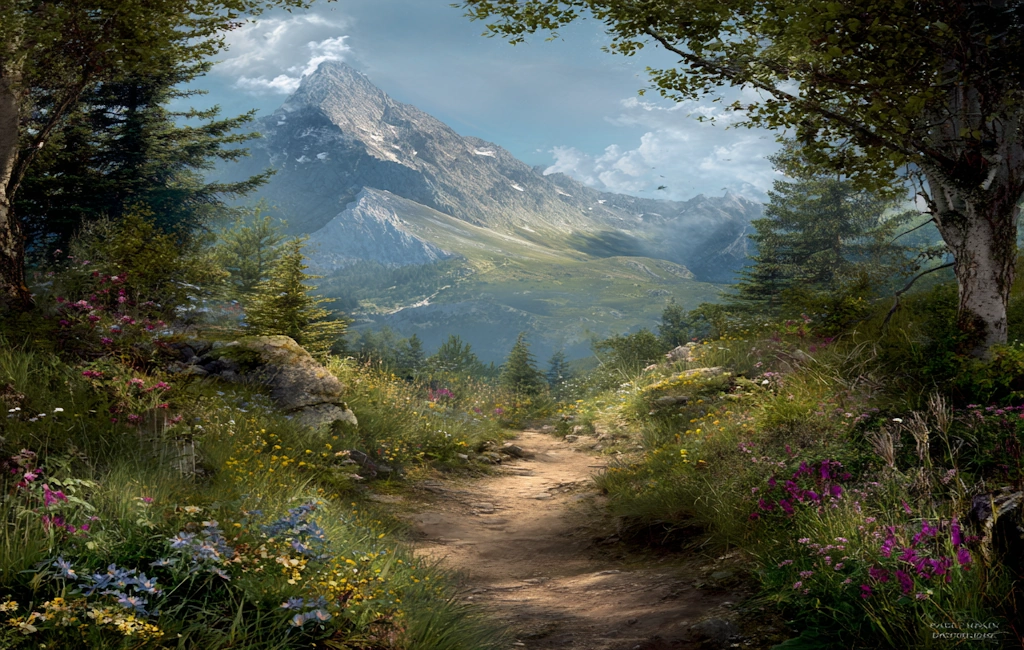
GR6: Sierra Morena Segment
The GR6, or Gran Recorrido 6, is a long-distance hiking trail that traverses Spain, connecting various natural parks and historical regions. This particular segment, the Sierra Morena, offers a captivating journey through one of Spain's most ecologically significant and culturally rich mountain ranges. Known for its vast Mediterranean forests, rolling hills, and a deep connection to Spain's history, the Sierra Morena segment of the GR6 provides a moderate challenge suitable for experienced hikers seeking immersion in nature and a glimpse into traditional Spanish rural life. The trail winds through diverse landscapes, from cork oak woodlands to open scrubland, often following ancient shepherd paths and offering opportunities to spot diverse wildlife.
- Distance: 110.0 km
- Duration: 5-7 days
- Season: Spring (April-May) and Autumn (September-October)
- Difficulty: Moderate
- Closest City: Jaén
- Trailhead Access: Nearest airport: Madrid (MAD). Take a bus to Jaén, then local bus to Aldeaquemada. Car: A4 to Jaén, then A-6100 to Aldeaquemada. Road conditions are generally good. Parking available in Aldeaquemada. No permits needed.
- Coordinates: 38.0000, -4.0000
Overview
The GR6 Sierra Morena segment is a journey through a landscape shaped by centuries of human interaction with nature. This route is not merely a walk through forests and hills; it's an exploration of a region that has played a significant role in Spanish history, from Roman times to the present day. The Sierra Morena is a vast mountain range forming the southern edge of the Meseta Central, acting as a natural barrier and a vital ecological corridor. Its diverse habitats support a rich array of flora and fauna, including Iberian lynx, wild boar, deer, and a multitude of bird species, making it a prime destination for nature enthusiasts.
The trail's moderate difficulty is attributed to its undulating terrain and the length of the daily stages, which require a good level of fitness. While there are no extreme ascents or technical sections, the cumulative elevation gain over the 110 km demands consistent effort. The best times to undertake this walk are spring and autumn. In spring, the landscape bursts into bloom with wildflowers, and the weather is typically mild and pleasant. Autumn offers cooler temperatures, vibrant foliage, and fewer crowds. Summer can be extremely hot, making hiking uncomfortable and potentially dangerous, while winter can bring cold temperatures and occasional snow, though it is generally less severe than in higher mountain ranges.
Accommodation along the route varies, from rural guesthouses (casas rurales) to small hotels in villages, and potentially basic refuges or campsites in more remote areas. This segment of the GR6 is ideal for those who appreciate a blend of natural beauty, cultural heritage, and a sense of stepping back in time. The trail often follows old drovers' roads and paths, connecting small, picturesque villages where one can experience authentic Andalusian life, sample local cuisine, and learn about the region's history and traditions.
History and Cultural Context
The Sierra Morena has a long and storied history, deeply intertwined with the development of Spain. Its strategic location has made it a frontier and a crossroads for millennia. Evidence of human presence dates back to prehistoric times, with numerous archaeological sites, including cave paintings and ancient settlements, scattered throughout the region. The Romans established important settlements and trade routes here, exploiting the region's mineral resources.
During the Reconquista, the Sierra Morena served as a natural defensive line between Christian kingdoms and Muslim territories. Many battles and skirmishes took place in these mountains, leaving behind a legacy of castles, watchtowers, and fortified villages. Later, during the 18th and 19th centuries, the region became known for its banditry, immortalised in Spanish literature and folklore. Figures like "El Tempranillo" are legendary, and their stories add a romantic, albeit dangerous, dimension to the region's past.
Ecologically, the Sierra Morena is a vital area for biodiversity. It is one of the last strongholds of the Iberian lynx, a critically endangered feline species. Conservation efforts have been ongoing to protect its habitat, which includes vast expanses of Mediterranean forest, scrubland, and dehesas (pasture woodlands). The traditional land use, particularly the cultivation of cork oak and olive trees, has shaped the landscape and continues to support a unique ecosystem. The GR6 route often passes through these managed landscapes, offering insights into traditional agricultural practices that have sustained the region for centuries.
Seasonal Highlights and Weather Reality
The GR6 Sierra Morena segment is best experienced during the shoulder seasons: spring and autumn. These periods offer the most favourable weather conditions for hiking, with mild temperatures and a lower chance of extreme weather events.
Spring (April-May): This is arguably the most beautiful time to walk the Sierra Morena. The landscape is awash with colour as wildflowers bloom profusely. The air is fresh, and the temperatures are ideal for long days of walking, typically ranging from 15°C to 25°C. The risk of rain is present, but usually in the form of brief showers rather than prolonged downpours. Wildlife is active, and the forests are lush and green.
Autumn (September-October): Autumn brings cooler temperatures, making it another excellent time for hiking. The heat of summer subsides, and the landscape begins to change with the turning of the leaves, offering a different kind of beauty. Temperatures usually range from 10°C to 20°C. The risk of rain increases as the season progresses, but generally, the weather remains stable enough for comfortable trekking. This season is also good for spotting migratory birds.
Summer (June-August): Hiking in the Sierra Morena during summer is strongly discouraged due to extreme heat. Daytime temperatures can regularly exceed 35°C, and sometimes reach 40°C or higher. The risk of heatstroke and dehydration is significant. If attempting the trail in summer, it is essential to start very early in the morning, carry ample water, and plan for rest during the hottest parts of the day. Many local businesses and accommodations may also have reduced hours or be closed.
Winter (November-March): While less extreme than in higher mountain ranges, winter in the Sierra Morena can be cold, with average temperatures ranging from 5°C to 15°C. Frost is common, and snow can fall, particularly at higher elevations, though it rarely stays for long. The landscape can be starkly beautiful, but shorter daylight hours and the potential for wet and cold conditions require careful planning and appropriate gear. Some rural accommodations might have limited availability.
Recommended Itinerary
5-Day GR6 Sierra Morena Itinerary (Example)
Day 1: Aldeaquemada to Despeñaperros Natural Park
- Distance: 20.0 km
- Elevation gain: 500 m
- Time: 5-6 hours
- Start in Aldeaquemada, a small village with traditional Andalusian architecture.
- The trail initially follows rural tracks through olive groves and scrubland.
- Ascend gradually towards the dramatic landscape of Despeñaperros, known for its steep cliffs and narrow gorges.
- Pass through areas of Mediterranean forest, including holm oaks and cork oaks.
- Arrive at accommodation near the entrance of Despeñaperros Natural Park.
- This day introduces the characteristic terrain and flora of the Sierra Morena.
Day 2: Despeñaperros to Bailén
- Distance: 25.0 km
- Elevation gain: 400 m
- Time: 6-7 hours
- Descend from the higher elevations of Despeñaperros, passing through its impressive geological formations.
- The route continues on a mix of tracks and minor roads, often following ancient pathways.
- Pass through agricultural land, with vineyards and cereal crops becoming more prevalent.
- The historical significance of the area is notable, with proximity to sites of historical battles.
- Arrive in Bailén, a town with a significant historical past, particularly related to the Peninsular War.
- Explore the town and its historical monuments.
Day 3: Bailén to Linares
- Distance: 22.0 km
- Elevation gain: 300 m
- Time: 5-6 hours
- A relatively flatter day, traversing agricultural plains and rolling hills.
- The trail may pass through more open countryside, with scattered farmsteads.
- Continue through areas known for olive cultivation, a staple of the Andalusian economy.
- Arrive in Linares, a larger city with a more industrial character but also historical sites.
- Consider visiting the Iberian Art Museum or the town's historic centre.
- This day offers a contrast to the more rugged mountain scenery of the previous days.
Day 4: Linares to La Carolina
- Distance: 25.0 km
- Elevation gain: 450 m
- Time: 6-7 hours
- The trail begins to ascend again as it heads towards the mining region of La Carolina.
- Pass through landscapes that reflect the area's mining heritage, with remnants of old mines and industrial structures.
- The vegetation may change, with more scrubland and hardy Mediterranean plants adapted to drier conditions.
- Arrive in La Carolina, a town founded in the 18th century as part of the royal colonisation efforts.
- Explore the town's unique grid layout and historical buildings.
Day 5: La Carolina to Aldea del Río (or nearby village)
- Distance: 18.0 km
- Elevation gain: 350 m
- Time: 4-5 hours
- A final day of moderate walking, concluding the segment.
- The trail continues through a mix of agricultural land and natural scrub.
- The landscape may become more open as you approach your endpoint.
- Arrive at your designated endpoint village, such as Aldea del Río, for onward travel.
- This day offers a gentle conclusion, allowing for reflection on the journey through the Sierra Morena.
Important Notes:
- This itinerary is a suggestion and can be adapted based on accommodation availability and personal pace.
- Daily distances are approximate and can vary based on exact route finding and trail conditions.
- Ensure you have sufficient water and food for each day, as services can be sparse between villages.
- Check local weather forecasts before each day's hike.
- Consider booking accommodation in advance, especially during peak seasons.
Planning and Bookings
Book Your Trip
Everything you need to plan your journey
Accommodation
Find places to stay near Jaén
Flights
Search flights to Jaén
Essential Preparation
The GR6 Sierra Morena segment requires careful planning, particularly regarding accommodation and logistics. Given the moderate difficulty and the length of the stages, a good level of physical fitness is essential. This includes being able to walk for 5-7 hours per day with a backpack, over varied terrain. Familiarity with map reading and navigation is also recommended, although the GR6 is generally well-marked with red and white blazes.
The closest major city with an airport is Madrid (MAD). From Madrid, you can take a high-speed train (AVE) or a bus to Jaén. Jaén is the primary gateway city for this segment of the GR6. From Jaén, local buses or taxis can take you to the trailhead village of Aldeaquemada. If travelling by car, the A4 motorway provides good access to the region, with parking available in Aldeaquemada. It is advisable to arrange onward transport from your endpoint village in advance, as public transport links may be infrequent.
Trail Accommodation
Accommodation along the GR6 Sierra Morena segment is varied and typically found in the villages and towns along the route. Options include:
- Casas Rurales (Rural Houses): These are often charming, family-run guesthouses offering comfortable rooms and a taste of local hospitality. They are common in smaller villages and provide an authentic experience.
- Hotels: Larger towns like Linares and Bailén will have more conventional hotels, offering a range of amenities and services.
- Hostels/Albergues: While less common than in more established long-distance trail networks, some towns may have basic hostel-style accommodation.
- Campsites: Designated campsites are rare directly on the GR6 route itself, but may be available in some natural park areas or on the outskirts of towns. Wild camping is generally not permitted and should be avoided.
Booking Requirements: It is highly recommended to book accommodation in advance, especially if travelling during spring or autumn, which are popular times for hiking. This is particularly true for smaller villages where options are limited. Booking websites for rural tourism in Andalusia or Spain can be useful resources.
Facilities Provided: Accommodation typically includes a bed, bathroom facilities (private or shared), and often breakfast. Casas rurales may offer evening meals (reservations usually required).
What's NOT Provided: Most accommodations will not provide packed lunches for the trail. You will need to purchase your own food and snacks from local shops or markets.
Seasonal Availability: Most accommodations are open year-round, but availability may be reduced during the off-season (winter) or during local festivals. Summer closures are possible in very small villages.
Costs: Prices vary significantly. Casas rurales can range from €40-€80 per night for a double room. Hotels might be €50-€100+. Basic hostels could be €20-€30 per person.
Note: This is a day hike requiring no overnight accommodation.
Required Gear
- Sturdy Hiking Boots: Waterproof, well-broken-in boots with good ankle support are essential for the varied terrain.
- Backpack: A comfortable backpack of 30-45 litres capacity, with a rain cover.
- Waterproof Jacket: A breathable, waterproof jacket with taped seams.
- Waterproof Overtrousers: Lightweight and packable.
- Layers of Clothing: Including moisture-wicking base layers, insulating mid-layers (fleece or down), and a warm hat and gloves for cooler mornings or evenings.
- Navigation Tools: Detailed maps of the GR6 route, a compass, and a GPS device or smartphone with offline mapping capabilities.
- First-Aid Kit: Comprehensive kit including blister treatment, pain relievers, antiseptic wipes, bandages, and any personal medications.
- Head Torch: With spare batteries, for early starts or unexpected delays.
- Sun Protection: High SPF sunscreen, sunglasses, and a wide-brimmed hat.
- Trekking Poles: Optional but recommended for stability and reducing strain on joints, especially on descents.
What to Bring
- Food and Snacks: Sufficient high-energy food for each day's hike, including lunches, snacks (nuts, dried fruit, energy bars), and electrolyte drinks. Purchase from local shops in villages.
- Water Bottles/Hydration Reservoir: Capacity for at least 2-3 litres per person per day. Water sources can be infrequent between villages.
- Water Purification: Water filter or purification tablets as a backup, although tap water in villages is generally safe to drink.
- Toiletries: Biodegradable soap, toothbrush, toothpaste, toilet paper, hand sanitiser.
- Personal Items: Camera, power bank for electronics, book or journal.
- Insect Repellent: Especially important during warmer months.
- Small Towel: Quick-drying travel towel.
- Cash: For small purchases in villages, local transport, and some accommodations that may not accept cards.
- Walking Poles: (If not listed under required gear)
Permits
The GR6 Sierra Morena segment does not require specific permits for hiking. As it traverses public lands, national parks, and rural areas, general access is permitted. However, it is always advisable to check for any local regulations or temporary restrictions, particularly if hiking within designated natural parks like Despeñaperros. These are usually related to fire prevention during dry periods or conservation efforts.
National Park Access: While no specific permit is needed to walk through the Despeñaperros Natural Park, visitors are expected to adhere to park rules. These typically include staying on marked trails, not disturbing wildlife, and not lighting fires outside designated areas. Information boards within the park will detail these regulations.
Accommodation Bookings: As mentioned in the planning section, booking accommodation in advance is crucial, especially during peak seasons. This is not a permit requirement but a logistical necessity to ensure you have a place to stay each night.
No Fees: Unlike some highly regulated long-distance trails, there are no daily hiking fees or permits required for the GR6 Sierra Morena segment. The primary costs will be for accommodation, food, and transport.
Other Activities in the Area
The Sierra Morena region offers a variety of activities beyond hiking, allowing visitors to immerse themselves in the local culture and natural environment:
- Wildlife Watching: The Sierra Morena is a biodiversity hotspot. Guided tours or independent observation can yield sightings of Iberian lynx (though rare), wild boar, deer, foxes, and a wide array of birdlife, including various raptors and migratory species.
- Cultural Tourism: Explore the historical towns and villages along the route. Visit the Battle of Bailén monument, the mining heritage sites in La Carolina, or the Roman ruins scattered throughout the region.
- Gastronomy: Sample the local Andalusian cuisine. This includes dishes like 'gazpacho' (cold tomato soup), 'salmorejo' (thicker cold soup), 'rabo de toro' (oxtail stew), and local olive oil. The region is also known for its cured meats and wines.
- Olive Oil Tasting: The Sierra Morena is a significant olive-growing region. Many 'almazaras' (olive oil mills) offer tours and tastings, providing insight into the production of this staple product.
- Stargazing: Parts of the Sierra Morena are relatively free from light pollution, making them excellent locations for stargazing, especially during clear autumn and winter nights.
- Horse Riding: Several rural estates and centres offer horse riding excursions through the natural landscapes, providing a different perspective on the terrain.
Safety and Conditions
Pre-Departure Checks:
- Weather Forecast: Always check the local weather forecast for the Sierra Morena region before and during your hike. Websites like AEMET (Agencia Estatal de Meteorología) provide detailed forecasts for Spain.
- Trail Conditions: While the GR6 is generally well-maintained, recent rainfall can make some sections muddy or slippery. Check local tourism offices or park information centres for any specific alerts.
- Water Availability: Ensure you know the locations of reliable water sources or villages where you can refill your water supply.
- Emergency Contacts: Save the national emergency number (112) on your phone.
Terrain Hazards:
- Slippery Surfaces: Mud, loose gravel, and wet rocks can be hazardous, especially after rain.
- Heatstroke: During summer months, extreme heat poses a significant risk. Stay hydrated, wear appropriate clothing, and avoid hiking during the hottest part of the day.
- Wildlife: While encounters with dangerous wildlife are rare, be aware of your surroundings. Wild boar can be encountered, and it's best to give them a wide berth. Ticks can be present in grassy or wooded areas.
- Navigation: Although marked, it's possible to lose the trail in less frequented sections or if markings are obscured. Always carry and know how to use your map and compass.
Health and First Aid:
- Hydration: Carry more water than you think you'll need, especially during warmer months.
- Sun Protection: Use sunscreen, wear a hat, and sunglasses to prevent sunburn and heat exhaustion.
- Insect Bites: Use repellent to protect against mosquitoes and ticks. Check yourself for ticks after hiking.
- Blisters: Proper footwear and blister prevention/treatment are crucial for multi-day hikes.
Communication: Mobile phone signal can be intermittent in rural and mountainous areas. Inform someone of your itinerary and expected return time.
Travel Insurance: It is highly recommended to have travel insurance that covers hiking and potential medical evacuation.
Side Trips and Points of Interest
Despeñaperros Natural Park: This dramatic natural park is a highlight of the early stages of the GR6. Its steep cliffs, narrow gorges, and unique rock formations offer spectacular scenery. Several viewpoints and short walking trails within the park allow for deeper exploration of its geological wonders and diverse flora. The park is also a significant birdwatching area.
Bailén Historical Sites: Bailén is famous for the Battle of Bailén in 1808, a pivotal victory for the Spanish against Napoleon's forces. The town has monuments and museums dedicated to this event, offering a glimpse into Spain's struggle for independence.
Iberian Art Museum (Linares): Linares boasts an impressive collection of Iberian art, showcasing artefacts from this ancient civilisation that inhabited the Iberian Peninsula before Romanisation. It's a significant cultural detour for history enthusiasts.
Mining Heritage of La Carolina: La Carolina and its surroundings were once a major centre for lead mining. Remnants of this industrial past, including old mine shafts, processing plants, and workers' settlements, can be seen along the trail or explored with local guides. The town itself was founded as part of a royal colonisation project in the 18th century, and its grid layout is a testament to this.
Traditional Villages: The smaller villages along the route, such as Aldeaquemada and Aldea del Río, offer a chance to experience authentic Andalusian rural life. Their whitewashed houses, narrow streets, and local plazas provide a peaceful contrast to the larger towns.
Leave No Trace
The GR6 Sierra Morena segment traverses a region of significant ecological and cultural value. Adhering to Leave No Trace principles ensures that this beautiful landscape remains pristine for future generations and that the local communities are respected.
Plan Ahead and Prepare: Research your route, understand the terrain, and be aware of local conditions. Pack appropriately for the weather and carry sufficient supplies.
Travel and Camp on Durable Surfaces: Stick to marked trails to avoid damaging vegetation and soil. In areas where camping might be considered (though not recommended on this route), choose established campsites or areas with low environmental impact.
Dispose of Waste Properly: Pack out everything you pack in, including all food scraps, wrappers, and any other litter. Use designated bins in villages. If no bins are available, carry your waste until you find one.
Leave What You Find: Do not remove plants, rocks, or historical artefacts. Take only photographs and memories.
Minimise Campfire Impacts: Campfires are generally not permitted on the trail or in natural parks due to fire risk. Use a portable stove for cooking.
Respect Wildlife: Observe wildlife from a distance. Never feed animals, as it can disrupt their natural behaviour and diet. Secure your food properly to prevent attracting animals.
Be Considerate of Other Visitors: Keep noise levels down, especially in villages and natural areas. Yield to other hikers and be courteous. Respect the local culture and traditions.
 Spain
Spain