
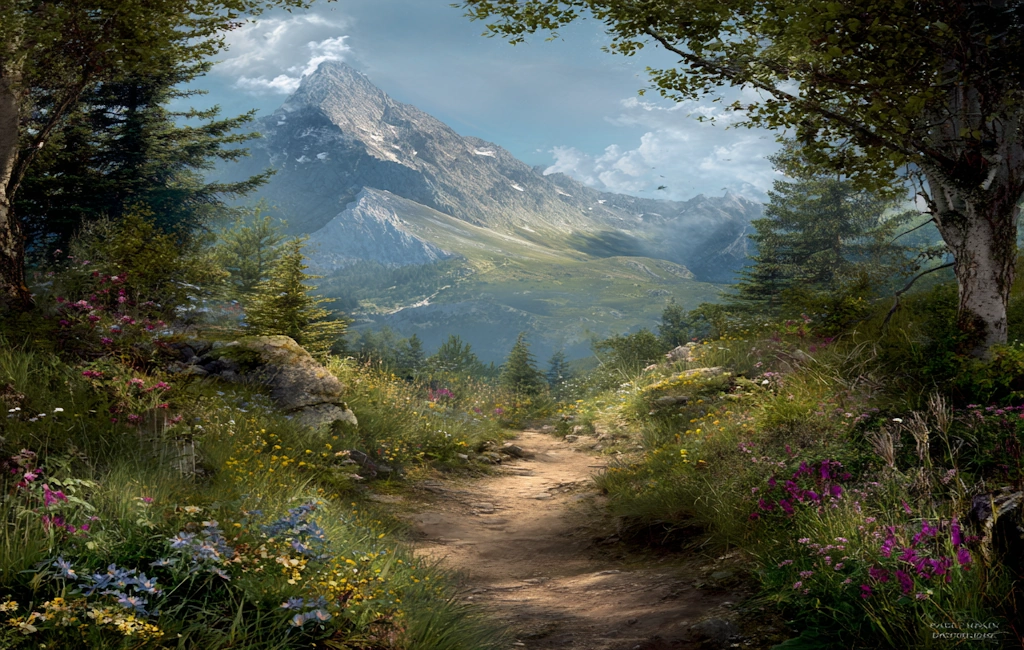
GR6: Rocamadour to Lacanau - A Journey Through France's Diverse Landscapes
The GR6, a long-distance hiking trail spanning approximately 750 kilometres, offers an immersive journey across a significant swathe of France, from the dramatic cliffside pilgrimage site of Rocamadour in the Lot department to the coastal sands of Lacanau in the Gironde. This trail is not a single, homogenous path but a dynamic traverse that winds through varied terrains, showcasing the rich tapestry of French geography, history, and culture. It begins in the heart of the Causses and Cévennes, a region of dramatic limestone plateaus and deep river gorges, before gradually descending towards the rolling hills of the Dordogne, eventually reaching the vast pine forests and sandy shores of the Landes region and the Atlantic coast.
The GR6 is a testament to the diversity of France's natural beauty and its deep historical roots. It passes through ancient villages, follows meandering rivers, crosses expansive forests, and culminates on the windswept Atlantic coast. This trail is designed for those seeking a comprehensive hiking experience, one that combines physical challenge with cultural discovery, offering a profound connection to the French landscape.
- Distance: 750.0 km one-way
- Duration: 4–6 weeks
- Season: Spring (May-June) and Autumn (September-October)
- Difficulty: Moderate
- Elevation Gain: 10,000 m
- Closest Major City: Bordeaux
- Trailhead Access: Rocamadour village, Lot department. Nearest train station: Rocamadour-Padirac. Access via Bordeaux (BOD) airport, then train to Rocamadour-Padirac, followed by taxi or bus. Driving from Bordeaux: approximately 2.5 hours.
- Permits: No specific permits required for hiking the GR6.
Overview
The GR6 is a long-distance footpath that offers a remarkable journey through the diverse landscapes of southwestern France. It begins in the dramatic setting of Rocamadour, a village dramatically perched on a cliff face, and winds its way through a variety of terrains before reaching the Atlantic coast at Lacanau. This trail is a true representation of France's varied geography, moving from the rugged limestone plateaus of the Causses to the fertile valleys of the Dordogne, and finally through the extensive pine forests of the Landes region.
The initial stages of the GR6 are characterised by the stark beauty of the Causses, a region of vast, windswept limestone plateaus dotted with ancient dolmens and deep river canyons such as the Gorges du Lot and the Gorges de la Dordogne. Here, the landscape is open and often dramatic, with long vistas and a sense of profound solitude. As the trail progresses westward, it enters the more gentle, rolling countryside of the Dordogne, a region renowned for its picturesque villages, vineyards, and historic châteaux. The path often follows river valleys, offering a more sheltered and verdant hiking experience.
The final section of the GR6 takes hikers through the immense pine forests of the Landes, a unique ecosystem characterised by vast expanses of maritime pines, heathland, and sandy soils. This part of the trail is flatter and often shaded, offering a different kind of immersion in nature. The air here is often scented with pine resin, and the sound of the wind rustling through the needles is a constant companion. The trail culminates at Lacanau, a popular seaside resort town, where the hiker is rewarded with the sight and sound of the Atlantic Ocean.
The GR6 is a moderate-difficulty trail, suitable for experienced hikers who are comfortable with multi-day treks and varied terrain. The elevation gain of 10,000 metres over 750 kilometres means there are significant climbs and descents, particularly in the early stages through the gorges. The trail is well-marked with the standard GR red and white blazes, but navigation skills are essential, especially in the more remote sections. The best times to undertake this journey are during the spring and autumn months, when the weather is generally mild and the landscapes are at their most beautiful, avoiding the summer heat and potential winter closures.
History and Cultural Context
The GR6 traces a path through regions steeped in history, from ancient pilgrimage routes to medieval trade paths and the development of France's diverse agricultural and forestry industries. Its starting point, Rocamadour, is a UNESCO World Heritage site and one of the most important pilgrimage destinations in Europe for centuries. The village's dramatic setting, clinging to a sheer cliff face, has drawn pilgrims and visitors for over a thousand years, seeking spiritual solace and marveling at its architectural ingenuity.
The early sections of the trail traverse the Causses and Cévennes, areas that have been shaped by human activity for millennia. These limestone plateaus were historically used for sheep farming, and the remnants of ancient stone shelters (burons) and dry-stone walls are still visible. The deep river gorges, such as the Gorges du Lot and the Gorges de la Dordogne, were vital for transport and trade in medieval times, with settlements often built along their banks. The trail may follow ancient Roman roads or medieval paths that connected these communities.
Moving westward, the GR6 enters the Dordogne, a region rich in history, evident in its numerous castles, prehistoric cave dwellings (like those at Lascaux, though not directly on the GR6, they are in the vicinity), and bastide towns. This area was a significant theatre of conflict during the Hundred Years' War, and many fortifications still stand as testament to this turbulent past. The agricultural landscape, with its vineyards and truffle-rich soils, reflects centuries of cultivation and tradition.
The latter part of the GR6 leads through the Landes, a region that underwent a significant transformation in the 19th century. Historically a vast, sandy, and often marshy area, it was largely reforested with maritime pines by Napoleon III's decree to combat erosion and provide resources. This massive reforestation project created the largest man-made forest in Western Europe and shaped the modern landscape of the region. The trail's passage through these forests reflects this relatively recent, yet profound, human intervention in the natural environment.
Finally, reaching Lacanau signifies the end of a journey that has traversed landscapes shaped by both natural forces and human endeavour, from ancient spiritual sites to vast industrial forests and the dynamic Atlantic coastline.
Seasonal Highlights and Weather Reality
The GR1 ms extensive length and varied geography mean that seasonal considerations are crucial for a successful and enjoyable trek. The trail is best experienced during the shoulder seasons, offering a balance of pleasant weather and fewer crowds.
Spring (May-June): This is an ideal time to hike the GR6. The landscape is vibrant with wildflowers, particularly in the Causses and Dordogne regions. Rivers are often at their fullest, and the temperatures are generally mild, ranging from 10°C to 20°C. The pine forests of the Landes are fragrant, and the coastal areas are less crowded than in summer. However, spring can bring unpredictable rainfall, especially in the early stages, and some higher sections might still be damp or muddy.
Summer (July-August): While the days are long and generally sunny, summer can be very hot, especially in the Landes region where temperatures can regularly exceed 30°C. The open plateaus of the Causses can be exposed and uncomfortable in the midday sun. Water sources may be less reliable in some areas. The coastal sections around Lacanau will be busy with holidaymakers. Hiking during the hottest parts of the day is not recommended; early starts and late finishes are essential. This season is generally less favoured for long-distance trekking due to the heat.
Autumn (September-October): This is another excellent period for hiking the GR6. The weather is typically stable and mild, with temperatures ranging from 15°C to 25°C. The autumn colours in the Dordogne and the forests of the Landes can be spectacular. The crowds of summer have dispersed, offering a more tranquil experience. Rainfall can increase as the season progresses, particularly in late October, and temperatures will begin to drop, especially at night. The coastal areas become quieter and more serene.
Winter (November-April): While the GR6 can technically be hiked year-round, winter presents significant challenges. Temperatures can drop below freezing, especially in the Causses, and snow is possible, particularly at higher elevations. Many smaller villages may have reduced services, and some accommodations might be closed. The pine forests can be damp and gloomy. The coastal areas will be exposed to strong winds and storms. Hiking in winter requires robust winter gear, excellent navigation skills, and a high degree of self-sufficiency. It is generally not recommended for casual long-distance hikers.
Recommended Itinerary
GR6: Rocamadour to Lacanau - A 4-Week Itinerary (Approximate)
Week 1: Rocamadour to the Gorges du Lot
- Days 1-3: Rocamadour and surrounding Causses
- Explore the pilgrimage site, then head into the open limestone plateaus
- Follow ancient paths, passing through small hamlets and enjoying vast vistas
- Descend towards the Lot River valley
- Distance: ~100-120 km
- Elevation Gain: ~2,000-2,500 m
- Focus: Rugged landscapes, historical sites, initial acclimatisation
Week 2: Gorges du Lot to the Dordogne River
- Continue through dramatic gorges and river valleys
- Pass through charming villages and potentially cross suspension bridges
- The terrain becomes more varied with steeper ascents and descents
- Transition towards the more fertile Dordogne region
- Distance: ~150-170 km
- Elevation Gain: ~2,500-3,000 m
- Focus: River landscapes, challenging terrain, rural France
Week 3: Dordogne Valley to the edge of the Landes
- Hike through rolling hills, vineyards, and agricultural land
- Pass through picturesque villages and potentially near historic châteaux
- The landscape becomes gentler, but still offers significant elevation changes
- Begin to notice the transition towards pine-dominated landscapes
- Distance: ~170-190 km
- Elevation Gain: ~2,000-2,500 m
- Focus: Cultural heritage, vineyards, transition zones
Week 4: The Landes Forests and Atlantic Coast
- Enter the vast maritime pine forests of the Landes
- The terrain becomes flatter, with long, shaded forest paths
- Experience the unique ecosystem of the Landes
- Gradually approach the coast, with increasing signs of proximity to the ocean
- Final push to Lacanau and the Atlantic shoreline
- Distance: ~190-210 km
- Elevation Gain: ~1,000-1,500 m
- Focus: Forest immersion, coastal approach, final destination
Important Notes:
- This is a suggested itinerary; actual daily distances and timings will vary based on terrain, accommodation availability, and personal pace.
- Accommodation options range from gîtes d'étape (hiker hostels), small hotels, chambres d'hôtes (B&Bs), and campsites. Booking in advance is highly recommended, especially during peak season.
- Water sources can be found in villages and sometimes along the trail, but carrying sufficient water and a purification method is essential.
- The GR6 is marked with red and white blazes. However, always carry a map and compass or GPS device.
- This itinerary is a guideline. Hikers should plan their daily stages based on available accommodation and their own fitness levels.
Planning and Bookings
Book Your Trip
Everything you need to plan your journey
Accommodation
Find places to stay near Bordeaux
Flights
Search flights to Bordeaux
Essential Preparation
Embarking on the GR6 requires careful planning due to its considerable length and the varied nature of the terrain. The primary logistical challenge is securing accommodation along the route, as services can be sparse in certain sections, particularly in the Causses and the deep Landes forests. It is advisable to plan your daily stages with accommodation options in mind and book well in advance, especially if travelling during the spring or autumn shoulder seasons when many smaller establishments may have limited opening hours or require advance notice.
The closest major city to the start of the trail is Bordeaux. Hikers can fly into Bordeaux–Mérignac Airport (BOD). From Bordeaux, take a train to Rocamadour-Padirac station. This station is not directly in Rocamadour village, so a taxi or local bus service will be required for the final leg to the trailhead. If driving, the journey from Bordeaux to Rocamadour is approximately 2.5 hours. Parking in Rocamadour can be challenging and is often restricted, so consider parking options in advance or arranging transport.
For the end of the trail at Lacanau, transport links back to Bordeaux are generally good, with bus services connecting Lacanau to Bordeaux city and its airport. It is wise to research and book return transport in advance, especially if departing on a specific date.
Trail Accommodation
The GR6 passes through a variety of settlements, offering a range of accommodation options. These typically include:
- Gîtes d'étape: These are hiker-specific hostels or communal lodgings, often found in villages along long-distance trails. They provide basic dormitory-style accommodation and sometimes meals. They are an excellent way to meet other hikers and are usually the most budget-friendly option.
- Chambres d'hôtes (B&Bs): These offer a more personal experience, with rooms in a local's home. They often include breakfast and can provide valuable local insights.
- Small Hotels: Found in larger villages and towns, offering private rooms with en-suite facilities.
- Campsites: Available in some locations, offering pitches for tents. Wild camping is generally not permitted in France and should be avoided.
Booking Requirements: It is strongly recommended to book accommodation in advance, particularly for gîtes d'étape and chambres d'hôtes, as capacity can be limited. This is especially true during the popular spring and autumn hiking seasons. Booking can often be done online or by telephone.
Facilities Provided: Varies by accommodation type. Gîtes d'étape typically provide a bed (bring your own sleeping bag), communal kitchen facilities, and sometimes a common room. Hotels and B&Bs offer private rooms, linens, and often breakfast.
What's NOT Provided: Sleeping bags are usually required for gîtes d'étape. Meals are not always included, especially in gîtes d'étape, so hikers may need to self-cater or find local restaurants. Cooking equipment may be basic in communal kitchens.
Seasonal Availability: Most accommodations operate from spring through autumn. Some may close during the winter months or have reduced hours. It is essential to verify opening times and availability for your specific travel dates.
Costs: Gîtes d'étape can range from €20-€40 per night. Chambres d'hôtes typically cost €50-€80 per night for a double room. Hotels vary widely. Campsites are usually €10-€20 per night.
Required Gear
- Sturdy hiking boots: Waterproof, well-broken-in boots with good ankle support are essential for varied terrain.
- Waterproof and windproof jacket: A breathable, high-quality jacket is crucial for protection against rain and wind, especially in the Causses and coastal areas.
- Waterproof overtrousers: Essential for staying dry during prolonged rain.
- Layered clothing: Including moisture-wicking base layers (merino wool or synthetic), insulating mid-layers (fleece or down jacket), and a warm hat and gloves for cooler evenings or higher elevations.
- Backpack: A comfortable backpack of 50-65 litres capacity, with a good hip belt and rain cover.
- Navigation tools: Detailed maps of the GR6 sections, a compass, and a GPS device or smartphone with offline mapping capabilities. Knowledge of how to use them is vital.
- First-aid kit: Comprehensive kit including blister treatment, pain relievers, antiseptic wipes, bandages, and any personal medications.
- Head torch: With spare batteries, for use in accommodation or if hiking in low light.
- Trekking poles: Highly recommended for stability on descents and ascents, and to reduce strain on joints.
What to Bring
- Food and water: Carry sufficient food for at least one day between villages, especially in remote sections. A water filter or purification tablets are essential, as not all water sources are potable.
- Toiletries: Biodegradable soap, toothbrush, toothpaste, sunscreen, insect repellent (especially for the Landes), and hand sanitiser.
- Sleeping bag: Required for most gîtes d'étape. A 3-season bag is generally sufficient.
- Personal items: Sunglasses, a wide-brimmed hat for sun protection, a small towel, and any personal comfort items.
- Repair kit: Including duct tape, safety pins, and a needle and thread for minor gear repairs.
- Power bank: For charging electronic devices, as charging points may be limited.
- Cash: While cards are widely accepted in towns, smaller villages and some accommodations may prefer or only accept cash.
- Guidebook/Trail Notes: A comprehensive guidebook or detailed trail notes for the GR6 are invaluable for navigation and information on points of interest and accommodation.
Permits
The GR6 is a public footpath that traverses a variety of landscapes, including national parks, regional parks, and private land. For the most part, hiking the GR6 does not require specific permits or fees. The trail is maintained by local hiking associations and the relevant regional authorities, and the red and white GR markings indicate public access.
However, it is important to be aware of local regulations:
- National Parks and Protected Areas: While general access is usually permitted, specific activities within national parks (e.g., camping outside designated areas, fires) may be restricted. Always check local signage and park regulations.
- Private Land: The GR6 often crosses private agricultural land. Hikers are expected to stay on the marked path and respect property boundaries. Gates should be closed behind you, and livestock should not be disturbed.
- Camping: Wild camping is generally not permitted in France. Hikers should utilise designated campsites or book accommodation in villages.
Booking Accommodation: As mentioned in the planning section, the primary "booking" requirement is for accommodation. Securing your lodging in advance, especially in smaller villages or during peak season, is crucial for a smooth journey. This is not a permit in the traditional sense but a logistical necessity.
Trail Maintenance: The GR6 is maintained by volunteers and local authorities. If you encounter any issues with trail markings or conditions, it is helpful to report them to the relevant local hiking club (e.g., Comité Départemental de Randonnée Pédestre for the Lot, Dordogne, or Gironde departments).
No specific permits are required to walk the GR6 itself.
Other Activities in the Area
The GR6 passes through regions rich in cultural and natural attractions, offering numerous opportunities for exploration beyond the trail itself:
- Rocamadour: Explore the stunning cliffside sanctuary, its chapels, the castle, and the medieval streets.
- Gorges du Lot and Gorges de la Dordogne: Consider activities like kayaking, canoeing, or boat trips to appreciate the dramatic river landscapes from the water.
- Dordogne Valley: Visit numerous historic castles (e.g., Castelnaud-la-Chapelle, Beynac-et-Cazenac), prehistoric cave sites (e.g., Lascaux IV), and charming medieval towns like Sarlat-la-Canéda.
- Vineyard Tours: The Dordogne and surrounding areas are wine regions. Many vineyards offer tours and tastings.
- Local Markets: Experience the vibrant local culture by visiting weekly markets in the numerous villages along the route, offering regional produce, crafts, and delicacies.
- Gastronomy: Indulge in the renowned cuisine of southwestern France, including foie gras, truffles, confit de canard, and local cheeses.
- Lacanau and the Atlantic Coast: Enjoy surfing, swimming, or simply relaxing on the beach. Explore the coastal paths and the marine environment.
- Cycling: In flatter sections, particularly in the Landes, cycling can be a complementary activity.
Safety and Conditions
Trail Conditions: The GR6 is generally well-maintained and marked. However, conditions can vary:
- Terrain: Expect a mix of well-trodden paths, rocky sections, forest tracks, and some paved or gravel roads. The Causses can be exposed and rugged, while the Landes are often sandy and shaded.
- Markings: The GR6 is marked with red and white blazes. Always carry a map and compass/GPS and be vigilant, especially at trail junctions or in areas where markings might be less clear.
- Water Sources: Water is generally available in villages and towns. However, in more remote sections, especially during dry periods, water sources may be scarce or unreliable. Always carry sufficient water and consider using a water filter or purification tablets.
- Weather: Weather can change rapidly. Be prepared for sun, rain, and wind, especially in exposed areas. Summers can be very hot, requiring careful hydration and sun protection.
Navigation: While marked, the GR6 is a long and complex trail. It is essential to have reliable navigation tools and the skills to use them. Do not rely solely on mobile phone apps, as signal can be intermittent.
Health and First Aid: Carry a comprehensive first-aid kit and know how to use it. Be aware of potential hazards such as ticks (especially in forested areas) and insect bites. Ensure you are up-to-date with vaccinations and carry any personal medications.
Communication: Mobile phone signal can be patchy, particularly in rural and forested areas. Inform someone of your itinerary and expected arrival times. Consider carrying a personal locator beacon (PLB) for emergencies in remote sections.
Accommodation and Services: Plan your daily stages to coincide with villages or towns that offer accommodation and supplies. Services can be infrequent in some sections, so stocking up on food and water is important.
Respect for the Environment: Adhere to Leave No Trace principles. Stay on marked paths, do not disturb wildlife, and pack out all rubbish.
Emergency Contacts: In France, the general emergency number is 112.
Side Trips and Points of Interest
The GR6 offers numerous opportunities for detours and exploration of significant landmarks:
Rocamadour Sanctuary: While the GR6 starts here, dedicating extra time to explore the multi-level sanctuary, its chapels, the castle, and the surrounding medieval streets is highly recommended. The sheer scale and historical significance make it a compelling starting point.
Gorges du Lot and Gorges de la Dordogne: Many sections of the GR6 follow or cross these dramatic river valleys. Consider short hikes down to the riverbanks, or if time and logistics permit, short kayaking or canoeing excursions can offer a unique perspective on the landscape.
Prehistoric Caves of the Dordogne: While not directly on the GR6, sites like Lascaux IV (a replica of the original Lascaux caves) are accessible from towns near the trail and offer a fascinating glimpse into early human history.
Châteaux of the Dordogne: The region is dotted with magnificent castles. Many are open to the public and offer a journey back in time. Examples include Castelnaud-la-Chapelle, Beynac-et-Cazenac, and Commarque. Some may require a short detour from the main GR6 path.
Bastide Towns: The GR6 may pass near or through several well-preserved bastide towns (fortified medieval towns), such as Domme or Monpazier. These offer charming architecture and a glimpse into medieval urban planning.
Local Markets: Many villages along the route host weekly markets. These are excellent opportunities to experience local culture, sample regional produce, and purchase supplies. Check local schedules for market days.
The Landes Forest: While the GR6 traverses these forests, there are opportunities for deeper exploration. Marked forest trails, cycling routes, and even organised nature walks can reveal the unique flora and fauna of this vast pine ecosystem.
Atlantic Coastline: Upon reaching Lacanau, the GR6 terminates at the ocean. The coastal path offers further exploration, with opportunities for surfing, swimming, and enjoying the seaside resorts.
Leave No Trace
The GR6 traverses a variety of environments, from sensitive limestone plateaus and river valleys to extensive forests and coastal areas. Practicing Leave No Trace principles is essential to preserve these landscapes for future hikers and for the local ecosystems.
Plan Ahead and Prepare: Research your route, understand the terrain, and know where you will find accommodation and water. Be prepared for varying weather conditions.
Travel and Camp on Durable Surfaces: Stick to marked trails to avoid damaging fragile vegetation, especially in the Causses and forest areas. When camping (in designated areas only), choose established campsites.
Dispose of Waste Properly: Pack out everything you pack in, including all food scraps, wrappers, and toilet paper. Use designated toilets in villages and accommodations. If caught short in the wilderness, dig a cathole at least 60 metres away from water sources, trails, and campsites.
Leave What You Find: Do not take rocks, plants, or historical artefacts. Leave the environment as you found it.
Minimize Campfire Impacts: Campfires are generally not permitted on the GR6, especially in forests and protected areas. Use a portable stove for cooking.
Respect Wildlife: Observe wildlife from a distance. Do not feed animals, as this can disrupt their natural behaviours and diets. Store food securely to prevent attracting animals.
Be Considerate of Other Visitors: Keep noise levels down, especially in accommodations and natural areas. Yield to other hikers and be courteous.
By adhering to these principles, you help ensure that the GR6 remains a beautiful and accessible trail for all.
Useful Links
- Fédération Française de la Randonnée Pédestre (FFRandonnée) - GR6 Information (Note: Specific GR6 pages may vary in detail and language)
- Lot Tourism Office
- Dordogne Tourism Office
- Nouvelle-Aquitaine Regional Tourism
- Bordeaux Tourism
- SNCF Connect (French Rail Bookings)
- Lacanau Tourist Office
 France