
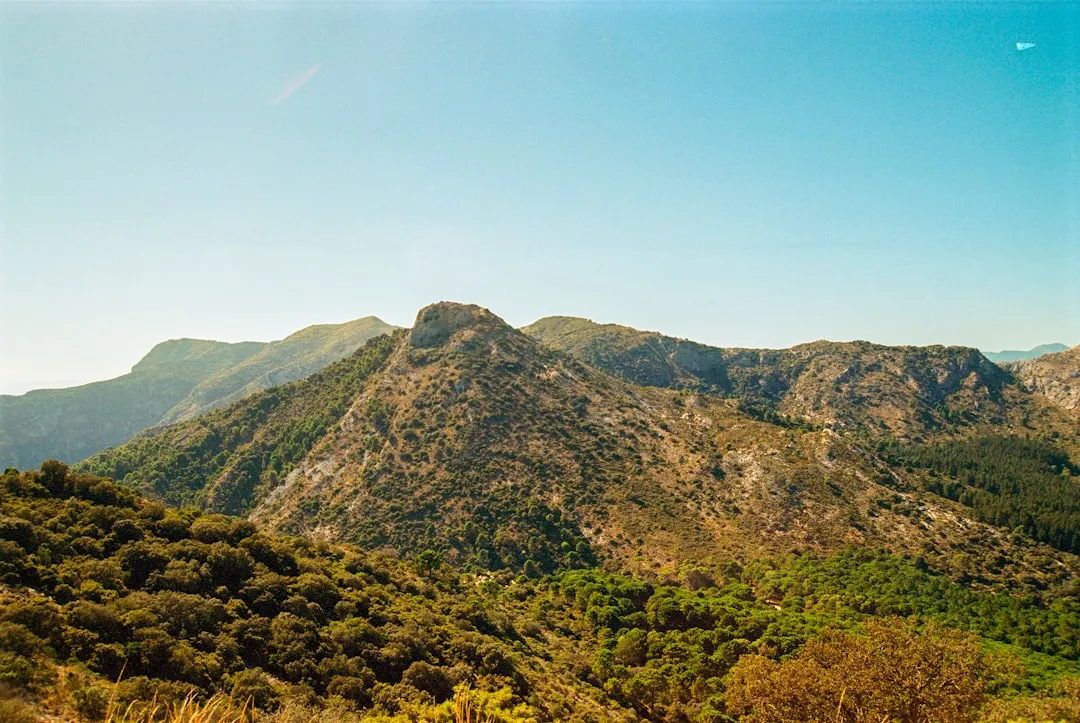
GR38: Wine and Fish Route
The GR38, also known as the "Ruta del Vino y el Pescado" (Wine and Fish Route), is a captivating multi-day walk traversing the diverse landscapes of the Basque Country in northern Spain. This 94-kilometre journey offers a unique blend of viticulture, gastronomy, and natural beauty, connecting the renowned Rioja Alavesa wine region with the coastal charm of the Cantabrian Sea. The route is designed to be walked over 4 to 5 days, presenting a moderate challenge that is accessible to most walkers. It winds through rolling vineyards, picturesque villages steeped in history, and eventually leads to the rugged coastline, offering a sensory exploration of the region's rich cultural and culinary heritage.
- Distance: 94.0 km one-way
- Duration: 4–5 days
- Season: Spring and Autumn (April–June, September–October)
- Difficulty: Moderate
- Highest point: Approximately 700 m
- Accommodation: A mix of rural guesthouses, small hotels, and potentially basic refuges or campsites (specifics vary by location)
- Direction: Generally walked from Labastida (Rioja Alavesa) towards Lekeitio (coast), though can be reversed.
Overview
The GR38 is a journey that tantalises the senses, weaving a narrative through the heart of the Basque Country's most celebrated culinary traditions. Beginning in the sun-drenched vineyards of Rioja Alavesa, the route immediately immerses walkers in a landscape defined by meticulous viticulture. Here, ancient bodegas and modern wineries dot the hillsides, producing some of Spain's most esteemed wines. The initial days are characterised by gentle ascents and descents through rolling terrain, passing through charming medieval villages like Labastida, Laguardia, and Elciego, each offering a glimpse into centuries of history and a chance to sample local delicacies.
As the walk progresses northwards, the landscape gradually transforms. The vineyards give way to lusher, greener pastures and deciduous forests, reflecting the increasing proximity to the Atlantic coast. The air becomes fresher, carrying the scent of the sea. The route navigates through valleys and over low mountain passes, offering panoramic views of the surrounding countryside. The transition is subtle but significant, preparing the walker for the dramatic shift from inland agriculture to coastal life.
The final stages of the GR38 bring the walker to the Cantabrian coast, culminating in the picturesque fishing town of Lekeitio. Here, the scent of salt spray replaces the aroma of grapes, and the sound of crashing waves becomes the dominant soundtrack. The route may involve coastal paths, offering stunning sea vistas, and passes through smaller coastal communities where fresh seafood is the order of the day. This final leg provides a rewarding conclusion, showcasing the duality of the Basque Country's identity—a land equally proud of its world-class wines and its abundant, fresh seafood.
The GR38 is more than just a hike; it's a cultural and gastronomic pilgrimage. It offers an authentic experience of Basque life, allowing walkers to connect with the land, its people, and its celebrated culinary heritage. The moderate difficulty and well-marked paths make it an ideal choice for those seeking a rewarding multi-day trek without extreme physical demands, while the constant presence of exceptional food and drink ensures a truly memorable adventure.
History and Cultural Context
The GR38, the "Wine and Fish Route," is a modern designation that traces ancient pathways and trade routes that have shaped the Basque Country for centuries. Its historical significance lies in its connection to two of the region's most vital economic and cultural pillars: wine production and maritime trade.
The Rioja Alavesa section of the route follows paths historically used for the cultivation and transport of grapes. This area, part of the larger Rioja wine region, has a winemaking tradition stretching back to Roman times, though its modern prominence grew significantly in the 19th century. The villages along the route, such as Laguardia, Elciego, and Labastida, are not just picturesque; they are living museums of winemaking history. Many boast underground cellars (bodegas) carved into the bedrock, some dating back hundreds of years, where wine was traditionally stored and aged. The construction of these cellars was often dictated by the geology of the region, with the limestone and clay soils providing ideal, stable conditions for fermentation and maturation.
The northern extension of the GR38 towards the coast reflects the historical importance of fishing and maritime commerce. For centuries, the Basque people have been renowned seafarers and fishermen, venturing into the Atlantic to exploit rich fishing grounds. Coastal towns like Lekeitio, Ondarroa, and Bermeo (though Bermeo is slightly off the direct GR38 path, it represents the broader coastal heritage) were vital centres for shipbuilding, whaling, and cod fishing. The routes connecting the inland wine-producing areas to the coastal ports were essential for trade, allowing wine to be exported and fish, salt, and other coastal goods to be transported inland. These pathways were often challenging, traversing varied terrain and requiring resilience from those who travelled them.
The designation of the GR38 as a long-distance hiking trail in recent decades has revitalised these ancient connections, offering a structured way for modern travellers to experience this historical symbiosis. It allows walkers to appreciate not only the natural beauty but also the deep cultural roots that have made the Basque Country a world-renowned destination for both its wines and its seafood. The route serves as a tangible link to the past, celebrating the ingenuity and hard work of generations who cultivated the land and sailed the seas.
Seasonal Highlights and Weather Reality
The GR38 is best enjoyed during the spring and autumn months, offering a pleasant climate for walking and showcasing the region's natural beauty at its most vibrant.
Spring (April–June): This is an ideal time to walk the GR38. The vineyards begin to show new growth, with vibrant green shoots appearing on the vines. Wildflowers bloom in the meadows and along the trails, adding splashes of colour to the landscape. The weather is generally mild, with average temperatures ranging from 10°C to 20°C. Rainfall is possible, but usually in the form of showers rather than prolonged downpours. The longer daylight hours are also a significant advantage for walking.
Autumn (September–October): Autumn is arguably the most spectacular season for the GR38, particularly for wine enthusiasts. The vineyards turn into a breathtaking tapestry of reds, oranges, and yellows as the grapes ripen and the leaves change colour. This is harvest season (vendimia) in Rioja Alavesa, and the atmosphere in the wine villages is often festive. Temperatures are cool and pleasant, typically between 10°C and 20°C, making for comfortable walking conditions. The light is often soft and golden, perfect for photography. However, as the season progresses into late October, the weather can become more unpredictable, with an increased chance of rain and cooler temperatures.
Summer (July–August): While the Basque Country enjoys warm summers, walking the GR38 during July and August can be challenging due to higher temperatures, which can exceed 30°C, especially in the inland wine regions. The sun can be intense, and dehydration is a risk. However, the longer daylight hours are beneficial, and the coastal sections may offer a welcome breeze. If walking in summer, starting early in the morning and resting during the hottest part of the day is essential. Accommodation may also be busier and more expensive during peak tourist season.
Winter (November–March): Winter is generally not recommended for walking the GR38. Temperatures are cooler, often dropping below 10°C, and rainfall is more frequent and persistent. Snow is possible at higher elevations, though less common in the wine regions. Many rural accommodations and smaller establishments may close during the winter months, limiting options. The landscape can be beautiful in a stark, moody way, but the weather conditions can make for a less enjoyable and potentially more hazardous walking experience.
Recommended Itinerary
4-Day GR38: Wine and Fish Route Itinerary
Day 1: Labastida to Laguardia
- Distance: Approximately 20 km
- Elevation gain: ~400 m
- Time: 5–6 hours
- Start in Labastida, a historic town known for its wineries.
- Walk through rolling vineyards, passing numerous bodegas.
- The terrain is undulating, with some moderate climbs and descents.
- Pass through the charming village of Elciego, famous for its Marqués de Riscal winery designed by Frank Gehry.
- Arrive in Laguardia, a stunning medieval walled town perched on a hilltop.
- Explore Laguardia's ancient underground cellars and enjoy local Rioja wines.
Day 2: Laguardia to Campezo
- Distance: Approximately 22 km
- Elevation gain: ~500 m
- Time: 6–7 hours
- Continue through the heart of Rioja Alavesa, with more vineyard landscapes.
- The route may pass through smaller hamlets and agricultural areas.
- Gradual ascent towards the foothills of the Sierra de Cantabria.
- Arrive in Campezo (Campezo), a town marking a transition towards more mountainous terrain.
- This day offers a deeper immersion into the rural wine culture.
Day 3: Campezo to San Prudencio
- Distance: Approximately 25 km
- Elevation gain: ~700 m
- Time: 7–8 hours
- This is a more challenging day, involving significant elevation gain as the route crosses the Sierra de Cantabria.
- The landscape shifts from vineyards to forests and higher pastures.
- Enjoy panoramic views from the mountain passes.
- Descend towards the northern side of the mountains, entering a different ecological zone.
- Arrive in San Prudencio, a smaller village that serves as a gateway to the coastal regions.
- This day represents the transition from wine country to the greener, more humid Basque interior.
Day 4: San Prudencio to Lekeitio
- Distance: Approximately 27 km
- Elevation gain: ~600 m (with coastal ascents/descents)
- Time: 7–8 hours
- The final leg of the journey heads towards the Cantabrian coast.
- The terrain becomes increasingly hilly, with sections of coastal path offering sea views.
- Pass through smaller villages and potentially some industrial areas as you approach the coast.
- The scent of the sea will become noticeable.
- Arrive in Lekeitio, a beautiful fishing town with a sandy beach and a picturesque harbour.
- Celebrate the completion of the GR38 with fresh seafood and local Basque cider (sidra).
Alternative 5-Day Itinerary:
- Day 1: Labastida to Laguardia (20 km)
- Day 2: Laguardia to Elciego/nearby (15 km) - Shorter day to explore Elciego's wineries.
- Day 3: Elciego to Campezo (25 km)
- Day 4: Campezo to a village before the main mountain crossing (e.g., San Prudencio) (25 km)
- Day 5: San Prudencio to Lekeitio (27 km)
Important Notes:
- Accommodation needs to be booked in advance, especially during peak season.
- The route is marked with red and white GR stripes, but carrying a map and compass or GPS device is recommended.
- Water sources may be limited between villages; carry sufficient water.
- Check local weather forecasts daily, as conditions can change.
- Be prepared for varied terrain, including paved roads, gravel tracks, and potentially muddy paths.
Planning and Bookings
Book Your Trip
Everything you need to plan your journey
Accommodation
Find places to stay near Vitoria-Gasteiz
Flights
Search flights to Vitoria-Gasteiz
Essential Preparation
The GR38 is a multi-day trek that requires careful planning to ensure a smooth and enjoyable experience. The primary logistical hub for accessing the start of the trail is Vitoria-Gasteiz, the capital of the Basque Country. From Vitoria-Gasteiz, you can easily reach Labastida, the traditional starting point of the GR38, via bus or car. The nearest major airport is Vitoria-Gasteiz Airport (VIT), which has connections to major Spanish cities. Bilbao Airport (BIO) is another option, approximately an hour's drive from Vitoria-Gasteiz.
For those driving, Labastida offers parking facilities, though availability can vary. The route is linear, meaning you will end in Lekeitio on the coast. Therefore, you will need to arrange transportation back to your starting point or to your next destination from Lekeitio. Local bus services connect Lekeitio to larger towns like Bilbao, from where you can catch onward transport. It is advisable to research and book these onward travel arrangements in advance, especially if travelling during peak season.
Fitness is a key consideration. While the GR38 is classified as moderate, it involves daily distances of 20-27 km with significant elevation changes, particularly on Day 3. A good level of cardiovascular fitness and experience with multi-day hikes is recommended. Training with a loaded backpack on hilly terrain will significantly enhance your comfort and enjoyment on the trail.
Trail Accommodation
Accommodation along the GR38 varies significantly, reflecting the diverse landscapes it traverses. In the Rioja Alavesa region, you will find a good selection of rural guesthouses (casas rurales), small hotels, and charming bed and breakfasts, often integrated into historic buildings or vineyards. These typically offer comfortable rooms, local breakfasts, and opportunities to sample regional wines.
As the route moves northwards and into more mountainous and less populated areas, accommodation options become more limited. You may encounter smaller, family-run hotels or pensions in towns like Campezo and San Prudencio. In some instances, basic refuges or simpler guesthouses might be available, particularly in more remote sections. It is crucial to research and book accommodation well in advance, especially for the days involving mountain crossings or in smaller villages where options are scarce. Booking platforms like Booking.com, local tourism websites, and direct contact with establishments are recommended.
The final destination, Lekeitio, is a popular coastal town and offers a wider range of accommodation, including hotels, apartments, and hostels. However, due to its popularity, booking ahead is still advisable.
Booking Requirements: Advance booking is essential for most accommodations along the GR38, particularly during spring and autumn. Some smaller establishments may have limited availability.
Facilities Provided: Typically include private rooms, en-suite bathrooms, and breakfast. Many rural guesthouses also offer evening meals (often featuring local cuisine) and wine tasting experiences.
What's NOT Provided: Packed lunches for the trail are usually not standard and need to be arranged with your accommodation or purchased from local shops. Cooking facilities are generally not available to guests in hotels or guesthouses.
Seasonal Availability: Most accommodations are open year-round, but some smaller rural establishments may have reduced hours or closures during the winter months (November-March).
Costs: Prices can range from €50-€120 per night for a double room, depending on the location, quality, and season.
Required Gear
- Hiking Boots: Sturdy, waterproof, and well-broken-in hiking boots with good ankle support are essential. The terrain varies from paved roads to gravel tracks and potentially muddy paths.
- Backpack: A comfortable backpack of 30-45 litres capacity is suitable for carrying daily essentials. Ensure it has a good hip belt and adjustable straps for weight distribution. A rain cover for the backpack is highly recommended.
- Waterproof Jacket: A breathable, waterproof and windproof jacket is crucial. Basque weather can be unpredictable, with rain possible even in drier months.
- Waterproof Trousers: Lightweight, waterproof overtrousers will protect you from rain and wind.
- Layers of Clothing: Pack moisture-wicking base layers (merino wool or synthetic), insulating mid-layers (fleece or down jacket), and a comfortable hiking shirt. Avoid cotton, as it retains moisture.
- Headwear: A sun hat or cap for protection from the sun, and a warm beanie or hat for cooler mornings and evenings.
- Gloves: Lightweight gloves can be useful for cooler days or higher elevations.
- Navigation Tools: A detailed map of the GR38 route, a compass, and a GPS device or smartphone with offline mapping capabilities are highly recommended. The trail is marked, but having backups is wise.
- First-Aid Kit: A comprehensive personal first-aid kit including blister treatment, pain relievers, antiseptic wipes, bandages, and any personal medications.
- Head Torch: Essential for early morning starts, late finishes, or in case of unexpected delays. Ensure it has fresh batteries.
What to Bring
- Food and Snacks: While villages offer opportunities to resupply, carry enough snacks (nuts, dried fruit, energy bars) and a packed lunch for each day's walk. Some sections may have long distances between villages.
- Water Bottles/Hydration Reservoir: Carry at least 2-3 litres of water per person. Refill opportunities exist in villages, but always check water availability.
- Water Treatment (Optional): While tap water in villages is generally safe, a water filter or purification tablets can provide an extra layer of security if you plan to refill from natural sources.
- Toiletries: Biodegradable soap, toothbrush, toothpaste, sunscreen (SPF 30+), lip balm with SPF, insect repellent (especially for coastal sections), and hand sanitiser.
- Personal Items: Sunglasses, camera, power bank for electronics, a small towel, and any personal comfort items.
- Walking Poles: Highly recommended for reducing strain on knees, especially during descents and ascents.
- Small Backpack/Daypack: For carrying essentials during day trips or short excursions from your accommodation.
- Cash: While credit cards are widely accepted in larger towns and hotels, smaller establishments, rural shops, and some bus tickets may require cash.
- Phrasebook/Translation App: While English is spoken in tourist areas, knowing a few basic Spanish or Basque phrases can be helpful and appreciated.
Permits
The GR38, or "Ruta del Vino y el Pescado," does not require specific permits for walking. As a long-distance marked trail (Gran Recorrido), it is generally accessible to the public without the need for special permissions or booking systems, unlike some national park trails or highly regulated routes.
However, it is important to note the following:
- Accommodation: While no permits are needed for the trail itself, you are responsible for booking your accommodation in advance. This is particularly crucial in popular areas like Rioja Alavesa and the coastal town of Lekeitio, and for smaller villages where lodging options are limited.
- Access to Wineries: If you plan to visit specific wineries for tours or tastings, advance booking is highly recommended, and some may charge a fee. This is separate from any trail access.
- National Parks/Protected Areas: While the GR38 primarily traverses rural and agricultural landscapes, it may pass through or near protected natural areas. Always adhere to local regulations within these zones, such as staying on marked paths and not disturbing wildlife.
- Private Land: The route is designed to follow public rights of way and established paths. Always respect private property and do not stray from the marked trail.
The beauty of the GR38 lies in its accessibility and the freedom it offers. The focus is on enjoying the journey through the Basque Country's diverse landscapes and rich culture, with the primary planning requirement being the arrangement of comfortable and convenient overnight stays.
Other Activities in the Area
The GR38 route offers numerous opportunities to engage with the local culture and environment beyond just walking:
- Winery Tours and Tastings: In the Rioja Alavesa section, visiting bodegas is a must. Explore historic underground cellars, learn about the winemaking process, and sample world-class wines. Many wineries offer guided tours, some even featuring modern architectural marvels like the Marqués de Riscal winery in Elciego.
- Gastronomic Experiences: The Basque Country is a culinary paradise. Indulge in pintxos (Basque tapas) in local bars, enjoy traditional Basque stews, and savour fresh seafood in coastal towns. Consider taking a Basque cooking class if time permits.
- Exploring Medieval Villages: Towns like Laguardia are exceptionally well-preserved medieval settlements. Wander through their narrow streets, admire the architecture, visit historic churches, and explore the ancient underground wine cellars that lie beneath the town.
- Coastal Exploration: Upon reaching Lekeitio, enjoy the sandy beach, explore the charming harbour, and perhaps take a boat trip to the island of San Juan de Antón. The coastal paths offer stunning views and opportunities for birdwatching.
- Hiking and Nature Walks: Beyond the GR38 itself, the surrounding Sierra de Cantabria and the coastal areas offer numerous other hiking trails and natural parks for further exploration.
- Cultural Museums: In larger towns like Vitoria-Gasteiz or along the coast, you can find museums dedicated to Basque history, art, and maritime traditions.
- Basque Cider Houses (Sidrerías): Particularly in the coastal regions, visiting a sidrería offers a unique experience of tasting traditional Basque cider directly from the barrel, often accompanied by a hearty, traditional meal.
Safety and Conditions
The GR38 is a moderate trail, but as with any multi-day hike, safety should be a priority. The conditions encountered can vary, and preparedness is key.
Trail Conditions:
- Terrain: The trail comprises a mix of paved roads (often quiet country lanes), gravel tracks, dirt paths, and some potentially muddy sections, especially after rain. Footwear with good grip is essential.
- Markings: The GR38 is marked with the standard red and white GR (Gran Recorrido) stripes. However, it is always advisable to carry a map and compass or a GPS device, as markings can occasionally be obscured or damaged.
- Elevation: While not extremely high, the route involves significant cumulative elevation gain and loss, particularly on Day 3 crossing the Sierra de Cantabria. Be prepared for sustained climbs and descents.
Weather:
- Unpredictability: The Basque Country experiences a maritime climate, meaning weather can change rapidly. Be prepared for sunshine, rain, wind, and cooler temperatures, even within the same day.
- Summer Heat: During July and August, inland temperatures can be high. Carry ample water and start your walks early to avoid the midday heat.
- Winter Conditions: While not recommended for this route, winter can bring cold temperatures, rain, and potential snow at higher elevations.
Water and Food:
- Water Sources: Villages along the route will have potable tap water. However, there can be long stretches between settlements, especially in the mountain sections. Always carry sufficient water (at least 2-3 litres per person per day) and consider a water filter or purification tablets as a backup.
- Food Supplies: While larger towns have supermarkets, smaller villages may have limited options. It's wise to carry snacks and a packed lunch for each day.
Navigation:
- Maps and GPS: Relying solely on trail markings can be risky. Invest in a good quality map of the GR38 and consider using a GPS device or a smartphone with offline maps downloaded.
- Mobile Signal: Mobile phone signal can be intermittent, especially in mountainous or remote areas.
Health and Emergencies:
- First Aid: Carry a well-stocked personal first-aid kit.
- Emergency Contacts: Know the local emergency number (112 in Spain).
- Travel Insurance: Ensure you have adequate travel insurance that covers hiking and potential medical emergencies.
Wildlife: While large dangerous wildlife is rare, be aware of ticks in grassy or wooded areas, especially during warmer months. Use insect repellent and check yourself for ticks after walking.
Side Trips and Points of Interest
The GR38 is rich with opportunities for exploration beyond the main trail. These side trips and points of interest enhance the cultural and scenic experience:
Elciego and Marqués de Riscal: A short detour from the main GR38 path leads to Elciego, a quintessential Rioja Alavesa village. Its most striking feature is the Marqués de Riscal winery, with its iconic titanium roof designed by Frank Gehry. A visit here offers a blend of world-class wine tasting and avant-garde architecture, a stark contrast to the traditional bodegas found elsewhere.
Laguardia's Underground Cellars: The medieval walled town of Laguardia is a highlight. Beneath its charming streets lies a labyrinth of ancient wine cellars (bodegas subterráneas), some dating back centuries. Exploring these cool, atmospheric tunnels offers a unique insight into the history of winemaking in the region. Many are still in use and can be visited.
Sierra de Cantabria Peaks: For those seeking more challenging hikes or panoramic views, the higher peaks of the Sierra de Cantabria offer excellent opportunities. While the GR38 crosses the range, dedicated hikers can explore marked trails leading to summits like Mount Toloño (1,271 m), offering expansive vistas over the vineyards and beyond.
Coastal Paths near Lekeitio: Once you reach the coast, the GR38 may incorporate sections of the coastal path. These offer dramatic sea views, access to secluded coves, and the chance to explore the rugged Basque coastline. The path leading to the island of San Juan de Antón, accessible by a causeway at low tide, is a notable point of interest.
Traditional Basque Cider Houses (Sidrerías): As you approach the coast, or in villages known for cider production, seek out a sidrería. These rustic establishments offer a unique cultural experience, serving traditional Basque cider (sidra) directly from large barrels (kupelas). It's often accompanied by a simple, yet delicious, set menu featuring grilled steak, cod omelette, and cheese with quince paste.
Local Markets: Depending on the day of the week, you may encounter local markets in the towns and villages along the route. These are excellent places to sample regional produce, cheeses, cured meats, and local crafts.
Leave No Trace
The GR38 traverses beautiful and diverse landscapes, from cultivated vineyards to pristine natural areas. Practising Leave No Trace principles ensures that these environments remain unspoiled for future generations and for the enjoyment of all who walk the route.
Plan Ahead and Prepare: Research the route, understand the terrain, weather, and accommodation options. Pack appropriately for varying conditions. Inform someone of your itinerary.
Travel and Camp on Durable Surfaces: Stick to marked trails and paths. Avoid cutting switchbacks, as this causes erosion. If camping is permitted in designated areas (though not common on this route), use established campsites or durable surfaces.
Dispose of Waste Properly: Pack out everything you pack in. This includes all food scraps, wrappers, and any other litter. Use designated bins in villages, but never leave waste behind on the trail. Use toilet facilities in villages and accommodations. If no facilities are available, dig a cathole at least 60 metres away from water sources, trails, and campsites.
Leave What You Find: Do not pick wildflowers, disturb wildlife, or remove natural or cultural objects. The beauty of the GR38 lies in its natural state.
Minimise Campfire Impacts: Campfires are generally not permitted on this route, especially in rural and vineyard areas. Use a portable stove for cooking.
Respect Wildlife: Observe wildlife from a distance. Do not feed animals, as this can disrupt their natural behaviours and diets. Be mindful of domestic animals, such as farm dogs, in rural areas.
Be Considerate of Other Visitors: Keep noise levels down, especially in villages and natural areas. Yield to other walkers and cyclists on the trail. Respect the local culture and customs.
By adhering to these principles, you contribute to the preservation of the GR11 ms natural and cultural heritage, ensuring a positive experience for yourself and for others.
 Spain
Spain