
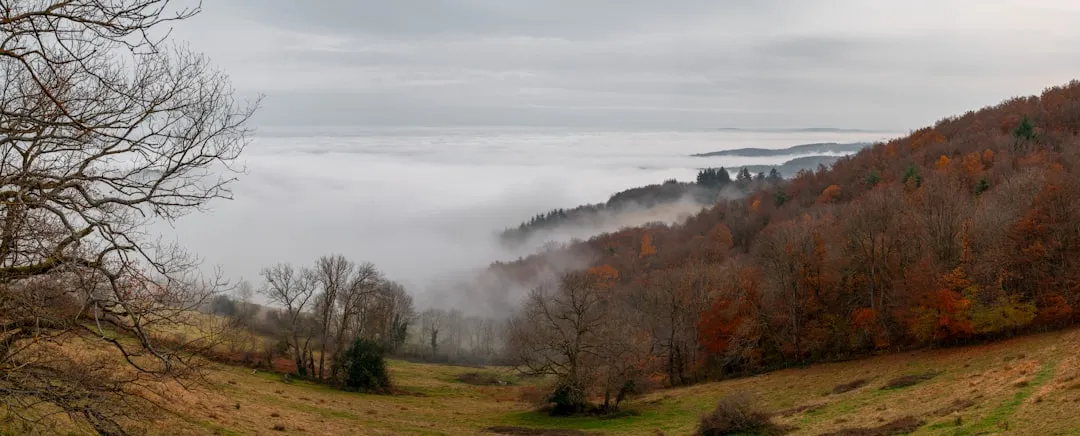
GR3: Loire Valley Trail
The GR3, also known as the Sentier de la Loire, is a magnificent long-distance hiking trail that follows the course of France's longest river, the Loire, from its source in the Massif Central to its estuary at Saint-Nazaire on the Atlantic coast. This extensive network of paths offers a journey through diverse landscapes, from the wild, forested headwaters to the gentle, vineyard-clad slopes of the middle reaches, and finally to the broad, tidal waters of the lower river. The trail is a celebration of French natural beauty, rich history, and vibrant culture, passing through charming villages, historic towns, and iconic châteaux that define the Loire Valley's reputation as a UNESCO World Heritage site.
- Distance: 1250 km one-way
- Duration: 50–60 days
- Season: Spring (April–June) or Autumn (September–October)
- Difficulty: Moderate
- Closest City: Tours
- Trailhead Access: Access near Cuffy (Cher) is easiest via train to Nevers or Bourges, then local bus/taxi. By car, drive to Cuffy. Parking is available. No permit required at the start. Road conditions are generally good.
- Direction: Generally follows the river downstream, but sections can be walked in either direction.
Overview
The GR3 is not merely a walk along a river; it is an immersion into the very soul of France. As you traverse its 1250 kilometres, you will witness the Loire transform from a youthful, energetic stream tumbling through volcanic landscapes to a majestic, wide waterway that has shaped the history and economy of the regions it crosses. The trail is meticulously marked with the GR's signature red and white blazes, guiding you through a tapestry of environments.
The initial stages in the Massif Central are characterised by rugged natural beauty. You'll hike through forests, past volcanic formations, and alongside the nascent Loire as it carves its path through the uplands. This section is wilder, less populated, and offers a profound sense of solitude and connection with nature. As the river grows, so too does the human presence, but always in harmony with the landscape.
The middle sections of the GR3 are perhaps the most iconic, leading you through the heart of the Loire Valley, a region renowned for its magnificent châteaux. You will walk through rolling hills dotted with vineyards, past picturesque villages with traditional stone houses, and experience the gentle rhythm of rural French life. The proximity to world-famous landmarks like Chambord, Chenonceau, and Villandry offers opportunities for cultural exploration alongside your physical journey.
The final stages bring you closer to the Atlantic. The river widens considerably, becoming tidal and more powerful. The landscape shifts again, with coastal marshes, salt flats, and eventually the bustling port city of Saint-Nazaire. The air becomes saltier, the light changes, and the sense of arrival at the ocean is palpable. The GR3 is a journey of discovery, offering a unique perspective on France's diverse geography, its rich heritage, and the enduring power of its most famous river.
History and Cultural Context
The Loire River has been a vital artery of France for millennia. Its banks have been inhabited since prehistoric times, and it played a crucial role in the development of trade, agriculture, and settlement throughout the country's history. The GR3, by tracing its course, connects walkers to this deep historical narrative.
The regions traversed by the GR3 have witnessed significant historical events. The Massif Central, with its volcanic origins, has a long history of human settlement and resource exploitation, from ancient mining to modern agriculture. The river's middle reaches, particularly the Loire Valley, became a favoured domain of French royalty and nobility during the Renaissance. The construction of numerous magnificent châteaux, such as Chambord, Blois, and Amboise, transformed the landscape into a centre of power, art, and culture. These châteaux were not just residences but also symbols of wealth and influence, often built to impress and to control the surrounding territories.
The river itself was a major transportation route, facilitating the movement of goods and people. Towns and cities like Orléans, Tours, and Angers grew and prospered due to their strategic locations along its banks. The development of vineyards, particularly in regions like Sancerre and Touraine, also dates back centuries, with the Loire's climate and soil proving ideal for viticulture. The trail offers glimpses into these historical agricultural practices, many of which continue to this day.
In more recent history, the Loire has been a subject of conservation efforts. Recognising its ecological importance and the beauty of its landscapes, large sections of the river valley have been designated as UNESCO World Heritage sites. The GR3, by promoting walking and appreciation of the river's natural and cultural heritage, contributes to these conservation goals, encouraging a sustainable way to experience this remarkable region.
Seasonal Highlights and Weather Reality
The GR3 can be walked year-round, but certain seasons offer distinct advantages and challenges. The best times to undertake this long-distance trek are during the spring and autumn shoulder seasons.
Spring (April–June): This is an ideal time to walk the GR3. The landscape bursts into life with wildflowers, and the weather is generally mild and pleasant. Temperatures are comfortable for walking, typically ranging from 10°C to 20°C. The vineyards begin to show new growth, and the forests are a vibrant green. However, spring can also bring unpredictable weather, including rain showers and cooler spells, especially in the higher elevations of the Massif Central. Days are lengthening, providing ample daylight for hiking.
Summer (July–August): While the Loire Valley is beautiful in summer, it can also be very hot, with temperatures frequently exceeding 30°C. This can make strenuous hiking challenging, particularly in exposed sections. The riverbanks can be humid, and sandflies may be present in some areas. However, summer offers long daylight hours and the opportunity to enjoy riverside activities and outdoor dining in the many charming villages. Accommodation and popular attractions can be busier during this peak tourist season.
Autumn (September–October): Autumn is another excellent season for walking the GR3. The weather is often stable and mild, with crisp, clear days. The changing foliage paints the landscape in stunning hues of gold, red, and orange, making the vineyards and forests particularly picturesque. Temperatures typically range from 10°C to 20°C. This season is also harvest time for many vineyards, offering a unique cultural experience. The crowds of summer have dispersed, making for a more tranquil journey.
Winter (November–March): Winter is the least popular time to walk the GR3. While the landscapes can be starkly beautiful, with frost and occasional snow, temperatures can be cold, and daylight hours are short. Many smaller guesthouses and restaurants may be closed. The river can be grey and moody, and some sections of the trail might be muddy or inaccessible due to ice. However, for those seeking solitude and a different perspective on the region, winter can be a rewarding experience, provided one is prepared for cold weather conditions.
Recommended Itinerary
GR3: Loire Valley Trail - A Sample Itinerary (Approx. 1250 km)
This is a suggested itinerary for experienced long-distance hikers. The GR3 is a long and varied trail, and this breakdown is a general guide. Many sections can be adapted based on personal pace, interests, and available time. It is recommended to break the trail into manageable sections or to plan for a continuous thru-hike of 50-60 days.
Section 1: The Source to Nevers (Approx. 300 km)
- Days: 10–14 days
- Focus: Wild landscapes, volcanic origins, early Loire River
- Key Waypoints:
- Start: Cuffy (Cher)
- Monts d'Auvergne foothills
- Volvic (famous for its mineral water)
- Puy de Dôme region (optional detour)
- Riom
- Clermont-Ferrand (major city, good resupply point)
- Châtel-Guyon
- Vichy
- Moulins
- Nevers (major town, good transport links)
- Terrain: Varied, including forests, open countryside, some moderate ascents and descents.
Section 2: Nevers to Orléans (Approx. 350 km)
- Days: 12–16 days
- Focus: Transition to gentler landscapes, vineyards, historic towns
- Key Waypoints:
- Nevers
- La Charité-sur-Loire (historic town)
- Cosne-Cours-sur-Loire
- Sancerre (famous wine region, optional detour)
- Gien
- Briare (canal junction)
- Montargis
- Orléans (historic city, Joan of Arc)
- Terrain: Mostly flat or gently rolling, following riverbanks and through agricultural land.
Section 3: Orléans to Angers (Approx. 400 km)
- Days: 15–18 days
- Focus: The heart of the Loire Valley Châteaux, vineyards, charming villages
- Key Waypoints:
- Orléans
- Meung-sur-Loire
- Beaugency
- Blois (Château de Blois)
- Amboise (Château d'Amboise, Clos Lucé)
- Chenonceau (Château de Chenonceau - requires detour)
- Tours (major city, excellent resupply, base for châteaux)
- Villandry (Château de Villandry - requires detour)
- Chinon (wine region, fortress)
- Saumur (château, sparkling wine)
- Angers (château, tapestry museum)
- Terrain: Predominantly flat or gently undulating, with sections through vineyards and forests.
Section 4: Angers to Saint-Nazaire (Approx. 200 km)
- Days: 7–10 days
- Focus: Lower Loire, tidal river, coastal landscapes, industrial heritage
- Key Waypoints:
- Angers
- Chalonnes-sur-Loire
- Ancenis
- Nantes (major city, cultural hub)
- Saint-Nazaire (port city, Atlantic coast)
- Terrain: Mostly flat, following the river and approaching the coast. Can be exposed in sections.
Important Considerations:
- This itinerary is a guide; actual distances and times may vary.
- Resupply points are generally frequent in populated areas but can be sparse in the Massif Central. Plan accordingly.
- Accommodation options include campsites, gîtes d'étape (hostels), chambres d'hôtes (B&Bs), and hotels. Booking in advance is recommended, especially during peak season.
- The GR3 can be walked in sections. Many hikers choose to experience specific regions, such as the Châteaux route or the vineyards of Sancerre.
- Navigation is generally straightforward due to clear GR markings, but a good map and compass or GPS device are essential, especially in more remote sections.
Planning and Bookings
Book Your Trip
Everything you need to plan your journey
Accommodation
Find places to stay near Tours
Flights
Search flights to Tours
Essential Preparation
The GR3 is a long-distance trail that requires significant planning, especially if you intend to hike it in its entirety. The 1250 km distance means that logistics, accommodation, and resupply are paramount. Begin by deciding on the timeframe for your hike; a continuous thru-hike typically takes 50-60 days, while breaking it into sections allows for more flexibility.
Logistics: Identify your start and end points. For the start near Cuffy, access is best via train to Nevers or Bourges, followed by a local bus or taxi. For the end at Saint-Nazaire, there are excellent train connections to major French cities. If you plan to hike in sections, consider how you will travel between different starting and finishing points.
Base Towns/Cities: Key towns along the route offer excellent facilities for hikers. Clermont-Ferrand, Orléans, Tours, Angers, and Nantes are major cities with comprehensive services, including outdoor gear shops, supermarkets, pharmacies, and a wide range of accommodation. Smaller towns and villages along the way provide more basic amenities but often offer a more authentic experience.
Fitness: While the GR3 is rated as moderate, the sheer distance demands a high level of cardiovascular fitness and endurance. Train with a loaded pack, incorporating long walks and hill training. Be prepared for varied terrain, from gentle river paths to more challenging ascents in the Massif Central.
Trail Accommodation
Accommodation options along the GR3 are varied and depend on the section of the trail you are hiking. It is crucial to book in advance, especially during the peak spring and autumn seasons, and for popular areas like the Châteaux region.
Gîtes d'Étape: These are hiker-friendly hostels or refuges, often found in rural areas and along GR routes. They typically offer dormitory-style accommodation, shared bathrooms, and sometimes communal kitchens. They are an excellent way to meet other hikers and experience local hospitality. Prices are generally affordable, ranging from €20-€40 per night.
Chambres d'Hôtes (B&Bs): These offer a more personal experience, with rooms in a local's home. Breakfast is usually included, and some may offer evening meals. They provide a great opportunity to interact with locals and learn about the region. Costs vary but expect €50-€100 per night.
Hotels: Available in larger towns and cities, offering a range of comfort levels and prices. These are good for rest days or when other options are unavailable.
Campsites: Numerous campsites are located along the route, ranging from basic municipal sites to more equipped private campgrounds. These are a budget-friendly option and allow for greater flexibility. Expect to pay €10-€25 per night for a pitch.
What's NOT Provided: Most accommodation, especially gîtes and B&Bs, will not provide meals unless specified. You will need to carry your own food or plan to eat at local restaurants and bakeries. Sleeping bags are usually required for gîtes and campsites.
Seasonal Availability: While many accommodations operate year-round, some smaller, seasonal establishments may close during the winter months (November–March). Always check opening times and book ahead.
Required Gear
- Hiking Boots: Sturdy, waterproof, and well-broken-in hiking boots with good ankle support are essential.
- Backpack: A comfortable backpack of 50-70 litres capacity, with a rain cover. Ensure it fits well and has a supportive hip belt.
- Waterproof Jacket and Trousers: Essential for unpredictable weather. Look for breathable, waterproof materials.
- Layers of Clothing: Merino wool or synthetic base layers, insulating mid-layers (fleece or down jacket), and comfortable hiking trousers. Avoid cotton.
- Headwear: A sun hat for protection and a warm hat (beanie) for cooler evenings or higher elevations.
- Gloves: Lightweight gloves for cooler weather.
- Navigation Tools: Detailed maps of the GR3 sections you plan to hike, a compass, and a GPS device or smartphone with offline mapping capabilities.
- First-Aid Kit: Comprehensive kit including blister treatment, pain relievers, antiseptic wipes, bandages, and any personal medications.
- Head Torch: With spare batteries, for use in accommodation and for early morning or late evening walks.
- Trekking Poles: Highly recommended for reducing strain on joints, especially on descents and ascents.
- Water Bottles/Bladder: Capacity for at least 2 litres.
What to Bring
- Food: Carry sufficient non-perishable food for at least 2-3 days between resupply points, especially in the Massif Central. Include high-energy snacks.
- Water Treatment: While the Loire is a large river, it's advisable to carry a water filter or purification tablets for smaller tributaries or if unsure of water quality.
- Toiletries: Biodegradable soap, toothbrush, toothpaste, toilet paper, hand sanitiser, and any personal hygiene items.
- Sunscreen and Lip Balm: High SPF protection is necessary, even on cloudy days.
- Insect Repellent: Particularly useful during warmer months, especially near water.
- Small Towel: Quick-drying microfibre towel.
- Repair Kit: Duct tape, needle and thread, safety pins for gear repairs.
- Power Bank: For charging electronic devices, as charging points may be limited.
- Book or Journal: For downtime in the evenings.
- Camera: To capture the stunning scenery and historic sites.
- Cash: While cards are widely accepted in towns, smaller villages and some accommodations may prefer cash.
Permits
The GR3, being a public long-distance trail in France, does not require specific permits for hiking or camping in designated areas. The trail is maintained by the Fédération Française de la Randonnée Pédestre (FFRP) and local hiking clubs, and access is generally open to the public.
Camping: Wild camping is generally discouraged or prohibited in France, especially in protected areas or near private property. However, designated campsites are plentiful along the route. If you plan to camp, it is essential to use official campsites or seek explicit permission from landowners if considering informal camping in remote areas. Always adhere to local regulations and "Leave No Trace" principles.
Accommodation: For gîtes d'étape, chambres d'hôtes, and hotels, advance booking is highly recommended, particularly during the popular spring and autumn seasons. This is not a permit requirement but a practical necessity to secure your lodging.
National Parks/Protected Areas: While the GR3 passes through or near some protected natural areas, these typically do not require separate permits for hikers on marked trails. However, it's always wise to check local signage and regulations for any specific restrictions that may apply to certain zones or activities (e.g., fires, drone usage).
Châteaux and Attractions: Entry to the numerous châteaux and other historical sites along the route will require separate admission fees. These are not part of the trail permit system but are individual tourist attractions.
Other Activities in the Area
The GR3 offers a wealth of opportunities to engage with the culture, history, and natural beauty of the Loire region beyond just hiking:
- Château Hopping: The Loire Valley is famously dotted with magnificent châteaux. Dedicate time to visit iconic sites like Château de Chambord, Château de Chenonceau, Château de Villandry (with its stunning gardens), Château d'Amboise, and Château de Blois. Many are accessible via short detours from the GR3.
- Wine Tasting: The Loire Valley is a renowned wine-producing region. Explore vineyards in areas like Sancerre, Touraine (Vouvray, Chinon), and Muscadet (near Nantes). Many wineries offer tastings and tours.
- Cycling: The "La Loire à Vélo" (The Loire by Bike) route often parallels or intersects with the GR3. Renting a bicycle for a day or two can be a fantastic way to cover more ground and explore the valley at a different pace.
- Hot Air Balloon Rides: Experience the breathtaking beauty of the Loire Valley from above with a hot air balloon ride, offering unparalleled views of the châteaux and vineyards, especially at sunrise or sunset.
- Kayaking and Canoeing: Explore the river from a different perspective by renting a kayak or canoe. This is particularly enjoyable on calmer sections of the river or its tributaries.
- Gastronomic Exploration: Indulge in the local cuisine. Sample regional specialities, fresh produce from local markets, and enjoy the excellent French wines. Look for restaurants serving dishes featuring river fish, goat cheese, and local fruits.
- Exploring Villages: Many charming villages along the route offer a glimpse into traditional French life. Stop to enjoy a coffee at a local café, browse artisan shops, or simply soak in the atmosphere.
- Canal de Briare: If your route passes near Briare, explore the historic canal and its impressive aqueduct, a feat of 19th-century engineering.
Safety and Conditions
The GR3 is a well-marked and generally safe trail, but as with any long-distance hike, preparation and awareness are key.
Navigation: While the GR3 is marked with red and white blazes, it is essential to carry detailed maps and a compass or GPS device. Familiarise yourself with the route and be aware of potential diversions or changes. In more remote sections, especially in the Massif Central, visibility can be reduced in fog or heavy rain.
Weather: Weather can be variable. Summers can be hot, while spring and autumn can bring rain and cooler temperatures. Be prepared for all conditions by packing appropriate layers and waterproof gear. Check weather forecasts regularly, especially before setting out on longer, more exposed sections.
River Conditions: The Loire is a powerful river. While the trail generally stays well above the water level, be cautious near the riverbanks, especially during periods of heavy rain or flooding, which can occur in spring and autumn. Avoid crossing smaller tributaries if they are swollen.
Resupply: Plan your resupply points carefully. While towns and villages are frequent in the middle and lower sections, the Massif Central can have longer stretches between services. Carry enough food and water for at least 2-3 days in these areas.
Health: Ensure you have a well-stocked first-aid kit. Be aware of potential hazards like ticks in grassy areas and take precautions. Stay hydrated, especially during warmer months.
Accommodation Safety: When staying in gîtes or campsites, be mindful of your belongings. Lock up when you leave and secure valuables. If camping, choose designated sites and be aware of your surroundings.
Emergency Contacts: Know the emergency numbers for France (112 is the European emergency number). Inform someone of your itinerary and expected check-in times.
Sandflies and Insects: In warmer months, particularly near water sources, sandflies and other biting insects can be present. Carry insect repellent and consider wearing long sleeves and trousers when stationary.
Side Trips and Points of Interest
The GR3 is rich with opportunities for exploration beyond the main path. Many of these are short detours that significantly enhance the hiking experience:
Château de Chambord: A monumental Renaissance château, famous for its distinctive French Renaissance architecture and its double-helix staircase. A detour from the main GR3 is highly recommended to explore this architectural marvel and its vast grounds.
Château de Chenonceau: This elegant château spans the River Cher, creating a unique and romantic silhouette. Its history is intertwined with powerful women, including Diane de Poitiers and Catherine de' Medici. Accessible via a short detour from the GR3.
Château de Villandry: Renowned for its spectacular Renaissance gardens, meticulously restored and maintained. The gardens are a masterpiece of landscape design, offering a vibrant display of colours and patterns throughout the seasons. A must-see detour for garden enthusiasts.
Clos Lucé (Amboise): The final home of Leonardo da Vinci, this manor house is now a museum dedicated to his life and work. It offers a fascinating insight into the mind of the Renaissance genius and is located in the town of Amboise, a key point on the GR3.
Sancerre Vineyards: For wine lovers, a detour to the hilltop town of Sancerre is a must. Explore the vineyards that produce the world-famous Sancerre wines and enjoy panoramic views of the Loire Valley.
Puy de Dôme: While a significant detour from the main GR3 route in the Massif Central, the Puy de Dôme is a prominent dormant volcano offering spectacular views and a unique geological experience. It can be reached by train or a challenging hike.
Canal de Briare Aqueduct: Near Briare, this impressive aqueduct carries the Canal de Briare over the River Loire. It's a remarkable piece of 19th-century engineering and a point of interest for those interested in industrial heritage.
Nantes: A vibrant city with a rich maritime history. Explore the Château des Ducs de Bretagne, the Machines of the Isle of Nantes (with its giant mechanical elephant), and the historic port area.
Leave No Trace
The GR3 traverses diverse environments, from wild natural landscapes to cultivated agricultural land and historic sites. Practising Leave No Trace principles ensures that these areas remain beautiful and accessible for future generations and that you minimise your impact on the local environment and communities.
Plan Ahead and Prepare: Research your route, understand the terrain, and know where you can resupply. Pack appropriately for the conditions and carry sufficient food and water. Inform someone of your plans.
Travel and Camp on Durable Surfaces: Stick to the marked trails to avoid damaging vegetation. When camping, use designated campsites or durable surfaces like bare ground or gravel. Avoid camping on fragile vegetation or near water sources.
Dispose of Waste Properly: Pack out everything you pack in, including all food scraps, wrappers, and toilet paper. Use designated toilets where available. If you must go in the backcountry, dig a cathole at least 60 metres from water, trails, and campsites.
Leave What You Find: Resist the temptation to take souvenirs like rocks, plants, or historical artefacts. Leave them for others to enjoy and to maintain the natural and historical integrity of the area.
Minimise Campfire Impacts: Campfires are generally not permitted on the GR3, especially in protected areas or near accommodation. If permitted in specific designated areas, use existing fire rings and keep fires small. Ensure they are completely extinguished before leaving.
Respect Wildlife: Observe wildlife from a distance. Never feed animals, as this can disrupt their natural behaviours and diets. Store food securely to prevent attracting animals.
Be Considerate of Other Visitors: Keep noise levels down, especially in shared accommodation and natural areas. Yield to other hikers and be courteous. Respect local customs and traditions.
 France