
GR221: Dry Stone Route - Mallorca's Mountain Spine
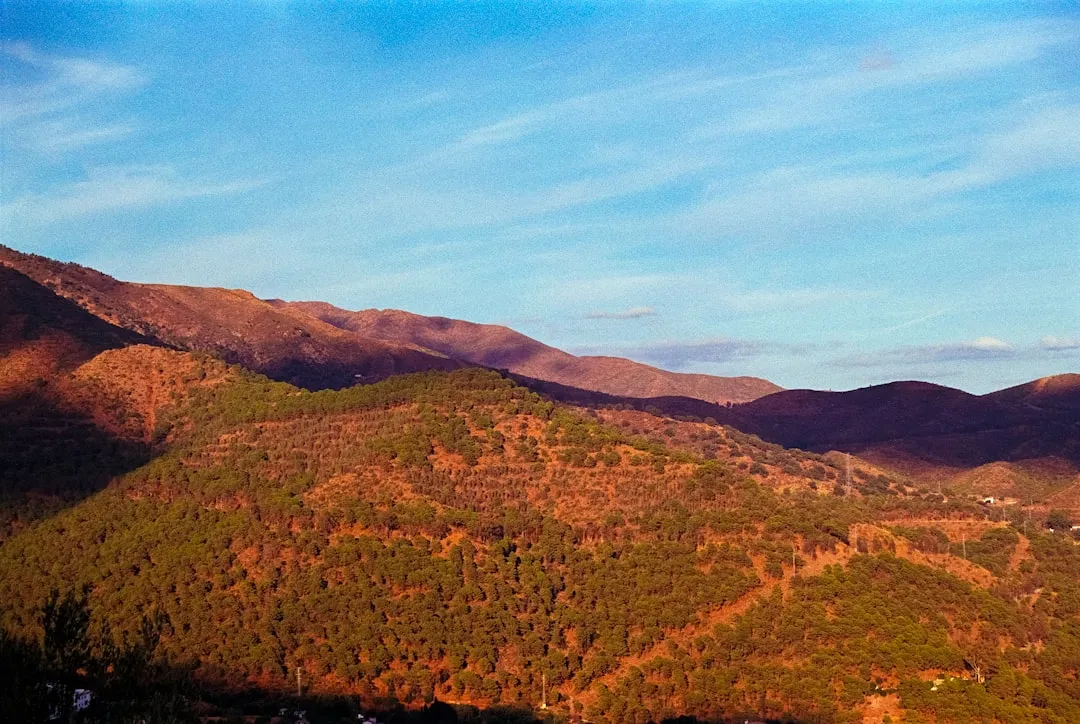
The GR221, also known as the Ruta de Pedra en Sec (Dry Stone Route), is Mallorca's premier long-distance hiking trail. This spectacular route traverses the Serra de Tramuntana, a UNESCO World Heritage mountain range that forms the island's dramatic northwestern spine. Unlike coastal paths, the GR221 delves deep into the heart of Mallorca's rugged interior, showcasing ancient dry-stone walls, terraced olive groves, secluded villages, and breathtaking panoramic views of the Mediterranean Sea. It's a journey through history, culture, and stunning natural beauty, offering a profound connection to the island's rural soul.
- Distance: 140 km
- Duration: 7–10 days
- Season: Spring (April–May) or Autumn (September–October)
- Difficulty: Moderate to challenging
- Accommodation: Refuges, rural hotels (cases rurals), and some basic shelters
- Highest point: Near Tossals Verds (approx. 1,000 m)
- Trailhead Access: Port d'Andratx (southwest) to Pollença (north)
- Permits: Generally not required for the trail itself, but booking accommodation is essential.
Overview
The GR221 is a captivating trek that winds its way through the Serra de Tramuntana, a mountain range of dramatic limestone peaks, verdant valleys, and ancient human settlements. The route is a testament to the enduring relationship between people and the land, evident in the ubiquitous dry-stone walls that have shaped the landscape for centuries, supporting terraced agriculture and defining ancient pathways. These walls, constructed without mortar, are a remarkable feat of engineering and a defining characteristic of the trail.
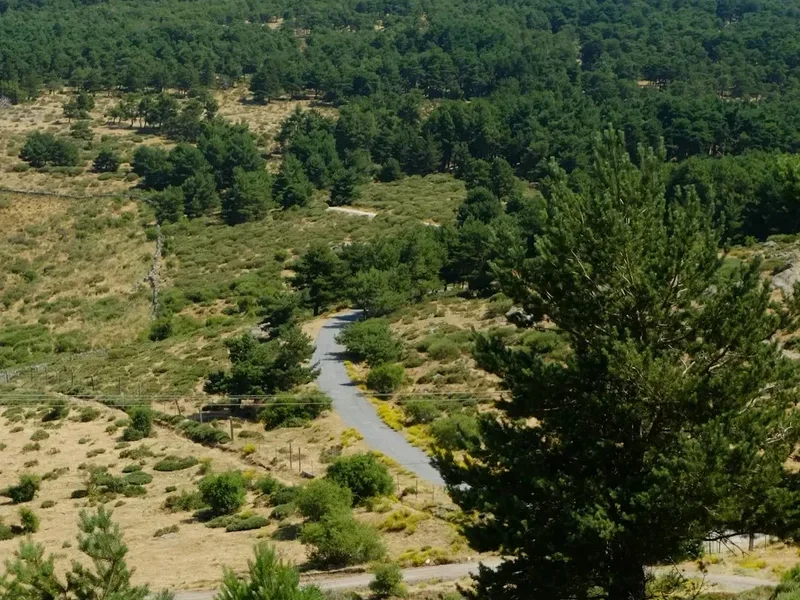
The journey begins in the bustling coastal town of Port d'Andratx and heads inland, gradually ascending into the heart of the mountains. Hikers will traverse diverse terrain, from fragrant pine forests and rugged scrubland to high mountain passes offering sweeping vistas. The trail passes through picturesque villages like Estellencs, Banyalbufar, Deià, Valldemossa, Sóller, Fornalutx, Lluc Monastery, and Caimari, each offering a unique glimpse into Mallorcan culture, history, and gastronomy. These villages, often clinging precariously to hillsides, are havens of tranquility with their stone houses, narrow cobbled streets, and vibrant local life.
The GR221 is not just about the physical act of walking; it's an immersion into a living landscape. The scent of wild herbs, the sound of sheep bells, the sight of ancient olive trees twisted by time, and the ever-present backdrop of the Mediterranean Sea create a sensory feast. While the trail is well-marked, its mountainous terrain can be demanding, with significant ascents and descents. However, the rewards are immense: unparalleled natural beauty, a deep dive into Mallorcan heritage, and the satisfaction of completing a challenging and rewarding trek.
History and Cultural Context
The Serra de Tramuntana has been inhabited for millennia, with evidence of human activity dating back to the Neolithic period. The dry-stone construction that characterises the GR221 is a direct legacy of the island's agricultural past, particularly from the Moorish period (902–1229) and the subsequent centuries. The Moors introduced sophisticated irrigation systems and terracing techniques, transforming the steep hillsides into productive farmland, primarily for olives and citrus fruits. The dry-stone walls were essential for retaining soil on these terraces, preventing erosion, and delineating property boundaries.
The route itself follows ancient pathways, shepherds' tracks, and old mule routes that have connected villages and farms for generations. These paths were vital for trade, communication, and daily life in a region where travel was often arduous. The construction of the GR221 as a marked long-distance trail is a more recent development, aimed at promoting sustainable tourism and preserving the cultural and natural heritage of the Serra de Tramuntana.
The region's history is also marked by periods of prosperity and hardship. The cultivation of olives, in particular, was a cornerstone of the Mallorcan economy for centuries, with the island's olive oil highly prized. The dry-stone walls are not merely functional; they are a cultural symbol, representing the resilience, ingenuity, and deep connection of the Mallorcan people to their land. The UNESCO World Heritage status, awarded in 2011, recognises the outstanding universal value of the Serra de Tramuntana as a cultural landscape shaped by the interaction between human activity and the natural environment over centuries.
Seasonal Highlights and Weather Reality
The GR221 is best enjoyed during the spring and autumn months. These seasons offer a delightful balance of pleasant temperatures, blooming wildflowers, and fewer crowds.
Spring (April–May): This is arguably the most beautiful time to walk the GR221. The landscape bursts into vibrant colour with wildflowers carpeting the hillsides. Temperatures are mild, typically ranging from 15°C to 25°C, making for comfortable hiking conditions. The air is fresh, and the light is often soft and picturesque. However, spring can also bring unpredictable weather, with occasional rain showers possible.
Autumn (September–October): Similar to spring, autumn provides excellent hiking weather. Temperatures are warm but not excessively hot, usually between 20°C and 28°C. The sea is still warm enough for a dip, and the landscape takes on a golden hue as the olive harvest approaches. The risk of rain increases as the season progresses, but it is generally less frequent than in spring.
Summer (June–August): Hiking the GR221 in summer is not recommended for most. Daytime temperatures can soar above 30°C, making strenuous hiking extremely challenging and potentially dangerous due to dehydration and heatstroke. Water sources can also be scarce. If you must hike in summer, start very early, carry ample water, and focus on shorter sections or higher, shadier routes.
Winter (November–March): While cooler, winter can also be a viable time for hiking, especially for experienced walkers. Temperatures are generally mild, ranging from 10°C to 18°C. However, rainfall is more frequent, and higher sections of the trail can experience frost or even snow, particularly on north-facing slopes. Some refuges and rural accommodations may have reduced opening hours or be closed during the winter months, so advance booking and checking availability is crucial.
Recommended Itinerary
7-Day GR221: Dry Stone Route Itinerary
Day 1: Port d'Andratx to Estellencs
- Distance: 15 km
- Elevation gain: 700 m
- Time: 4–5 hours
- Start at the harbour in Port d'Andratx
- Ascend through pine forests and olive groves
- Pass the ruins of Castell de Sant Elm for coastal views
- Descend into the charming village of Estellencs
- Accommodation: Rural hotel or guesthouse
Day 2: Estellencs to Banyalbufar
- Distance: 12 km
- Elevation gain: 450 m
- Time: 3–4 hours
- Follow ancient coastal paths with stunning sea vistas
- Pass through terraced vineyards and gardens
- Arrive in the picturesque village of Banyalbufar, known for its unique "marjades" (terraces)
- Accommodation: Rural hotel or guesthouse
Day 3: Banyalbufar to Valldemossa
- Distance: 18 km
- Elevation gain: 800 m
- Time: 5–6 hours
- Climb inland towards the heart of the Tramuntana
- Pass through fragrant pine forests and rocky terrain
- Arrive in the historic and beautiful town of Valldemossa, famous for its Carthusian Monastery
- Accommodation: Rural hotel or guesthouse
Day 4: Valldemossa to Sóller
- Distance: 20 km
- Elevation gain: 900 m
- Time: 6–7 hours
- A challenging day crossing the mountain range
- Ascend to Coll de Sa Gramola and descend towards Sóller
- Option to visit the charming village of Fornalutx, often called "Spain's most beautiful village"
- Accommodation: Hotel or guesthouse in Sóller or Fornalutx
Day 5: Sóller to Refugi de Tossals Verds
- Distance: 22 km
- Elevation gain: 1000 m
- Time: 7–8 hours
- A significant mountain day, heading towards the central Tramuntana
- Ascend through olive groves and rugged mountain paths
- Reach the Refugi de Tossals Verds, a well-equipped mountain refuge
- Accommodation: Refugi de Tossals Verds
Day 6: Refugi de Tossals Verds to Refugi de Son Amer (near Lluc Monastery)
- Distance: 18 km
- Elevation gain: 600 m
- Time: 5–6 hours
- Continue through the mountainous interior
- Pass through diverse landscapes, including pine forests and open scrubland
- Arrive at the Refugi de Son Amer, close to the historic Lluc Monastery
- Accommodation: Refugi de Son Amer or accommodation in Lluc
Day 7: Refugi de Son Amer to Pollença
- Distance: 25 km
- Elevation gain: 500 m
- Time: 7–8 hours
- The final leg of the journey
- Descend from the mountains towards the northern plains
- Pass through olive groves and vineyards
- Arrive in the historic town of Pollença, with its famous Calvari steps
- Accommodation: Hotel or guesthouse in Pollença
Alternative Itinerary (9-10 Days): For a more relaxed pace, consider adding an extra day in Sóller or Valldemossa, or breaking down the longer days into shorter segments. Some sections can be combined with public transport to shorten distances.
Planning and Bookings
Book Your Trip
Everything you need to plan your journey
Accommodation
Find places to stay near Sóller
Flights
Search flights to Sóller
Essential Preparation
The GR221 is a well-established long-distance trail, but it requires careful planning, especially regarding accommodation. Unlike some European long-distance paths, there are no mandatory huts for the entire route. Instead, you'll rely on a mix of refuges, rural hotels (cases rurals), and guesthouses in the villages along the way. Booking accommodation well in advance is crucial, particularly during peak seasons (spring and autumn) and for weekends, as these options can fill up quickly.
Base Town/City Information:
- Palma de Mallorca (PMI): The island's capital and main airport. From Palma, you can take public buses or taxis to reach the trailheads. Bus services are generally efficient and connect major towns and villages.
- Port d'Andratx: The official starting point of the GR221. It's a picturesque harbour town with amenities.
- Pollença: The official end point. A historic town with good transport links back to Palma.
- Sóller: A major hub along the route, offering a wide range of accommodation, restaurants, and transport options, including the historic tram to Port de Sóller.
- Valldemossa and Deià: Charming villages that are popular tourist destinations, offering excellent accommodation and dining.
Logistics: Consider how you will get to the start and from the end. Public buses are a cost-effective option, but check timetables carefully, especially for less frequent routes. Taxis are available but more expensive. If you are driving, parking can be limited in some villages; research options in advance.
Trail Accommodation
The GR221 offers a variety of accommodation options, ranging from basic refuges to comfortable rural hotels.
Refuges:
- Refugi de Tossals Verds: Located in the central Tramuntana mountains. Offers dormitory-style accommodation, meals, and basic facilities. Booking is essential.
- Refugi de Son Amer: Situated near Lluc Monastery. Similar facilities to Tossals Verds, with dormitories and often meals available. Booking is essential.
- Basic Shelters: Some very basic, unmanned shelters may exist along the route, but these are not reliable for planned accommodation and should only be considered in emergencies.
Rural Hotels (Cases Rurals) and Guesthouses:
- These are found in most villages along the route (e.g., Estellencs, Banyalbufar, Valldemossa, Deià, Sóller, Fornalutx, Pollença).
- Offer private rooms, often with en-suite bathrooms, and typically include breakfast.
- Vary in price and amenities.
- Booking Requirements: Essential to book well in advance, especially during peak seasons (April–May, September–October) and on weekends.
- Seasonal Availability: Most are open year-round, but some smaller establishments might have reduced hours or closures during the low season (winter).
- Costs: Can range from €60-€150+ per night for a double room, depending on the establishment and season.
Campsites: Wild camping is generally not permitted in Mallorca, especially within the Serra de Tramuntana Natural Park. Designated campsites are rare along the GR221 route itself, so relying on official accommodation is advised.
What's NOT provided: Refuges typically do not provide towels, toiletries, or cooking equipment (though some may have communal kitchens). Rural hotels will provide standard hotel amenities. You will need to carry your own food for lunches and snacks unless you plan to eat in restaurants or purchase supplies in villages.
Required Gear
- Sturdy Hiking Boots: Waterproof, well-broken-in boots with good ankle support are essential for the rocky and uneven terrain.
- Waterproof Jacket and Trousers: Lightweight, breathable waterproofs are crucial for unpredictable mountain weather.
- Backpack: A comfortable daypack (25-35 litres) for daily essentials or a larger pack (40-50 litres) if carrying more gear for multi-day sections.
- Navigation Tools: A detailed map of the GR221, a compass, and a GPS device or smartphone with offline mapping apps (e.g., Wikiloc, AllTrails) are highly recommended. The trail is generally well-marked, but visibility can be poor in fog or rain.
- Head Torch: Essential for early starts, late finishes, or in case of unexpected delays.
- First-Aid Kit: Including blister treatment, pain relievers, antiseptic wipes, bandages, and any personal medications.
- Sun Protection: High SPF sunscreen, sunglasses, and a wide-brimmed hat are vital, even on cloudy days, due to the strong Mediterranean sun.
- Trekking Poles: Highly recommended for steep ascents and descents, providing stability and reducing strain on joints.
- Water Bottles/Hydration Reservoir: Capacity for at least 2-3 litres per person, as water sources can be infrequent between villages.
What to Bring
- Food: Pack high-energy snacks (nuts, dried fruit, energy bars) for lunches and between meals. Villages offer opportunities to resupply, but options can be limited in smaller hamlets.
- Water Treatment: While water in villages is generally safe, it's wise to carry a water filter or purification tablets for treating water from natural sources if needed.
- Toiletries: Biodegradable soap, toothbrush, toothpaste, hand sanitiser, and any personal hygiene items.
- Clothing Layers: Moisture-wicking base layers (merino wool or synthetic), insulating mid-layers (fleece or down jacket), and comfortable hiking trousers.
- Camp Shoes/Sandals: For relaxing in the evenings at refuges or villages.
- Camera: To capture the stunning scenery.
- Power Bank: For charging electronic devices, as charging facilities may be limited.
- Small Towel: Quick-drying microfibre towels are ideal.
- Cash: Some smaller establishments or refuges may not accept credit cards.
- Basic Spanish Phrasebook: While English is spoken in tourist areas, knowing a few basic phrases can be helpful.
Permits
The GR221 itself does not require a specific permit to walk. It is a public long-distance trail. However, accommodation along the route, particularly in the refuges (Refugi de Tossals Verds and Refugi de Son Amer), requires advance booking. These refuges operate on a reservation system, and it is highly advisable to book your stays well in advance, especially during the popular spring and autumn seasons, and for weekend nights.
Accommodation Booking:
- Refuges: Bookings for Refugi de Tossals Verds and Refugi de Son Amer can typically be made online through their respective websites or via local tourism portals. It is recommended to book several weeks, or even months, in advance for peak periods.
- Rural Hotels and Guesthouses: These can be booked through standard online travel agencies (e.g., Booking.com, Expedia) or directly with the establishments. Again, early booking is advised.
National Park Regulations: While no specific permit is needed for the trail, hikers are expected to adhere to the regulations of the Serra de Tramuntana Natural Park. This includes respecting the environment, not littering, staying on marked paths, and avoiding wild camping. Information on park regulations can usually be found on the Balearic Islands' environmental agency websites or local tourism offices.
No Permits for Day Hikes: If you are planning day hikes along sections of the GR221, no permits are required. Access to most trailheads is generally open.
Other Activities in the Area
The Serra de Tramuntana and its surrounding areas offer a wealth of activities beyond hiking the GR221:
- Exploring Villages: Dedicate time to wander through the charming streets of Valldemossa, Deià, Sóller, Fornalutx, and Pollença. Discover their historic architecture, local artisan shops, and traditional cafés.
- Cycling: The Serra de Tramuntana is a popular destination for road cyclists, with challenging climbs and scenic routes. Bike hire is readily available in Sóller and other towns.
- Cultural Visits: Visit the Real Cartuja de Valldemossa (Carthusian Monastery), the Joan Miró Foundation in Palma, or the various museums and galleries scattered throughout the island.
- Beaches and Coves: While the GR221 is inland, many sections offer views of the Mediterranean. Consider a detour to explore the beautiful coves and beaches near Port de Sóller, Cala Deià, or the northern coast near Pollença.
- Gastronomy: Mallorca is renowned for its cuisine. Sample local specialities like 'ensaimada' (a sweet pastry), 'sobrassada' (cured sausage), 'tumbet' (vegetable dish), and fresh seafood. Enjoy local wines and olive oils.
- Sóller Valley Railway: Take a ride on the historic wooden train from Palma to Sóller, a scenic journey through tunnels and orange groves. From Sóller, a vintage tram connects to Port de Sóller.
- Water Sports: In coastal areas like Port de Sóller or Port d'Andratx, you can find opportunities for kayaking, paddleboarding, and boat trips.
Safety and Conditions
Trail Conditions: The GR221 is generally well-marked with red and white GR markings and occasional yellow paint flashes. However, sections can be rocky, steep, and exposed. In wet weather, some paths can become slippery and treacherous. Always check local weather forecasts before setting out, as conditions can change rapidly in the mountains.
Water Availability: Water sources are generally reliable in villages and at the main refuges. However, between settlements, water can be scarce, especially during the summer months. Carry sufficient water (at least 2-3 litres per person) and consider a water filter or purification tablets as a backup.
Navigation: While the trail is marked, it is essential to carry a map and compass or a reliable GPS device. Fog can descend quickly in the mountains, reducing visibility to near zero. Familiarise yourself with the route and be prepared to navigate by compass if necessary.
Heat and Sun Exposure: During spring and autumn, temperatures can still be warm, and the sun can be intense. Protect yourself from sunburn and dehydration by wearing appropriate clothing, using sunscreen, and drinking plenty of water. Avoid hiking during the hottest part of the day in warmer months.
Wildlife: While large dangerous wildlife is not a concern, be aware of potential encounters with snakes (though generally shy) and insects, particularly mosquitoes and sandflies, especially near water sources or in the evenings. Ticks can also be present in grassy or wooded areas.
Emergency Contacts: The European emergency number is 112. Ensure your mobile phone is fully charged and consider carrying a power bank. Mobile signal can be intermittent in remote mountain areas, so do not rely on it for emergencies.
Accommodation Bookings: Reconfirm your accommodation bookings a few days before arrival, especially if you booked through a third party. This helps avoid any last-minute misunderstandings or cancellations.
Respect Local Culture: Dress modestly when visiting villages and monasteries. Be mindful of noise levels, especially in residential areas and during siesta hours.
Side Trips and Points of Interest
Castell de Sant Elm: Located near the start of the trail in Port d'Andratx, these historic castle ruins offer panoramic views of the coastline and the bay. A worthwhile detour for history buffs and photographers.
Mirador de Ses Baranes: A stunning viewpoint offering expansive vistas over the terraced landscape and the Mediterranean Sea, particularly beautiful on the section between Estellencs and Banyalbufar.
Fornalutx: Often cited as one of Spain's most beautiful villages, Fornalutx is a short detour from the main GR221 route between Valldemossa and Sóller. Its narrow, cobbled streets, stone houses adorned with flowerpots, and picturesque central plaza make it a must-visit.
Barranc de Biniaraix: A dramatic gorge accessible from Fornalutx. While not directly on the GR221, it's a popular hiking destination for its rugged beauty and challenging terrain. The GR221 passes near its upper reaches.
Lluc Monastery (Santuari de Santa Maria de Lluc): A significant pilgrimage site and spiritual centre for Mallorca, located near Refugi de Son Amer. The monastery complex is beautiful and offers a peaceful respite. The botanical garden is also noteworthy.
Puig de Massanella: The second-highest peak in the Serra de Tramuntana (1,364 m). While not on the main GR221, it's accessible via a challenging detour from the route near Tossals Verds, offering spectacular 360-degree views of the island.
Calvari Steps, Pollença: The final landmark before reaching Pollença town centre. Climbing the 365 steps to the summit offers a rewarding view over the town and the surrounding countryside.
Leave No Trace
The GR221 traverses a precious natural and cultural landscape. Adhering to Leave No Trace principles is paramount to preserving its beauty and integrity for future generations.
Plan Ahead and Prepare: Research the trail, book accommodation in advance, and be aware of local regulations. Pack appropriately for the conditions and carry sufficient supplies.
Travel and Camp on Durable Surfaces: Stick to marked trails to avoid damaging fragile vegetation and soil. Avoid creating new paths. When resting, use existing clearings or rocky areas.
Dispose of Waste Properly: Pack out everything you pack in, including all food scraps, wrappers, and any other litter. Use designated bins in villages or carry your waste until you can dispose of it responsibly. Use toilet facilities in villages and refuges; if none are available, dig a cathole at least 60 metres away from water sources, trails, and campsites.
Leave What You Find: Do not remove plants, rocks, or historical artefacts. Take only photographs and memories.
Minimise Campfire Impacts: Campfires are generally prohibited in the Serra de Tramuntana due to fire risk. Use a portable stove for cooking.
Respect Wildlife: Observe wildlife from a distance. Do not feed animals, as this can disrupt their natural behaviour and diet. Store food securely to prevent attracting rodents or other animals.
Be Considerate of Other Visitors: Keep noise levels down, especially in villages and natural areas. Yield to other hikers and cyclists on the trail. Respect the local culture and traditions.
 Spain
Spain