
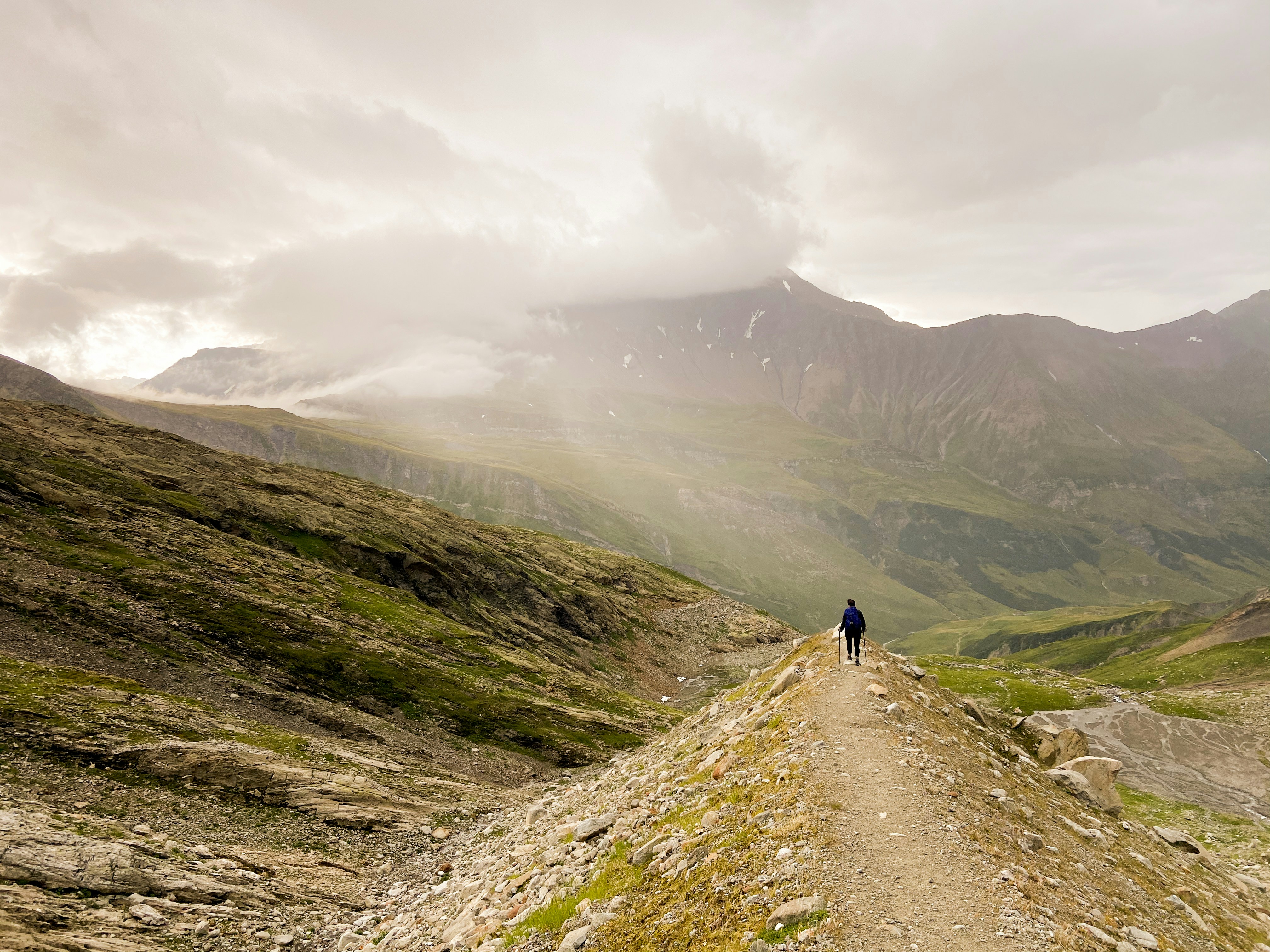
GR12: The Sentier de l'Europe – A Cross-Border Odyssey
The GR12 is one of Europe's most significant long-distance walking routes, traditionally connecting the three great capitals of Amsterdam, Brussels, and Paris. This specific 190-kilometre segment traverses the heart of Belgium and crosses into Northern France, offering a profound journey through the rolling landscapes of Wallonia, ancient woodlands, and historical sites that have shaped the continent's destiny. Unlike the rugged isolation of alpine tracks, the GR12 provides a "cultural wilderness" experience, where the path weaves between medieval villages, monastic ruins, and the sophisticated urban centre of Brussels. It is a trail of transitions—moving from the flat, canal-lined plains of the north into the undulating foothills of the Ardennes, and finally into the lush, forested valleys of the French borderlands. For the modern walker, the GR12 represents more than just a physical challenge; it is a walk through the living history of Europe, where every kilometre reveals a new layer of architectural heritage, linguistic shifts, and natural beauty.
- Distance: 190.0 km (Belgian/French border segment)
- Duration: 8–12 days
- Season: May–September (optimal for weather and daylight)
- Total Elevation Gain: 3,500 m
- Difficulty: Moderate (rolling terrain with some steep valley sections)
- Closest City: Brussels, Belgium
- Direction: Typically walked North to South (Brussels toward Paris)
Overview
The GR12 is a masterclass in European landscape diversity. While many long-distance trails focus on singular geographical features, the GR12 prides itself on variety. The journey begins in the shadow of Brussels' grand architecture, quickly escaping the urban sprawl into the Sonian Forest (Forêt de Soignes), a UNESCO World Heritage site famed for its "cathedral" beech trees. These ancient woods, some of which have remained untouched for centuries, provide a serene, emerald canopy that sets a contemplative tone for the days ahead. As the trail moves south, the landscape opens into the rolling agricultural heartland of Walloon Brabant. Here, the path follows "chemins" (country lanes) and "sentiers" (narrow footpaths) through fields of wheat and sugar beet, punctuated by white-stone farmsteads and quiet hamlets that feel remarkably distant from the nearby capital.
The central portion of the route introduces a more dramatic topography as the trail enters the valleys of the Sambre and Meuse watersheds. The elevation gain becomes more pronounced, with the path dipping into limestone gorges and climbing onto ridges that offer panoramic views of the surrounding countryside. This is the land of the "Ardennes foothills," where the terrain becomes more rugged and the forests more dense. The trail passes through significant historical landmarks, including the ruins of Villers Abbey and the iconic citadel of Dinant, where the Meuse River has carved deep into the rock. The final stretch toward the French border at Givet is a highlight for nature lovers, as the trail follows the winding Viroin Valley, a region known for its exceptional biodiversity and rare orchids.
Walking the GR12 is as much a culinary and cultural experience as it is a hike. The route is dotted with "estaminets" (traditional pubs) and local breweries where walkers can sample world-famous Belgian beers and hearty Walloon cuisine. The infrastructure is excellent, with well-marked red-and-white blazes (the universal symbol for GR routes) guiding the way. However, the 190-kilometre distance and 3,500 metres of elevation gain should not be underestimated. While there are no high-altitude passes, the cumulative effect of rolling hills and the occasional steep river valley descent requires a good level of fitness and endurance. It is a trail that rewards the patient observer, offering a deep dive into the "slow travel" philosophy that defines the best of European trekking.
History and Cultural Context
The GR12 is part of the extensive "Grande Randonnée" network, a system of long-distance footpaths that spans Europe, primarily in France, Belgium, the Netherlands, and Spain. The concept of the GR network was born in the post-WWII era, spearheaded by Jean Loiseau in France, who envisioned a way for citizens to reconnect with the countryside and promote physical health through walking. The GR12, specifically known as the "Sentier de l'Europe," was designed to symbolically link the administrative and cultural hearts of the founding members of the European Union. By connecting Amsterdam, Brussels, and Paris, the trail serves as a physical manifestation of European integration and shared heritage.
The history embedded in the trail itself spans millennia. In the Sonian Forest, walkers tread on ground that was once the preferred hunting forest of the Dukes of Brabant and the Habsburg emperors. Further south, the trail passes near the site of the Battle of Waterloo (1815), a turning point in European history that ended the Napoleonic Wars. The ruins of the Cistercian Abbey of Villers, founded in 1146, offer a hauntingly beautiful glimpse into the monastic life of the Middle Ages. These stones tell stories of religious fervour, economic power, and eventual decline during the French Revolution. In the Meuse Valley, the fortifications and citadels speak to the strategic importance of this river corridor, which has been contested in nearly every major European conflict, including both World Wars.
Culturally, the GR12 traverses the linguistic border of Belgium, moving from the Dutch-speaking north into the French-speaking south (Wallonia). This transition is reflected in the architecture, the local dialects, and the culinary traditions. The "Sentiers de Grande Randonnée" (SGR) association in Belgium has meticulously maintained this route for decades, ensuring that the ancient rights-of-way and rural paths remain accessible to the public. Walking the GR12 is an act of participation in this long-standing tradition of European rambling, where the path is a shared common resource that belongs to all who travel it with respect.
Want more background? Read extended notes on history and cultural context → Learn more
Seasonal Highlights and Weather Reality
The GR12 is a year-round trail, but the experience changes dramatically with the seasons. Because the route stays at relatively low elevations (rarely exceeding 400 metres), it does not suffer from the extreme snow closures found in the Alps or Pyrenees. However, the maritime climate of Belgium and Northern France means that rain is a frequent companion, and walkers must be prepared for damp conditions regardless of the month.
Spring (April to June): This is arguably the most beautiful time to walk the GR12. The Sonian Forest comes alive with a carpet of bluebells in late April, and the beech trees erupt in a vibrant, translucent green. The temperatures are mild, typically ranging from 10°C to 18°C, making for comfortable walking conditions. However, spring can be fickle, with "April showers" often turning forest paths into muddy tracks.
Summer (July to August): The warmest months offer the longest daylight hours, allowing for flexible itineraries and long evenings in village squares. Temperatures usually hover between 20°C and 25°C, though heatwaves can occasionally push the mercury above 30°C. The shade of the extensive forest sections provides a welcome respite from the sun. This is the peak tourist season, so booking accommodation in advance is highly recommended.
Autumn (September to October): September is often the "golden month" on the GR12. The weather is frequently stable and dry, and the heat of summer has faded. By October, the forests transform into a spectacular display of ochre, gold, and deep red. This is also the season for local game and mushroom specialities in Walloon restaurants. Be aware that days shorten rapidly in late October, and the morning mists can be quite chilly.
Winter (November to March): While the trail remains open, winter walking on the GR12 is for the hardy. The landscape takes on a stark, minimalist beauty, and you will have the trail almost entirely to yourself. Expect temperatures between 0°C and 7°C, with frequent rain and occasional snow. Many smaller gîtes and campsites may close during this period, so careful planning is essential. The mud can be significant in the agricultural sections, requiring high-quality waterproof boots and gaiters.
Recommended Itinerary
10-Day GR12 Itinerary: Brussels to the French Border
Day 1: Brussels (Grand Place) to Beersel
- Distance: 15 km
- Elevation gain: 150 m
- Time: 4–5 hours
- Start at the iconic Grand Place in the centre of Brussels
- Navigate through the urban parks and southern suburbs
- Enter the first green belts of the city
- Arrive in Beersel, famous for its 14th-century moated castle and traditional Geuze breweries
- A gentle introduction to the trail, transitioning from urban to suburban landscapes
Day 2: Beersel to Braine-le-Château
- Distance: 18 km
- Elevation gain: 250 m
- Time: 5–6 hours
- Enter the magnificent Sonian Forest (Forêt de Soignes)
- Walk beneath the "cathedral" beech trees, some over 200 years old
- Cross the linguistic border into Wallonia
- Arrive in the picturesque village of Braine-le-Château with its medieval pillory and castle
- The forest sections provide excellent shade and a sense of deep immersion in nature
Day 3: Braine-le-Château to Nivelles
- Distance: 22 km
- Elevation gain: 300 m
- Time: 6–7 hours
- Traverse the rolling agricultural plains of Walloon Brabant
- Pass through quiet hamlets and past large fortified farmsteads
- Arrive in Nivelles, home to the stunning Romanesque Collegiate Church of Saint Gertrude
- Sample the local "Tarte al Djote" (a savoury chard and cheese tart)
- A longer day with expansive views across the Belgian countryside
Day 4: Nivelles to Villers-la-Ville
- Distance: 20 km
- Elevation gain: 280 m
- Time: 5–6 hours
- Follow a mix of field paths and wooded tracks
- The terrain becomes more undulating as you approach the Thyle Valley
- Arrive at the spectacular ruins of Villers Abbey
- Explore the extensive monastic grounds and the abbey's own brewery
- One of the most culturally significant days on the entire route
Day 5: Villers-la-Ville to Gembloux
- Distance: 19 km
- Elevation gain: 200 m
- Time: 5 hours
- Walk through the quiet forests of the Abbaye and into the Hesbaye region
- The path is relatively flat, following ancient rural lanes
- Arrive in Gembloux, known for its historic belfry (UNESCO site) and cutlery heritage
- A steady day through the heart of the Belgian "breadbasket"
Day 6: Gembloux to Namur (Northern Outskirts)
- Distance: 21 km
- Elevation gain: 350 m
- Time: 6–7 hours
- The landscape begins to change as you approach the Meuse Valley
- More frequent elevation changes as the trail enters the foothills of the Ardennes
- Views of the Sambre River valley begin to appear
- Stay in the northern outskirts or take a short bus/train into central Namur
- The transition to a more rugged topography becomes evident today
Day 7: Namur to Profondeville
- Distance: 16 km
- Elevation gain: 450 m
- Time: 5–6 hours
- Climb the ridges overlooking the Meuse River
- Spectacular viewpoints from the limestone cliffs (Rochers de Frêne)
- Descend into the riverside village of Profondeville
- A shorter distance but with significant "up and down" as you navigate the river's edge
- The Meuse Valley scenery is a major highlight of the Belgian segment
Day 8: Profondeville to Dinant
- Distance: 23 km
- Elevation gain: 550 m
- Time: 7–8 hours
- Follow the high paths above the Meuse, passing through dense woodlands
- Pass the gardens of Annevoie (optional detour)
- Enter Dinant, one of Belgium's most photogenic towns, squeezed between the river and the cliffs
- Visit the Citadel and the Collegiate Church of Notre-Dame
- A challenging day with rewarding views and a world-class destination
Day 9: Dinant to Houyet
- Distance: 18 km
- Elevation gain: 480 m
- Time: 6 hours
- Leave the Meuse and follow the Lesse River valley
- Pass the fairytale-like Walzin Castle perched on a cliff
- Walk through the Furfooz Nature Reserve with its Roman ruins and caves
- Arrive in Houyet, a popular hub for kayaking and hiking
- The Lesse Valley offers some of the most "wild" feeling sections of the trail
Day 10: Houyet to Givet (French Border)
- Distance: 18 km
- Elevation gain: 490 m
- Time: 6 hours
- Cross the high plateau between the Lesse and the Meuse
- Enter the Viroin-Hermeton Natural Park
- Descend into the French border town of Givet, dominated by the massive Fort de Charlemont
- Celebrate the completion of the Belgian segment at the border
- The trail continues south toward Paris for those with more time
Important Notes:
- The GR12 is marked with red and white horizontal stripes. A "cross" indicates the wrong direction, and an "L" shape indicates a turn.
- Water is generally available in villages, but many public fountains are not potable; always check for "Eau Potable" signs.
- The trail passes through several hunting zones; during the autumn season (October–December), check for "Chasse" (hunting) posters which may indicate temporary trail closures.
- Public transport (trains and buses) is excellent in Belgium, making it easy to skip sections or return to a base city.
Planning and Bookings
Book Your Trip
Everything you need to plan your journey
Accommodation
Find places to stay near Brussels
Essential Preparation
The GR12 requires a moderate level of physical fitness. While it lacks the extreme verticality of mountain ranges, the cumulative distance and daily elevation changes (averaging 300–500 metres) can be taxing on the joints. It is recommended to undertake several day hikes with a weighted pack before starting the full route. Brussels serves as the primary logistical hub; it is easily accessible via Brussels Airport (BRU) or the Eurostar/Thalys train networks. Most walkers choose to base themselves in Brussels for a night before taking a local train or tram to their specific starting point.
Logistically, the GR12 is very flexible. Because it passes through numerous villages and towns, you do not need to carry more than two days of food at any time. However, you should coordinate your accommodation in advance, especially during the summer months. The "Sentiers de Grande Randonnée" (SGR) website provides up-to-date information on trail conditions and any temporary diversions due to forestry work or hunting.
Trail Accommodation
Accommodation on the GR12 is varied, ranging from urban hotels to rural gîtes and campsites. Unlike some remote trails, there are no "wilderness huts" in the Belgian section; you will be staying in established settlements.
Types of Accommodation:
- Gîtes d'Étape: These are specifically designed for hikers and groups. They offer dormitory-style sleeping and often have communal kitchens. They are the most affordable indoor option (approx. €25–€40 per night).
- Chambres d'Hôtes (B&Bs): Plentiful in the Walloon countryside. These offer a more personal experience and usually include a hearty breakfast. Prices range from €70 to €120 for a double room.
- Campsites: Available in Beersel, Nivelles, Namur, Dinant, and Houyet. Most are geared toward caravans but have dedicated areas for "trekkers" with tents. Costs are typically €10–€20 per night.
- Hotels: Found in the larger towns like Brussels, Nivelles, Namur, and Dinant.
Booking Requirements:
- During July and August, book at least 2–4 weeks in advance.
- In the "off-season" (October–March), many rural gîtes may close; always call or email ahead.
- Wild camping is officially prohibited in Belgium and France. You must stay in designated campsites or ask a landowner for permission.
Required Gear
- Footwear: Mid-cut waterproof hiking boots are recommended. The terrain is a mix of gravel, forest floor, and some asphalt. Ensure they are well broken-in to avoid blisters on the longer 20km+ days.
- Rain Gear: A high-quality waterproof jacket (minimum 10,000mm hydrostatic head) and overtrousers are essential. The Belgian weather can change rapidly.
- Pack: A 35–50L backpack is sufficient if staying in gîtes/hotels. If camping, you will need 55–65L. A rain cover is mandatory.
- Navigation: While the trail is well-marked, carry the SGR Topo-Guide (Topoguide GR12) or a reliable GPS app with offline maps (e.g., Komoot or AllTrails). Mobile signal is generally good but can drop in deep valleys.
- Clothing: Use a layering system. Even in summer, mornings can be damp and cool. Merino wool base layers are excellent for moisture management.
- First Aid: Include plenty of blister plasters (Compeed), antiseptic wipes, and a tick removal tool (ticks are prevalent in the Sonian Forest and Ardennes).
What to Bring
- Water Treatment: While tap water in accommodation is safe, a lightweight filter (like a Sawyer Squeeze) is useful if you need to refill from streams in the Ardennes sections.
- Power Bank: Essential for keeping your phone/GPS charged, as you will rely on it for navigation and booking confirmation.
- Sun Protection: Sunscreen, sunglasses, and a wide-brimmed hat. The agricultural sections offer little shade.
- Snacks: High-energy bars, nuts, and dried fruit. While villages have shops, they often close for "siesta" between 12:00 and 14:00 or are closed entirely on Sundays and Mondays.
- Cash: While cards are widely accepted in towns, some small rural cafés and gîtes in Wallonia still prefer cash (Euros).
- Reusable Bag: For carrying your daily picnic supplies and ensuring you can pack out all your rubbish.
Permits
One of the great advantages of the GR12 is that no permits are required to hike the trail. The route follows public rights-of-way, forest tracks, and communal roads that are open to everyone. There are no entry fees for the trail itself, and you do not need to register with any authorities before starting your journey.
Access and Regulations:
- Open Access: The trail is accessible 24/7, though walking through forests at night is generally discouraged for safety and wildlife protection.
- Hunting Season: Between October 1st and December 31st, certain sections of the trail in Wallonia may be temporarily closed for "battues" (organised hunts). These closures are usually posted at trailheads 24–48 hours in advance. You can also check the "Partage de la Forêt" website for real-time hunting maps.
- Group Size: There are no formal limits on group size, but large groups (10+) should notify gîtes well in advance to ensure space.
- Bicycles: While some sections of the GR12 overlap with cycling routes (RAVeL), the GR12 is primarily a walking trail. Cyclists should use the dedicated Velo-routes to avoid erosion on narrow footpaths.
Costs to Consider: While the trail is free, you should budget for accommodation (€30–€100/night), food (€20–€40/day), and local transport. A 10-day trip typically costs between €600 and €1,200 depending on your level of comfort.
Other Activities in the Area
The GR12 passes through regions rich in culture and leisure opportunities. Consider adding a few "rest days" to experience these highlights:
- Brussels Exploration: Spend a day visiting the Magritte Museum, the Comic Strip Centre, or the Atomium. The city's culinary scene, from Michelin-starred restaurants to legendary friteries, is world-class.
- Waterloo Battlefield: A short bus ride from the trail near Braine-l'Alleud. Visit the Lion's Mound and the immersive underground museum dedicated to the 1815 battle.
- Kayaking the Lesse: In Houyet, you can rent a kayak for a 12km or 21km paddle down the Lesse River, passing beneath the cliffs and castles you saw from the trail.
- Dinant Citadel: Take the cable car up to the citadel for a bird's-eye view of the Meuse Valley and learn about the city's turbulent military history.
- Beer Tasting: Visit the Brasserie de Silly or the breweries in Namur and Dinant to learn about the complex world of Belgian Trappist and Abbey beers.
- Villers Abbey Events: Check the local calendar for night-time illuminations, concerts, or medieval fairs held within the abbey ruins.
Safety and Conditions
Pre-Departure Checks:
- Check the Royal Meteorological Institute (KMI/IRM) for Belgian weather forecasts.
- Review the SGR (Sentiers de Grande Randonnée) website for "Alertes" regarding trail closures or diversions.
- In autumn, verify hunting schedules in the Namur and Luxembourg provinces.
- Ensure your European Health Insurance Card (EHIC) or Global Health Insurance Card (GHIC) is valid, and have comprehensive travel insurance.
Terrain Hazards: The GR12 is not technically difficult, but it has specific hazards. Road crossings are frequent; always use designated crossings and be aware that rural drivers may not expect hikers. The limestone cliffs in the Meuse Valley can be slippery when wet; stay on the marked path and avoid standing near unfenced edges. In the agricultural sections, be mindful of farm machinery on shared lanes.
Ticks and Lyme Disease: Ticks are common in the tall grasses and forests of Belgium and Northern France from spring through autumn. They can carry Lyme disease. Wear long trousers, use insect repellent containing DEET or Picaridin, and perform a thorough "tick check" every evening. If you find a tick, remove it immediately with a proper tool and monitor the area for a "bullseye" rash.
Weather Extremes: While rare, summer thunderstorms can be intense, with heavy rain and lightning. If caught in a storm, move away from high ridges and isolated trees. In winter, hypothermia is a risk if you become wet and tired; always carry spare dry layers in a waterproof bag.
Emergency Numbers:
- General Emergency (Police, Fire, Ambulance): 112
- Non-emergency medical (Belgium): 1733
Side Trips and Points of Interest
The Sonian Forest (Forêt de Soignes): This is not just a forest but a living monument. As a UNESCO World Heritage site, it contains "Strict Forest Reserves" where nature is left entirely to its own devices. A short detour from the GR12 can take you to the Rouge-Cloître Abbey, a former Augustinian priory nestled in a valley of ponds, now an arts centre and nature reserve.
The Lion's Mound (Butte du Lion): While the GR12 passes slightly to the west of the main battlefield, a 5km detour from the trail near Braine-le-Château takes you to the heart of Waterloo. The 43-metre high mound offers a panoramic view of the fields where Napoleon was finally defeated. It is a somber and impressive site that provides deep context to the region's history.
The Gardens of Annevoie: Located between Profondeville and Dinant, these 18th-century water gardens are unique in Belgium. They use no machinery, relying entirely on natural water pressure to power dozens of fountains and waterfalls. It is a peaceful, highly manicured contrast to the wilder forest paths of the GR12.
Furfooz Nature Reserve: Near Houyet, this reserve combines stunning geology with archaeological sites. You can explore Roman and medieval ruins perched on limestone cliffs overlooking the Lesse River. The "trou des Nutons" (caves) and the reconstructed Roman baths are highlights that make this a worthwhile 2-hour detour.
The Citadel of Givet (Fort de Charlemont): At the end of this segment, the massive fortifications of Givet loom over the Meuse. Built by Charles V and later improved by Vauban, the fort is a masterpiece of military engineering. Guided tours offer a fascinating look at the border defences that have stood for five centuries.
Leave No Trace
The GR12 traverses a densely populated part of Europe where the "wilderness" is a carefully managed and shared resource. To ensure these paths remain open and beautiful for future generations, all walkers must adhere to the Leave No Trace principles. In Belgium and France, the relationship between hikers and landowners is based on mutual respect; any violation of these rules can lead to the closure of trail segments.
Your responsibility as a walker:
- Pack it in, pack it out: There are no rubbish bins on the trail. Carry all your waste, including fruit peels and nut shells, to the next town.
- Respect the "No Camping" rule: Wild camping is illegal. Use designated campsites or gîtes. This protects the soil and prevents disturbance to nocturnal wildlife.
- Stay on the path: In the Sonian Forest and nature reserves like Furfooz, straying from the path can crush rare flora and disturb nesting birds.
- Keep dogs on leads: Much of the trail passes through active farmland with livestock or protected wildlife areas. A dog on a lead prevents stress to animals and conflict with farmers.
- Be quiet and discreet: Avoid loud music or shouting. The "soundscape" of the forest is part of the experience for everyone.
- Respect heritage: Do not remove stones from ruins or deface trees and signs.
- Use toilets: Use facilities in cafés or gîtes. If you must go in the woods, bury waste at least 15cm deep and 50m from water sources; pack out your toilet paper.
By following these guidelines, you help preserve the "Sentier de l'Europe" as a pristine corridor of nature and history. Walk with the awareness that you are a guest in this landscape.
Useful Links
- Les Sentiers de Grande Randonnée (Official Belgian GR)
- Fédération Française de la Randonnée Pédestre (French GR)
- KMI/IRM - Belgian Weather Forecast
- SNCB/NMBS - Belgian Rail (Transport Planning)
- Visit Wallonia - Tourism and Accommodation
- Sonian Forest Foundation
- Hunting Zones and Schedules (Wallonia)