
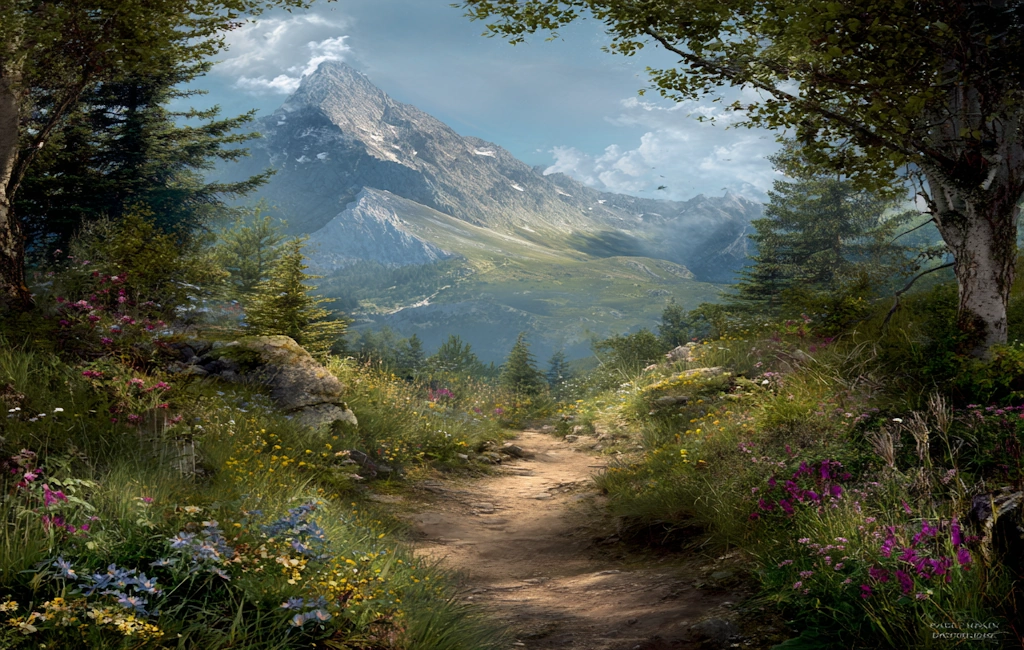
GR10: Hendaye to Banyuls-sur-Mer - The Pyrenean Traverse
The GR10, also known as the Grande Randonnée 10, is a legendary long-distance hiking trail that traverses the entire French Pyrenees mountain range from the Atlantic coast at Hendaye to the Mediterranean coast at Banyuls-sur-Mer. This epic journey offers an unparalleled immersion into the diverse landscapes, rich cultures, and rugged beauty of the Pyrenees. Spanning approximately 866 kilometres, the GR10 winds through verdant valleys, across high mountain passes, past crystal-clear lakes, and through charming Basque and Catalan villages. It is a challenging yet immensely rewarding trek, suitable for experienced hikers seeking a true wilderness adventure.
- Distance: 866 km one-way
- Duration: 45–60 days
- Season: June to September (summer months)
- Difficulty: Challenging
- Highest point: Approximately 2,800 metres (Col d'Estats)
- Accommodation: Gîtes d'étape (mountain refuges), campsites, and village hotels
- Direction: West to East (Hendaye to Banyuls-sur-Mer)
Overview
The GR10 is a journey of contrasts, a continuous ribbon of trail that showcases the astonishing variety of the Pyrenean landscape. Starting on the sandy shores of Hendaye, the trail quickly ascends into the rolling green hills of the Basque Country, characterised by traditional farmhouses, sheep-filled pastures, and a distinctly Celtic atmosphere. As the trek progresses eastward, the mountains grow in stature, the terrain becomes more rugged, and the valleys deepen. You'll traverse the high peaks of the Béarn, the dramatic cirques of Gavarnie and Troumouse, and the imposing granite massifs of the Ariège and the Catalan Pyrenees.
The trail is meticulously marked with the iconic red and white GR stripes, guiding hikers through a labyrinth of mountain paths, forest tracks, and occasionally, more exposed high-altitude routes. While the GR10 generally stays below the highest summits, it frequently crosses passes that offer breathtaking panoramic views. These high points, often above 2,000 metres, provide a profound sense of accomplishment and a spectacular vantage point over the vast expanse of the Pyrenees stretching out in every direction.
Beyond the natural beauty, the GR10 offers a deep dive into the unique cultural heritage of the Pyrenean regions. You'll encounter distinct languages, traditions, and cuisines in the Basque Country, Béarn, Bigorre, Ariège, and Catalonia. The trail passes through numerous villages and hamlets, providing opportunities to rest, resupply, and experience the warm hospitality of the mountain communities. The accommodation options range from basic mountain refuges (gîtes d'étape) offering dormitory-style sleeping and hearty meals, to charming village hotels and well-equipped campsites.
The GR10 is not merely a walk; it's an expedition. It demands physical endurance, mental fortitude, and careful planning. The elevation changes are significant, with daily ascents and descents often exceeding 1,000 metres. Weather can be unpredictable, with summer storms capable of bringing hail, heavy rain, and even snow at higher elevations. However, for those who embrace the challenge, the GR10 delivers an unforgettable experience—a profound connection with nature, a deep appreciation for mountain life, and a lasting sense of achievement.
History and Cultural Context
The GR3 ms roots lie in the ancient network of shepherd's paths, mule tracks, and pilgrimage routes that have crisscrossed the Pyrenees for centuries. For generations, these routes were vital for trade, communication, and seasonal migration between the northern French slopes and the southern Spanish valleys. The construction of the GR network in the mid-20th century by the Fédération Française de la Randonnée Pédestre (FFRP) formalised and connected many of these existing paths into a cohesive long-distance trail system, with the GR10 becoming the premier route for traversing the French Pyrenees.
The Pyrenees have always been a natural frontier, a formidable barrier that has shaped the distinct cultural and linguistic identities of the regions on either side. The Basque Country, straddling the western end of the range, boasts a unique language and ancient traditions. Moving east, the Béarn, Bigorre, and Ariège regions have their own historical narratives and cultural nuances, often influenced by their proximity to the powerful duchies and kingdoms of medieval France. Further east, the Catalan Pyrenees share a strong cultural and linguistic heritage with Catalonia, a region with a proud and distinct identity.
The development of mountain tourism and the establishment of refuges (gîtes d'étape) in the 20th century played a crucial role in making the GR10 accessible to a wider range of hikers. These refuges, often run by local families, provided essential shelter, food, and a communal atmosphere for travellers. The trail's popularity has grown steadily, attracting hikers from around the world who are drawn to its wild beauty, challenging terrain, and the opportunity to experience the authentic mountain life of the Pyrenees.
The GR10 is more than just a hiking trail; it's a living testament to the enduring relationship between people and the mountains, a journey through landscapes that have been shaped by both nature and human history.
Seasonal Highlights and Weather Reality
The primary hiking season for the GR10 is from June to September. This period generally offers the most favourable weather conditions, with longer daylight hours and a higher probability of stable weather, although this is never guaranteed in the mountains.
June: The early summer offers lush green landscapes and abundant wildflowers. Snow may still linger on higher passes, particularly in shaded areas or on north-facing slopes, potentially requiring careful navigation or detours. Rivers and streams are usually at their fullest due to snowmelt, creating spectacular cascades but also potentially challenging crossings.
July and August: These are the peak months for hiking. The weather is typically warmer, and most of the snow has melted from the passes. Daylight hours are at their longest. However, this is also the busiest period, and mountain refuges can be crowded. Afternoon thunderstorms are common, so starting your day early is crucial to avoid the worst of the weather and the heat.
September: Autumn brings a different kind of beauty to the Pyrenees. The crowds thin out, the air is crisp, and the foliage begins to change colour, offering stunning vistas. The weather can be more settled than in mid-summer, but the days are shorter, and the temperature drops, especially at night and at higher elevations. The risk of early snow increases towards the end of the month.
Outside the main season (October to May): The GR10 is generally not recommended for thru-hiking. Many refuges close, snow cover becomes extensive and persistent, and avalanche risk is high. Winter conditions require advanced mountaineering skills, specialised equipment, and a thorough understanding of mountain hazards.
Weather Considerations: The Pyrenees are known for their rapidly changing weather. Even in summer, you can experience sunshine, heavy rain, hail, fog, and strong winds all within a single day. It is essential to be prepared for all conditions, regardless of the forecast.
Recommended Itinerary
GR10: Hendaye to Banyuls-sur-Mer - A Sample 50-Day Itinerary
This is a suggested itinerary and can be adjusted based on fitness, weather, and personal preferences. Distances and times are approximate.
Stage 1: Basque Country (Days 1-10)
- Day 1: Hendaye to Ascain (approx. 15 km, 4-5 hours) - Coastal start, gentle ascent into rolling hills.
- Day 2: Ascain to Ainhoa (approx. 12 km, 3-4 hours) - Picturesque Basque village.
- Day 3: Ainhoa to Saint-Jean-Pied-de-Port (approx. 25 km, 7-8 hours) - Longer day, entering a more significant town.
- Day 4: Saint-Jean-Pied-de-Port to Hontto (approx. 20 km, 6-7 hours) - First taste of significant mountain terrain.
- Day 5: Hontto to Refuge d'Orhy (approx. 18 km, 5-6 hours) - High pastures and views.
- Day 6: Refuge d'Orhy to Sainte-Engrâce (approx. 22 km, 7-8 hours) - Dramatic gorges and waterfalls.
- Day 7: Sainte-Engrâce to Larrau (approx. 15 km, 4-5 hours) - Crossing into the Pyrenees National Park.
- Day 8: Larrau to Refuge de la Pierre-Saint-Martin (approx. 25 km, 7-8 hours) - High mountain pass.
- Day 9: Refuge de la Pierre-Saint-Martin to Arette (approx. 20 km, 6-7 hours) - Descending into a valley town.
- Day 10: Arette to Lescun (approx. 18 km, 5-6 hours) - Gateway to the high Pyrenees.
Stage 2: Béarn and Bigorre (Days 11-25)
- Day 11: Lescun to Refuge de L'Abéroue (approx. 20 km, 6-7 hours) - Entering the Parc National des Pyrénées.
- Day 12: Refuge de L'Abéroue to Refuge de la Soula (approx. 22 km, 7-8 hours) - High mountain scenery.
- Day 13: Refuge de la Soula to Refuge de la Hourquette d'Ousou (approx. 18 km, 5-6 hours) - Crossing a major pass.
- Day 14: Refuge de la Hourquette d'Ousou to Cauterets (approx. 25 km, 7-8 hours) - Spa town and major hub.
- Day 15: Rest Day in Cauterets
- Day 16: Cauterets to Refuge des Espuguettes (approx. 15 km, 5-6 hours) - Ascending towards the Cirque de Gavarnie.
- Day 17: Refuge des Espuguettes to Gavarnie (approx. 10 km, 3-4 hours) - Iconic Cirque de Gavarnie.
- Day 18: Gavarnie to Refuge des Tourettes (approx. 20 km, 6-7 hours) - Crossing into the High Pyrenees.
- Day 19: Refuge des Tourettes to Refuge de la Hourquette d'Ancizan (approx. 22 km, 7-8 hours) - Challenging mountain terrain.
- Day 20: Refuge de la Hourquette d'Ancizan to Saint-Lary-Soulan (approx. 25 km, 7-8 hours) - Ski resort town.
- Day 21: Rest Day in Saint-Lary-Soulan
- Day 22: Saint-Lary-Soulan to Refuge de la Badet (approx. 20 km, 6-7 hours) - High mountain pastures.
- Day 23: Refuge de la Badet to Refuge de la Soula (approx. 18 km, 5-6 hours) - Another section of high mountain walking.
- Day 24: Refuge de la Soula to Refuge de la Hourquette d'Ousou (approx. 22 km, 7-8 hours) - Re-route or alternative path.
- Day 25: Refuge de la Hourquette d'Ousou to Luchon (approx. 25 km, 7-8 hours) - Another spa town.
Stage 3: Ariège (Days 26-35)
- Day 26: Luchon to Refuge de Vénasque (approx. 18 km, 5-6 hours) - Ascending towards the Spanish border.
- Day 27: Refuge de Vénasque to Refuge de la Pinet (approx. 20 km, 6-7 hours) - Crossing the Col de la Pinet.
- Day 28: Refuge de la Pinet to Refuge de l'Étang d'Araing (approx. 22 km, 7-8 hours) - High alpine lakes.
- Day 29: Refuge de l'Étang d'Araing to Refuge de la Soula (approx. 18 km, 5-6 hours) - Another section of high mountain walking.
- Day 30: Refuge de la Soula to Ax-les-Thermes (approx. 25 km, 7-8 hours) - Spa town.
- Day 31: Rest Day in Ax-les-Thermes
- Day 32: Ax-les-Thermes to Refuge de l'Étang de Soulcem (approx. 20 km, 6-7 hours) - Entering a remote valley.
- Day 33: Refuge de l'Étang de Soulcem to Refuge de la Quioulès (approx. 22 km, 7-8 hours) - High mountain passes.
- Day 34: Refuge de la Quioulès to Tarascon-sur-Ariège (approx. 25 km, 7-8 hours) - Town in the Ariège valley.
- Day 35: Tarascon-sur-Ariège to Refuge de l'Étang de Soulcem (approx. 20 km, 6-7 hours) - Re-route or alternative path.
Stage 4: Catalan Pyrenees (Days 36-50)
- Day 36: Tarascon-sur-Ariège to Refuge de la Carança (approx. 20 km, 6-7 hours) - Entering the Catalan Pyrenees.
- Day 37: Refuge de la Carança to Refuge de la Pradelle (approx. 22 km, 7-8 hours) - High mountain passes.
- Day 38: Refuge de la Pradelle to Refuge de la Font-Rubia (approx. 18 km, 5-6 hours) - Crossing into Spain briefly.
- Day 39: Refuge de la Font-Rubia to Refuge de la Maladeta (approx. 25 km, 7-8 hours) - Near the highest peaks.
- Day 40: Rest Day near Maladeta
- Day 41: Refuge de la Maladeta to Refuge de la Portella Blanca (approx. 20 km, 6-7 hours) - High alpine terrain.
- Day 42: Refuge de la Portella Blanca to Refuge de la Carança (approx. 22 km, 7-8 hours) - Re-route or alternative path.
- Day 43: Refuge de la Carança to Refuge de la Pradelle (approx. 18 km, 5-6 hours) - Another section of high mountain walking.
- Day 44: Refuge de la Pradelle to Refuge de la Font-Rubia (approx. 25 km, 7-8 hours) - Crossing into Spain briefly.
- Day 45: Refuge de la Font-Rubia to Refuge de la Maladeta (approx. 20 km, 6-7 hours) - Near the highest peaks.
- Day 46: Refuge de la Maladeta to Refuge de la Portella Blanca (approx. 18 km, 5-6 hours) - High alpine terrain.
- Day 47: Refuge de la Portella Blanca to Refuge de la Carança (approx. 22 km, 7-8 hours) - Re-route or alternative path.
- Day 48: Refuge de la Carança to Refuge de la Pradelle (approx. 18 km, 5-6 hours) - Another section of high mountain walking.
- Day 49: Refuge de la Pradelle to Refuge de la Font-Rubia (approx. 25 km, 7-8 hours) - Crossing into Spain briefly.
- Day 50: Refuge de la Font-Rubia to Banyuls-sur-Mer (approx. 20 km, 6-7 hours) - Arrival at the Mediterranean coast.
Important Notes:
- This itinerary is a guideline; actual daily distances and times will vary based on terrain, weather, and individual pace.
- Book accommodation in refuges and gîtes d'étape well in advance, especially during peak season (July-August).
- Resupply points are infrequent in some sections; plan your food and water accordingly.
- Be prepared for significant elevation changes daily.
- Weather can change rapidly; always check forecasts and be ready for alpine conditions.
Planning and Bookings
Book Your Trip
Everything you need to plan your journey
Accommodation
Find places to stay near Perpignan
Flights
Search flights to Perpignan
Essential Preparation
The GR10 is a serious undertaking that requires meticulous planning. Begin your preparations at least six months in advance, if not more. Key aspects include:
- Fitness: The GR10 is physically demanding. Regular hiking, including days with significant elevation gain and loss, is essential. Incorporate strength training for legs and core, and practice carrying a loaded backpack.
- Route Research: Familiarise yourself with the different sections of the trail, potential resupply points, and typical daily distances. Guidebooks and online resources are invaluable.
- Logistics: Plan your start and end points, transportation to and from the trailheads, and any necessary rest days or bail-out points.
- Base Towns: Hendaye and Banyuls-sur-Mer are the primary start and end points. Hendaye is easily accessible by train from major French cities. Banyuls-sur-Mer is also well-connected by train. Intermediate towns like Saint-Jean-Pied-de-Port, Cauterets, Luchon, and Ax-les-Thermes serve as important resupply and rest points. Perpignan is the closest major city to Banyuls-sur-Mer, with an international airport.
Trail Accommodation
Accommodation along the GR10 varies significantly, offering a range of experiences:
- Gîtes d'Étape (Mountain Refuges): These are the most common form of accommodation in the higher mountain sections. They typically offer dormitory-style beds with mattresses, communal dining areas, and often serve breakfast and dinner. Some have limited private rooms. Booking in advance is highly recommended, especially during peak season (July-August).
- Hotels and Auberges: In villages and towns along the route, you'll find hotels and auberges offering more comfortable private rooms and amenities.
- Campsites: Designated campsites are available in some villages and near certain refuges. Wild camping is generally discouraged or prohibited in national parks and protected areas, though it may be tolerated in some remote locations away from trails and villages, provided you leave no trace.
- Booking Requirements: For gîtes d'étape, reservations are essential, particularly for popular ones. Contact them directly via phone or email. Many have websites.
- Facilities Provided: Refuges typically provide a bed, blankets (though a sleeping bag liner is recommended), and communal cooking/dining areas. Meals (breakfast and dinner) are usually available for an additional cost.
- What's NOT Provided: Personal toiletries, towels, sleeping bags (a liner is usually sufficient, but check with individual refuges), cooking equipment (if you plan to self-cater), and often charging facilities for electronics.
- Seasonal Availability: Most mountain refuges operate from June to September/October. Village hotels and campsites have longer operating seasons but may close outside of peak tourist times. Always check opening dates and times.
- Costs: Expect to pay approximately €25-€40 per night for a dormitory bed in a refuge, with meals costing an additional €15-€25 each. Hotel prices will be higher.
Required Gear
- Hiking Boots: Sturdy, waterproof, broken-in hiking boots with good ankle support are essential.
- Backpack: A 50-65 litre backpack with a comfortable harness and hip belt. A rain cover is crucial.
- Sleeping Bag Liner: Most refuges provide blankets, but a liner is hygienic and adds warmth.
- Waterproof Jacket and Trousers: High-quality, breathable waterproofs are non-negotiable.
- Warm Layers: Fleece jacket, down or synthetic insulated jacket, thermal base layers (merino wool or synthetic).
- Headwear: Warm hat (beanie) and sun hat.
- Gloves: Lightweight to mid-weight gloves.
- Navigation: Detailed maps of the Pyrenees (IGN maps are standard in France), a compass, and a GPS device or smartphone with offline mapping capabilities.
- First-Aid Kit: Comprehensive kit including blister treatment, pain relievers, antiseptic wipes, bandages, and any personal medications.
- Head Torch: With spare batteries.
- Trekking Poles: Highly recommended for stability and reducing strain on knees, especially on descents.
- Sun Protection: High SPF sunscreen, sunglasses, lip balm.
What to Bring
- Food: Plan your food carefully. While resupply points exist, they can be days apart. Carry high-energy, lightweight food for lunches and snacks (nuts, dried fruit, energy bars, jerky). Consider carrying a few days' worth of emergency food.
- Water Bottles/Bladder: Capacity for at least 2 litres. Water sources are generally plentiful, but treatment (filter or purification tablets) is recommended, especially in lower sections or near livestock.
- Toiletries: Biodegradable soap, toothbrush, toothpaste, small quick-dry towel, hand sanitiser.
- Personal Items: Prescription medications, insect repellent (especially for lower altitudes and villages), small repair kit (needle, thread, duct tape), camera, power bank for electronics.
- Documents: Passport, ID, credit/debit cards, cash (for refuges and small villages where cards may not be accepted), insurance details.
- Optional: Book, journal, playing cards for downtime.
Permits
For the most part, the GR10 does not require specific permits for hiking or camping in designated areas. However, there are some important considerations:
- National Parks: Large sections of the GR10 pass through the Parc National des Pyrénées and the Parc National des Pyrénées Orientales. While general access is free, there may be specific regulations regarding camping, fires, and drone usage within these parks. Always check local signage and park regulations.
- Refuge Bookings: As mentioned in the accommodation section, booking your stay in mountain refuges (gîtes d'étape) is essential and acts as your "permit" for overnight stays in these facilities. These bookings are made directly with the refuges.
- Wild Camping: Wild camping is generally not permitted within the national parks. In some areas outside the parks, it may be tolerated if done discreetly, away from trails and villages, and with strict adherence to Leave No Trace principles. However, it is always best to err on the side of caution and use designated campsites or refuges.
- Private Land: Be mindful of private property and respect signage indicating restricted access.
The primary "permit" you need is a well-researched plan and the foresight to book your accommodation in advance, especially during the busy summer months.
Other Activities in the Area
While the GR10 is a comprehensive hiking experience, the regions it traverses offer numerous other activities for those with extra time or seeking variety:
- Exploring Basque Villages: Spend time in charming towns like Ainhoa, Espelette (famous for its peppers), and Saint-Jean-Pied-de-Port, soaking in the unique culture and architecture.
- Visiting Spa Towns: Towns like Cauterets, Luchon, and Ax-les-Thermes are renowned for their thermal springs and offer opportunities for relaxation and wellness.
- Day Hikes and Summit Ascents: Many sections of the GR10 can be used as starting points for shorter day hikes to nearby peaks or scenic spots. For example, from Gavarnie, you can hike to the base of the famous waterfall or explore the surrounding cirque.
- Skiing and Snowboarding (Winter): In winter, many of the towns along the GR10, such as Saint-Lary-Soulan and Cauterets, transform into popular ski resorts.
- Canyoning and Via Ferrata: The rugged terrain of the Pyrenees is ideal for adventure sports like canyoning and via ferrata, with guided tours available in many areas.
- Cultural Festivals: Depending on the time of year, you might encounter local festivals celebrating Basque or Catalan traditions, music, and food.
- Gastronomy: Indulge in the regional cuisines, from hearty Basque stews and sheep cheeses to Catalan seafood and wines.
Safety and Conditions
Pre-Departure Checks:
- Weather Forecasts: Always check the mountain weather forecast (e.g., Météo-France) before setting out each day and for the coming days. Be aware that forecasts can change rapidly.
- Trail Conditions: Consult local tourist offices or refuge keepers for the latest information on trail conditions, snowmelt, and any potential hazards.
- Emergency Contacts: Save emergency numbers (112 is the European emergency number) and the numbers for local rescue services.
Mountain Hazards:
- Weather: Rapidly changing weather is the most significant hazard. Be prepared for sudden storms, including thunderstorms, hail, heavy rain, and strong winds. Hypothermia is a risk even in summer at higher altitudes.
- Terrain: The trail involves steep ascents and descents, rocky sections, and potentially exposed ridges. Good footwear and trekking poles are essential.
- Navigation: While the GR10 is well-marked, fog or poor visibility can make navigation difficult. Always carry and know how to use a map and compass.
- Water Crossings: Rivers and streams can become swollen and dangerous after heavy rain or during snowmelt. Assess crossings carefully before attempting.
- Wildlife: While encounters are rare, be aware of potential wildlife such as chamois, marmots, and birds of prey.
- Altitude: Some sections of the GR10 reach significant altitudes. Acclimatise properly and be aware of the symptoms of altitude sickness.
Personal Safety:
- Inform Someone: Leave your itinerary with a trusted person and check in regularly if possible.
- Hike with a Partner: If possible, hike with a companion.
- Pace Yourself: Don't push yourself too hard. Take breaks and listen to your body.
- Stay Hydrated and Nourished: Drink plenty of water and eat regularly to maintain energy levels.
- Carry a Whistle: For signalling in emergencies.
- Personal Locator Beacon (PLB): Consider carrying one for remote sections.
Refuge Safety: Follow the rules and advice of refuge keepers. Be considerate of other hikers.
Side Trips and Points of Interest
The GR10 offers numerous opportunities for detours and exploration beyond the main path:
Cirque de Gavarnie: A UNESCO World Heritage site, this immense glacial cirque is one of the most spectacular natural amphitheatres in the Pyrenees. A relatively easy walk from the village of Gavarnie leads to the base of the Grande Cascade, a breathtaking waterfall plunging over 400 metres.
Pic du Midi d'Ossau: This iconic, jagged peak in the western Pyrenees is a challenging but rewarding climb for experienced mountaineers. The GR10 passes nearby, offering views of its distinctive silhouette.
Lakes of Ayous: Located near the Pic du Midi d'Ossau, these beautiful alpine lakes offer stunning reflections of the mountain, especially at sunrise and sunset. A popular detour from the main GR10 route.
Col d'Estats: The highest point on the GR10, near the Spanish border, offering panoramic views of the surrounding peaks, including the Montcalm massif.
Aigüestortes i Estany de Sant Maurici National Park (Spain): While the GR10 stays on the French side, it is possible to make a detour into this stunning Spanish national park, known for its numerous lakes and granite peaks.
Local Villages: Many villages along the route, such as Saint-Jean-Pied-de-Port, Luz-Saint-Sauveur, and Ax-les-Thermes, are worth exploring for their history, architecture, and local culture.
Thermal Baths: In towns like Cauterets, Luchon, and Ax-les-Thermes, you can visit thermal baths for a relaxing soak after days of hiking.
Leave No Trace
The GR10 traverses pristine natural environments, including sensitive alpine ecosystems and protected national parks. Adhering to Leave No Trace principles is paramount to preserving these landscapes for future generations.
- Plan Ahead and Prepare: Research your route, understand local regulations, and pack appropriately.
- Travel and Camp on Durable Surfaces: Stick to marked trails to avoid damaging vegetation. Use designated campsites or refuges. If wild camping is permitted, choose established sites away from water sources and trails.
- Dispose of Waste Properly: Pack out everything you pack in, including all food scraps, wrappers, and toilet paper. Use designated toilets or dig catholes at least 60 metres from water, camp, and trails.
- Leave What You Find: Do not take rocks, plants, or other natural objects. Avoid carving or marking trees or rocks.
- Minimize Campfire Impacts: Campfires are often prohibited in national parks and can cause lasting damage. Use a lightweight stove for cooking.
- Respect Wildlife: Observe wildlife from a distance. Never feed animals, as it can disrupt their natural behaviours and diets.
- Be Considerate of Other Visitors: Keep noise levels down, yield to other hikers, and respect the tranquility of the mountains.
By following these principles, you contribute to the conservation of the Pyrenees and ensure a positive experience for yourself and others.
 France