
Goshikinuma Pond Trail - The Five Coloured Lakes of Urabandai
The Goshikinuma Pond Trail, located in the Urabandai area of Fukushima Prefecture, Japan, is a captivating day walk renowned for its series of vibrant, mineral-rich lakes. Translating to "Five Coloured Lakes," Goshikinuma is actually a collection of over twenty ponds and lakes, each displaying a unique hue ranging from emerald green and sapphire blue to turquoise and even a striking reddish-brown. This natural spectacle is a direct result of volcanic activity from Mount Bandai, which erupted in 1888, creating the very landscape that now hosts these mesmerising bodies of water. The trail offers an accessible and relatively short exploration of this geologically active and visually stunning region, making it a popular destination for nature lovers and photographers alike.
- Distance: 3.6 km (main loop)
- Elevation gain: 60 m
- Duration: 1–2 hours
- Season: April to November (best viewing in clear weather)
- Closest City: Kitakata
- Trailhead Access: Accessible via public transport and limited parking
- Permits: No permits required
- Category: Day Walk
Overview
The Goshikinuma Pond Trail is a relatively easy and short circuit that allows visitors to experience the breathtaking beauty of the "Five Coloured Lakes." While named for five prominent lakes, the trail actually meanders past a larger number of these uniquely coloured ponds, each with its own distinct mineral composition and resulting hue. The most famous of these are Bishamon-numa (deep blue), Ao-numa (blue-green), Midori-numa (green), Chaga-numa (tea-coloured), and Benishōga-numa (reddish-brown). The trail itself is well-maintained, mostly flat with gentle undulations, making it suitable for a wide range of visitors, including families and those with moderate fitness levels. The path winds through a serene forest environment, with the vibrant colours of the lakes providing a constant, stunning contrast to the surrounding greenery.
The geological origin of these colours is fascinating. The eruption of Mount Bandai in 1888 caused massive landslides that dammed rivers, creating numerous lakes and ponds. The water in these bodies is rich in minerals, particularly silica and sulphur, which react with sunlight and the lakebed sediments to create the diverse and vivid colours. The intensity of the colours can vary depending on the time of day, weather conditions, and the season, with clearer days and brighter sunlight generally producing the most spectacular displays. The trail is designed to offer multiple viewpoints, allowing walkers to appreciate the subtle differences and striking similarities between the various lakes.
Beyond the visual allure, the Goshikinuma area is also a habitat for various flora and fauna. The surrounding forests are typical of the Japanese highlands, with deciduous trees that offer beautiful autumn foliage, adding another layer of appeal to the region during the shoulder seasons. The accessibility and relatively short duration of the walk mean that visitors can easily combine it with other attractions in the Urabandai or Kitakata regions, making it a perfect addition to a broader exploration of Fukushima Prefecture.
History and Geological Context
The Goshikinuma Ponds owe their existence to a catastrophic natural event: the eruption of Mount Bandai on 15 July 1888. This massive eruption, one of Japan's most significant in recorded history, dramatically reshaped the landscape of the Urabandai region. The eruption triggered colossal landslides, known as debris avalanches, which flowed down the northern and eastern slopes of the volcano. These avalanches buried villages, altered river courses, and created a vast number of new lakes and ponds by damming existing valleys and depressions.
The area that is now known as Urabandai (meaning "behind Bandai") was transformed from a series of valleys into a complex network of over 300 lakes and ponds. The Goshikinuma Ponds are among the most visually striking and geologically significant of these formations. The unique colours of the water are a direct consequence of the volcanic activity. The eruption released a significant amount of minerals, including sulphur and silica, into the groundwater and surface water systems. As this mineral-rich water interacts with the volcanic soil and sediments, and is exposed to sunlight, it creates a spectrum of colours through a process of light scattering and chemical reactions.
For centuries prior to the eruption, the region was inhabited by local communities who relied on the land for agriculture and forestry. The eruption, while devastating, also created a new natural wonder. In the decades following the event, the area gradually recovered, and the unique beauty of the Goshikinuma Ponds began to attract attention. Efforts were made to preserve the natural environment, and the development of walking trails allowed visitors to access and appreciate these geological marvels. Today, the Goshikinuma Ponds are a protected natural monument, a testament to the powerful forces of nature and the resilience of the environment.
Seasonal Highlights and Weather Considerations
The Goshikinuma Pond Trail is accessible and beautiful throughout much of the year, but each season offers a distinct experience.
Spring (April to May): As the snow melts, the region awakens. The surrounding forests begin to bud, and the first signs of green appear. The colours of the ponds are often at their most vivid during this period, as the water is clear and the mineral content is high. However, early spring can still be cool, and occasional late snowfalls are possible, especially at higher elevations. The trail is generally clear of snow by mid-April.
Summer (June to August): This is the peak season for visitors. The weather is typically warm and humid, with long daylight hours. The lush green foliage of the surrounding forests provides a beautiful backdrop to the vibrant lake colours. However, summer is also the rainy season in Japan, and afternoon thunderstorms are common. The colours of the ponds can appear slightly muted during heavy rain, but they can also take on a dramatic, moody quality. Sandflies can be present, though generally less of an issue than in some other natural areas.
Autumn (September to November): Autumn is arguably the most spectacular season to visit Goshikinuma. The deciduous forests surrounding the ponds erupt in a riot of colour, with vibrant reds, oranges, and yellows creating a breathtaking contrast with the blues and greens of the water. The air is crisp and cool, and the weather is often clear and sunny, offering excellent visibility and photographic opportunities. The colours of the ponds themselves can also deepen and change subtly with the cooler temperatures and changing light.
Winter (December to March): The Goshikinuma Ponds are typically covered in snow during winter, and the trails may be impassable or require snowshoes and winter hiking gear. While the snow can create a serene and beautiful landscape, the vibrant colours of the ponds are obscured. Access to the area may be limited, and many facilities might be closed. Therefore, winter is generally not the recommended season for experiencing the Goshikinuma Ponds.
Weather Reality: Regardless of the season, weather in the Urabandai region can change rapidly. It is always advisable to check the local weather forecast before your visit and be prepared for rain, even on seemingly clear days. The intensity of the pond colours is significantly influenced by sunlight, so visiting on a clear, sunny day will yield the most vibrant results.
Recommended Itinerary
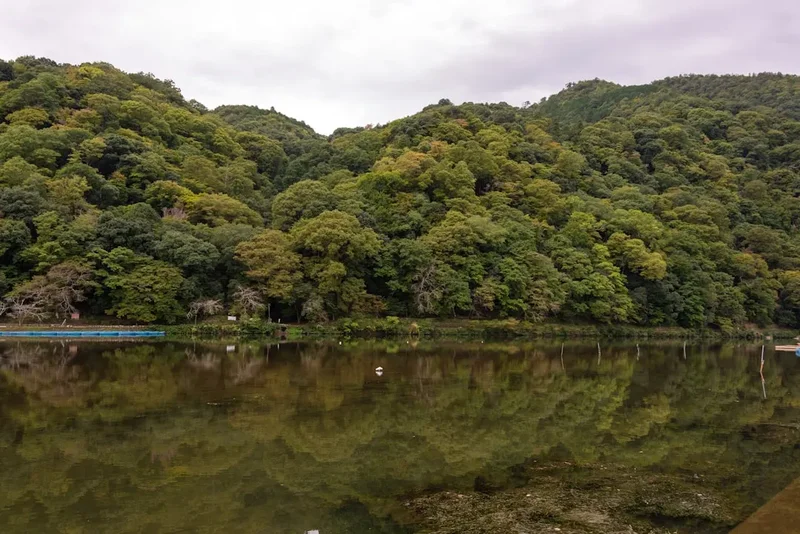
Goshikinuma Pond Trail - Day Walk Itinerary
Morning (Approx. 9:00 AM - 10:00 AM): Arrival and Trailhead Start
- Travel to the Goshikinuma Iriguchi (entrance) bus stop or parking area.
- Begin the walk from the main trailhead, typically near the Goshikinuma Visitor Centre.
- The initial section often leads to Bishamon-numa, the largest and deepest of the five coloured ponds, known for its striking deep blue hue.
- Take time to admire the view and capture initial photographs.
Late Morning (Approx. 10:00 AM - 11:30 AM): Exploring the Ponds
- Follow the well-marked trail as it winds through the forest.
- The path will lead you to Ao-numa (Blue Pond) and Midori-numa (Green Pond).
- Observe the subtle differences in colour and the mineral deposits visible along the pond edges.
- The trail is mostly flat with gentle ascents and descents, making for an easy and enjoyable walk.
- Enjoy the peaceful atmosphere of the surrounding beech and fir forests.
Midday (Approx. 11:30 AM - 1:00 PM): Further Exploration and Lunch Break
- Continue along the trail to Chaga-numa (Tea-coloured Pond), which has a distinctive brownish-yellow hue due to iron content.
- The trail may offer viewpoints overlooking multiple ponds or sections of the forest.
- Find a suitable spot for a packed lunch, perhaps at a designated rest area or a scenic overlook.
- The final main coloured pond on the typical loop is Benishōga-numa (Reddish-brown Pond), named for its colour resembling pickled ginger.
Afternoon (Approx. 1:00 PM - 2:00 PM): Return Journey and Departure
- The trail eventually leads back towards the starting point or a different exit point, depending on the chosen loop.
- The main loop is approximately 3.6 km and takes about 1 to 2 hours to complete at a leisurely pace.
- Allow ample time for stops to take photos and appreciate the scenery.
- Return to the trailhead or bus stop for your onward journey.
Optional Extensions:
- For those with more time, consider exploring the less-visited ponds or taking a slightly longer route that offers different perspectives.
- Combine the Goshikinuma Pond Trail with visits to other attractions in the Urabandai area, such as Lake Urabandai itself or the nearby Bandai-kohen (Mount Bandai base area).
Important Notes:
- Wear comfortable walking shoes.
- Carry water and snacks, as facilities on the trail are limited.
- Check the weather forecast and dress in layers.
- Be prepared for potential rain, even in summer.
- The colours of the ponds are best appreciated in daylight and clear weather.
Planning and Bookings
Book Your Trip
Everything you need to plan your journey
Accommodation
Find places to stay near Kitakata
Flights
Search flights to Kitakata
Essential Preparation
The Goshikinuma Pond Trail is a straightforward day walk, making preparation relatively simple. The primary considerations are transportation to the trailhead and ensuring you have appropriate gear for the weather. The closest major city is Kitakata, which offers accommodation and amenities. However, many visitors choose to stay in the Urabandai area itself, which has a range of hotels, ryokans (traditional Japanese inns), and guesthouses. Access to the trailhead is primarily via public transport or private vehicle. If travelling by public transport, the nearest train station is Inawashiro Station on the JR Ban-etsu West Line. From Inawashiro Station, local buses operate to the Goshikinuma Iriguchi (Goshikinuma Entrance) bus stop, which is conveniently located near the main trailhead and visitor centre. If driving, there is limited parking available at the trailhead, which can fill up quickly during peak season. It is advisable to arrive early, especially on weekends and during holidays.
Trail Accommodation
This is a day hike requiring no overnight accommodation. Visitors typically access the Goshikinuma Pond Trail from nearby towns or cities such as Kitakata, Aizu-Wakamatsu, or even further afield like Fukushima City. Accommodation options are available in these surrounding areas, ranging from budget-friendly guesthouses and business hotels to more traditional Japanese inns (ryokans) offering onsen (hot springs) and local cuisine. For those wishing to stay closer to the trail, there are hotels and minshuku (family-run guesthouses) in the Urabandai area itself. Booking accommodation in advance is recommended, especially during the popular autumn foliage season and summer holidays.
Required Gear
- Footwear: Comfortable walking shoes or hiking boots with good grip are essential. The trail is well-maintained but can be uneven in places, and may be slippery if wet.
- Clothing: Wear layers suitable for the season. Even in summer, temperatures can be cooler in the mountains. Waterproof and windproof outer layers are highly recommended, as weather can change quickly.
- Rain Gear: A waterproof jacket and trousers are advisable, especially during the rainy season (June-August) and shoulder seasons.
- Navigation: While the trail is well-marked, a basic map or a navigation app on your phone can be useful. Mobile signal can be intermittent in some areas.
- Safety Gear: A basic first-aid kit for minor injuries, including blister treatment, is always a good idea.
What to Bring
- Food and Water: Carry sufficient water for your walk, as there are limited facilities on the trail itself. Packed lunches and snacks are recommended, as dining options directly on the trail are scarce. Small kiosks may be available near the main entrance.
- Sun Protection: Sunscreen, sunglasses, and a hat are important, especially during sunny days, as the sun can be intense at higher altitudes and reflected off the water.
- Insect Repellent: Depending on the season, insect repellent may be useful, particularly for mosquitoes and sandflies during warmer months.
- Camera: Essential for capturing the stunning colours of the ponds. Ensure you have spare batteries or a power bank.
- Trash Bag: To pack out all your rubbish and keep the area pristine.
- Cash: While some facilities may accept cards, it's always wise to carry some cash for small purchases at kiosks or for bus fares.
Permits
No permits are required to walk the Goshikinuma Pond Trail. The area is part of the Bandai-Asahi National Park and is managed by the Japanese government, with access generally open to the public without charge. This makes it a highly accessible natural attraction for both domestic and international visitors.
While no permits are needed for the trail itself, visitors should be aware of park regulations regarding waste disposal, staying on marked paths, and respecting the natural environment. The Goshikinuma Ponds are a sensitive ecosystem, and adherence to Leave No Trace principles is encouraged.
Important Considerations:
- Parking Fees: If you are travelling by car, there may be a parking fee at the designated parking areas near the trailhead.
- Bus Fares: If using public transport, standard bus fares will apply for the journey to the Goshikinuma Iriguchi bus stop.
- Visitor Centre: The Goshikinuma Visitor Centre near the main entrance provides information about the area, the geology of the ponds, and local flora and fauna. It is a valuable resource for understanding the natural significance of the site.
Other Activities in the Area
The Urabandai region offers a wealth of activities beyond the Goshikinuma Pond Trail, making it an excellent destination for a multi-day visit:
- Lake Urabandai: The largest lake in the area, formed by the same 1888 eruption. Visitors can enjoy boat tours, kayaking, fishing, and walking along its shores. The lake itself is dotted with numerous smaller islands and inlets, offering scenic beauty.
- Mount Bandai: For experienced hikers, climbing Mount Bandai offers panoramic views of the surrounding landscape, including the Goshikinuma Ponds from a higher vantage point. Various routes are available, with the ascent typically taking several hours.
- Urabandai Ski Resort: In winter, the area transforms into a popular ski destination, offering slopes for all levels.
- Aizu-Wakamatsu City: A short drive or bus ride away, this historic city is known for its samurai heritage. Key attractions include Tsuruga Castle, the Samurai Residences, and the Iimoriyama hill, famous for its association with the Byakkotai (White Tiger Corps).
- Kitakata City: Famous for its ramen and numerous traditional kura (storehouses), Kitakata offers a glimpse into rural Japanese life and architecture.
- Onsen (Hot Springs): Many hotels and ryokans in the Urabandai and Aizu regions feature onsen facilities, providing a relaxing way to unwind after a day of exploring.
- Fukushima City: A larger urban centre with more extensive shopping, dining, and cultural attractions, including the Fukushima Prefectural Museum of Art and the Abukuma Caves.
Safety and Conditions
The Goshikinuma Pond Trail is generally considered a safe and easy walk, but standard precautions for outdoor activities should always be observed.
Trail Conditions: The trail is well-maintained and clearly marked. However, sections can be uneven, and after rain, some areas may become muddy or slippery. It is advisable to wear appropriate footwear with good grip.
Weather: Mountain weather can be unpredictable. Always check the local weather forecast before your visit. Be prepared for sudden changes, including rain, wind, and cooler temperatures, even during summer. Hypothermia is a risk if you get wet and cold, so carrying waterproof and warm layers is essential.
Wildlife: While Goshikinuma is not known for dangerous wildlife, it is a natural environment. Be respectful of the local flora and fauna. You may encounter small animals or insects. Sandflies and mosquitoes can be present during warmer months, so insect repellent is recommended.
Hydration and Nutrition: Carry enough water and snacks, as facilities on the trail are limited. Dehydration can occur even on short walks, especially in warm weather.
Emergency Contacts: While mobile phone reception can be spotty in some areas, it is advisable to have your phone fully charged. Know the local emergency numbers (in Japan, 110 for police and 119 for fire and ambulance). The Goshikinuma Visitor Centre can also provide assistance.
Respecting the Environment: Stay on marked trails to protect the fragile ecosystem and prevent erosion. Do not disturb wildlife or remove any natural materials. Dispose of all rubbish properly in designated bins or pack it out with you.
Side Trips and Points of Interest
While the main Goshikinuma Pond Trail is a loop of approximately 3.6 km, there are several points of interest and potential side explorations:
Bishamon-numa: This is the largest and deepest of the five coloured ponds, often the first one encountered on the main trail. Its striking deep blue colour is a result of its depth and mineral content. It's a popular spot for photography and offers a grand introduction to the Goshikinuma phenomenon.
Ao-numa (Blue Pond): Located near Bishamon-numa, Ao-numa displays a beautiful, clear blue hue. The surrounding vegetation often creates a lovely frame for this vibrant water body.
Midori-numa (Green Pond): As its name suggests, Midori-numa is a vivid green. The colour can vary from a bright emerald to a deeper forest green depending on the light and mineral concentration. It's often situated amidst dense forest, adding to its serene atmosphere.
Chaga-numa (Tea-coloured Pond): This pond has a distinctive yellowish-brown or tea-like colour, attributed to a higher concentration of iron in its waters. It offers a different visual experience compared to the blues and greens, showcasing the diversity of the Goshikinuma Ponds.
Benishōga-numa (Reddish-brown Pond): Named after the colour of pickled ginger (benishōga), this pond exhibits a unique reddish-brown or ochre hue. This colour is often due to the presence of iron oxides in the sediment.
Additional Ponds and Trails: Beyond the five most famous ponds, the Goshikinuma area contains numerous other smaller ponds and a network of trails. Some routes extend further into the forest, offering quieter experiences and the chance to discover less-visited water bodies. These extended paths can add to the overall walking time and provide a more immersive experience in the volcanic landscape.
Goshikinuma Visitor Centre: Located near the main trailhead, this centre provides valuable information about the geology, ecology, and history of the Goshikinuma Ponds. It's an excellent starting point for understanding the natural processes that create the unique colours.
Leave No Trace
The Goshikinuma Pond Trail, as part of the Bandai-Asahi National Park, is a precious natural environment that requires careful stewardship. Adhering to Leave No Trace principles ensures that this beautiful area remains pristine for future generations.
Plan Ahead and Prepare: Familiarise yourself with the trail conditions, weather forecast, and any specific regulations for the area before your visit. Pack appropriately for the conditions.
Travel and Camp on Durable Surfaces: Stick to the marked trails. The paths are designed to guide visitors while minimising impact on the surrounding vegetation and soil. Avoid shortcuts or venturing off-trail, as this can lead to erosion and damage to sensitive plant life.
Dispose of Waste Properly: Pack out everything you pack in. This includes all food scraps, wrappers, and any other litter. There are designated bins at the trailhead and visitor centre, but it is best practice to carry your rubbish with you until you find a suitable disposal point.
Leave What You Find: Do not take any natural souvenirs, such as rocks, plants, or flowers. These are part of the natural ecosystem and should be left in place for others to enjoy and for the environment to thrive.
Minimise Campfire Impacts: Campfires are generally not permitted on day walks like this. If camping in designated areas (not applicable here), use established fire rings and ensure fires are completely extinguished.
Respect Wildlife: Observe wildlife from a distance and never feed animals. Feeding wildlife can alter their natural behaviour, diet, and health, and can make them dependent on human food sources.
Be Considerate of Other Visitors: Keep noise levels down and yield to other walkers on the trail. Allow everyone to enjoy the natural beauty and tranquility of the area.
By following these principles, you contribute to the preservation of the Goshikinuma Ponds and the wider Bandai-Asahi National Park, ensuring its natural beauty and ecological integrity are maintained.
Useful Links
- Bandai-Asahi National Park Official Website (Ministry of the Environment, Japan)
- Japan-Guide.com - Goshikinuma Ponds
- <a href="https://www.fukushima-kankou.or.jp/en/spot/1000000000000000000000000000000000000000000000000000000000000000000000000000000000000000000000000000000000000000000000000000000000000000000000000000000000000000000000000000000000000000000000000000000000000000000000000000000000000000000000000000000000000000000000000000000000000000000000000000000000000000000000000000000000000000000000000000000000000000000000000000000000000000000000000000000000000000000000000000000000000000000000000000000000000000000000000000000000000000000000000000000000000000000000000000000000000000000000000000000000000000000000000000000000000000000000000000000000000000000000000000000000000000000000000000000000000000000000000000000000000000000000000000000000000000000000000000000000000000000000000000000000000000000000000000000000000000000000000000000000000000000000000000000000000000000000000000000000000000000000000000000000000000000000000000000000000000000000000000000000000000000000000000000000000000000000000000000000000000000000000000000000000000000000000000000000000000000000000000000000000000000000000000000000000000000000000000000000000000000000000000000000000000000000000000000000000000000000000000000000000000000000000000000000000000000000000000000000000000000000000000000000000000000000000000000000000000000000000000000000000000000000000000000000000000000000000000000000000000000000000000000000000000000000000000000000000000000000000000000000000000000000000000000000000000000000000000000000000000000000000000000000000000000000000000000000000000000000000000000000000000000000000000000000000000000000000000000000000000000000000000000000000000000000000000000000000000000000000000000000000000000000000000000000000000000000000000000000000000000000000000000000000000000000000000000000000000000000000000000000000000000000000000000000000000000000000000000000000000000000000000000000000000000000000000000000000000000000000000000000000000000000000000000000000000000000000000000000000000000000000000000000000000000000000000000000000000000000000000000000000000000000000000000000000000000000000000000000000000000000000000000000000000000000000000000000000000000000000000000000000000000000000000000000000000000000000000000000000000000000000000000000000000000000000000000000000000000000000000000000000000000000000000000000000000000000000000000000000000000000000000000000000000000000000000000000000000000000000000000000000000000000000000000000000000000000000000000000000000000000000000000000000000000000000000000000000000000000000000000000000000000000000000000000000000000000000000000000000000000000000000000000000000000000000000000000000000000000000000000000000000000000000000000000000000000000000000000000000000000000000000000000000000000000000000000000000000000000000000000000000000000000000000000000000000000000000000000000000000000000000000000000000000000000000000000000000000000000000000000000000000000000000000000000000000000000000000000000000000000000000000000000000000000000000000000000000000000000000000000000000000000000000000000000000000000000000000000000000000000000000000000000000000000000000000000000000000000000000000000000000000000000000000000000000000000000000000000000000000000000000000000000000000000000000000000000000000000000000000000000000000000000000000000000000000000000000000000000000000000000000000000000000000000000000000000000000000000000000000000000000000000000000000000000000000000000000000000000000000000000000000000000000000000000000000000000000000000000000000000000000000000000000000000000000000000000000000000000000000000000000000000000000000000000000000000000000000000000000000000000000000000000000000000000000000000000000000000000000000000000000000000000000000000000000000000000000000000000000000000000000000000000000000000000000000000000000000000000000000000000000000000000000000000000000000000000000000000000000000000000000000000000000000000000000000000000000000000000000000000000000000000000000000000000000000000000000000000000000000000000001000000000000000000000000000000000000000000000000000000000000000000000000000000000000000000000000000000000000000000000000000000000000000000000000000000000000000000000000000000000000000000000000000000000000000000000000000000000000000000000000000000000000000000000000000000000000000000000000000000000000000000000000000000000000000000000000000000000000000000000000000000000000000000000000000000000000000000000000000000000000000000000000000000000000000000000000000000000000000000000000000000000000000000000000000000000000000000000000000000000000000000000000000000000000000000000000000000000000000000000000000000000000000000000000000000000000000000000000000000000000000000000000000000000000000000000000000000000000000000000000000000000000000000000000000000000000000000000000000000000000000000000000000000000000000000000000000000000000000000000000000000000000000000000000000000000000000000000000000000000000000000000000000000000000000000000000000000000000000000000000000000000000000000000000000000000000000000000000000000000000000000000000000000000000000000000000000000000000000000000000000000000000000000000000000000000000000000000000000000000000000000000000000000000000000000000000000000000000000000000000000000000000000000000000000000000000000000000000000000000000000000000000000000000000000000000000000000000000000000000000000000000000000000000000000000000000000000000000000000000000000000000000000000000000000000000000000000000000000000000000000000000000000000000000000000000000000000000000000000000000000000000000000000000000000000000000000000000000000000000000000000000000000000000000000000000000000000000000000000000000000000000000000000000000000000000000000000000000000000000000000000000000000000000000000000000000000000000000000000000000000000000000000000000000000000000000000000000000000000000000000000000000000000000000000000000000000000000000000000000000000000000000000000000000000000000000000000000000000000000000000000000000000000000000000000000000000000000000000000000000000000000000000000000000000000000000000000000000000000000000000000000000000000000000000000000000000000000000000000000000000000000000000000000000000000000000000000000000000000000000000000000000000000000000000000000000000000000000000000000000000000000000000000000000000000000000000000000000000000000000000000000000000000000000000000000000000000000000000000000000000000000000000000000000000000000000000000000000000000000000000000000000000000000000000000000000000000000000000000000000000000000000000000000000000000000000000000000000000000000000000000000000000000000000000000000000000000000000000000000000000000000000000000000000000000000000000000000000000000000000000000000000000000000000000000000000000000000000000000000000000000000000000000000000000000000000000000000000000000000000000000000000000000000000000000000000000000000000000000000000000000000000000000000000000000000000000000000000000000000000000000000000000000000000000000000000000000000000000000000000000000000000000000000000000000000000000000000000000000000000000000000000000000000000000000000000000000000000000000000000000000000000000000000000000000000000000000000000000000000000000000000000000000000000000000000000000000000000000000000000000000000000000000000000000000000000000000000000000000000000000000000000000000000000000000000000000000000000000000000000000000000000000000000000000000000000000000000000000000000000000000000000000000000000000000000000000000000000000000000000000000000000000000000000000000000000000000000000000000000000000000000000000000000000000000000000000000000000000000000000000000000000000000000000000000000000000000000000000000000000000000000000000000000000000000000000000000000000000000000000000000000000000000000000000000000000000000000000000000000000000000000000000000000000000000000000000000000000000000000000000000000000000000000000000000000000000000000000000000000000000000000000000000000000000000000000000000000000000000000000000000000000000000000000000000000000000000000000000000000000000000000000000000000000000000000000000000000000000000000000000000000000000000000000000000000000000000000000000000000000000000000000000000000000000000000000000000000000000000000000000000000000000000000000000000000000000000000000000000000000000000000000000000000000000000000000000000000000000000000000000000000000000000000000000000000000000000000000000000000000000000000000000000000000000000000000000000000000000000000000000000000000000000000000000000000000000000000000000000000000000000000000000000000000000000000000000000000000000000000000000000000000000000000000000000000000000000000000000000000000000000000000000000000000000000000000000000000000000000000000000000000000000000000000000000000000000000000000000000000000000000000000000000000000000000000000000000000000000000000000000000000000000000000000000000000000000000000000000000000000000000000000000000000000000000000000000000000000000000000000000000000000000000000000000000000000000000000000000000000000000000000000000000000000000000000000000000000000000000000000000000000000000000000000000000000000000000000000000000000000000000000000000000000000000000000000000000000000000000000000000000000000000000000000000000000000000000000000000000000000000000000000000000000000000000000000000000000000000000000000000000000000000000000000000000000000000000000000000000000000000000000000000000000000000000000000000000000000000000000000000000000000000000000000000000000000000000000000000000000000000000000000000000000000000000000000000000000000000000000000000000000000000000000000000000000000000000000000000000000000000000000000000000000000000000000000000000000000000000000000000000000000000000000000000000000000000000000000000000000000000000000000000000000000000000000000000000000000000000000000000000000000000000000000000000000000000000000000000000000000000000000000000000000000000000000000000000000000000000000000000000000000000000000000000000000000000000000000000000000000000000000000000000000000000000000000000000000000000000000000000000000000000000000000000000000000000000000000000000000000000000000000000000000000000000000000000000000000000000000000000000000000000000000000000000000000000000000000000000000000000000000000000000000000000000000000000000000000000000000000000000000000000000000000000000000000000000000000000000000000000000000000000000000000000000000000000000000000000000000000000000000000000000000000000000000000000000000000000000000000000000000000000000000000000000000000000000000000000000000000000000000000000000000000000000000000000000000000000000000000000000000000000000000000000000000000000000000000000000000000000000000000000000000000000000000000000000000000000000000000000000000000000000000000000000000000000000000000000000000000000000000000000