
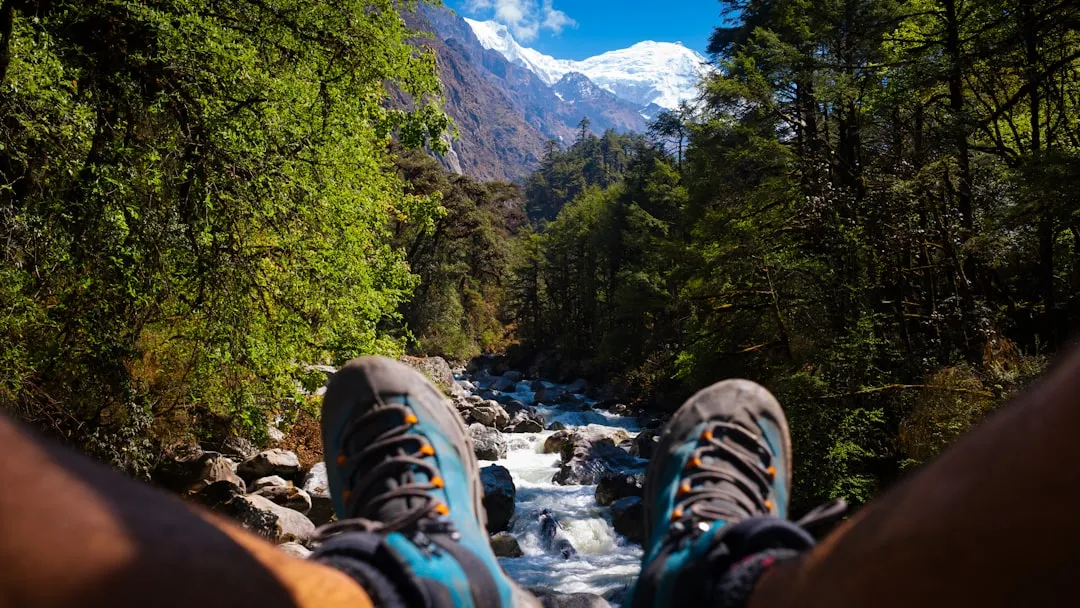
Gosaikunda Trek - The Sacred Alpine Odyssey
The Gosaikunda Trek is one of Nepal's most revered mountain journeys, a 49-kilometre expedition that ascends from the humid, terraced foothills of the Langtang region to the crystalline, high-altitude sanctuary of the sacred Gosaikunda Lake. Situated at an elevation of 4,380 metres within the Langtang National Park, this trek is far more than a physical challenge; it is a profound spiritual pilgrimage for thousands of Hindus and Buddhists who journey here to pay homage to Lord Shiva. The route offers a dramatic transition through diverse ecological zones, beginning in lush sub-tropical forests of oak and rhododendron before emerging into the stark, windswept alpine landscapes of the high Himalaya. With a total elevation gain of approximately 3,700 metres, the trek demands physical resilience and careful acclimatisation, rewarding walkers with panoramic views of the Langtang Lirung, Ganesh Himal, and Manaslu ranges. This is a journey into the heart of Himalayan mysticism, where the air is thin, the water is holy, and the silence of the mountains is absolute.
- Distance: 49.0 km return (Dhunche to Gosaikunda and back)
- Duration: 6–8 days
- Season: October–November (autumn) or April–May (spring)
- Accommodation: Teahouses (basic mountain lodges)
- Highest point: Gosaikunda Lake (4,380 m) or Laurebina Pass (4,610 m)
- Difficulty: Challenging (due to rapid elevation gain and altitude)
- Permits: TIMS card and Langtang National Park permit
Overview
The Gosaikunda Trek is a masterclass in Himalayan diversity, packing an incredible range of landscapes and cultural experiences into a relatively short distance. Unlike the sprawling circuits of Annapurna or the long approach to Everest, Gosaikunda offers a vertical ascent that feels immediate and immersive. The journey begins in Dhunche, the administrative centre of the Rasuwa District, where the air is thick with the scent of pine and the sounds of the Trishuli River. From here, the trail climbs relentlessly, shedding the greenery of the lower valleys in favour of the rugged, rocky terrain of the high alpine zone. The trek is famous for its "Frozen Lakes"—a cluster of 108 glacial lakes, with Gosaikunda being the most prominent and spiritually significant.
The landscape pacing of the Gosaikunda Trek is intense. The first two days are dominated by steep climbs through ancient forests where, if you are quiet and fortunate, you might spot the elusive red panda or the Himalayan tahr. As you cross the 3,500-metre threshold at Sing Gompa (Chandan Bari), the forest thins, and the horizon opens up to reveal the staggering scale of the Ganesh Himal and the peaks of Tibet. The final push to the lakes involves navigating the Laurebina ridge, a section of the trail that offers some of the most spectacular sunset views in all of Nepal, with the clouds often settling in the valleys below, leaving you standing on an island in the sky.
Spiritually, Gosaikunda is unparalleled. For Hindus, the lake was created by Lord Shiva himself, and the water is believed to have healing properties. During the Janai Purnima festival in August, the trail transforms into a vibrant river of pilgrims, but during the trekking seasons of spring and autumn, it remains a place of quiet contemplation. The teahouse culture along the route provides a warm, communal atmosphere where trekkers from around the world share stories over steaming bowls of dal bhat and cups of ginger tea. This trek is a test of the lungs and the legs, but the sight of the sun rising over the turquoise waters of Gosaikunda, surrounded by jagged peaks, is a reward that lingers long after the descent is finished.
History and Cultural Context
The history of Gosaikunda is inextricably linked to the ancient Vedic scriptures of Hinduism. According to the Samudra Manthan (the churning of the ocean), a process undertaken by gods and demons to obtain the nectar of immortality, a deadly poison called Halahala was released. To save the universe from destruction, Lord Shiva drank the poison, which turned his throat blue (earning him the name Neelkanth). Seeking to cool his burning throat, Shiva struck the mountainside with his trident (Trishul), creating three springs that formed the high-altitude lakes, including Gosaikunda. The Trishuli River, which flows through the valley below, is said to originate from these very springs. This legend makes Gosaikunda one of the holiest sites in the Himalayas, drawing thousands of devotees every year.
Beyond its Hindu significance, the region is the ancestral home of the Tamang people, an ethnic group with deep roots in Tibetan Buddhism. The Tamang culture is visible throughout the trek, from the intricately carved mani walls and fluttering prayer flags to the ancient monastery at Sing Gompa. The name "Tamang" is derived from the Tibetan words 'Ta' (horse) and 'Mang' (trader), reflecting their historical role as horse traders between Nepal and Tibet. Their villages are characterised by stone houses, terraced fields of barley and potatoes, and a hospitality that is legendary among Himalayan travellers. The fusion of Hindu mythology and Buddhist practice creates a unique cultural tapestry that defines the Langtang region.
In recent history, the Gosaikunda and Langtang regions were devastatingly impacted by the 2015 earthquake. The resilience of the local communities in rebuilding their lodges and trails is a testament to their strength. By trekking here, visitors contribute directly to the local economy and the ongoing recovery of these mountain communities. The trail today is well-maintained and safe, serving as a bridge between the ancient traditions of the past and the sustainable tourism of the future.
Want more background? Read extended notes on history and cultural context → Learn more
Seasonal Highlights and Weather Reality
The Gosaikunda Trek is highly seasonal, with the weather dictating both the safety and the aesthetic beauty of the journey. Understanding the Himalayan climate is essential for a successful trek, as conditions can shift from sun-drenched warmth to freezing blizzards within a matter of hours.
Autumn (October to November): This is widely considered the "gold standard" for trekking in Nepal. Following the monsoon, the atmosphere is washed clean of dust, providing the highest level of clarity for mountain views. The temperatures are moderate at lower elevations and crisp at the lakes. This is the most popular time to visit, meaning teahouses will be social and bustling. The lakes are typically liquid blue during this period, reflecting the surrounding peaks like a mirror.
Spring (April to May): The second peak season brings a different kind of beauty. This is when the rhododendron forests—Nepal's national flower—erupt in shades of crimson, pink, and white. The weather is slightly warmer than autumn, though afternoon clouds are more common. At higher elevations, you may still encounter snow on the trail, and the lakes might remain partially frozen until late April, offering a stunning "ice-melt" aesthetic that is unique to this season.
Winter (December to February): Trekking to Gosaikunda in winter is a serious undertaking. Temperatures at the lake can drop to -15°C or lower at night. Many teahouses close as the local families move to lower elevations to escape the cold. The trail can be blocked by heavy snow, particularly the steep section between Laurebina and the lakes. Only experienced trekkers with high-quality cold-weather gear and crampons should attempt the route during these months.
Monsoon (June to September): This is the least favourable time for the trek. Heavy rains make the trail slippery and prone to landslides. Leeches are a significant nuisance in the forested sections below Sing Gompa. Most importantly, the clouds usually obscure the mountain views, and the risk of flight or transport cancellations due to weather is high. However, this is when the Janai Purnima festival occurs (usually in August), making it a fascinating time for those interested in cultural immersion, provided they are prepared for the rain.
Recommended Itinerary
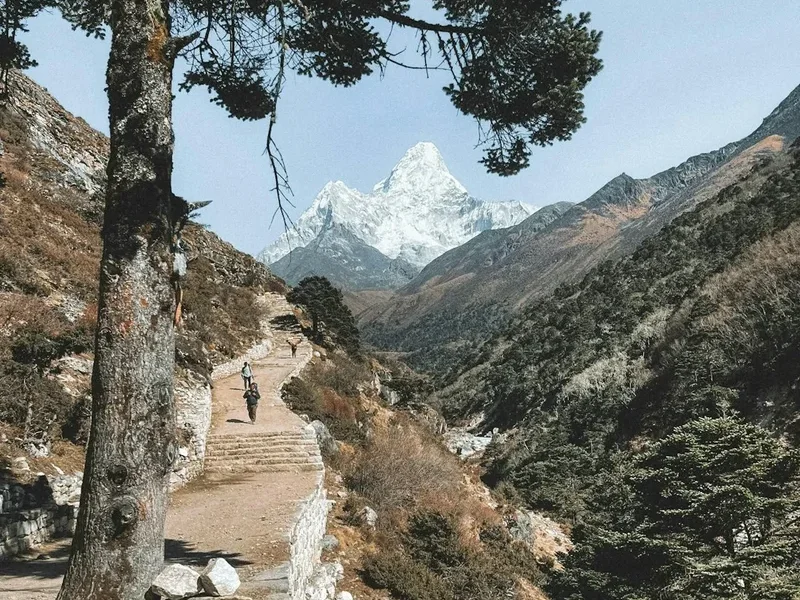
7-Day Gosaikunda Trek Itinerary
Day 1: Kathmandu to Dhunche
- Distance: 120 km (by road)
- Elevation: 1,960 m
- Time: 7–9 hours (drive)
- Depart Kathmandu early morning by public bus or private jeep
- Travel along the winding Trishuli River road with views of terraced hills
- Pass through the checkpoint at Kalikasthan (permit inspection)
- Arrive in Dhunche, the gateway to Langtang National Park
- Organise any last-minute supplies and rest for the climb ahead
Day 2: Dhunche to Chandan Bari (Sing Gompa)
- Distance: 10 km
- Elevation gain: 1,370 m
- Time: 5–6 hours
- The trek begins with a steady climb through oak and hemlock forests
- Cross the bridge over the Ghatte Khola
- Pass through the village of Deurali (2,625 m) for lunch
- Continue the ascent through rhododendron forests to Chandan Bari
- Visit the famous local cheese factory and the ancient Sing Gompa monastery
- First clear views of Langtang Lirung and the Tibetan mountains
Day 3: Chandan Bari to Laurebina
- Distance: 8 km
- Elevation gain: 580 m
- Time: 4–5 hours
- A shorter day in terms of distance but significant in elevation
- The trail climbs steeply out of the forest into the alpine scrub zone
- Pass through Cholangpati (3,650 m), a common resting point
- Arrive at Laurebina (3,910 m), famous for its panoramic sunset views
- This is a critical night for acclimatisation before pushing above 4,000 m
Day 4: Laurebina to Gosaikunda Lake
- Distance: 4 km
- Elevation gain: 470 m
- Time: 3–4 hours
- The trail follows a dramatic ridge with steep drop-offs and vast views
- Pass a small temple dedicated to Buddha before the final traverse
- First sight of Saraswati Kunda and Bhairav Kunda lakes
- Arrive at the main Gosaikunda Lake (4,380 m) by midday
- Afternoon spent exploring the lake shore and surrounding shrines
Day 5: Exploration Day and Surya Peak Ascent
- Distance: 5 km (optional)
- Elevation gain: 700 m (optional)
- Time: 4–6 hours
- Optional early morning climb to Surya Peak (5,145 m) for expert trekkers
- Alternatively, hike to the Laurebina Pass (4,610 m) for views toward Helambu
- Visit the smaller surrounding lakes (there are over a dozen within walking distance)
- Observe pilgrims performing rituals at the water's edge
- Second night at Gosaikunda to fully absorb the high-altitude atmosphere
Day 6: Gosaikunda to Dhunche (The Long Descent)
- Distance: 14 km
- Elevation loss: 2,420 m
- Time: 7–8 hours
- Retrace the route back down the ridge to Laurebina and Sing Gompa
- The descent is hard on the knees; trekking poles are highly recommended
- Lunch at Sing Gompa before the final steep drop through the forest
- Arrive back in Dhunche for a celebratory meal and a hot shower
Day 7: Dhunche to Kathmandu
- Distance: 120 km (by road)
- Elevation: 1,400 m (Kathmandu)
- Time: 7–9 hours (drive)
- Morning bus or jeep departure from Dhunche
- Final views of the Langtang range as you descend toward the valley
- Arrive in Kathmandu by late afternoon
- End of trek
Important Notes:
- The ascent from Dhunche to Gosaikunda is very rapid; do not skip the night at Laurebina
- Water is available at all teahouses, but must be treated
- Charging electronics becomes more expensive as you go higher
- WiFi is available in some lodges but is often unreliable
- Carry enough cash (NPR) as there are no ATMs after Dhunche
Planning and Bookings
Book Your Trip
Everything you need to plan your journey
Accommodation
Find places to stay near Kathmandu
Flights
Search flights to Kathmandu
Essential Preparation
The Gosaikunda Trek requires a moderate to high level of physical fitness. While the daily distances are not excessive, the elevation gain is significant and sustained. You should be comfortable walking uphill for 5–7 hours a day with a 5–8 kg pack. Training should include cardiovascular exercises (running, cycling) and, ideally, several day hikes with elevation gain in the weeks leading up to your trip.
Kathmandu is your primary logistical base. You should arrive at least two days before your trek to secure permits, purchase any missing gear, and organise transport. Most trekkers stay in the Thamel district, which is the hub for trekking agencies and outdoor shops. You can store your non-trekking luggage at your hotel in Kathmandu for free or a small fee.
Trail Accommodation
Accommodation on the Gosaikunda Trek consists of "teahouses"—locally run mountain lodges that provide a bed and hot meals. These are basic but functional, offering a unique insight into mountain life.
Hut Facilities:
- Twin-sharing rooms with wooden beds and thin mattresses
- Common dining area, usually heated by a central wood or yak-dung stove in the evening
- Shared toilets (often squat style, though sit-down toilets are becoming more common)
- Blankets are provided, but a sleeping bag is still essential for hygiene and warmth
- Hot showers are available for an extra fee (NPR 300–500)
- Menus typically include dal bhat (lentils and rice), noodles, pasta, and porridge
What Teahouses Don't Provide:
- Toilet paper or toiletries
- Towels
- Consistent electricity in rooms (charging is done in the common area for a fee)
- Heating in the bedrooms (they can be extremely cold at night)
- Free drinking water (bottled water is sold, or you can treat tap water)
Booking Requirements:
- During peak season (October and April), teahouses can fill up quickly
- If you are trekking with a guide, they will usually call ahead to reserve rooms
- Independent trekkers should aim to arrive at their destination by early afternoon to secure a spot
- Costs: A room typically costs NPR 500–1,000 per night, provided you eat dinner and breakfast at the lodge
Required Gear
- Trekking boots - sturdy, waterproof, and well broken-in
- Down jacket - essential for evenings and mornings at Gosaikunda
- Sleeping bag - 4-season rated (comfort to -10°C)
- Trekking poles - crucial for the 2,400 m descent on Day 6
- Waterproof shell jacket and trousers - for wind and unexpected rain/snow
- Base layers - moisture-wicking merino wool or synthetic (avoid cotton)
- Daypack - 30–40L with a rain cover
- Head torch - with spare batteries for early starts or navigating teahouses at night
- First aid kit - including Diamox (for altitude), blister pads, and rehydration salts
What to Bring
- Water purification - UV steriliser (SteriPen) or purification tablets (chlorine/iodine)
- Sun protection - SPF 50+ sunscreen, lip balm with SPF, and polarised sunglasses
- Personal toiletries - biodegradable soap, toothbrush, wet wipes, and hand sanitiser
- Snacks - energy bars, nuts, and chocolate (prices triple at high altitude)
- Cash - approximately NPR 4,000–5,000 per day to cover food, accommodation, and extras
- Power bank - for charging phones and cameras
- Micro-spikes - if trekking in early spring or late autumn when ice may be on the trail
- Towel - quick-dry travel towel
- Reading material or cards - for long afternoons in the teahouses
Permits
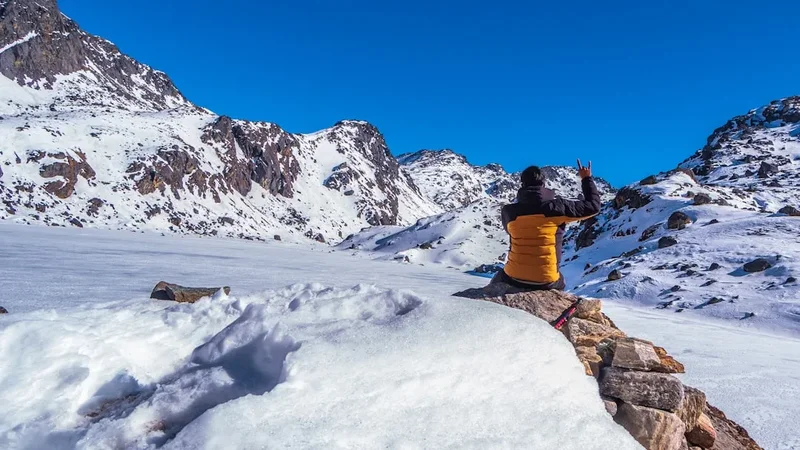
To trek to Gosaikunda, you require two specific permits. These are checked at various points along the trail, and trekking without them can result in fines or being turned back.
1. TIMS Card (Trekkers' Information Management System):
- Required for all trekkers in Nepal to ensure safety and data collection
- Cost: NPR 2,000 for individual trekkers
- Where to get it: Nepal Tourism Board office in Kathmandu (bring 2 passport photos and a copy of your passport)
2. Langtang National Park Entry Permit:
- Required for entry into the protected area
- Cost: NPR 3,000 for foreigners; NPR 1,500 for SAARC nationals
- Where to get it: Nepal Tourism Board office in Kathmandu or at the park entrance checkpoint in Dhunche (it is easier to get it in Kathmandu to avoid delays)
Important Permit Tips:
- Always carry multiple passport-sized photos (at least 4–6) for various forms
- Keep your permits in a waterproof bag and easily accessible in your daypack
- If you are using a trekking agency, they will typically handle all permit logistics for you
- Check the latest regulations before departure, as Nepal's trekking permit rules (especially regarding solo trekking) are subject to change
Other Activities in the Area
The Langtang region offers several ways to extend your adventure or relax after your trek:
- Langtang Valley Trek: Many trekkers combine Gosaikunda with the Langtang Valley trek. From Sing Gompa, you can descend to Thulo Syabru and head up the valley to Kyanjin Gompa (3,870 m) to see the Langtang Lirung glacier.
- Helambu Trek: Instead of returning to Dhunche, you can cross the Laurebina Pass (4,610 m) and trek down through the Helambu region, finishing much closer to Kathmandu. This adds 3–4 days to the journey.
- Kyanjin Ri or Tserko Ri: If you extend to the Langtang Valley, these peaks offer incredible 360-degree views of the high Himalaya without requiring technical climbing skills.
- Kathmandu Sightseeing: Before or after your trek, visit the UNESCO World Heritage sites of Swayambhunath (Monkey Temple), Pashupatinath, and the ancient cities of Patan and Bhaktapur.
- Local Cheese Tasting: The cheese factory at Sing Gompa is famous. Try the local yak cheese, which is made using traditional Swiss methods introduced to the region in the 1950s.
Safety and Conditions
Altitude Sickness (AMS): This is the primary safety concern on the Gosaikunda Trek. You are ascending from 1,960 m to 4,380 m in just three days. Acute Mountain Sickness can affect anyone, regardless of age or fitness. Symptoms include headache, nausea, dizziness, and loss of appetite. The "Golden Rule" of the Himalaya is: if symptoms persist or worsen, you must descend immediately. Stay hydrated (3–4 litres of water per day), avoid alcohol, and consider taking Diamox after consulting with a doctor.
Trail Conditions: The trail is generally well-defined but can be very steep and rocky. The section between Laurebina and Gosaikunda follows a narrow ridge; while not technically difficult, it requires a steady foot and can be intimidating for those with a severe fear of heights. In the event of snow, this section can become slippery and dangerous without micro-spikes.
Weather Hazards: Mountain weather is unpredictable. Fog can roll in quickly, reducing visibility to a few metres. If you lose the trail in the fog, stay put until it clears or you can hear other trekkers. Always carry a whistle and a basic emergency kit.
Communication: Mobile signal (NTC and Ncell) is available in Dhunche and Sing Gompa but becomes very spotty or non-existent at Gosaikunda. Do not rely on your phone for navigation or emergency calls. Inform your hotel in Kathmandu or your family of your expected return date.
Travel Insurance: Ensure your insurance policy specifically covers trekking up to 5,000 metres and includes emergency helicopter evacuation. This is non-negotiable for trekking in Nepal.
Side Trips and Points of Interest
Laurebina Pass (4,610 m): Located just beyond the main Gosaikunda Lake, this pass is the gateway to the Helambu region. Even if you are returning to Dhunche, a hike up to the pass offers a spectacular vantage point over the lakes and the rolling hills to the south. The ascent is steep but the view of the "Frozen Lakes" from above is the definitive Gosaikunda photograph.
Surya Peak (5,145 m): For those with extra time and energy, Surya Peak sits to the east of Gosaikunda. It is a non-technical "trekking peak" but requires good fitness and clear weather. From the summit, you can see deep into Tibet and across to the Everest region on a very clear day.
Bhairav Kunda and Saraswati Kunda: While Gosaikunda is the largest lake, its neighbours are equally beautiful. Bhairav Kunda is deeper and darker, named after the fierce manifestation of Shiva. Saraswati Kunda is the first lake you encounter, named after the goddess of knowledge. Walking the circuit of these lakes takes about 2–3 hours and is a peaceful way to spend your exploration day.
Sing Gompa Monastery: This small, ancient monastery in Chandan Bari is a spiritual anchor for the local Tamang community. It houses beautiful thangkas (Buddhist paintings) and statues. Visiting during morning or evening prayers is a moving experience that provides context to the Buddhist influence in the region.
Leave No Trace
Gosaikunda is a fragile alpine ecosystem and a sacred site. As visitor numbers increase, the pressure on the environment grows. It is the responsibility of every trekker to minimise their impact.
Leave No Trace Principles:
- Water Protection: Gosaikunda is holy water. Do not use soap or detergents in the lake, and avoid swimming or washing clothes in the water. Use the facilities provided by the teahouses.
- Waste Management: Pack out all non-biodegradable waste. There is no formal waste disposal system in the high mountains; what you leave behind stays there or is burned, releasing toxic fumes. Carry a small bag for your wrappers and tissues.
- Respect Wildlife: The Langtang National Park is home to endangered species. Do not feed animals or birds, and keep noise levels low to avoid disturbing the local fauna.
- Stay on the Path: Alpine vegetation is extremely slow-growing. Stepping off the trail can destroy plants that have taken years to establish.
- Cultural Respect: Always walk to the left of mani walls and stupas. Ask for permission before taking photos of people or religious ceremonies.
 Nepal
Nepal