
Gorges du Tarn Trail
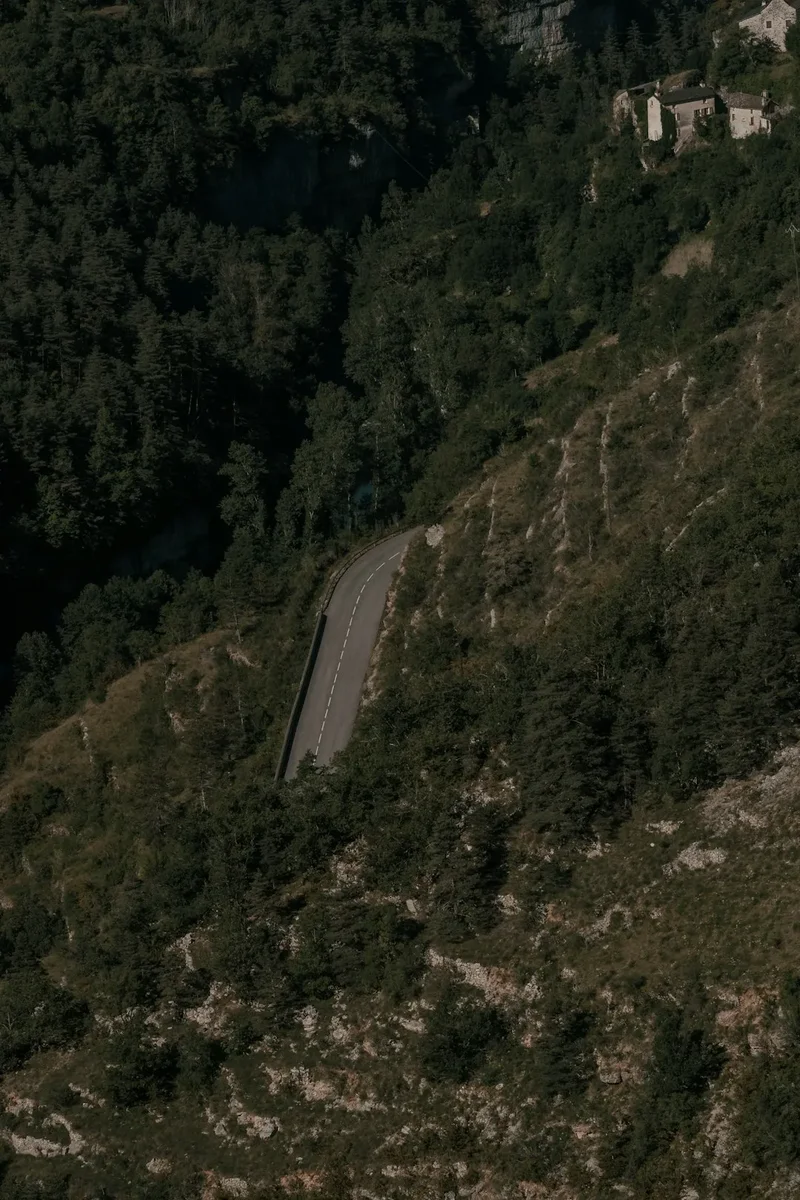
The Gorges du Tarn Trail is a spectacular multi-day walking route that winds through the dramatic limestone canyons of the Tarn River in the Lozère and Aveyron departments of southern France. This trail offers a unique blend of breathtaking natural scenery, rich history, and charming medieval villages perched precariously on cliff edges. It is a journey that immerses walkers in the raw beauty of one of France's most impressive natural wonders, showcasing sheer cliffs, turquoise waters, and a landscape sculpted by millennia of erosion.
- Distance: 80.0 km
- Duration: 5–7 days
- Season: May to October
- Difficulty: Moderate
- Closest City: Millau
- Trailhead Access: Nearest airport: Montpellier (MPL). From Montpellier, take a train to Millau, then a bus or taxi to Ispagnac (trail start). Driving: A75 highway to Millau, then local roads to Ispagnac. Road conditions are generally good. Parking available in Ispagnac.
- No permits required.
Overview
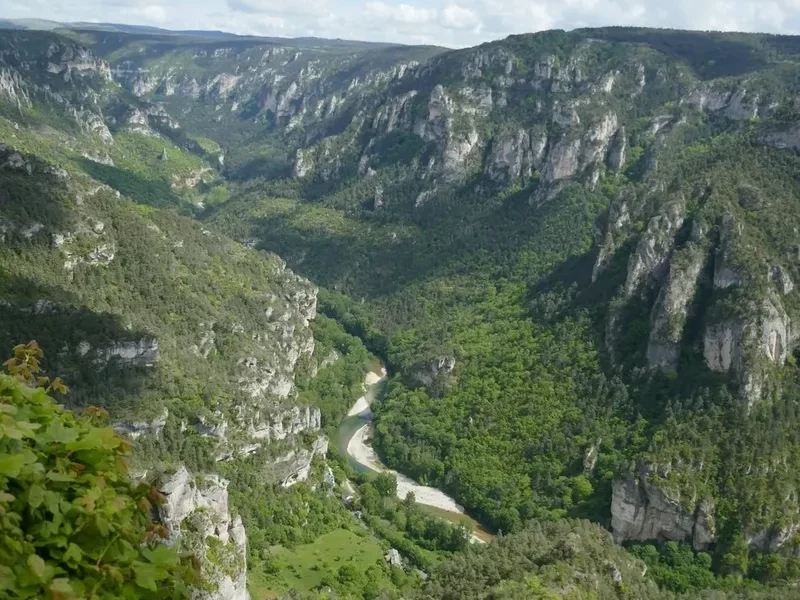
The Gorges du Tarn Trail is a captivating adventure that follows the course of the Tarn River as it carves its way through a magnificent limestone gorge. The route is characterised by its dramatic vertical cliffs, which can reach heights of over 500 metres, and the vibrant, often emerald-green waters of the river below. Walkers will traverse a varied terrain, from riverside paths and ancient mule tracks to higher trails offering panoramic vistas of the canyon and surrounding causses (limestone plateaus).
The trail is not merely a scenic walk; it is a journey through history. Along the way, you will encounter picturesque villages that seem frozen in time, such as Sainte-Enimie, a former medieval abbey town nestled at the heart of the gorge, and La Malène, known for its dramatic river rapids. These settlements, often clinging to the cliff faces or nestled in sheltered valleys, offer a glimpse into a way of life that has endured for centuries, shaped by the river and the rugged landscape.
The Gorges du Tarn are a haven for biodiversity. The unique microclimate within the gorge supports a rich variety of flora and fauna. Keep an eye out for diverse birdlife, including raptors soaring above the cliffs, and a fascinating array of plant species adapted to the limestone environment. The clear waters of the Tarn are also home to various fish species, and in quieter sections, you might spot otters.
This trail is suitable for moderately fit walkers who are comfortable with varied terrain and some elevation gain. The moderate difficulty level, combined with the stunning scenery and historical richness, makes the Gorges du Tarn Trail an unforgettable experience for those seeking natural beauty and cultural immersion in the heart of France.
History and Cultural Context
The Gorges du Tarn have been inhabited for millennia, with evidence of human presence dating back to prehistoric times. The strategic location, offering both water and shelter, made the area attractive to early settlers. The limestone cliffs provided natural defence, and the river served as a vital source of water and a means of transport.
During the Middle Ages, the Gorges du Tarn became a significant strategic and religious centre. The Benedictine Abbey of Sainte-Enimie, founded in the 7th century, played a crucial role in the region's development. Legend has it that Saint Enimie, a princess, was cured of leprosy by the miraculous waters of a spring within the gorge, leading to the establishment of the abbey and the growth of the village that bears her name. Sainte-Enimie became a pilgrimage site and a thriving community, with its medieval architecture still evident today.
The villages dotted along the gorge, such as La Malène, Montmédy, and Chassezac, also boast a rich history. Many were fortified settlements, built to protect against invasions and control river traffic. The narrow, winding streets, stone houses, and ancient churches are testaments to their medieval past. The local economy was historically based on agriculture, livestock farming on the causses, and the exploitation of the river for fishing and transport.
In more recent times, the Gorges du Tarn have become a popular destination for tourism and outdoor activities. The development of hiking trails and water sports has brought new life to the region, while efforts have been made to preserve its natural beauty and historical heritage. The designation of the Gorges du Tarn as a Grand Site de France underscores its national importance and the commitment to its conservation.
Seasonal Highlights and Weather Reality
The Gorges du Tarn Trail is best enjoyed during the shoulder seasons and summer months, offering a range of experiences depending on when you choose to visit.
Spring (May to June): This is an ideal time to walk the Gorges du Tarn. The landscape bursts into vibrant green, wildflowers are in bloom, and the weather is generally mild and pleasant, with average temperatures ranging from 15°C to 25°C. The river is often at its most picturesque, with clear, flowing waters. Crowds are typically smaller than in peak summer, allowing for a more tranquil experience. However, occasional spring showers are possible, so packing waterproofs is advisable.
Summer (July to August): Summer offers the warmest weather, with average temperatures between 25°C and 30°C, sometimes exceeding 35°C during heatwaves. This is the most popular time for visitors, especially for water-based activities like canoeing and swimming. The long daylight hours are perfect for extended walks. However, the heat can be intense, particularly on exposed sections of the trail, and sandflies can be present, though generally less problematic than in some other regions. Booking accommodation in advance is highly recommended during this period.
Autumn (September to October): Autumn is another excellent season for walking the Gorges du Tarn. The weather remains pleasant, with average temperatures ranging from 18°C to 25°C in September, cooling down in October. The foliage begins to change, offering a beautiful display of autumnal colours against the limestone cliffs. The crowds thin out considerably, providing a peaceful atmosphere. The river is usually calm, and the light is often softer, making for excellent photography opportunities. Late October can bring cooler temperatures and the possibility of early frosts.
Winter (November to April): While the Gorges du Tarn are accessible in winter, it is generally not the ideal season for this specific trail. Temperatures can be cold, with averages between 5°C and 10°C, and frost is common. Snowfall is infrequent but possible at higher elevations. Many tourist facilities, including some accommodations and restaurants, may be closed or have reduced hours. The shorter daylight hours and potentially challenging weather conditions make it less suitable for a multi-day hiking experience unless you are specifically seeking a quiet, off-season adventure and are prepared for cooler conditions.
Recommended Itinerary
5-Day Gorges du Tarn Itinerary (Moderate Pace)
Day 1: Ispagnac to Sainte-Enimie
- Distance: 15 km
- Elevation gain: 400 m
- Time: 4–5 hours
- Start in Ispagnac, a charming village at the entrance to the gorges.
- Follow the GR7 path, initially alongside the Tarn River before ascending onto the causses.
- Enjoy panoramic views of the river and the surrounding limestone landscape.
- Descend into the picturesque village of Sainte-Enimie, a designated "Plus Beau Village de France".
- Explore the medieval streets, the abbey ruins, and the famous spring of Saint Enimie.
Day 2: Sainte-Enimie to La Malène
- Distance: 12 km
- Elevation gain: 350 m
- Time: 3–4 hours
- Continue along the GR7, often on ancient mule tracks clinging to the cliffside.
- Pass through hamlets and enjoy spectacular viewpoints overlooking the gorge.
- The highlight of the day is the approach to La Malène, a village renowned for its dramatic river rapids.
- Optional: Consider a short detour to the viewpoint of the Cirque de Pouls.
Day 3: La Malène to Les Vignes / Le Pas de Soucy
- Distance: 18 km
- Elevation gain: 500 m
- Time: 5–6 hours
- This day offers some of the most dramatic scenery.
- The trail ascends to higher viewpoints, offering breathtaking perspectives of the gorge's narrowest sections.
- Pass by the iconic "Le Pas de Soucy," a narrow passage where the trail is carved into the rock face.
- The village of Les Vignes offers accommodation and a chance to rest.
- Alternatively, if staying closer to the river, consider accommodation near Le Pas de Soucy.
Day 4: Les Vignes / Le Pas de Soucy to Mostuéjouls
- Distance: 16 km
- Elevation gain: 450 m
- Time: 4–5 hours
- The trail continues to offer stunning views as you move further down the gorge.
- You will pass through smaller hamlets and enjoy the changing perspectives of the river and cliffs.
- The route may involve sections of riverside path and higher trails.
- Arrive in Mostuéjouls, a charming village with a pleasant riverside setting.
Day 5: Mostuéjouls to Millau (or return to Ispagnac)
- Distance: 19 km (to Millau) or 10 km (back to Ispagnac via alternative route)
- Elevation gain: 300 m (to Millau)
- Time: 5–6 hours (to Millau)
- Option 1: Continue towards Millau, enjoying the final stretches of the gorge and the approach to the famous Millau Viaduct. This route may involve more open terrain as the gorge widens.
- Option 2: A shorter route can be taken back towards Ispagnac, potentially using local transport or a pre-arranged pick-up.
- Millau offers excellent transport links for onward travel.
Notes:
- This itinerary is a suggestion and can be adapted to your pace and preferences.
- Accommodation options vary, from gîtes d'étape and chambres d'hôtes to small hotels. Booking in advance is highly recommended, especially during peak season.
- Water sources are generally available, but it's advisable to carry sufficient water and a purification method.
- The GR7 is well-marked with red and white blazes.
Planning and Bookings
Book Your Trip
Everything you need to plan your journey
Accommodation
Find places to stay near Millau
Flights
Search flights to Millau
Essential Preparation
The Gorges du Tarn Trail is a multi-day hike that requires careful planning to ensure a safe and enjoyable experience. Given its popularity, especially during summer, booking accommodation well in advance is crucial. Consider the time of year you plan to hike, as weather conditions can significantly impact the experience. The closest major city with good transport links is Millau, which serves as a convenient base for starting and ending your trek. From Millau, local buses or taxis can transport you to the trailhead at Ispagnac or other points along the route. If driving, there are parking facilities available in Ispagnac and other villages, though availability can vary.
Trail Accommodation
Accommodation along the Gorges du Tarn Trail primarily consists of charming gîtes d'étape (hiker's hostels), chambres d'hôtes (bed and breakfasts), and small hotels located in the villages and hamlets. There are no official campsites directly on the main hiking route, though wild camping may be permitted in designated areas away from villages and protected sites, subject to local regulations (always check current rules). Huts and gîtes typically offer basic but comfortable lodging, often including meals. Booking is essential, particularly during the peak season (July-August) and weekends.
Typical Facilities Provided:
- Bunk beds or private rooms with bedding (sheets and blankets/duvets).
- Shared bathroom facilities with hot showers.
- Common areas for dining and relaxation.
- Breakfast is usually included in chambres d'hôtes and gîtes. Many also offer evening meals (demi-pension).
- Some may offer packed lunches for hikers.
What's NOT Provided:
- Cooking facilities for self-catering guests (unless specified).
- Towels (sometimes available for a small fee).
- Personal toiletries.
- Food and drinks outside of meal times (unless a bar or shop is available).
Seasonal Availability: Most accommodations operate from April/May through September/October. Some may close during the winter months (November to March). It is vital to confirm opening dates and book in advance.
Costs: Prices vary, but expect to pay approximately €30-€60 per person per night for a bed in a gîte or a basic room, often including breakfast. Evening meals (demi-pension) can add another €15-€25.
Required Gear
- Sturdy hiking boots: Waterproof and well broken-in, with good ankle support for varied terrain.
- Waterproof jacket and trousers: Essential for unpredictable weather, especially spring and autumn.
- Backpack: A comfortable daypack (25-35 litres) for daily essentials, or a larger pack (40-50 litres) if carrying all your gear between accommodations.
- Navigation tools: Detailed maps of the area (e.g., IGN maps), a compass, and a GPS device or smartphone with offline maps. The GR7 is generally well-marked, but it's wise to be prepared.
- First-aid kit: Including blister treatment, pain relievers, antiseptic wipes, bandages, and any personal medications.
- Sun protection: High SPF sunscreen, sunglasses, and a wide-brimmed hat or cap.
- Headlamp or torch: With spare batteries, useful for early starts, late finishes, or in accommodation.
- Trekking poles: Highly recommended for stability on ascents and descents, and for reducing strain on knees.
What to Bring
- Food and water: Carry sufficient water (at least 1.5-2 litres per person per day) and a water filter or purification tablets. Snacks such as energy bars, nuts, and dried fruit are essential for sustained energy.
- Clothing: Layers are key. Bring moisture-wicking base layers, insulating mid-layers (fleece or down jacket), and comfortable hiking trousers. A change of clothes for evenings is also advisable.
- Toiletries: Biodegradable soap, toothbrush, toothpaste, and any personal hygiene items. Consider a quick-drying towel.
- Insect repellent: Especially important during warmer months to ward off mosquitoes and sandflies.
- Camera: To capture the stunning scenery.
- Cash: While many places accept cards, it's wise to carry some cash for smaller establishments, markets, or remote areas.
- Reusable water bottle or hydration reservoir.
- Small backpack for day trips or carrying essentials during the day.
Permits
No specific permits are required to hike the Gorges du Tarn Trail. The trails are part of the public footpath network in France, and access to the gorges is generally free. However, it is important to be aware of local regulations regarding camping and environmental protection.
Wild Camping: While not explicitly forbidden everywhere, wild camping is generally discouraged or prohibited within the immediate vicinity of villages, protected natural sites, and along the riverbanks to preserve the environment and avoid disturbing local residents. If you intend to wild camp, it is essential to seek permission from local authorities or landowners and to practice strict Leave No Trace principles. It is always advisable to stay in designated accommodations like gîtes d'étape or hotels to minimise your environmental impact and support the local economy.
National Park Regulations: The Gorges du Tarn are part of a protected natural area, and visitors are expected to adhere to environmental guidelines. This includes staying on marked trails, not disturbing wildlife, not collecting plants, and properly disposing of all waste.
Booking Accommodation: While no permits are needed for hiking, booking your accommodation in advance is highly recommended, especially during the peak season (July and August) and on weekends. Popular gîtes and hotels can fill up quickly, and last-minute availability can be scarce.
Other Activities in the Area
The Gorges du Tarn offer a wealth of activities beyond hiking, catering to a variety of interests:
- Canoeing and Kayaking: The Tarn River is ideal for paddling. Numerous rental centres offer canoes, kayaks, and stand-up paddleboards, allowing you to explore the gorges from the water. Popular routes include sections around Sainte-Enimie and La Malène.
- Swimming: During the warmer months, designated spots along the river offer refreshing opportunities for a dip.
- Rock Climbing: The limestone cliffs of the gorges are a paradise for climbers, with routes ranging from beginner to expert levels. Local climbing guides can be hired for guided ascents.
- Via Ferrata: For an adventurous experience, try a via ferrata route, which combines elements of climbing and hiking with the use of fixed cables and ladders.
- Caving: Explore the underground world of the Lozère region with guided tours of various caves, such as the Aven Armand or the Dargilan cave, known for their impressive stalactites and stalagmites.
- Cycling: The roads and some trails around the gorges are suitable for cycling, offering a different perspective of the landscape.
- Visiting Medieval Villages: Spend time exploring the charming villages like Sainte-Enimie, La Malène, and Mostuéjouls, with their historic architecture, local markets, and artisan shops.
- Paragliding: For the truly adventurous, paragliding offers a bird's-eye view of the magnificent gorges.
Safety and Conditions
Trail Conditions: The Gorges du Tarn Trail is generally well-maintained, with sections of the GR7 marked with red and white blazes. However, some paths can be narrow, rocky, and steep, especially those clinging to the cliff faces. Be prepared for uneven terrain and potential loose scree.
Weather: While summers are generally warm and sunny, the weather in the gorges can change rapidly. Be prepared for potential rain showers, especially in spring and autumn. High temperatures in summer can lead to heat exhaustion, so carry plenty of water and seek shade during the hottest parts of the day. In winter, temperatures can be cold, and frost is common.
Water: Water sources are generally available in villages and from some streams, but it is always recommended to carry a water filter or purification tablets, especially when hiking between settlements. Always ensure you have enough water for the day's hike.
Navigation: While the GR7 is well-marked, it is essential to carry a detailed map and compass and know how to use them. Offline map applications on a smartphone are also useful, but ensure your device is fully charged and consider a portable power bank.
Wildlife: The gorges are home to various wildlife, including birds of prey, reptiles, and insects. While encounters are usually harmless, be aware of your surroundings. Sandflies can be present, particularly near water during warmer months; insect repellent is recommended.
Emergency: In case of an emergency, dial 112 (the European emergency number). Mobile phone reception can be intermittent within the gorges, so be prepared for areas with no signal. Inform someone of your hiking plans and expected return time.
Respect for the Environment: Adhere to Leave No Trace principles. Stay on marked trails to protect fragile vegetation and prevent erosion. Do not disturb wildlife or remove plants. Dispose of all waste properly.
Side Trips and Points of Interest
Sainte-Enimie Spring: Located in the heart of the village of Sainte-Enimie, this natural spring is central to the legend of Saint Enimie. The clear, cool water is said to have healing properties, and the site is a place of historical and spiritual significance.
Le Pas de Soucy: This is one of the most dramatic sections of the Gorges du Tarn. The trail narrows significantly, with the path carved directly into the sheer limestone cliff face. It offers a thrilling experience and spectacular views down into the gorge.
Cirque de Pouls: A short detour from the main trail near La Malène offers a stunning viewpoint of a natural amphitheatre carved into the rock. The perspective from here provides a grand overview of the gorge's immense scale.
Château de Castelbouc: While not directly on the main trail, the ruins of this medieval castle perched dramatically on a rocky outcrop are visible from various points along the gorge, particularly near Mostuéjouls. It's a striking reminder of the region's strategic past.
The Tarn River Rapids (La Malène): The section of the river around La Malène is known for its exciting rapids. While not a hiking point, observing the river's power and the skill of canoeists navigating these sections is a point of interest.
Villages: Each village along the route – Ispagnac, Sainte-Enimie, La Malène, Les Vignes, Mostuéjouls – offers its own unique charm, history, and points of interest, from ancient churches and medieval architecture to local craft shops and markets.
Leave No Trace
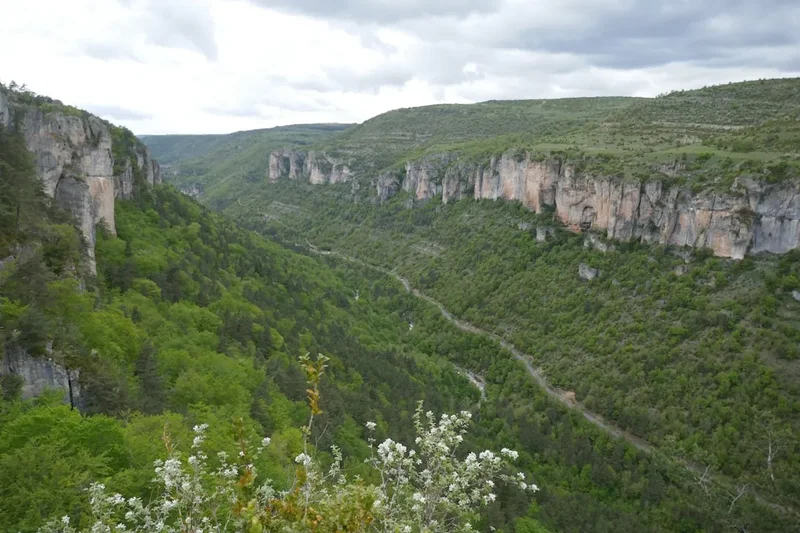
The Gorges du Tarn are a precious natural and cultural heritage site. To ensure its preservation for future generations, it is vital to practice Leave No Trace principles throughout your journey.
- Plan Ahead and Prepare: Research your route, understand local conditions, and book accommodation in advance. Pack appropriately for the weather and terrain.
- Travel and Camp on Durable Surfaces: Stick to marked trails to avoid damaging fragile vegetation and soil. If camping is permitted, choose established sites or durable surfaces away from water sources.
- Dispose of Waste Properly: Pack out everything you pack in, including all food scraps, wrappers, and toiletries. Use designated toilets in villages and accommodations.
- Leave What You Find: Do not remove natural objects such as rocks, plants, or flowers. Respect historical sites and structures.
- Minimize Campfire Impacts: Campfires are generally not permitted in the gorges. If allowed in specific areas, use existing fire rings and ensure fires are completely extinguished.
- Respect Wildlife: Observe wildlife from a distance and never feed animals. Their natural behaviours are essential for their survival.
- Be Considerate of Other Visitors: Keep noise levels down, especially in villages and natural areas. Yield to other hikers on narrow paths.
By adhering to these principles, you help protect the unique beauty and ecological integrity of the Gorges du Tarn.
 France