
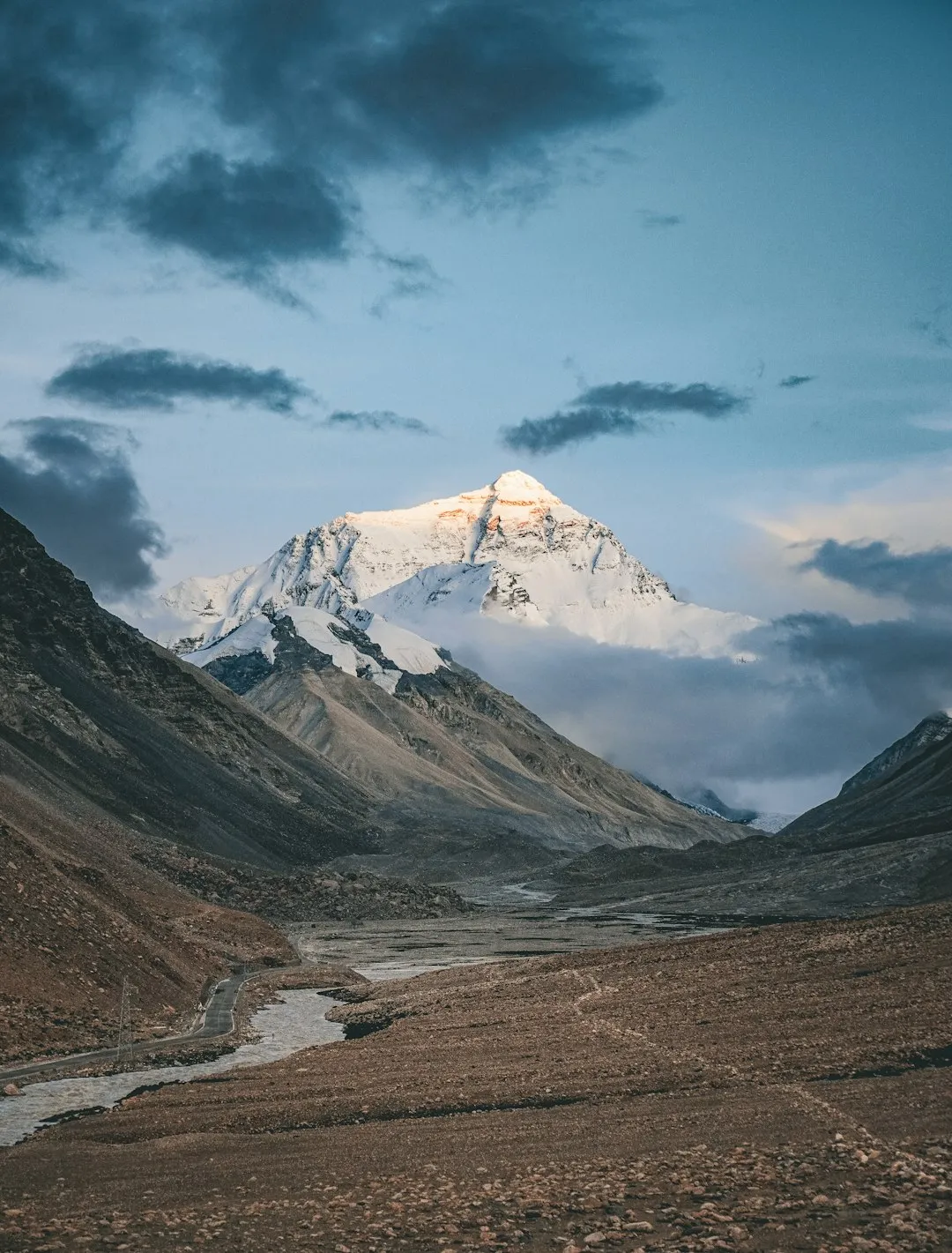
Gokyo Lakes Trek - The Ultimate Everest Region Experience
The Gokyo Lakes Trek is a spectacular alternative or addition to the classic Everest Base Camp trek, offering breathtaking views of the world's highest peaks, including Mount Everest, Lhotse, and Makalu, without the same level of crowds. This trek takes you through the Khumbu region of Nepal, renowned for its Sherpa culture, ancient monasteries, and dramatic Himalayan landscapes. The journey ascends through rhododendron and pine forests, past traditional Sherpa villages, and into the high alpine zone, culminating in a visit to the sacred Gokyo Lakes, a series of turquoise glacial lakes nestled at the foot of the Gokyo Ri mountain. The trek provides a unique perspective on the Everest region, focusing on the serene beauty of the Gokyo Valley and the panoramic vistas from Gokyo Ri and the adjacent Ngozumpa Glacier.
- Distance: Approximately 49.0 km (main route, excluding side trips)
- Duration: 10-12 days (typical itinerary)
- Season: October-November (autumn) and April-May (spring)
- Difficulty: Challenging
- Highest point: Gokyo Ri (5,357 m)
- Starting/Ending Point: Lukla (accessible by flight from Kathmandu)
- Accommodation: Teahouses/Lodges
- Country: Nepal
Overview
The Gokyo Lakes Trek is a journey into the heart of the Khumbu region, offering a more tranquil and visually distinct experience compared to the more frequented Everest Base Camp trail. This trek is celebrated for its stunning glacial lakes, the imposing Ngozumpa Glacier (the longest glacier in the Himalayas), and the unparalleled panoramic views from Gokyo Ri. Unlike the EBC trek which focuses on reaching the base camp, the Gokyo Lakes trek prioritises the ascent of Gokyo Ri, a peak that provides arguably the most comprehensive 360-degree views of the Everest massif and surrounding giants.
The trek begins with a dramatic flight to Lukla, a small airstrip perched precariously on a mountainside. From Lukla, the trail winds through charming Sherpa villages such as Phakding, Monjo, and Namche Bazaar, the bustling hub of the Khumbu region. As the trek progresses, the landscape transforms from lush forests to barren, rocky terrain, with prayer flags fluttering in the wind and ancient monasteries dotting the hillsides. The highlight is undoubtedly the ascent of Gokyo Ri, a challenging but immensely rewarding climb that offers a breathtaking spectacle of Everest, Lhotse, Nuptse, Makalu, and Cho Oyu, all framed by the vast expanse of the Himalayas. The Gokyo Lakes themselves—a series of five sacred, shimmering turquoise pools—add a mystical dimension to the trek, believed to be the abode of ancient deities.
The trail is well-trodden but less congested than the EBC route, allowing for a more intimate connection with the environment and the local Sherpa culture. The teahouses along the route provide basic but comfortable accommodation and hearty meals, offering a warm respite from the cold mountain air. The Gokyo Lakes Trek is an ideal choice for trekkers seeking a challenging adventure with exceptional mountain scenery, cultural immersion, and a sense of serene isolation amidst the grandeur of the Himalayas.
History and Cultural Context
The Khumbu region, home to the Gokyo Lakes, has a rich history deeply intertwined with the Sherpa people and their unique adaptation to high-altitude living. For centuries, the Sherpas have been integral to the region, traditionally relying on yak herding and agriculture. Their spiritual beliefs, a blend of Tibetan Buddhism and animistic traditions, are evident in the numerous monasteries, stupas, and mani walls that line the trekking routes.
The opening of the region to trekking and mountaineering in the mid-20th century brought significant changes. The establishment of the Sagarmatha National Park in 1976, a UNESCO World Heritage Site, aimed to preserve the fragile ecosystem and cultural heritage of the area. The park protects a diverse range of flora and fauna, including the elusive snow leopard and the national bird of Nepal, the Danphe pheasant.
The Gokyo Lakes themselves hold deep religious significance for both Hindus and Buddhists. It is believed that the lakes are the dwelling place of Hindu deities, and thousands of pilgrims visit during the Janai Purnima festival to bathe in the sacred waters. The region's history is also marked by the pioneering spirit of mountaineers who first explored and conquered the world's highest peaks, with Sir Edmund Hillary and Tenzing Norgay's ascent of Mount Everest in 1953 being the most iconic event.
The Gokyo Lakes Trek, while a relatively modern trekking route, traces ancient paths used by Sherpas for trade and seasonal migration. The cultural immersion experienced on this trek, from observing daily life in Sherpa villages to participating in or witnessing Buddhist rituals, offers a profound connection to the enduring traditions of this remarkable mountain community.
Seasonal Highlights and Weather Reality
The Gokyo Lakes Trek is best undertaken during two primary seasons, each offering distinct advantages:
Autumn (October-November): This is widely considered the prime trekking season in Nepal. The monsoon rains have cleared, leaving the skies crisp and clear, offering excellent visibility of the Himalayan giants. Temperatures are cool and pleasant during the day, dropping significantly at night. The rhododendron forests, while past their peak bloom, still offer beautiful scenery. This season provides the highest probability of stable weather and unobstructed mountain views, making it ideal for photography and enjoying the panoramic vistas from Gokyo Ri.
Spring (April-May): Spring is another popular season for trekking. The weather is generally warm and pleasant, and the rhododendron forests burst into vibrant bloom, painting the lower valleys in shades of red, pink, and white. Visibility can be good, though there's a slightly higher chance of afternoon cloud cover compared to autumn. This season is also popular with mountaineering expeditions heading to Everest, so you may encounter more trekkers and climbers on the trails.
Monsoon (June-September): This season is characterised by heavy rainfall, particularly in the lower altitudes. Trails can become muddy and slippery, and visibility is often poor due to cloud cover, obscuring mountain views. Landslides can also be a risk. While some trekkers opt for this season to avoid crowds and enjoy lush green landscapes, it is generally not recommended for the Gokyo Lakes Trek due to the significant impact on views and trail conditions.
Winter (December-March): While possible, winter trekking in the Khumbu region is for the hardy. Temperatures are extremely cold, especially at higher altitudes, and snowfall can block trails, particularly at passes and higher elevations. Many teahouses may close during the coldest months. However, winter offers the clearest skies and the fewest crowds, with the added bonus of snow-capped landscapes.
Weather Reality: It is crucial to remember that mountain weather is notoriously unpredictable. Even during the best seasons, conditions can change rapidly. Expect cold temperatures, especially at night and at higher elevations. Wind can be a significant factor, particularly on exposed ridges and at Gokyo Ri. Always be prepared for a range of conditions, including rain, snow, and strong winds, regardless of the season.
Recommended Itinerary
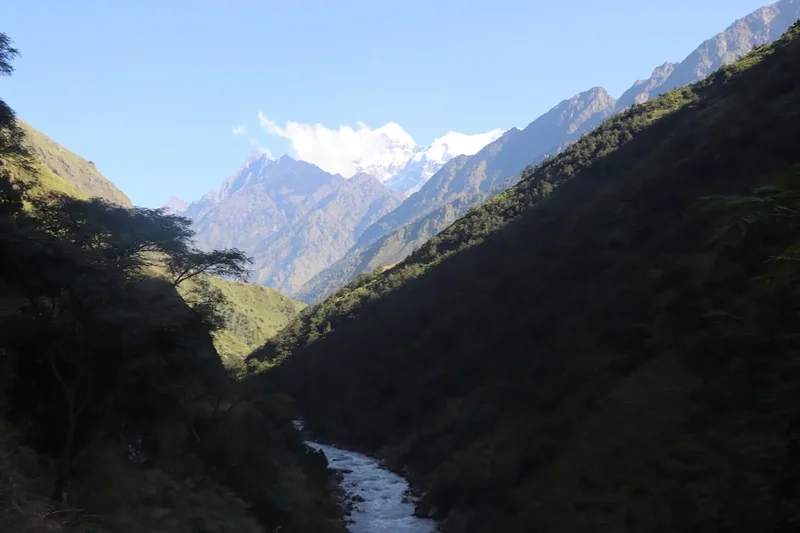
10-Day Gokyo Lakes Trek Itinerary
Day 1: Arrival in Kathmandu (1,400 m)
- Arrive at Tribhuvan International Airport (KTM)
- Transfer to your hotel in Kathmandu
- Rest and prepare for the trek
- Attend a pre-trek briefing with your guide
Day 2: Fly to Lukla (2,860 m) and Trek to Phakding (2,610 m)
- Early morning flight to Lukla (approx. 30-40 minutes)
- Breakfast in Lukla
- Trek begins: Lukla to Phakding
- Distance: Approximately 8 km
- Time: 3-4 hours
- Gentle downhill and rolling terrain through Sherpa villages and pine forests
- Cross the Dudh Kosi River via suspension bridges
Day 3: Trek to Namche Bazaar (3,440 m)
- Distance: Approximately 10 km
- Time: 5-6 hours
- Trek through rhododendron and pine forests
- Cross the Hillary Suspension Bridge, a significant landmark
- Enter Sagarmatha National Park (permit check)
- Steep uphill climb to Namche Bazaar, the administrative and commercial centre of the Khumbu region
- Acclimatisation opportunity in Namche
Day 4: Acclimatisation Day in Namche Bazaar
- Rest and acclimatisation hike
- Optional hike to Everest View Hotel (3,880 m) for panoramic views of Mount Everest, Lhotse, Nuptse, and Ama Dablam
- Visit the Sherpa Museum for insights into Sherpa culture and mountaineering history
- Explore Namche Bazaar's markets and shops
Day 5: Trek to Dole (4,040 m)
- Distance: Approximately 7 km
- Time: 4-5 hours
- Trek along a relatively flat path initially, then a gradual ascent
- Pass through villages like Sanasa and Tenga
- The vegetation becomes sparser as altitude increases
- Enjoy views of Thamserku and other peaks
Day 6: Trek to Machhermo (4,470 m)
- Distance: Approximately 5 km
- Time: 3-4 hours
- A shorter day to aid acclimatisation
- Trek through a beautiful valley with stunning mountain scenery
- Pass by glacial moraines
- Machhermo offers excellent views of the surrounding peaks
Day 7: Trek to Gokyo (4,790 m)
- Distance: Approximately 6 km
- Time: 3-4 hours
- Trek towards the Gokyo Valley
- Cross the Ngozumpa Glacier, the largest glacier in Nepal
- Reach the first of the Gokyo Lakes (Thonak Cho)
- Continue to the second lake (Longponga Tsho) and then the third lake, Gokyo Cho, where the village of Gokyo is situated
- Settle into a teahouse with views of Cho Oyu and Gyachung Kang
Day 8: Acclimatisation and Hike to Gokyo Ri (5,357 m)
- Early morning hike to Gokyo Ri
- Time: 3-4 hours round trip
- The ascent is steep but rewarding
- From the summit of Gokyo Ri, witness a breathtaking 360-degree panorama of Everest, Lhotse, Nuptse, Makalu, Cho Oyu, and other major peaks
- Descend back to Gokyo for the afternoon
- Optional: Visit the fourth and fifth Gokyo Lakes (further exploration of the glacier)
Day 9: Trek to Namche Bazaar (3,440 m)
- Distance: Approximately 18 km
- Time: 7-8 hours
- Descend from Gokyo, crossing the Ngozumpa Glacier again
- Retrace your steps through Machhermo and Dole
- A long day of descent, but the views remain spectacular
Day 10: Trek to Lukla (2,860 m)
- Distance: Approximately 10 km
- Time: 4-5 hours
- Final day of trekking back to Lukla
- Enjoy the familiar trails and villages
- Celebrate the completion of your trek in Lukla
Day 11: Fly to Kathmandu (1,400 m)
- Morning flight from Lukla to Kathmandu
- Transfer to your hotel
- Free time for souvenir shopping or relaxation
Day 12: Departure from Kathmandu
- Transfer to Tribhuvan International Airport for your departure
Note: This is a sample itinerary and can be adjusted based on your fitness level, acclimatisation, and preferences. An extra day for acclimatisation in Namche or a day to explore further Gokyo Lakes is often recommended.
Planning and Bookings
Book Your Trip
Everything you need to plan your journey
Accommodation
Find places to stay near Kathmandu
Flights
Search flights to Kathmandu
Essential Preparation
The Gokyo Lakes Trek requires careful planning, especially concerning flights, permits, and accommodation. The primary gateway to the Khumbu region is Kathmandu, Nepal's capital. Upon arrival, you will need to arrange your domestic flight to Lukla, which is highly weather-dependent and can experience significant delays or cancellations. It is advisable to build buffer days into your itinerary to account for these potential disruptions.
Accommodation in Kathmandu ranges from budget guesthouses to luxury hotels. For the trek itself, you will stay in teahouses (lodges) along the route. These offer basic but functional rooms and meals. It is recommended to book your teahouses in advance, especially during peak seasons, though many can be secured on arrival in smaller villages. Hiring a local guide and porter is highly recommended for safety, navigation, and cultural insights. Ensure your guide is licensed and experienced.
Physical fitness is paramount. The trek involves long days of walking at high altitudes, with significant elevation gains. A good level of cardiovascular fitness, strength training, and prior hiking experience is essential. Begin a training regimen at least 2-3 months before your trip, focusing on endurance, leg strength, and hiking with a weighted backpack.
Trail Accommodation
Accommodation on the Gokyo Lakes Trek is provided by teahouses (also known as lodges) located in the villages along the route. These are typically family-run establishments offering basic amenities.
Teahouse Facilities:
- Rooms: Usually twin-sharing rooms with basic beds, mattresses, and pillows. Blankets are often provided, but a sleeping bag is highly recommended for warmth and hygiene.
- Dining Area: A communal dining room, often heated by a wood-burning stove, where trekkers eat and socialise.
- Toilets: Generally squat toilets, sometimes western-style. They are usually located outside the main lodge building. Toilet paper is often not provided and should be carried.
- Showers: Hot showers are sometimes available, but often at an extra cost and may be solar-powered, meaning they are only available during daylight hours. Cold showers are free.
- Charging Facilities: Charging electronic devices (phones, cameras) is usually available for a fee.
- Wi-Fi: Available in some teahouses, particularly in larger villages like Namche Bazaar, but often slow and expensive.
What's NOT Provided:
- High-quality bedding (bring your own sleeping bag)
- Personal toiletries (bring your own)
- Heating in rooms (dining areas are heated)
- Reliable and fast internet access
- Elevator access (all accommodation is accessed by stairs)
Booking Requirements: While not strictly mandatory to book every teahouse in advance, it is highly recommended, especially during peak seasons (October-November and April-May). Booking ahead ensures you have a place to stay and can sometimes secure better rooms. Your guide can usually assist with bookings. In smaller villages, options may be limited.
Seasonal Availability: Teahouses are generally open year-round, but some may have reduced services or close during the harsh winter months (December-February) or the monsoon season (June-September). During peak seasons, they operate at full capacity.
Costs: Room rates are generally low (around US$5-15 per night), but the cost of food and drinks is significantly higher at altitude. Expect to pay more for meals and beverages as you ascend.
Required Gear
- Trekking Boots: Sturdy, waterproof, ankle-supporting trekking boots that are well broken-in.
- Sleeping Bag: A warm, 4-season sleeping bag (rated to at least -15°C or -17°C) is essential for comfort and warmth in teahouses.
- Backpack: A comfortable trekking backpack (40-60 litres) with a rain cover. A daypack (20-30 litres) is also useful for carrying essentials during daily hikes.
- Waterproof Jacket: A high-quality, breathable waterproof and windproof jacket (e.g., Gore-Tex).
- Waterproof Trousers: Waterproof and windproof overtrousers.
- Warm Layers: Multiple layers of thermal base layers (merino wool or synthetic), fleece jackets or jumpers, and an insulated down or synthetic jacket for extreme cold.
- Headwear: A warm woollen hat or beanie that covers your ears, and a sun hat or cap for protection during the day.
- Gloves: Warm, waterproof gloves or mittens.
- Socks: Several pairs of warm trekking socks (wool or synthetic).
- Headlamp/Torch: With spare batteries, essential for navigating teahouses at night and for early morning hikes.
- First-Aid Kit: Comprehensive kit including personal medications, blister treatment, pain relievers, antiseptic wipes, bandages, and altitude sickness medication (consult your doctor).
- Sunglasses: High UV protection sunglasses.
- Trekking Poles: Highly recommended for stability and reducing strain on knees, especially during descents.
What to Bring
- Food: While teahouses provide meals, carrying high-energy snacks like energy bars, nuts, dried fruit, and chocolate is advisable for between meals and for summit attempts.
- Water Bottles/Hydration Reservoir: At least 2 litres capacity.
- Water Purification: Water purification tablets or a filter. Bottled water is available but expensive and environmentally unfriendly.
- Toiletries: Biodegradable soap, toothbrush, toothpaste, wet wipes, hand sanitiser, lip balm with SPF.
- Sunscreen: High SPF (30-50+) sunscreen.
- Personal Medications: Any prescription medications you require, plus basic over-the-counter remedies.
- Camera: With spare batteries and memory cards.
- Power Bank/Portable Charger: For charging devices, as electricity can be unreliable and costly.
- Book/Journal: For downtime in teahouses.
- Small Towel: Quick-drying travel towel.
- Passport and Visa: Copies of your passport and visa, plus necessary trekking permits.
- Cash: Nepalese Rupees (NPR) for teahouse expenses, tips, and souvenirs. ATMs are scarce outside Kathmandu and Pokhara.
- Duct Tape: Useful for repairs.
- Zip-lock Bags: For organising and waterproofing items.
Permits
To undertake the Gokyo Lakes Trek, you will need two primary permits:
1. Sagarmatha National Park Entry Permit:
- This permit is mandatory for all trekkers entering the Sagarmatha National Park, which encompasses the Gokyo Valley and the region around Mount Everest.
- The park is a UNESCO World Heritage Site, and the permit fee contributes to its conservation efforts.
- Cost: Approximately NPR 3,000 per person (subject to change).
- Where to obtain: This permit can be purchased in Kathmandu at the Nepal Tourism Board office or at the park entrance gate in Monjo. It is generally more convenient to obtain it in Kathmandu before starting your trek.
2. Khumbu Pasang Lhamu Rural Municipality Entrance Fee:
- This fee is levied by the local rural municipality and is required for entry into the Khumbu region beyond Monjo.
- Cost: Approximately NPR 2,000 per person (subject to change).
- Where to obtain: This permit is typically purchased at the check post in Monjo, shortly after entering the national park.
TIMS Card (Trekkers' Information Management System):
- While not always strictly enforced for the Gokyo Lakes Trek when trekking with a registered agency, a TIMS card is generally recommended and sometimes required, especially if you are trekking independently. It helps in tracking trekkers and for rescue operations.
- Cost: Approximately NPR 2,000 for individual trekkers or NPR 1,000 if trekking with an agency.
- Where to obtain: Can be obtained from the Nepal Tourism Board office in Kathmandu or from registered trekking agencies.
Important Notes:
- Permit fees are subject to change by the Nepalese government and local authorities. Always check the latest fees before your trek.
- Keep your permits safe and readily accessible, as they will be checked at various points along the trail.
- If you are trekking with a registered trekking agency, they will usually handle the procurement of all necessary permits for you as part of their service package.
Other Activities in the Area
Beyond the main Gokyo Lakes Trek, the Khumbu region offers numerous opportunities for exploration and adventure:
- Everest Base Camp Trek: Combine the Gokyo Lakes Trek with the classic EBC trek for an extended and comprehensive Everest experience. This typically adds 4-5 days to the itinerary.
- Cho La Pass Trek: For the adventurous, crossing the challenging Cho La Pass (5,420 m) connects the Gokyo Valley with the Dzongla region, leading towards Everest Base Camp. This requires good acclimatisation and potentially some basic mountaineering skills.
- Renjo La Pass Trek: Another high pass that connects the Gokyo Valley with the Thame Valley, offering stunning views and a less-travelled route.
- Ascent of Kala Patthar (5,643 m): While Gokyo Ri offers superior panoramic views, Kala Patthar is the traditional viewpoint for Everest Base Camp trekkers, providing an iconic close-up of Everest's summit. It can be incorporated if combining with the EBC route.
- Visit to Tengboche Monastery: A significant spiritual centre in the Khumbu region, Tengboche Monastery offers a glimpse into Tibetan Buddhism and stunning views of Ama Dablam.
- Sherpa Cultural Immersion: Spend time in villages like Namche Bazaar and Khumjung to learn about the unique culture, traditions, and lifestyle of the Sherpa people.
- Yak Cheese Farm in Khumjung: Visit the local farm to learn about yak herding and cheese production.
- Paragliding in Pokhara (if extending trip): While not in the Khumbu, if you extend your trip to Pokhara, paragliding offers incredible views of the Annapurna range.
Safety and Conditions
Altitude Sickness (Acute Mountain Sickness - AMS):
- This is the most significant risk on the Gokyo Lakes Trek. Symptoms include headache, nausea, dizziness, fatigue, and loss of appetite.
- Prevention: Ascend gradually, stay well-hydrated (drink 3-4 litres of water per day), avoid alcohol and smoking, and get adequate rest. Consider Diamox (acetazolamide) after consulting your doctor.
- Management: If symptoms appear, do not ascend further. Rest at the current altitude. If symptoms worsen, descend immediately. Never ignore AMS symptoms.
Weather:
- Mountain weather is unpredictable and can change rapidly. Be prepared for cold temperatures, strong winds, and potential snowfall, even during the trekking season.
- Always check the weather forecast if possible and be ready to adjust your plans.
Trail Conditions:
- Trails can be rocky, uneven, and steep. Sections crossing glaciers (like Ngozumpa Glacier) can be particularly challenging and require careful footing.
- During the monsoon season, trails can be muddy and slippery.
Physical Fitness:
- A high level of physical fitness is essential. Train rigorously before your trek, focusing on cardiovascular endurance and leg strength.
- Trekking at altitude is significantly more demanding than at sea level.
Guides and Porters:
- Hiring a licensed and experienced guide is highly recommended for safety, navigation, and cultural insights.
- Porters carry your main luggage, making your trek more enjoyable. Ensure they are treated respectfully and paid fairly.
Communication:
- Mobile phone reception is intermittent and expensive, especially at higher altitudes.
- Wi-Fi is available in some teahouses but is often slow and costly.
- Consider a satellite phone or personal locator beacon (PLB) for emergencies, especially if trekking independently.
Food and Water Safety:
- Drink only purified water (boiled, treated with tablets, or filtered). Avoid drinking untreated tap water.
- Eat well-cooked meals in teahouses. Be cautious with raw vegetables or unpeeled fruits.
Travel Insurance: Ensure you have comprehensive travel insurance that covers high-altitude trekking, medical evacuation, and trip cancellation. This is non-negotiable.
Side Trips and Points of Interest
Gokyo Ri (5,357 m): The undisputed highlight of the trek. The ascent offers an unparalleled 360-degree panorama of the world's highest peaks, including Mount Everest, Lhotse, Nuptse, Makalu, Cho Oyu, and Gyachung Kang. The view of the Ngozumpa Glacier snaking below is also spectacular.
Ngozumpa Glacier: The largest glacier in Nepal, stretching for approximately 36 kilometres. Walking across and alongside this massive ice flow is a unique experience, offering a stark and powerful landscape.
The Five Gokyo Lakes: The trek's namesake, these sacred turquoise lakes are a stunning sight. The main lakes are Thonak Cho, Longponga Tsho, Gokyo Cho (where the village is located), and further north, the fourth and fifth lakes (Scoundrel's Viewpoint and Ngozumpa Tsho). Exploring these lakes offers a sense of serene beauty and spiritual significance.
Cho Oyu Base Camp (Optional): For those with extra time and energy, a trek towards the base camp of Cho Oyu (8,201 m), the sixth highest mountain in the world, offers a more remote and challenging experience, with incredible glacial scenery.
Scoundrel's Viewpoint (Fifth Gokyo Lake): A popular viewpoint offering expansive views of the Gokyo Valley, the Ngozumpa Glacier, and the surrounding peaks, including a different perspective on Everest.
Sherpa Villages: Exploring villages like Namche Bazaar, Machhermo, and Gokyo provides insight into the unique Sherpa culture, their traditional way of life, and their deep connection to the mountains.
Tengboche Monastery: While not directly on the Gokyo route, it's a significant cultural site often visited on longer itineraries or if combining with the EBC trek. It offers stunning views of Ama Dablam.
Leave No Trace
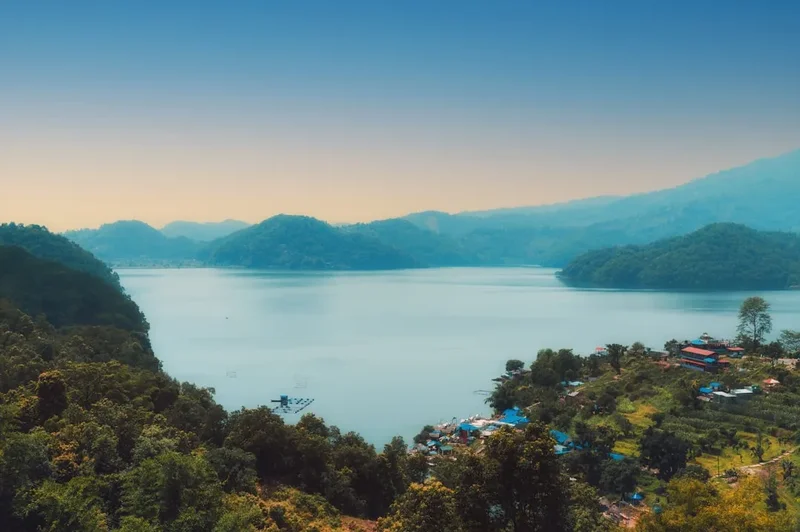
The Gokyo Lakes Trek traverses a pristine and fragile Himalayan environment. Adhering to Leave No Trace principles is crucial to preserving its natural beauty and cultural heritage for future generations.
1. Plan Ahead and Prepare:
- Research the trek thoroughly, understand the conditions, and pack appropriately.
- Book with reputable agencies that follow ethical trekking practices.
- Acclimatise properly to prevent altitude sickness.
2. Travel and Camp on Durable Surfaces:
- Stay on marked trails to avoid damaging vegetation and causing erosion.
- Use established teahouses for accommodation; avoid wild camping unless absolutely necessary and permitted, and then only on durable surfaces away from water sources.
3. Dispose of Waste Properly:
- Pack out everything you pack in, including all food scraps, wrappers, and toilet paper.
- Use designated toilets in teahouses. If no toilet is available, dig a cathole at least 60 metres away from water sources, trails, and campsites.
- Do not burn or bury toilet paper; pack it out.
4. Leave What You Find:
- Do not remove or disturb natural objects such as rocks, plants, or cultural artifacts.
- Respect local customs and traditions.
5. Minimise Campfire Impacts:
- Campfires are generally not permitted on the trek. Use stoves for cooking in teahouses.
- If a campfire is absolutely necessary and permitted, use established fire rings and keep fires small. Ensure they are completely extinguished.
6. Respect Wildlife:
- Observe wildlife from a distance and never feed animals. Feeding can disrupt their natural behaviours and diets.
- Store food securely to prevent attracting animals.
7. Be Considerate of Other Visitors:
- Keep noise levels down, especially in teahouses and natural areas.
- Yield to ascending trekkers.
- Be respectful of local culture and traditions.
By following these principles, you help ensure that the Gokyo Lakes Trek remains a breathtaking and sustainable experience.
 Nepal
Nepal