
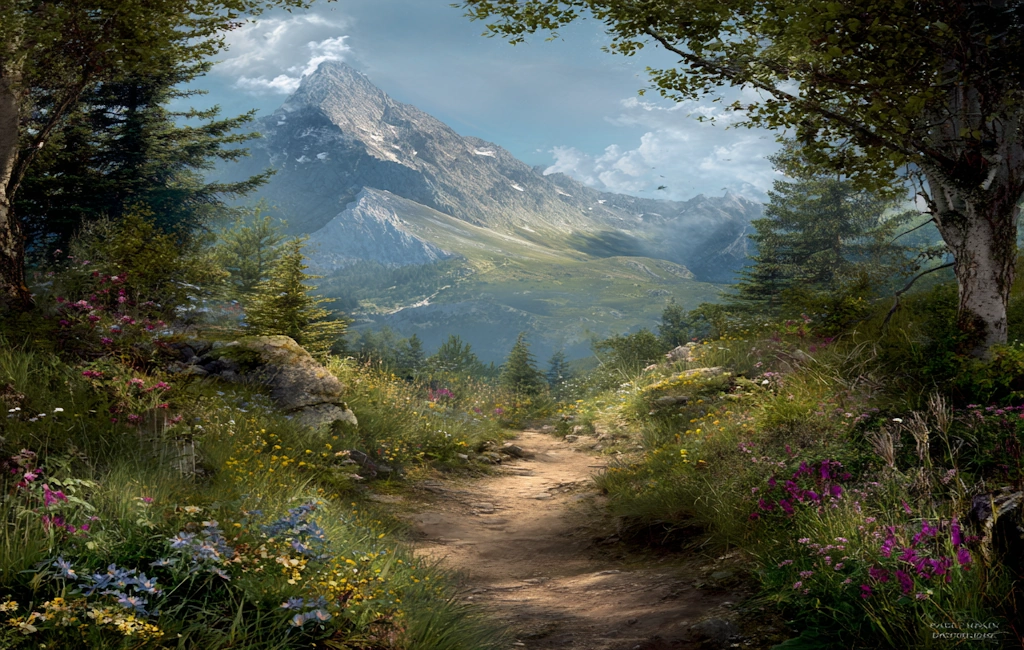
Goecha La Trek - Gateway to Kanchenjunga
The Goecha La Trek is a challenging yet immensely rewarding journey through the heart of Sikkim, India, offering unparalleled views of the world's third-highest mountain, Kanchenjunga. This trek is renowned for its dramatic landscapes, diverse flora and fauna, and the spiritual significance of its surroundings. Starting from the quaint village of Yuksom, the trail winds through rhododendron forests, alpine meadows, and glacial moraines, culminating at Goecha La pass, a breathtaking viewpoint at an altitude of 4,940 metres. The trek is a true test of endurance and spirit, providing an intimate encounter with the majestic Himalayas and the vibrant culture of the region.
- Distance: 90.0 km one-way
- Duration: 9–11 days
- Season: March–May and September–November
- Huts/Campsites: Basic campsites and temporary shelters
- Highest point: Goecha La (4,940 m)
- Difficulty: Challenging
- Closest City: Gangtok
Overview
The Goecha La Trek is a classic Himalayan adventure that takes you into the embrace of Kanchenjunga, the "Abode of Five Treasures." This trek is not merely a physical ascent but a spiritual pilgrimage, traversing landscapes that are as diverse as they are awe-inspiring. From the lush, temperate forests of Yuksom, the trail gradually ascends through rhododendron and oak forests, alive with the calls of exotic birds. As you gain altitude, the vegetation thins, giving way to alpine meadows dotted with wildflowers in spring and early summer. The air becomes crisp, and the panoramic views of the surrounding peaks, including Kanchenjunga, Pandim, and Kabru, begin to dominate the horizon.
The trek is characterised by its varied terrain. You'll navigate through dense forests, cross gurgling streams, traverse rocky moraines, and camp under star-studded skies. The journey is punctuated by stunning viewpoints such as Phedang, Dzongri, and finally, Goecha La itself. Dzongri, at 4,200 metres, offers a spectacular sunrise view of Kanchenjunga, a moment that many trekkers describe as life-changing. The final push to Goecha La is demanding, requiring an early start and a steady climb over scree and snow, but the reward is an unobstructed, close-up view of Kanchenjunga's magnificent massif, a sight that truly humbles the observer.
Beyond the natural beauty, the Goecha La Trek offers a glimpse into the rich cultural tapestry of Sikkim. You'll pass through small villages, interact with local communities, and witness their unique way of life, deeply intertwined with the mountains and Buddhist traditions. The trek is a journey of discovery, both of the external landscape and the internal self, making it one of the most sought-after treks in the Indian Himalayas.
History and Cultural Context
Sikkim, nestled in the Eastern Himalayas, has a rich history deeply intertwined with its mountainous terrain and Buddhist heritage. The region was an independent kingdom for centuries before becoming a protectorate of British India and eventually merging with India in 1975. The Goecha La Trek route itself has historical significance, serving as a traditional path for local communities and, in more recent times, for explorers and mountaineers venturing into the Kanchenjunga region.
Yuksom, the starting point of the trek, holds particular historical importance. It was the first capital of Sikkim, established in 1642 by Chogyal Phuntsog Namgyal, who unified the three Tibetan tribes of the region. The Norbugang Coronation Throne, a significant historical monument, still stands in Yuksom, a testament to this founding event. The area is also considered sacred by the local Limbu people, who believe it to be a place of spiritual power.
The Kanchenjunga massif itself is revered as a deity by the Sikkimese people. The mountain is believed to be the abode of the five treasures of the great snow range, representing the five repositories of God: the human, the wealth, the grain, the power, and the holy scriptures. This spiritual reverence imbues the entire trekking region with a sense of sanctity and peace. Early explorers and mountaineers, including the legendary British climber Douglas Freshfield, were captivated by Kanchenjunga's grandeur, and their accounts further cemented the region's allure for adventurers worldwide.
Seasonal Highlights and Weather Reality
The Goecha La Trek is best undertaken during two distinct seasons, each offering a unique experience:
Spring (March to May): This is arguably the most popular time to trek. The weather is generally pleasant, with clear skies and moderate temperatures. The rhododendron forests are in full bloom, painting the landscape in vibrant hues of red, pink, and purple. The higher reaches may still have snow, adding to the dramatic scenery. Daytime temperatures can range from 10°C to 20°C at lower altitudes, dropping to below freezing at higher camps. Visibility of Kanchenjunga is usually excellent.
Autumn (September to November): Following the monsoon, the skies clear, offering crisp, clean air and excellent visibility. The landscape is refreshed, and the autumn colours add a golden hue to the forests. Temperatures are similar to spring, with cold nights at higher elevations. This season is ideal for photography, with the clear skies providing stunning backdrops for the mountain panoramas. Snowfall is rare in early autumn but can increase towards November.
Monsoon (June to August): This period is generally not recommended for trekking. Heavy rainfall can lead to landslides, making the trails treacherous and obscuring views. The dense fog and clouds often hide the mountain peaks. However, for those seeking solitude and a lush green landscape, it can be an option, provided one is prepared for challenging conditions and potential route changes.
Winter (December to February): While possible for experienced trekkers with winter gear and acclimatisation knowledge, winter presents significant challenges. Heavy snowfall can block passes, and temperatures can plummet to well below freezing. The landscape is covered in snow, offering a starkly beautiful but demanding environment. Most trekkers avoid this season due to the extreme conditions and limited accessibility.
Recommended Itinerary
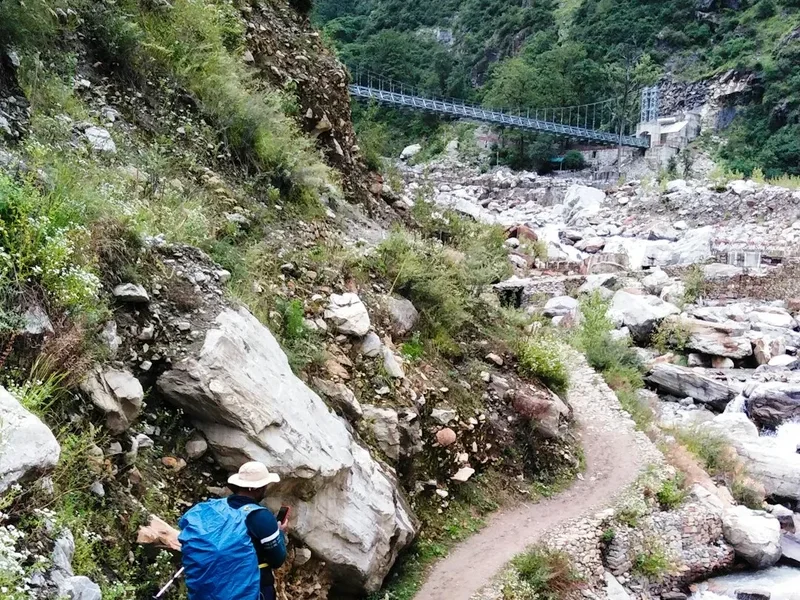
9-Day Goecha La Trek Itinerary
Day 1: Arrival in Yuksom (1,780 m)
- Arrive in Yuksom, the historical first capital of Sikkim.
- Complete necessary permit formalities and meet your trekking crew.
- Explore the village, visit the Norbugang Coronation Throne and Dubdi Monastery.
- Acclimatise to the altitude and prepare for the trek ahead.
- Overnight stay in a guesthouse or homestay in Yuksom.
Day 2: Yuksom to Tshoka (3,050 m)
- Distance: Approximately 14 km
- Time: 6–7 hours
- Begin the trek from Yuksom, passing through dense forests of oak, pine, and rhododendron.
- The trail is a steady ascent, with occasional steep sections.
- Reach the beautiful village of Tshoka, inhabited by the ethnic Bhutia community.
- Tshoka offers stunning views of Kanchenjunga and its surrounding peaks.
- Overnight camping at Tshoka campsite.
Day 3: Tshoka to Phedang (3,650 m)
- Distance: Approximately 10 km
- Time: 4–5 hours
- Continue the ascent through rhododendron forests.
- The trail becomes steeper as you approach Phedang.
- Phedang is a scenic campsite with good views of the mountains.
- Enjoy the serene environment and prepare for higher altitudes.
- Overnight camping at Phedang.
Day 4: Phedang to Dzongri (4,200 m)
- Distance: Approximately 6 km
- Time: 3–4 hours
- A shorter but steeper day, leading to the high-altitude campsite of Dzongri.
- The vegetation starts to thin out, and the views become more expansive.
- Reach Dzongri, a popular viewpoint offering panoramic vistas of Kanchenjunga, Pandim, and Kabru.
- Overnight camping at Dzongri.
Day 5: Dzongri Sunrise Viewpoint and Acclimatisation
- Early morning hike to Dzongri Sunrise Viewpoint (approx. 4,300 m) for a spectacular sunrise over Kanchenjunga.
- Spend the day acclimatising at Dzongri.
- Optional short hikes around the area to further aid acclimatisation.
- Rest and prepare for the next stage of the trek.
- Overnight camping at Dzongri.
Day 6: Dzongri to Thansing (3,900 m)
- Distance: Approximately 10 km
- Time: 4–5 hours
- Descend from Dzongri towards the valley floor.
- The trail follows the Prek Chu river, passing through alpine meadows.
- Reach Thansing, a beautiful campsite located in a wide valley.
- The views of Kanchenjunga from Thansing are magnificent.
- Overnight camping at Thansing.
Day 7: Thansing to Lamuney (4,200 m)
- Distance: Approximately 6 km
- Time: 3–4 hours
- A relatively short day, allowing for rest and preparation for the final ascent.
- The trail is gradual, leading to Lamuney, a campsite situated near the Samiti Lake.
- The landscape becomes more barren and rocky as you approach the higher altitudes.
- Overnight camping at Lamuney.
Day 8: Lamuney to Goecha La (4,940 m) and back to Tshoka (3,050 m)
- Distance: Approximately 10 km (round trip to Goecha La) + 16 km (descent to Tshoka)
- Time: 8–10 hours (total)
- An extremely early start (around 2:00 AM) for the ascent to Goecha La.
- The final climb is steep and challenging, often involving snow and scree.
- Reach Goecha La pass for sunrise, offering breathtaking, unobstructed views of Kanchenjunga.
- After soaking in the views, descend back to Lamuney, have breakfast, and then continue the descent to Thansing and further down to Tshoka.
- This is the most demanding day of the trek.
- Overnight camping at Tshoka.
Day 9: Tshoka to Yuksom (1,780 m) and Departure
- Distance: Approximately 14 km
- Time: 4–5 hours
- A pleasant downhill walk back to Yuksom.
- Reflect on your incredible journey through the Himalayas.
- Upon arrival in Yuksom, you can depart for your onward journey.
Note: This itinerary is a guideline and can be adjusted based on weather conditions, acclimatisation, and individual pace. An 11-day itinerary might include an extra day at Dzongri for further acclimatisation or exploration, or an additional day at Thansing.
Planning and Bookings
Book Your Trip
Everything you need to plan your journey
Accommodation
Find places to stay near Gangtok
Flights
Search flights to Gangtok
Essential Preparation
The Goecha La Trek requires careful planning, especially concerning permits and logistics. As foreign nationals require special permits to enter Sikkim and trek in restricted areas, it is highly recommended to book your trek through a registered local tour operator. These operators will handle all permit applications, arrange for licensed guides and porters, and manage camping equipment and food supplies. The closest major airport is Bagdogra (IXB) in West Bengal. From Bagdogra, you will need to arrange a taxi or pre-booked car to Yuksom, which is approximately a 6–7 hour drive. The road conditions are generally good but can be rough in certain stretches. Limited parking is available in Yuksom, and it's best to arrange this through your tour operator. For foreign nationals, an Inner Line Permit (ILP) is mandatory and can be obtained in Gangtok or online through the Sikkim Tourism Department. Upon arrival in Yuksom, you must register at the Forest Check Post.
Trail Accommodation
The Goecha La Trek involves camping for the majority of the route. There are no permanent lodges or hotels along the trekking path beyond Yuksom. Accommodation is provided in the form of tents at designated campsites.
Campsites:
- Yuksom: Guesthouses or homestays are available for the first night.
- Tshoka: A designated campsite, often with basic facilities like pit toilets.
- Phedang: A camping ground amidst the forest.
- Dzongri: A high-altitude campsite with basic facilities.
- Thansing: A spacious camping area in a valley.
- Lamuney: A campsite near Samiti Lake, often exposed to the elements.
Facilities Provided:
- Tents for sleeping (usually two-person tents).
- Sleeping bags and sleeping mats.
- Dining tent with chairs and tables for meals.
- Kitchen tent for cooking.
- Toilet tent with a portable toilet or pit latrine.
What's NOT Provided:
- Personal toiletries.
- Warm clothing and personal gear (see Required Gear and What to Bring).
- Pillows (though sleeping bags can be used as such).
- Hot showers (water is usually cold and limited).
- Electricity for charging devices (power banks are essential).
Seasonal Availability: Campsites are generally accessible during the trekking seasons (March-May and September-November). During the monsoon and winter, access may be restricted due to weather conditions.
Costs: The cost of accommodation is typically included in the overall trekking package arranged through a tour operator. This covers tent usage, sleeping bags, mats, and the services of camping staff.
Required Gear
- Sturdy Trekking Boots: Waterproof, well-broken-in boots with good ankle support are essential.
- Waterproof Jacket and Trousers: Essential for protection against rain and wind. Gore-Tex or similar breathable, waterproof material is recommended.
- Warm Layers: Multiple layers of clothing are crucial for varying temperatures. This includes thermal base layers (merino wool or synthetic), fleece jackets or down vests for mid-layers, and a warm, insulated outer jacket.
- Sleeping Bag: A 4-season sleeping bag with a comfort rating of at least -10°C to -15°C is recommended due to cold nights at higher altitudes.
- Backpack: A comfortable trekking backpack (50-70 litres) with a rain cover. A smaller daypack for essentials during day hikes is also useful.
- Headlamp/Torch: With extra batteries, essential for early morning starts and navigating in the dark.
- Sun Protection: High SPF sunscreen, sunglasses, and a wide-brimmed hat or cap. The sun at high altitudes is intense.
- First-Aid Kit: Comprehensive kit including personal medications, blister treatment, pain relievers, antiseptic wipes, bandages, and any specific items recommended by your doctor.
- Navigation Tools: While guides will navigate, a personal compass and map can be useful for experienced trekkers. GPS devices or apps are also recommended.
- Trekking Poles: Highly recommended for stability on ascents and descents, and to reduce strain on knees.
What to Bring
- Food and Water: While tour operators provide meals, carry high-energy snacks like nuts, dried fruits, energy bars, and chocolate. Water bottles or a hydration reservoir are essential. Water purification tablets or a filter are highly recommended, even if boiled water is provided.
- Toiletries: Biodegradable soap, toothbrush and toothpaste, toilet paper (carry out used paper), hand sanitiser, and any personal hygiene items. Wet wipes are useful for quick clean-ups.
- Personal Items: Camera with extra batteries and memory cards, power bank for charging electronics, a good book or journal for downtime, and any personal comfort items.
- Clothing: Warm socks (wool or synthetic, several pairs), gloves (warm and waterproof), a warm hat or beanie, and comfortable camp shoes or sandals for evenings.
- Documents: Passport, visa (if applicable), permits, travel insurance details, and emergency contact information. Keep copies separate from the originals.
- Cash: Indian Rupees for tips, personal expenses, and any unforeseen costs. ATMs are not available on the trek.
Permits
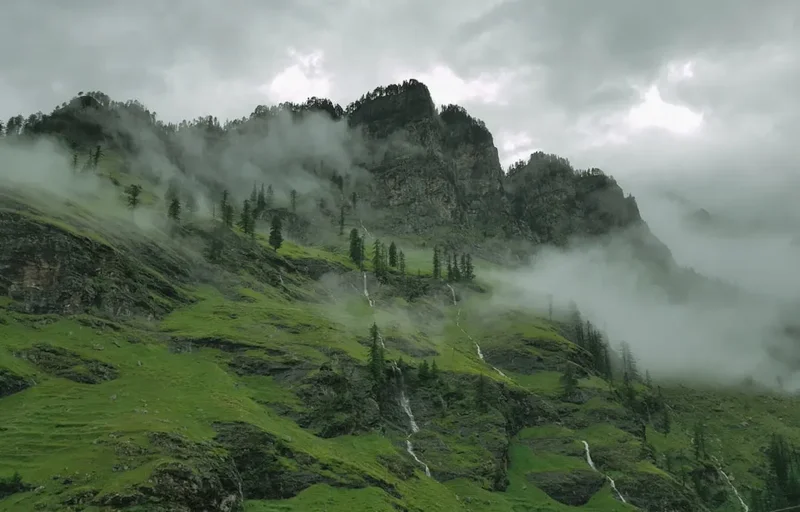
Trekking in Sikkim, particularly to areas like Goecha La, requires special permits due to its border proximity and ecological sensitivity. All foreign nationals must obtain an Inner Line Permit (ILP) to enter Sikkim. This permit can be obtained from the Indian Embassy or Consulate in your home country, or more commonly, from the Tourism Department in Gangtok, or at Rangpo and Melli check posts upon entry into Sikkim. You will need to provide passport-sized photographs and a copy of your passport and visa.
In addition to the ILP, a Restricted Area Permit (RAP) or Protected Area Permit (PAP) is required for trekking in areas like Goecha La. This permit is typically arranged by your registered local tour operator. They will handle the application process with the Sikkim Tourism Department and the Forest Department. You will need to submit copies of your passport, visa, ILP, and passport-sized photographs to your operator well in advance of your trek start date.
Key Permit Information:
- Inner Line Permit (ILP): For all foreign nationals. Obtainable in Gangtok or at entry points.
- Restricted Area Permit (RAP)/Protected Area Permit (PAP): For trekking routes like Goecha La. Arranged by your registered tour operator.
- Group Size: Permits are usually issued for groups, so travelling with a registered tour operator is essential.
- Validity: Permits are typically valid for a specific period, usually coinciding with your trekking dates.
- Documentation: Always carry copies of all your permits and identification documents with you throughout the trek.
Tour Operator Requirement: It is mandatory for foreign nationals to trek in Sikkim with a registered local tour operator. They are responsible for obtaining all necessary permits and ensuring compliance with local regulations. Attempting to trek without the correct permits can lead to fines, deportation, and denial of future entry into Sikkim.
Other Activities in the Area
Beyond the Goecha La Trek, Sikkim offers a wealth of experiences for travellers:
- Gangtok Exploration: Visit the capital city of Gangtok, explore the Enchey Monastery, the Do Drul Chorten Stupa, and the Namgyal Institute of Tibetology. Enjoy the vibrant local markets and sample Sikkimese cuisine.
- Rumtek Monastery: One of the most significant Buddhist monasteries in Sikkim, located near Gangtok. It is the seat of the Karmapa, the head of the Kagyupa sect of Tibetan Buddhism.
- Tsomgo Lake (Changu Lake): A stunning glacial lake situated at an altitude of 3,753 metres, accessible from Gangtok. The lake is considered sacred and changes colours with the seasons.
- Nathula Pass: Located on the Indo-Chinese border, Nathula Pass is a popular day trip from Gangtok, offering a glimpse into border life and panoramic views of the Tibetan plateau. (Permits required, often arranged by tour operators).
- Pelling: A town offering spectacular views of Mount Kanchenjunga, the Pemayangtse Monastery, and the Rabdentse ruins, the second capital of Sikkim.
- Yuksom Local Culture: Spend extra time in Yuksom to understand the local Limbu culture, visit traditional houses, and learn about their customs and way of life.
- Birdwatching: The forests along the trek route are rich in avian diversity. Birdwatching enthusiasts can find numerous species of Himalayan birds.
Safety and Conditions
Altitude Sickness (Acute Mountain Sickness - AMS): This is the most significant risk on the Goecha La Trek. Symptoms include headache, nausea, dizziness, and fatigue. To mitigate AMS:
- Acclimatise Properly: Follow the itinerary, which includes gradual ascent and rest days (like at Dzongri).
- Stay Hydrated: Drink plenty of water (3-4 litres per day).
- Avoid Alcohol and Smoking: These can exacerbate AMS symptoms.
- Ascend Slowly: Do not gain altitude too quickly.
- Listen to Your Body: If you experience AMS symptoms, descend immediately. Inform your guide.
Weather: Himalayan weather is unpredictable. Be prepared for sudden changes, including rain, snow, fog, and strong winds, especially at higher altitudes. Always check the weather forecast with your guide.
Trail Conditions: Trails can be steep, rocky, and slippery, especially after rain or snow. Proper footwear and trekking poles are essential. Landslides can occur during the monsoon season, making certain routes impassable.
Guides and Porters: Always trek with a licensed and experienced local guide. They are trained in first aid, navigation, and emergency procedures. Porters are invaluable for carrying gear, reducing your physical strain.
Communication: Mobile phone coverage is limited and often non-existent on the trek. Carry a satellite phone or a Personal Locator Beacon (PLB) for emergencies, especially if trekking independently (though not recommended for this route).
Food and Water Safety: Ensure all food is cooked thoroughly and water is either boiled or purified. Your tour operator should manage food safety.
Emergency Evacuation: Have comprehensive travel insurance that covers emergency medical evacuation from remote areas. Know the evacuation procedures and contact details of your tour operator and emergency services.
Side Trips and Points of Interest
Dzongri Sunrise Viewpoint: A short, steep hike from the Dzongri campsite, this viewpoint offers arguably the most iconic sunrise view of Kanchenjunga. Witnessing the first rays of the sun illuminate the massive peak is an unforgettable experience.
Samiti Lake: A pristine, high-altitude glacial lake located near Lamuney campsite. The lake is considered sacred and offers stunning reflections of the surrounding mountains on calm days. It's a beautiful spot for quiet contemplation before the final ascent to Goecha La.
Kanchenjunga Base Camp (KBC) Trek: For those with more time and experience, a trek to Kanchenjunga Base Camp (in Nepal) is a more extensive undertaking. However, the Goecha La Trek provides a fantastic introduction to the Kanchenjunga massif from the Indian side.
Yuksom Historical Sites: Before or after your trek, explore Yuksom's historical significance. The Norbugang Coronation Throne, where the first Chogyal was crowned, and the ancient Dubdi Monastery, one of Sikkim's oldest, are important cultural landmarks.
Rhododendron Forests: During spring, the trek passes through extensive rhododendron forests. The vibrant colours of these blooms add a spectacular dimension to the already beautiful landscape.
Leave No Trace
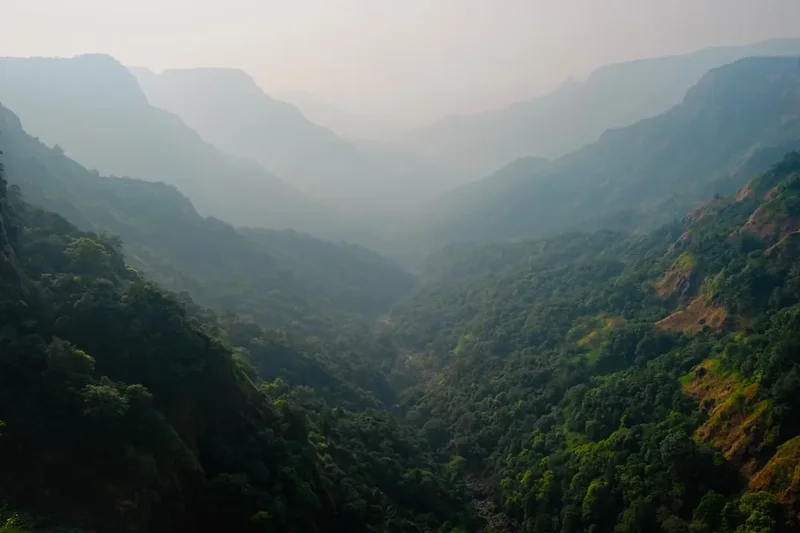
The Goecha La Trek traverses pristine Himalayan landscapes that are ecologically sensitive and culturally significant. Adhering to Leave No Trace principles is paramount to preserving this environment for future generations and respecting the local communities.
Plan Ahead and Prepare: Book your trek with a reputable operator who follows LNT principles. Understand the regulations and be prepared for all weather conditions.
Travel and Camp on Durable Surfaces: Stick to established trails to avoid damaging vegetation. Camp in designated campsites and avoid trampling fragile alpine meadows.
Dispose of Waste Properly: Pack out everything you pack in, including all food scraps, wrappers, and toilet paper. Use designated toilets or dig catholes at least 60 metres away from water sources and trails. Never bury human waste.
Leave What You Find: Do not disturb or remove any natural or cultural objects. Take only photographs and memories.
Minimize Campfire Impacts: Campfires are generally not permitted on this trek due to the risk of environmental damage and fire hazards. Use portable stoves for cooking.
Respect Wildlife: Observe wildlife from a distance and never feed animals. Feeding can alter their natural behaviour and diet, and can be harmful to their health.
Be Considerate of Other Visitors: Keep noise levels down, especially in campsites and natural areas. Respect the local culture and traditions of the communities you encounter.