
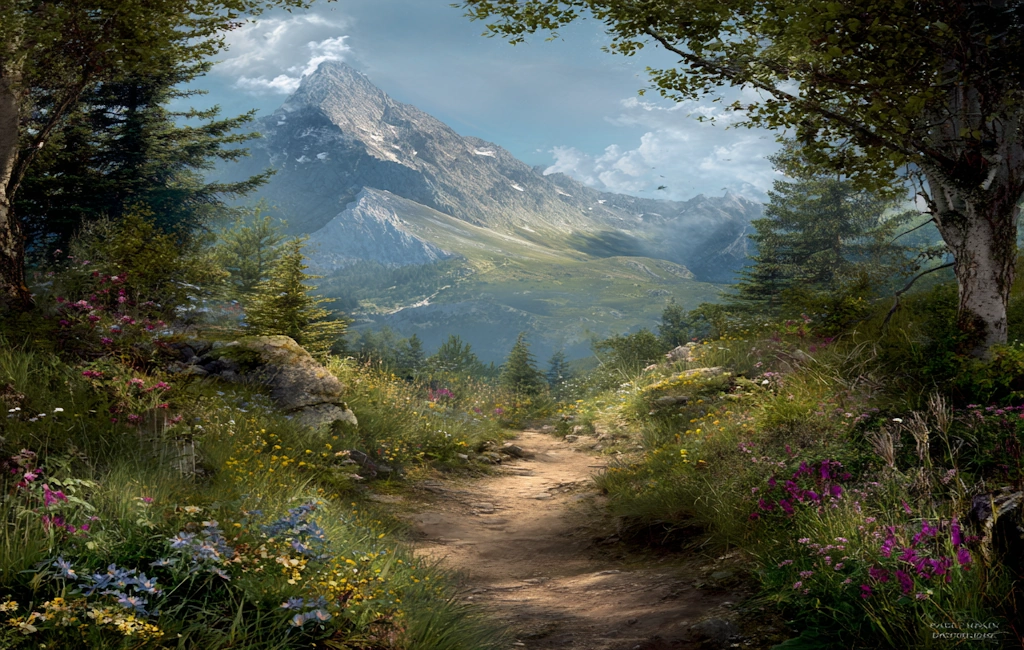
Gocta Waterfall Trail - Peru's Majestic Cascade
The Gocta Waterfall Trail, located in the Amazonas region of northern Peru, offers a spectacular day hike to one of the world's tallest free-leaping waterfalls. This trail winds through lush cloud forest, past traditional villages, and alongside agricultural lands, culminating in the awe-inspiring sight of Gocta Falls, which plunges an impressive 771 metres in two stages. The hike is accessible from the small village of Cocachimba and provides a moderate challenge with significant elevation gain, rewarding walkers with breathtaking natural beauty and a glimpse into rural Peruvian life. The surrounding environment is rich in biodiversity, with opportunities to spot diverse birdlife and unique flora. This trail is a must-visit for nature enthusiasts and those seeking to experience the dramatic landscapes of the Andes.
- Distance: 10.0 km (round trip)
- Elevation Gain: 500 m
- Duration: 5-6 hours
- Difficulty: Moderate
- Best Time: May to September (dry season)
- Closest City: Chachapoyas
- Trailhead Access: Fly to Jaén Airport (JAE). Take a bus or taxi to Chachapoyas (3-4 hours). From Chachapoyas, hire a taxi or colectivo to San Pablo (1 hour). Road is partly unpaved. Limited parking available. Pay entrance fee at trailhead.
- Coordinates: -6.0639, -77.8914
Overview
The Gocta Waterfall Trail is a journey into a verdant, mist-shrouded landscape that culminates in the thunderous roar of one of Peru's most spectacular natural wonders. The hike begins in the small, picturesque village of Cocachimba, nestled in the foothills of the Andes. From here, the path gradually ascends through a mosaic of cultivated fields, small farms, and increasingly dense cloud forest. The air is thick with the scent of damp earth and exotic blossoms, and the sounds of nature – the chirping of unseen birds, the rustling of leaves, and the distant murmur of water – create a serene atmosphere.
As you progress, the trail becomes more rugged, with sections of stone steps and muddy paths, especially after rain. The elevation gain of 500 metres is steady but noticeable, requiring a reasonable level of fitness. Along the way, you'll pass smaller cascades and streams, offering refreshing stops and photo opportunities. The cloud forest is a haven for biodiversity; keep an eye out for colourful hummingbirds, toucans, and other endemic species. The vegetation is lush and varied, with giant ferns, bromeliads, and ancient trees draped in moss and orchids.
The first major viewpoint offers a stunning, albeit distant, perspective of the entire Gocta Falls, which is divided into two distinct drops: the Upper Fall (371 metres) and the Lower Fall (400 metres), making it the third tallest waterfall in Peru and the 15th tallest in the world. The trail continues to a closer viewpoint for the Lower Fall, where the sheer power and scale of the water are truly overwhelming. The mist generated by the falling water creates a microclimate, often resulting in rainbows on sunny days. The return journey follows the same path, allowing for a different perspective on the surrounding scenery.
The Gocta Waterfall is a relatively recent discovery to the outside world, only being widely documented in 2005. Before this, it was known primarily to local communities, who have long revered its beauty and power. The trail is well-maintained by the local community, who benefit directly from tourism, ensuring a welcoming and organised experience for visitors.
History and Cultural Context
The Gocta Waterfall, known locally as "La Chorrera," has been a sacred and revered natural landmark for the indigenous Chachapoya people for centuries. The Chachapoya, often referred to as the "Warriors of the Clouds," were a pre-Inca civilisation that flourished in this region from around 500 AD until their conquest by the Inca Empire in the 15th century. Their culture was rich and complex, with impressive architectural achievements, including the fortress of Kuelap, which predates Machu Picchu.
For generations, local communities living near the falls maintained a respectful silence about its exact location and height, partly due to local legends and superstitions. One such legend tells of a beautiful mermaid or spirit who guards the waterfall and punishes those who reveal its secrets. This cultural practice helped preserve the waterfall's pristine state and its mystique.
The waterfall gained international attention in March 2005 when a German explorer, Stefan Ziemendorff, along with a Peruvian expedition team, officially measured and documented its height. This discovery brought Gocta to the world's attention, sparking interest in the region and leading to the development of tourism infrastructure, primarily managed by the local communities of Cocachimba and San Pablo. The income generated from tourism has provided significant economic benefits to these villages, helping to improve living standards and preserve their cultural heritage.
The trail itself has likely been used by locals for centuries for hunting, gathering, and spiritual practices. The development of the tourist trail has involved improving existing paths and creating new sections to make the waterfall accessible to a wider range of visitors, while still respecting the natural environment and the cultural significance of the site.
Seasonal Highlights and Weather Reality
The best time to visit Gocta Waterfall is during the dry season, which typically runs from May to September. During these months, the weather is generally sunny with less rainfall, making the trail conditions more favourable and the views clearer. The lush green of the cloud forest is at its most vibrant, and the water flow of the falls is substantial, though not at its absolute peak.
Dry Season (May to September): This period offers the most pleasant hiking conditions. Days are typically warm and sunny, with temperatures averaging around 20-25° Celsius. Rainfall is infrequent, and the trails are less likely to be muddy or slippery. The surrounding vegetation remains verdant, and the waterfalls are impressive. This is the peak tourist season.
Rainy Season (October to April): During the rainy season, the region experiences more frequent and heavier rainfall. While the cloud forest remains lush and the waterfalls are at their most powerful and dramatic, the trails can become very muddy, slippery, and potentially hazardous. Visibility may be reduced due to mist and clouds, potentially obscuring the full view of the falls. However, the increased water volume can make the falls even more spectacular, and fewer tourists mean a more solitary experience. If visiting during this time, be prepared for wet conditions and ensure you have appropriate waterproof gear and sturdy footwear.
Shoulder Seasons (April/May and September/October): These periods can offer a good balance, with fewer crowds than the peak dry season and a reduced chance of heavy rain compared to the wet season. The landscape is still lush, and the waterfalls are impressive.
Regardless of the season, the Amazonas region is known for its microclimates. Even during the dry season, brief showers can occur, and the mist from the waterfall can create a damp environment near the falls. Layering clothing is always recommended.
Recommended Itinerary
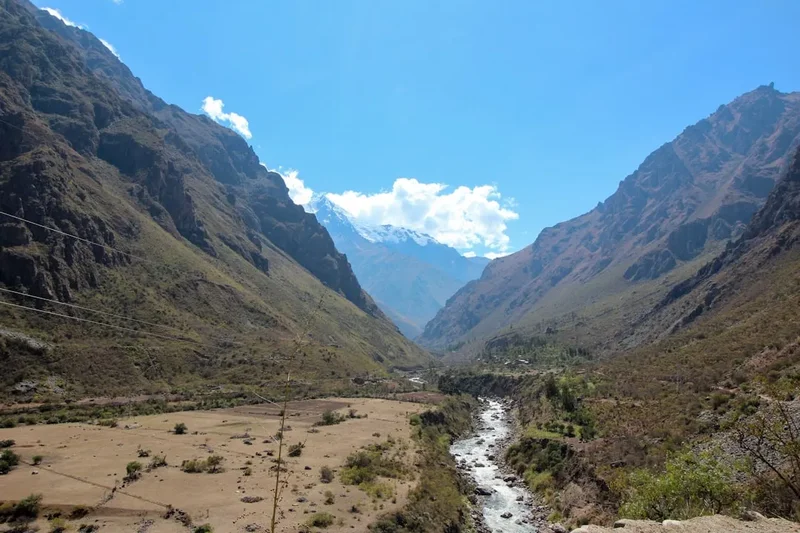
Gocta Waterfall Day Hike Itinerary
Early Morning (Approx. 7:00 AM - 8:00 AM): Departure from Cocachimba
- Begin your hike from the village of Cocachimba.
- Pay the entrance fee at the local community's ticket office.
- Start on a well-defined path that initially passes through agricultural fields and small homesteads.
- The air is cool and fresh, ideal for the initial ascent.
Morning (Approx. 8:00 AM - 10:00 AM): Ascent through Cloud Forest
- The trail gradually begins to climb, entering the dense cloud forest.
- The path becomes more rugged, with sections of stone steps and natural terrain.
- Enjoy the rich biodiversity of the forest – listen for bird calls and observe the unique flora.
- Pass smaller streams and cascades, offering opportunities for photos and a brief rest.
- Elevation gain becomes more pronounced during this section.
Midday (Approx. 10:00 AM - 11:30 AM): Arrival at Lower Gocta Falls Viewpoint
- Reach the viewpoint for the Lower Gocta Falls (400 metres).
- Marvel at the sheer power and scale of the waterfall.
- The mist from the falls creates a refreshing spray; rainbows are common on sunny days.
- Take ample time to absorb the scenery, take photographs, and rest.
- Optional: Continue a short distance further to a closer viewpoint for the Lower Fall.
Lunch Break (Approx. 11:30 AM - 12:30 PM): Picnic or Local Eatery
- Enjoy a packed lunch at a designated spot near the falls, or at one of the small local eateries that offer basic meals and refreshments.
- Refuel and prepare for the return journey.
Afternoon (Approx. 12:30 PM - 2:30 PM): Descent Back to Cocachimba
- Begin the descent back towards Cocachimba.
- The downhill path can be slippery, especially if it has rained, so walk with care.
- Enjoy the changing light and perspectives of the forest on the way down.
- The cooler temperatures of the afternoon make the descent comfortable.
Late Afternoon (Approx. 2:30 PM onwards): Return to Cocachimba
- Arrive back in Cocachimba.
- You can visit local craft shops or enjoy a refreshing drink at a local establishment.
- Option to arrange transport back to Chachapoyas or your next destination.
Important Notes:
- This is a day hike; no overnight accommodation is required on the trail itself.
- The trail is managed by the local community; an entrance fee is mandatory.
- Wear sturdy, waterproof hiking boots.
- Carry plenty of water and snacks.
- Sun protection (hat, sunscreen) is essential, even on cloudy days.
- Insect repellent is recommended, especially during the rainy season.
Planning and Bookings
Book Your Trip
Everything you need to plan your journey
Accommodation
Find places to stay near Chachapoyas
Flights
Search flights to Chachapoyas
Essential Preparation
The Gocta Waterfall Trail is a popular day hike, and while no advance bookings are strictly required for the trail itself, planning your logistics is crucial. The closest major town is Chachapoyas, which serves as the primary base for exploring the Amazonas region. From Chachapoyas, you will need to arrange transport to the trailhead village of Cocachimba. This typically involves a taxi or a shared minivan (colectivo).
Getting to Chachapoyas: The most common way to reach Chachapoyas is by flying to Jaén Airport (JAE). From Jaén, you can take a bus or hire a taxi to Chachapoyas, a journey of approximately 3-4 hours. Alternatively, you can fly to Tarapoto (TPP) and take a longer bus journey (around 8-10 hours) to Chachapoyas. Some travellers also opt for overnight bus journeys from Lima, which are long but more economical.
Getting to Cocachimba: From Chachapoyas, you can hire a private taxi or join a colectivo heading towards San Pablo. The journey to Cocachimba takes about 1 hour and involves travelling on a partly unpaved road. It's advisable to arrange your transport in advance, especially if travelling during peak season or outside of regular bus schedules. Limited parking is available at the trailhead in Cocachimba.
Fitness: The hike is considered moderate due to the 500 metres of elevation gain and the 10 km round trip distance. A reasonable level of cardiovascular fitness is recommended. If you are not accustomed to hiking with elevation, consider doing some preparatory walks beforehand.
Trail Accommodation
This is a day hike requiring no overnight accommodation on the trail itself. Visitors typically base themselves in Chachapoyas or the nearby village of Cocachimba. Cocachimba offers a few small guesthouses and lodges for those who wish to stay closer to the trailhead and experience the local atmosphere. These accommodations are generally simple but comfortable, providing a good base for exploring the waterfall and surrounding areas.
Required Gear
- Hiking Boots: Sturdy, waterproof hiking boots with good ankle support are essential. The trail can be uneven, muddy, and slippery, especially after rain.
- Waterproof Jacket: A lightweight, waterproof and breathable jacket is highly recommended, as rain showers are common in the cloud forest, and the mist from the waterfall can be significant.
- Backpack: A comfortable daypack (20-30 litres) to carry essentials like water, snacks, camera, and extra layers.
- Trekking Poles: Optional but highly recommended, especially for the descent, to reduce strain on knees and provide stability on slippery sections.
- First Aid Kit: A basic kit including plasters, antiseptic wipes, pain relievers, and any personal medications.
- Navigation: While the trail is generally well-marked, a GPS device or a reliable offline map app on your phone is advisable.
What to Bring
- Water: Carry at least 1.5-2 litres of water per person. Refill stations are not available on the trail.
- Food: Pack high-energy snacks such as trail mix, energy bars, fruit, and sandwiches. There are limited food options at the waterfall viewpoint, and they can be basic.
- Sun Protection: Sunscreen (SPF 30+), a wide-brimmed hat, and sunglasses are important, as the sun can be intense even when it's not fully visible.
- Insect Repellent: Mosquitoes and other biting insects can be present, particularly during the warmer, wetter months.
- Camera: To capture the stunning scenery and the magnificent waterfall. Ensure you have extra batteries or a power bank.
- Cash: Bring Peruvian Soles (PEN) for entrance fees, local transport, and any purchases at small stalls or eateries. Card payments are rarely accepted.
- Toilet Paper and Hand Sanitiser: Basic toilet facilities may be available at the trailhead and near the falls, but carrying your own supplies is always wise.
- Change of Clothes: Consider bringing a dry change of clothes for the journey back, especially if you get wet from the waterfall's mist or unexpected rain.
Permits
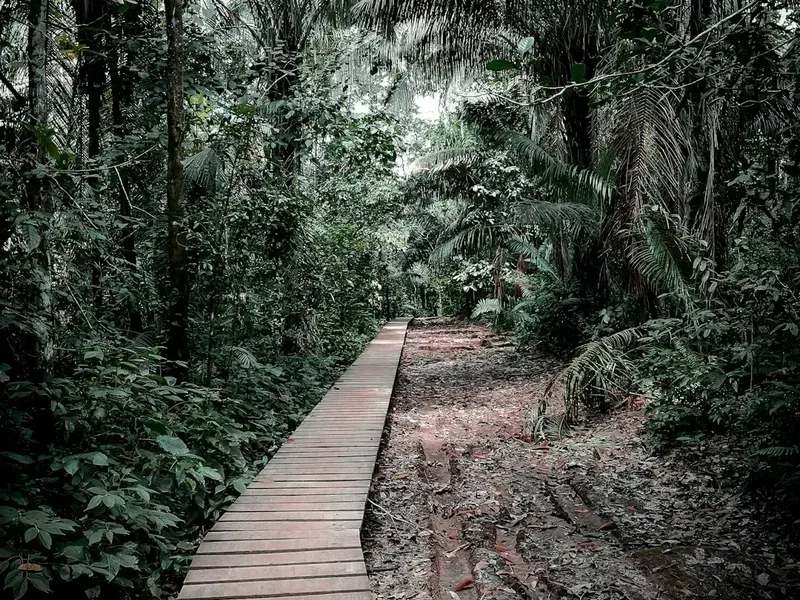
No specific permits are required to hike the Gocta Waterfall Trail. However, there is an entrance fee that is collected by the local community at the trailhead in Cocachimba. This fee contributes to the maintenance of the trail, the preservation of the natural environment, and the economic development of the local community.
Entrance Fee:
- The exact fee can vary, but it is typically around 10-20 Peruvian Soles (PEN) per person. It is advisable to confirm the current fee with your accommodation provider or local guide before you go.
- Payment is usually accepted in Peruvian Soles (PEN) only. It is essential to carry sufficient cash for this purpose.
Community Management: The trail is managed and maintained by the local communities of Cocachimba and San Pablo. Your entrance fee directly supports their efforts in conservation and tourism development. This community-based approach ensures that tourism benefits the people who live in the region and helps to protect the natural and cultural heritage.
Guides: While the trail is generally well-marked and can be hiked independently, hiring a local guide is highly recommended. Guides can provide valuable insights into the local flora, fauna, history, and culture, and can also assist with navigation, especially if conditions are challenging. Guides can usually be hired in Cocachimba or arranged through your accommodation.
Other Activities in the Area
The Amazonas region offers a wealth of attractions beyond the Gocta Waterfall, making it a compelling destination for travellers interested in nature, history, and culture:
- Kuelap Fortress: A magnificent pre-Inca walled city built by the Chachapoya people, often referred to as the "Machu Picchu of the North." It is perched atop a mountain ridge and offers stunning views and a fascinating glimpse into ancient civilisation. Access is via a scenic cable car ride.
- Sarcophagi of Karajia: Unique anthropomorphic sarcophagi, dating back to the Chachapoya culture, perched precariously on a cliff face. These impressive funerary monuments are a testament to the ancient inhabitants' burial practices.
- Revash Mausoleums: Small, house-like tombs built into cliff faces, resembling miniature villages. They are another example of the distinctive funerary architecture of the Chachapoya.
- Chachapoyas City and Museum: Explore the colonial architecture of Chachapoyas town and visit the Leymebamba Museum, which houses over 200 well-preserved Chachapoya mummies discovered in the nearby Laguna de los Cóndores.
- Yumbilla Waterfall: Another impressive waterfall in the region, often cited as being even taller than Gocta, though less accessible and with fewer facilities. It offers a more remote and adventurous hiking experience.
- Utcubamba Valley: Explore the scenic Utcubamba Valley, which connects many of the region's archaeological sites and natural attractions.
- Birdwatching: The cloud forests of Amazonas are rich in biodiversity, making it an excellent destination for birdwatchers, with opportunities to spot numerous endemic species.
Safety and Conditions
Trail Conditions: The Gocta Waterfall Trail is generally well-maintained, but it can become muddy and slippery, especially during and after rainfall. Wear appropriate footwear with good grip. The trail involves significant elevation gain and descent, so be prepared for a moderate physical challenge.
Weather: The weather in the Amazonas region can be unpredictable. While the dry season (May-September) offers the best conditions, brief showers can still occur. Always be prepared for rain and mist, especially near the waterfall. Temperatures are generally pleasant, ranging from 15-25° Celsius, but can feel cooler in the shade of the forest or near the falls.
Altitude: The trailhead in Cocachimba is at an elevation of approximately 1,600 metres, and the hike reaches an elevation of around 2,100 metres at the lower falls viewpoint. While not extremely high, it's advisable to spend a day or two in Chachapoyas (around 2,300 metres) to acclimatise before undertaking strenuous hikes.
Insects: Mosquitoes and other biting insects can be present, particularly in the humid cloud forest environment. Use insect repellent, especially during dawn and dusk, and consider wearing long sleeves and trousers.
Water and Food: Carry sufficient water and snacks for the entire hike. There are limited, basic food options available near the waterfall, but it's best to be self-sufficient. Ensure your water is treated or bottled.
Communication: Mobile phone signal can be intermittent along the trail and even in Cocachimba. Inform someone of your hiking plans and expected return time.
Local Guides: Hiring a local guide is recommended for safety, navigation, and to enhance your understanding of the local environment and culture. They are familiar with the trail conditions and can assist in case of any issues.
Emergency: In case of an emergency, contact local authorities or your guide. Medical facilities are basic in Cocachimba; more comprehensive services are available in Chachapoyas.
Side Trips and Points of Interest
Upper Gocta Falls Viewpoint: While the most accessible and popular viewpoint is for the Lower Falls, the trail continues further up to a viewpoint for the Upper Gocta Falls (371 metres). This extension adds more distance and elevation gain but offers a different perspective on the waterfall's immense scale. The path to the upper falls can be more challenging and less maintained than the main trail.
Cocachimba Village: Before or after your hike, take time to explore the charming village of Cocachimba. Observe the local way of life, visit the small craft shops selling handmade goods, and enjoy the peaceful atmosphere. The village itself offers beautiful views of the surrounding landscape.
San Pablo Village: The neighbouring village of San Pablo also has access to Gocta Falls, offering an alternative starting point for the hike. The trail from San Pablo is generally considered more challenging but equally rewarding.
Local Flora and Fauna: The cloud forest surrounding Gocta is a biodiversity hotspot. Keep an eye out for a variety of orchids, bromeliads, giant ferns, and mosses. Birdwatchers will be delighted by the presence of numerous species, including hummingbirds, toucans, and various endemic birds. Local guides can help identify these species.
Agricultural Terraces: Observe the traditional agricultural terraces still in use by the local communities. These ancient farming techniques are a testament to the ingenuity of the region's inhabitants.
Leave No Trace
The Gocta Waterfall and its surrounding cloud forest are precious natural and cultural resources. Practising Leave No Trace principles is essential to preserve this environment for future generations and to respect the local communities who manage it.
Plan Ahead and Prepare: Research the trail, weather, and local conditions before your visit. Pack appropriately for the hike and the climate.
Travel and Camp on Durable Surfaces: Stick to the marked trail at all times. Avoid cutting switchbacks or walking on fragile vegetation, which can take years to recover.
Dispose of Waste Properly: Pack out everything you pack in. This includes all food scraps, wrappers, and any other litter. Use designated toilet facilities where available, and if not, bury human waste at least 60 metres away from water sources, trails, and campsites, and pack out toilet paper.
Leave What You Find: Do not remove any natural objects, such as rocks, plants, or flowers. Respect cultural heritage sites and do not disturb historical artefacts.
Minimise Campfire Impacts: Campfires are not permitted on this day hike. If camping in the wider region, use established fire rings and ensure fires are completely extinguished.
Respect Wildlife: Observe wildlife from a distance. Do not feed animals, as this can disrupt their natural behaviours and diets. Store food securely to prevent attracting animals.
Be Considerate of Other Visitors: Keep noise levels down, especially in natural settings. Yield to other hikers on the trail. Respect the local culture and traditions.
By adhering to these principles, you help ensure that the beauty and integrity of Gocta Waterfall and its environment are maintained.
Useful Links
- Peru.travel - Gocta Waterfall
- <a href="https://www.lonelyplanet.com/peru/amazonas/chachapoyas/attractions/gocta-waterfall/a/poi-sig/10000000000000000000000000000000000000000000000000000000000000000000000000000000000000000000000000000000000000000000000000000000000000000000000000000000000000000000000000000000000000000000000000000000000000000000000000000000000000000000000000000000000000000000000000000000000000000000000000000000000000000000000000000000000000000000000000000000000000000000000000000000000000000000000000000000000000000000000000000000000000000000000000000000000000000000000000000000000000000000000000000000000000000000000000000000000000000000000000000000000000000000000000000000000000000000000000000000000000000000000000000000000000000000000000000000000000000000000000000000000000000000000000000000000000000000000000000000000000000000000000000000000000000000000000000000000000000000000000000000000000000000000000000000000000000000000000000000000000000000000000000000000000000000000000000000000000000000000000000000000000000000000000000000000000000000000000000000000000000000000000000000000000000000000000000000000000000000000000000000000000000000000000000000000000000000000000000000000000000000000000000000000000000000000000000000000000000000000000000000000000000000000000000000000000000000000000000000000000000000000000000000000000000000000000000000000000000000000000000000000000000000000000000000000000000000000000000000000000000000000000000000000000000000000000000000000000000000000000000000000000000000000000000000000000000000000000000000000000000000000000000000000000000000000000000000000000000000000000000000000000000000000000000000000000000000000000000000000000000000000000000000000000000000000000000000000000000000000000000000000000000000000000000000000000000000000000000000000000000000000000000000000000000000000000000000000000000000000000000000000000000000000000000000000000000000000000000000000000000000000000000000000000000000000000000000000000000000000000000000000000000000000000000000000000000000000000000000000000000000000000000000000000000000000000000000000000000000000000000000000000000000000000000000000000000000000000000000000000000000000000000000000000000000000000000000000000000000000000000000000000000000000000000000000000000000000000000000000000000000000000000000000000000000000000000000000000000000000000000000000000000000000000000000000000000000000000000000000000000000000000000000000000000000000000000000000000000000000000000000000000000000000000000000000000000000000000000000000000000000000000000000000000000000000000000000000000000000000000000000000000000000000000000000000000000000000000000000000000000000000000000000000000000000000000000000000000000000000000000000000000000000000000000000000000000000000000000000000000000000000000000000000000000000000000000000000000000000000000000000000000000000000000000000000000000000000000000000000000000000000000000000000000000000000000000000000000000000000000000000000000000000000000000000000000000000000000000000000000000000000000000000000000000000000000000000000000000000000000000000000000000000000000000000000000000000000000000000000000000000000000000000000000000000000000000000000000000000000000000000000000000000000000000000000000000000000000000000000000000000000000000000000000000000000000000000000000000000000000000000000000000000000000000000000000000000000000000000000000000000000000000000000000000000000000000000000000000000000000000000000000000000000000000000000000000000000000000000000000000000000000000000000000000000000000000000000000000000000000000000000000000000000000000000000000000000000000000000000000000000000000000000000000000000000000000000000000000000000000000000000000000000000000000000000000000000000000000000000000000000000000000000000000000000000000000000000000000000000000000000000000000000000000000000000000000000000000000000000000000000000000000000000000000000000000000000000000000000000000000000000000000000000000000000000000000000000000000000000000000000000000000000000000000000000000000000000000000000000000000000000000000000000000000000000000000000000000000000000000000000000000000000000000000000000000000000000000000000000000000000000000000000000000000000000000000000000000000000000000000000000000000000000000000000000000000000000000000000000000000000000000000000000000000000000000000000000000000000000000000000000000000000000000000000000000000000000000000000000000000000000000000000000000000000000000000000000000000000000000000000000000000000000000000000000000000000000000000000000000000000000000000000000000000000000000000000000000000000000000000000000000000000000000000000000000000000000000000000000000000000000000000000000000000000000000000000000000000000000000000000000000000000000000000000000000000000000000000000000000000000000000000000000000000000000000000000000000000000000000000000000000000000000000000000000000000000000000000000000000000000000000000000000000000000000000000000000000000000000000000000000000000000000000000000000000000000000000000000000000000000000000000000000000000000000000000000000000000000000000000000000000000000000000000000000000000000000000000000000000000000000000000000000000000000000000000000000000000000000000000000000000000000000000000000000000000000000000000000000000000000000000000000000000000000000000000000000000000000000000000000000000000000000000000000000000000000000000000000000000000000000000000000000000000000000000000000000000000000000000000000000000000000000000000000000000000000000000000000000000000000000000000000000000000000000000000000000000000000000000000000000000000000000000000000000000000000000000000000000000000000000000000000000000000000000000000000000000000000000000000000000000000000000000000000000000000000000000000000000000000000000000000000000000000000000000000000000000000000000000000000000000000000000000000000000000000000000000000000000000000000000000000000000000000000000000000000000000000000000000000000000000000000000000000000000000000000000000000000000000000000000000000000000000000000000000000000000000000000000000000000000000000000000000000000000000000000000000000000000000000000000000000000000000000000000000000000000000000000000000000000000000000000000000000000000000000000000000000000000000000000000000000000000000000000000000000000000000000000000000000000000000000000000000000000000000000000000000000000000000000000000000000000000000000000000000000000000000000000000000000000000000000000000000000000000000000000000000000000000000000000000000000000000000000000000000000000000000000000000000000000000000000000000000000000000000000000000000000000000000000000000000000000000000000000000000000000000000000000000000000000000000000000000000000000000000000000000000000000000000000000000000000000000000000000000000000000000000000000000000000000000000000000000000000000000000000000000000000000000000000000000000000000000000000000000000000000000000000000The Gocta Waterfall Trail is a moderate, day-long hike in the Amazonas region of Peru, leading to one of the world's tallest free-leaping waterfalls. The trail is approximately 10 km (10.0 km) round trip, with an elevation gain of about 500 metres (499 m). The hike typically takes between 5 to 6 hours to complete, including time spent at the waterfall. The best time to visit is during the dry season, from May to September, when the weather is more favourable for hiking. The closest major city is Chachapoyas, which serves as the main hub for travellers exploring the region. Access to the trailhead in Cocachimba involves a journey from Chachapoyas, usually by taxi or colectivo, taking about an hour. The trail itself is managed by the local community, and an entrance fee is required. The hike winds through lush cloud forest, offering opportunities to observe diverse flora and fauna, and culminates in the spectacular sight and sound of the Gocta Falls, which plunges 771 metres in two stages. The trail is well-maintained but can be slippery and muddy, especially during the rainy season. Visitors should be prepared with appropriate gear, including sturdy hiking boots, waterproof clothing, and sufficient water and snacks. The experience is not only about the waterfall but also about immersing oneself in the natural beauty and cultural heritage of the Amazonas region.