
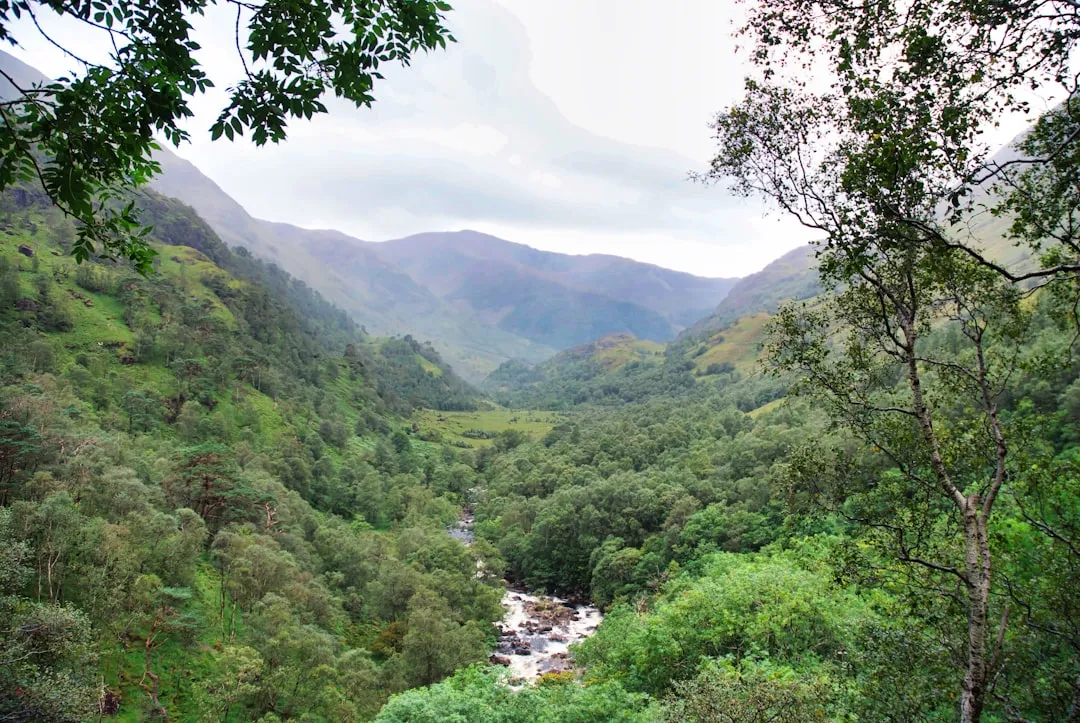
Glenfinnan Viaduct Trail
The Glenfinnan Viaduct Trail offers a unique and accessible walking experience in the heart of the Scottish Highlands, providing breathtaking views of the iconic Glenfinnan Viaduct and the surrounding Loch Shiel. This relatively short but rewarding walk allows visitors to appreciate the engineering marvel of the viaduct, made famous by the Harry Potter film series, and immerse themselves in the dramatic natural beauty of the Great Glen.
- Distance: 5.0 km
- Elevation Gain: 150 m
- Duration: 1-2 hours
- Difficulty: Easy
- Best Time: April-October
- Closest City: Glenfinnan
- Trailhead Access: Nearest airport: Glasgow (GLA). Drive ~2 hours (160.9 km) via A82. Bus service available from Fort William. Parking at Glenfinnan Visitor Centre (small fee). Limited spaces during peak season. No permits needed. Coordinates: 56.87430509, -5.43377368
- Coordinates: 56.8708, -5.4313
Overview
The Glenfinnan Viaduct Trail is a delightful day walk that captures the essence of the Scottish Highlands. It's a journey that combines industrial heritage with stunning natural landscapes, offering a memorable experience for all ages. The trail is primarily a loop, starting and finishing near the Glenfinnan Visitor Centre, and is well-maintained, making it suitable for most fitness levels.
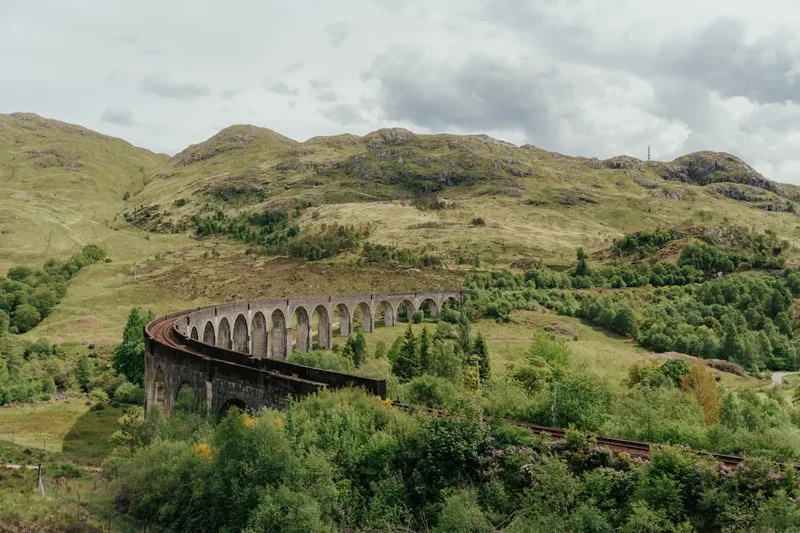
The walk takes you through a mix of woodland and open moorland, with several vantage points offering spectacular perspectives of the Glenfinnan Viaduct. The most famous view, often seen in films, is from the west side of the viaduct, where the curved structure dramatically spans the River Finnan as it flows into Loch Shiel. The trail also provides excellent views of Loch Shiel itself, a historic and beautiful freshwater loch that played a significant role in Scottish history, particularly during the Jacobite uprisings.
The elevation gain is moderate, meaning the walk is not overly strenuous, but it does involve some uphill sections that reward you with increasingly impressive vistas. The path is generally clear, though some sections can be uneven or muddy after rain, so appropriate footwear is recommended. The surrounding landscape is typical of the Highlands, with heather-clad hills, scattered Scots pine trees, and the ever-present, moody beauty of the Scottish weather.
The trail is particularly popular during the summer months when the weather is generally more favourable, and the days are longer. However, even on a grey, misty day, the Glenfinnan Viaduct possesses a dramatic and atmospheric charm. The sound of the wind, the calls of birds, and the sheer scale of the landscape contribute to a truly immersive experience. It's a place where history, engineering, and nature converge, creating a unique and captivating destination.
History and Cultural Context
The Glenfinnan Viaduct is a testament to early 20th-century railway engineering. Constructed between 1897 and 1901 by Sir Robert McAlpine and Sons, it was built as part of the West Highland Line, an ambitious project to connect the remote west coast of Scotland to the national rail network. The viaduct is an impressive 21 arches, each 15 metres (15 m) in diameter, spanning 415 metres (415 m) and standing 30 metres (30 m) above the valley floor. Its construction involved an estimated six million bricks and was a significant feat of engineering for its time, particularly given the challenging terrain and remote location.
The West Highland Line itself is renowned for its scenic beauty, and the Glenfinnan Viaduct is arguably its most iconic feature. The line was electrified in the 1980s, and the viaduct continues to be an active part of the railway network, carrying passenger trains, including the famous Jacobite Steam Train, which operates seasonally and is a major draw for tourists.
The area around Glenfinnan is steeped in history, most notably as the site where Bonnie Prince Charlie raised his standard in 1745, marking the beginning of the Jacobite Rising. The Glenfinnan Monument, a tall stone tower topped with a statue of a Highlander, stands on the shores of Loch Shiel, commemorating this pivotal moment in Scottish history. The visitor centre at Glenfinnan provides excellent context for both the Jacobite history and the construction of the viaduct.
The combination of this rich historical backdrop and the striking modern engineering of the viaduct makes Glenfinnan a place of significant cultural and visual interest. The trail allows visitors to explore this unique intersection of past and present, appreciating the landscape that has witnessed centuries of human endeavour and natural grandeur.
Seasonal Highlights and Weather Reality
The Glenfinnan Viaduct Trail is accessible and enjoyable throughout much of the year, but each season offers a distinct experience.
Spring (April-May): This is a beautiful time to visit as the landscape begins to awaken. New growth appears on the trees, and wildflowers start to bloom. The weather can be variable, with crisp, sunny days interspersed with rain showers. The crowds are generally smaller than in peak summer, offering a more tranquil experience. The Jacobite Steam Train typically begins its seasonal operation in April.
Summer (June-August): This is the most popular time to visit, with the longest daylight hours and the highest chance of warm, sunny weather. The surrounding hills are lush and green. However, this is also the busiest period, and the car park at the visitor centre can fill up quickly, especially when the Jacobite Steam Train is scheduled to cross the viaduct. Sandflies can be present, though generally less of an issue than in more remote, boggy areas.
Autumn (September-October): Autumn brings a spectacular display of colours to the Highland landscape. The trees turn shades of gold, red, and brown, creating a stunning backdrop for the viaduct. The air is often crisp and clear, offering excellent visibility. The crowds begin to thin out after the summer holidays, making it a great time for photography and a more peaceful walk. The Jacobite Steam Train usually finishes its season in October.
Winter (November-March): While the trail remains open, winter presents a different set of challenges and rewards. Snow can cover the landscape, transforming it into a magical winter wonderland. However, days are short, and the weather can be harsh, with strong winds, heavy rain, and potentially snow and ice on the paths. The Jacobite Steam Train does not operate during winter. For those prepared for winter conditions, the solitude and dramatic scenery can be very rewarding, but caution and appropriate gear are essential.
Weather Reality: The Scottish Highlands are known for their unpredictable weather. Visitors should always be prepared for rain, wind, and rapidly changing conditions, regardless of the season. Layers of clothing, waterproofs, and sturdy footwear are highly recommended at any time of year.
Recommended Itinerary
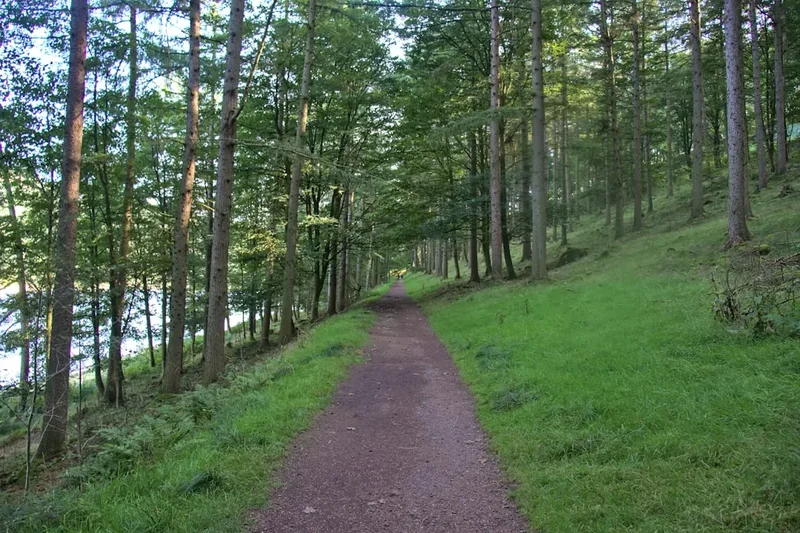
Glenfinnan Viaduct Trail - Day Walk Itinerary
Morning (Approx. 10:00 AM): Arrival and Visitor Centre
- Arrive at the Glenfinnan Visitor Centre.
- Park your vehicle (small fee applies, limited spaces during peak season).
- Visit the visitor centre to learn about the history of the viaduct, the Jacobite Risings, and the local area.
- Check the timetable for the Jacobite Steam Train if you wish to see it cross the viaduct.
- Gather any last-minute supplies or information.
Late Morning (Approx. 11:00 AM): Trailhead and Initial Ascent
- Begin the walk from the designated trailhead near the visitor centre.
- The initial section involves a moderate uphill climb through woodland.
- Follow the well-marked path, paying attention to signage.
- The path is generally clear but can be uneven and potentially muddy after rain.
Midday (Approx. 11:30 AM - 12:30 PM): First Viaduct Viewpoint
- Reach the first primary viewpoint offering excellent views of the Glenfinnan Viaduct from the west side.
- This is the classic perspective often seen in photographs and films.
- Take time to admire the engineering marvel and the surrounding landscape of Loch Shiel.
- If timed correctly, you might witness the Jacobite Steam Train crossing the viaduct – a truly spectacular sight.
- Allow ample time for photography and soaking in the views.
Early Afternoon (Approx. 12:30 PM - 1:30 PM): Loop Continuation and Loch Shiel Views
- Continue along the trail as it forms a loop, heading towards the eastern side of the viaduct.
- The path may involve further gentle ascents and descents through moorland and woodland.
- Enjoy increasingly panoramic views of Loch Shiel and the surrounding glens.
- The trail offers a different perspective of the viaduct from this side, showcasing its scale against the natural environment.
Afternoon (Approx. 1:30 PM - 2:30 PM): Descent and Return to Visitor Centre
- The trail gradually descends back towards the Glenfinnan Visitor Centre.
- The path may become slightly steeper in places during the descent.
- Keep an eye out for local flora and fauna.
- Arrive back at the visitor centre, completing the loop walk.
Optional Extension:
- If time and energy permit, consider a short walk down to the Glenfinnan Monument on the shores of Loch Shiel for a deeper dive into the area's historical significance.
Important Notes:
- Check the Jacobite Steam Train timetable in advance if you wish to see it cross the viaduct.
- Wear sturdy, comfortable walking shoes or boots.
- Be prepared for changeable Scottish weather – waterproofs and layers are essential.
- Carry water and snacks, especially during warmer months.
- Respect the environment and stay on marked paths.
Planning and Bookings
Book Your Trip
Everything you need to plan your journey
Accommodation
Find places to stay near Glenfinnan
Flights
Search flights to Glenfinnan
Essential Preparation
The Glenfinnan Viaduct Trail is a day walk, meaning no overnight accommodation is required. Preparation primarily focuses on understanding the best time to visit, checking transport options, and ensuring you have appropriate gear for the weather. The closest major town with comprehensive services is Fort William, approximately a 30-minute drive east along the A82. Glenfinnan itself has limited facilities, primarily the visitor centre and a small hotel/inn. For those travelling by public transport, buses run regularly from Fort William to Glenfinnan. If arriving by air, Glasgow Airport (GLA) is the nearest major international airport, from which you can hire a car or take a combination of train and bus services to reach Glenfinnan.
Trail Accommodation
This is a day hike requiring no overnight accommodation.
Required Gear
- Footwear: Sturdy walking boots or trail shoes with good grip are essential. The path can be uneven and muddy, especially after rain.
- Clothing: Wear comfortable, moisture-wicking layers. Avoid cotton. A waterproof and windproof jacket is crucial, as the weather in the Highlands can change rapidly. Waterproof overtrousers are also highly recommended.
- Navigation: While the trail is generally well-marked, a map of the area and a compass or GPS device are advisable, especially if you plan to explore beyond the main loop. A mobile phone with a charged battery is useful for emergencies, though signal can be intermittent.
- Safety Gear: A basic first-aid kit including blister plasters, pain relievers, and any personal medications. A whistle for signalling in emergencies.
What to Bring
- Food and Drink: Carry sufficient water for the duration of your walk (at least 1 litre per person). Pack snacks such as energy bars, fruit, or sandwiches. There are limited food options at Glenfinnan.
- Sun Protection: Even on cloudy days, UV rays can be strong. Bring sunscreen, sunglasses, and a hat.
- Insect Repellent: Midges and other biting insects can be prevalent, particularly during warmer months and in damp conditions.
- Backpack: A small daypack (15-25 litres) is sufficient to carry your essentials.
- Camera: To capture the stunning views of the viaduct and the surrounding landscape.
- Binoculars: Optional, for spotting wildlife or observing details of the viaduct.
- Cash: For parking fees, potential purchases at the visitor centre, or local amenities.
Permits
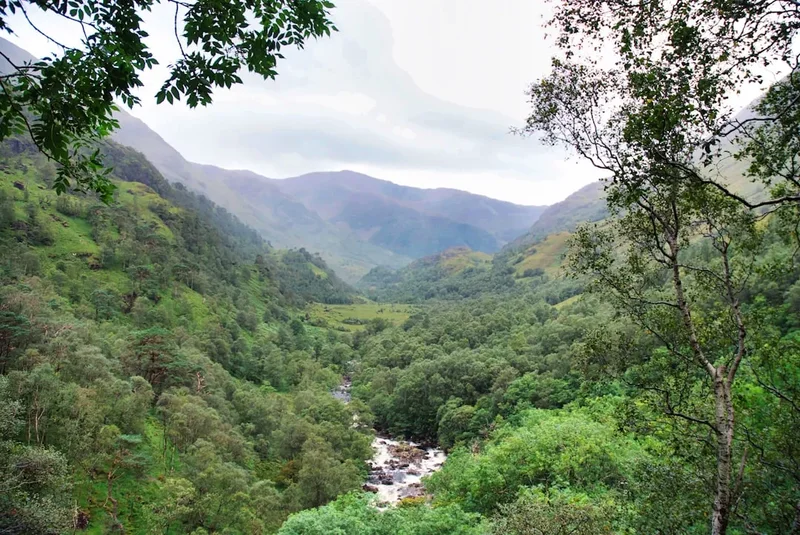
No permits are required to walk the Glenfinnan Viaduct Trail. The trail is part of the public access network in Scotland, and no special permissions are needed for day walkers. Parking at the Glenfinnan Visitor Centre may incur a small fee, which contributes to the upkeep of the facilities and the surrounding area.
Other Activities in the Area
Glenfinnan and its surroundings offer a wealth of activities for visitors:
- Glenfinnan Monument: Visit the iconic monument on the shores of Loch Shiel, commemorating the raising of the Jacobite standard by Bonnie Prince Charlie in 1745. Climb to the top for panoramic views of the loch and surrounding glens.
- Loch Shiel Cruises: Take a boat trip on Loch Shiel to explore its tranquil waters and appreciate the landscape from a different perspective.
- Jacobite Steam Train: If you are a fan of the Harry Potter films, experiencing a journey on the Jacobite Steam Train across the Glenfinnan Viaduct is a must-do. Book tickets well in advance as they sell out quickly.
- Glenfinnan Visitor Centre: Spend time at the visitor centre to gain a deeper understanding of the area's history, culture, and natural environment.
- Walking and Hiking: Beyond the viaduct trail, numerous other walking routes exist in the wider Glenfinnan and Fort William area, ranging from gentle lochside strolls to challenging mountain ascents, including Ben Nevis, the UK's highest peak.
- Mallaig Ferry: Take a short drive to Mallaig and catch a ferry to the Isle of Skye or the Small Isles for a day trip or extended exploration.
- Road to the Isles: Drive the scenic A830, known as the "Road to the Isles," which offers stunning coastal views and access to beautiful beaches like Camusdarach.
Safety and Conditions
Weather Preparedness: The most significant safety consideration for this trail is the unpredictable Highland weather. Always check the local forecast before you set out and be prepared for rain, wind, and temperature drops, even in summer. Carry waterproof clothing and extra layers.
Trail Conditions: The path is generally well-maintained, but sections can become slippery and muddy after rain. Wear appropriate footwear with good grip. Be mindful of uneven terrain and exposed roots.
Midges: During warmer months (late spring to early autumn), midges can be a nuisance, especially at dawn and dusk or in damp, still conditions. Carry a good quality insect repellent containing DEET or Picaridin.
Jacobite Steam Train: If you are visiting to see the train, be aware of its schedule. When the train is approaching or crossing the viaduct, stay well clear of the tracks and any viewing areas that may be close to the railway line. Always adhere to safety signage.
Emergency Contact: Ensure your mobile phone is fully charged. In case of emergency, dial 999 or 112 and ask for the police, then the relevant mountain rescue team if necessary. The Glenfinnan Visitor Centre staff can also provide assistance or contact emergency services.
Respect the Environment: Stay on marked paths to avoid damaging fragile vegetation and to prevent erosion. Take all litter with you.
Side Trips and Points of Interest
Glenfinnan Monument: A short walk from the visitor centre leads to the shores of Loch Shiel and the Glenfinnan Monument. This 18-metre (18 m) tall tower, topped with a statue of a Highlander, commemorates the raising of the Jacobite standard by Bonnie Prince Charlie on 19 August 1745. Visitors can climb to the top for commanding views over Loch Shiel and the surrounding glens, offering a profound connection to Scotland's rich history.
Loch Shiel: The tranquil waters of Loch Shiel, a freshwater loch stretching for 14.5 kilometres (14.5 km), provide a beautiful natural setting. The loch is a designated National Nature Reserve and is important for its birdlife. A boat trip on the loch offers a peaceful way to appreciate the scale of the landscape and the historical significance of the area.
Glenfinnan Station: The operational railway station at Glenfinnan is a point of interest in itself, serving as a stop for the West Highland Line and the departure point for the Jacobite Steam Train. The station building often houses a small museum or exhibition related to the railway's history.
Views of the A830 "Road to the Isles": The drive to and from Glenfinnan along the A830 offers spectacular scenery, including coastal vistas and access to beautiful beaches like Camusdarach, which featured in the film "Local Hero."
Leave No Trace
The Glenfinnan Viaduct Trail, while popular, traverses a landscape of significant natural and historical value. Adhering to Leave No Trace principles ensures that this beautiful area remains pristine for future visitors and protects its delicate ecosystems.
Plan Ahead and Prepare: Familiarise yourself with the trail and local conditions. Check weather forecasts and be prepared for variable conditions. Know the operating times of the Jacobite Steam Train if you wish to see it.
Travel and Camp on Durable Surfaces: Stick to the marked paths. Avoid walking on vegetation, especially in wetter areas, to prevent erosion and damage to plant life. The trail is a day walk, so camping is not applicable here.
Dispose of Waste Properly: Pack out everything you pack in. This includes all food scraps, wrappers, and any other litter. Use the bins provided at the visitor centre if available, but it's always best to carry your waste with you.
Leave What You Find: Do not remove any natural items such as rocks, plants, or historical artefacts. Take only photographs and memories.
Minimise Campfire Impacts: Campfires are not permitted on this trail as it is a day walk and the area is sensitive. Use a portable stove if you need to prepare hot food or drinks.
Respect Wildlife: Observe wildlife from a distance and never feed animals. They have specific dietary needs, and human food can be harmful.
Be Considerate of Other Visitors: Keep noise levels down, especially near the viaduct and residential areas. Yield to other walkers on narrow sections of the path. Allow others to enjoy the experience.