
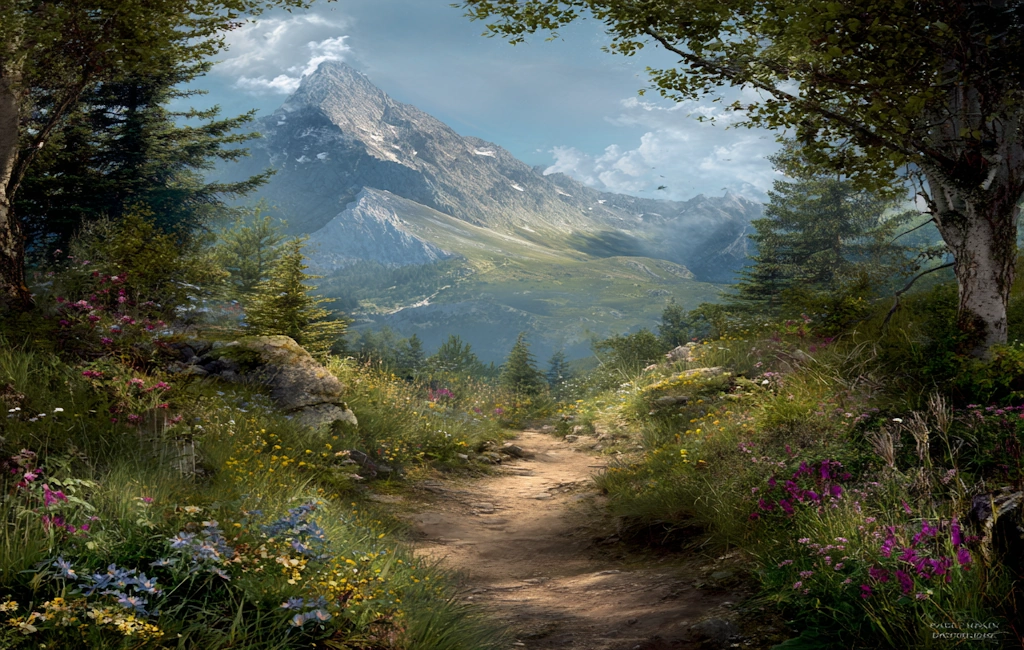
Glen Coe Valley Hike
The Glen Coe Valley Hike is a challenging mountain track located in the heart of the Scottish Highlands, renowned for its dramatic scenery and rich history. This route offers a compelling journey through one of Scotland's most iconic glens, a landscape shaped by ancient geological forces and steeped in tales of clan rivalries and natural beauty. The hike provides a profound connection to the wild, untamed spirit of the Highlands, with towering peaks, cascading waterfalls, and vast, open moorland. It is a walk that demands respect for the elements and rewards the intrepid with unparalleled vistas and a deep sense of accomplishment. This is not merely a walk; it is an immersion into the raw, elemental power of the Scottish landscape.
- Distance: 13.0 km
- Elevation Gain: 700 m
- Duration: 4-5 hours
- Difficulty: Challenging
- Best Time: April–October
- Closest City: Glencoe Village
- Trailhead Access: Nearest airport: Glasgow (GLA). Take a bus (Citylink) to Glencoe Village. Driving: A82 to Glencoe. Road conditions are generally good. Parking available at the trailhead (limited). GPS: 56.6824, -5.1027. No permits are needed.
Overview
The Glen Coe Valley Hike is a quintessential Highland experience, offering a challenging yet immensely rewarding trek through a landscape of unparalleled grandeur. This route is a testament to the raw power of nature, with the valley floor carved by glaciers and the surrounding mountains, including the majestic Three Sisters, standing as silent sentinels of time. The hike begins with a steady ascent, gradually revealing the scale and drama of the glen. As you climb, the views expand, showcasing the rugged peaks, the winding A82 road below, and the vast expanse of moorland stretching towards the horizon. The air is crisp and clean, carrying the scent of heather and damp earth, a true sensory immersion into the Scottish wilderness.
The geology of Glen Coe is a story written in stone. Formed by volcanic activity and shaped by ice ages, the glen's distinctive U-shape and towering, often sheer-sided mountains are a direct result of glacial erosion. This dramatic topography creates a unique microclimate, where weather can change with astonishing speed. Sunshine can give way to mist and rain in a matter of minutes, transforming the landscape and adding an element of adventure to the trek. The challenge of the hike lies not only in its elevation gain but also in its exposure to the elements, requiring careful preparation and a respect for the mountain environment.
This is a walk that appeals to those seeking a genuine connection with nature, a physical challenge, and a glimpse into Scotland's wild heart. The sense of solitude and the sheer scale of the landscape are profound. Even with the nearby road, the higher reaches of the trail offer a feeling of remoteness, allowing for quiet contemplation and an appreciation of the natural world's enduring beauty. The Glen Coe Valley Hike is an unforgettable journey into one of Scotland's most celebrated and awe-inspiring glens.
History and Cultural Context
Glen Coe is a place where history is etched into the very landscape. Its name, derived from the Gaelic 'Gleann Comhann', is thought to mean 'Valley of the River Coe'. The glen has been inhabited for millennia, with evidence of Mesolithic settlements found in the surrounding areas. However, it is the events of the late 17th century that have most profoundly shaped its historical narrative.
The infamous Massacre of Glen Coe in 1692 remains a dark stain on Scottish history. Following the Jacobite uprising, the MacDonald clan of Glen Coe was accused of failing to pledge allegiance to King William III in time. A detachment of government troops, led by Captain Robert Campbell of Glenlyon, was billeted with the MacDonalds, receiving their hospitality for nearly two weeks. Under the guise of friendship, the soldiers then turned on their hosts, murdering 38 MacDonald men, women, and children in their beds. Many others died from exposure after fleeing into the harsh winter landscape. This act of treachery, known as 'Cumhachd nan Caorach' (the Power of the Sheep), has left an indelible mark on the glen's identity, serving as a stark reminder of the brutal political machinations of the era.
Beyond the massacre, Glen Coe has been a significant route for travellers and drovers for centuries, connecting the west coast with the central Highlands. The construction of the A82 road through the glen in the 19th century opened it up to a wider audience, transforming it into a destination for artists, writers, and adventurers. The dramatic scenery has inspired countless works of art, literature, and film, cementing its status as a place of national and international importance. Today, the glen is managed by the National Trust for Scotland, which works to preserve its natural beauty and historical significance, ensuring that its stories continue to be told and its landscapes protected.
Seasonal Highlights and Weather Reality
The Glen Coe Valley Hike is accessible for much of the year, but the experience varies significantly with the seasons. The best time to undertake this challenging trek is generally between April and October, when daylight hours are longer and the risk of severe winter conditions is lower.
Spring (April–May): This period offers a sense of renewal. Snowmelt can create spectacular waterfalls, and the first hints of green begin to appear on the hillsides. However, early spring can still bring unpredictable weather, including late snowfalls and icy conditions, particularly at higher elevations. The air is often crisp and clear, offering excellent visibility.
Summer (June–August): Summer provides the longest daylight hours, allowing for more leisurely exploration and ample time to enjoy the views. The landscape is at its most vibrant, with heather often in bloom, painting the hillsides in shades of purple. However, summer also brings the highest number of visitors and the potential for midges—tiny biting insects that can be a significant nuisance, especially during calm, humid conditions at dawn and dusk. Weather can still be highly variable, with heavy rain showers a common occurrence.
Autumn (September–October): Autumn is a visually stunning time to hike in Glen Coe. The hillsides are ablaze with autumnal colours, creating a breathtaking spectacle of reds, golds, and browns. The air is often clear and cool, and the midge population typically declines. However, daylight hours shorten, and the risk of early winter weather, including snow and frost, increases as the season progresses. This is a favourite time for photographers and those seeking dramatic, moody landscapes.
Winter (November–March): While the glen is accessible, hiking in winter requires advanced mountaineering skills, appropriate equipment (ice axe, crampons), and a thorough understanding of avalanche risks. Snow can cover the trails, and temperatures can plummet. The landscape takes on a stark, ethereal beauty, but conditions are challenging and potentially dangerous for the unprepared. This season is best suited for experienced winter climbers and mountaineers.
Regardless of the season, always be prepared for rapid weather changes. Glen Coe is notorious for its changeable conditions, and it is not uncommon to experience sunshine, rain, mist, and wind all within a single day.
Recommended Itinerary
Glen Coe Valley Hike - Day Itinerary
Early Morning: Arrival and Trailhead Preparation
- Arrive at the designated trailhead parking area near the A82 in Glen Coe.
- GPS coordinates: 56.6824, -5.1027.
- Ensure you have all necessary gear organised and readily accessible.
- Check weather conditions and any local advisories.
- Allow time for a final check of footwear and clothing layers.
Morning: Ascent into the Glen
- Begin the hike, heading eastwards into the Glen Coe Valley.
- The initial section involves a steady, sometimes steep, climb.
- Follow the marked path, which may be rough and rocky in places.
- Gain elevation gradually, allowing your body to acclimatise to the ascent.
- Observe the changing vegetation and the expanding views of the surrounding mountains.
- Key waypoints will include distinct rock formations and potentially small streams.
Midday: Reaching Higher Ground and Panoramic Views
- Continue the ascent towards the higher reaches of the glen.
- The terrain may become more exposed, with wider vistas opening up.
- Take breaks to appreciate the scale of the landscape, including the iconic Three Sisters peaks.
- The path may involve navigating scree slopes or rocky outcrops.
- This is an excellent point for a packed lunch, offering stunning panoramic views.
- Be mindful of wind conditions at these higher elevations.
Afternoon: Descent and Return to Trailhead
- Begin the descent back towards the trailhead.
- The descent can be as challenging as the ascent, requiring careful footing.
- Pay attention to the path, which may be steep and uneven.
- Continue to enjoy the evolving perspectives of the glen as you lose elevation.
- The final section will lead you back to the parking area.
- Allow ample time for the descent to avoid rushing.
Important Notes:
- This is a challenging day hike; ensure you have adequate fitness.
- Weather can change rapidly; always carry waterproofs and warm layers.
- Carry sufficient water and high-energy snacks.
- Navigation skills are essential, especially in poor visibility.
- Inform someone of your hiking plans and expected return time.
- Respect the environment and follow Leave No Trace principles.
Planning and Bookings
Book Your Trip
Everything you need to plan your journey
Accommodation
Find places to stay near Glencoe Village
Flights
Search flights to Glencoe Village
Essential Preparation
The Glen Coe Valley Hike is a demanding trek that requires thorough preparation. Before embarking on this journey, it is crucial to assess your fitness levels. The 700 metres of elevation gain over 13 kilometres means this is not a casual stroll; it requires good cardiovascular health and strong leg muscles. Ensure you are comfortable with sustained uphill and downhill walking on uneven terrain.
Logistics for accessing Glen Coe are relatively straightforward. The nearest major airport is Glasgow (GLA), from which you can take a Citylink bus service directly to Glencoe Village. If driving, the A82 trunk road passes directly through the glen, offering excellent access. Road conditions are generally well-maintained, but drivers should be aware of potential winter hazards like ice and snow. Parking is available at designated trailheads, but spaces can be limited, especially during peak season, so arriving early is advisable. Glencoe Village itself offers a range of accommodation options, from budget hostels to comfortable hotels, and serves as a convenient base for exploring the wider area.
Trail Accommodation
This is a day hike requiring no overnight accommodation.
Required Gear
- Sturdy hiking boots: Waterproof and with good ankle support are essential for navigating the uneven and potentially wet terrain. Ensure they are well broken-in to prevent blisters.
- Waterproof jacket and trousers: The weather in Glen Coe can change dramatically and quickly. High-quality waterproofs with taped seams are non-negotiable.
- Warm layers: Including a fleece or insulated jacket, and a woolly hat and gloves. Even in summer, temperatures at higher elevations can be cool, and wind chill can be significant.
- Backpack: A comfortable daypack (20-30 litres) to carry your essentials.
- Navigation tools: A map of the area (Ordnance Survey Explorer Map OL39 is recommended), a compass, and ideally a GPS device or smartphone with offline mapping capabilities. Knowledge of how to use them is vital.
- Head torch: With spare batteries, in case your hike is unexpectedly extended into darkness.
- First-aid kit: Including blister plasters, pain relievers, antiseptic wipes, and any personal medications.
- Sun protection: Sunscreen, sunglasses, and a hat, even on cloudy days, as UV rays can be strong at higher altitudes.
What to Bring
- Food: High-energy snacks such as energy bars, nuts, dried fruit, and sandwiches. Pack more than you think you will need.
- Water: At least 1.5-2 litres of water per person. Water sources may be available, but purification tablets or a filter are recommended if you plan to refill from streams.
- Toiletries: Hand sanitiser, biodegradable wet wipes, and any personal hygiene items.
- Mobile phone: Fully charged, for emergency use (note that mobile signal can be intermittent in the glen).
- Emergency shelter: A lightweight emergency bivvy bag or foil blanket can be a lifesaver in an unexpected situation.
- Whistle: For signalling in an emergency.
- Trekking poles: Optional, but can be very helpful for stability on ascents and descents, and for reducing strain on knees.
Permits
No specific permits are required to hike the Glen Coe Valley trail. The land is largely accessible, and the route is part of the public right of way and open mountain access. However, it is essential to be aware of the Scottish Outdoor Access Code, which grants responsible access to the countryside. This code emphasizes the importance of respecting the environment, local communities, and other users of the land.
While no booking system or fee is in place, responsible behaviour is paramount. This includes:
- Respecting the environment: Adhering to Leave No Trace principles, staying on marked paths where they exist, and avoiding damage to vegetation.
- Respecting landowners: Being mindful of livestock and private property.
- Respecting other users: Sharing the path and being considerate of others.
The absence of a permit system means that the glen can be busy, especially during peak season. It is advisable to start your hike early in the day to avoid the largest crowds and to ensure you have ample time to complete the route safely.
Other Activities in the Area
Glen Coe and its surroundings offer a wealth of activities for visitors looking to extend their stay or explore beyond the valley hike:
- Climbing and Mountaineering: Glen Coe is a world-renowned centre for climbing, with routes ranging from beginner scrambles to challenging multi-pitch rock and ice climbs. The Buachaille Etive Mòr and the Bidean nam Bian massif offer some of the most iconic climbing experiences in Scotland.
- Photography: The dramatic landscapes of Glen Coe are a photographer's dream. Sunrise and sunset often cast spectacular light across the glen, and the ever-changing weather provides endless opportunities for dramatic shots.
- Visiting the Glencoe Visitor Centre: Operated by the National Trust for Scotland, the visitor centre provides excellent information on the glen's history, geology, wildlife, and walking routes. It's a great place to start your visit and get up-to-date information on conditions.
- Exploring nearby Glens: Discover the beauty of neighbouring glens such as Glen Etive, famous for its scenic drive and appearance in the James Bond film 'Skyfall', or Glen Nevis, home to Ben Nevis, the UK's highest mountain.
- Wildlife Spotting: Keep an eye out for red deer, golden eagles, and various bird species that inhabit the glen.
- Historical Sites: Visit the site of the Massacre of Glen Coe to learn more about this pivotal event in Scottish history.
- Scenic Drives: The A82 itself is a spectacular drive, but venturing onto smaller single-track roads like the one into Glen Etive offers even more breathtaking scenery.
Safety and Conditions
Pre-Departure Checks:
- Weather Forecast: Always check the latest mountain weather forecast for Glen Coe from reliable sources such as the Met Office or MWIS (Mountain Weather Information Service). Be prepared for rapid changes.
- Trail Conditions: While this is a popular route, conditions can vary. Check local information sources or the Glencoe Visitor Centre for any specific alerts or hazards.
- Road Conditions: If driving, check the Waka Kotahi (NZ Transport Agency) equivalent for Scotland, Traffic Scotland, for any road closures or disruptions on the A82, especially during winter months.
General Safety Advice:
- Fitness: Ensure you are physically fit enough for a challenging hike with significant elevation gain.
- Navigation: Carry a map and compass and know how to use them. Do not rely solely on mobile phone GPS, as signal can be unreliable and batteries can drain quickly.
- Daylight Hours: Be mindful of the time of year and the available daylight. Start your hike early to ensure you have plenty of time to complete it before dusk.
- Water and Food: Carry sufficient water and high-energy food. Dehydration and low blood sugar can lead to poor decision-making and fatigue.
- Hypothermia: The risk of hypothermia is present even in summer due to wind and rain. Always carry warm, waterproof layers and change out of wet clothing as soon as possible.
- Emergency Procedures: Know how to contact emergency services (999 or 112 in the UK). Inform someone of your hiking plans, including your intended route and expected return time.
- Respect the Environment: Be aware of the potential for loose scree, slippery rocks, and boggy ground.
Specific Hazards for Glen Coe:
- Weather: Glen Coe is notorious for its unpredictable and severe weather. Mist can descend rapidly, reducing visibility to near zero, and strong winds can make progress difficult and dangerous.
- Terrain: The trail can be steep, rocky, and boggy. Proper footwear and careful footing are essential.
- Livestock: You may encounter sheep or Highland cattle on the trails. Keep a safe distance and do not disturb them.
- Winter Conditions: From late autumn to early spring, snow and ice can make the route treacherous, requiring specialist winter mountaineering equipment and skills.
Side Trips and Points of Interest
The Three Sisters of Glen Coe: While not a side trip in the traditional sense, these iconic peaks—Beinn Fhada, Gearr Aonach, and Aonach Dubh—are the defining feature of the glen. Their dramatic, imposing presence dominates the landscape and offers countless photographic opportunities from various viewpoints along the trail.
Buachaille Etive Mòr: This majestic pyramid-shaped mountain stands at the entrance to Glen Coe and is one of Scotland's most photographed peaks. While a full ascent is a serious undertaking, its imposing presence can be admired from many points along the valley floor and the hiking route.
The Meeting of Three Waters: Located near the start of the hike, this is where several streams converge. It's a picturesque spot and a good place to pause and observe the flow of water through the glen, which is a constant feature of the landscape.
Historical Markers: Keep an eye out for any historical markers or information boards that may be present, particularly those relating to the Massacre of Glen Coe or the old drovers' routes. These provide valuable context to the glen's rich past.
Hidden Waterfalls: After periods of rain, numerous smaller, temporary waterfalls can be seen cascading down the steep slopes of the glen. These add to the dynamic beauty of the landscape and are often a delightful surprise.
Leave No Trace
The Glen Coe Valley Hike traverses a landscape of exceptional natural beauty and historical significance. To preserve this environment for future generations, it is imperative that all visitors adhere to the principles of Leave No Trace.
Your responsibility as a walker:
- Pack it in, pack it out: Take all your litter with you, including food scraps, wrappers, and any other waste. Do not bury or burn rubbish.
- Stay on the path: Where a defined path exists, stick to it. This prevents erosion and protects fragile vegetation, especially in boggy or sensitive areas.
- Respect wildlife: Observe animals from a distance and do not feed them. Feeding wildlife can harm their health and alter their natural behaviour.
- Dispose of waste properly: Use designated toilet facilities where available. If wild camping or in areas without facilities, dig a cathole at least 70 metres away from water sources, trails, and campsites. Pack out all toilet paper.
- Leave what you find: Do not take rocks, plants, or any other natural or historical items from the glen.
- Minimise campfire impacts: Campfires are generally discouraged in popular areas and can cause lasting damage. If you must have a fire, use a portable stove and ensure it is completely extinguished.
- Be considerate of others: Keep noise levels down and respect the peace and tranquillity of the glen.
By following these guidelines, you help to ensure that Glen Coe remains a wild and beautiful place for everyone to enjoy.