
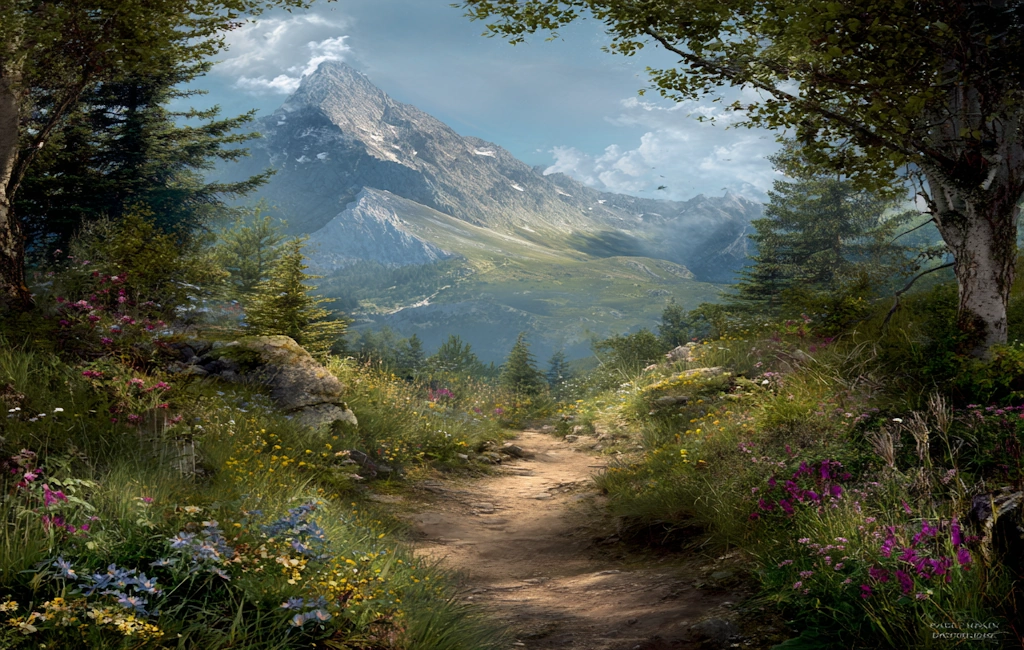
Gillespie Pass Circuit - Fiordland's Rugged Heart
The Gillespie Pass Circuit is a challenging multi-day tramp in the heart of Fiordland National Park, New Zealand. This demanding route offers a true wilderness experience, traversing remote valleys, alpine passes, and dense beech forests. It is a journey for experienced trampers seeking solitude and spectacular, untamed landscapes far from the well-trodden paths. The circuit is renowned for its rugged beauty, steep ascents, and the raw, powerful nature of Fiordland.
- Distance: 58.0 km
- Elevation Gain: 2200 m
- Duration: 3-4 days
- Difficulty: Challenging
- Best Time: November to April
- Closest City: Wanaka
- Trailhead Access: Nearest airport: Queenstown (ZQN). Drive to Wanaka, then to Raspberry Creek Carpark via Wanaka-Mount Aspiring Road (gravel). Car essential. Drive time from Wanaka: ~1 hour. Parking available. Check road conditions before departure. No permits required for the track itself, but booking is essential for huts/campsites.
- Coordinates: -44.2500, 169.0833
Overview
The Gillespie Pass Circuit is a true test of endurance and navigation, rewarding those who undertake it with unparalleled immersion in Fiordland's wild grandeur. Unlike the more manicured Great Walks, this circuit demands self-sufficiency and a high level of fitness. The route typically begins at the Raspberry Creek Carpark, following the Makarora River valley before ascending steeply towards Gillespie Pass. The descent into the Young Valley is equally challenging, leading to the remote Young Hut. The final leg involves traversing the Young Valley and then climbing over Crucible Pass to reach the Wilkin Valley and eventually the Blue Pools Carpark, completing the loop.
This circuit is characterised by its dramatic elevation changes. The climbs to Gillespie Pass and Crucible Pass are significant, often involving scree slopes and exposed alpine terrain. The valleys, while beautiful, are often dense with beech forest and can be boggy underfoot. The weather in Fiordland is notoriously unpredictable, with rapid changes from sunshine to heavy rain, snow, and strong winds, even in summer. This necessitates careful planning and robust gear.
The Gillespie Pass Circuit is not for the faint-hearted. It requires a good level of fitness, strong navigation skills (including map and compass use), and the ability to cope with remote conditions. However, for those who are well-prepared, the rewards are immense: vast, sweeping mountain vistas, the profound silence of untouched wilderness, and the satisfaction of completing a truly epic Fiordland adventure.
History and Cultural Context
The area surrounding the Gillespie Pass Circuit has a rich history, deeply intertwined with the Māori people and early European explorers and settlers. For centuries, Māori, particularly Ngāi Tahu, traversed these rugged landscapes, utilising the valleys and passes as routes for hunting, gathering, and accessing resources. The valleys of the Makarora, Young, Wilkin, and Siberia offer a glimpse into the traditional territories and travel networks of the region's indigenous inhabitants.
European exploration in the late 19th and early 20th centuries began to map and document these remote areas. The development of tracks and huts in Fiordland was often driven by the desire to access resources, facilitate travel, or simply to explore the challenging terrain. The Gillespie Pass Circuit, while not a formal "Great Walk," has been a route for experienced trampers and hunters for many decades, gradually becoming more defined through use and the establishment of basic huts.
The establishment of Fiordland National Park in 1952, and its subsequent inclusion in the Te Wāhipounamu South West New Zealand World Heritage Area in 1990, underscored the immense natural and cultural significance of this region. The Gillespie Pass Circuit, by its very nature, remains a wild and relatively undeveloped area, preserving the raw character of Fiordland's backcountry. Its history is one of gradual human interaction with a powerful natural environment, a story that continues to unfold with each tramper who ventures into its depths.
Seasonal Highlights and Weather Reality
The Gillespie Pass Circuit is best tackled during the warmer months, from November to April. This period offers the highest chance of favourable weather, though "favourable" in Fiordland is a relative term.
Summer (December to February): Days are longest, and temperatures are generally milder. However, this is also the peak season for sandflies, which can be a significant nuisance. Snow may linger on the higher passes early in the season, and sudden storms are always a possibility. The Makarora and Wilkin rivers can be high and fast-flowing, especially after rain.
Shoulder Seasons (November and March-April): These months can offer a good balance of fewer sandflies and potentially more stable weather. However, the risk of snow on the passes increases, particularly in November and April. Daylight hours are shorter than in mid-summer.
Winter (May to October): The circuit is generally considered impassable and extremely dangerous for recreational trampers during winter. Heavy snowfalls, ice, avalanche risk, and extremely cold temperatures make this period suitable only for highly experienced mountaineers with specialised winter equipment and skills. Huts may be inaccessible or have minimal facilities.
Weather: Fiordland is renowned for its extreme and rapidly changing weather. Expect rain, wind, and cold temperatures at any time of year, even on seemingly clear days. Snow can fall at higher elevations even in summer. Always check the forecast before you go and be prepared for all conditions.
Recommended Itinerary
3-4 Day Gillespie Pass Circuit Itinerary
Day 1: Raspberry Creek Carpark to Gillespie Pass Hut (or Camp)
- Distance: ~16 km
- Elevation Gain: ~1200 m
- Time: 6–8 hours
- Start at Raspberry Creek Carpark.
- Follow the Makarora River valley track.
- The track gradually ascends through beech forest.
- Cross the Makarora River via a swing bridge.
- Begin the steep, sustained climb towards Gillespie Pass. This section can be challenging with loose scree and exposed alpine terrain.
- Arrive at Gillespie Pass Hut (basic, 6 bunks) or designated camping areas near the pass.
- Spectacular views from the pass if weather permits.
Day 2: Gillespie Pass Hut to Young Hut
- Distance: ~14 km
- Elevation Loss: ~1000 m
- Time: 5–7 hours
- Descend from Gillespie Pass into the Young Valley. This descent is steep and can be challenging, often involving scree and tussock.
- The track follows the Young River through dense beech forest and open tussock flats.
- The valley floor can be boggy in places.
- Arrive at Young Hut (basic, 6 bunks) or designated camping areas.
- This is a remote and wild valley.
Day 3: Young Hut to Crucible Basin Camp (or Siberia Hut)
- Distance: ~10 km
- Elevation Gain: ~700 m
- Time: 4–6 hours
- Follow the Young Valley downstream.
- Cross the Young River (may require wading or using a temporary bridge depending on conditions).
- Ascend towards Crucible Pass. This is another significant climb, often on scree and tussock.
- Arrive at Crucible Basin Camp (designated camping area) or continue to Siberia Hut (basic, 6 bunks) if continuing further.
- The views from Crucible Pass are expansive.
Day 4: Crucible Basin Camp (or Siberia Hut) to Blue Pools Carpark
- Distance: ~18 km
- Elevation Loss: ~1000 m
- Time: 6–8 hours
- Descend from Crucible Pass into the Wilkin Valley.
- Follow the Wilkin River downstream.
- The track can be rough and overgrown in sections.
- Cross the Wilkin River via a swing bridge.
- Continue through beech forest and open river flats.
- Arrive at the Blue Pools Carpark, completing the circuit.
- Note: This is a long day and can be extended to 5 days by spending an extra night in the Wilkin Valley or at Siberia Hut.
Alternative Itinerary (5 Days):
- Day 1: Raspberry Creek Carpark to Gillespie Pass Hut
- Day 2: Gillespie Pass Hut to Young Hut
- Day 3: Young Hut to Siberia Hut (via Crucible Pass)
- Day 4: Siberia Hut to Wilkin Valley Camp (or further down Wilkin Valley)
- Day 5: Wilkin Valley Camp to Blue Pools Carpark
Important Notes:
- Huts are basic and must be booked in advance via DOC.
- Camping is permitted in designated areas near huts or in suitable locations away from the track.
- River crossings can be hazardous, especially after rain. Assess conditions carefully.
- Navigation skills are essential. Carry a map, compass, and GPS device, and know how to use them.
- Weather can change rapidly. Be prepared for all conditions.
- Sandflies can be intense, especially in summer. Bring strong repellent.
Planning and Bookings
Book Your Trip
Everything you need to plan your journey
Accommodation
Find places to stay near Wanaka
Flights
Search flights to Wanaka
Essential Preparation
The Gillespie Pass Circuit is a serious backcountry undertaking. Thorough preparation is paramount. This includes assessing your fitness level, ensuring you have the necessary navigation skills, and gathering appropriate gear. Given the remoteness, self-sufficiency is key. You will need to carry all your food, shelter (if camping), and safety equipment. Inform someone of your detailed itinerary and expected return time. The nearest major town with comprehensive services is Wanaka. From Wanaka, it's approximately a one-hour drive along the scenic but unsealed Wanaka-Mount Aspiring Road to the Raspberry Creek Carpark, the start and end point of the circuit. Ensure your vehicle is suitable for gravel roads and check road conditions before departing, as they can be affected by weather.
Trail Accommodation
The Gillespie Pass Circuit features basic Department of Conservation (DOC) huts and designated camping areas. These facilities are designed for backcountry use and are not luxurious.
Huts:
- Gillespie Pass Hut: Basic, 6 bunks. Located near Gillespie Pass.
- Young Hut: Basic, 6 bunks. Located in the Young Valley.
- Siberia Hut: Basic, 6 bunks. Located in the Wilkin Valley, accessible from Crucible Pass.
Hut Facilities:
- Bunk beds with mattresses (bring your own sleeping bag).
- A wood burner (bring your own firewood or be prepared to gather deadfall where permitted).
- A table and benches.
- Composting toilets nearby.
What Huts Don't Provide:
- Food, cooking equipment, or fuel.
- Water treatment facilities (stream water is available but should be treated).
- Heating beyond the wood burner.
- Electricity or charging facilities.
- Any form of communication.
Camping:
- Designated camping areas are available near the huts.
- Camping is also permitted in suitable locations away from the track and huts, following Leave No Trace principles.
- Ensure you have a reliable tent and sleeping system if camping.
Booking Requirements:
- Huts must be booked in advance through the DOC booking system.
- During peak season (typically November to April), booking is highly recommended due to limited capacity.
- Costs are generally NZ$15 per person per night for huts.
- Camping is usually free but check DOC guidelines.
Required Gear
- Sturdy Tramping Boots: Waterproof, well broken-in, with good ankle support.
- Waterproof Jacket and Overtrousers: Essential for Fiordland's unpredictable weather. Gore-Tex or similar is recommended.
- Warm Layers: Merino wool or synthetic base layers, fleece or down mid-layers, warm hat, and gloves.
- Sleeping Bag: A 3-season bag rated to at least 0°C is advisable, even in summer.
- Tramping Pack: 50-65 litre capacity, with a rain cover.
- Navigation Tools: Topographic map of the area, compass, and a GPS device or smartphone with offline mapping capabilities. Know how to use them.
- First-Aid Kit: Comprehensive kit including blister treatment, pain relief, bandages, antiseptic wipes, and any personal medications.
- Head Torch: With spare batteries.
- Sun Protection: Sunscreen, sunglasses, and a wide-brimmed hat.
- Insect Repellent: High DEET concentration (50%+) for sandflies.
- Trekking Poles: Highly recommended for steep ascents and descents, and river crossings.
What to Bring
- Food: Sufficient for the duration of your trip, plus an extra day's supply for emergencies. Lightweight, high-energy meals are ideal.
- Water Treatment: Water filter, purification tablets, or a UV steriliser.
- Cooking Gear: Lightweight stove, fuel, pot, utensils, mug, plate/bowl.
- Toiletries: Biodegradable soap, toothbrush, toothpaste, toilet paper, hand sanitiser.
- Emergency Shelter: Lightweight emergency blanket or bivvy bag.
- Repair Kit: Duct tape, cordage, safety pins, needle and thread.
- Personal Locator Beacon (PLB): Highly recommended for remote backcountry travel.
- Cash: For any potential services or donations.
- Book or Journal: For downtime in huts.
Permits
For the Gillespie Pass Circuit, the primary requirement is booking accommodation in the DOC huts. While the track itself does not require a specific permit for access, all overnight stays in the huts must be pre-booked through the Department of Conservation's online system. This is essential, especially during the peak season (November to April), as hut capacity is limited.
Booking Huts:
- Visit the official Department of Conservation (DOC) website.
- Navigate to the Fiordland National Park section and search for the Gillespie Pass Circuit or individual huts (Gillespie Pass Hut, Young Hut, Siberia Hut).
- Select your desired dates and number of people.
- Payment is required at the time of booking.
- It is advisable to book as far in advance as possible, particularly for popular periods.
Camping:
- Camping is permitted in designated areas near the huts.
- In some locations, dispersed camping may be allowed following Leave No Trace principles. Always check current DOC regulations for specific areas.
- There is generally no fee for camping, but always confirm this on the DOC website.
Other Considerations:
- Wanaka-Mount Aspiring Road: While no permit is needed to drive this road, it is unsealed and can be rough. Check road conditions with DOC or local authorities before your trip, especially after heavy rain.
- Personal Locator Beacon (PLB): While not a permit, carrying a PLB is strongly advised for safety in this remote area. They can be hired from various outdoor stores in Queenstown or Wanaka.
Costs:
- Hut fees are typically NZ$15 per person per night.
- Camping fees are generally free, but always verify on the DOC website.
Other Activities in the Area
The region surrounding the Gillespie Pass Circuit offers a wealth of outdoor activities for those looking to extend their stay or explore beyond the tramp itself:
- Siberia Experience: A popular option involves a scenic flight into the Siberia Valley, followed by a tramp down the Wilkin River to meet a jet boat for a thrilling ride out. This can be combined with parts of the Gillespie Pass Circuit or done as a standalone day trip.
- Jet Boating on the Makarora or Wilkin Rivers: Experience the thrill of high-speed jet boating through braided river systems, offering a unique perspective of the Fiordland landscape.
- Hiking in the Wilkin Valley: Explore further up the Wilkin Valley beyond the circuit, with options for day hikes or multi-day trips into more remote areas.
- Blue Pools Walk: A short, easy walk from the Blue Pools Carpark to a stunningly clear pool with vibrant blue water, fed by the Makarora River. This is a popular spot and can be very busy.
- Lake Wanaka Activities: Base yourself in Wanaka for a range of activities including kayaking, paddleboarding, swimming, fishing, and exploring the town's vibrant café and restaurant scene.
- Mount Aspiring National Park: The circuit is located within this national park, offering numerous other hiking and climbing opportunities for those with the time and experience.
Safety and Conditions
Pre-Trip Checks:
- Weather Forecast: Always check the latest MetService forecast for the Haast Pass/Wanaka region and Fiordland. Be aware that mountain forecasts can change rapidly.
- DOC Alerts: Visit the Department of Conservation (DOC) website for any track alerts, closures, or warnings specific to the Gillespie Pass Circuit, Makarora Valley, Young Valley, or Wilkin Valley.
- Road Conditions: Check the status of the Wanaka-Mount Aspiring Road. It is unsealed and can be affected by weather, especially in winter and spring.
- River Conditions: Monitor river levels if possible, especially for the Makarora, Young, and Wilkin Rivers. Heavy rain can make crossings dangerous or impossible.
Key Hazards:
- River Crossings: The Makarora, Young, and Wilkin Rivers can be fast-flowing and deep, particularly after rain. Assess each crossing carefully. If in doubt, do not cross. Consider alternative routes or waiting for conditions to improve.
- Steep and Exposed Terrain: The ascents and descents to Gillespie Pass and Crucible Pass involve steep scree, tussock, and potentially loose rock. Proper footwear, trekking poles, and careful foot placement are crucial.
- Unpredictable Weather: Fiordland is notorious for its rapidly changing weather. Be prepared for rain, wind, cold temperatures, and even snow at higher elevations, regardless of the season. Hypothermia is a real risk.
- Navigation: While the track is generally marked, it can be faint in places, especially on alpine sections and in poor visibility. Strong map and compass skills are essential. A GPS device or reliable offline mapping app is highly recommended.
- Sandflies: These biting insects are prevalent, especially during warmer months. Use strong repellent and cover exposed skin.
- Remoteness: This is a remote backcountry trip. Help may be hours or days away. Ensure you are self-sufficient and carry a Personal Locator Beacon (PLB).
Safety Recommendations:
- Inform Someone: Leave a detailed itinerary with a trusted person, including your expected return time.
- Travel in Groups: If possible, tramp with at least one other person.
- Carry a PLB: Essential for emergency communication in remote areas.
- Be Prepared to Turn Back: Do not take unnecessary risks. If conditions deteriorate or you are unsure about a crossing or section of track, it is always better to turn back and try another day.
- Respect the Environment: Follow Leave No Trace principles to minimise your impact.
Side Trips and Points of Interest
Siberia Valley: While part of the circuit, the Siberia Valley itself is a significant point of interest. The dramatic U-shaped valley, carved by glaciers, offers stunning alpine scenery. The option to fly in and walk out (or vice versa) makes it accessible for a shorter experience, but walking through it as part of the circuit provides a deeper immersion.
Crucible Pass Views: The summit of Crucible Pass offers expansive panoramic views across the Wilkin Valley and surrounding peaks. On a clear day, this is a spectacular vantage point to appreciate the vastness of Fiordland's alpine landscape.
Young River and Valley: The journey through the Young Valley is a classic Fiordland experience. The river, often braided and fast-flowing, carves its way through dense beech forest and open tussock flats. The remoteness and wildness of this valley are palpable.
Blue Pools: Located near the end of the circuit, the Blue Pools are a popular short walk. The crystal-clear, turquoise water is a striking contrast to the often-muddy rivers of the backcountry. It's a beautiful, easily accessible natural wonder.
Makarora River Valley: The initial section of the tramp follows the Makarora River. The valley is wide and scenic, offering glimpses of the rugged mountains that define the region.
Leave No Trace
The Gillespie Pass Circuit traverses a pristine wilderness area within Fiordland National Park. Adhering to Leave No Trace principles is crucial to preserving this environment for future generations and ensuring the safety of all visitors.
Key Principles for the Gillespie Pass Circuit:
- Plan Ahead and Prepare: Research the route, check weather and track conditions, book huts, and carry appropriate gear and food. Inform someone of your plans.
- Travel and Camp on Durable Surfaces: Stick to the marked track and use designated campsites or hut areas. Avoid trampling fragile vegetation, especially in alpine areas.
- Dispose of Waste Properly: Pack out everything you pack in, including all food scraps, wrappers, and toilet paper. Use hut toilets or dig catholes at least 10 metres away from water sources and the track.
- Leave What You Find: Do not remove or disturb natural objects, plants, or cultural artefacts.
- Minimise Campfire Impacts: Use a lightweight stove for cooking. If fires are permitted and you choose to have one, use existing fire rings and ensure fires are completely extinguished. Gathering deadfall is permitted where allowed, but do not cut live trees.
- Respect Wildlife: Observe wildlife from a distance and never feed animals. Store food securely to prevent attracting pests.
- Be Considerate of Other Visitors: Keep noise levels down, especially in huts and campsites. Yield to others on the track.
By following these principles, you help to maintain the wild character and ecological integrity of the Gillespie Pass Circuit and Fiordland National Park.
 New Zealand