
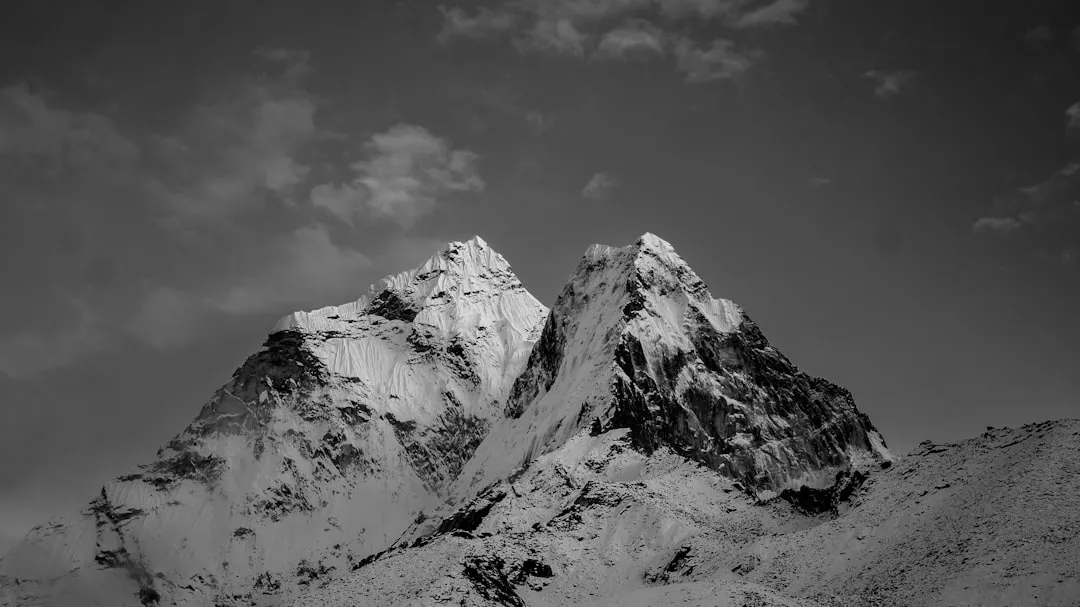
Ghorepani Poon Hill Trek - Annapurna's Classic Panorama
The Ghorepani Poon Hill Trek is a quintessential trekking experience in the Annapurna region of Nepal, renowned for its accessible trails, stunning rhododendron forests, and breathtaking panoramic views of the Himalayas. This moderate-difficulty trek offers a perfect introduction to Himalayan trekking for those with limited time or experience, yet it delivers an unforgettable journey through traditional Gurung villages, terraced fields, and ancient forests. The highlight for most is the sunrise view from Poon Hill, a vantage point that offers an unparalleled 360-degree vista of some of the world's highest peaks, including Annapurna South, Machhapuchhre (Fishtail), and Dhaulagiri.
- Distance: Approximately 48 km (main route)
- Duration: 4–5 days
- Season: October–November (autumn) and March–May (spring)
- Huts/Teahouses: Basic teahouses and lodges available in villages
- Highest point: Poon Hill (3,210 m)
- Difficulty: Moderate
- Closest City: Pokhara
Overview
The Ghorepani Poon Hill Trek is a circular route that typically starts from Nayapul, a small town accessible from Pokhara. The trek winds through picturesque villages like Tikhedhunga, Ghorepani, and Ghandruk, each offering a glimpse into the local culture and lifestyle of the Gurung and Magar communities. The trail is well-maintained and generally follows stone-paved paths, especially through villages and agricultural areas. The ascent to Ghorepani is often the most challenging part, involving a significant number of stone steps, but the reward is immense.
The trek is celebrated for its accessibility and the sheer beauty of its landscapes. During spring (March-May), the rhododendron forests burst into vibrant colours, creating a magical atmosphere. Autumn (October-November) offers clear skies and excellent visibility, making it the prime season for mountain views. The trek is not just about the mountains; it's also about the cultural immersion. You'll pass through terraced fields where locals cultivate rice and maize, observe traditional farming practices, and interact with friendly villagers. The teahouses along the route provide comfortable, albeit basic, accommodation and hearty local cuisine, making it a self-sufficient and enjoyable journey.
The Poon Hill viewpoint, at 3,210 metres, is the undisputed climax of the trek. An early morning hike (often starting before dawn) to Poon Hill is a must. As the sun rises, it illuminates the snow-capped peaks, casting a golden glow that transforms the already spectacular panorama into something truly divine. The feeling of standing amidst these giants, with the crisp mountain air filling your lungs, is an experience that stays with trekkers long after they descend.
History and Cultural Context
The Annapurna region, including the trails traversed by the Ghorepani Poon Hill Trek, has been inhabited for centuries by various ethnic groups, most notably the Gurung and Magar people. These communities have a rich history of agriculture, trade, and a strong martial tradition, with many men serving in the British and Indian Gurkha armies. Their villages, perched on hillsides, have developed organically over generations, reflecting a deep connection to the land and its resources.
The trails themselves have historically served as vital trade routes and pathways for local communities. The Ghorepani area, meaning "horse water," was historically a resting point for traders and travellers carrying salt and other goods between the lower valleys and the Tibetan plateau. The development of these trails into a popular trekking route is a more recent phenomenon, gaining prominence in the latter half of the 20th century as Nepal opened its doors to international tourism. The establishment of teahouses and lodges along the route has facilitated this growth, making the region accessible to a wider range of trekkers.
The cultural landscape is as significant as the natural one. The Gurung and Magar cultures are deeply intertwined with Buddhism and Hinduism, evident in the prayer flags that flutter from stupas and the small monasteries found in villages like Ghandruk. The architecture of the traditional stone houses, the intricate wood carvings, and the warm hospitality of the people all contribute to the unique cultural tapestry of the region. The trek offers a valuable opportunity to witness and appreciate these traditions firsthand, fostering a deeper understanding of Nepal beyond its famous peaks.
Seasonal Highlights and Weather Reality
The Ghorepani Poon Hill Trek is best enjoyed during two primary seasons, each offering distinct advantages:
Autumn (October–November): This is widely considered the peak trekking season in Nepal. The monsoon rains have subsided, leaving the air clear and crisp. Visibility is excellent, offering unobstructed, panoramic views of the Annapurna and Dhaulagiri ranges. Temperatures are pleasant during the day, though nights can become quite cold, especially at higher elevations like Ghorepani. The skies are typically blue, and the weather is stable, making it ideal for trekking and photography. The rhododendron forests, while past their spring bloom, are still beautiful, and the overall trekking experience is comfortable and rewarding.
Spring (March–May): Spring is another popular season, particularly for its spectacular display of rhododendrons. The forests along the trail, especially between Ulleri and Ghorepani, transform into a riot of colour as these national flowers bloom in shades of red, pink, and white. The weather is generally warm and pleasant, with increasing daylight hours. However, spring can also bring occasional pre-monsoon showers and haze, which might slightly reduce visibility compared to autumn. The temperatures are comfortable for trekking, and the blooming flora adds a unique charm to the journey.
Monsoon (June–September): This season is characterised by heavy rainfall, leeches, and limited mountain views due to cloud cover. While the landscape becomes lush and green, trekking can be challenging and less enjoyable. Trails can become muddy and slippery, and the risk of landslides increases. It is generally not recommended for this trek during the monsoon.
Winter (December–February): Winter offers cold temperatures and the possibility of snow, especially at higher altitudes like Poon Hill. While the mountain views can be stunning on clear days, the cold can be intense, and trails may be icy. Ghorepani and Poon Hill can experience snowfall, which can temporarily close the path to the summit. However, for those prepared for the cold, winter trekking can offer a quieter experience with fewer crowds and dramatic, snow-dusted landscapes.
Recommended Itinerary
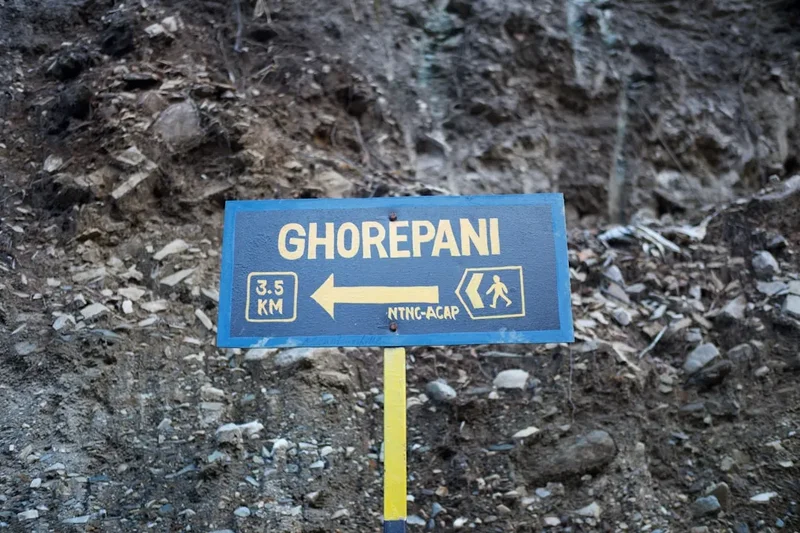
4-Day Ghorepani Poon Hill Trek Itinerary
Day 1: Pokhara to Nayapul, Trek to Tikhedhunga/Ulleri
- Distance: Approx. 1.5–2 hours drive from Pokhara to Nayapul, then 4–6 hours trekking
- Elevation gain: Approx. 1,000 m
- Start Point: Nayapul (1,070 m)
- End Point: Tikhedhunga (1,540 m) or Ulleri (1,960 m)
- Morning drive from Pokhara to Nayapul.
- Begin trek following the Modi Khola river.
- Pass through Birethanti, a large village with a checkpoint for permits.
- Continue through small villages and terraced fields.
- Reach Tikhedhunga, known for its steep stone staircase (3,300 steps) to Ulleri.
- Option to stay in Tikhedhunga or push on to Ulleri for a head start on Day 2.
Day 2: Tikhedhunga/Ulleri to Ghorepani
- Distance: Approx. 5–7 hours trekking
- Elevation gain: Approx. 600–800 m
- Start Point: Tikhedhunga (1,540 m) or Ulleri (1,960 m)
- End Point: Ghorepani (2,850 m)
- If starting from Tikhedhunga, tackle the infamous stone staircase to Ulleri.
- Trek through beautiful rhododendron and oak forests.
- The trail gradually ascends, offering occasional glimpses of the mountains.
- Arrive in Ghorepani, a large village with stunning views.
- Prepare for an early morning hike to Poon Hill.
Day 3: Ghorepani – Poon Hill Sunrise – Trek to Tadapani
- Distance: Approx. 5–6 hours trekking
- Elevation gain: Approx. 300 m to Poon Hill, then descent
- Start Point: Ghorepani (2,850 m)
- End Point: Tadapani (2,610 m)
- Pre-dawn hike (approx. 1 hour) to Poon Hill (3,210 m) for sunrise.
- Witness the spectacular panoramic sunrise view of Dhaulagiri, Annapurna South, Machhapuchhre, and other peaks.
- Return to Ghorepani for breakfast.
- Trek towards Tadapani, initially climbing to Deurali pass, then descending through forests.
- Tadapani offers excellent mountain views, including Annapurna South and Machhapuchhre.
Day 4: Tadapani to Ghandruk, Trek to Nayapul/Drive to Pokhara
- Distance: Approx. 3–4 hours trekking to Ghandruk, then 2–3 hours to Nayapul
- Elevation loss: Approx. 1,000 m
- Start Point: Tadapani (2,610 m)
- End Point: Pokhara (820 m)
- Descend through rhododendron forests to the large, traditional Gurung village of Ghandruk.
- Explore Ghandruk, visit its museum, and enjoy close-up mountain views.
- Continue descending towards Kimche or Siwai, where jeeps are often available.
- Alternatively, trek all the way to Nayapul.
- From Nayapul or Kimche/Siwai, take a jeep or bus back to Pokhara.
Optional 5-Day Itinerary:
- Day 1: Pokhara to Nayapul, Trek to Tikhedhunga
- Day 2: Tikhedhunga to Ghorepani
- Day 3: Ghorepani – Poon Hill Sunrise – Trek to Tadapani
- Day 4: Tadapani to Ghandruk
- Day 5: Ghandruk to Nayapul, Drive to Pokhara
Important Notes:
- This itinerary is a suggestion and can be customised based on fitness and time.
- Accommodation is in teahouses/lodges, offering basic rooms and meals.
- Carry sufficient cash as ATMs are scarce outside Pokhara.
- Acclimatisation is generally not a major issue on this trek due to moderate altitude, but listen to your body.
- Always check weather forecasts and trail conditions.
Planning and Bookings
Book Your Trip
Everything you need to plan your journey
Accommodation
Find places to stay near Pokhara
Flights
Search flights to Pokhara
Essential Preparation
The Ghorepani Poon Hill Trek is a moderate trek, but proper preparation is still crucial for an enjoyable experience. Your journey will likely begin and end in Pokhara, a vibrant lakeside city that serves as the gateway to the Annapurna region. Pokhara offers a wide range of accommodation, from budget guesthouses to luxury hotels, and numerous trekking gear shops where you can rent or purchase necessary equipment. It's advisable to spend at least one night in Pokhara before and after your trek to finalise arrangements, rest, and acclimatise.
Logistics involve arranging transport to the trailhead (Nayapul) and from the endpoint back to Pokhara. This can be done via local buses, private taxis, or by booking through a trekking agency. For independent trekkers, it's wise to have a rough idea of your daily destinations and accommodation preferences, though teahouses are generally plentiful along the main route. Hiring a local guide is highly recommended, not only for navigation but also for cultural insights and safety. Guides can also assist with booking accommodation and managing logistics.
Trail Accommodation
Accommodation along the Ghorepani Poon Hill Trek is primarily in teahouses or lodges. These are simple, family-run establishments that offer basic amenities for trekkers. They are found in most villages along the route, including Tikhedhunga, Ulleri, Ghorepani, Tadapani, and Ghandruk.
Teahouse Facilities:
- Rooms: Typically twin-sharing with basic beds, mattresses, and blankets. You will need your own sleeping bag for warmth and hygiene.
- Dining Area: A communal dining room, often heated by a wood-burning stove, where meals are served.
- Toilets: Usually squat toilets, sometimes with a western-style option in more established lodges. Shared facilities are common.
- Showers: Hot showers may be available, often for an extra fee, and are usually solar-heated.
What's NOT Provided:
- Bedding: While blankets are provided, a sleeping bag is essential for comfort and warmth.
- Toiletries: Bring your own soap, shampoo, toilet paper, and hand sanitiser.
- Electricity: Charging electronic devices is usually possible but often incurs a fee.
- Heating: Rooms are generally unheated; rely on your sleeping bag and layers.
Seasonal Availability: Teahouses are generally open year-round, though services might be more limited during the off-season (monsoon). During peak seasons (autumn and spring), it's advisable to book ahead, especially in popular villages like Ghorepani and Ghandruk, or have your guide arrange it.
Costs: Room rates are typically very low (around 200-500 NPR per night), but the expectation is that you will eat your meals at the teahouse where you stay. Food prices increase with altitude.
Required Gear
- Hiking boots: Waterproof, sturdy, and well broken-in with good ankle support.
- Backpack: A 30-45 litre daypack for daily essentials, or a larger 50-65 litre pack if carrying all your gear. A rain cover is essential.
- Sleeping bag: A 3-season bag (rated to around 0°C to -5°C) is recommended for warmth and hygiene in teahouses.
- Waterproof jacket and trousers: Essential for unpredictable mountain weather.
- Warm layers: Fleece jacket, down vest or jacket, thermal base layers (merino wool or synthetic).
- Trekking trousers: Comfortable, quick-drying hiking trousers.
- Headwear: Warm beanie or hat for cold evenings and mornings, and a sun hat for daytime.
- Gloves: Warm gloves for cooler sections and early mornings.
- Socks: Several pairs of wool or synthetic hiking socks.
- Trekking poles: Highly recommended, especially for descents and the stone steps.
- Headlamp/torch: With spare batteries, for early morning hikes and navigating teahouses at night.
- First-aid kit: Including personal medications, blister treatment, pain relievers, antiseptic wipes, and bandages.
What to Bring
- Water bottles or hydration reservoir: At least 2 litres capacity.
- Water purification: Tablets or a filter, as tap water is not safe to drink.
- Sunscreen: High SPF, as the sun is strong at altitude.
- Lip balm with SPF.
- Sunglasses: Essential for protecting your eyes from glare.
- Toiletries: Toothbrush, toothpaste, biodegradable soap, small towel, toilet paper (often not provided in teahouses).
- Hand sanitiser: For hygiene on the go.
- Snacks: Energy bars, nuts, dried fruit for quick energy boosts between meals.
- Camera and spare batteries/power bank.
- Personal documents: Passport, visa, permits, insurance details.
- Cash: Nepali Rupees (NPR) for teahouses, transport, and tips. ATMs are only available in Pokhara.
- Book or journal: For downtime in the evenings.
- Small padlock: For securing your backpack or room door.
Permits
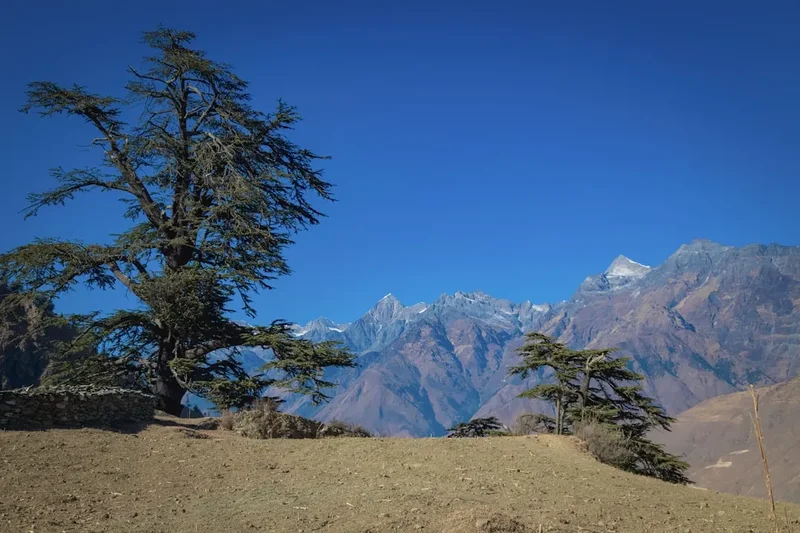
To trek in the Annapurna region, you will need two main permits:
1. Annapurna Conservation Area Permit (ACAP):
- This permit is mandatory for entry into the Annapurna Conservation Area, which encompasses the Ghorepani Poon Hill Trek route.
- Cost: Approximately NPR 3,000 per person for foreigners.
- Where to obtain: ACAP permits can be obtained from the Nepal Tourism Board office in Kathmandu or Pokhara, or from the ACAP entry checkpoint in Birethanti. It is advisable to get them in Pokhara to save time on the trail.
2. Trekkers' Information Management System (TIMS) Card:
- The TIMS card is a registration system for trekkers, aimed at enhancing safety and managing trekking activities.
- Cost: Approximately NPR 2,000 for individual trekkers or NPR 1,000 if trekking with a registered agency.
- Where to obtain: TIMS cards can be obtained from the Nepal Tourism Board office in Kathmandu or Pokhara, or from registered trekking agencies.
Important Notes on Permits:
- You will need your passport to apply for these permits.
- Carry your permits with you at all times during the trek, as they will be checked at various checkpoints along the route, including Birethanti.
- If you are trekking with a registered trekking agency, they will typically arrange these permits for you as part of your package.
- Ensure you have enough passport-sized photographs for the permit applications.
Other Activities in the Area
Beyond the trek itself, the region offers several enriching activities:
- Pokhara Lakeside Exploration: Spend time relaxing by Phewa Lake, enjoy boating, visit the Tal Barahi Temple situated on an island, and explore the vibrant Lakeside area with its numerous shops, restaurants, and cafes.
- Paragliding in Pokhara: Pokhara is a world-renowned destination for paragliding, offering tandem flights with stunning views of the Annapurna range and the valley below.
- Zip-lining: Experience the thrill of zip-lining down the hillsides near Pokhara for an adrenaline rush and unique perspectives.
- Devi's Fall and Gupteshwor Cave: Visit these natural attractions near Pokhara, where a waterfall plunges into an underground cave system.
- World Peace Pagoda: Hike or drive up to the Shanti Stupa for panoramic views of Pokhara Valley, Phewa Lake, and the surrounding mountains.
- Sarangkot Sunrise/Sunset: While Poon Hill offers the ultimate sunrise view, Sarangkot, a hill station near Pokhara, also provides excellent sunrise and sunset vistas over the Himalayas.
- Cultural Immersion in Ghandruk: Spend extra time in Ghandruk village, known for its traditional Gurung culture. Visit the Gurung Museum to learn about their history, traditions, and way of life.
Safety and Conditions
Altitude Sickness (AMS): While the Ghorepani Poon Hill Trek does not reach extreme altitudes, AMS can still occur, especially if ascending too quickly. Poon Hill at 3,210 m is the highest point. Symptoms include headache, nausea, dizziness, and fatigue. If symptoms appear, descend immediately. The itinerary is designed to minimise risk by ascending gradually.
Trail Conditions: The trails are generally well-maintained, consisting of stone steps, dirt paths, and forest tracks. However, they can be slippery and challenging, particularly after rain or during winter snow. Trekking poles are highly recommended for stability, especially on descents and the steep steps to Ulleri.
Weather: Mountain weather is unpredictable. Be prepared for rapid changes, including sunshine, rain, wind, and cold temperatures, even within the same day. Always check the weather forecast before setting out and carry appropriate gear for all conditions.
Health and Hygiene: Drink only purified or boiled water. Eat well-cooked food at teahouses. Maintain good personal hygiene to prevent stomach upsets. Carry a personal first-aid kit with essential medications.
Guides and Porters: Hiring a local guide is strongly recommended for navigation, safety, and cultural insights. Porters can carry your main backpack, making the trek more comfortable. Ensure your guide and porter are properly equipped and insured.
Emergency Procedures: In case of an emergency, contact your guide or the teahouse owner. Have travel insurance that covers trekking and emergency evacuation. Know the location of the nearest health posts or hospitals (Pokhara has the best facilities).
Communication: Mobile phone signal can be intermittent along the trail. Wi-Fi is available in some teahouses, usually for a fee. Consider purchasing a local SIM card in Pokhara for better coverage.
Side Trips and Points of Interest
Poon Hill Sunrise Viewpoint: This is the undisputed highlight of the trek. The early morning hike (approximately 1 hour from Ghorepani) to Poon Hill (3,210 m) is rewarded with a breathtaking 360-degree panoramic view of the Annapurna and Dhaulagiri mountain ranges. Witnessing the first rays of sunlight illuminate the snow-capped peaks is a truly magical experience.
Ghandruk Village: A large and picturesque Gurung village, Ghandruk is a cultural gem. It offers stunning close-up views of Annapurna South and Machhapuchhre. The village itself is well-preserved, with traditional stone houses, narrow alleyways, and a fascinating Gurung museum that showcases the local heritage, traditional attire, and artefacts.
Rhododendron Forests: Especially vibrant during the spring season (March-May), the forests between Ulleri and Ghorepani are a spectacle of colour. The national flower of Nepal, the rhododendron, blooms in various shades of red, pink, and white, creating a fairy-tale atmosphere along the trail.
Ulleri Stone Staircase: The ascent from Tikhedhunga to Ulleri involves climbing over 3,300 stone steps. While challenging, this section is a significant landmark and a testament to the traditional trail construction methods. Completing this climb offers a sense of accomplishment.
Modi Khola River Valley: The initial part of the trek follows the Modi Khola river, offering scenic views of the valley, terraced fields, and rural Nepali life. The sound of the river accompanies you for a good portion of the first day.
Leave No Trace
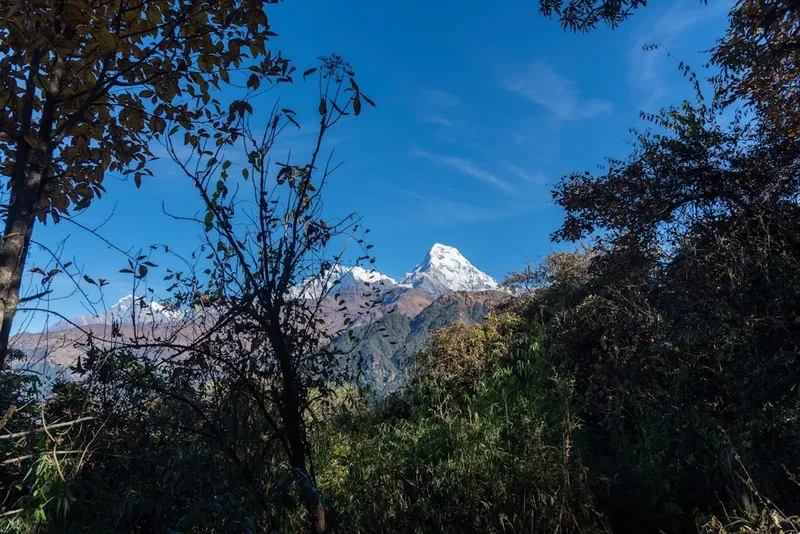
The Ghorepani Poon Hill Trek passes through pristine natural environments and culturally rich villages. Practising Leave No Trace principles is essential to preserve the beauty and integrity of this region for future generations and to maintain positive relationships with local communities.
Plan Ahead and Prepare: Research the trail, understand local customs, and pack appropriately to minimise waste. Hiring local guides and porters supports the local economy and ensures responsible trekking practices.
Travel and Camp on Durable Surfaces: Stick to established trails and paths. Avoid cutting across switchbacks, which causes erosion. In villages, use designated teahouses rather than camping outside designated areas.
Dispose of Waste Properly: Pack out everything you pack in, including all food wrappers, plastic, and any other non-biodegradable waste. Use teahouse toilets and dispose of human waste appropriately. Avoid burning or burying trash.
Leave What You Find: Do not take rocks, plants, or cultural artefacts. Respect the natural and cultural heritage of the area. Take photographs, but leave the environment as you found it.
Minimise Campfire Impacts: Campfires are generally not permitted or advisable on this trek, as accommodation is in teahouses. If a campfire is absolutely necessary in a remote area, use established fire rings and ensure it is completely extinguished.
Respect Wildlife: Observe wildlife from a distance and never feed animals. Feeding them can disrupt their natural behaviours and diets.
Be Considerate of Other Visitors: Respect the local culture and the peace of the mountain environment. Keep noise levels down, especially in villages and at teahouses. Be courteous to other trekkers, guides, and porters.
 Nepal
Nepal