
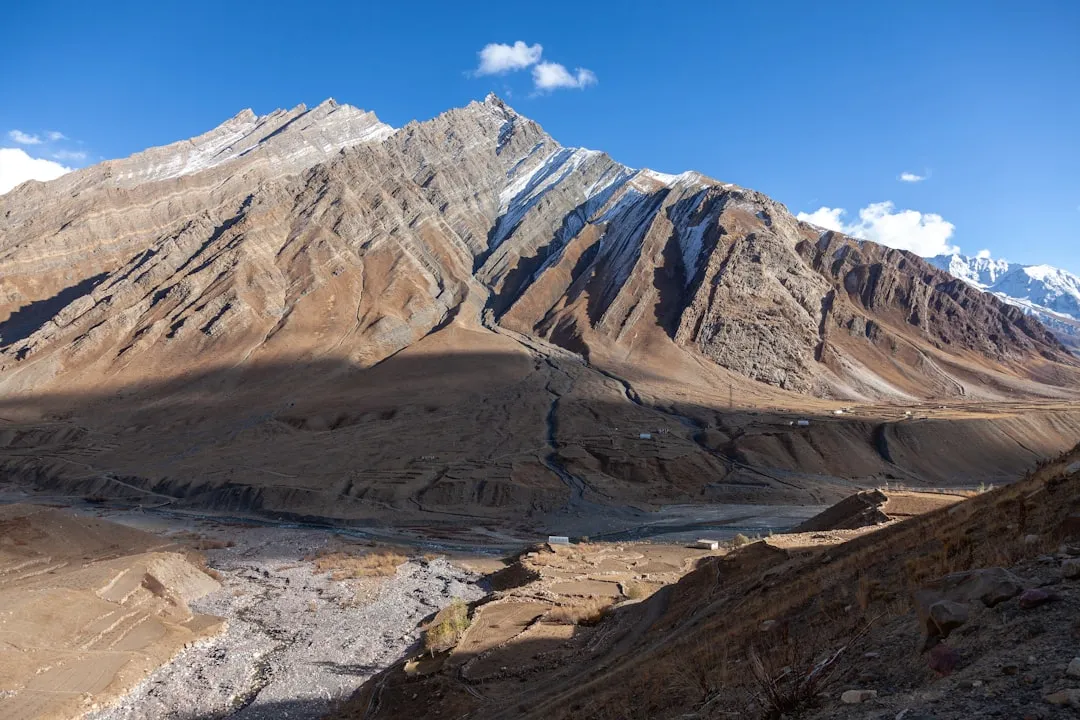
Gangotri Glacier Trek - Gateway to the Sacred Peaks
The Gangotri Glacier Trek is a pilgrimage and an adventure, leading walkers from the revered town of Gangotri, the last inhabited village on the route to the sacred peaks of the Garhwal Himalayas, to the colossal Gangotri Glacier itself. This challenging trek, steeped in spiritual significance and breathtaking natural beauty, winds through diverse landscapes—from dense pine forests and alpine meadows to rugged moraines and the stark, icy expanse of the glacier. It is a journey that offers not only spectacular mountain vistas but also a profound connection to the spiritual heart of India, as it traces the path towards the source of the sacred Ganges River.
- Distance: 90.0 km (round trip)
- Duration: 9–11 days
- Season: May–June and September–October
- Difficulty: Challenging
- Highest point: Gaumukh (approx. 4,000 m)
- Base town: Uttarkashi
- Trailhead: Gangotri (3,048 m)
- Permits: Inner Line Permit required for foreign nationals
Overview
The Gangotri Glacier Trek is more than just a physical journey; it is an immersion into a landscape of immense spiritual and geological importance. Starting from Gangotri, a town that marks the end of motorable roads and the beginning of a sacred pilgrimage, the trail ascends gradually, following the Bhagirathi River, which eventually becomes the Ganges. The initial days are characterised by walking through dense forests of pine, deodar, and rhododendron, with the constant murmur of the river accompanying you. As you gain altitude, the vegetation thins, giving way to open meadows and then to the stark, rocky terrain of the high Himalayas.
The trek's climax is reaching Gaumukh, the snout of the Gangotri Glacier, believed to be the source of the Ganges. Here, the sheer scale of the glacier, a vast river of ice carving its way through the mountains, is awe-inspiring. The surrounding peaks, including the iconic Shivling and Bhagirathi massif, form a dramatic backdrop. The trek is challenging due to the altitude, the rugged terrain, and the unpredictable mountain weather. However, the spiritual aura of the region, combined with the raw, untamed beauty of the Himalayas, makes it an unforgettable experience for trekkers and pilgrims alike.
The trail is well-defined for much of the way, especially up to Gaumukh, but beyond that, it becomes more challenging and requires navigation skills. The journey is punctuated by small settlements and campsites, offering basic amenities and a chance to interact with local guides and fellow travellers. The best times to undertake this trek are the pre-monsoon (May-June) and post-monsoon (September-October) seasons, when the weather is generally stable, and the skies are clear, offering spectacular views of the snow-capped peaks.
History and Cultural Context
The region around Gangotri and the Gangotri Glacier holds immense religious and historical significance for Hindus. Gangotri is one of the four Chardham pilgrimage sites, considered one of the most sacred Hindu pilgrimage circuits in India. Legend has it that Goddess Ganga descended to earth at Gangotri to atone for the sins of her ancestors, and the town is built around the temple dedicated to her.
The trek to Gaumukh is essentially a pilgrimage route, tracing the path believed to be taken by sages and ascetics for centuries. The Bhagirathi River, which originates from the Gangotri Glacier, is revered as the sacred Ganges. The glacier itself, known as Gaumukh ("Cow's Mouth") due to its shape resembling a cow's mouth from which the river is said to emerge, is a vital source of water for the Ganges and a significant geological feature.
Historically, ascetics and yogis have undertaken arduous journeys to this remote region for meditation and spiritual pursuits. The trail has been trodden by countless pilgrims and adventurers over centuries, each leaving their spiritual imprint on the land. The establishment of trekking routes and the development of basic infrastructure in recent decades have made the journey more accessible, but the spiritual essence and the challenging nature of the trek remain.
The surrounding peaks, such as Shivling (6,543 m) and the Bhagirathi sisters (Bhagirathi I, II, III), are also considered sacred and are prominent landmarks for trekkers. The region is part of the Gangotri National Park, established to protect its unique flora, fauna, and fragile ecosystem, reflecting a growing awareness of the need to preserve these sacred and ecologically sensitive areas.
Seasonal Highlights and Weather Reality
The Gangotri Glacier Trek is best undertaken during two distinct windows: the pre-monsoon season (May to June) and the post-monsoon season (September to October). Each season offers a unique experience.
Pre-Monsoon (May–June): This period marks the beginning of the trekking season after the harsh winter. The snow begins to melt, and the landscape starts to bloom. Rhododendrons are in full bloom, painting the hillsides with vibrant colours. The weather is generally stable, with clear skies and pleasant temperatures during the day, though nights can still be cold, especially at higher altitudes. This is an excellent time for clear mountain views and comfortable trekking conditions. However, some snow might still linger on higher passes, and occasional showers can occur.
Post-Monsoon (September–October): Following the monsoon season, the skies clear up, offering crisp, clean air and excellent visibility of the Himalayan peaks. The landscape is refreshed by the rains, and the temperatures are cool and pleasant. This is often considered the ideal time for trekking in the Garhwal Himalayas. The autumn colours add a different kind of beauty to the forests. However, the nights can be quite cold, and frost is common at higher elevations. The risk of early snowfall increases towards the end of October.
Monsoon Season (July–August): This period is generally avoided for trekking due to heavy rainfall, which can lead to landslides, trail erosion, and poor visibility. The rivers swell, making crossings dangerous, and the risk of leeches and waterborne diseases increases. While the landscape is lush and green, the trekking conditions are hazardous and uncomfortable.
Winter (November–April): The region experiences extreme cold, heavy snowfall, and harsh weather conditions during winter. The trail is often completely covered in snow, making it impassable and dangerous. Gangotri town itself is often cut off from the outside world for extended periods. This season is strictly for experienced mountaineers with specialised winter gear and expertise.
Recommended Itinerary
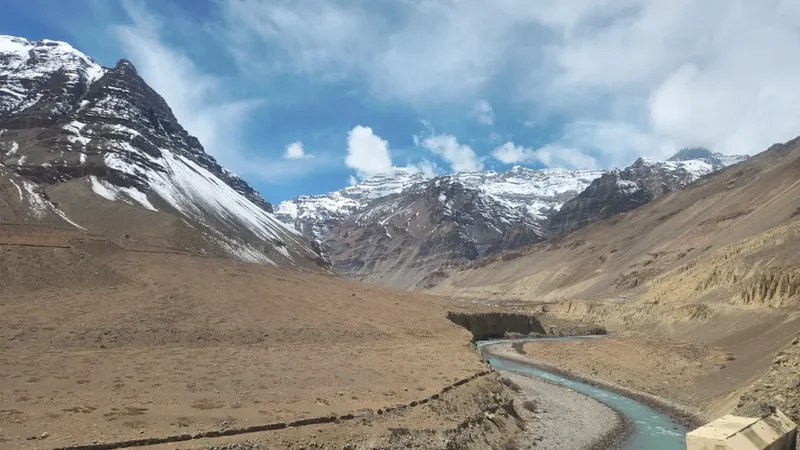
9-Day Gangotri Glacier Trek Itinerary
Day 1: Arrival in Dehradun / Rishikesh & Transfer to Uttarkashi
- Arrive at Jolly Grant Airport, Dehradun, or Rishikesh.
- Take a taxi or bus to Uttarkashi (approx. 170 km from Dehradun, 100 km from Rishikesh).
- Check into a hotel in Uttarkashi.
- Obtain Inner Line Permit if required (for foreign nationals).
- Rest and acclimatise to the lower altitude.
Day 2: Uttarkashi to Gangotri (3,048 m)
- Morning drive from Uttarkashi to Gangotri (approx. 100 km, 4-5 hours).
- The road winds through scenic valleys, following the Bhagirathi River.
- Check into a guesthouse or ashram in Gangotri.
- Visit the Gangotri Temple and take a dip in the holy waters of the Bhagirathi River.
- Briefing with guides and final gear check.
- Acclimatise to the altitude of Gangotri.
Day 3: Gangotri to Chirbasa (3,600 m)
- Distance: 9 km
- Time: 4–5 hours
- Begin the trek from Gangotri, following a well-defined path along the Bhagirathi River.
- The trail passes through dense pine forests, offering beautiful views of the valley.
- Reach Chirbasa, a small settlement with basic camping facilities.
- Set up camp and enjoy the serene surroundings.
Day 4: Chirbasa to Bhojwasa (3,792 m)
- Distance: 8 km
- Time: 3–4 hours
- Continue trekking through pine forests, with the landscape gradually opening up.
- The trail becomes a bit more rugged as you approach Bhojwasa.
- Bhojwasa is a popular campsite located on the banks of the Bhagirathi River, offering views of the Gangotri Glacier.
- Set up camp and prepare for the final push to Gaumukh.
Day 5: Bhojwasa to Gaumukh (4,000 m) and back to Bhojwasa
- Distance: 4 km (one way to Gaumukh)
- Time: 2–3 hours (to Gaumukh), 1.5–2 hours (return)
- Early morning start for the trek to Gaumukh, the snout of the Gangotri Glacier.
- The trail is rocky and moraine-based, requiring careful footing.
- Witness the awe-inspiring sight of the glacier and the source of the Ganges.
- Spend time at Gaumukh, absorbing the spiritual and natural grandeur.
- Trek back to Bhojwasa for the night.
Day 6: Bhojwasa to Gangotri (3,048 m)
- Distance: 17 km
- Time: 6–7 hours
- Descend back along the same route towards Gangotri.
- This is a long day of descent, allowing for faster travel.
- Enjoy the familiar forest trails and the sound of the river.
- Arrive back in Gangotri by late afternoon.
- Celebrate the successful completion of the trek.
Day 7: Gangotri to Uttarkashi (1,165 m)
- Distance: 100 km
- Time: 4–5 hours (drive)
- Morning drive back to Uttarkashi.
- Check into a hotel and relax.
- Explore Uttarkashi town, visit the Vishwanath Temple.
- Enjoy a comfortable meal and rest.
Day 8: Uttarkashi to Rishikesh / Dehradun
- Morning drive from Uttarkashi to Rishikesh or Dehradun.
- Depending on flight schedules, you can spend time exploring Rishikesh (the 'Yoga Capital of the World') or proceed directly to Dehradun for departure.
Day 9: Departure from Dehradun / Rishikesh
- Depart from Jolly Grant Airport, Dehradun, or your onward destination.
Note: This itinerary can be extended to include further exploration beyond Gaumukh, such as Tapovan (approx. 4,463 m), which offers panoramic views of the Shivling peak and surrounding glaciers. This would add 2-3 days to the trek.
Planning and Bookings
Book Your Trip
Everything you need to plan your journey
Accommodation
Find places to stay near Uttarkashi
Flights
Search flights to Uttarkashi
Essential Preparation
The Gangotri Glacier Trek requires careful planning, especially concerning permits, transportation, and acclimatisation. Uttarkashi is the primary gateway town for this trek, serving as a hub for logistics and permit acquisition. Foreign nationals must obtain an Inner Line Permit (ILP) to enter the restricted area beyond Gangotri. This permit is typically obtained from the District Magistrate's office in Uttarkashi or sometimes from the SDM office in Dehradun. It is advisable to arrange this well in advance or through your trekking agency.
Fitness is paramount. The trek involves significant altitude gain and long walking days over challenging terrain. A good level of cardiovascular fitness, stamina, and experience in trekking at altitude is essential. Undertake regular aerobic exercises, including hiking with a backpack, in the months leading up to the trek. Acclimatisation is crucial; spending at least one night in Uttarkashi and one in Gangotri before commencing the trek helps the body adjust to the increasing altitude, reducing the risk of Acute Mountain Sickness (AMS).
Hiring local guides and porters is highly recommended. They possess invaluable knowledge of the terrain, weather patterns, and local customs, and can significantly enhance safety and the overall experience. Ensure you choose reputable agencies that employ experienced guides and provide adequate equipment.
Trail Accommodation
Accommodation along the Gangotri Glacier Trek is primarily in the form of campsites. There are no permanent lodges or hotels beyond Gangotri town.
Campsites:
- Gangotri: Guesthouses, ashrams, and basic lodges are available. Booking in advance is recommended during peak season.
- Chirbasa: Designated camping ground. Basic facilities may include a few rudimentary shelters or open spaces for pitching tents.
- Bhojwasa: The main campsite before Gaumukh. It is a popular spot with open ground for camping. Some basic dhabas (eateries) might operate seasonally, offering simple meals and shelter.
Facilities Provided:
- Camping grounds offer space for tents.
- Seasonal dhabas at Chirbasa and Bhojwasa may provide basic meals (dal, rice, roti, tea) and sometimes temporary shelter.
What's NOT Provided:
- Tents, sleeping bags, sleeping mats (must be carried or rented).
- Cooking equipment, fuel, and food supplies (unless on a fully catered trek).
- Toilets: Basic pit toilets may be available at some campsites, but trekkers are generally expected to use designated areas or dig their own catholes away from water sources.
- Running water: Water is sourced from streams and rivers; purification is essential.
- Electricity: No electricity is available at campsites.
Seasonal Availability: Campsites are generally accessible and usable from May to June and September to October. Outside these periods, they are covered in snow and inaccessible.
Costs: Campsite fees are usually nominal or non-existent, but costs are incurred for tent rental, food, and guide/porter services. Meals at dhabas are typically inexpensive (approx. ₹300-500 per meal).
Required Gear
- Trekking Boots: Sturdy, waterproof, high-ankle trekking boots with good grip. Ensure they are well broken-in to prevent blisters.
- Backpack: A 50-65 litre trekking backpack with a rain cover.
- Sleeping Bag: A 3-season or 4-season sleeping bag rated for temperatures as low as -10°C to -15°C, as nights at higher altitudes can be very cold.
- Tent: A sturdy, waterproof, 3-season or 4-season tent suitable for mountain conditions.
- Clothing:
- Base layers (thermal tops and bottoms)
- Mid-layers (fleece jacket or down jacket)
- Outer shell (waterproof and windproof jacket and trousers)
- Trekking trousers (quick-drying, comfortable)
- Warm hat (beanie) and gloves
- Sun hat or cap
- Navigation: Map of the region, compass, and GPS device or smartphone with offline maps.
- Safety Gear:
- First-aid kit (including personal medications, blister treatment, pain relievers, antiseptic wipes, bandages)
- Head torch with spare batteries
- Sunscreen (SPF 50+) and lip balm with SPF
- Sunglasses (UV protection)
- Water purification tablets or a water filter
- Emergency whistle
- Personal Locator Beacon (PLB) or satellite phone (highly recommended for remote areas)
What to Bring
- Food: High-energy snacks (nuts, dried fruits, energy bars, chocolate), and sufficient provisions for meals if not opting for a catered trek. Carry extra food for emergencies.
- Water Bottles/Hydration Pack: At least 2-3 litres capacity.
- Toiletries: Biodegradable soap, toothbrush, toothpaste, toilet paper, hand sanitiser, wet wipes.
- Personal Items: Camera, power bank for electronics, trekking poles (highly recommended for stability and reducing knee strain), gaiters (to keep snow and debris out of boots), small towel.
- Documents: Passport, visa (if applicable), Inner Line Permit, identification, travel insurance details, emergency contact information.
- Cash: Sufficient Indian Rupees for expenses in Uttarkashi and Gangotri, and for any purchases at dhabas along the trail. ATMs are scarce beyond Uttarkashi.
- Insect Repellent: Especially useful in lower forested areas.
Permits
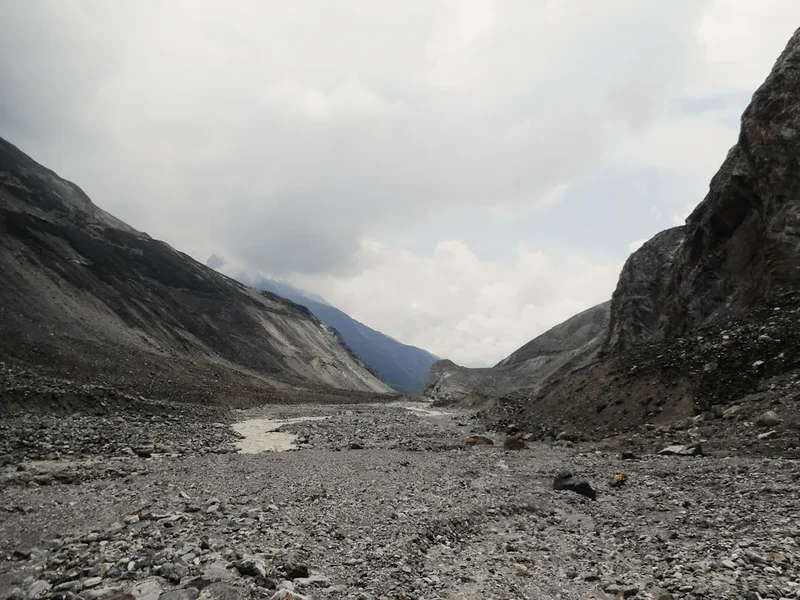
For foreign nationals intending to trek beyond Gangotri, an Inner Line Permit (ILP) is mandatory. This permit is issued by the District Magistrate's office in Uttarkashi or the Sub-Divisional Magistrate's office in Dehradun. It is advisable to apply for this permit at least a few days in advance of your planned departure from Uttarkashi.
Permit Acquisition Process:
- Location: District Magistrate's Office, Uttarkashi, or SDM Office, Dehradun.
- Documents Required:
- Completed application form (available at the permit office).
- Photocopies of passport and visa.
- Photographs (passport-sized).
- A detailed itinerary of the trek.
- Proof of booking with a registered trekking agency (often required).
- For groups, a list of all members with their details.
- Processing Time: It can take anywhere from a few hours to 1-2 days, depending on the office and current workload. It is best to apply as soon as you arrive in Uttarkashi.
- Cost: There is usually a nominal fee for the permit.
Indian Nationals: While Indian nationals do not require an Inner Line Permit for this specific route, they may need to register their trek with the local authorities in Gangotri or Uttarkashi, especially if venturing beyond Gaumukh. It is always wise to check the latest regulations with local trekking agencies or the Forest Department.
Forest Entry Fees: Entry fees for Gangotri National Park may also be applicable and are usually collected at the park entrance check post near Gangotri.
Important Note: Regulations can change. It is highly recommended to confirm the latest permit requirements and procedures with your trekking agency or the local tourism authorities in Uttarkashi or Dehradun before your trip.
Other Activities in the Area
Beyond the Gangotri Glacier Trek, the region offers several other activities and points of interest:
- Visit Gangotri Temple: The primary attraction in Gangotri, this ancient temple dedicated to Goddess Ganga is a significant pilgrimage site.
- Submerge in the Holy Waters: Many pilgrims take a dip in the icy waters of the Bhagirathi River at Gangotri, believing it purifies sins.
- Explore Uttarkashi: This bustling town serves as the gateway to many treks and spiritual sites. Visit the Vishwanath Temple, Nehru Institute of Mountaineering (NIM), and explore local markets.
- Day Hikes from Gangotri: Shorter hikes can be undertaken from Gangotri, such as to the Surya Kund or the Pandava Gufa (Cave), offering serene natural beauty and spiritual connections.
- Trekking to Tapovan: For those with more time and energy, extending the trek beyond Gaumukh to Tapovan (approx. 4,463 m) offers unparalleled views of the Shivling peak and surrounding glaciers. This requires additional days and acclimatisation.
- Visit Kedartal Lake: A challenging but rewarding trek from Gangotri to Kedartal (approx. 4,750 m), a stunning high-altitude glacial lake with breathtaking views of the Kedarnath range. This typically requires 3-4 days.
- Explore Rishikesh: Known as the 'Yoga Capital of the World', Rishikesh offers ashrams, yoga retreats, meditation centres, and adventure activities like white-water rafting.
Safety and Conditions
Altitude Sickness (AMS): The Gangotri Glacier Trek reaches significant altitudes (up to 4,000 m at Gaumukh and higher if extending to Tapovan). Acute Mountain Sickness (AMS) is a serious risk. Symptoms include headache, nausea, dizziness, fatigue, and shortness of breath. Prevention is key: acclimatise properly by ascending gradually, stay hydrated, avoid alcohol and smoking, and eat light meals. If symptoms appear, descend immediately. Diamox (acetazolamide) can be used as a preventative measure, but consult your doctor before use.
Trail Conditions: The trail from Gangotri to Gaumukh is generally well-maintained but can be rocky, uneven, and prone to landslides, especially after rain. Beyond Gaumukh, the path becomes more rugged, traversing glacial moraines and scree slopes, requiring careful footing and navigation. Snowfall can occur even outside the winter season, making the trail slippery and potentially hazardous.
Weather: Mountain weather is notoriously unpredictable. Expect rapid changes, including sudden drops in temperature, strong winds, rain, and snow. Be prepared for all conditions, even during the trekking season. Hypothermia is a risk, so always carry warm, waterproof, and windproof layers.
River Crossings: While the main trail generally follows the river, there might be smaller streams to cross. During the monsoon, rivers can swell significantly, making crossings dangerous. Always use caution and assess the safety of any crossing.
Wildlife: While encounters are rare, be aware of local wildlife. Bears and other animals inhabit the forests. Store food properly and make noise while walking to avoid surprising them. The region is also home to the endangered Snow Leopard, though sightings are exceptionally rare.
Communication: Mobile phone network coverage is limited to Gangotri and Uttarkashi. Beyond these points, communication is virtually non-existent. Carrying a satellite phone or a Personal Locator Beacon (PLB) is highly recommended for emergencies.
Guides and Porters: Hiring experienced local guides and porters is crucial for safety. They are familiar with the terrain, weather, and potential hazards. Ensure they are properly equipped and insured.
Emergency Services: Basic medical facilities are available in Uttarkashi and Gangotri. For serious emergencies, evacuation by helicopter might be necessary, which can be expensive. Ensure you have adequate travel insurance that covers high-altitude trekking and emergency evacuation.
Side Trips and Points of Interest
Gaumukh Glacier Snout: The primary destination of the trek, Gaumukh is the source of the sacred Ganges River. Witnessing the massive ice wall and the point where the river emerges is a profound experience, both spiritually and geologically. The sheer scale of the glacier, a vast river of ice, is awe-inspiring.
Tapovan Meadow: For those who extend their trek beyond Gaumukh, Tapovan (approx. 4,463 m) is a stunning high-altitude meadow offering breathtaking panoramic views of the Shivling peak (6,543 m), Bhagirathi massif, and other surrounding Himalayan giants. It's a popular camping spot for mountaineers and trekkers seeking spectacular vistas.
Meru Glacier: Located near Tapovan, Meru Glacier is another significant ice formation in the region, offering a different perspective on glacial landscapes. Accessing it requires more advanced trekking and potentially mountaineering skills.
Shivling Peak Base Camp: While climbing Shivling is an expedition for experienced mountaineers, reaching its base camp area offers incredible close-up views of this iconic pyramid-shaped peak, considered one of the most beautiful mountains in the Garhwal Himalayas.
Bhagirathi River Valley: The entire trek follows the Bhagirathi River valley, offering continuous scenic beauty. The changing vegetation from dense forests to alpine meadows, the roaring river, and the towering peaks create a dynamic and captivating landscape.
Gangotri National Park: The trek passes through this protected area, which is home to diverse flora and fauna, including rare Himalayan species. Keep an eye out for musk deer, bharal (blue sheep), and various bird species.
Leave No Trace
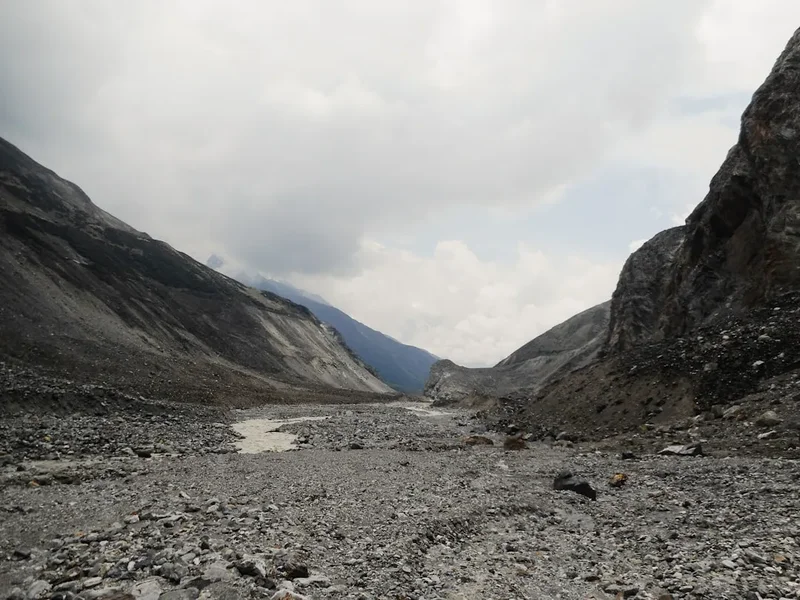
The Gangotri Glacier Trek traverses a region of immense ecological and spiritual value. Practising Leave No Trace principles is not just a guideline but a necessity to preserve this pristine environment for future generations and to respect its sacred status.
Plan Ahead and Prepare: Understand the regulations, obtain necessary permits, and pack appropriately. Know the weather forecast and be prepared for changes. Plan to carry out all waste.
Travel and Camp on Durable Surfaces: Stick to the established trails to avoid damaging fragile vegetation. Camp only in designated areas or on bare ground where vegetation is minimal. Avoid camping near water sources.
Dispose of Waste Properly: Pack out everything you pack in, including food scraps, wrappers, and toilet paper. Use designated toilets where available. If not, dig a cathole at least 60 metres (60 m) away from water, trails, and campsites. Pack out all toilet paper.
Leave What You Find: Do not disturb or remove any natural or cultural objects. This includes rocks, plants, and historical artefacts. The spiritual significance of the area means that leaving things as they are is paramount.
Minimise Campfire Impacts: Campfires are generally discouraged or prohibited in high-altitude areas due to the scarcity of firewood and the risk of wildfires. Use a portable stove for cooking.
Respect Wildlife: Observe wildlife from a distance. Never feed animals, as it can disrupt their natural behaviours and diets, and can be harmful to their health. Store food securely.
Be Considerate of Other Visitors: Respect the spiritual nature of the area. Keep noise levels down, especially in sensitive areas. Yield to other trekkers and pilgrims on the trail.
By adhering to these principles, you help protect the fragile Himalayan ecosystem and ensure that the sacred beauty of the Gangotri Glacier remains intact.