
Ganden to Samye Trek - Tibet’s Premier High-Altitude Pilgrimage
The Ganden to Samye trek is widely considered the finest high-altitude trek in the Tibet Autonomous Region, offering a profound blend of rugged Himalayan wilderness and deep spiritual heritage. Spanning approximately 80 kilometres, this journey connects two of Tibet’s most significant religious landmarks: Ganden Monastery, the ancestral seat of the Gelugpa (Yellow Hat) school of Tibetan Buddhism, and Samye Monastery, the first Buddhist monastery ever built in Tibet. This is not merely a hike; it is a kora (pilgrimage) that traverses the high-altitude divide between the Lhasa Valley and the Yarlung Tsangpo Valley. Walkers must navigate two formidable passes exceeding 5,200 metres—the Shug La and the Chitu La—while passing through alpine meadows, turquoise glacial lakes, and the seasonal camps of the Drokpa (Tibetan nomads). The trek offers an unparalleled window into the "Roof of the World," where the air is thin, the light is crystalline, and the landscape feels as though it has remained unchanged for centuries. It is a demanding physical challenge that rewards the persistent with a sense of spiritual accomplishment and some of the most dramatic vistas in Central Asia.
- Distance: 80.0 km point-to-point
- Duration: 4–5 days
- Season: May to June and September to October (avoiding the peak monsoon and winter snows)
- Accommodation: Wilderness camping (no permanent lodges or huts on the trail)
- Highest point: Shug La (5,250 m)
- Difficulty: Challenging (due to extreme altitude and steep pass crossings)
- Permits: Tibet Travel Permit (TTP) and a licensed guide are mandatory for all foreign travellers
- Direction: Typically walked North to South (Ganden to Samye)
Overview
The Ganden to Samye trek is a masterclass in high-altitude geography, transitioning from the high, arid ridges of the Lhasa region to the lush, fertile valleys of the Yarlung Tsangpo. The route is defined by its verticality; walkers spend the majority of the journey above 4,000 metres, with two critical days spent pushing over passes that rival the height of many peaks in the European Alps. The trek begins at the spectacular Ganden Monastery, perched like a fortress at 4,300 metres. From here, the trail winds through the Hepu Valley, where the vegetation is sparse and the terrain is dominated by scree and hardy alpine shrubs. As you ascend, the landscape opens into vast, rolling meadows where nomadic families graze their yaks during the summer months. These encounters with the Drokpa provide a rare glimpse into a lifestyle dictated by the seasons and the needs of their livestock.
The middle section of the trek is the most physically demanding. The ascent to the Shug La (5,250 m) is a slow, oxygen-deprived grind over boulder fields, but the reward is a panoramic view of the surrounding peaks and the descent into the beautiful Tsotup-chu Valley. This valley, carved by glacial meltwater, is a stark contrast to the dry ridges, featuring braided streams and marshy grasslands. The second major hurdle, the Chitu La (5,210 m), leads walkers past a series of stunning alpine lakes, including the emerald-coloured Palang Tscho. The final descent into the Samye Valley sees a dramatic shift in ecology. The trail drops through forests of juniper and rhododendron—a rarity in the high Tibetan plateau—before emerging into the sandy, desert-like dunes that surround the ancient Samye Monastery. The arrival at Samye, with its unique mandala-shaped architecture, serves as a powerful conclusion to a journey that is as much about internal reflection as it is about physical endurance.
Weather on the Tibetan plateau is notoriously unpredictable. Even in the "best" months, walkers must be prepared for four seasons in a single day. Intense solar radiation can lead to sunburn within minutes, while sudden afternoon hailstorms or snow squalls can drop temperatures to near freezing. The isolation of the trail is absolute; once you leave the Ganden area, there are no villages, shops, or permanent structures until you reach the outskirts of Samye. This requires a high degree of self-sufficiency and a well-organised support team, typically involving pack yaks to carry camping equipment and supplies. For those who seek a trek that combines physical rigour with cultural immersion, the Ganden to Samye route remains the gold standard of Tibetan trekking.
History and Cultural Context
The Ganden to Samye trek follows an ancient route used for centuries by monks, pilgrims, and traders. To understand the significance of this journey, one must understand the two bookends of the trail. Ganden Monastery was founded in 1409 by Je Tsongkhapa, the great reformer and founder of the Gelugpa school. At its peak, Ganden was a massive monastic city housing over 3,000 monks. Although it suffered significant damage during the mid-20th century, its reconstruction has restored much of its former glory. Walking the "Ganden Kora" (the circumambulation path around the monastery) before starting the trek is a traditional way to gain merit and acclimatise to the altitude. The monastery’s position overlooking the Lhasa River valley is strategically and aesthetically magnificent, symbolising the "Tushita" (Joyful) heaven of the Buddha Maitreya.
At the other end of the trail lies Samye Monastery, the cradle of Tibetan Buddhism. Founded in the 8th century under the patronage of King Trisong Detsen and the guidance of the Indian masters Padmasambhava (Guru Rinpoche) and Shantarakshita, Samye was the first monastery where monks were formally ordained in Tibet. Its design is a physical representation of the Buddhist universe (a mandala). The central temple represents Mount Meru, the centre of the universe, while the surrounding temples and stupas represent the continents and oceans. The history of Samye is steeped in legend, including the story of Guru Rinpoche subduing local demons to allow the monastery’s construction. For trekkers, arriving at Samye is not just the end of a hike; it is an entry into the very heart of Tibetan identity.
The trail itself passes through the ancestral grazing lands of the Drokpa. These nomads have traversed these high passes for generations, moving their black yak-hair tents (ba) between summer and winter pastures. Their presence on the trail is a reminder of the resilience of human life in extreme environments. The cairns (la-tse) found at the top of every pass, draped in colourful prayer flags, are testament to the thousands of pilgrims who have walked this path before, each adding a stone and a prayer to ensure safe passage. This deep layering of history, myth, and living culture makes the Ganden to Samye trek one of the most spiritually resonant walks on the planet.
Want more background? Read extended notes on history and cultural context → Learn more
Seasonal Highlights and Weather Reality
Trekking in Tibet is governed by the monsoon and the extreme cold of the high-altitude winter. The window for a safe and enjoyable Ganden to Samye trek is relatively narrow, making timing the most critical part of your planning.
Spring (May to June): This is arguably the best time for the trek. The winter snows on the Shug La and Chitu La have usually melted enough to allow passage, and the weather is generally stable with clear skies. The alpine meadows begin to turn green, and the first wildflowers appear. However, it can still be very cold at night, with temperatures frequently dropping below zero Celsius at the higher campsites. Wind can also be a significant factor during the spring months.
Summer (July to August): This is the monsoon season in Tibet. While Tibet does not receive the heavy rains seen in India or Nepal, the plateau experiences increased cloud cover and frequent afternoon showers. The passes can become shrouded in mist, obscuring the views, and the trail can become muddy. On the positive side, the landscape is at its greenest, and the nomadic camps are most active. If you trek during this time, high-quality waterproof gear is essential.
Autumn (September to October): Another prime window. The monsoon clouds clear, leaving deep blue skies and exceptional visibility. The temperatures are cool but comfortable for walking during the day, though they drop sharply after sunset. The vegetation turns to shades of gold and ochre, providing a different but equally stunning aesthetic. By late October, the risk of early winter snowstorms on the passes increases significantly.
Winter (November to April): Trekking is generally not recommended during this period. The high passes are often blocked by deep snow, and the temperatures at night can plummet to -20°C or lower. Most tour operators will not run treks during these months due to the high risk of frostbite, hypothermia, and the difficulty of managing pack animals in deep snow. The air is also significantly drier and thinner, increasing the physical strain on the body.
Recommended Itinerary
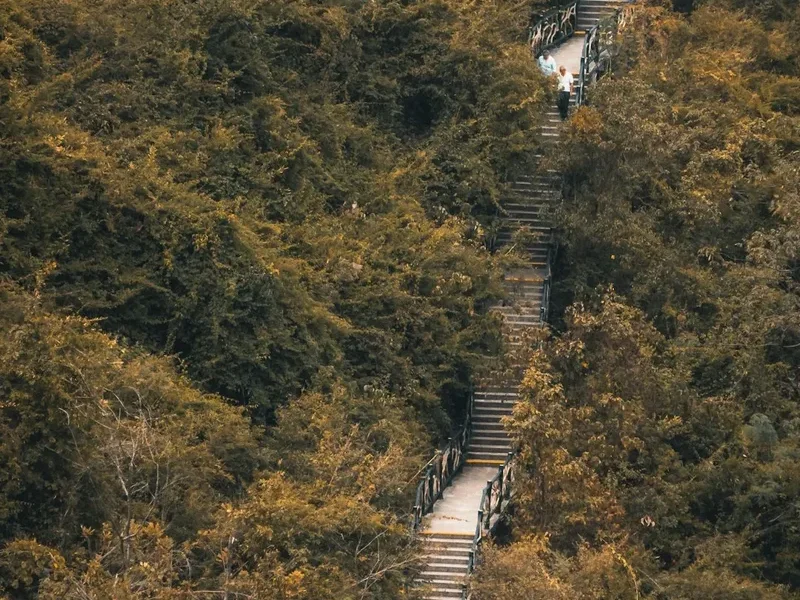
5-Day Ganden to Samye Itinerary
Day 1: Ganden Monastery to Hepu
- Distance: 17 km
- Elevation gain: 200 m
- Time: 5–6 hours
- Morning exploration of Ganden Monastery and the Ganden Kora
- The trail begins by heading south from the monastery car park
- Walk along a high ridge with expansive views of the Lhasa River valley
- Descend gradually into the Hepu Valley
- Pass through the small village of Hepu (the last permanent settlement for several days)
- Camp near Hepu or continue slightly further to a meadow site at Yama Do
- This day is designed to ease you into the trek while maintaining a high base altitude
Day 2: Hepu (Yama Do) to Tsotup-chu Valley via Shug La
- Distance: 10 km
- Elevation gain: 850 m
- Time: 7–8 hours
- A challenging day involving the ascent of the Shug La (5,250 m)
- The climb is steep and follows a rocky trail through boulder fields
- Expect slow progress due to the extreme altitude; "pole-pole" (slowly) is the mantra
- The summit of Shug La is marked by a large cairn and hundreds of prayer flags
- Descent is steep and can be slippery on loose scree
- Camp in the Tsotup-chu Valley, a wide glacial valley with a meandering stream
- This is often the coldest night of the trek due to the valley's elevation
Day 3: Tsotup-chu Valley to Herder's Camp via Chitu La
- Distance: 14 km
- Elevation gain: 300 m
- Time: 5–6 hours
- Follow the Tsotup-chu river upstream before turning south for the Chitu La
- The ascent to Chitu La (5,210 m) is shorter and less steep than the Shug La
- Pass several beautiful alpine lakes nestled in the rocky cirques
- The view from the pass looks down into the lush valleys leading toward Samye
- Descend into a beautiful valley filled with rhododendron shrubs and juniper trees
- Camp at a site frequently used by nomadic herders (Herder's Camp)
- The air feels noticeably thicker as you descend below 4,500 metres
Day 4: Herder's Camp to Yamalung Hermitage
- Distance: 20 km
- Elevation loss: 600 m
- Time: 6–7 hours
- The trail follows a clear path through increasingly dense vegetation
- Pass through forests of birch and fir, a stark contrast to the previous days
- The valley narrows into a dramatic gorge with waterfalls cascading from the cliffs
- Arrive at the Yamalung Hermitage, a sacred site where Guru Rinpoche is said to have meditated
- The hermitage is perched on a steep hillside and offers a peaceful atmosphere
- Camp near the base of the hermitage or stay in the basic pilgrim guesthouse
- This day marks the transition from the high alpine to the sub-alpine zone
Day 5: Yamalung to Samye Monastery
- Distance: 19 km
- Elevation loss: 400 m
- Time: 5–6 hours
- The final leg follows the valley floor as it opens up into the Yarlung Tsangpo plain
- The terrain becomes sandy and arid, with desert-like dunes appearing
- Pass through several small Tibetan villages and agricultural fields
- The golden spires of Samye Monastery become visible from a distance
- Enter the monastery complex through one of the four directional gates
- Celebrate the completion of the trek with a tour of the main temple (Utse)
- Transfer by vehicle to Tsedang or back to Lhasa in the late afternoon
Important Notes:
- Acclimatisation in Lhasa (3,650 m) for at least 3 nights is mandatory before starting
- Pack yaks are the standard method for carrying gear; ensure your tour operator arranges healthy animals
- Water must be treated; glacial streams may look clean but can carry parasites from livestock
- The trail is remote; there is no mobile phone coverage for most of the route
- Respect all religious sites; walk clockwise around stupas and mani walls
- Be prepared for extreme temperature fluctuations between day and night
Planning and Bookings
Book Your Trip
Everything you need to plan your journey
Accommodation
Find places to stay near Lhasa
Flights
Search flights to Lhasa
Essential Preparation
Planning a trek in Tibet is significantly more complex than in Nepal or Europe due to strict government regulations. You cannot simply show up and start walking. All foreign travellers must be part of an organised tour with a licensed guide, a private vehicle, and the necessary permits. This means your first step is to contact a reputable Tibetan travel agency (based in Lhasa or Chengdu) at least two months before your intended departure.
Physical preparation is equally vital. This is a high-altitude trek where you will be sleeping above 4,000 metres for several nights. You should be in excellent cardiovascular shape. However, fitness is no guarantee against Acute Mountain Sickness (AMS). The most important preparation is spending 3–4 days in Lhasa (3,650 m) prior to the trek to allow your body to adjust. During this time, stay hydrated, avoid alcohol, and engage in light walking around the Potala Palace and Barkhor Street.
Trail Accommodation
The Ganden to Samye trek is a pure wilderness experience. There are no commercial lodges, tea houses, or "huts" along the route. All accommodation is in tents.
Camping Facilities:
- Tents: Usually provided by your tour operator (ensure they are high-quality, 4-season mountain tents)
- Dining: A separate mess tent is typically provided for meals and socialising
- Toilets: There are no fixed toilets; your crew will dig a "cat hole" or set up a small toilet tent. Please ensure all waste is buried deeply and paper is packed out or burned
- Water: Sourced from streams and boiled or filtered by the kitchen staff
- Sleeping: You will sleep on foam or inflatable mattresses provided by the agency
What is NOT Provided:
- Sleeping Bags: Most agencies can rent them, but it is highly recommended to bring your own for hygiene and guaranteed warmth
- Personal Lighting: No electricity at campsites; bring a head torch and power banks
- Showers: There are no washing facilities other than a bowl of warm water provided by the crew in the morning
Required Gear
- Footwear: Sturdy, waterproof trekking boots with good ankle support. Ensure they are well broken-in
- Outer Layer: A high-quality waterproof and windproof jacket (Gore-Tex or similar) and overtrousers
- Insulation: A heavy down jacket (rated for -15°C) for evenings and early mornings
- Mid-Layers: Fleece or wool sweaters and a lightweight "puffer" jacket
- Base Layers: Moisture-wicking thermal tops and bottoms (merino wool is ideal)
- Head and Hands: A warm beanie, a sun hat, and two pairs of gloves (one thin liner, one heavy waterproof pair)
- Backpack: A 30–40L daypack for your essentials (water, camera, layers), while yaks carry the rest in a duffel bag
- Navigation: Your guide will handle navigation, but a GPS or offline map (like Gaia or AllTrails) is good for personal tracking
What to Bring
- Sleeping Bag: 4-season bag with a comfort rating of at least -10°C
- Water Treatment: Steripen, Katadyn filter, or purification tablets as a backup
- Sun Protection: SPF 50+ sunscreen, lip balm with SPF, and Category 4 sunglasses (the UV at 5,000 m is extreme)
- First Aid: A personal kit including Diamox (for altitude), Ibuprofen, blister pads, and rehydration salts
- Snacks: High-energy food like chocolate, nuts, energy bars, and dried fruit to supplement camp meals
- Toiletries: Biodegradable wet wipes (your "shower"), hand sanitiser, and a small towel
- Power: A large capacity power bank (20,000mAh+) as cold temperatures drain batteries quickly
Permits
The permit process for Tibet is unique and requires careful coordination with your chosen travel agency. You cannot apply for these permits yourself; the agency must do it on your behalf using copies of your passport and Chinese visa.
Required Documents:
- Tibet Travel Permit (TTP): Issued by the Tibet Tourism Bureau. This is required to enter the Tibet Autonomous Region and to board flights or trains to Lhasa. It usually takes 15–20 days to process
- Alien Travel Permit (ATP): Issued by the Public Security Bureau. This is required for travel to "unopened" areas outside of Lhasa, including the Ganden and Samye regions. Your guide will typically arrange this in Lhasa or Tsedang
- Military Permit: Occasionally required if the trek route is deemed sensitive, though usually not necessary for the standard Ganden-Samye route
Important Considerations:
- Permit rules can change without notice. Sometimes the region is closed to foreigners during sensitive anniversaries (often in March). Always check the current status with your agency
- You must enter Tibet from mainland China or Nepal. If entering from Nepal, you require a specific "Group Tourist Visa" issued by the Chinese Embassy in Kathmandu, which cancels any existing Chinese visa in your passport
- The cost of permits is usually included in your total tour package price, but verify this with your operator
Other Activities in the Area
Since you must spend time in Tibet before and after the trek, consider these essential experiences:
- The Potala Palace: The iconic winter residence of the Dalai Lamas. A UNESCO World Heritage site that requires advance booking
- Jokhang Temple and Barkhor Street: The spiritual heart of Lhasa. Join the pilgrims on their evening kora around the temple
- Sera Monastery: Famous for the afternoon monk debates held in the courtyard. A fascinating display of Buddhist logic and philosophy
- Drepung Monastery: Once the largest monastery in the world, located on the outskirts of Lhasa
- Yumbulagang: Located near Tsedang (after the trek), this is considered the first palace in Tibet, perched dramatically on a rocky pinnacle
- Trandruk Monastery: One of the earliest Buddhist temples in Tibet, famous for its pearl thangka
- Chim-puk Hermitage: A complex of meditation caves located above Samye Monastery, ideal for a day hike if you have extra time
Safety and Conditions
Acute Mountain Sickness (AMS): This is the primary safety concern. The trek crosses two passes over 5,200 metres. Symptoms include headache, nausea, dizziness, and loss of appetite. If symptoms persist or worsen (HAPE or HACE), the only cure is immediate descent. Your guide should be trained in recognising AMS and should carry supplemental oxygen. Do not ignore mild symptoms; communicate openly with your guide.
Weather Extremes: Hypothermia is a real risk if you get wet and the temperature drops. Always keep your waterproofs in your daypack. Snow can fall on the passes even in mid-summer. If a blizzard occurs, stay with your guide and crew; visibility can drop to zero, making navigation impossible.
Tibetan Mastiffs: Nomadic camps are often guarded by large, aggressive Tibetan Mastiffs. These dogs are bred to protect livestock from wolves and leopards. Never approach a nomadic tent without your guide, and never try to pet or feed these dogs. They are working animals and can be very dangerous.
Water Safety: Giardia and other waterborne pathogens are common in areas with high livestock density. Never drink untreated water from streams. Ensure all water is boiled for at least 3 minutes (boiling point is lower at altitude) or use a high-quality filter.
Emergency Evacuation: There are no helicopter rescue services in Tibet like those in Nepal. Evacuation is usually done by horse or yak to the nearest road head, followed by a long drive to Lhasa. Ensure your travel insurance specifically covers high-altitude trekking (up to 6,000 m) and emergency medical evacuation in China.
Side Trips and Points of Interest
Ganden Kora: Before you leave Ganden, walk the high kora path. It offers spectacular views of the Lhasa River and passes by several small shrines and sky burial sites. It takes about 1.5–2 hours and is excellent for acclimatisation.
Yamalung Hermitage: Located on Day 4, this is one of the most sacred meditation sites in Central Tibet. The climb to the hermitage is steep but rewarding. You can see the meditation cave of Guru Rinpoche and a sacred spring. The monks living here are often happy to offer a blessing to passing trekkers.
Hepu Village: A traditional Tibetan farming village. Observing the local architecture and the communal way of life provides a great contrast to the nomadic areas you will enter later.
Palang Tscho: A high-altitude lake passed on the descent from Chitu La. Its deep turquoise colour against the grey scree slopes is one of the most photogenic spots on the trek. It is a perfect place for a quiet lunch break.
Samye Dunes: The area around Samye is surprisingly sandy. Walking through these dunes at sunset, with the monastery in the distance and the Yarlung Tsangpo river nearby, is a surreal and beautiful experience.
Leave No Trace
The Tibetan plateau is an extremely fragile environment. At these altitudes, decomposition happens very slowly, and the ecosystem takes years to recover from human impact. As a visitor to this sacred landscape, you have a moral and environmental obligation to minimise your footprint.
Leave No Trace Principles for Tibet:
- Waste Management: Pack out everything. This includes "micro-trash" like candy wrappers and cigarette butts. Do not leave trash in nomadic camps, as their disposal methods are often inadequate
- Human Waste: Use the toilet tents provided by your crew. If you must go on the trail, ensure you are at least 50 metres from any water source and bury waste deeply
- Respect Religious Sites: Do not touch or remove prayer flags, mani stones, or offerings. Always walk clockwise around religious structures
- Wildlife and Livestock: Observe wildlife from a distance. Do not harass yaks or sheep. Ask permission before taking photos of nomadic people or their children
- Fire: Do not build campfires. Wood is extremely scarce at these altitudes and is needed by locals for cooking and heating. Your crew will use gas or dried yak dung for cooking
- Sky Burial Sites: You may pass sky burial sites (where bodies are offered to vultures). These are highly sacred and private areas. Never take photos, do not enter the immediate area, and maintain a respectful silence