
Galapagos Coastal Trek - A Journey Through the Enchanted Isles
The Galapagos Coastal Trek is a unique 25-kilometre expedition across the volcanic landscapes of Santa Cruz Island, the beating heart of the Galapagos archipelago in Ecuador. Unlike traditional mountain treks, this coastal journey offers an intimate encounter with one of the world's most pristine and evolutionarily significant ecosystems. Traversing a landscape forged by fire and sculpted by the Pacific Ocean, walkers move through stark basaltic lava fields, dense scalesia forests, and pristine white-sand beaches that serve as the ancestral home to species found nowhere else on Earth. This is not merely a hike; it is a walking masterclass in natural history, where the boundaries between humanity and wildlife blur in the shadow of ancient volcanic craters.
- Distance: 25.0 km total (combined segments)
- Duration: 2–3 days
- Season: June to September (dry season/Garua) is optimal for trekking
- Accommodation: Eco-lodges, campsites (limited), and Puerto Ayora hotels
- Highest point: 300 m (Highland sections)
- Difficulty: Moderate (due to heat and uneven volcanic terrain)
- Direction: Flexible, typically starting from Puerto Ayora or the Highlands
Overview
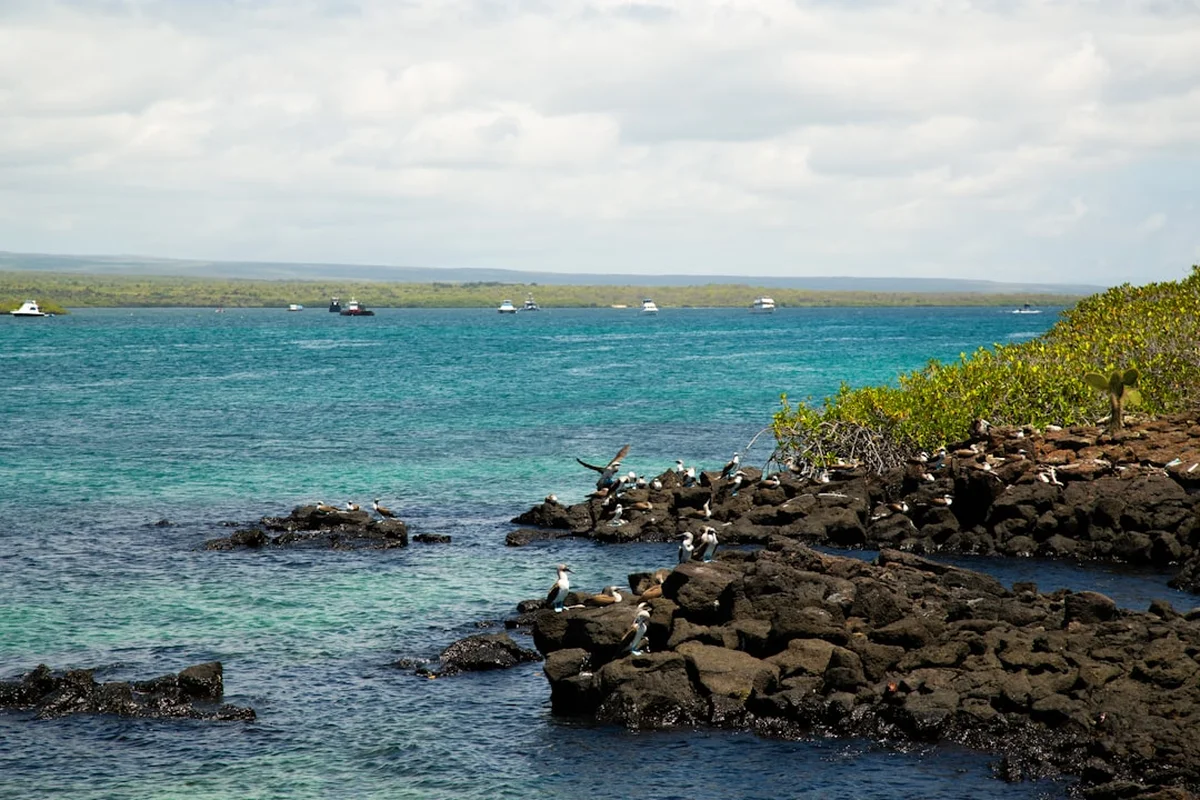
The Galapagos Coastal Trek on Santa Cruz Island provides a rare opportunity to experience the archipelago's terrestrial beauty at a human pace. While most visitors experience the islands via cruise ships, trekking allows for a deeper immersion into the island's distinct microclimates. The route transitions from the arid coastal zone—characterised by giant Opuntia (prickly pear) cacti and salt-tolerant mangroves—to the lush, humid highlands where giant tortoises roam freely through the mist. The trek is a sensory experience: the smell of salt spray on black lava, the prehistoric hiss of a marine iguana, and the vibrant contrast of turquoise waters against scorched earth.
The terrain is a primary feature of the trek. Walkers must navigate "aa" lava (jagged, sharp fragments) and "pahoehoe" lava (smooth, rope-like flows), requiring sturdy footwear and careful foot placement. The coastal segments, particularly the path to Tortuga Bay, are well-maintained, while the highland trails can become muddy and slick during the Garua season. The elevation gain is modest at 300 metres, but the equatorial sun and high humidity can make the physical exertion feel more significant than the numbers suggest. This trek is designed for those who wish to see the "Enchanted Isles" through the eyes of the early explorers, moving slowly enough to notice the subtle variations in Darwin’s finches or the slow, deliberate movements of a century-old tortoise.
Logistically, the trek is often organised as a series of connected day-stages or a supported multi-day journey. Because the Galapagos National Park has strict regulations regarding overnight stays in protected areas, most trekkers use Puerto Ayora as a base or stay in designated highland eco-camps. This structure ensures that the environmental impact remains minimal while allowing walkers to explore the full diversity of Santa Cruz, from the southern shores to the central volcanic peaks.
History and Cultural Context
The history of the Galapagos is as dramatic as its landscape. Formed by a volcanic "hotspot" in the Earth's crust, these islands are geologically young, with Santa Cruz being approximately 2 to 3 million years old. For centuries, the islands remained uninhabited by humans, serving only as a refuge for pirates and whalers who used the giant tortoises as a source of fresh meat during long voyages. It wasn't until 1835, when the HMS Beagle arrived with a young naturalist named Charles Darwin, that the islands' true significance was realised. Darwin’s observations of the variations in species between the islands provided the foundational evidence for his theory of evolution by natural selection.
Santa Cruz Island, where this trek takes place, has a unique human history compared to its neighbours. It was settled relatively late, in the early 20th century, by European colonists—primarily Norwegians, Germans, and Americans—who attempted to establish farms in the fertile highlands. Today, Puerto Ayora is the largest town in the archipelago, a bustling hub that balances modern tourism with strict conservation mandates. The establishment of the Galapagos National Park in 1959 and its subsequent designation as a UNESCO World Heritage site in 1978 transformed the island from a remote outpost into a global symbol of environmental preservation.
Walking these trails, you follow in the footsteps of scientists and conservationists who have dedicated decades to restoring the island's balance. You will pass through areas where the "Galapagos Giant Tortoise Restoration Programme" has successfully reintroduced tortoises to the wild, and where invasive species management is an ongoing battle. The cultural context of the trek is one of stewardship; every walker is a guest in a fragile laboratory of evolution.
Want more background? Read extended notes on history and cultural context → Learn more
Seasonal Highlights and Weather Reality
The Galapagos Islands experience two distinct seasons, each offering a different trekking experience. Understanding these cycles is crucial for planning a successful journey.
The Dry Season (June to September): Also known as the "Garua" season, this is widely considered the best time for trekking. The Humboldt Current brings cooler waters and a persistent misty drizzle (garua) to the highlands. While the skies may be overcast, the temperatures are much more comfortable for walking, typically ranging from 20°C to 26°C. This is the time when the highlands are at their lushest, and the giant tortoises are most active in the grassy fields. Marine life is also highly active due to the nutrient-rich cold waters, making the coastal snorkeling stops along the trek particularly rewarding.
The Wet Season (December to May): This period is characterised by warmer temperatures (25°C to 31°C) and frequent, heavy tropical downpours followed by brilliant sunshine. The water is warmer and clearer, which is ideal for swimming, but the heat and humidity can make trekking in the arid coastal zones quite punishing. During these months, the vegetation in the coastal zones turns vibrant green, and many land birds and iguanas begin their breeding seasons. However, trekkers must be prepared for muddy trails in the highlands and the intense equatorial sun.
Regardless of the season, the sun in the Galapagos is exceptionally strong due to its position on the equator. UV protection is a year-round necessity. Additionally, the transition months of October, November, and May offer a blend of both seasons and can be excellent times to visit with fewer crowds.
Recommended Itinerary
3-Day Galapagos Coastal & Highland Trek
Day 1: Puerto Ayora to Tortuga Bay and Playa Mansa
- Distance: 6 km (return)
- Elevation gain: 20 m
- Time: 3–4 hours (including exploration)
- Start at the trailhead on the western edge of Puerto Ayora
- Walk along a paved volcanic stone path through a forest of giant Opuntia and Candelabra cacti
- Arrive at Playa Brava, a stunning white-sand beach known for strong surf and marine iguanas
- Continue walking along the shore to Playa Mansa, a calm mangrove-fringed lagoon
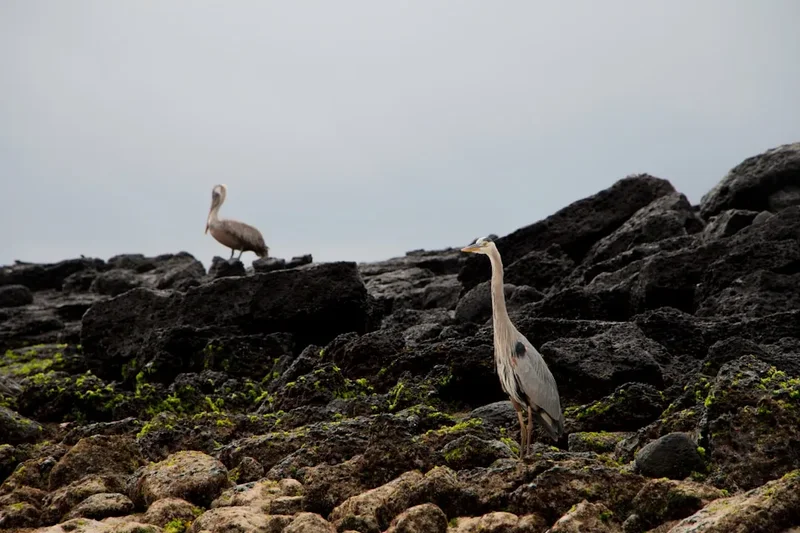
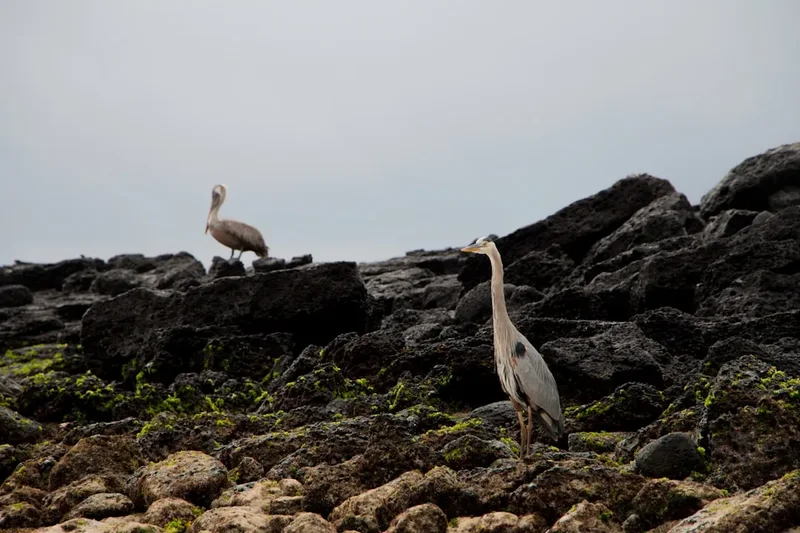
- Observe blue-footed boobies diving and pelicans nesting in the mangroves
- Afternoon spent snorkeling in the lagoon with white-tip reef sharks and sea turtles
- Return to Puerto Ayora for the evening
Day 2: The Highland Traverse (Santa Rosa to El Chato)
- Distance: 10 km
- Elevation gain: 250 m
- Time: 5–6 hours
- Transfer by taxi or bus to the village of Santa Rosa in the highlands
- Trek through the Scalesia forest, an endemic "daisy tree" ecosystem
- Enter the El Chato Tortoise Reserve, where giant tortoises roam in their natural habitat
- Explore massive underground lava tunnels, formed by ancient cooling lava flows
- Pass by the "Los Gemelos" (The Twins) sinkholes, surrounded by lush bird-filled forests
- Observe Darwin’s finches, vermilion flycatchers, and short-eared owls
- The trail can be muddy; waterproof boots or gaiters are recommended
- Evening stay at a highland eco-camp or return to Puerto Ayora
Day 3: Cerro Mesa to El Garrapatero Beach
- Distance: 9 km
- Elevation: 300 m descent
- Time: 4–5 hours
- Start at the Cerro Mesa viewpoint, offering a 360-degree view of Santa Cruz and neighbouring islands
- Descend through the transition zone, watching the vegetation change from lush forest to arid scrub
- Follow the trail toward the eastern coast, passing through private ecological reserves
- Arrive at El Garrapatero, a secluded beach with a freshwater lagoon
- The lagoon is a frequent haunt for Greater Flamingos and various shorebirds
- Enjoy a final swim and picnic on the beach before a pre-arranged vehicle transfer back to town
- This segment highlights the island's geological diversity and provides a quiet alternative to the busier beaches
Important Notes:
- The highland sections (Day 2) often require a certified Galapagos National Park guide
- Water is not available on the trails; you must carry at least 2–3 litres per day
- Sun protection is critical; there is very little shade on the coastal paths
- Respect the 2-metre rule: always stay at least two metres away from all wildlife
- Trail conditions in the highlands vary significantly with rainfall
Planning and Bookings
Book Your Trip
Everything you need to plan your journey
Accommodation
Find places to stay near Puerto Ayora
Flights
Search flights to Puerto Ayora
Essential Preparation
Planning a trek in the Galapagos requires more logistical coordination than a standard mainland hike. Your journey begins with a flight from mainland Ecuador (Quito or Guayaquil) to Baltra Airport (GPS). Upon arrival, you must pay the Galapagos National Park entrance fee (recently increased to US$200 for most international adults) and the Transit Control Card (TCT) fee (US$20). From Baltra, a short ferry ride across the Itabaca Channel and a 45-minute bus or taxi ride will bring you to Puerto Ayora, the primary base for the Coastal Trek.
Fitness requirements are moderate. While the elevation gain is low, the combination of high humidity, equatorial heat, and uneven volcanic rock requires a good level of cardiovascular health and balance. It is highly recommended to spend at least one day in Puerto Ayora to acclimatise to the heat before beginning the longer segments of the trek. Booking a certified guide is mandatory for many highland areas and highly recommended for the coastal sections to gain insight into the complex ecology of the islands.
Trail Accommodation
Accommodation on Santa Cruz Island ranges from budget-friendly hostels to ultra-luxury eco-lodges. Because camping is strictly regulated to protect the environment, most trekkers utilise a "hub and spoke" model, returning to Puerto Ayora or staying in specific highland lodges.
Huts and Lodges:
- Puerto Ayora Hotels: A wide range of options. Booking in advance is essential during peak seasons (July–August and December–January).
- Highland Eco-Lodges: Located near Santa Rosa, these offer a more immersive experience. Facilities usually include private rooms, meals, and guided tours of tortoise habitats.
- Designated Campsites: There are very few legal campsites on Santa Cruz (such as near Garrapatero). These require a special permit from the Galapagos National Park office in Puerto Ayora, which must be obtained several days in advance. Facilities are minimal (usually just a cleared area and a basic pit toilet).
What is NOT provided:
- There are no "backcountry huts" with kitchens or bedding like those found in New Zealand or Europe.
- Potable water is not available on the trails.
- Electricity is only available in towns or established lodges.
Required Gear
- Sturdy Hiking Boots: Essential for the sharp, uneven volcanic rock. Ensure they are well broken-in.
- Lightweight, Breathable Clothing: Moisture-wicking fabrics are best. Long sleeves and trousers help protect against both sun and "uayabillo" (stinging plants) in the highlands.
- Sun Hat and Polarised Sunglasses: The glare from the white sand and volcanic rock is intense.
- Waterproof Jacket: Necessary for the highland "Garua" mist or tropical downpours.
- Daypack (20-30L): With a high-quality rain cover.
- Dry Bags: To protect electronics and cameras during boat transfers or rain.
- Snorkeling Gear: While many tours provide this, having your own mask and snorkel ensures a better fit for the coastal stops.
What to Bring
- Water Purification: While you should carry bottled or treated water from town, a backup filter or UV purifier is useful.
- High-SPF Biodegradable Sunscreen: Standard sunscreens contain chemicals that harm the reef; biodegradable is mandatory.
- Insect Repellent: Particularly for the highlands and mangrove areas where "mosquitos" and "tabanos" (biting flies) can be active.
- Personal First Aid Kit: Include blister pads, antiseptic wipes, and rehydration salts.
- High-Energy Snacks: Nuts, dried fruit, and energy bars (ensure no seeds are dropped).
- Binoculars: For birdwatching and observing distant tortoises.
- Cash (US Dollars): Ecuador uses the US Dollar. Small denominations are useful for taxis, small shops, and tips for guides.
Permits
The Galapagos Islands are one of the most strictly regulated National Parks in the world. Every visitor must comply with a multi-layered permit system designed to fund conservation and limit human impact.
Mandatory Fees and Documents:
- Transit Control Card (TCT): US$20, purchased at the airport in Quito or Guayaquil before check-in. This tracks your entry and exit from the islands.
- National Park Entrance Fee: As of 2024, this is US$200 for international tourists (subject to change). This is paid in cash upon arrival at the airport in the Galapagos.
- Highland Permits: Access to certain areas like El Chato or Cerro Mesa may require a small additional entrance fee (usually US$5–$10) paid to the local landowners or conservancy groups.
Guide Requirements:
While the path to Tortuga Bay can be walked independently, the Galapagos National Park rules state that many "protected zones" (including most highland trails and remote beaches) can only be accessed with a licensed Galapagos National Park Guide. It is your responsibility to ensure your trek is compliant. Guides can be hired in Puerto Ayora through various trekking agencies.
Camping Permits:
If you intend to camp at one of the very few authorised sites, you must apply for a permit at the Galapagos National Park Directorate (DPNG) office in Puerto Ayora at least 48 hours in advance. These permits are limited and not always granted, depending on current conservation priorities.
Other Activities in the Area
Santa Cruz is the perfect base for exploring the wider archipelago. Consider these additions to your trekking itinerary:
- Charles Darwin Research Station: Located in Puerto Ayora, this is essential for understanding the tortoise breeding programmes and the legacy of Lonesome George.
- Las Grietas: A stunning geological formation where you can swim in a crystal-clear volcanic crevice filled with a mix of fresh and salt water.
- Scuba Diving: Santa Cruz offers world-class diving at sites like Gordon Rocks (for hammerhead sharks) and North Seymour.
- Day Boat Trips: Visit neighbouring islands like Bartolomé (for the iconic Pinnacle Rock view) or South Plaza (for land iguanas and sea lion colonies).
- Kayaking in Divine Bay: A peaceful way to see reef sharks, rays, and blue-footed boobies from the water.
- Coffee Farm Tours: Visit organic coffee plantations in the highlands to see how the volcanic soil produces unique, award-winning beans.
Safety and Conditions
Environmental Hazards:
- Heat Exhaustion and Sunstroke: This is the most common safety issue. The equatorial sun is relentless. Drink more water than you think you need and wear a wide-brimmed hat.
- Volcanic Terrain: The "aa" lava is incredibly sharp. A simple trip can result in deep lacerations. Always watch your step and avoid walking on lava in sandals.
- Wildlife Encounters: While Galapagos animals are famously unafraid of humans, they are still wild. Male sea lions can be territorial and aggressive, and certain plants in the highlands (like the Manzanillo or Poison Apple tree) are toxic to the touch and should never be eaten.
Navigation:
Trails in the Galapagos are generally well-marked, but in the highlands, mist can reduce visibility significantly. If you are trekking without a guide in permitted areas, ensure you have an offline GPS map. There is no mobile signal once you leave the immediate vicinity of Puerto Ayora.
Water Safety:
When snorkeling or swimming at beaches like Tortuga Bay, be aware of strong rip currents. Playa Brava is notorious for dangerous swells; always swim in the designated calm areas like Playa Mansa.
Emergency Services:
Puerto Ayora has a basic hospital and several clinics. For serious medical emergencies, evacuation to mainland Ecuador (Guayaquil) is required. Comprehensive travel insurance that covers medical evacuation is mandatory for all visitors to the Galapagos.
Side Trips and Points of Interest
Los Gemelos (The Twin Craters): These are not actually volcanic craters but massive sinkholes formed by the collapse of empty magma chambers. Located in the highlands, they are surrounded by a lush Scalesia forest. The trail around the rim offers excellent birdwatching, including the rare vermilion flycatcher.
Lava Tunnels: Santa Cruz is honeycombed with lava tubes. Some of the largest are located on private farms in the highlands. Walking through these cool, dark, subterranean passages—some over a kilometre long—provides a fascinating look at the island's volcanic plumbing.
El Chato Tortoise Reserve: This is one of the few places where you can see giant tortoises in the wild rather than in pens. Watching a 250-kilogram tortoise slowly graze through the mist is a highlight of the trek. The reserve also features a variety of highland birds and beautiful lagoons.
Playa de los Perros: A short boat ride or a longer coastal walk from Puerto Ayora leads to this beach, named for the large number of dog-faced pufferfish found in the shallows. It is a prime spot for seeing large colonies of marine iguanas basking on the black rocks.
Leave No Trace
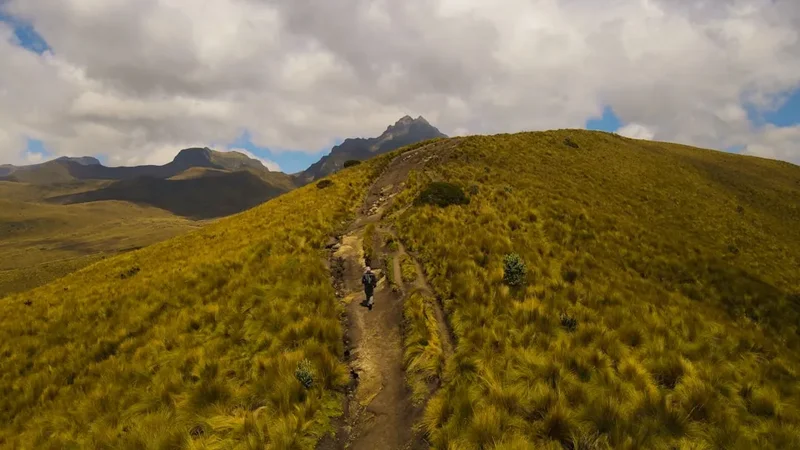
The Galapagos Islands are a "living laboratory" of evolution. The ecosystem is incredibly fragile, and the introduction of a single foreign seed or insect can have devastating consequences. As a trekker, you are an essential part of the conservation effort.
Galapagos National Park Rules:
- The 2-Metre Rule: Maintain a minimum distance of 2 metres (1 m) from all wildlife at all times, even if they approach you.
- No Food on Trails: To prevent the introduction of invasive species and to avoid changing animal behaviour, eating is generally prohibited on National Park trails. Stick to designated picnic areas like El Garrapatero.
- Pack It Out: Every piece of litter, including organic waste like orange peels or apple cores, must be taken back to town. Organic waste can introduce non-native seeds.
- Stay on the Path: Stepping off the trail can crush bird nests (many Galapagos birds nest on the ground) or damage fragile volcanic soil crusts.
- No Flash Photography: This can startle and stress the animals.
- Do Not Touch: Never touch or pet any animal, including sea lions and iguanas. Human bacteria and oils can be harmful to them.
- Clean Your Gear: Before arriving in the Galapagos and before moving between islands, scrub your boots and check your Velcro for seeds or soil.
By following these rules, you ensure that the "Enchanted Isles" remain enchanted for the next generation of explorers and scientists.