
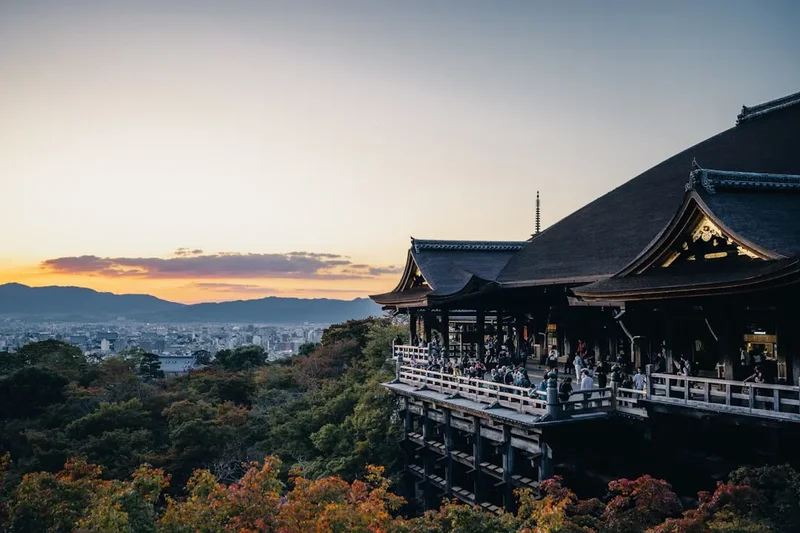
Fushimi Inari Shrine Trail - Kyoto's Vermilion Path
The Fushimi Inari Shrine Trail, nestled in the southern part of Kyoto, Japan, is an iconic and spiritually significant pilgrimage route. Famous for its thousands of vibrant vermilion torii gates that wind their way up the sacred Mount Inari, this trail offers a unique blend of natural beauty, cultural immersion, and moderate physical challenge. Unlike the multi-day treks of New Zealand's Great Walks, Fushimi Inari is a captivating day walk, accessible to a wide range of visitors seeking a memorable experience in one of Japan's most revered Shinto shrines.
- Distance: 4.0 km (to summit and return)
- Elevation gain: 233 m
- Duration: 2-3 hours (round trip, including stops)
- Difficulty: Moderate
- Season: Year-round, but Spring (March-May) and Autumn (September-November) offer the most pleasant weather
- Closest City: Kyoto
- Trailhead Access: Directly accessible via JR Nara Line to Inari Station
Overview
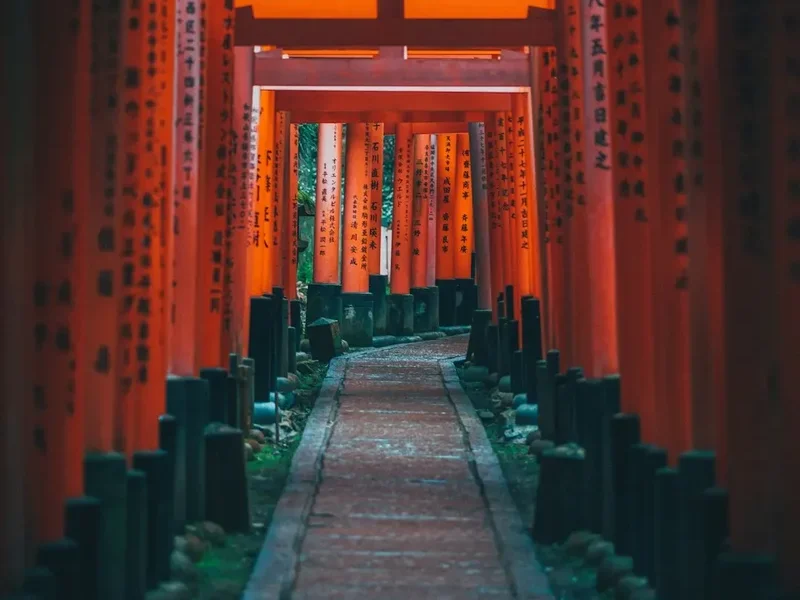
The Fushimi Inari Shrine Trail is not merely a hike; it's a journey through a sacred landscape adorned with an astonishing spectacle of torii gates. These gates, donated by individuals and companies as offerings to Inari, the Shinto god of rice, sake, and prosperity, form an almost continuous tunnel of vermilion as they ascend the mountainside. The main path, approximately 4 kilometres in length to the summit of Mount Inari and back, is a well-maintained route that offers a gradual but steady climb. The experience is a sensory delight: the striking contrast of the bright orange-red gates against the lush green of the surrounding forest, the dappled sunlight filtering through the canopy, and the quiet reverence that permeates the atmosphere.
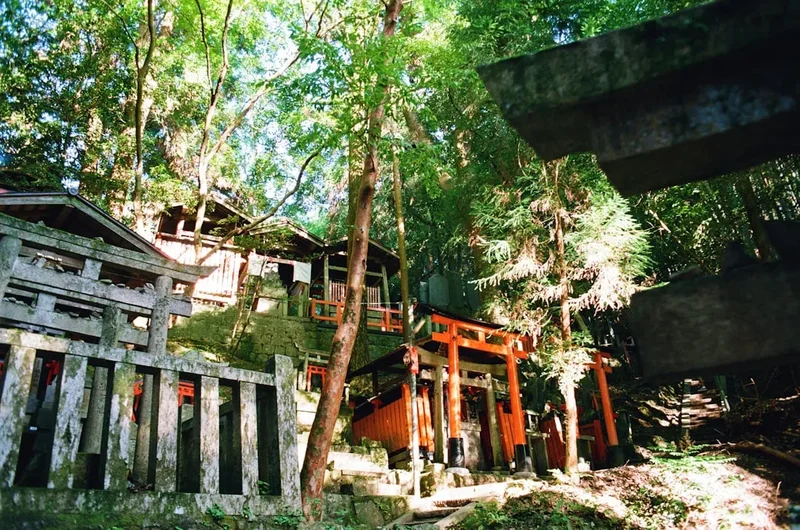
While the main path is the most popular, numerous smaller sub-shrines and stone fox statues (kitsune), considered messengers of Inari, dot the landscape, offering moments of quiet contemplation and discovery. The higher you climb, the fewer people you encounter, allowing for a more serene and personal connection with the mountain and its spiritual essence. The summit of Mount Inari, at 233 metres, provides panoramic views over Kyoto, rewarding hikers for their ascent. The trail is accessible at all hours, making it a popular spot for early morning sunrise walks or late evening strolls under the moonlight, though the main shrine complex is most active during daylight hours.
The Fushimi Inari Shrine itself is the head shrine for approximately 30,000 Inari shrines across Japan. Its origins date back to 711 AD, making it one of Kyoto's oldest and most significant religious sites. The trail's popularity has grown exponentially in recent years, driven by its photogenic nature and its depiction in popular culture, including the acclaimed animated film "Spirited Away." Despite its fame, the sheer number of gates and the expansive nature of the mountain ensure that even during peak times, moments of solitude can be found, especially as one ventures further up the path.
History and Cultural Context
The Fushimi Inari Shrine has a history stretching back over 1,300 years, established in 711 AD by the Hata clan, who were influential immigrants from the Korean peninsula. The shrine is dedicated to Inari Ōkami, the Shinto deity associated with rice, agriculture, fertility, industry, and general prosperity. Inari's messengers are foxes (kitsune), which are often depicted as white or red and are frequently found as statues throughout the shrine grounds and along the mountain paths, often holding a key to the rice granary or a jewel in their mouths.
The tradition of donating torii gates began in the Edo period (1603–1868). Initially, these donations were made by individuals seeking good fortune or expressing gratitude for success. Over time, this practice evolved to include donations from businesses and corporations, who believe that dedicating a torii gate to Inari will bring them prosperity and success in their ventures. Each gate is inscribed with the name of the donor and the date of the donation, creating a living testament to the enduring faith and hope placed in the deity.
The mountain itself, Mount Inari, has been considered sacred for centuries. The network of trails leading to its summit is not just a physical path but a spiritual pilgrimage. The journey up the mountain is seen as a metaphor for life's journey, with its ups and downs, challenges, and rewards. The numerous sub-shrines encountered along the way represent different aspects of Inari's domain and offer opportunities for prayer and reflection. The shrine's importance extends beyond its religious significance; it is a vital cultural landmark that embodies the deep-rooted traditions and spiritual beliefs of Japan.
Seasonal Highlights and Weather Reality
The Fushimi Inari Shrine Trail is a year-round destination, each season offering a distinct experience. However, certain periods are more favourable for visitors seeking comfortable weather and optimal visual appeal.
Spring (March to May): This is arguably the most popular time to visit. The weather is generally mild and pleasant, with average temperatures ranging from 10°C to 20°C. Cherry blossoms (sakura) may be in bloom in early spring, adding a delicate beauty to the surrounding landscape. The lush greenery of the forest is vibrant, and the vermilion gates stand out beautifully against the clear blue skies. However, this is also peak tourist season, so expect larger crowds, especially on weekends and public holidays.
Summer (June to August): Summers in Kyoto are hot and humid, with average temperatures often exceeding 30°C and high humidity levels. Rainfall is also common during the rainy season (tsuyu) in June and July. While the heat and humidity can be challenging for hiking, the dense forest canopy provides some shade. The vibrant green of the foliage is at its peak, and the torii gates create a striking visual contrast. Visiting early in the morning or late in the afternoon can help avoid the midday heat. The shrine is often less crowded during the hottest parts of the day.
Autumn (September to November): Autumn is another excellent season to visit Fushimi Inari. The weather becomes cooler and drier, with average temperatures ranging from 15°C to 25°C. The humidity decreases, making hiking more comfortable. The surrounding maple trees (momiji) turn brilliant shades of red, orange, and yellow, creating a breathtaking autumnal spectacle that complements the vermilion gates. This season also attracts many visitors, though generally fewer than spring.
Winter (December to February): Winters in Kyoto are cool to cold, with average temperatures ranging from 2°C to 10°C. Snowfall is infrequent but possible, which can transform the shrine into a magical, serene landscape. The bare branches of the trees offer a different perspective on the torii gate tunnels, and the crowds are significantly smaller. The crisp air can make for invigorating walks, and the lack of foliage allows for clearer views of the city from higher points on the mountain.
Weather Reality: Regardless of the season, it is advisable to check the weather forecast before your visit. Kyoto can experience sudden changes in weather. The mountain paths can become slippery when wet, so appropriate footwear is essential. The higher you ascend, the cooler it may become, so layering clothing is recommended.
Recommended Itinerary
Fushimi Inari Shrine Trail - Day Walk Itinerary
Early Morning (7:00 AM - 9:00 AM): Arrival and Lower Shrine Exploration
- Arrive at JR Inari Station (5-minute walk from Kyoto Station on the JR Nara Line).
- The main shrine complex is directly opposite the station.
- Begin exploring the main shrine buildings, including the impressive Romon Gate (Donated by Toyotomi Hideyoshi in 1589).
- Observe the numerous fox statues, many adorned with red bibs.
- Locate the entrance to the torii gate path, usually marked by a large cluster of gates.
- This early hour offers the best chance for solitude and atmospheric photography before the main crowds arrive.
Morning (9:00 AM - 11:00 AM): Ascent through the Vermilion Tunnels
- Begin your ascent up Mount Inari through the iconic Senbon Torii (Thousand Torii Gates).
- The path is well-defined and paved, with gates densely packed together, creating a tunnel effect.
- Take your time to appreciate the inscriptions on the gates, noting the names of donors and dates.
- Encounter numerous smaller sub-shrines and fox statues along the way.
- The path splits and rejoins multiple times, offering different perspectives and slightly varied routes.
- The gradient is moderate but steady, requiring a reasonable level of fitness.
Midday (11:00 AM - 12:00 PM): Reaching the Summit and Panoramic Views
- Continue ascending towards the summit of Mount Inari (233 metres).
- The density of the torii gates may lessen slightly as you climb higher, offering more glimpses of the surrounding forest.
- Reach the Yotsutsuji intersection, a popular viewpoint offering panoramic vistas over Kyoto city.
- This is an excellent spot for a rest, to take photos, and to appreciate the scale of the shrine and the city below.
- There are small rest stops and vending machines available at this point.
Afternoon (12:00 PM - 2:00 PM): Descent and Further Exploration
- Begin your descent back down the mountain. You can choose to follow the same path or explore alternative, less-travelled routes that branch off the main trail.
- These smaller paths often lead to more secluded sub-shrines and offer a quieter experience.
- Continue to observe the details of the forest and the unique atmosphere.
- As you descend, the crowds will likely have increased significantly.
- Return to the main shrine complex.
Late Afternoon (2:00 PM onwards): Post-Hike Relaxation and Departure
- Spend some time exploring the main shrine grounds further, perhaps visiting the treasure hall or souvenir shops.
- Enjoy local snacks or refreshments from the stalls near the entrance.
- Depart from JR Inari Station, or explore other nearby attractions in Kyoto.
Important Notes:
- The trail is open 24 hours, but the main shrine buildings and facilities are best visited during daylight hours.
- Wear comfortable, sturdy walking shoes as the paths can be uneven and slippery when wet.
- Carry water, especially during warmer months, as there are limited places to purchase refreshments on the upper parts of the trail.
- Be prepared for crowds, particularly during peak seasons and weekends.
- Respect the sacred nature of the site; maintain a quiet demeanour and do not disturb the shrines or statues.
Planning and Bookings
Book Your Trip
Everything you need to plan your journey
Accommodation
Find places to stay near Kyoto
Flights
Search flights to Kyoto
Essential Preparation
The Fushimi Inari Shrine Trail is a day walk, meaning no overnight accommodation is required. Preparation primarily involves understanding access, timing, and what to expect regarding crowds and weather. The closest major transport hub is Kyoto Station. From Kyoto Station, the JR Nara Line provides direct and frequent access to Inari Station, which is located directly opposite the shrine's main entrance. The journey takes approximately 5 minutes. Alternatively, you can take the Keihan Main Line to Fushimi-Inari Station, which is a slightly longer walk (about 10 minutes) to the shrine.
Given its popularity, planning your visit to avoid peak times can significantly enhance the experience. Early mornings (before 8:00 AM) or late afternoons (after 4:00 PM) are generally less crowded. Weekdays are also preferable to weekends. If visiting during peak seasons like spring (cherry blossom) or autumn (fall foliage), be prepared for substantial crowds throughout the day.
Kyoto itself offers a wide range of accommodation options, from budget hostels and guesthouses to luxury hotels and traditional ryokans. It is advisable to book accommodation in advance, especially during peak tourist seasons.
Trail Accommodation
This is a day hike requiring no overnight accommodation.
Required Gear
- Comfortable walking shoes: Sturdy, closed-toe shoes with good grip are essential. The paths can be uneven, and some sections may be slippery, especially after rain.
- Lightweight backpack: To carry essentials like water, snacks, and personal items.
- Camera: To capture the iconic torii gates and panoramic views.
- Sun protection: Hat, sunglasses, and sunscreen, especially during spring and summer.
- Rain gear: A lightweight, packable rain jacket or umbrella is advisable, particularly during the rainy season (June-July) or if visiting in cooler months.
- Insect repellent: Recommended during warmer months to ward off mosquitoes and other insects, especially in shaded, humid areas.
What to Bring
- Water: Carry at least one litre of water per person, especially during warmer months. Vending machines are available at the base and at certain points higher up the mountain, but availability can be inconsistent.
- Snacks: Energy bars, fruit, or other portable snacks are useful for maintaining energy levels during the climb.
- Cash: While many shops and restaurants in Kyoto accept cards, smaller stalls near the shrine or vending machines may only accept cash (Japanese Yen).
- Offline map: A downloaded map of the Fushimi Inari area on your smartphone can be helpful, although the main trail is well-marked.
- Small towel: Useful for wiping sweat during warmer weather.
Permits
No permits are required to access the Fushimi Inari Shrine or to walk the trails. The shrine and its grounds are open to the public free of charge. The shrine is accessible 24 hours a day, though the main buildings and facilities are typically open from dawn until dusk. The torii gate paths are always accessible, making it possible to visit very early in the morning or later in the evening for a more tranquil experience, though lighting can be limited on some sections.
Opening Hours:
- Shrine Grounds: Open 24 hours
- Main Shrine Buildings: Generally open from approximately 6:00 AM to 6:00 PM (hours can vary slightly by season and specific buildings).
Fees:
- Entrance to the shrine and trails: Free
- Photography: Generally permitted, but be respectful of worshippers and avoid intrusive photography. Some areas within the main shrine buildings may have restrictions.
- Donations: Visitors are welcome to make donations to support the upkeep of the shrine.
Tips for Visiting:
- Timing: To avoid the largest crowds, aim to visit early in the morning (before 8:00 AM) or later in the afternoon (after 4:00 PM). Weekdays are generally less crowded than weekends.
- Respect: Remember that this is a sacred religious site. Maintain a quiet and respectful demeanour, avoid loud noises, and do not disturb the shrines, statues, or other visitors.
- Footwear: Wear comfortable, sturdy walking shoes. The paths are well-maintained but can be uneven and steep in places.
- Hydration: Carry plenty of water, especially during warmer months. Vending machines are available, but can be sparse on higher trails.
Other Activities in the Area
While the Fushimi Inari Shrine Trail is a primary attraction, the surrounding area and Kyoto itself offer a wealth of other experiences:
- Explore Kyoto's Temples and Shrines: Kyoto is renowned for its cultural heritage, boasting thousands of temples and shrines. Must-visit sites include Kinkaku-ji (Golden Pavilion), Kiyomizu-dera Temple with its wooden stage, and the serene Arashiyama Bamboo Grove.
- Gion District: Wander through the historic geisha district of Gion, known for its traditional wooden machiya houses, teahouses, and the chance to spot geiko (Kyoto geisha) and maiko (apprentices).
- Nishiki Market: Immerse yourself in Kyoto's culinary scene at Nishiki Market, a vibrant covered street market offering a vast array of local produce, street food, and traditional Japanese ingredients.
- Philosopher's Path: A pleasant stone path that follows a canal lined with hundreds of cherry trees, particularly beautiful during the cherry blossom season.
- Kyoto Imperial Palace: Visit the former residence of the Japanese Imperial family, set within a large park. Guided tours are available.
- Sake Tasting in Fushimi: The Fushimi district, where the shrine is located, is also one of Japan's premier sake-producing regions. Visit local breweries for tours and tastings.
- Day Trip to Nara: A short train ride from Kyoto, Nara offers a charming experience with its friendly wild deer roaming freely in Nara Park and the magnificent Todai-ji Temple, housing a giant bronze Buddha statue.
Safety and Conditions
Trail Conditions: The Fushimi Inari Shrine Trail is generally well-maintained and clearly marked. The main path is paved or covered with gravel. However, some of the smaller, less-travelled side paths can be steeper, narrower, and may have loose stones or exposed roots. When wet, the paths can become slippery, increasing the risk of falls.
Weather: Kyoto experiences distinct seasons. Summers are hot and humid, with a risk of typhoons and heavy rainfall. Winters are cool to cold. Spring and autumn offer the most pleasant weather for hiking. Always check the weather forecast before your visit and be prepared for changing conditions. During periods of heavy rain, some of the less-maintained paths might become hazardous.
Crowds: Fushimi Inari is one of Japan's most popular tourist destinations. Expect significant crowds, especially during peak hours (mid-morning to mid-afternoon), weekends, and public holidays. Visiting early in the morning or late in the afternoon can provide a more peaceful experience.
Hydration and Nutrition: It is crucial to stay hydrated, particularly during warmer months. Carry sufficient water, as vending machines are not always readily available on higher sections of the trail. Light snacks are also recommended to maintain energy levels.
Footwear: Appropriate footwear is essential. Sturdy, closed-toe walking shoes with good grip are highly recommended. Avoid sandals or flip-flops, as they offer inadequate support and protection.
Respectful Behaviour: As a sacred religious site, visitors are expected to behave respectfully. This includes maintaining a quiet demeanour, refraining from littering, and not disturbing the shrines, statues, or other visitors. Photography is generally allowed, but be mindful of worshippers and avoid intrusive shots.
Emergency Services: While the trail is popular and generally safe, it is advisable to be aware of your surroundings. In case of an emergency, look for shrine staff or other visitors who can assist. Mobile phone reception is generally good throughout the area.
Side Trips and Points of Interest
Senbon Torii (Thousand Torii Gates): This is the most iconic section of the trail, where the torii gates are densely packed, creating a mesmerising vermilion tunnel. The sheer number and continuous flow of these gates are breathtaking and offer unparalleled photographic opportunities.
Kitsune Statues: Throughout the shrine complex and along the trails, you will encounter numerous statues of foxes (kitsune), which are considered the messengers of Inari Ōkami. These statues often hold symbolic items such as a key to the granary, a scroll, or a jewel. Many are adorned with red bibs, a sign of devotion.
Sub-shrines: As you ascend Mount Inari, you will discover many smaller, often secluded sub-shrines dedicated to various aspects of Inari's domain or to other deities. These offer moments of quiet reflection and a deeper insight into the spiritual landscape of the mountain.
Yotsutsuji Intersection: Located about halfway up the mountain, this is a popular resting point and offers a significant viewpoint. From here, you can enjoy panoramic views of Kyoto city, the surrounding mountains, and the Uji River. It's an ideal spot to pause, rehydrate, and appreciate the expansive scenery.
Mount Inari Summit: While not a dramatic peak, reaching the summit (233 metres) provides a sense of accomplishment. The views from the top are rewarding, offering a different perspective of the city and the shrine complex. The summit area is relatively peaceful compared to the lower sections.
Otawa Waterfall: Located near the base of the mountain, this waterfall is considered sacred. Visitors often drink from its waters, which are believed to have wish-granting properties, though it's important to use the provided cups and follow local customs.
Leave No Trace
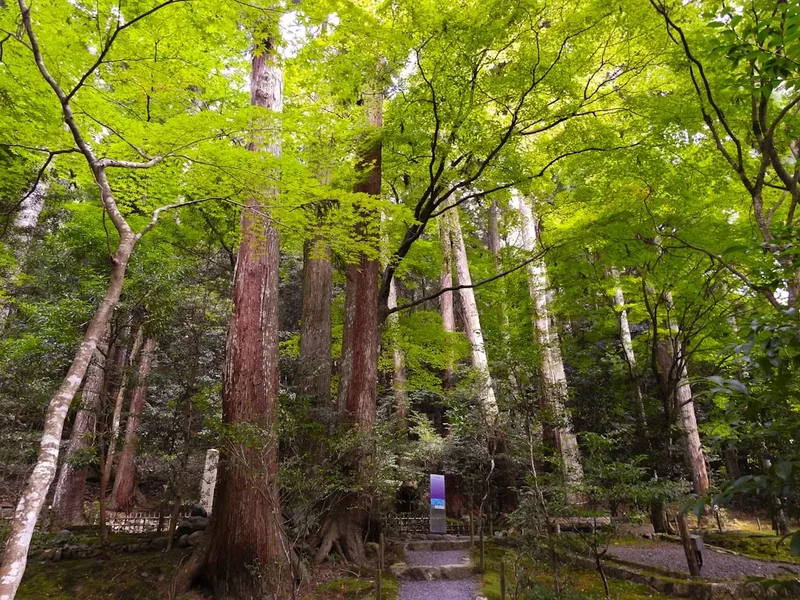
The Fushimi Inari Shrine Trail, while a popular tourist destination, is also a sacred and culturally significant site. Practising Leave No Trace principles ensures its preservation for future generations and shows respect for its spiritual importance.
Pack It In, Pack It Out: Carry out all litter, including food wrappers, drink containers, and any other waste you generate. Do not leave anything behind on the trails or at the shrine. Designated bins are available near the main shrine entrance, but it's best to carry your rubbish until you find one.
Stay on Marked Trails: The main paths are well-defined. Straying from these paths can damage fragile vegetation, disturb wildlife, and potentially lead you into unsafe areas. The dense torii gate tunnels are part of the experience, and staying within them helps protect the surrounding forest.
Respect Wildlife: While large wildlife is not common on this urban mountain, be mindful of smaller creatures. Do not feed any animals, including the foxes or birds, as this can disrupt their natural behaviour and diet.
Dispose of Waste Properly: Use the designated bins for waste. If you need to use the restroom facilities, ensure you use them appropriately and do not leave any personal items behind.
Leave What You Find: Do not take any natural items (stones, plants, etc.) or cultural artefacts from the shrine or the mountain. The beauty of Fushimi Inari lies in its existing state.
Be Considerate of Other Visitors: Fushimi Inari can be very crowded. Keep noise levels down, especially in quieter sections of the trail and near sub-shrines. Be patient and courteous to other visitors, and allow people to pass when necessary.
Respect Cultural and Religious Sites: Remember that Fushimi Inari is an active place of worship. Be mindful of worshippers, avoid disruptive behaviour, and refrain from touching or defacing any religious objects or structures.
 Japan
Japan