
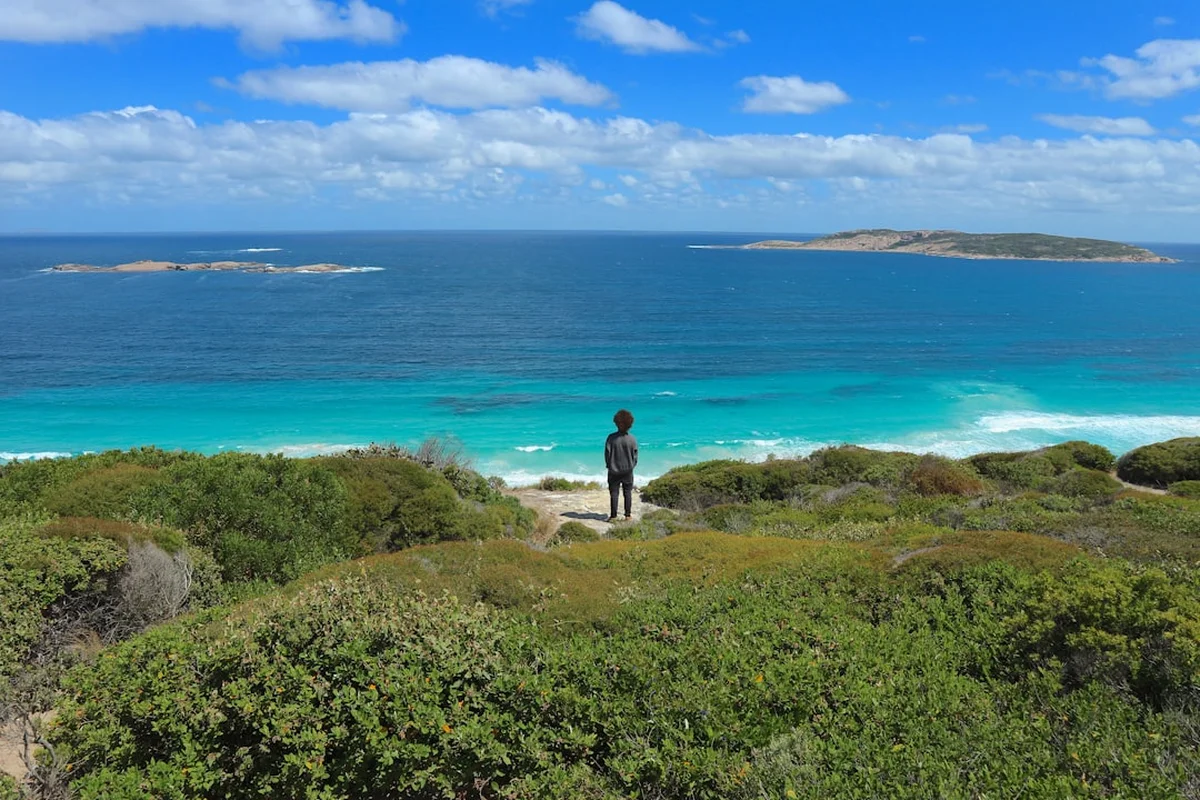
Fraser Island Great Walk - A Journey Through K'gari
The Fraser Island Great Walk is a world-class long-distance trekking experience located on the world’s largest sand island, known as K'gari (meaning 'paradise') by the traditional owners, the Butchulla people. Stretching 90 kilometres through the heart of this UNESCO World Heritage-listed site, the trail offers an unparalleled immersion into a landscape where towering rainforests grow directly out of ancient sand dunes. This is not merely a coastal stroll; it is a sophisticated journey through diverse ecosystems, including crystalline perched lakes, vast mangrove forests, wallum heaths, and the iconic "Valley of the Giants." The walk is designed to be completed over 6 to 8 days, allowing hikers to disconnect from the modern world and reconnect with a geological marvel that has been millions of years in the making. With no permanent residents along the majority of the route and strictly managed camping areas, the Fraser Island Great Walk provides a sense of isolation and wilderness that is increasingly rare on the Australian coastline.
- Distance: 90.0 km one-way
- Duration: 6–8 days
- Season: April to October (cooler months are essential for safety and comfort)
- Campsites: Dilli Village, Lake Boomanjin, Lake Benaroon, Central Station, Lake McKenzie, Lake Wabby, Valley of the Giants, Lake Garawongera
- Highest point: Approximately 200 m (various high dunes along the central spine)
- Difficulty: Moderate (soft sand sections and humidity provide the primary challenges)
- Direction: Generally walked south to north (Dilli Village to Happy Valley)
Overview
The Fraser Island Great Walk is a masterclass in ecological diversity. While many visitors to K'gari stick to the "highway" of 75 Mile Beach on the eastern edge, the Great Walk strikes inland, traversing the high dunes that form the island's spine. The trail is characterised by its constant transition between radically different environments. One hour you may be walking through dry, wind-swept heathland dominated by banksias and grass trees; the next, you are descending into a deep, humid pocket of sub-tropical rainforest where massive Satinay and Brush Box trees reach for the canopy, their trunks draped in epiphytic ferns and strangler figs.
The defining feature of the walk is the island's "perched lakes." K'gari contains over half of the world's perched lakes—bodies of water formed when organic matter like leaves and bark hardens into a coffee-rock layer in a dune depression, trapping rainwater. These lakes, such as the world-famous Lake McKenzie (Boorangoora) and the deep tea-coloured Lake Boomanjin, serve as the primary waypoints and campsites for the journey. Swimming in these chemically pure, crystal-clear waters is the ultimate reward for a day spent trekking through soft sand. The water is often so pure that it supports very little life, resulting in an ethereal, sapphire-blue clarity that must be seen to be believed.
Physically, the walk is rated as moderate. While the elevation gain is relatively low (the highest dunes rarely exceed 200 metres), the terrain itself is demanding. Walking on sand, even on well-trodden paths, requires more energy than walking on firm soil or rock. The humidity of the rainforest sections and the intense sun of the exposed heathlands require careful hydration and pacing. However, the infrastructure provided by the Queensland Parks and Wildlife Service (QPWS)—including well-marked trails, dingo-proof camping enclosures, and reliable water points—makes this an accessible adventure for fit hikers with multi-day experience. It is a journey of quiet observation, where the sound of the wind through the forest and the call of the dingo replace the roar of 4WD engines found on the beaches.
History and Cultural Context
The history of K'gari is inseparable from the Butchulla people, who have lived on the island for at least 5,000 years, though some estimates suggest much longer. To the Butchulla, the island was created by the spirit Beiral, who sent his messenger Yendingie and the spirit K'gari to create the land. K'gari loved the earth so much she stayed forever, her eyes becoming the lakes and her hair the forests. The Great Walk follows ancient pathways used by the Butchulla to move between the rich resources of the coast and the sheltered interior. Hikers are encouraged to follow the three Butchulla laws: "What is good for the land comes first," "Do not touch or take anything that does not belong to you," and "If you have plenty, you must share."
European history on the island is a darker chapter, marked by the arrival of explorers like James Cook and Matthew Flinders, and the eventual displacement of the Butchulla people. In the 19th and 20th centuries, the island became a hub for the logging industry. The "Valley of the Giants" and Central Station—key stops on the Great Walk—were once the heart of a massive timber operation. The island's Satinay trees (Syncarpia hillii) were highly prized for their resistance to marine borers and were used in the construction of the Suez Canal and the London Docks. Remnants of old logging tramways and the historic Central Station township provide a haunting reminder of this industrial past.
The island also faced the threat of sand mining in the 1970s, which led to a landmark environmental battle led by John Sinclair and the Fraser Island Defenders Organisation (FIDO). Their victory eventually led to the cessation of mining and logging, and the island's inscription as a UNESCO World Heritage site in 1992. Today, the Great Walk serves as a testament to the resilience of the landscape and the ongoing efforts to restore and protect its natural values. Walking the trail is an act of witnessing this recovery, as the forest slowly reclaims the old logging tracks and the Butchulla name, K'gari, is once again officially recognised.
Want more background? Read extended notes on history and cultural context → Learn more
Seasonal Highlights and Weather Reality
Timing is the most critical factor when planning the Fraser Island Great Walk. The subtropical climate of South East Queensland means that summer (December to February) is often dangerously hot and humid for long-distance trekking. Temperatures regularly exceed 30°C, and the humidity can make physical exertion exhausting. Furthermore, summer is the peak season for tropical storms and heavy rainfall, which can turn sandy tracks into muddy channels and increase the presence of biting insects.
The "Golden Window" for the walk is from April to October. During these months, the days are typically clear, dry, and mild, with temperatures ranging from 20°C to 25°C. The nights can be surprisingly crisp, especially in the island's interior, with temperatures occasionally dropping below 10°C, requiring a decent sleeping bag. Walking in winter (June to August) offers the most stable weather and the added bonus of being able to see Humpback whales breaching in the distance from coastal vantage points as they migrate along the eastern seaboard.
Spring (September and October) is another excellent time to visit, as the wallum heathlands erupt in a spectacular display of wildflowers. The honey-scented blossoms of the banksias and the vibrant colours of the pea flowers attract a plethora of birdlife, including honeyeaters and lorikeets. However, be aware that dingo activity can increase during certain times of the year, particularly during the whelping season (autumn) and the mating season (summer), requiring extra vigilance from hikers.
Recommended Itinerary
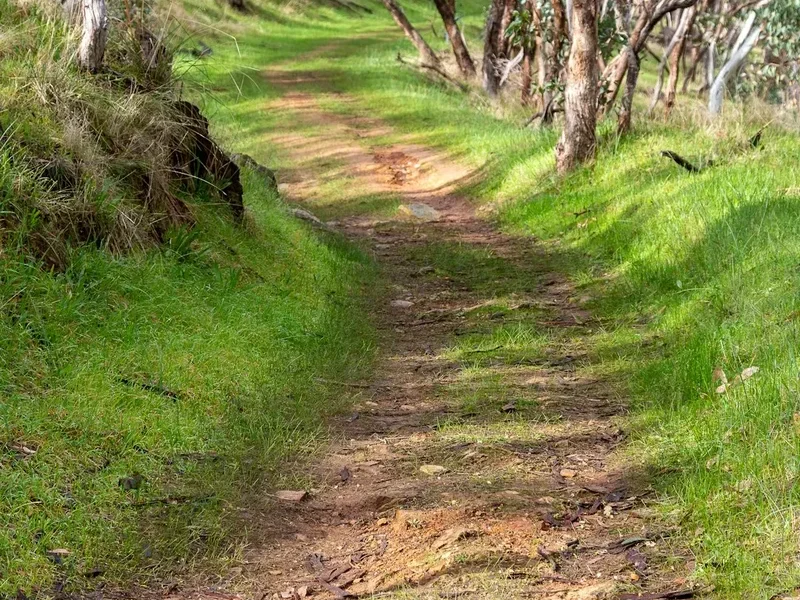
8-Day Fraser Island Great Walk Itinerary
Day 1: Dilli Village to Lake Boomanjin
- Distance: 6.3 km
- Elevation gain: 60 m
- Time: 2–3 hours
- Start at the Dilli Village trailhead (accessible via 4WD or pre-arranged drop-off)
- The trail begins with a gentle climb through coastal heath and woodland
- Arrive at Lake Boomanjin, the world's largest perched lake
- The lake's water is stained a deep tea-colour by tannins from the surrounding melaleucas
- Camp at the Lake Boomanjin walkers' camp, which features a dingo-proof fence
- A short first day allows for gear adjustments and a sunset swim in the lake
Day 2: Lake Boomanjin to Lake Benaroon
- Distance: 7.2 km
- Elevation gain: 80 m
- Time: 3–4 hours
- Walk through open forest and wallum heathland
- Pass through areas of "Badala" country, featuring diverse birdlife
- Arrive at Lake Benaroon, another beautiful perched lake with clear, shallow waters
- The campsite is nestled in the trees near the lake shore
- Excellent opportunities for photography as the trail skirts the edge of the dunes
Day 3: Lake Benaroon to Central Station
- Distance: 15.3 km
- Elevation gain: 120 m
- Time: 5–6 hours
- The landscape begins to shift from dry heath to taller sclerophyll forest
- Pass through the "Basin," a large depression filled with lush vegetation
- Arrive at Central Station, the historic heart of the island's logging era
- Explore the Wanggoolba Creek boardwalk, where crystal-clear water flows silently over white sand
- Central Station offers more facilities than other camps, including coin-operated showers
Day 4: Central Station to Lake McKenzie (Boorangoora)
- Distance: 6.6 km
- Elevation gain: 90 m
- Time: 2–3 hours
- A shorter day focused on the island's most famous landmark
- Walk through magnificent rainforest containing massive Satinay trees
- Arrive at Lake McKenzie, famous for its dazzling white silica sand and sapphire water
- The walkers' camp is separated from the main day-use area, providing some peace
- Spend the afternoon swimming and relaxing at the lake
Day 5: Lake McKenzie to Lake Wabby
- Distance: 11.9 km
- Elevation gain: 110 m
- Time: 4–5 hours
- The trail heads east towards the coast
- Pass through diverse forest types, including tall eucalypt forest
- Arrive at the Lake Wabby lookout for a spectacular view of the emerald-green lake and the encroaching Hammerstone Sandblow
- The walkers' camp is located in the forest, a short walk from the lake
- Lake Wabby is a "barrage lake," formed by a sand dune blocking a creek
Day 6: Lake Wabby to Valley of the Giants
- Distance: 16.2 km
- Elevation gain: 150 m
- Time: 6–7 hours
- The longest and most challenging day of the trek
- The trail moves deep into the island's interior, away from all vehicle tracks
- Enter the "Valley of the Giants," home to some of the largest and oldest trees on the island
- Marvel at the 1,000-year-old Tallowwood and Satinay trees
- The campsite is remote and incredibly peaceful, surrounded by ancient forest
Day 7: Valley of the Giants to Lake Garawongera
- Distance: 13.1 km
- Elevation gain: 100 m
- Time: 5–6 hours
- Walk through a mix of rainforest and tall open forest
- The trail crosses several high dunes with occasional glimpses of the ocean
- Arrive at Lake Garawongera, a quiet and secluded perched lake
- The name means "place of pigeons" in the Butchulla language
- Enjoy a final night in the wilderness under the stars
Day 8: Lake Garawongera to Happy Valley
- Distance: 13.4 km
- Elevation gain: 70 m
- Time: 4–5 hours
- The final leg of the journey descends towards the eastern beach
- Pass through coastal woodland and scrub
- Arrive at Happy Valley, a small coastal settlement
- Celebrate the completion of the 90 km trek with a cold drink or a meal at the local bistro
- Arrange for a 4WD taxi or pre-booked transport back to the ferry
Important Notes:
- The itinerary can be shortened to 6 days by combining shorter sections, but 8 days is recommended for enjoyment
- All campsites must be pre-booked through the QPWS online system
- Water is available at all walkers' camps but must be treated before drinking
- Dingo-proof food lockers are provided at all camps; use them religiously
- The trail is well-marked with directional totems, but a map is still essential
Planning and Bookings
Book Your Trip
Everything you need to plan your journey
Accommodation
Find places to stay near Hervey Bay
Essential Preparation
Planning for the Fraser Island Great Walk requires careful coordination of transport, permits, and supplies. Because K'gari is an island with no sealed roads, all access is via 4WD vehicle and ferry. Hikers must decide whether they will use a 4WD taxi service, arrange a drop-off with a commercial tour operator, or leave their own 4WD at a trailhead (though parking is limited and security is not guaranteed). The most common base for the walk is Hervey Bay or Rainbow Beach on the mainland.
Fitness is a key consideration. While the trail is not technically difficult, walking 12–16 kilometres a day in soft sand with a 15–20 kg pack is physically demanding. It is highly recommended to undertake several training hikes with a weighted pack on sandy terrain before attempting the full 90 km route. Additionally, hikers should be comfortable with basic navigation and first aid, as sections of the trail are remote and mobile phone reception is extremely patchy.
Trail Accommodation
Accommodation on the Fraser Island Great Walk consists exclusively of designated walkers' campsites managed by the Queensland Parks and Wildlife Service (QPWS). These camps are specifically for hikers and are separate from the large, vehicle-accessible campgrounds on the island.
Campsite Facilities:
- Cleared tent sites (usually on sand or dirt)
- Dingo-proof fencing (essential for safety and peace of mind)
- Dingo-proof food storage lockers
- Hybrid or composting toilets
- Water taps (untreated rainwater or bore water; must be treated)
- No showers (except at Central Station and Dilli Village, which are shared with other users)
- No power, WiFi, or rubbish bins
Booking Requirements:
- Camping permits are mandatory and must be purchased in advance via the QPWS website
- Permits cost approximately $7.25 per person, per night (subject to annual increases)
- You must specify which camp you are staying at for each night of your itinerary
- During peak periods (school holidays), camps can book out, so plan at least 2–3 months in advance
Required Gear
- Hiking Boots: Mid-to-high cut boots with good ankle support are recommended for the soft sand. Ensure they are well broken-in.
- Gaiters: Short "sand gaiters" are highly effective at keeping sand and debris out of your boots.
- Backpack: A 50–70L internal frame pack with a high-quality hip belt to distribute weight.
- Tent: A lightweight, 3-season tent with a good fly. Sand pegs are useful but not always necessary if you can guy out to trees or heavy logs.
- Sleeping System: A lightweight sleeping bag (rated to 5°C–10°C) and a comfortable sleeping mat.
- Navigation: A physical topographic map of the Great Walk and a compass. Do not rely solely on GPS or phone apps.
- First Aid Kit: Must include blister treatment (moleskin or Leukoplast), snake bite bandages, antiseptic, and any personal medications.
What to Bring
- Water Treatment: A high-quality filter (like a Sawyer Squeeze) or purification tablets (Micropur) are essential.
- Food: Lightweight, high-calorie dehydrated meals. There are no resupply points on the trail.
- Stove and Fuel: A lightweight canister stove (Jetboil or MSR). Check ferry regulations regarding the transport of gas canisters.
- Clothing: Moisture-wicking layers. Avoid cotton. Include a lightweight fleece for cool nights and a high-quality rain jacket.
- Sun Protection: SPF 50+ sunscreen, a wide-brimmed hat, and polarised sunglasses. The sun on the white sand is intense.
- Dingo Safety: A sturdy "dingo stick" (walking pole) and a small, loud whistle.
- Power Bank: To keep your phone/camera charged for the duration of the trip.
- Dry Bags: To protect your gear from humidity and sudden tropical downpours.
Permits
All hikers on the Fraser Island Great Walk require two types of permits: a Camping Permit and, if you are bringing your own vehicle to the island, a Vehicle Access Permit (VAP). These are managed by the Queensland Department of Environment and Science through the QPWS online booking portal.
Booking Process:
- Create an account on the QPWS online booking site.
- Select "Camping" and search for "Fraser Island Great Walk."
- You will need to book each campsite individually for the specific dates of your trek.
- Once paid, you will receive a camping tag via email. This must be printed, waterproofed (in a zip-lock bag), and displayed on your tent at all times.
- Vehicle Access Permits (if needed) can be purchased on the same site. These are linked to your vehicle's registration and must be displayed on your windscreen.
Costs and Regulations:
- Camping fees: Approximately $7.25 per person per night.
- Vehicle Access Permit: Approximately $57.80 for a month or less (prices vary for longer durations).
- Group sizes are generally limited to 12 people to minimise environmental impact.
- Permits are non-transferable and must be carried with you at all times.
Ferry and Transport Logistics:
- Ferries run from River Heads (Hervey Bay) to Wanggoolba Creek or Kingfisher Bay, and from Inskip Point (Rainbow Beach) to Hook Point.
- Ferry prices for a 4WD vehicle typically range from $130 to $200 return, including passengers.
- If you are a walk-on passenger, the cost is significantly lower (approx. $20–$30), but you must arrange transport from the ferry landing to the trailhead.
Other Activities in the Area
If you have extra time before or after your walk, K'gari and the Fraser Coast offer world-class experiences:
- 75 Mile Beach Drive: Rent a 4WD and drive the island's "sand highway." Visit the Maheno Shipwreck, the coloured sands of The Pinnacles, and the bubbling waters of Champagne Pools.
- Eli Creek: Float down the largest freshwater creek on the eastern beach. The water is incredibly pure and the experience is wonderfully relaxing.
- Whale Watching (Hervey Bay): From July to October, Hervey Bay is the whale-watching capital of the world. The sheltered waters provide a stopover for Humpback whales and their calves.
- Scenic Flights: Take a small plane from the beach for a bird's-eye view of the perched lakes and the vast sandblows. It is the only way to truly grasp the scale of the island.
- Kingfisher Bay Resort: Treat yourself to a night of luxury and a gourmet meal after a week in the bush. The resort offers excellent eco-tours and ranger-led talks.
Safety and Conditions
Dingo Safety (Crucial):
The dingoes (wongari) on K'gari are wild animals and can be dangerous. They are protected and must be treated with respect. To stay safe:
- Never feed dingoes. This habituates them to humans and often leads to the dingo being euthanised.
- Always walk in pairs or groups. Children must be within arm's reach at all times.
- Store all food, rubbish, and toiletries in the dingo-proof lockers provided at campsites. Never keep food inside your tent.
- If approached by a dingo: Stand tall, face the dingo, fold your arms across your chest, and calmly back away. Do not run or wave your arms.
Environmental Hazards:
- Heat and Humidity: Heat exhaustion is a real risk. Walk during the cooler parts of the day, wear a hat, and drink at least 3–4 litres of water daily.
- Water Quality: While the lake water looks pristine, it can contain pathogens. Always filter or boil water from taps and lakes.
- Snakes and Spiders: The island is home to several venomous snakes (including the Eastern Brown and Death Adder). Watch your step, especially in long grass or near logs.
- Tides: If your transport involves driving on the beach, you must time your travel with the low tide. Driving is generally only safe 2 hours either side of low tide.
Emergency Communication:
Mobile phone coverage is non-existent in the deep valleys and rainforests. It is highly recommended to carry a Personal Locator Beacon (PLB) or a satellite communication device (like a Garmin inReach). In an emergency, dial 000 (or 112 from a mobile). Ensure someone on the mainland knows your itinerary and expected return date.
Side Trips and Points of Interest
The Valley of the Giants: This is the spiritual heart of the walk. A 1.4 km return side trip from the Valley of the Giants walkers' camp takes you to the "Giant Tallowwood," a massive tree with a circumference of over 10 metres. The silence here is profound, broken only by the rustle of the canopy 50 metres above.
Hammerstone Sandblow: Located near Lake Wabby, this massive, active sand dune is slowly moving across the island, swallowing the forest and the lake in its path. Walking across the sandblow feels like being in the middle of the Sahara Desert, providing a stark contrast to the lush rainforests nearby.
Wanggoolba Creek: Near Central Station, this creek is a marvel of nature. The water is so clear and the sand so white that the water is almost invisible. The creek flows through a rainforest of ancient King Ferns (Angiopteris evecta), which have the largest fronds of any fern in the world.
Lake Boomanjin: As the largest perched lake in the world, its scale is impressive. The red-stained water against the white sand and green forest creates a unique colour palette that is particularly beautiful at sunrise.
Leave No Trace
K'gari is a fragile ecosystem. The sand-based soil is nutrient-poor and easily eroded. As a hiker, you have a responsibility to minimise your impact to ensure the island remains "paradise" for future generations.
Core Principles for K'gari:
- Plan Ahead and Prepare: Ensure you have all permits and the correct gear to avoid emergency situations that impact the environment.
- Travel and Camp on Durable Surfaces: Stay on the marked Great Walk trail. Do not create "social trails" or shortcuts, which lead to erosion.
- Dispose of Waste Properly: Pack out everything you pack in. This includes food scraps, tea bags, and cigarette butts. Use the toilets provided at campsites. If you must go between camps, bury waste at least 15 cm deep and 100 m from water.
- Leave What You Find: Do not collect shells, rocks, or plants. Respect the Butchulla cultural sites and do not touch any artefacts.
- Minimise Campfire Impacts: Campfires are strictly prohibited on the Fraser Island Great Walk. Use a fuel stove for cooking.
- Respect Wildlife: Observe dingoes and birds from a distance. Never feed them.
- Be Considerate of Others: Keep noise levels low, especially at night in the walkers' camps.