
Fjordland Kepler Track (Day Section) - A Journey from Lake to Sky
The Kepler Track is one of New Zealand’s most celebrated Great Walks, offering a spectacular loop through the heart of Fiordland National Park. While the full circuit takes four days, the day section from the Te Anau Control Gates to Luxmore Hut provides a condensed, high-impact experience of the region’s diverse ecosystems. This 14.0 km return journey (or longer if summiting Mount Luxmore) transitions from the tranquil, moss-draped silver beech forests at the edge of Lake Te Anau to the dramatic limestone bluffs and expansive alpine tussock lands of the Kepler Mountains. It is a walk of contrasts, where the gentle lapping of lake water gives way to the whistling winds of the high country, and where the dense canopy of the forest floor opens up to reveal panoramic views of the Murchison Mountains and the vast Te Anau basin.
Unlike many other tracks in the region that follow ancient Māori greenstone trails or pioneer explorer routes, the Kepler Track was custom-built for recreation. This means the path is exceptionally well-graded, making the 600-metre elevation gain manageable for those with moderate fitness. The day section is particularly popular because it offers a "summit" experience without the logistical complexity of a multi-day expedition. Walkers can experience the thrill of standing above the treeline, gazing out over the South Island’s largest lake, and potentially encountering the inquisitive kea—the world’s only alpine parrot—all within a single day’s excursion from the lakeside town of Te Anau.
- Distance: 14.0 km (Return to Luxmore Hut)
- Elevation Gain: 600 m
- Duration: 5–7 hours
- Difficulty: Moderate
- Best Time: October to April (Great Walks season)
- Closest City: Te Anau
- Trailhead: Kepler Track Control Gates
Overview
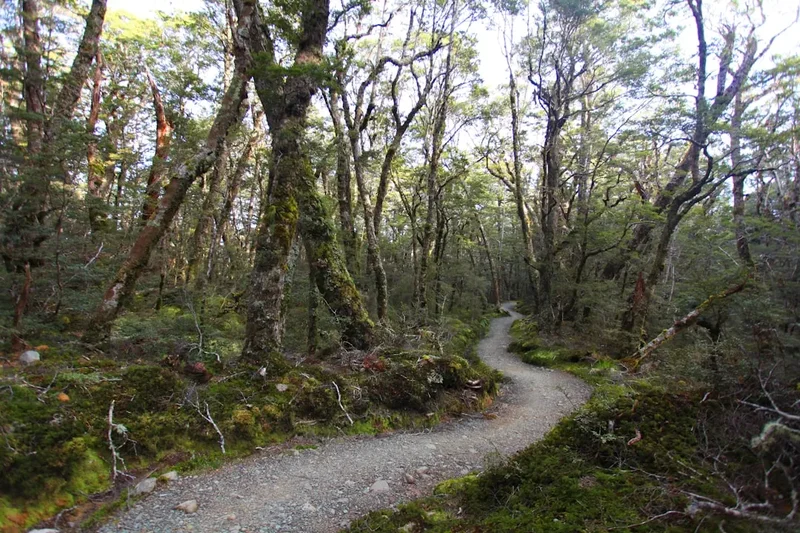
The day section of the Kepler Track is a masterclass in Fiordland’s vertical ecology. The journey begins at the Control Gates, where the mighty Waiau River flows out of Lake Te Anau. This river, famous as a filming location for the River Anduin in the Lord of the Rings film trilogy, sets a majestic tone for the start of the hike. The first few kilometres are almost entirely flat, winding through a lush temperate rainforest dominated by silver beech (Nothofagus menziesii). The forest floor is a vibrant tapestry of ferns, crown ferns, and thick carpets of moss that thrive in the high-rainfall environment of the southwest. This section is a sensory delight, filled with the scent of damp earth and the melodic calls of native birds like the tūī, bellbird (korimako), and the tiny South Island robin (toutouwai).
Upon reaching Brod Bay, a picturesque crescent of white sand on the lake’s edge, the character of the trail shifts dramatically. This is the point where the ascent begins in earnest. The track climbs steadily through a series of well-engineered switchbacks, rising through the forest layers. As you gain altitude, the composition of the forest changes; the trees become shorter and more gnarled, and the understory thins. The highlight of this climb is the passage beneath massive limestone bluffs. These towering grey cliffs are a geological marvel, formed millions of years ago when this land lay beneath the sea. They provide a stark, vertical contrast to the surrounding greenery and offer a natural resting point before the final push to the treeline.
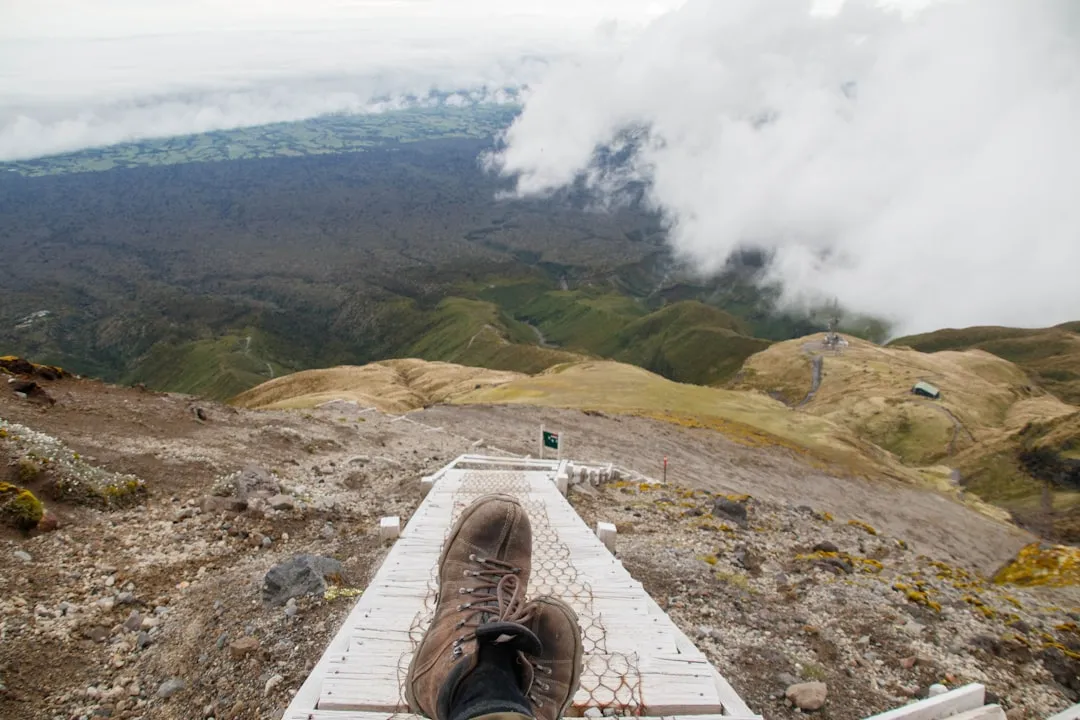
Breaking out of the forest into the alpine zone is the defining moment of the hike. The transition is sudden—one moment you are enclosed by the canopy, and the next, you are standing in wide-open tussock land with the world at your feet. From this vantage point, the scale of Fiordland becomes apparent. To the west lie the Murchison Mountains, a restricted area dedicated to the protection of the endangered takahē. Below, Lake Te Anau stretches out like a giant blue ribbon, its various arms reaching deep into the mountainous interior. The Luxmore Hut, perched on the edge of the alpine plateau, serves as the turnaround point for most day walkers, providing a place to rest and soak in one of the most iconic views in New Zealand before beginning the descent back to the lake.
History and Cultural Context
The Kepler Track holds a unique place in New Zealand’s tramping history because it was not born of necessity, but of desire. While the Milford and Routeburn Tracks follow paths used for centuries by Māori for the transport of pounamu (greenstone) and later by European explorers seeking passes to the West Coast, the Kepler was specifically designed and built in the 1980s to relieve the pressure on these increasingly popular routes. Opened in 1988 to coincide with the centennial of the Milford Track, it was engineered to the highest standards, ensuring that the beauty of the Kepler Mountains could be enjoyed by a wide range of people without the technical difficulties of more rugged backcountry routes.
The track is named after the Kepler Mountains, which in turn were named by James McKerrow in the 1860s after the 17th-century German astronomer Johannes Kepler. McKerrow, a prolific surveyor of the Otago and Southland regions, had a penchant for naming local landmarks after famous scientists. Despite its modern origins as a recreational track, the land it traverses is deeply significant to Ngāi Tahu, the mana whenua (territorial authorities) of the region. For Māori, the Te Anau area was a vital source of food and resources. The lake itself, Te Ana-au (The Cave of Swirling Water), was part of a network of seasonal camps where birds were hunted and fish were gathered. The mountains were seen as the domain of the atua (gods), and while the high peaks were rarely inhabited, they were respected as ancestral landmarks.
The development of the track also reflects New Zealand’s evolving relationship with conservation. The area is part of the Te Wāhipounamu South West New Zealand World Heritage Area, recognised by UNESCO for its exceptional natural beauty and geological importance. The construction of the Luxmore Hut and the maintenance of the track are managed by the Department of Conservation (DOC), which works to balance the high volume of visitors with the protection of fragile alpine environments and endangered species like the kea and the takahē. Walking the Kepler today is not just a physical exercise; it is an engagement with a landscape that has been carefully preserved to showcase the wild heart of New Zealand.
Want more background? Read extended notes on history and cultural context → Learn more
Seasonal Highlights and Weather Reality
The experience of the Kepler Track day section is dictated entirely by the seasons and the notoriously fickle Fiordland weather. During the Great Walks season (late October to April), the track is at its most accessible. This is when the days are longest, the temperatures are mildest, and the alpine flowers are in bloom. In early summer (November and December), the mountain buttercups and daisies add splashes of yellow and white to the alpine tussock, and the forest is alive with the nesting activity of native birds. However, even in the height of summer, Fiordland can experience "four seasons in one day." It is not uncommon for temperatures to plummet and for snow to fall on the Luxmore plateau in January.
Autumn (March and April) is often considered the best time by locals. The air is crisper, the light is more golden, and the summer crowds begin to thin. The weather tends to be more stable during these months, though the nights become significantly colder. This is a fantastic time for photography, as the clarity of the air provides sharp views of the distant peaks. However, the window for safe day hiking begins to close as May approaches, bringing shorter days and a higher probability of heavy rain and early snow.
Outside the Great Walks season (May to October), the Kepler Track transforms into a serious alpine undertaking. The section from Brod Bay to Luxmore Hut can be covered in deep snow, and the limestone bluffs can become treacherous with ice. Most importantly, the Kepler Track is prone to significant avalanche risk. There are several avalanche paths that cross the track above the treeline, and during winter and spring, these can be active. Day hikers should not attempt to reach Luxmore Hut during the winter months unless they have alpine equipment (ice axe and crampons), avalanche safety training, and have checked the current conditions with the DOC visitor centre in Te Anau. For most, the winter experience is best limited to the flat forest walk between the Control Gates and Brod Bay.
Recommended Itinerary
Kepler Track Day Hike: Control Gates to Luxmore Hut
Early Morning: The Forest Stroll
- 08:00 – 09:00: Start at the Kepler Track Control Gates.
- Distance: 5.6 km to Brod Bay.
- Elevation: Negligible gain.
- Follow the lakeside path through ancient silver beech forest.
- Enjoy the views of Lake Te Anau through the trees.
- Cross several small streams and admire the lush fern undergrowth.
- Arrive at Brod Bay, a perfect spot for a quick snack and water break.
Mid-Morning: The Big Climb
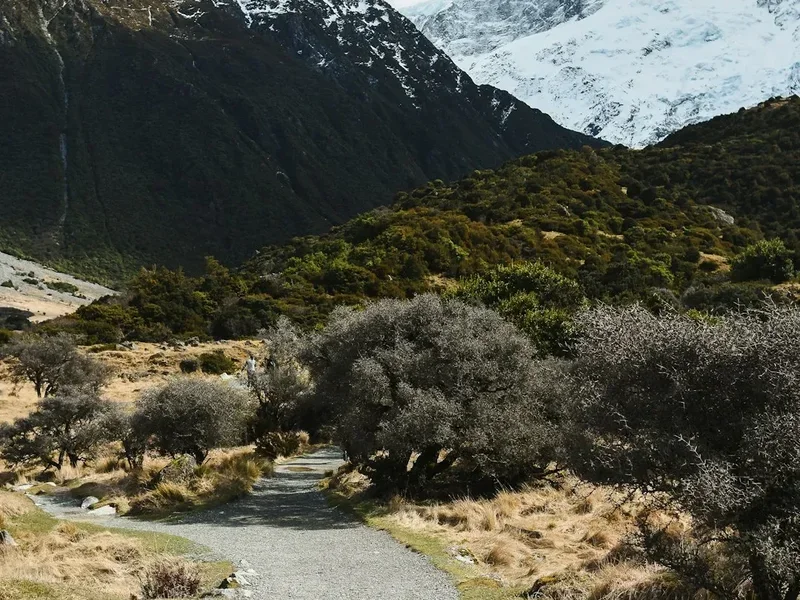
- 09:00 – 11:30: The ascent from Brod Bay to the treeline.
- Distance: Approx 3.5 km.
- Elevation: 500 m gain.
- The track begins to zigzag steeply up the mountain.
- Pass beneath the impressive limestone bluffs (approx. 2 hours from Brod Bay).
- The forest begins to change from tall silver beech to stunted mountain beech.
- Listen for the call of the kea as you approach the treeline.
Midday: The Alpine Plateau
- 11:30 – 12:30: Treeline to Luxmore Hut.
- Distance: Approx 1 km.
- Elevation: 100 m gain.
- Emerging from the forest, the track levels out slightly as it traverses the tussock.
- Arrive at Luxmore Hut (1,085 m).
- Lunch break at the hut or on the surrounding rocks.
- Take in the 360-degree views of the Te Anau basin and the Murchison Mountains.
- Optional: 10-minute walk to the Luxmore Caves (bring a torch).
Afternoon: The Descent
- 12:30 – 15:30: Return to Brod Bay.
- The descent is much faster but can be hard on the knees; take your time on the switchbacks.
- Re-enter the forest and enjoy the cooler temperatures under the canopy.
- 15:30 – 16:30: Brod Bay to Control Gates.
- The final flat stretch back to the car park.
- Alternatively, arrange a pre-booked water taxi from Brod Bay back to Te Anau to save 5.6 km of walking.
Important Notes:
- Total walking time is typically 5–7 hours depending on fitness and breaks.
- The water taxi from Brod Bay must be booked in advance and is weather-dependent.
- Always check the weather forecast at the DOC visitor centre before heading above the treeline.
- There is no treated water available until you reach Luxmore Hut.
Planning and Bookings
Book Your Trip
Everything you need to plan your journey
Accommodation
Find places to stay near Te Anau
Flights
Search flights to Te Anau
Essential Preparation
While the day section of the Kepler Track does not require the intense booking coordination of the full four-day circuit, preparation is still vital for a safe and enjoyable experience. The most important factor is physical fitness. Although the track is well-maintained, the 600-metre climb from Brod Bay to Luxmore Hut is a sustained physical effort that requires a moderate level of cardiovascular health and leg strength. If you are not used to uphill walking, consider doing some training hikes with a weighted pack in the weeks leading up to your trip.
Logistically, Te Anau is your primary base. This charming lakeside town is the gateway to Fiordland and offers everything a hiker needs. It is highly recommended to spend at least one night in Te Anau before your hike to allow for an early start. The town has several supermarkets for food supplies, outdoor stores for gear hire or last-minute purchases, and the essential DOC Fiordland National Park Visitor Centre, where you can get the latest track updates and weather forecasts. If you plan to use the water taxi to or from Brod Bay, this should be organised at least 24 hours in advance through local operators.
Trail Accommodation
As this is a day hike, no overnight accommodation is required on the trail itself. However, understanding the facilities at Luxmore Hut is useful for planning your turnaround point.
Luxmore Hut Facilities:
- The hut is primarily for trampers doing the full multi-day circuit who have pre-booked bunks.
- Day walkers are welcome to use the outside deck and the toilets.
- During the Great Walks season, there is usually a resident warden who can provide weather updates.
- Untreated tank water is available, but it is recommended to treat or boil it before drinking.
- There are no food or rubbish disposal facilities; you must carry out everything you bring in.
Accommodation in Te Anau:
- Te Anau offers a wide range of options, from holiday parks and backpacker hostels to luxury lodges and hotels.
- During the peak season (December–February), accommodation can book out months in advance, so secure your lodging early.
- Many accommodation providers offer luggage storage for those heading out on multi-day hikes, which can be useful if you are combining the Kepler day walk with other adventures.
Required Gear
- Footwear: Sturdy tramping boots with good ankle support and grip are highly recommended. The track can be slippery when wet, especially on the limestone sections.
- Clothing Layers: The "layering system" is essential. Bring a moisture-wicking base layer (merino or synthetic), an insulating mid-layer (fleece or down), and a high-quality waterproof and windproof outer shell.
- Sun Protection: The alpine sun is exceptionally strong in New Zealand. Bring a hat, high-SPF sunscreen, and sunglasses.
- Navigation: While the track is very well-marked, carrying a physical map or a downloaded offline map (such as Topo50) is a basic safety requirement.
- Emergency Kit: A basic first aid kit (including blister plasters), a whistle, and a lightweight emergency survival bag or blanket.
- Head Torch: Even if you plan to be back by daylight, always carry a head torch in case of unexpected delays. It is also essential if you plan to explore the Luxmore Caves.
What to Bring
- Water: Carry at least 2 litres of water per person. While there is water at Luxmore Hut, there are no reliable sources during the steep climb from Brod Bay.
- Food: Bring a high-energy lunch and plenty of snacks (nuts, dried fruit, chocolate, or energy bars). You will burn a significant amount of energy on the ascent.
- Rubbish Bag: A small bag to carry out all your waste, including fruit peels and tissues.
- Personal Items: Hand sanitiser, toilet paper (though toilets are provided at the start, Brod Bay, and the hut), and any personal medications.
- Camera/Phone: For capturing the incredible views, but ensure they are fully charged and protected from the rain.
- Insect Repellent: Essential for the lakeside sections where sandflies are prevalent.
Permits
For day walkers, no permits or fees are required to hike the Kepler Track from the Control Gates to Luxmore Hut. You are free to access the track at any time. This makes it one of the most accessible ways to experience a New Zealand Great Walk without the stress of the competitive booking system.
However, it is important to distinguish this from the requirements for overnight stays. If you intend to stay at Luxmore Hut or the Brod Bay campsite, you must have a pre-booked permit from the Department of Conservation. During the Great Walks season, these spots are in extremely high demand and often sell out within minutes of the booking system opening in May or June. Rangers frequently check permits at the huts and campsites, and staying without one can result in significant fines.
Key Permit Information:
- Day Hiking: Free, no permit required.
- Campsite (Brod Bay): Required for overnight stays. Approx. NZ$20–$30 per night.
- Hut (Luxmore): Required for overnight stays. Approx. NZ$70–$110 per night for NZ residents; higher for international visitors.
- Parking: Free parking is available at the Kepler Track Control Gates car park. Ensure no valuables are left in your vehicle.
Other Activities in the Area
Te Anau and the surrounding Fiordland National Park offer a wealth of activities that complement a hike on the Kepler Track:
- Te Anau Glowworm Caves: A short boat trip across the lake takes you to a mysterious underground world of rushing water and thousands of glittering glowworms. It is a perfect post-hike activity that requires minimal physical effort.
- Milford Sound/Piopiotahi: No trip to the region is complete without visiting Milford Sound. Whether you take a day cruise, a kayaking tour, or a scenic flight, the scale of the fiord is breathtaking.
- Doubtful Sound/Patea: For a more remote and quiet experience, consider a day trip to Doubtful Sound. It is much larger than Milford and offers a profound sense of isolation.
- Fiordland Cinema: Located in Te Anau, this cinema regularly screens "Ata Whenua - Shadowland," a stunning 32-minute film showcasing the inaccessible wilderness of Fiordland from the air.
- Lake Manapouri: Often cited as New Zealand’s most beautiful lake, Manapouri offers quiet beaches and excellent walking tracks, including the Circle Track.
- Bird Watching at Punanga Manu o Te Anau: The Te Anau Bird Sanctuary is a great place to see the rare, flightless takahē and other native birds like the kākā and whio (blue duck).
Safety and Conditions
Weather Awareness: Fiordland is one of the wettest places on Earth. Weather systems move in rapidly from the Tasman Sea, and conditions at the lake level can be vastly different from those at 1,000 metres. Always check the forecast specifically for the "Kepler Mountains" or "Fiordland Alpine" regions. If heavy rain or high winds are forecast, it is often safer to stay below the treeline.
Hypothermia Risk: Even in summer, the wind chill on the Luxmore plateau can be severe. Hypothermia is a genuine risk if you become wet and are exposed to the wind. This is why carrying a waterproof jacket and warm layers is non-negotiable, regardless of how sunny it looks at the trailhead.
Sandflies: These tiny biting insects are a hallmark of the New Zealand wilderness. They are most active near water and in the forest. While they are not dangerous, their bites are itchy and can be very annoying. Use a repellent containing DEET or Picaridin, and try to keep moving when in infested areas like Brod Bay.
Alpine Hazards: Above the treeline, the track is exposed. In low visibility (cloud or fog), it can be easy to lose the trail if you wander off the formed path. Stay on the marked track at all times. If you are visiting the Luxmore Caves, be aware that they are cold, wet, and dark. Never enter alone, always have at least two sources of light, and be mindful of slippery surfaces.
Communication: Mobile phone coverage is patchy. You may get a signal at the Control Gates and occasionally on the Luxmore plateau, but do not rely on it for emergencies. For peace of mind, consider carrying a Personal Locator Beacon (PLB), which can be hired from the DOC visitor centre or outdoor stores in Te Anau.
Side Trips and Points of Interest
Luxmore Caves: Located just a 10-minute walk from Luxmore Hut, these limestone caves are a fascinating side trip. The cave system features impressive stalactites and stalagmites. The first section is relatively easy to explore, but the floor is uneven and often muddy. A good torch is essential, and you should be prepared for a significant drop in temperature once inside.
Mount Luxmore Summit: For those with extra energy and time, the climb from Luxmore Hut to the summit of Mount Luxmore (1,472 m) is highly rewarding. It adds approximately 1.5 to 2 hours to the return journey and involves another 400 metres of elevation gain. The views from the summit are truly 360-degree, encompassing the entire Te Anau basin, the South Arm of the lake, and the jagged peaks of the Murchison and Stuart Mountains.
Brod Bay: This is more than just a waypoint; it is a beautiful destination in its own right. The white sand beach and clear water make it a popular spot for a swim on a hot summer day. There are also basic camping facilities and toilets here, making it a great spot for a more relaxed day out if you decide not to tackle the big climb.
The Limestone Bluffs: Take a moment to look closely at the rock walls during your ascent. You can often find marine fossils embedded in the limestone, a reminder of the geological forces that pushed these mountains up from the ocean floor. The bluffs also provide a unique micro-habitat for certain ferns and mosses that prefer the alkaline environment of the limestone.
Leave No Trace
Fiordland National Park is a pristine wilderness, and it is our collective responsibility to keep it that way. The "Leave No Trace" principles are especially important on a high-use track like the Kepler.
- Plan Ahead and Prepare: Ensure you have the right gear and knowledge to avoid needing rescue, which puts a strain on local resources.
- Travel on Durable Surfaces: Stay on the formed track. Alpine tussock and moss are extremely fragile and can take years to recover from being stepped on.
- Dispose of Waste Properly: Carry out all rubbish. This includes "organic" waste like apple cores or banana peels, which do not decompose quickly in this environment and can attract pests.
- Leave What You Find: Do not take rocks, plants, or fossils. Leave them for others to enjoy.
- Respect Wildlife: Never feed the kea. Feeding them makes them dependent on humans and can lead to them eating harmful materials like lead or plastic.
- Be Considerate of Others: Keep noise levels down and yield to uphill hikers.
 New Zealand