Fjällräven Classic Sweden - A Trek Through the Heart of Lapland
The Fjällräven Classic Sweden is not merely a hike; it is a 110-kilometre pilgrimage through one of the last remaining wilderness areas in Europe. Traversing the northernmost reaches of Swedish Lapland, this multi-day trek follows a significant portion of the legendary Kungsleden (The King's Trail), moving from the village of Nikkaluokta in the shadow of Sweden’s highest peak, Kebnekaise, to the lush Abisko National Park. This journey takes walkers through a landscape of staggering scale—vast U-shaped glacial valleys, high alpine passes, rushing turquoise rivers, and ancient birch forests. It is a place where the sun barely sets during the height of summer and where the silence of the tundra is broken only by the sound of reindeer hooves or the distant roar of a waterfall. Designed to encourage people to get out into nature, the event provides a supported framework for a self-sufficient journey, demanding that participants carry everything they need to survive and thrive in the unpredictable Arctic environment.
- Distance: 110.0 km one-way
- Duration: 5–7 days
- Season: Late July to early September (Event typically held in August)
- Accommodation: Wild camping (mandatory for event participants; STF huts available for independent hikers)
- Highest point: Tjäktja Pass (1,150 m)
- Total Elevation Gain: 2,000 m
- Direction: South to North (Nikkaluokta to Abisko)
Overview
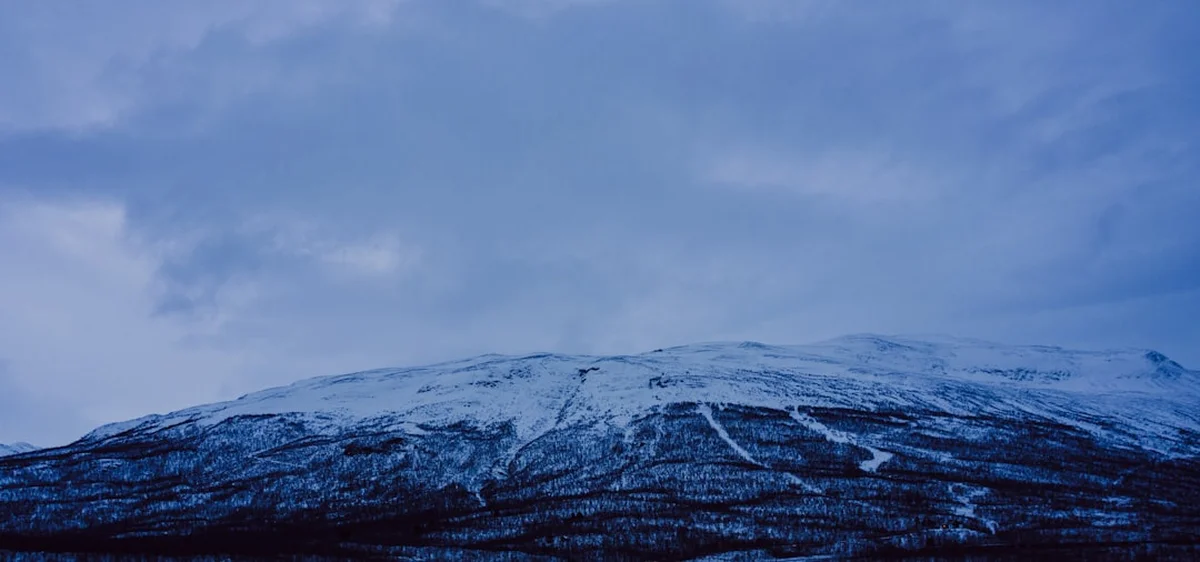
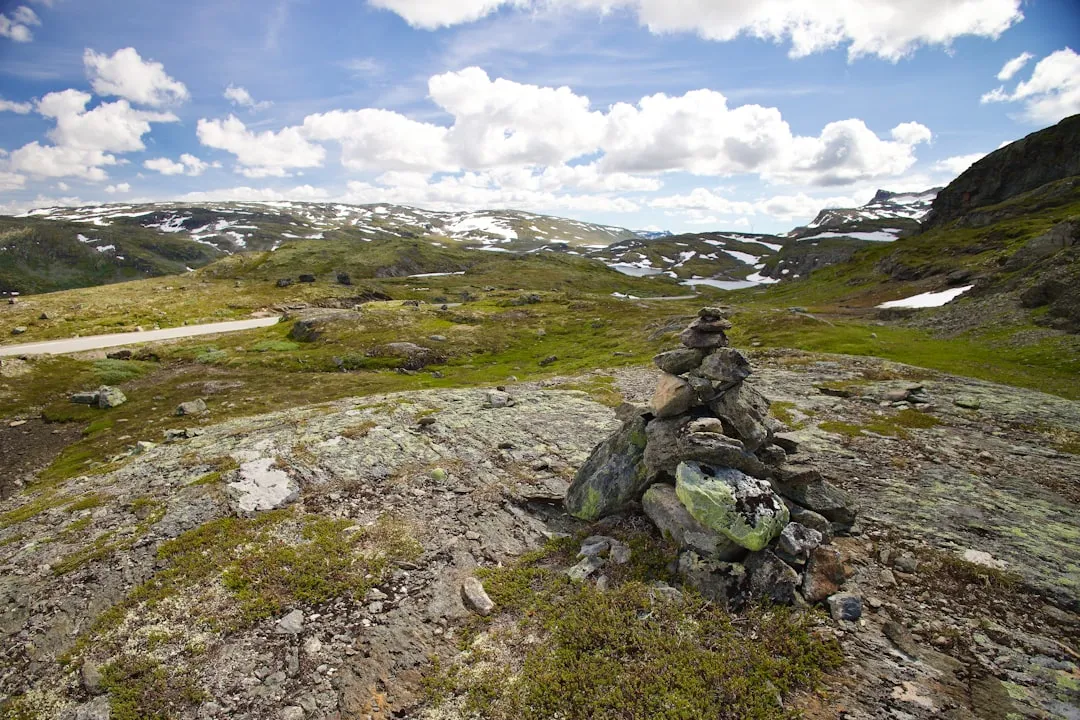
The Fjällräven Classic Sweden is a masterclass in Arctic trekking, offering a profound immersion into the subarctic wilderness of Sápmi. The route is characterised by its immense openness; unlike the enclosed forests of lower latitudes, the Swedish fells (fjälls) offer vistas that stretch for tens of kilometres, where the scale of the landscape often defies human perception. The trek begins in the birch-heavy lowlands of Nikkaluokta and climbs steadily into the high alpine heart of the Kebnekaise massif. Here, the terrain is dominated by grey granite, hanging glaciers, and the sharp, jagged silhouettes of peaks that remain snow-capped even in the height of August. As you move north, the valley floors widen into expansive tundra, carpeted in dwarf birch, reindeer lichen, and hardy alpine wildflowers that bloom in a frantic burst of colour during the short summer window.
This is a landscape defined by its geological history. The deep valleys were carved by massive ice sheets during the last ice age, leaving behind a terrain of moraines, eskers, and crystal-clear lakes. The water here is so pure that it can be drunk directly from the streams—a rare luxury that connects the walker intimately with the environment. However, the beauty of the Arctic is matched by its volatility. Even in August, temperatures can plummet toward zero, and the region is known for its "four seasons in one day" weather patterns. Horizontal rain, dense mist, and fierce winds can sweep through the valleys with little warning, transforming a pleasant stroll into a test of endurance and gear. Yet, when the clouds part and the golden light of the midnight sun bathes the Tjäktja Valley, the sense of isolation and majesty is unparalleled.
The trek is also a social phenomenon. While the wilderness is vast, the Fjällräven Classic brings together thousands of hikers from around the globe. This creates a unique atmosphere where the solitude of the trail is punctuated by the camaraderie of the checkpoints. At places like Sälka or Alesjaure, walkers gather to share stories, dry their boots, and perhaps enjoy a legendary reindeer wrap or a sauna. It is this balance between the raw, unforgiving nature of the Arctic and the warm, communal spirit of the trekking community that makes the Fjällräven Classic one of the most sought-after outdoor experiences in the world.
Recommended Itinerary
Day 1: Nikkaluokta to Kebnekaise Mountain Station
- Distance: 19.0 km | Time: 5–6 hours | Elevation gain: 250 m
- Start at Nikkaluokta trailhead. Path through birch forests.
- Optional 6 km boat trip on Lake Ladtjojaure.
- Camp near Kebnekaise Mountain Station. First checkpoint: Kebnekaise.
Day 2: Kebnekaise to Singi
- Distance: 15.0 km | Time: 4–5 hours | Elevation gain: 150 m
- Head west into Laddjuvaggi valley. Terrain becomes rockier.
- Cross glacial streams via bridges.
- Arrive at Singi checkpoint in a treeless landscape. Camp near Singi huts.
Day 3: Singi to Sälka
- Distance: 12.5 km | Time: 3–4 hours | Elevation gain: 100 m
- Follow Kungsleden north through Tjäktjavagge valley.
- Easy walking on gravel paths and boardwalks. Look for reindeer.
- Arrive at Sälka checkpoint. Facilities include a shop and sauna. Camp near Sälka huts.
Day 4: Sälka to Tjäktja via Tjäktja Pass
- Distance: 13.0 km | Time: 5–6 hours | Elevation gain: 350 m
- Ascend to Tjäktja Pass (1,150 m), the highest point.
- Descend into a stark, lunar-like landscape.
- Arrive at Tjäktja checkpoint. Camp in rocky terrain.
Day 5: Tjäktja to Alesjaure
- Distance: 13.0 km | Time: 4–5 hours | Elevation loss: 200 m
- Walk across a high-altitude plateau. Path is often rocky.
- Gradual descent towards Alesjaure lakes.
- Arrive at Alesjaure checkpoint, known for pancakes. Camp near the huts.
Day 6: Alesjaure to Kieron
- Distance: 18.0 km | Time: 6–7 hours | Elevation loss: 300 m
- Follow the eastern shore of Alesjaure lakes. Optional boat transport.
- Terrain transitions from tundra to birch forest.
- Arrive at Kieron checkpoint near a river. Camp in subarctic forest.
Day 7: Kieron to Abisko
- Distance: 17.0 km | Time: 5–6 hours | Elevation loss: 100 m
- Enter Abisko National Park. Walk through ancient birch forests.
- Follow the Abiskojåkka river canyon.
- Finish at Abisko Mountain Station. Final checkpoint: Abisko.
Important Notes:
- Itinerary is flexible; can be completed in 3-7 days.
- Water is available from streams; carry approx. 1 litre.
- Food provided at Nikkaluokta, Sälka, and Alesjaure checkpoints.
- Carry all trash to the finish line.
- Tjäktja Pass can be windy and cold; be prepared with shell layers.
Planning and Bookings
Essential Preparation
Preparation for the Fjällräven Classic Sweden begins months before you set foot in Nikkaluokta. The most critical factor is physical conditioning. While the elevation gain is moderate (2,000 m over 110 km), the terrain is consistently uneven. You will be walking on large rocks, slippery boardwalks, and through muddy bogs while carrying a pack weighing between 12 and 20 kilograms. Training should focus on long-distance walks with a weighted pack to toughen the feet and condition the shoulders and hips. Blisters are the most common reason for withdrawal, so ensuring your boots are thoroughly broken in is non-negotiable.
Logistically, you must coordinate your travel to Kiruna, the northernmost city in Sweden. Kiruna is accessible via a 90-minute flight from Stockholm or a scenic 15-hour overnight train journey. From Kiruna, the event organisers provide bus transfers to the start in Nikkaluokta. It is highly recommended to arrive in Kiruna at least one day before your start group to collect your trekking pass, gas, and initial food supplies. Booking accommodation in Kiruna or Abisko for the nights before and after the trek should be done as soon as you secure your event ticket, as these towns reach full capacity during the Classic.
Trail Accommodation
The Fjällräven Classic Sweden is fundamentally a camping trek. During the event, participants are required to sleep in their own tents. This is part of the "Classic" philosophy of self-sufficiency and ensures that the limited capacity of the mountain huts is reserved for emergencies or independent hikers not part of the event.
Camping:
- You may camp almost anywhere along the trail, provided you follow the "Allemansrätten" (Right of Public Access) rules.
- Exceptions: Inside Abisko National Park (the final 15 km), camping is strictly permitted only at designated campsites (Nissonjohka and near the Abisko Mountain Station).
- Ground conditions vary from soft moss to sharp rocks; a durable groundsheet or "footprint" for your tent is highly recommended.
- Expect wind; your tent must be a true 3-season or 4-season model capable of withstanding high-velocity gusts.
STF Mountain Huts:
- There are STF huts at Kebnekaise, Singi, Sälka, Tjäktja, and Alesjaure.
- During the event, these huts are NOT for sleeping for participants, but they serve as checkpoints.
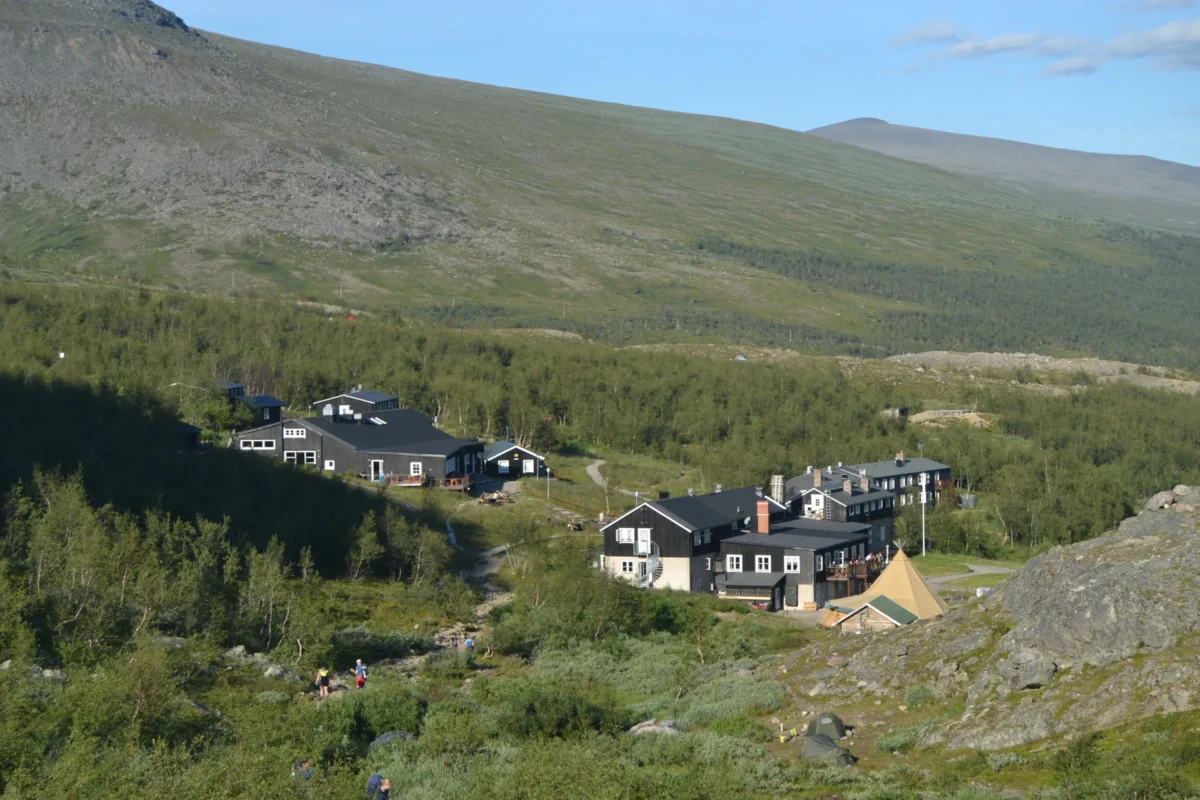
- Facilities at huts include small shops (selling snacks, basic supplies, and sometimes beer), emergency phones, and in some cases (Sälka and Alesjaure), wood-fired saunas.
- Saunas usually cost a small fee (approx. 100–150 SEK) and are a fantastic way to recover tired muscles.
- Huts do not have electricity for charging devices; bring a power bank.
Required Gear
- Trekking Boots: High-quality, waterproof (Gore-Tex or treated leather) boots with good ankle support. The trail is very rocky; trail runners are only recommended for highly experienced hikers with light packs.
- Tent: A stable, wind-resistant trekking tent. It must have a waterproof fly and be able to withstand Arctic storms.
- Sleeping Bag: Rated for a comfort temperature of at least 0°C. Even in August, night frosts are common.
- Sleeping Mat: An insulated mat (R-value 3 or higher) is essential, as the ground remains cold.
- Stove and Fuel: A reliable camping stove (e.g., Jetboil, MSR, or Trangia). Gas canisters are provided by the organisers at the start and at checkpoints.
- Waterproof Shell: A high-quality jacket and trousers with a high hydrostatic head rating. Taped seams are essential.
- Backpack: 50–75 litres, depending on your gear's bulk. It must have a rain cover and a comfortable harness system.
- Navigation: A physical map (Fjällkartan BD6) and a compass. While the trail is well-marked, mist can reduce visibility to a few metres.
What to Bring
- Food: The event provides freeze-dried meals (2 per day) and breakfast. You must bring your own snacks (nuts, chocolate, energy bars). If you have specific dietary requirements beyond vegetarian/vegan, consider bringing your own supplementary food.
- Water Treatment: Not strictly necessary as stream water is potable, but a lightweight filter (like a Sawyer Squeeze) provides peace of mind near campsites.
- Clothing Layers: Merino wool base layers (top and bottom), a fleece or wool mid-layer, and a lightweight down or synthetic "puffy" jacket for camp. Avoid cotton entirely.
- Personal Hygiene: Biodegradable soap, toothbrush, small towel, and "wet wipes" for when a sauna isn't available.
- First Aid: Extensive blister kit (Compeed, Leukotape), ibuprofen, antiseptic cream, and any personal medications.
- Sun and Bug Protection: Sunglasses, SPF 30+ sunscreen, and a head net for mosquitoes. Strong repellent (DEET or Icaridin) is a must.
- Trekking Poles: Highly recommended for stability on rocky descents and for saving your knees over 110 km.
- Trash Bag: You must carry all your waste. The organisers provide a "Trashbag" that clips to your pack.
Permits
The Fjällräven Classic Sweden does not require a government permit in the traditional sense, thanks to Sweden's "Allemansrätten" (Right of Public Access). However, to participate in the official event and access the support, transport, and food provided, you must purchase a ticket. These tickets are notoriously difficult to obtain, often selling out within minutes of being released.
Ticket Information:
- Tickets usually go on sale in January or February for the August event.
- The cost is approximately 2,500–3,000 SEK (approx. €220–€260).
- The ticket includes: Bus transfer from Kiruna to Nikkaluokta, transport of one piece of luggage (max 20kg) from the start to the finish, all freeze-dried food, gas/fuel, a trekking pass, a map, and a medal upon completion.
- You must choose a "start group" (staggered over three days) to prevent overcrowding on the trail.
Independent Hiking: If you do not secure a ticket, you can still hike the route independently at any time. You will not have access to the event's food, gas, or transport, but you can stay in STF huts (for a fee) or wild camp for free. If hiking independently, no permits are required, but you must still adhere to the regulations of Abisko National Park regarding camping and fires.
Abisko National Park Regulations: While the rest of the trail allows for free camping, the final 15 km of the trek are within the national park. Here, you are legally required to camp only at the designated sites. During the event, the Kieron checkpoint serves as the final legal wild camping spot before the finish.
Safety and Conditions
The primary safety concern on the Fjällräven Classic is the environment itself. While the trail is not technically difficult (no climbing or glacier travel required), the combination of distance, weight, and weather creates a significant physical challenge.
Hypothermia: This is a real risk even in summer. If you get wet and the wind picks up, your body temperature can drop rapidly. Always keep a set of dry base layers in a waterproof dry bag inside your pack. Never wait until you are shivering to put on your shell layers.
River Crossings: Most major rivers are bridged. However, after heavy rain or rapid snowmelt, smaller streams can become torrents. If a crossing looks dangerous, walk upstream to find a wider, shallower point or wait for the water level to drop (often happens overnight as glacial melt slows). Never cross a river with your backpack's waist belt buckled; if you fall, you need to be able to jettison the pack immediately.
Terrain Hazards: The "block terrain" (fields of large, loose rocks) can be treacherous when wet. Ankle sprains are common. Take your time, use trekking poles, and ensure your boots have a high-friction sole (like Vibram). The wooden boardwalks can also be incredibly slippery when frosted or wet.
Emergency Communication: Mobile phone signal is non-existent for about 80% of the trail. STF huts have emergency satellite phones. During the event, there are medical teams at every checkpoint and mountain safety patrols (Fjällräddningen) on the trail. If you are hiking independently, carrying a satellite messenger (like a Garmin inReach) is highly recommended.
Reindeer: You will encounter reindeer. They are semi-domesticated but should be treated as wild animals. Do not approach them, especially during the calving season. If a herd is crossing the trail, stop and wait quietly for them to pass. Keep dogs on a short lead at all times.
Seasonal Highlights and Weather Reality
The window for trekking in Northern Sweden is remarkably short, typically spanning from late June to mid-September. Outside of this period, the landscape is locked in snow and ice, and the trail becomes the domain of ski tourers and dog sleds. The Fjällräven Classic is held in August to take advantage of the most stable weather and the receding snowpack on the high passes.
Late July to Early August: This is the height of the Arctic summer. The "midnight sun" effect is still strong, meaning you can walk late into the evening without a head torch. The flora is at its most vibrant, and the birdlife is active. However, this is also the peak season for the "Swedish Air Force"—the notorious Arctic mosquitoes and midges. While they do not carry diseases, their sheer numbers can be overwhelming, requiring head nets and strong repellent. Snow patches may still linger on the Tjäktja Pass, but they are generally firm and easy to cross.
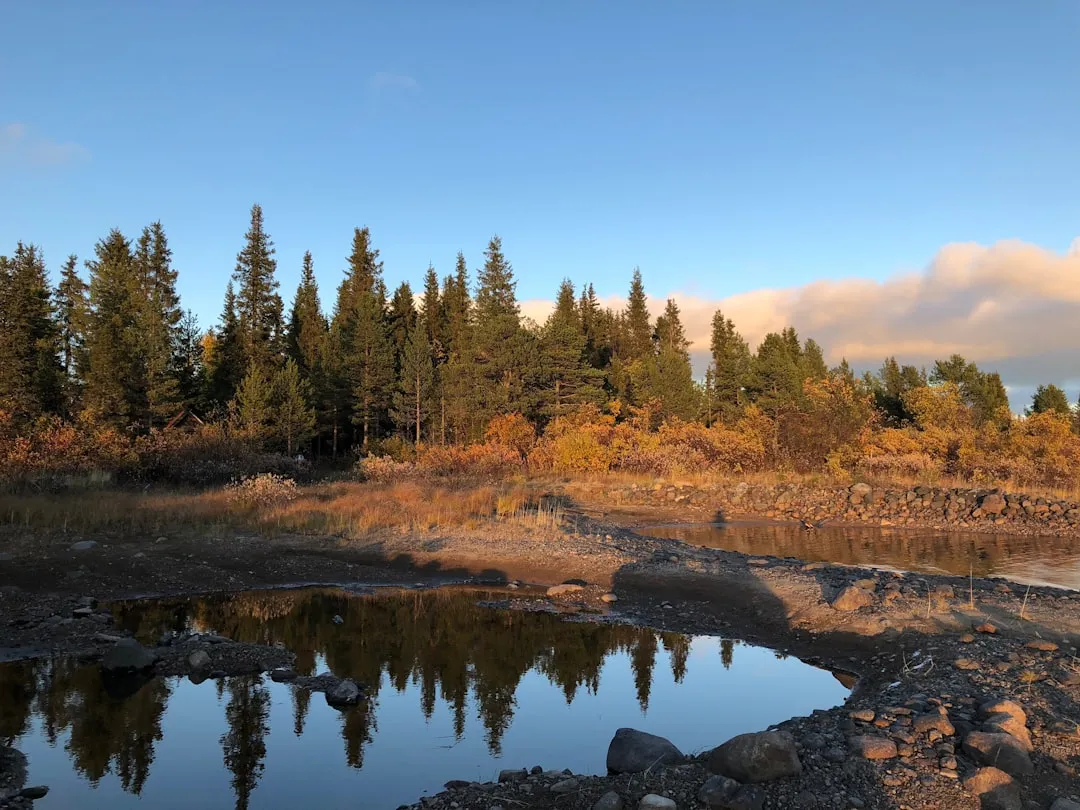
Late August to Early September: As August wanes, the mosquitoes begin to disappear, killed off by the first night frosts. This is often considered the best time for trekking. The landscape begins its transformation into "höstfärg" (autumn colours), with the birch trees turning brilliant gold and the tundra shrubs becoming deep crimson. The air is crisp and clear, providing the best visibility for photography. However, the days are noticeably shorter, and the risk of early snowfall increases. This is also the time when the Aurora Borealis (Northern Lights) may begin to appear on clear, dark nights, providing a spectacular celestial display for those willing to stay awake.
Weather Reality: Regardless of the month, walkers must be prepared for the "Arctic Factor." The weather in Lapland is influenced by the North Atlantic, meaning moisture-laden systems can arrive suddenly. It is not uncommon to experience a 20-degree Celsius temperature swing in a single day. Rain is often accompanied by high winds, which can make the effective temperature feel much colder. Waterproofing is not optional; it is a survival requirement. If the wind picks up on the exposed plateaus between Tjäktja and Alesjaure, there is nowhere to hide, making high-quality shells and base layers essential.
History and Cultural Context
The route of the Fjällräven Classic Sweden is steeped in the history of both Swedish mountaineering and the indigenous Sami people. The trail follows the Kungsleden, which was established by the Svenska Turistföreningen (STF) at the turn of the 20th century to make the Swedish mountains accessible to the public. The vision was to create a "King of Trails" that would showcase the most spectacular scenery in Lapland. Over the decades, the STF built a network of mountain huts spaced a day's walk apart, providing a safety net that allowed hikers to venture deep into the wilderness without needing to be expert mountaineers.
Long before the first tourists arrived, this land was—and remains—the home of the Sami people, the indigenous inhabitants of Sápmi. For thousands of years, the Sami have lived in harmony with this environment, following the seasonal migrations of the reindeer. The valleys you walk through are active grazing lands, and the small settlements like Nikkaluokta and the summer camps near Alesjaure are vital centres for Sami culture and reindeer husbandry. Walkers are guests in this landscape, and the presence of reindeer fences and traditional "kåta" (Sami huts) serves as a reminder of a culture that has survived in this challenging climate through deep ecological knowledge and resilience.
The Fjällräven Classic event itself was founded in 2005 by Åke Nordin, the founder of the Fjällräven outdoor brand. Nordin’s goal was to inspire more people to trek in the mountains by providing the necessary logistics and support, while still requiring them to be self-sufficient. What started with 152 participants has grown into a global series, but the Swedish original remains the flagship. It has played a significant role in modern trekking culture, promoting the idea that with the right preparation and equipment, the great wilderness is accessible to anyone with a spirit of adventure.
Want more background? Read extended notes on history and cultural context → Learn more
Side Trips and Points of Interest
The Tjäktja Pass: At 1,150 metres, this is the literal and metaphorical high point of the trek. The view from the top, looking back south toward Sälka, provides a sense of the immense distance you have covered. The pass shelter is a historic stone building that offers a welcome respite from the wind.
Sälka Sauna: For many, the wood-fired sauna at Sälka is a spiritual experience. Sitting in the heat and then plunging into the ice-cold glacial stream that runs beside the hut is the ultimate Arctic recovery method. It is a place where hikers from all over the world bond over their shared aches and pains.
Ladtjojaure and "Lap Dånalds": Early in the trek, the stop at Lake Ladtjojaure offers a unique cultural experience. The "Lap Dånalds" stand serves burgers made from local reindeer meat, providing a high-protein boost for the climb toward Kebnekaise. The boat trip across the lake offers a stunning perspective of the mountains reflecting in the still water.
Abisko Canyon: The final kilometres of the trek follow the Abiskojåkka river. The canyon it has carved through the yellow-tinted dolomite and schist is spectacular. There are several viewpoints where you can see the power of the water as it thunders toward Lake Torneträsk. It is a fittingly dramatic conclusion to a 110 km journey.
Lapporten: While not directly on the trail, the "Lapponian Gate" (Čuonjávággi) is visible from the Abisko area. This iconic U-shaped valley is one of the most photographed landmarks in Sweden and has been a sacred site for the Sami for centuries. Seeing it appear on the horizon as you approach Abisko is a sign that your journey is nearing its end.
Leave No Trace
The Swedish Arctic is a fragile ecosystem. The growing season is incredibly short, and damage to the tundra can take decades to heal. The Fjällräven Classic operates on a strict "Leave No Trace" policy, and participants are expected to be stewards of the wilderness.
Key Principles for the Classic:
- Waste Management: You must pack out all trash. This includes fruit peels, nut shells, and used hygiene products. The organisers provide a specific bag for this. There are no bins at the checkpoints.
- Human Waste: Use the toilets at the STF huts whenever possible. If you must go in the wild, move at least 100 metres from water sources and the trail. Dig a hole 15–20 cm deep and bury your waste. Pack out your toilet paper in a sealed bag.
- Water Protection: Do not use soap (even biodegradable) directly in streams or lakes. Collect water in a container and wash at least 30 metres away from the water's edge, allowing the soil to filter the greywater.
- Respect Wildlife: Observe reindeer and birds from a distance. Do not feed any animals. In Abisko National Park, be particularly mindful of nesting birds.
- Stay on the Path: Where boardwalks are provided, use them. They are there to protect the sensitive marshland and peat bogs from erosion.
- Fire Safety: Campfires are generally discouraged and are strictly prohibited in Abisko National Park. Use your camping stove for all cooking.
Other Activities in the Area
Northern Sweden offers a wealth of experiences that can be combined with your trek:
- Kebnekaise Summit: Many trekkers add an extra day at the Kebnekaise Mountain Station to attempt the summit of Sweden's highest peak. The southern peak is a glacier and requires crampons (and often a guide), while the northern peak is rock.
- Kiruna Iron Mine: Take a tour of the world's largest underground iron ore mine. The entire city of Kiruna is currently being moved several kilometres to allow the mine to expand.
- The Icehotel in Jukkasjärvi: Located 20 km from Kiruna, the original Icehotel has a permanent "Icehotel 365" section that can be visited even in summer, featuring incredible ice sculptures and an ice bar.
- Abisko Sky Station: Take the chairlift up Mount Nuolja in Abisko for panoramic views of Lake Torneträsk and the "Lapporten" (The Lapponian Gate), a famous U-shaped valley.
- Sami Cultural Tours: Visit a Sami camp in Nikkaluokta or Jukkasjärvi to learn about reindeer herding, traditional crafts (duodji), and Sami history.
- Midnight Sun Canoeing: Rent a canoe in Abisko or Kiruna to experience the stillness of the Arctic lakes under the golden light of the 24-hour sun.
Book Your Trip
Everything you need to plan your journey
Accommodation
Find places to stay near Kiruna