

The Five Lakes Walk
The Five Lakes Walk, or Fünf-Seen-Weg, is a quintessential Swiss alpine day hike offering a breathtaking journey through the heart of the Engadin Valley. This moderately challenging route connects five pristine alpine lakes, each with its own unique character and stunning reflections of the surrounding Bernina Range. Starting from the picturesque village of Zermatt, this trail is renowned for its accessibility, well-maintained paths, and unparalleled panoramic views. It's a perfect introduction to the majesty of the Swiss Alps, suitable for most reasonably fit hikers, and provides a memorable experience of glacial landscapes, vibrant alpine flora, and the serene beauty of high-altitude lakes.
- Distance: 9.8 km
- Duration: 4–5 hours
- Season: June to October
- Difficulty: Moderate
- Elevation Gain: 630 m
- Highest Point: Approximately 2,700 m
- Starting Point: Blauherd cable car station
- Ending Point: Sunnegga funicular station
- Closest City: St. Moritz
- Permits: Not required
Overview
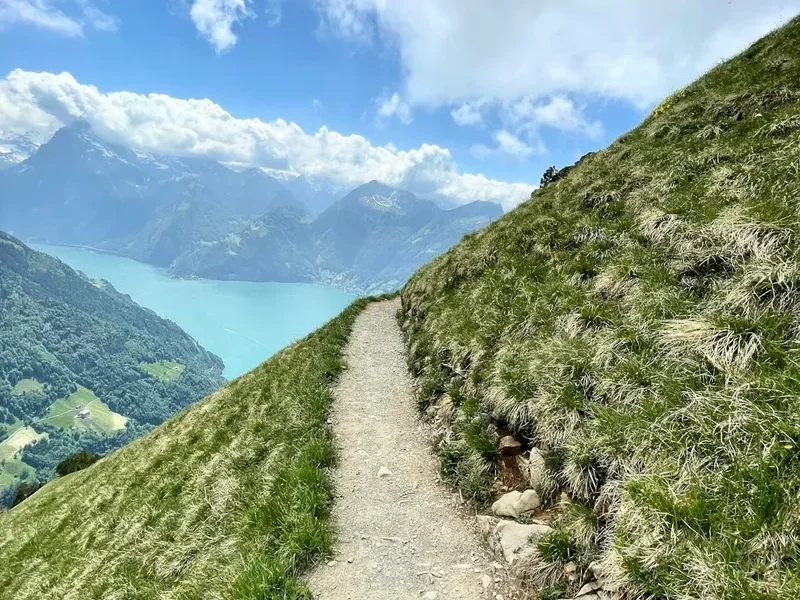
The Five Lakes Walk is a masterclass in alpine scenery, a carefully curated route that showcases the dramatic beauty of the Swiss Alps. The trail begins at Blauherd, a high-altitude station accessible by a series of cable cars and funiculars from the charming resort town of St. Moritz. From Blauherd, the path descends gently, weaving through alpine meadows dotted with wildflowers in summer and offering increasingly spectacular vistas of the iconic Matterhorn, Monte Rosa massif, and the surrounding peaks. The walk is designed to be a progression of natural wonders, with each lake presenting a distinct visual experience.
The first lake encountered is Stellisee, perhaps the most photographed due to its perfect reflection of the Matterhorn on calm days. Following the well-marked trail, hikers will then reach Grindjisee, known for its clear, deep blue waters and rugged surroundings. Next is Erglistensee, a smaller, more intimate lake nestled in a rocky basin. The trail continues to continue to Fluhalp, a charming mountain restaurant offering a welcome respite and stunning views. The final two lakes, Leisee and Moosjisee, complete the circuit, each offering unique perspectives and photo opportunities before the path leads to the Sunnegga funicular station, providing a swift and scenic descent back to Zermatt.
The elevation gain is moderate, with the majority of the ascent occurring on the initial cable car rides. The walking itself involves a net descent, making it manageable for a wide range of hikers. The trail is generally wide and well-maintained, though some sections can be rocky and uneven, requiring sturdy footwear. The best time to undertake this walk is between June and October, when the snow has melted, the wildflowers are in bloom, and the weather is typically stable. However, even in summer, alpine weather can change rapidly, so preparedness is key.
History and Cultural Context
The Engadin Valley, where the Five Lakes Walk is situated, has a rich history deeply intertwined with the development of alpine tourism. For centuries, this region was a vital transit route for trade and travel across the Alps, with communities developing around the strategic passes. The discovery of mineral springs in the 19th century, particularly in St. Moritz, transformed the valley into a fashionable destination for European aristocracy and the burgeoning middle class seeking health and recreation.
The construction of the Rhaetian Railway in the early 20th century, including the iconic Bernina Line, was a pivotal moment in making the Engadin accessible to a wider audience. This railway network, a UNESCO World Heritage site, facilitated the growth of winter sports and summer hiking, laying the groundwork for the well-developed trail systems we enjoy today. The infrastructure for the Five Lakes Walk, including the cable cars and funiculars, was developed in stages throughout the 20th century to cater to the increasing demand for accessible mountain experiences.
The lakes themselves are a product of glacial activity from the last Ice Age. As glaciers retreated, they carved out the valleys and depressions that now hold these pristine bodies of water. The surrounding peaks, part of the Rhaetian Alps, have been shaped by millennia of geological forces, their rugged beauty a testament to the power of nature. The cultural context of the walk is one of a long-standing tradition of hospitality and a deep appreciation for the natural environment, a hallmark of Swiss alpine culture.
Seasonal Highlights and Weather Reality
The Five Lakes Walk is a seasonal trail, best enjoyed during the warmer months when the snow has receded and the alpine environment is at its most vibrant. The primary season for this walk is from June to October.
June: Early June can still see lingering snow at higher elevations, particularly on north-facing slopes. While the lower sections of the trail may be clear, some of the higher lakes might still be partially frozen or surrounded by snow. Wildflowers begin to emerge, and the landscape starts to awaken from winter. The weather can be unpredictable, with a higher chance of late snow showers.
July and August: These are the peak months for the Five Lakes Walk. The snow has completely melted, revealing lush alpine meadows carpeted with a spectacular array of wildflowers, including gentians, edelweiss, and alpine roses. The lakes are at their most inviting, reflecting the clear blue skies and snow-capped peaks. The weather is generally warm and stable, though afternoon thunderstorms are common. This is also the busiest period, so expect more fellow hikers on the trail.
September: Autumn brings a different kind of beauty to the Engadin. The colours of the alpine flora begin to change, with grasses turning golden and some shrubs displaying vibrant reds and oranges. The air is crisp and clear, offering excellent visibility and often fewer crowds than in mid-summer. The lakes remain stunning, and the reflections can be particularly sharp in the cooler, calmer air. The weather can become more unsettled towards the end of the month.
October: Early October can still offer good hiking conditions, especially on sunny days. However, the risk of early snowfall increases significantly, and temperatures will drop, particularly at higher altitudes. Some of the cable car services may begin to reduce their operating hours or close for the season towards the end of the month. It is essential to check operating times and weather forecasts before planning a hike in October.
Weather Reality: Alpine weather is notoriously changeable. Even on a sunny summer day, conditions can shift rapidly. Be prepared for sudden drops in temperature, strong winds, rain, and even snow at higher elevations. It is crucial to check the mountain forecast daily and carry appropriate layers of clothing, including waterproof and windproof outer shells.
Recommended Itinerary
Day 1: The Five Lakes Circuit
This is a single-day hike, so the itinerary focuses on the progression of the walk.
- Morning (approx. 9:00 AM): Arrive in Zermatt. Take the underground funicular from Zermatt village to Sunnegga. From Sunnegga, transfer to the gondola up to Blauherd (2,571 m). This journey offers your first spectacular views of the Matterhorn and the surrounding valley.
- Late Morning (approx. 10:00 AM): Begin the hike from Blauherd. The initial section is a gentle descent, leading you towards Stellisee.
- Waypoint 1: Stellisee (2,526 m)
- Distance from Blauherd: ~1 km
- Time: ~20 minutes
- Key Feature: Famous for its mirror-like reflection of the Matterhorn on calm days. Spend time here for photography.
- Midday (approx. 11:30 AM): Continue the descent towards Grindjisee. The trail is well-marked and winds through alpine meadows.
- Waypoint 2: Grindjisee (2,517 m)
- Distance from Stellisee: ~1.5 km
- Time: ~30 minutes
- Key Feature: A beautiful, deep blue lake surrounded by rocky outcrops. Offers a different perspective of the Matterhorn.
- Lunch Break (approx. 12:30 PM): Find a scenic spot near Grindjisee or continue a short distance to Erglistensee for a picnic lunch.
- Early Afternoon (approx. 1:30 PM): Proceed towards Fluhalp. The trail becomes slightly more rugged in places.
- Waypoint 3: Erglistensee (2,470 m)
- Distance from Grindjisee: ~1 km
- Time: ~20 minutes
- Key Feature: A smaller, more secluded lake, often with interesting rock formations around its edges.
- Waypoint 4: Fluhalp (2,537 m)
- Distance from Erglistensee: ~1.5 km
- Time: ~30 minutes
- Key Feature: A mountain restaurant offering refreshments and stunning panoramic views. A good place for a break or a snack.
- Mid-Afternoon (approx. 2:30 PM): Continue the walk towards Leisee. The trail is generally downhill from Fluhalp.
- Waypoint 5: Leisee (2,477 m)
- Distance from Fluhalp: ~1.5 km
- Time: ~30 minutes
- Key Feature: A popular lake for families, with a playground and shallow areas. Offers excellent views of the surrounding peaks.
- Late Afternoon (approx. 3:30 PM): The final leg of the walk leads to Moosjisee and then down to the Sunnegga funicular station.
- Waypoint 6: Moosjisee (2,400 m)
- Distance from Leisee: ~1.5 km
- Time: ~30 minutes
- Key Feature: Known for its milky, turquoise colour due to glacial silt.
- End of Hike (approx. 4:00 PM): Arrive at Sunnegga (2,288 m). Take the funicular back down to Zermatt.
Important Notes:
- The order of lakes can vary slightly depending on the exact route taken, but this is the most common and logical progression.
- The total walking time is approximately 4–5 hours, excluding extended breaks.
- The trail is well-signposted with yellow hiking signs indicating directions and estimated times.
- Sturdy hiking boots are essential due to the uneven terrain.
- Carry sufficient water and snacks, although Fluhalp offers refreshments.
- Check the operating times of the cable cars and funiculars in advance, as they vary by season.
Planning and Bookings
Book Your Trip
Everything you need to plan your journey
Accommodation
Find places to stay near St. Moritz
Flights
Search flights to St. Moritz
Essential Preparation
The Five Lakes Walk is a day hike, meaning no overnight accommodation is required on the trail itself. However, planning your journey to Zermatt and your ascent to the trailhead is crucial. Zermatt is a car-free village, accessible primarily by train. If arriving by car, you must park in Täsch (a village near Zermatt) and take the shuttle train into Zermatt. Book train tickets in advance, especially during peak season, to secure preferred times and potentially better prices. Accommodation in Zermatt ranges from luxury hotels to budget-friendly hostels and apartments; book well in advance, particularly for summer and winter holidays.
The ascent to the trailhead at Blauherd involves a series of public transport connections: the underground funicular from Zermatt to Sunnegga, followed by a gondola to Blauherd. These services operate on a schedule, and it's advisable to check their operating times and purchase tickets in advance, especially during busy periods. Consider purchasing a multi-day pass if you plan to use the mountain transport extensively during your stay in Zermatt.
Trail Accommodation
This is a day hike requiring no overnight accommodation.
Required Gear
- Hiking Boots: Sturdy, waterproof hiking boots with good ankle support are essential. Ensure they are well broken-in to prevent blisters.
- Waterproof Jacket: A lightweight, breathable waterproof and windproof jacket is crucial. Alpine weather can change rapidly, and rain or strong winds are common.
- Waterproof Overtrousers: Recommended for protection against rain and wind, especially if the forecast is uncertain.
- Backpack: A comfortable daypack (20-30 litres) to carry essentials like water, snacks, extra clothing, and a first-aid kit.
- Navigation: While the trail is well-marked, a map of the area and a compass or GPS device are advisable. A smartphone with an offline map app can also be useful.
- Sun Protection: High SPF sunscreen, sunglasses, and a wide-brimmed hat are vital, as the sun's rays are intense at altitude, even on cloudy days.
- First-Aid Kit: A basic kit including plasters, blister treatment, antiseptic wipes, pain relievers, and any personal medications.
- Head Torch: Useful in case of unexpected delays or if starting very early/finishing late, though not typically required for this day hike.
What to Bring
- Food: Pack plenty of high-energy snacks such as trail mix, energy bars, fruit, and sandwiches for lunch. While Fluhalp offers refreshments, it's wise to be self-sufficient.
- Water: Carry at least 1.5 to 2 litres of water per person. Refill opportunities are limited to the restaurant at Fluhalp or potentially streams (though purification is recommended if using stream water).
- Clothing Layers: Wear moisture-wicking base layers, an insulating mid-layer (fleece or down jacket), and your waterproof outer shell. The temperature can vary significantly throughout the day and with altitude.
- Gloves and Beanie: Even in summer, it can be chilly at the higher elevations, especially in the morning or if the wind picks up.
- Camera: Essential for capturing the stunning scenery and reflections.
- Trekking Poles: Optional, but can be helpful for stability on descents and ascents, and for reducing strain on knees.
- Small Towel: Useful if you decide to take a dip in one of the lakes (though the water is very cold!).
- Cash: For purchases at Fluhalp or for any unexpected needs.
Permits
No specific permits are required to hike the Five Lakes Walk. The trail is part of the public hiking network in the Zermatt region, and access to the lakes and surrounding areas is generally free. However, you will need to purchase tickets for the mountain transport (funicular and gondola) to reach the trailhead at Blauherd and to descend from Sunnegga. These tickets can be bought at the respective ticket offices in Zermatt or online in advance.
Mountain Transport Costs:
- Prices vary depending on the season and any special offers or passes you might have (e.g., the Zermatt Peak Pass or the Swiss Travel Pass, which may offer discounts).
- A typical return ticket for the Zermatt–Sunnegga–Blauherd route can range from approximately CHF 60 to CHF 80 per adult.
- It is advisable to check the official Zermatt Bergbahnen website for the most up-to-date pricing and operating schedules.
Booking Mountain Transport:
- Tickets can be purchased at the ticket counters in Zermatt.
- For convenience and to save time, especially during peak season, consider booking your tickets online in advance through the Zermatt Bergbahnen website. This also allows you to check the operating status of the lifts.
Important Considerations:
- Ensure you have sufficient time to complete the hike and descend before the mountain transport services close for the day. Check the last departure times carefully.
- The weather can impact the operation of the cable cars and gondolas. In severe weather conditions, services may be suspended.
Other Activities in the Area
Zermatt and the surrounding Engadin Valley offer a wealth of activities beyond the Five Lakes Walk, catering to various interests and fitness levels:
- Gornergrat Railway: Take a scenic cogwheel train ride to Gornergrat (3,089 m) for unparalleled panoramic views of the Matterhorn, Monte Rosa, and over 29 four-thousand-metre peaks. This is one of the most popular attractions in Zermatt.
- Matterhorn Glacier Paradise: Ascend to Europe's highest cable car station (3,883 m) for breathtaking views, a glacier palace, and a viewing platform offering 360-degree vistas.
- Hiking: Numerous other hiking trails exist around Zermatt, ranging from gentle valley walks to challenging high-alpine routes. The Hörnli Hut trail (base camp for Matterhorn climbers) and the trails around the Riffelsee are popular choices.
- Mountain Biking: Zermatt has a network of trails suitable for mountain biking, with options for all skill levels.
- Skiing and Snowboarding: Zermatt is a world-renowned ski resort, offering year-round skiing on the glacier and extensive slopes during the winter months.
- Zermatt Village: Explore the charming car-free village, visit the Matterhorn Museum, enjoy fine dining, or simply soak in the alpine atmosphere.
- Paragliding: For the adventurous, tandem paragliding flights offer a unique perspective of the Matterhorn and the valley.
- Via Ferrata: Several via ferrata routes are available for those seeking a more adventurous climbing experience with fixed cables and ladders.
Safety and Conditions
Pre-Departure Checks:
- Weather Forecast: Always check the local mountain weather forecast (e.g., MeteoSwiss or local tourist information) before setting out. Be prepared for rapid changes.
- Trail Conditions: While generally well-maintained, check for any temporary closures or advisories on the Zermatt Bergbahnen website or local tourist offices. Snow can linger into early summer at higher elevations.
- Lift Operating Times: Confirm the last departure times for the funicular and gondola to ensure you have ample time to complete the hike and descend.
On the Trail:
- Altitude: The highest point of the walk is around 2,700 metres. While most people acclimatise well, be aware of potential symptoms of altitude sickness (headache, nausea, dizziness). Stay hydrated and avoid overexertion.
- Terrain: The trail is generally well-marked and maintained but can be rocky, uneven, and steep in sections. Wear appropriate footwear and watch your step.
- Weather Changes: Be prepared for sudden shifts in weather. Carry layers of clothing, including waterproof and windproof outer shells, a hat, and gloves. Hypothermia is a risk even in summer if you get wet and cold.
- Sun Exposure: The sun's rays are significantly stronger at altitude. Use high SPF sunscreen, wear a hat and sunglasses, and stay hydrated.
- Water: Carry sufficient water. While Fluhalp offers refreshments, relying solely on it can be risky. If you plan to refill from streams, use a water filter or purification tablets.
- Signage: The trail is well-signposted with yellow hiking signs indicating directions and estimated walking times. However, always carry a map and compass or GPS device as a backup.
- Emergency Contacts: Know the local emergency number (144 in Switzerland). Consider carrying a fully charged mobile phone.
- Kea: While not found in this specific region of Switzerland, be aware of local wildlife and maintain a respectful distance.
General Advice:
- Inform someone of your hiking plans, including your intended route and expected return time.
- Hike with a companion if possible.
- Pace yourself and take breaks as needed.
- Do not attempt the hike in adverse weather conditions.
Side Trips and Points of Interest
While the Five Lakes Walk is a complete circuit in itself, several points of interest and potential short detours enhance the experience:
Matterhorn Reflections: The primary draw of this walk is the opportunity to capture iconic reflections of the Matterhorn in the still waters of the lakes. Stellisee is particularly famous for this, but Grindjisee and Leisee also offer superb photographic opportunities, especially on calm mornings or late afternoons when the light is soft and the air is still.
Alpine Flora and Fauna: During the summer months (July-August), the alpine meadows along the trail are bursting with wildflowers. Keep an eye out for species like gentians, alpine roses, edelweiss (though rare), and various colourful wildflowers. You might also spot marmots or chamois in the higher rocky areas.
Fluhalp Mountain Restaurant: Located between Erglistensee and Leisee, Fluhalp is a traditional mountain restaurant offering a welcome opportunity to rest, enjoy a warm meal or drink, and soak in the panoramic views. It's a perfect spot for a lunch break or a mid-hike refreshment.
Playground at Leisee: For families, Leisee offers a shallow, safe area for children to play and paddle, along with a small playground. This makes Leisee a popular spot for a longer break, especially for those with younger hikers.
Panoramic Viewpoints: The entire trail offers spectacular viewpoints. At various points, particularly on the descents between lakes, you will be treated to sweeping vistas of the Matterhorn, the Gorner Glacier, and the surrounding peaks of the Pennine Alps. Take your time to pause and appreciate the grandeur of the landscape.
Leave No Trace
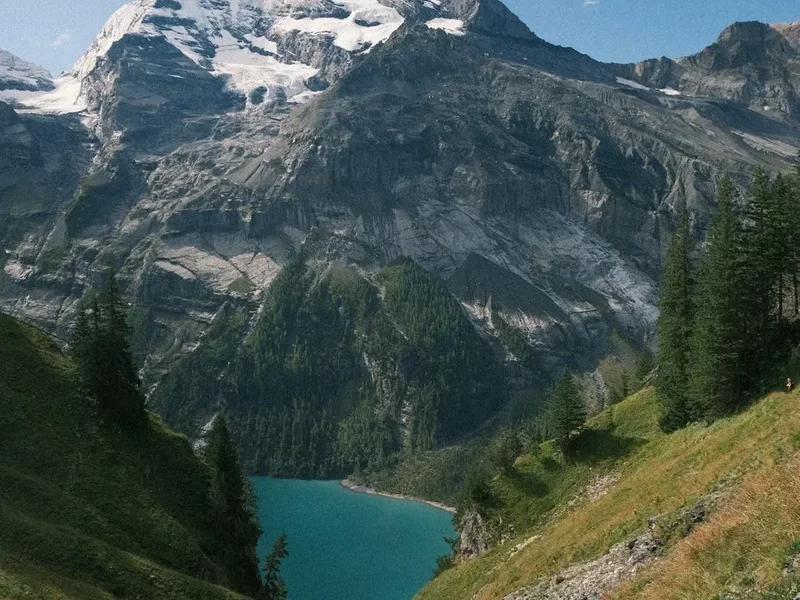
The pristine alpine environment of the Engadin Valley is a precious resource that requires careful stewardship. Adhering to Leave No Trace principles ensures that this beautiful landscape remains unspoiled for future generations of hikers and for the benefit of the local ecosystem.
Your responsibility as a walker:
- Pack It In, Pack It Out: Carry out all litter, including food scraps, wrappers, and any other waste you generate. Do not bury or burn trash.
- Stay on the Trail: Stick to marked paths to avoid damaging fragile alpine vegetation, which can take many years to recover from trampling. This is especially important around the lakeshores and in wildflower meadows.
- Respect Wildlife: Observe wildlife from a distance and never feed them. Feeding animals can disrupt their natural behaviours and diets, and can make them dependent on human food.
- Dispose of Waste Properly: Use designated toilet facilities where available. If no facilities are present, dig a cathole at least 70 metres away from water sources, trails, and campsites, and bury human waste. Pack out all toilet paper.
- Leave What You Find: Do not take rocks, plants, or any other natural objects from the environment. Leave them for others to enjoy and for the ecosystem to thrive.
- Minimise Campfire Impacts: Campfires are generally not permitted on this day hike. If camping in designated areas (not applicable here), use established fire rings and keep fires small.
- Be Considerate of Other Visitors: Keep noise levels down, yield to other hikers on narrow sections of the trail, and maintain a respectful attitude towards fellow visitors and the natural environment.
By following these principles, you help preserve the natural beauty and ecological integrity of the Five Lakes Walk and the wider Engadin region.
 Switzerland