
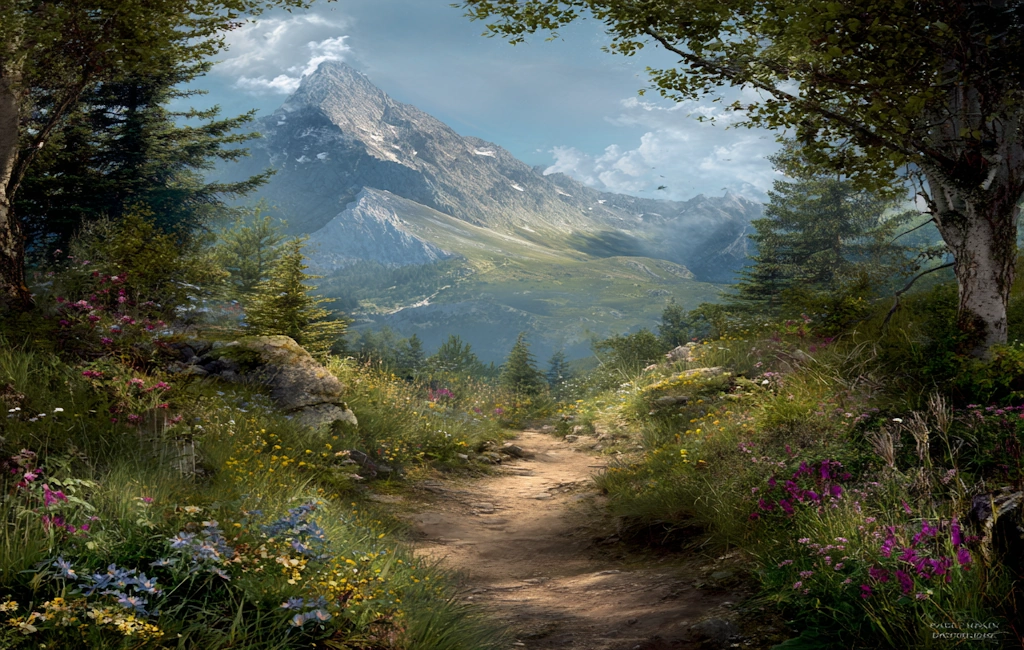
Faja de las Flores - The Flower Belt Trail
The Faja de las Flores, translating to "Flower Belt," is a spectacular and challenging mountain track located in the heart of the Spanish Pyrenees, within the Ordesa y Monte Perdido National Park. This demanding one-day hike circumnavigates the iconic Faja de las Flores, a narrow ledge carved into the sheer limestone cliffs of the Añisclo Canyon. It offers unparalleled, breathtaking views into the canyon's depths and across the surrounding rugged peaks. The trail is renowned for its dramatic exposure, requiring a good head for heights and a solid level of fitness. It is a true test of endurance and a rewarding experience for experienced hikers seeking an adventure in one of Spain's most stunning natural landscapes.
- Distance: 17.0 km
- Elevation Gain: 1400 m
- Duration: 1 day (8-10 hours)
- Difficulty: Challenging
- Best Time: July-September (summer months), dry conditions
- Closest City: Huesca
- Trailhead Access: Nearest city: Huesca. Drive to Torla-Ordesa (approx. 2 hours). In summer, access to Ordesa Valley is restricted; park in Torla and take a bus to the trailhead (check schedules). Limited parking available in Torla. No permits usually required, but check park regulations beforehand. GPS: 42.6500, 0.0778
- Coordinates: 42.6500, 0.0778
Overview
The Faja de las Flores trail is a circular route that begins and ends in the Ordesa Valley, a glacial valley renowned for its dramatic U-shape, sheer cliffs, and abundant waterfalls. The trail's namesake, the "Flower Belt," refers to a narrow, natural ledge that winds its way along the upper reaches of the Añisclo Canyon's western wall. This ledge, often only a metre or two wide, provides a precarious but awe-inspiring pathway, offering constant, vertiginous views into the canyon below. The sheer scale of the rock faces, the vibrant green of the pine forests clinging to the slopes, and the distant snow-capped peaks create a panorama that is both humbling and exhilarating.
The hike is a significant undertaking, characterised by a substantial elevation gain and a long duration. The ascent from the valley floor to the Faja is steep and sustained, testing hikers' stamina and leg strength. Once on the Faja itself, the terrain can be uneven, and sections may require careful foot placement. The return journey often involves traversing high mountain passes and descending through varied landscapes, from open scree slopes to dense forests. The trail is best tackled during the summer months when snow has receded from the higher passes and the weather is generally more stable, though mountain weather can change rapidly.
This route is not for the faint-hearted. It demands respect for the mountain environment, a good level of physical fitness, and a head for heights. The sense of accomplishment upon completing the Faja de las Flores is immense, stemming not only from the physical challenge but also from the privilege of experiencing such raw, untamed natural beauty from a unique and dramatic vantage point.
History and Cultural Context
The Ordesa y Monte Perdido National Park, where the Faja de las Flores is located, has a rich history of human interaction with the landscape. For centuries, these valleys were used by shepherds for summer grazing, and ancient pathways crisscross the region, remnants of these traditional transhumance routes. The dramatic geological formations, carved by glaciers over millennia, have always inspired awe and respect.
The development of the Faja de las Flores as a hiking trail is a more recent phenomenon, driven by the growing interest in mountaineering and trekking in the Pyrenees during the 20th century. The creation of national parks in Spain, starting with Ordesa y Monte Perdido in 1918 (though its current status and boundaries are more recent), aimed to preserve these unique natural environments. The Faja itself is a natural geological feature, a narrow band of rock that has been accessible to hikers through careful trail maintenance and the establishment of marked routes.
The trail's existence is a testament to the enduring human desire to explore and connect with wild places. It represents a careful balance between allowing access for recreation and ensuring the protection of a fragile alpine ecosystem. The cultural context is one of deep respect for the mountains, a tradition passed down through generations of shepherds and mountaineers who have navigated these challenging terrains.
Seasonal Highlights and Weather Reality
The Faja de las Flores is a high-altitude mountain trek, and its accessibility and conditions are heavily influenced by the seasons.
Summer (July to September): This is the prime season for hiking the Faja de las Flores. The snow has typically melted from the higher sections of the trail, including the passes, making navigation safer and more straightforward. The days are longer, providing ample daylight for the demanding 8-10 hour trek. The vegetation is lush and green, and wildflowers are abundant, particularly along the Faja itself, giving it its name. However, summer can also bring thunderstorms, which are common in the Pyrenees. These can develop rapidly in the afternoons, bringing heavy rain, lightning, and a significant drop in temperature. Hikers must be prepared for all types of weather, even on a sunny morning.
Spring (May to June): Early spring can still see significant snow cover at higher elevations, making the Faja de las Flores inaccessible or extremely dangerous without specialised mountaineering equipment and experience. Lower sections of the valley may be accessible, but the full circuit is generally not recommended until late June at the earliest, and even then, caution is advised. Snowmelt can also lead to swollen rivers and potentially hazardous stream crossings.
Autumn (October to November): As autumn progresses, temperatures begin to drop, and the risk of early snowfall increases. The autumn colours can be spectacular, with the forests displaying vibrant hues of red, orange, and yellow. However, daylight hours shorten, and the weather becomes increasingly unpredictable. By late October or November, snow is likely to make the trail impassable for standard hiking. Hikers should check conditions meticulously before setting out.
Winter (December to April): The Faja de las Flores is completely inaccessible and extremely dangerous during winter due to heavy snow, ice, and avalanche risk. This period is strictly for experienced winter mountaineers with appropriate gear and knowledge.
Recommended Itinerary
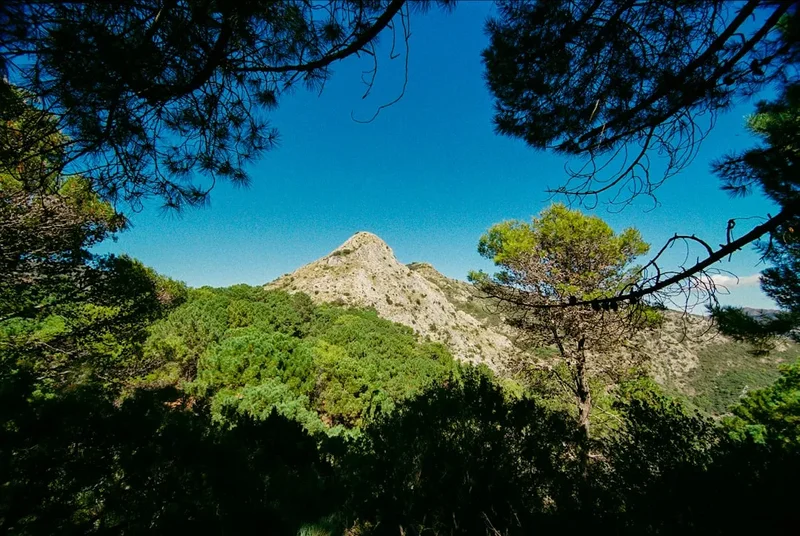
Faja de las Flores - One-Day Itinerary
Early Morning (approx. 7:00 AM): Start from Torla-Ordesa
- Begin at the designated parking area in Torla-Ordesa.
- Take the park bus (seasonal operation, check schedules) or drive to the Ordesa Valley entrance.
- Continue by bus or shuttle to the Pradera de Ordesa (Ordesa Meadow), the main trailhead.
- Ensure you have all necessary gear, food, and water for a full day's hike.
Morning (approx. 8:00 AM - 1:00 PM): Ascent to the Faja
- From Pradera de Ordesa, follow the main valley path towards the Circo de Soaso.
- The initial section is relatively flat, following the Arazas River.
- As you approach the waterfalls of Cola de Caballo (Horse's Tail), the trail begins to ascend steeply towards the Faja de las Flores.
- This ascent is challenging, involving significant elevation gain over rocky and sometimes exposed terrain.
- The path may involve scrambling sections and requires careful footing.
Midday (approx. 1:00 PM - 3:00 PM): Traverse the Faja de las Flores
- Reach the start of the Faja de las Flores.
- This is the most iconic and exposed section of the hike.
- The trail is a narrow ledge carved into the cliff face, offering dramatic views into the Añisclo Canyon.
- Maintain focus, walk steadily, and be aware of your surroundings.
- Take short breaks to admire the incredible scenery, but avoid lingering in exposed areas.
- The Faja itself is approximately 3-4 km long.
Afternoon (approx. 3:00 PM - 7:00 PM): Descent and Return to Pradera de Ordesa
- After completing the Faja, the trail continues to ascend towards a high mountain pass (e.g., Cuello de Añisclo or similar, depending on the exact route variation).
- The descent from the pass can be steep and may involve scree slopes.
- The route will eventually lead you back towards the Ordesa Valley, potentially via a different path than the ascent.
- Continue descending through forests and open terrain, following marked trails.
- The final section will bring you back to the Pradera de Ordesa.
Evening (approx. 7:00 PM onwards): Return to Torla-Ordesa
- Catch the park bus or shuttle back to Torla-Ordesa.
- Celebrate your accomplishment!
Important Considerations:
- This is a strenuous, full-day hike. Start early to maximise daylight and avoid afternoon thunderstorms.
- Carry ample water (at least 2-3 litres per person) as water sources can be scarce or unreliable on the Faja itself.
- Pack high-energy food and snacks.
- The trail is not suitable for those with a fear of heights or vertigo.
- Good quality hiking boots with excellent grip are essential.
- Trekking poles can be beneficial for stability, especially on descents.
- Always check the weather forecast before setting out and be prepared for rapid changes.
Planning and Bookings
Book Your Trip
Everything you need to plan your journey
Accommodation
Find places to stay near Huesca
Flights
Search flights to Huesca
Essential Preparation
The Faja de las Flores is a serious mountain undertaking that requires meticulous planning. The closest major city with good transport links is Huesca. From Huesca, you will need to drive or take a bus to the charming mountain village of Torla-Ordesa, which serves as the gateway to the Ordesa y Monte Perdido National Park. The drive from Huesca to Torla-Ordesa takes approximately 2 hours.
During the peak summer months (typically July and August), access to the Ordesa Valley itself is restricted to private vehicles. Instead, visitors must park in Torla-Ordesa and use a dedicated park bus service to reach the Pradera de Ordesa, the main trailhead. It is crucial to check the operating times and frequency of this bus service in advance, as it can vary. Parking in Torla-Ordesa can also be limited, so arriving early is advisable. Outside of these peak months, private vehicle access may be permitted, but always verify current regulations with the park authorities.
Given the challenging nature and duration of the hike, it is highly recommended to spend at least one night in Torla-Ordesa before and after your trek. This allows for acclimatisation, last-minute gear checks, and provides a buffer in case of weather delays. Torla-Ordesa offers a range of accommodation options, from simple guesthouses and hostels to small hotels, as well as restaurants and shops for supplies.
Trail Accommodation
This is a day hike requiring no overnight accommodation on the trail itself. Hikers are expected to complete the Faja de las Flores circuit within a single day, starting and finishing at the Pradera de Ordesa. Therefore, no huts, lodges, or campsites are available or permitted along the Faja de las Flores route. All necessary provisions, including food and water, must be carried by the hiker for the duration of the trek.
Required Gear
- Sturdy Hiking Boots: Waterproof, with excellent ankle support and a well-gripped sole. Essential for navigating rocky, uneven, and potentially slippery terrain.
- Waterproof Jacket and Trousers: Lightweight but effective Gore-Tex or similar material. Mountain weather can change rapidly, and rain is common.
- Backpack: A comfortable daypack (25-35 litres) is sufficient for carrying essentials. Ensure it has a rain cover.
- Navigation Tools: A detailed topographic map of the Ordesa y Monte Perdido National Park, a compass, and a GPS device or smartphone with offline maps are highly recommended. Mobile signal is unreliable.
- Head Torch: With fresh batteries. Essential in case of unexpected delays or if starting before dawn/finishing after dusk.
- First-Aid Kit: Comprehensive kit including blister treatment, bandages, antiseptic wipes, pain relievers, and any personal medications.
- Sun Protection: High SPF sunscreen, sunglasses, and a wide-brimmed hat. The sun at altitude can be intense, even on cloudy days.
- Trekking Poles: Highly recommended for stability on steep ascents and descents, and for reducing strain on knees.
What to Bring
- Food: High-energy, non-perishable food for the entire day. This includes breakfast, lunch, and several high-energy snacks (e.g., nuts, dried fruit, energy bars, sandwiches). Aim for at least 2500-3000 calories.
- Water: Carry at least 2-3 litres of water per person. Water sources on the Faja itself are scarce and unreliable. Consider a water filter or purification tablets as a backup, but do not rely on finding potable water.
- Toiletries: Small pack of biodegradable toilet paper, hand sanitiser, and any personal hygiene items. Pack out all used toilet paper.
- Emergency Shelter: A lightweight emergency bivvy bag or space blanket can be a lifesaver in an unexpected situation.
- Whistle: For signalling in emergencies.
- Multi-tool or Knife: Useful for various minor repairs or tasks.
- Camera: To capture the incredible scenery (ensure it's well-protected from the elements).
- Cash: For bus fares, potential small purchases in Torla, or emergency use.
Permits
For the Faja de las Flores hike within the Ordesa y Monte Perdido National Park, specific permits are generally not required for day hikers undertaking the standard circuit. However, access to the Ordesa Valley itself is regulated, particularly during the peak summer season (typically July and August).
Ordesa Valley Access:
- Summer Restrictions: During July and August, private vehicle access to the Ordesa Valley road is usually prohibited. Visitors must park their cars in Torla-Ordesa and use a dedicated shuttle bus service to reach the Pradera de Ordesa, the main trailhead.
- Bus Tickets: It is advisable to purchase bus tickets in advance, especially during peak periods, as they can sell out. Information on ticket purchasing and schedules is usually available from the park's visitor centre or official website.
- Outside Peak Season: In other months, private vehicle access may be permitted, but it is essential to check the latest regulations with the park authorities before your visit.
Camping: Overnight camping is strictly prohibited within the Ordesa Valley and on the Faja de las Flores trail. This is a day hike only.
Park Regulations: Always familiarise yourself with the general regulations of the Ordesa y Monte Perdido National Park. These typically include rules about staying on marked trails, not disturbing wildlife, not collecting plants or rocks, and packing out all litter.
Recommendation: Before your trip, visit the official website of the Ordesa y Monte Perdido National Park or contact their visitor centre for the most up-to-date information regarding access, bus services, and any specific regulations that may be in place for the season you plan to visit.
Other Activities in the Area
The Ordesa y Monte Perdido National Park and its surrounding region offer a wealth of activities for nature enthusiasts and adventurers:
- Ordesa Valley Floor Walk: A gentler, more accessible option than the Faja de las Flores, this walk follows the valley floor to the stunning Cola de Caballo (Horse's Tail) waterfall. It's a beautiful and less demanding way to experience the park's grandeur.
- Circo de Soaso: The impressive glacial cirque at the head of the Ordesa Valley, accessible via the valley floor walk. It's a dramatic amphitheatre of rock and waterfalls.
- Añisclo Canyon: Explore the lower sections of the Añisclo Canyon, which offers different hiking routes and a more enclosed, rugged feel compared to the wider Ordesa Valley.
- Monte Perdido Ascent: For experienced mountaineers, the ascent of Monte Perdido (3,355 m), the park's highest peak, is a challenging but rewarding objective. This requires significant mountaineering skills and appropriate equipment.
- Valle de Pineta: Another stunning glacial valley within the park, known for its beautiful lake and surrounding peaks.
- Torla-Ordesa Village: Explore the charming medieval village of Torla-Ordesa, with its stone houses, narrow streets, and historic church. It's a perfect base for relaxation and enjoying local cuisine.
- Via Ferrata: The region offers several via ferrata routes, which are protected climbing paths equipped with steel cables, rungs, and ladders, allowing less experienced climbers to tackle vertical terrain.
- Stargazing: The remote location and lack of light pollution make the park an excellent spot for stargazing.
Safety and Conditions
Pre-Trip Checks:
- Weather Forecast: Always check the mountain weather forecast for the Pyrenees immediately before your hike. Websites like Meteo France or AEMET (Spanish State Meteorological Agency) provide detailed forecasts for mountain regions. Be prepared for rapid changes, especially afternoon thunderstorms in summer.
- Park Alerts: Consult the official website of the Ordesa y Monte Perdido National Park for any trail closures, warnings, or specific conditions.
- Route Familiarisation: Study your map and understand the route, potential hazards, and bailout points (though few exist on the Faja itself).
Trail Hazards:
- Exposure and Vertigo: The Faja de las Flores is a narrow ledge with significant drops. This trail is not suitable for individuals with a fear of heights or vertigo. Maintain focus and avoid distractions.
- Rocky and Uneven Terrain: The entire trail, especially the ascent and descent, involves navigating rocky, uneven, and sometimes loose ground. Good footwear and careful foot placement are crucial to prevent sprains and falls.
- Steep Ascents and Descents: The hike involves considerable elevation gain and loss, which can be physically demanding and put strain on your legs and knees. Trekking poles are highly recommended.
- Afternoon Thunderstorms: Summer afternoons are prone to sudden and severe thunderstorms in the Pyrenees. These can bring heavy rain, lightning, strong winds, and a rapid drop in temperature, making exposed sections of the trail extremely dangerous. Start your hike as early as possible to complete the most exposed sections before the afternoon.
- Water Sources: While the Ordesa Valley has rivers, water sources directly on the Faja are scarce. Carry sufficient water for the entire day.
- Navigation: While the trail is generally marked, visibility can be severely reduced in fog or cloud. Always carry and know how to use your map and compass/GPS.
Emergency Procedures:
- Carry a Mobile Phone: Ensure it is fully charged. However, be aware that mobile signal is unreliable in the mountains.
- Personal Locator Beacon (PLB): For remote and challenging hikes, consider carrying a PLB for emergency situations.
- Know Emergency Numbers: In Spain, the emergency number is 112.
- Inform Someone: Always let someone know your planned route, expected return time, and who to contact if you do not check in.
General Safety: Stay hydrated, eat regularly, and pace yourself. Do not attempt the hike alone if you are inexperienced. Be aware of your physical limitations and turn back if conditions become too hazardous or you are not feeling well.
Side Trips and Points of Interest
Cola de Caballo (Horse's Tail Waterfall): Located on the valley floor, this iconic waterfall is a spectacular sight and a major landmark on the approach to the Faja. It's a powerful cascade that plunges over a high rock face, often creating a rainbow in its mist. It's a popular spot for photos and a good place to rest before the strenuous ascent begins.
Gradas de Soaso: A series of beautiful, tiered waterfalls and cascades located just before Cola de Caballo. These smaller falls create a magical, watery landscape, particularly after rainfall, and are a delightful prelude to the larger waterfall.
Circo de Soaso: The dramatic glacial cirque at the head of the Ordesa Valley. This vast, U-shaped amphitheatre of towering cliffs and scree slopes is a testament to the immense power of glacial erosion. It provides a breathtaking backdrop to the valley floor walk and the start of the ascent towards the Faja.
Añisclo Canyon Views: While the Faja de las Flores itself offers the most dramatic views into the Añisclo Canyon, the surrounding high points and passes also provide expansive vistas of this deep, rugged gorge. The sheer scale of the canyon walls and the remote wilderness it encompasses are awe-inspiring.
Alpine Flora and Fauna: Keep an eye out for the diverse plant life that thrives in the alpine environment, including various wildflowers that give the Faja its name. You might also spot chamois, marmots, or various bird species, including birds of prey soaring overhead.
Leave No Trace
The Ordesa y Monte Perdido National Park is a protected natural treasure, and adhering to Leave No Trace principles is paramount to preserving its beauty and ecological integrity for future generations. The Faja de las Flores, with its delicate alpine environment and exposed nature, requires particular care.
Plan Ahead and Prepare: Understand the trail's demands, check weather conditions, and pack appropriately. This minimises the need for unplanned rescues and reduces your impact.
Travel and Camp on Durable Surfaces: Stick to marked trails at all times. The vegetation in alpine environments is fragile and slow to recover. Avoid creating new paths or shortcuts, especially on scree slopes or near water sources.
Dispose of Waste Properly: Pack out everything you pack in. This includes all food scraps, wrappers, and any other litter. Use designated toilets where available, or if not, dig a cathole at least 60 metres away from water, trails, and campsites, and bury human waste. Pack out used toilet paper.
Leave What You Find: Do not take any natural objects, such as rocks, plants, or flowers. Admire them in their natural setting. Do not carve or mark any surfaces.
Minimise Campfire Impacts: Campfires are prohibited in the Ordesa y Monte Perdido National Park. Use a portable stove for cooking.
Respect Wildlife: Observe wildlife from a distance. Never feed animals, as this can disrupt their natural behaviours and diets, and can be harmful to their health. Store food securely to prevent attracting animals.
Be Considerate of Other Visitors: Keep noise levels down, especially in quiet areas. Yield to others on narrow trails. Allow others to enjoy the natural environment.
By following these principles, you help ensure that the Faja de las Flores and the Ordesa y Monte Perdido National Park remain wild and beautiful for all to experience.
 Spain
Spain