
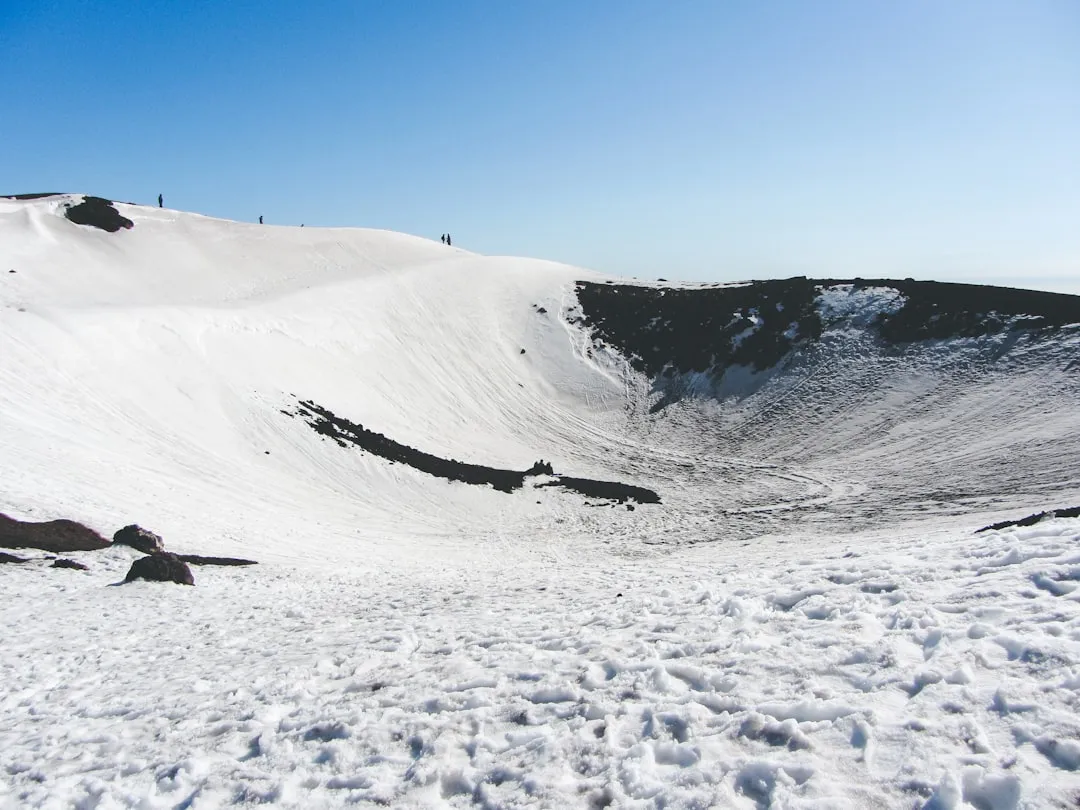
Etna Summit Trail - The Majestic Ascent
The Etna Summit Trail is a challenging and rewarding trek to the highest active volcano in Europe, Mount Etna. This one-way route, typically completed in a single day, ascends through a dramatic and ever-changing volcanic landscape, from lush forests at lower altitudes to barren, ash-strewn craters at the summit. The trail offers unparalleled views of the surrounding Sicilian countryside, the Ionian Sea, and, on clear days, the distant coast of Calabria. It's a journey that immerses you in the raw power of nature, showcasing the dynamic geological forces that continue to shape this iconic mountain. The Etna Summit Trail is not just a hike; it's an exploration of a living, breathing geological wonder.
- Distance: 12.0 km one-way
- Elevation gain: 1200 m
- Duration: 6–8 hours
- Difficulty: Challenging
- Best Time: May to September
- Closest City: Catania
- Trailhead Access: Nearest airport: Catania Airport (CTA). From Catania, take AST bus to Rifugio Sapienza (approx. 2 hours). By car, follow signs to Etna Sud and Rifugio Sapienza (approx. 1.5 hours). Road is paved. Parking available at Rifugio Sapienza (fee may apply). Some tours require permits for summit access, check in advance.
- Coordinates: 37.7510, 15.0047
Overview
The Etna Summit Trail is a testament to the raw, untamed beauty of volcanic landscapes. Starting from the bustling Rifugio Sapienza at Etna Sud, the trail immediately begins its relentless ascent, a steady climb that tests both endurance and spirit. The initial stages wind through ancient lava flows, where hardy vegetation, including broom and pine trees, clings tenaciously to the volcanic soil, a vibrant contrast to the starkness of the rock. As you gain altitude, the landscape transforms dramatically. The air becomes cooler, the vegetation thins, and the terrain shifts to a more rugged, rocky expanse of solidified lava and volcanic ash.
The trail is characterised by its ever-present volcanic features. You'll traverse vast fields of black cinders, navigate through solidified lava tubes, and witness the stark beauty of recent eruption sites. The summit area itself is a complex of craters, including the impressive Central Crater (also known as the Voragine) and the Bocca Nuova. The exact summit path can vary due to ongoing volcanic activity, and guided ascents are often mandatory for safety and access to the highest points. The panoramic views from the upper reaches are simply breathtaking. On a clear day, the vista stretches across the entire eastern coast of Sicily, encompassing the city of Catania, the shimmering Ionian Sea, and the fertile plains below. The sheer scale of the volcano and its surrounding landscape is humbling, offering a profound connection to the earth's geological power.
This hike is a journey through time, with each layer of lava telling a story of past eruptions. The stark beauty of the barren slopes, punctuated by the vibrant green of resilient flora, creates a unique and unforgettable visual experience. The Etna Summit Trail is a challenging but immensely rewarding adventure for those seeking to explore one of Europe's most active and awe-inspiring natural wonders.
History and Geological Context
Mount Etna, known locally as 'Mongibello' (from the Latin 'Mons' and Arabic 'Gebel', both meaning 'mountain'), has a history stretching back millennia, deeply intertwined with the human settlements of Sicily. Its volcanic activity, while sometimes destructive, has also created the fertile soils that have supported agriculture in the region for centuries, making it a vital part of Sicilian life and culture.
The earliest recorded eruption dates back to 1500 BC, and since then, Etna has erupted hundreds of times. Its history is a continuous cycle of creation and destruction, with lava flows shaping the landscape and influencing the lives of those who live on its slopes. The volcano's activity has been documented by ancient Greek historians, including Thucydides, who described an eruption in 475 BC. Roman writers also noted its power, and its presence has been a constant in the region's mythology and folklore.
Geologically, Etna is a stratovolcano, meaning it is built up by many layers of hardened lava, tephra, pumice, and volcanic ash. It is one of the most active volcanoes in the world, with its summit craters constantly emitting steam and gas, and frequent effusive (lava flow) and explosive eruptions. The summit area is particularly dynamic, with the Central Crater complex evolving over time. The Bocca Nuova, for instance, formed in 1968, and the Voragine crater has undergone significant changes throughout history.
The area around Rifugio Sapienza, the common starting point for summit ascents, has been shaped by numerous lava flows. The Piano del Vulcano, a vast plain of solidified lava, is a stark reminder of past eruptions. The development of tourism infrastructure, including cable cars and off-road vehicles, has made the summit more accessible, but the fundamental nature of the volcano remains wild and powerful. Understanding Etna's geological history is key to appreciating the dramatic landscape encountered on the summit trail.
Seasonal Highlights and Weather Considerations
The Etna Summit Trail is best experienced during the warmer months when snow and ice are less of a concern, and visibility is generally better. However, even during these periods, Etna's weather can be unpredictable and change rapidly.
Spring (May to June): This is an excellent time to hike Etna. The weather is typically mild, and the lower slopes are often carpeted with wildflowers, creating a beautiful contrast with the volcanic rock. Snow may still linger at higher elevations, especially in shaded areas, but the main summit paths are usually clear by late May. Temperatures can range from 10-20°C at Rifugio Sapienza, dropping significantly at higher altitudes.
Summer (July to August): This is the peak season for summit ascents. The days are long and generally clear, offering the best chances for panoramic views. However, temperatures can be high, especially at lower altitudes, and the sun can be intense. It is crucial to carry plenty of water and sun protection. Temperatures at the summit can still be cool, especially with wind chill. Sandflies are not an issue here, but other biting insects might be present.
Autumn (September to October): Autumn offers a pleasant alternative to the summer heat. The colours of the landscape can be striking, and the crowds tend to be smaller. The weather remains generally stable, though the possibility of increased rainfall and cooler temperatures increases as the season progresses. Snowfall can begin in late October at the highest elevations.
Winter (November to April): Summiting Etna in winter is a serious undertaking, requiring specialised equipment (crampons, ice axe) and significant mountaineering experience. The trails are often covered in snow and ice, and volcanic activity can pose additional hazards. While guided tours are available, they are for experienced winter hikers only. Temperatures can drop well below freezing, with strong winds and blizzards being common.
Weather Reality: Regardless of the season, always be prepared for rapid weather changes. Wind, fog, and sudden temperature drops are common at altitude. It is essential to check the weather forecast specifically for Mount Etna before you set out and to be prepared for all conditions.
Recommended Itinerary
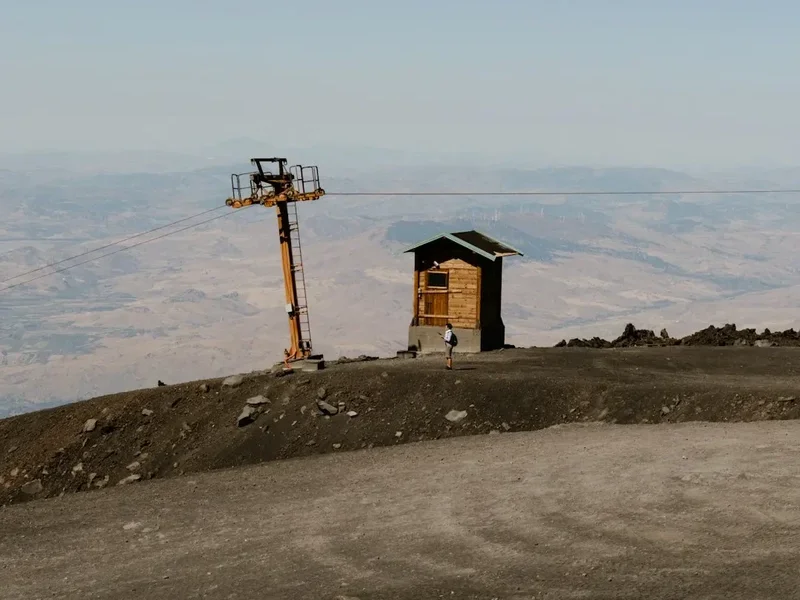
Etna Summit Trail - Day Hike Itinerary
Early Morning (Approx. 8:00 AM): Arrival at Rifugio Sapienza
- Start your journey at Rifugio Sapienza (1,910 m), the main base for Etna Sud.
- This is where you'll find parking, cafes, restaurants, and tour operators.
- If not driving, take an early AST bus from Catania or arrange private transport.
- Final gear check and preparation.
Morning (Approx. 8:30 AM - 12:00 PM): Ascent to Torre del Filosofo
- Begin the hike from Rifugio Sapienza.
- The initial section involves walking across solidified lava fields and volcanic ash.
- You will pass through areas of sparse vegetation, including resilient broom plants.
- The trail is generally well-defined but can be steep in places.
- Reach Torre del Filosofo (2,924 m), an old volcanic observatory and a common point for cable car access.
- This section offers increasingly dramatic views of the surrounding volcanic landscape.
Midday (Approx. 12:00 PM - 2:00 PM): Exploration of Summit Craters (with guide)
- From Torre del Filosofo, the terrain becomes more barren and lunar-like.
- Crucially, for safety and access to the active summit craters, a certified volcanological guide is usually mandatory from this point onwards.
- Your guide will lead you towards the main summit crater complex, which typically includes the Central Crater (Voragine) and the Bocca Nuova.
- The exact route and accessible craters can change daily due to volcanic activity.
- Learn about the geology, history, and ongoing processes of Mount Etna from your guide.
- Experience the awe-inspiring scale of the craters and the fumarolic activity (steam and gas emissions).
- Note: Direct access into the active craters may be restricted depending on current volcanic conditions.
Afternoon (Approx. 2:00 PM - 4:00 PM): Descent and Return to Rifugio Sapienza
- Begin the descent back towards Rifugio Sapienza.
- The descent is often faster than the ascent, typically following a different path or using the cable car for part of the way (if available and chosen).
- Enjoy the changing perspectives of the landscape as you descend.
- The volcanic ash and cinders can make the descent slippery in places.
- Return to Rifugio Sapienza, tired but exhilarated by the summit experience.
Late Afternoon (Approx. 4:00 PM onwards): Departure
- Enjoy a well-deserved rest and refreshments at Rifugio Sapienza.
- Begin your journey back to Catania or your next destination.
Important Notes:
- Summit access and routes are subject to volcanic activity and official regulations. Always check current conditions and requirements.
- Hiring a certified volcanological guide is highly recommended and often mandatory for reaching the summit craters.
- Wear sturdy, broken-in hiking boots.
- Carry plenty of water (at least 2-3 litres per person).
- Sun protection (hat, sunglasses, high SPF sunscreen) is essential.
- Dress in layers; temperatures at the summit can be significantly cooler than at the base.
- Be prepared for strong winds.
Planning and Bookings
Book Your Trip
Everything you need to plan your journey
Accommodation
Find places to stay near Catania
Flights
Search flights to Catania
Essential Preparation
The Etna Summit Trail is a challenging day hike that requires careful planning. The primary logistical hub is Rifugio Sapienza at Etna Sud. Access to Rifugio Sapienza is primarily by car or by public bus from Catania. If travelling by car, be aware that parking at Rifugio Sapienza may incur a fee, especially during peak season. The road to Rifugio Sapienza is paved and well-maintained, offering scenic views as you ascend.
For those without private transport, the AST (Azienda Siciliana Trasporti) bus service runs from Catania to Rifugio Sapienza. This is a scenic but lengthy journey, so check the timetable carefully and book tickets in advance if possible. Alternatively, many tour operators in Catania offer guided excursions to Etna, which often include transport, a guide, and sometimes even cable car tickets, simplifying logistics considerably.
It is crucial to check the current volcanic activity and weather conditions for Mount Etna before your trip. The official park authorities or local guides can provide the most up-to-date information. Summit access can be restricted or altered due to eruptions or safety concerns. Booking a guided tour is highly recommended, as guides are knowledgeable about the terrain, safety protocols, and current volcanic status, and often mandatory for reaching the highest points.
Trail Accommodation
This is a day hike requiring no overnight accommodation. The primary base for the Etna Summit Trail is Rifugio Sapienza, located at an altitude of 1,910 metres. Rifugio Sapienza offers accommodation, restaurants, and facilities for hikers preparing for their ascent. There are no official campsites or huts along the actual summit trail itself, as the environment is too harsh and dynamic for overnight stays outside of designated refuges.
Required Gear
- Sturdy Hiking Boots: Waterproof, ankle-supporting boots with good grip are essential for navigating the uneven volcanic terrain, scree, and potentially slippery surfaces.
- Layered Clothing: The weather on Etna can change rapidly. Bring a base layer (synthetic or merino wool), an insulating mid-layer (fleece or down jacket), and a waterproof and windproof outer shell.
- Waterproof Overtrousers: Essential for protection against wind and rain, which can be frequent even in summer.
- Warm Hat and Gloves: Temperatures at the summit can be significantly colder than at the base, especially with wind chill.
- Sun Protection: A wide-brimmed hat, sunglasses with UV protection, and high SPF sunscreen are crucial due to the intense sun at altitude and the reflective nature of volcanic ash.
- Backpack: A comfortable daypack (25-35 litres) to carry essentials, water, food, and extra layers.
- Head Torch: With spare batteries, in case of unexpected delays or early starts.
- First Aid Kit: Including blister treatment, pain relievers, antiseptic wipes, and any personal medications.
- Walking Poles: Highly recommended for stability on ascents and descents, especially on loose scree and rocky sections.
What to Bring
- Food: High-energy snacks and a packed lunch. There are limited food options once you leave Rifugio Sapienza, and they can be expensive.
- Water: At least 2-3 litres of water per person. Refill points are scarce on the trail.
- Toiletries: Hand sanitiser, personal hygiene items.
- Camera: To capture the spectacular volcanic landscapes and panoramic views.
- Mobile Phone: For emergencies, though signal can be intermittent. Consider a portable power bank.
- Cash: For parking fees, cable car tickets, refreshments, or potential guide fees.
- Identification: Passport or ID.
Permits
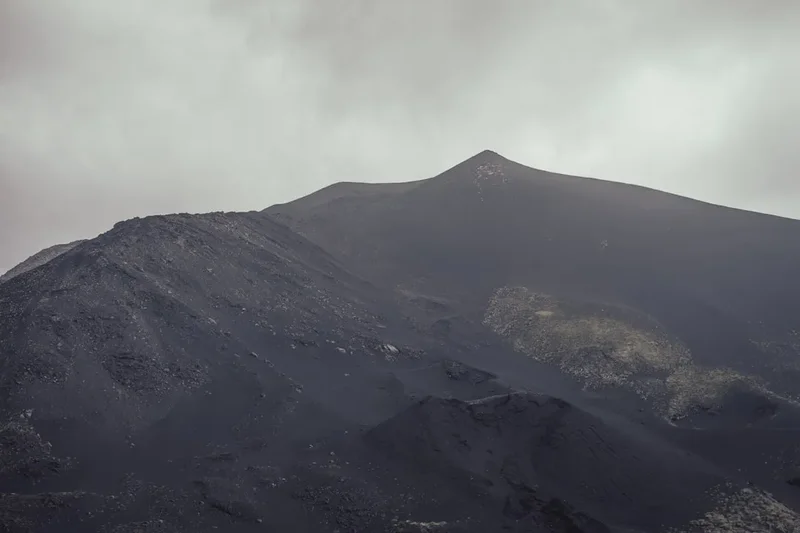
For general hiking on the lower slopes of Mount Etna, no specific permits are required. However, accessing the summit craters (typically above Torre del Filosofo, at around 2,900 metres) usually necessitates the accompaniment of a certified volcanological guide. These guides are licensed by the regional authorities and are essential for safety due to the unpredictable nature of the volcano.
Guide Requirements:
- Mandatory for Summit Craters: In most cases, to reach the active summit craters (Central Crater, Bocca Nuova), you must be part of a guided group.
- Booking Guides: Guides can be booked in advance through various tour operators in Catania or directly at Rifugio Sapienza. Booking in advance is highly recommended, especially during peak season, to secure a spot and ensure availability.
- Costs: The cost of a guided tour varies depending on the duration, group size, and inclusions (e.g., cable car, 4x4 transport). Expect to pay anywhere from €50 to €150 per person.
Volcanic Activity and Access:
- The accessibility of the summit craters is entirely dependent on current volcanic activity. Authorities may close off certain areas or the entire summit zone if there is a risk of eruption, gas emissions, or unstable ground.
- Always check the official Etna Park website or consult with local guides for the latest information on access restrictions and safety advisories.
Cable Car and 4x4 Transport:
- While not a permit, using the Etna cable car (Funivia dell'Etna) and subsequent 4x4 vehicles to reach higher altitudes is an optional but common part of summit excursions. These services have their own ticketing systems and costs, which are usually separate from guide fees.
Other Activities in the Area
Beyond the summit ascent, the Mount Etna region offers a wealth of activities for visitors:
- Wine Tasting: The volcanic soils of Etna produce exceptional wines, particularly Nerello Mascalese and Carricante. Numerous wineries on the northern and eastern slopes offer tours and tastings.
- Exploring Lava Caves: Etna is riddled with lava tubes. Guided tours are available to explore caves like Grotta dei Pipistrelli or Grotta del Gelo, offering a glimpse into the volcano's subterranean world.
- Hiking on Lower Slopes: Numerous trails exist on the flanks of Etna, offering diverse landscapes from ancient forests to recent lava flows. The Silvestri Craters near Rifugio Sapienza are easily accessible and provide a good introduction to the volcanic terrain.
- Jeep and Quad Bike Tours: For those seeking a more adventurous way to explore the volcanic landscape, guided jeep or quad bike tours are available, often reaching areas inaccessible by foot or cable car.
- Visiting Etna's Northern Side (Piano Provenzana): Offers a different perspective of the volcano, with different lava flows and hiking opportunities.
- Exploring Taormina: A picturesque ancient Greek theatre and charming town perched on a hillside overlooking the Ionian Sea, a popular day trip from the Etna region.
- Catania City Exploration: Discover the vibrant Baroque architecture, bustling markets, and rich history of Sicily's second-largest city, located at the foot of Etna.
Safety and Conditions
Volcanic Hazards:
- Gas Emissions: Active craters emit volcanic gases, which can be harmful. Always follow your guide's instructions regarding proximity to fumaroles and wind direction.
- Unstable Ground: The summit area consists of loose volcanic ash, scree, and potentially unstable crater rims. Stick to marked paths and follow your guide's lead.
- Sudden Eruptions: While major eruptions are infrequent, minor explosive events can occur. Guides are trained to monitor volcanic activity and react appropriately.
- Lava Flows: Active lava flows pose a significant hazard. Access to areas with active flows is strictly prohibited.
Weather Hazards:
- Rapid Weather Changes: Etna's weather can shift dramatically and without warning. Be prepared for strong winds, fog, rain, and sudden temperature drops, even in summer.
- Hypothermia: The combination of altitude, wind, and potential rain can lead to hypothermia. Ensure you have adequate warm and waterproof layers.
- Sunburn: The sun's rays are intense at altitude, and volcanic ash can reflect sunlight. Use high SPF sunscreen, wear a hat, and sunglasses.
General Safety:
- Guided Tours: It is strongly advised to hike with a certified volcanological guide, especially for summit ascents. They are knowledgeable about the terrain, hazards, and current volcanic conditions.
- Physical Fitness: The summit trail is challenging, with significant elevation gain and uneven terrain. Ensure you are physically fit and prepared for a strenuous hike.
- Hydration: Carry ample water, as dehydration can occur quickly at altitude, especially in warm weather.
- Footwear: Wear sturdy, broken-in hiking boots with good ankle support.
- Communication: Mobile phone signal can be intermittent. Inform someone of your hiking plans and expected return time. Consider a personal locator beacon (PLB) if hiking independently in remote areas (though less common for guided summit trips).
- Emergency Services: In case of emergency, contact local emergency services. Guides will have direct communication methods.
Side Trips and Points of Interest
Torre del Filosofo: This former volcanic observatory, now a ruin, sits at approximately 2,924 metres. It's a significant landmark and often the point where guided tours begin their final ascent to the summit craters. The views from here are already spectacular, offering a preview of the vastness of the volcanic landscape.
Silvestri Craters: Located near Rifugio Sapienza, these extinct craters are easily accessible and offer a fantastic introduction to Etna's volcanic features without the strenuous climb. They were formed during the 1892 eruption and provide a safe and accessible way to experience the volcanic terrain, including lava fields and ash deposits.
Lava Fields: The trail winds through extensive lava fields from various eruptions. These fields are starkly beautiful, with solidified lava formations, volcanic bombs, and the occasional hardy plant struggling to grow. They offer a tangible connection to the volcano's destructive and creative power.
Fumaroles: As you approach the summit, you will likely encounter fumaroles – vents emitting steam and volcanic gases. These are a clear indicator of the heat and activity beneath the surface. Your guide will explain their significance and ensure you maintain a safe distance.
Panoramic Views: From the higher reaches of Etna, the panoramic views are unparalleled. On clear days, you can see the entire eastern coast of Sicily, including Catania, the Ionian Sea, and the Calabrian coast of mainland Italy. The vastness of the volcanic caldera and the surrounding landscape is truly awe-inspiring.
Leave No Trace
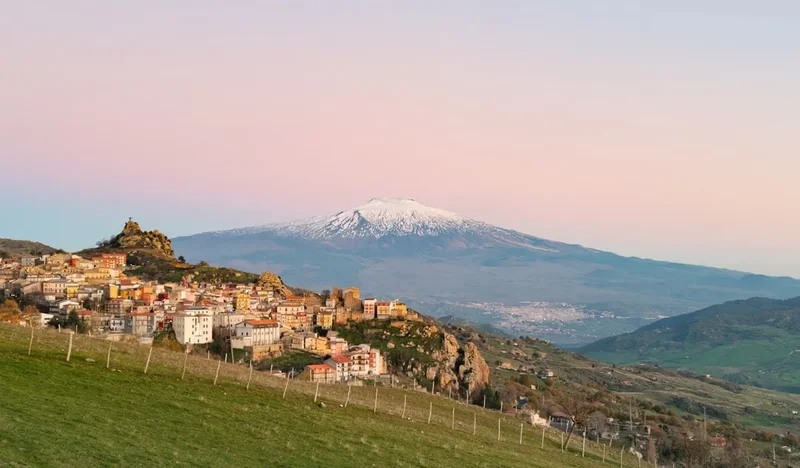
Mount Etna is a UNESCO World Heritage site, a dynamic natural wonder that demands respect and careful stewardship. The volcanic environment is fragile, and human impact can have lasting consequences. Adhering to Leave No Trace principles is paramount to preserving this unique landscape for future generations.
Your responsibility as a hiker:
- Pack It In, Pack It Out: Carry out all litter, including food scraps, wrappers, and any other waste you generate. Do not bury or burn trash.
- Stay on Marked Trails: The volcanic terrain can be unstable, and vegetation, though sparse, is resilient. Staying on designated paths prevents erosion and protects fragile plant life. Straying from trails can also lead you into dangerous areas with hidden hazards.
- Respect Wildlife: While large wildlife is scarce on the upper slopes, observe any small creatures from a distance. Do not feed any animals.
- Minimise Campfire Impacts: Campfires are generally prohibited on Mount Etna due to fire risk and the fragile environment. If permitted in designated areas (unlikely for summit hikes), use existing fire rings and ensure fires are completely extinguished.
- Travel and Camp on Durable Surfaces: For day hikes, this means sticking to established trails.
- Leave What You Find: Do not take rocks, volcanic samples, or any natural or historical items from the mountain. These are part of the natural heritage.
- Be Considerate of Other Visitors: Keep noise levels down, especially in sensitive areas. Allow others to enjoy the natural quiet of the mountain.
The volcanic landscape of Etna is a living laboratory. By treading lightly and respecting its power, you contribute to its preservation and ensure that its awe-inspiring beauty can be experienced by all.
 Italy
Italy