
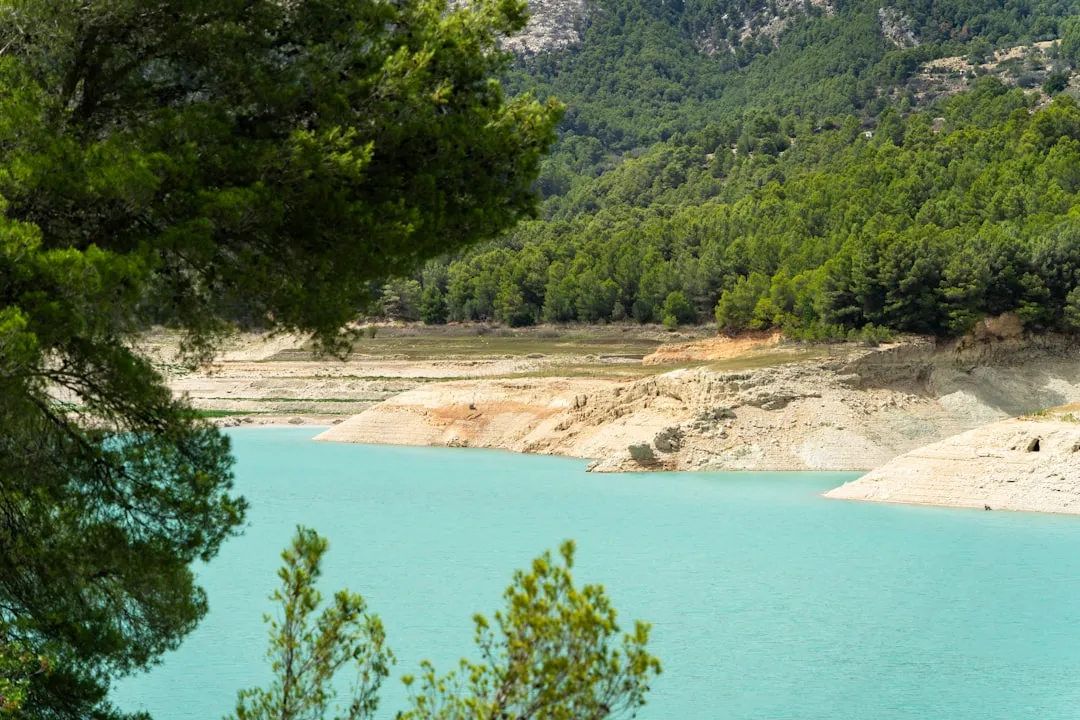
Els Ports Natural Park Loop
The Els Ports Natural Park Loop is a captivating day walk nestled in the heart of Catalonia, Spain. This trail offers a moderate challenge, winding through the dramatic limestone massifs of the Ports de Tortosa-Beseit, a mountain range renowned for its rugged beauty, unique geological formations, and rich biodiversity. The loop provides a comprehensive experience of the park's diverse landscapes, from arid scrubland and pine forests to dramatic karst topography, culminating in breathtaking panoramic views. It's an ideal excursion for those seeking a substantial day hike with significant elevation gain and a true sense of wilderness within easy reach of the historic city of Tortosa.
- Distance: 15.5 km one-way
- Duration: 6–8 hours
- Season: Spring and Autumn (April–June, September–October)
- Elevation Gain: 750 m
- Difficulty: Moderate
- Closest City: Tortosa
- Trailhead Access: Nearest city: Tortosa. By car: From Tortosa, take the T-331 towards Roquetes, then follow signs to Els Ports Natural Park. Road is paved but can be narrow. Driving time: ~1 hour. Parking available at the trailhead. No permits required. Trailhead GPS: 40.6350, 0.2880
- Coordinates: 40.6350, 0.2880
Overview
The Els Ports Natural Park Loop is a journey into a landscape sculpted by millennia of erosion, where towering limestone peaks dominate the horizon and hidden valleys conceal a surprising array of flora and fauna. This circular route, while technically a loop, is best described as a progression through distinct ecological zones and geological features. The walk begins with a steady ascent, gradually revealing the park's characteristic karst topography—a labyrinth of sinkholes, dolines, and dramatic rock formations that give the area its distinctive character. As you climb, the vegetation shifts from the garrigue and scrubland typical of the lower elevations to more resilient pine forests clinging to the rocky slopes.
The trail's moderate difficulty is primarily due to the sustained elevation gain of 750 metres, which requires a reasonable level of fitness. However, the path is generally well-defined, though sections can be rocky and uneven, demanding careful footing. The reward for the effort is immense: panoramic vistas that stretch across the Ebro Delta to the Mediterranean Sea on clear days, and a profound sense of immersion in a wild, untamed environment. The park is a haven for wildlife, including Iberian ibex, various bird species such as eagles and vultures, and a rich variety of plant life adapted to the harsh conditions. The loop offers a chance to witness these natural wonders up close, making it a fulfilling experience for nature enthusiasts and hikers alike.
The best times to undertake this walk are during the spring and autumn months. In spring, the landscape bursts into bloom with wildflowers, and the temperatures are pleasantly mild. Autumn offers a similar climate, with the added spectacle of changing foliage in the forested areas. Summer can be extremely hot, making strenuous activity challenging, while winter can bring cold temperatures and potential snow at higher elevations, though the park is generally less affected by snow than more northerly mountain ranges.
History and Cultural Context
The Els Ports Natural Park has a long and varied history, deeply intertwined with human settlement and resource utilisation. Archaeological evidence suggests human presence in the region dating back to prehistoric times, with numerous caves and rock shelters bearing traces of early inhabitants. The rugged terrain provided both shelter and sustenance, and the natural resources of the mountains—timber, game, and water—were vital for local communities.
Historically, the Ports de Tortosa-Beseit served as a natural frontier and a refuge. During periods of conflict and political upheaval, the dense forests and inaccessible terrain offered sanctuary. The area was also a significant source of timber for shipbuilding and construction in the nearby coastal towns, and charcoal production was a common activity for centuries. Traditional pastoralism, particularly sheep and goat herding, has also shaped the landscape, with ancient shepherd's paths and stone shelters (barracas) still visible in some areas.
In more recent times, the unique ecological and geological value of Els Ports was recognised, leading to its designation as a Natural Park. This protection aims to conserve its biodiversity, geological heritage, and traditional cultural landscapes. The park's designation has helped to foster a greater appreciation for its natural beauty and has encouraged sustainable tourism, allowing visitors to experience its wonders while contributing to its preservation. The trails, while often following ancient routes, have been maintained and marked to facilitate exploration, ensuring that the legacy of those who lived and worked in these mountains is respected and preserved.
Seasonal Highlights and Weather Reality
The Els Ports Natural Park Loop is best enjoyed during the shoulder seasons, offering a balance of pleasant temperatures and vibrant natural displays. Spring (April to June) is a particularly beautiful time, with the mountains coming alive after the winter rains. Wildflowers carpet the lower slopes and meadows, creating a colourful spectacle. The air is fresh, and the temperatures are ideal for hiking, typically ranging from 15°C to 25°C.
Autumn (September to October) presents another excellent window for this walk. The intense heat of summer subsides, and the landscape takes on a golden hue. The temperatures are again comfortable, usually between 18°C and 26°C, and the light is often softer, making for excellent photographic opportunities. The risk of rain increases slightly in autumn compared to spring, but prolonged periods of heavy rain are uncommon.
Summer (July to August) is characterised by high temperatures, often exceeding 30°C, and can be uncomfortably hot for strenuous hiking. If attempting the walk during summer, it is crucial to start very early in the morning, carry ample water, and seek shade whenever possible. The higher elevations offer some respite, but the exposed limestone can retain heat.
Winter (November to March) can be cold, with daytime temperatures averaging between 5°C and 15°C. Frost is common, and higher elevations may experience snow, though it rarely accumulates for extended periods. While the landscape can be starkly beautiful in winter, the shorter daylight hours and colder conditions make it a less ideal time for this particular loop, especially for those seeking a more comfortable experience. The paved road leading to the trailhead can also be affected by icy conditions after heavy frosts.
Recommended Itinerary
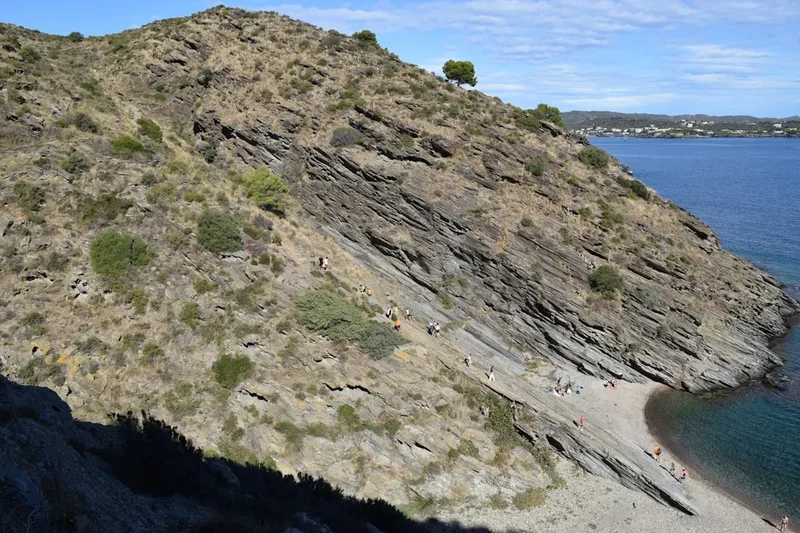
Els Ports Natural Park Loop - Day Walk Itinerary
Early Morning (Approx. 8:00 AM): Departure from Tortosa
- Drive from Tortosa towards Roquetes, following signs for Els Ports Natural Park.
- The drive takes approximately 1 hour, with the final section of road being paved but narrow and winding.
- Enjoy the changing scenery as you ascend into the mountain landscape.
Morning (Approx. 9:00 AM): Arrival at Trailhead and Start of Hike
- Arrive at the designated parking area near the trailhead (GPS: 40.6350, 0.2880).
- Final gear check, ensure water bottles are full, and apply sunscreen and insect repellent.
- Begin the loop walk, typically starting with an ascent into the park's interior.
- The initial section often involves walking on well-maintained paths that gradually become more rugged.
Late Morning (Approx. 10:30 AM - 12:00 PM): Ascending Through Karst Landscapes
- The trail begins its significant climb, gaining elevation steadily.
- Pass through areas characterised by limestone formations, sinkholes, and rocky outcrops.
- Observe the hardy vegetation adapted to this environment, such as scrub, aromatic herbs, and resilient pine trees.
- Keep an eye out for signs of wildlife, particularly Iberian ibex which are often seen on the rocky slopes.
Midday (Approx. 12:00 PM - 2:00 PM): Reaching Higher Elevations and Panoramic Views
- Continue the ascent towards the higher points of the loop.
- The path may become steeper and more exposed in places.
- Reach vantage points offering expansive views over the surrounding mountain ranges and potentially towards the Ebro Delta and the Mediterranean Sea.
- This is an ideal time for a rest stop and a packed lunch, enjoying the spectacular scenery.
Afternoon (Approx. 2:00 PM - 4:00 PM): Descent and Exploration of Different Terrains
- Begin the descent, which may follow a different path from the ascent, offering new perspectives.
- The terrain might transition through different types of forest or open rocky areas.
- Continue to be mindful of footing on potentially loose or uneven surfaces.
- Look for unique geological features and diverse plant life.
Late Afternoon (Approx. 4:00 PM - 5:00 PM): Return to Trailhead
- The final section of the loop leads back towards the starting point.
- The gradient may ease, allowing for a more relaxed pace as you approach the car park.
- Reflect on the day's journey and the natural beauty experienced.
Evening (Approx. 5:00 PM onwards): Return to Tortosa
- Drive back to Tortosa.
- Consider enjoying a well-deserved meal in the city to celebrate the completion of the hike.
Important Notes:
- This is a demanding day hike; ensure you are adequately fit.
- Carry sufficient water (at least 2-3 litres per person) as water sources are scarce and unreliable.
- Wear sturdy hiking boots with good ankle support.
- Sun protection (hat, sunglasses, sunscreen) is essential, especially during warmer months.
- Be prepared for changing weather conditions; a light waterproof jacket is advisable.
- Mobile phone signal can be intermittent within the park.
Planning and Bookings
Book Your Trip
Everything you need to plan your journey
Accommodation
Find places to stay near Tortosa
Flights
Search flights to Tortosa
Essential Preparation
The Els Ports Natural Park Loop is a day hike, meaning no overnight accommodation is required. However, thorough preparation is still essential for a safe and enjoyable experience. The closest major city and logistical hub is Tortosa. Tortosa offers a range of accommodation options, from budget-friendly hostels to comfortable hotels, and provides all necessary amenities such as supermarkets for purchasing food and supplies, outdoor gear shops, and restaurants. It is advisable to base yourself in Tortosa the night before and after your hike to allow for a relaxed start and finish.
Access to the trailhead is primarily by private vehicle. From Tortosa, follow the T-331 road towards Roquetes. Continue following signs for Els Ports Natural Park. The road is paved but becomes increasingly narrow and winding as it ascends into the mountains. Allow approximately one hour for the drive from Tortosa to the trailhead. Parking is available at the designated trailhead area, though it can become busy during peak seasons. There are no permits required for accessing the park or for hiking this trail.
Trail Accommodation
This is a day hike requiring no overnight accommodation.
Required Gear
- Sturdy hiking boots: Waterproof and with good ankle support are essential due to the rocky and uneven terrain.
- Backpack: A comfortable daypack (20-30 litres) to carry essentials.
- Navigation: A map of the Els Ports Natural Park, a compass, and a GPS device or smartphone with offline maps downloaded are highly recommended. The trail is marked, but it's wise to have backup navigation.
- First-aid kit: Including blister treatment, bandages, antiseptic wipes, pain relievers, and any personal medications.
- Sun protection: A wide-brimmed hat, sunglasses, and high-SPF sunscreen are crucial, as much of the trail is exposed.
- Head torch: With spare batteries, in case of unexpected delays or early starts/late finishes.
- Waterproof jacket: A lightweight, breathable waterproof jacket is advisable, as mountain weather can change quickly.
- Trekking poles: Optional but recommended for stability on steep ascents and descents, and to reduce strain on knees.
What to Bring
- Food: Plenty of high-energy snacks and a substantial packed lunch. There are no facilities for purchasing food within the park.
- Water: A minimum of 2-3 litres of water per person. Water sources on the trail are unreliable and should not be depended upon without purification.
- Water treatment: Water filter or purification tablets as a backup.
- Toiletries: Hand sanitiser, biodegradable wet wipes, and any personal hygiene items. Pack out all waste.
- Insect repellent: Especially important during warmer months to ward off biting insects.
- Mobile phone: Fully charged, with a power bank if possible, for emergencies.
- Camera: To capture the stunning scenery.
- Cash: For any small purchases or unexpected needs in Tortosa.
Permits
No specific permits are required to hike the Els Ports Natural Park Loop. The park is open to the public, and access to the trails is generally free. However, it is always advisable to check the official website of the Els Ports Natural Park or the relevant regional government body for any temporary restrictions, fire warnings, or access changes that may be in effect, particularly during dry periods when fire risk is high.
While no permits are needed, responsible behaviour is expected. This includes adhering to marked trails, respecting the natural environment, and following any posted regulations regarding camping, fires, or waste disposal. The park's natural beauty and ecological integrity are paramount, and visitors are encouraged to practice principles of Leave No Trace.
Other Activities in the Area
The region surrounding Els Ports Natural Park offers a variety of activities to complement your hiking experience:
- Explore Tortosa: Discover the historic city of Tortosa, with its impressive castle (Castell de la Suda), medieval old town, and the impressive cathedral. The city offers a rich cultural experience and a chance to sample local Catalan cuisine.
- Ebro Delta Natural Park: Located a short drive from Tortosa, the Ebro Delta is a vast wetland area renowned for its birdlife, rice paddies, and beautiful beaches. It's an excellent destination for birdwatching, cycling, and enjoying coastal landscapes.
- Wine Tasting: The Terra Alta region, adjacent to Els Ports, is a significant wine-producing area, particularly known for its Garnacha (Grenache) wines. Many wineries offer tours and tastings.
- Cycling: The roads and some of the less technical tracks in and around Els Ports are popular with cyclists. The Ebro Delta also offers excellent cycling routes.
- Water Sports: The Ebro River offers opportunities for kayaking and other water activities, especially closer to Tortosa.
- Rock Climbing: Els Ports is known for its limestone cliffs, attracting climbers. However, specific routes and access points should be researched beforehand.
Safety and Conditions
Trail Conditions: The Els Ports Natural Park Loop is a well-defined but rugged trail. Sections can be steep, rocky, and uneven, requiring careful footing. Loose scree is possible on some descents. The path is generally marked, but it is essential to carry a map and compass or GPS device, especially as fog or poor visibility can occur in the mountains.
Weather: Mountain weather can change rapidly. While the region generally enjoys a Mediterranean climate, temperatures can fluctuate significantly with altitude and time of day. Summers can be very hot, with a high risk of dehydration and heatstroke. Spring and autumn offer more temperate conditions, but rain showers are possible. Winter can be cold, with frost and occasional snow at higher elevations. Always check the weather forecast before setting out and be prepared for a range of conditions.
Water: Water sources on the trail are scarce and unreliable. It is imperative to carry sufficient water for the entire duration of the hike (at least 2-3 litres per person). Do not rely on natural water sources without proper purification methods.
Wildlife: The park is home to various wildlife, including Iberian ibex, wild boar, and numerous bird species. While encounters are usually peaceful, it's important to maintain a safe distance and avoid feeding any animals. Be aware of potential hazards such as snakes, though they are generally shy and avoid human contact.
Emergency: Mobile phone reception can be intermittent within the park. It is advisable to inform someone of your hiking plans, including your intended route and expected return time. In case of emergency, dial 112 (the European emergency number). The nearest medical facilities are in Tortosa.
Fire Risk: During dry periods, especially in summer, the risk of wildfires is high. Strictly adhere to any fire bans or restrictions in place. Do not leave any litter behind, as it can contribute to fire hazards.
Side Trips and Points of Interest
While the Els Ports Natural Park Loop is a substantial hike in itself, several points of interest and potential short detours can enhance the experience:
Mirador de la Mola: Located near the highest point of the loop, this viewpoint offers spectacular panoramic vistas across the entire natural park and beyond. On a clear day, you can see the Ebro Delta, the Mediterranean Sea, and the surrounding mountain ranges. It's an excellent spot for photography and a well-deserved rest.
Cova del Polvo: A notable cave system within the park, though access may be restricted or require specific knowledge. It's an example of the extensive karst topography that defines Els Ports.
Ancient Shepherd's Paths and Barracas: Throughout the park, you may encounter remnants of traditional human activity, including old shepherd's paths and stone shelters (barracas). These offer a glimpse into the historical use of the mountains and the resilience of past inhabitants.
Iberian Ibex Observation: Els Ports is a prime habitat for the Iberian ibex (Capra pyrenaica). While not a specific detour, keeping a keen eye on the rocky slopes and cliffs can often reward you with sightings of these magnificent animals, particularly in the early morning or late afternoon.
Unique Flora: The park's diverse microclimates and geological conditions support a rich variety of plant life. Look out for endemic species and plants adapted to the arid, rocky environment, such as various species of thyme, rosemary, and resilient pine trees.
Leave No Trace
The Els Ports Natural Park is a precious natural environment, and it is crucial for all visitors to practice Leave No Trace principles to minimise their impact and preserve its beauty for future generations. As a day hike, the focus is on responsible enjoyment and leaving the landscape as you found it.
Your responsibility as a walker:
- Plan Ahead and Prepare: Understand the trail conditions, weather, and any park regulations before you go. Pack appropriately for the conditions.
- Travel and Camp on Durable Surfaces: Stick to marked trails to avoid damaging fragile vegetation and soil. Avoid creating new paths.
- Dispose of Waste Properly: Pack out everything you pack in, including all food scraps, wrappers, and any other litter. Use designated toilet facilities where available, or dig a cathole at least 60 metres away from water sources, trails, and campsites if necessary, and bury human waste. Pack out used toilet paper.
- Leave What You Find: Do not remove or disturb natural objects such as rocks, plants, or historical artefacts.
- Minimise Campfire Impacts: Campfires are generally not permitted in natural parks, and are certainly not relevant for a day hike. If permitted in specific areas (which is unlikely for this trail), use established fire rings and ensure fires are completely extinguished.
- Respect Wildlife: Observe wildlife from a distance. Never feed animals, as it can disrupt their natural behaviours and diets. Store food securely.
- Be Considerate of Other Visitors: Keep noise levels down, yield to other hikers on narrow trails, and be respectful of the natural environment and other people's experience.
By following these guidelines, you help ensure that the unique ecosystems and geological wonders of Els Ports Natural Park can be enjoyed by all, now and in the future.
 Spain
Spain