
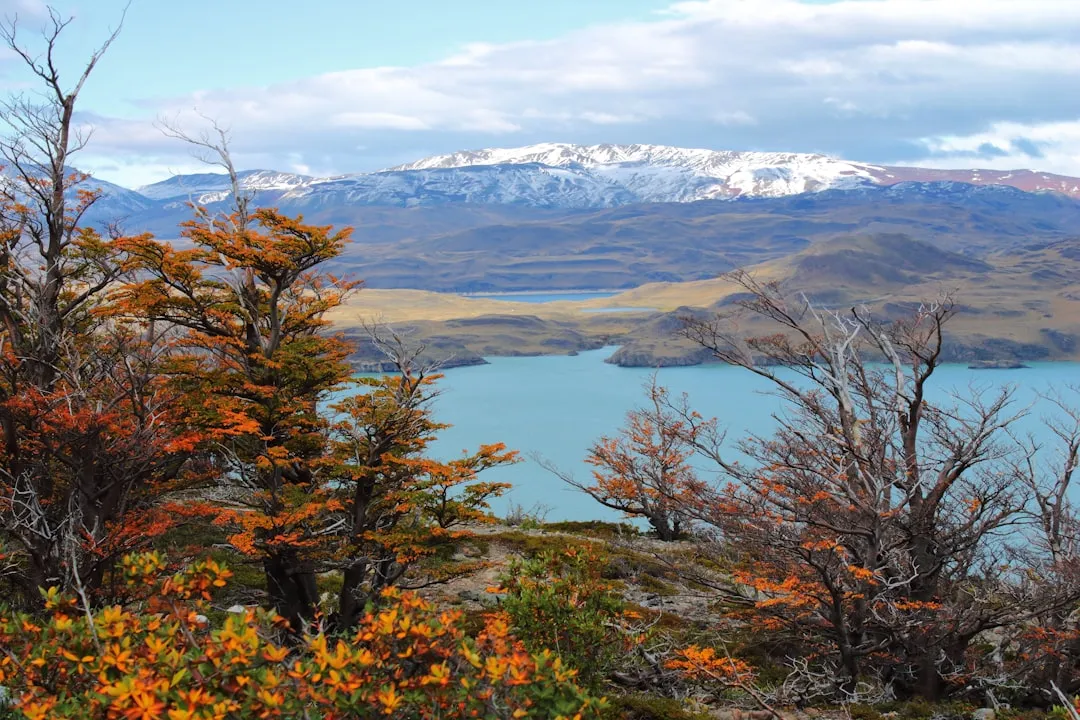
El Morado Glacier Trail: A Patagonian Gem Near Santiago
The El Morado Glacier Trail is a spectacular day hike located in the heart of Chile's Cajón del Maipo, a stunning mountain valley easily accessible from Santiago. This trail offers a remarkable journey through diverse Andean landscapes, culminating in breathtaking views of the El Morado Glacier and its surrounding peaks. It's a popular choice for both locals and international visitors seeking a taste of Patagonian grandeur without the extensive time commitment required for longer treks. The trail winds through alpine meadows, past cascading waterfalls, and alongside the vibrant turquoise waters of the Yeso River, before ascending to a glacial cirque that feels worlds away from the bustling city.
- Category: Day Walk
- Distance: 12.0 km one-way
- Elevation Gain: 800 m
- Duration: 5-6 hours (round trip)
- Difficulty: Moderate
- Best Time: October to April (spring to autumn)
- Closest City: Santiago
- Trailhead Access: From Santiago, take route G-25 to Baños Morales (approx. 2 hours). Road is paved, but can be rough. Public buses available. Limited parking at trailhead. Register at the CONAF office in Baños Morales before hiking. No permits required but registration is mandatory.
- Coordinates: -33.6667, -70.1500
Overview
The El Morado Glacier Trail is a quintessential Patagonian day hike, offering a concentrated dose of dramatic mountain scenery. Starting from the small mountain village of Baños Morales, the trail immediately begins its ascent, gradually gaining elevation as it follows a well-trodden path. The initial section winds through open terrain, offering expansive views of the surrounding valleys and the imposing peaks that define the Andean skyline. As you climb, the landscape transforms, with the vegetation becoming sparser and the rockier terrain more prevalent.
A significant feature of the hike is the series of waterfalls that tumble down the mountainsides, fed by snowmelt and glacial runoff. The most prominent is the Cascada de las Animas (Waterfall of Souls), a powerful cascade that adds a dramatic element to the journey. The trail continues to climb, eventually leading you into a high alpine cirque. Here, the El Morado Glacier, a magnificent river of ice, dominates the view. The sheer scale of the glacier, its crevasses, and the surrounding jagged peaks create a truly awe-inspiring spectacle. The air is crisp and cool, and the silence is broken only by the sounds of nature – the distant rumble of ice, the cry of a bird, or the whisper of the wind.
The trail is well-marked for most of its length, but the final approach to the glacier can be a bit more rugged, requiring careful footing. The elevation gain of 800 metres is substantial for a day hike, making it a moderately challenging but highly rewarding experience. The panoramic views from the upper reaches of the trail are simply breathtaking, offering a sense of remoteness and wild beauty that is characteristic of the Andes. This hike is an excellent introduction to the natural wonders of the Cajón del Maipo and a perfect escape from the urban environment of Santiago.
History and Cultural Context
The Cajón del Maipo region, including the area around El Morado Glacier, has a rich history intertwined with indigenous peoples, early explorers, and the development of Chile's mining and agricultural industries. For centuries, indigenous communities, including the Picunche people, utilized these valleys for seasonal hunting and gathering, navigating the challenging Andean terrain.
During the colonial era and the early years of the Republic of Chile, the Cajón del Maipo became an important route for trade and communication with Argentina, particularly for the movement of livestock and goods. The discovery of mineral resources, including copper and silver, also spurred exploration and settlement in the region. The area's natural beauty and thermal springs, such as those found in Baños Morales and Baños Colina, attracted visitors seeking health and recreation, laying the groundwork for its future as a popular tourist destination.
The El Morado Glacier itself has been a subject of scientific interest and a landmark for mountaineers and hikers for decades. Its presence is a testament to the powerful geological forces that shaped the Andes. The trail's development as a hiking route has been gradual, driven by the growing popularity of outdoor recreation and the desire to share the region's natural wonders with a wider audience. The establishment of protected areas and the efforts of local communities and conservation organisations have been crucial in preserving the pristine environment of the El Morado Glacier and its surroundings, ensuring that this spectacular landscape can be enjoyed by future generations.
Seasonal Highlights and Weather Reality
The El Morado Glacier Trail is best experienced during the spring and autumn months in the Southern Hemisphere, which correspond to the period from October to April. This timeframe offers the most favourable weather conditions for hiking in the Andes.
Spring (October to November): This is a beautiful time to visit as the snow begins to melt, and wildflowers start to bloom in the alpine meadows. The rivers and waterfalls are often at their most powerful due to the increased meltwater. Temperatures are generally mild, but be prepared for unpredictable weather, including late snowfalls or sudden temperature drops.
Summer (December to February): The warmest months offer long daylight hours, ideal for hiking. The weather is typically more stable, with sunny days and clear skies. However, this is also the peak tourist season, so the trail and parking areas can be more crowded. Afternoon thunderstorms are common in the mountains, so it's advisable to start your hike early in the morning.
Autumn (March to April): This season is characterised by crisp, clear air and stunning autumn colours in the lower elevations. The crowds begin to thin out, offering a more tranquil hiking experience. The temperatures start to cool, and there's an increased chance of early snowfalls as winter approaches. The glaciers and surrounding peaks often have a dusting of snow, creating picturesque scenes.
Winter (May to September): The trail is generally not recommended for hiking during the winter months due to heavy snowfall, icy conditions, and the risk of avalanches. Access to Baños Morales can also be challenging. While experienced mountaineers might attempt the area with specialised winter gear and knowledge, it is not suitable for casual day hikers.
Weather Considerations: Regardless of the season, mountain weather in the Andes can change rapidly. Be prepared for all conditions, including strong winds, rain, and significant temperature fluctuations, even on a sunny day. Always check the weather forecast before you go and be ready to turn back if conditions deteriorate.
Recommended Itinerary
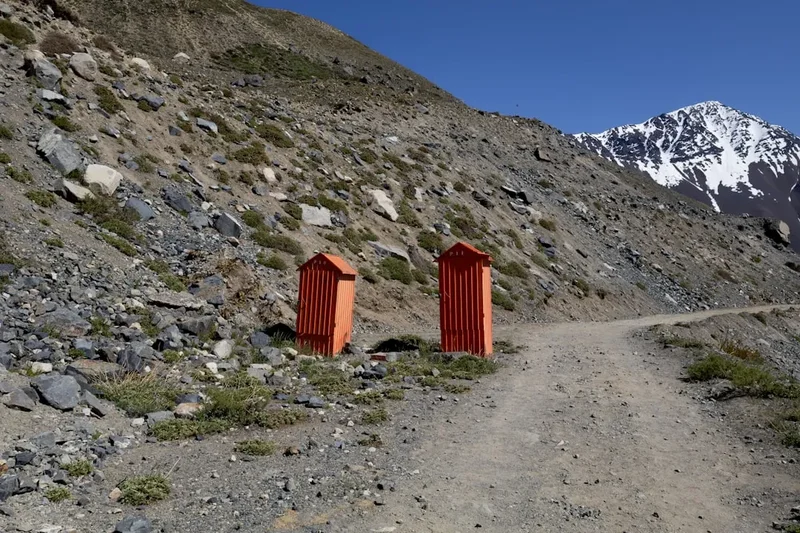
El Morado Glacier Trail: Day Hike Itinerary
Early Morning (7:00 AM - 8:00 AM): Departure from Santiago
- Depart from Santiago via route G-25 towards Cajón del Maipo.
- The drive to Baños Morales takes approximately 2 to 2.5 hours, depending on traffic and road conditions.
- Enjoy the scenic drive as you leave the city behind and enter the dramatic mountain landscape.
Morning (9:00 AM - 9:30 AM): Arrival in Baños Morales and Registration
- Arrive in the small village of Baños Morales.
- Locate the CONAF (Corporación Nacional Forestal) office for mandatory registration.
- Ensure you have your identification and note any specific instructions or conditions from the park rangers.
- Briefly explore Baños Morales, a charming mountain settlement.
Mid-Morning (9:30 AM - 12:30 PM): Ascent to Cascada de las Animas
- Begin the hike from the trailhead near Baños Morales.
- The initial part of the trail is relatively gentle, traversing open terrain with views of the Yeso River valley.
- The path gradually begins to climb, becoming steeper as you approach the Cascada de las Animas.
- Take a break at the Cascada de las Animas to admire the powerful waterfall and enjoy the refreshing spray.
- This section offers excellent photo opportunities and a chance to acclimatise to the altitude.
Midday (12:30 PM - 2:00 PM): Continued Ascent to the Glacier Cirque
- Continue ascending from the waterfall. The terrain becomes more rugged and rocky.
- The trail may involve some scrambling over rocks and navigating steeper sections.
- Keep an eye out for alpine flora and fauna.
- The views of the surrounding peaks and valleys become increasingly expansive.
- The anticipation builds as you approach the glacial cirque.
Afternoon (2:00 PM - 3:30 PM): El Morado Glacier and Lunch Break
- Arrive at the viewpoint overlooking the El Morado Glacier.
- Spend time marvelling at the immense ice formation, its crevasses, and the dramatic mountain amphitheatre.
- Find a safe spot to enjoy your packed lunch, soaking in the incredible scenery.
- This is the turnaround point for most hikers.
Late Afternoon (3:30 PM - 5:30 PM): Descent to Baños Morales
- Begin the descent back towards Baños Morales.
- The descent can be faster but requires careful footing, especially on loose scree or rocky sections.
- Enjoy the changing light and perspectives as you retrace your steps.
Evening (5:30 PM onwards): Return to Santiago
- Arrive back in Baños Morales.
- Optionally, visit one of the local eateries for a well-deserved meal or drink.
- Begin the drive back to Santiago.
- Reflect on the stunning Andean adventure.
Important Notes:
- This is a strenuous day hike due to the significant elevation gain.
- Carry plenty of water and high-energy snacks.
- Wear sturdy hiking boots and dress in layers.
- Be prepared for rapidly changing mountain weather.
- Always check the weather forecast before your trip.
- Registration at CONAF is mandatory.
Planning and Bookings
Book Your Trip
Everything you need to plan your journey
Accommodation
Find places to stay near Santiago
Flights
Search flights to Santiago
Essential Preparation
The El Morado Glacier Trail is a popular day hike, and while it doesn't require the complex booking systems of multi-day treks, proper preparation is key to a safe and enjoyable experience. The primary logistical hub for this hike is Santiago, from which you will travel to the Cajón del Maipo and the village of Baños Morales. Ensure you have reliable transportation arranged, whether it's a rental car, a private transfer, or public bus services. If driving, be aware that the road to Baños Morales can be rough and unpaved in sections, especially after heavy rain or snow. Parking at the trailhead in Baños Morales can be limited, so arriving early is advisable. Familiarise yourself with the route and have offline maps downloaded, as mobile signal can be unreliable in the mountains. It's also wise to inform someone of your hiking plans, including your expected return time.
Trail Accommodation
This is a day hike requiring no overnight accommodation.
Required Gear
- Hiking Boots: Sturdy, waterproof hiking boots with good ankle support are essential. Ensure they are well broken-in to prevent blisters.
- Backpack: A comfortable daypack (20-30 litres) to carry your essentials.
- Waterproof Jacket: A breathable, waterproof and windproof jacket is crucial, as mountain weather can change rapidly.
- Warm Layers: Bring several layers of clothing, including a fleece or insulated jacket, and a thermal base layer. Temperatures can drop significantly at higher altitudes.
- Headwear: A warm hat or beanie and gloves are recommended, even in summer, due to potential cold winds and lower temperatures at elevation.
- Sun Protection: A wide-brimmed hat or cap, sunglasses, and high SPF sunscreen are vital, as the sun's rays are intense at altitude, even on cloudy days.
- Navigation: A map of the area, a compass, and a GPS device or smartphone with offline maps downloaded. While the trail is generally well-marked, it's always wise to have backup navigation tools.
- First-Aid Kit: A comprehensive first-aid kit including blister treatment, pain relievers, antiseptic wipes, bandages, and any personal medications.
- Head Torch: Essential in case of unexpected delays or if you start very early or finish late. Ensure it has fresh batteries.
What to Bring
- Food: Pack plenty of high-energy snacks such as nuts, dried fruit, energy bars, and sandwiches. There are no facilities to purchase food along the trail.
- Water: Carry at least 2-3 litres of water per person. Water sources may be available along the trail, but it is highly recommended to treat all water before drinking using a filter or purification tablets.
- Water Treatment: A reliable water filter or purification tablets.
- Toiletries: Biodegradable soap, toothbrush, toothpaste, and hand sanitiser. Pack out all used toilet paper.
- Trekking Poles: Highly recommended for stability and to reduce strain on your knees, especially during the descent.
- Camera: To capture the stunning scenery.
- Insect Repellent: Especially important during warmer months, though less of an issue at higher altitudes.
- Small Trash Bag: To pack out all your rubbish.
Permits
For the El Morado Glacier Trail, a permit is not strictly required for hiking. However, registration at the CONAF (Corporación Nacional Forestal) office in Baños Morales before commencing your hike is mandatory. This registration process is crucial for safety and park management. It allows CONAF to track who is entering and exiting the park, which is vital in case of emergencies. Rangers may also provide important information regarding trail conditions, weather forecasts, and any specific regulations or warnings in effect for the area.
Registration Process:
- Locate the CONAF office in Baños Morales. It is usually clearly signposted.
- You will likely need to provide your identification (passport or national ID) and details of your planned hike, including your intended route and estimated return time.
- Park rangers may offer advice on current conditions and safety precautions.
- There is typically no fee associated with this mandatory registration for day hikers.
Importance of Registration:
- Safety: In the event of an emergency, CONAF will know you are in the park and where you were headed, facilitating rescue efforts.
- Conservation: Registration helps CONAF monitor visitor numbers and manage the impact on the fragile alpine environment.
- Information: Rangers can provide up-to-date information on trail conditions, weather, and potential hazards.
Always ensure you complete the registration process before starting your hike. Failure to do so could result in penalties and compromises your safety.
Other Activities in the Area
The Cajón del Maipo region offers a wealth of activities beyond the El Morado Glacier hike, making it an ideal destination for a multi-day exploration:
- Hot Springs: Visit the thermal baths at Baños Morales or Baños Colina for a relaxing soak in natural hot springs, surrounded by stunning mountain scenery. These are perfect for soothing muscles after a hike.
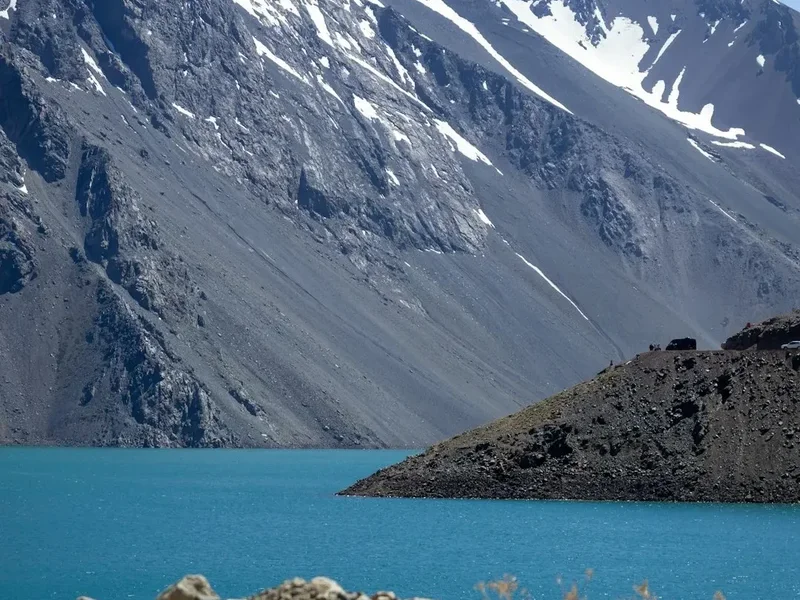
- Embalse el Yeso: This large reservoir, known for its striking turquoise waters, is a popular spot for picnics and photography. The drive to the reservoir offers spectacular views. Note that access can sometimes be restricted due to road conditions or capacity limits.
- Valle de Colina: Explore the higher reaches of the Cajón del Maipo, which offer more rugged terrain and opportunities for longer treks or simply enjoying the dramatic landscapes.
- Rafting and Kayaking: The Maipo River offers opportunities for white-water rafting and kayaking, particularly during the spring and summer months when water levels are higher. Several operators in San José de Maipo offer guided tours.
- Horseback Riding: Experience the Andean landscape from a different perspective by taking a guided horseback riding tour through the valleys and foothills.
- San José de Maipo: This charming town serves as the main hub for the Cajón del Maipo. It offers a variety of restaurants, artisan shops, and a pleasant atmosphere to explore.
- Hiking to other peaks: For experienced hikers, there are numerous other trails in the region, including routes to higher peaks and more remote glacial areas, though these often require more advanced planning and potentially overnight stays.
Safety and Conditions
Altitude Sickness: The El Morado Glacier Trail reaches an elevation of approximately 3,000 metres. Altitude sickness can affect anyone, regardless of fitness level. Symptoms include headache, nausea, dizziness, and fatigue. Ascend gradually, stay hydrated, avoid alcohol and heavy meals, and consider taking it easy on your first day in the mountains. If symptoms worsen, descend immediately.
Weather: Mountain weather is notoriously unpredictable. Be prepared for sudden changes, including strong winds, rain, hail, and even snow, especially at higher elevations. Always check the weather forecast before you go and be ready to turn back if conditions deteriorate. Hypothermia is a risk, even in summer, if you get wet and cold.
Trail Conditions: The trail is generally well-maintained but can be steep, rocky, and uneven in places. The final approach to the glacier may involve scrambling over loose rocks. Wear sturdy hiking boots with good grip. Be cautious on descents, as loose scree can make footing treacherous.
Water Sources: While water is available from streams and meltwater, it is essential to treat all water before drinking. Carry a water filter or purification tablets. Dehydration can be a serious issue at altitude.
Navigation: Although the trail is marked, it is advisable to carry a map, compass, and GPS device or smartphone with offline maps. Mobile phone reception is unreliable in the mountains.
Wildlife: Be aware of your surroundings. While large predators are rare, you may encounter guanacos, condors, and other alpine wildlife. Do not feed any animals.
Emergency: Inform someone of your hiking plans and expected return time. The CONAF office in Baños Morales is your primary point of contact for registration and local information. In case of an emergency, contact local authorities or use a satellite communication device if you have one.
Travel Insurance: It is highly recommended to have travel insurance that covers hiking and potential medical evacuation.
Side Trips and Points of Interest
Cascada de las Animas (Waterfall of Souls): Located partway up the trail, this impressive waterfall is a significant landmark and a great spot for a rest and photos. Its powerful cascade is a testament to the glacial meltwater that feeds it.
Embalse el Yeso Viewpoints: While not directly on the trail, the drive to Baños Morales often passes near or offers views of the Embalse el Yeso, a large reservoir with stunning turquoise waters. If time permits and access is open, a detour to the reservoir itself is highly recommended for its scenic beauty.
Alpine Meadows and Flora: As you ascend, you will pass through areas of alpine meadows that, depending on the season, can be dotted with wildflowers. Keep an eye out for the unique plant life adapted to the harsh mountain environment.
Panoramic Mountain Vistas: The entire hike offers spectacular panoramic views of the surrounding Andean peaks. Each turn in the trail reveals new and dramatic vistas, showcasing the rugged beauty of the Cordillera de los Andes.
The Glacier Itself: The ultimate point of interest is the El Morado Glacier. Observing its immense size, the textures of the ice, and the surrounding glacial cirque provides a profound connection to the power of nature and the forces that have shaped this landscape over millennia.
Leave No Trace
Practising Leave No Trace principles is essential to preserve the natural beauty and ecological integrity of the El Morado Glacier Trail and the Cajón del Maipo region. As a popular day hike, the cumulative impact of visitors can be significant if not managed responsibly.
Plan Ahead and Prepare: Research the trail, understand its conditions, and be prepared for all weather. Pack appropriately and know the regulations. Ensure you have registered with CONAF.
Travel and Camp on Durable Surfaces: Stick to the marked trail. Avoid cutting switchbacks or walking on fragile vegetation, which can take years to recover. In this case, as it's a day hike, focus on staying on the established path.
Dispose of Waste Properly: Pack out everything you pack in. This includes all food scraps, wrappers, and any other litter. Use the designated toilet facilities in Baños Morales if needed, and carry out all used toilet paper. Do not bury waste.
Leave What You Find: Resist the temptation to take rocks, plants, or any other natural objects as souvenirs. Leave the environment as you found it for others to enjoy.
Minimise Campfire Impacts: This is a day hike, so campfires are not applicable. However, if you were to camp in the wider region, always use established fire rings and ensure fires are completely extinguished.
Respect Wildlife: Observe wildlife from a distance. Never feed animals, as this can disrupt their natural behaviours and diets, and can be harmful to their health. Store your food securely.
Be Considerate of Other Visitors: Keep noise levels down, yield to uphill hikers, and be courteous to fellow trail users. The goal is to enjoy the natural environment without negatively impacting the experience of others.
 Chile
Chile