
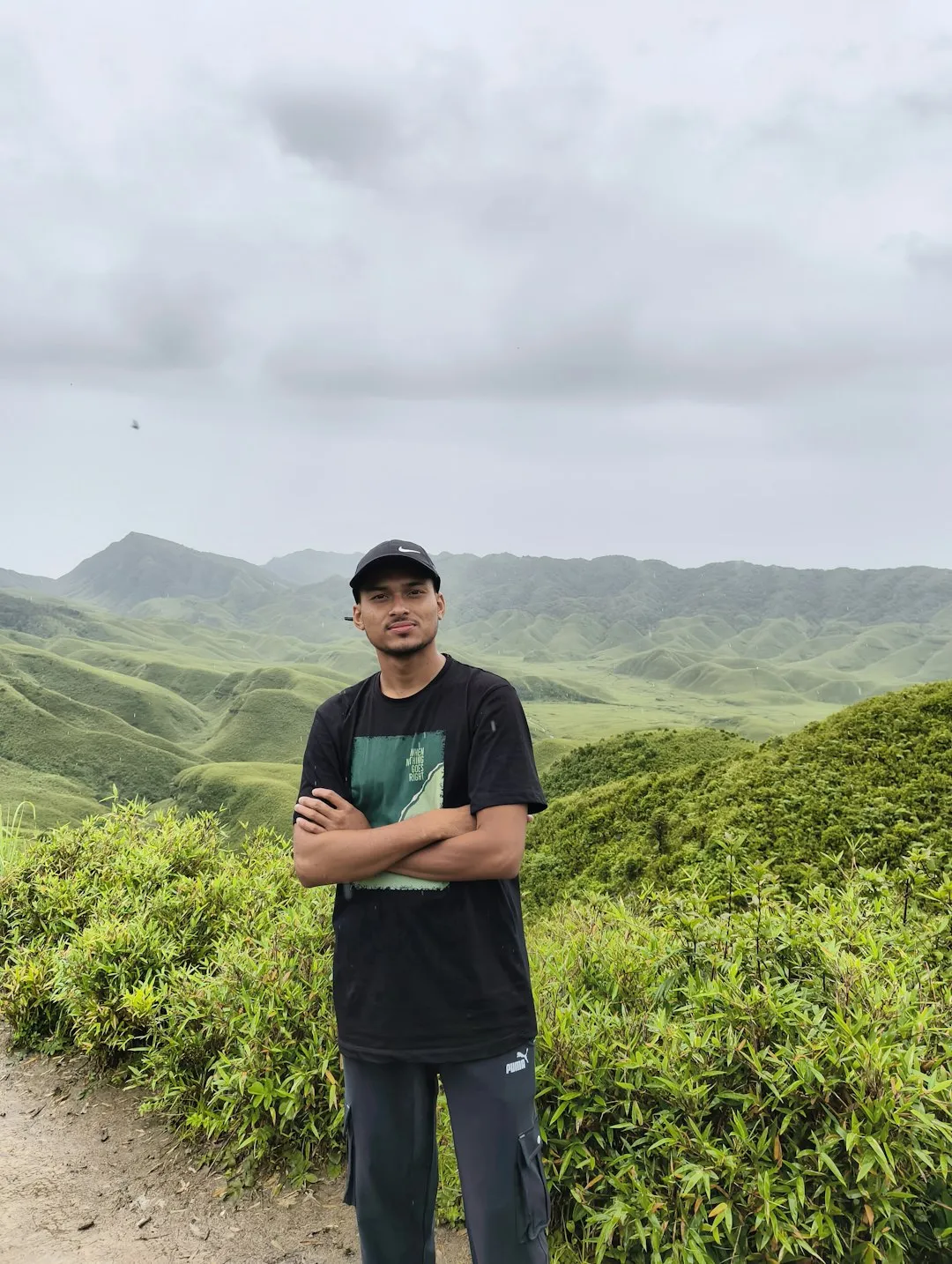
Dzukou Valley Trek - A Himalayan Gem
The Dzukou Valley Trek is a captivating journey into one of Northeast India's most pristine and breathtaking natural landscapes. Nestled on the border of Manipur and Nagaland, this high-altitude valley is renowned for its rolling meadows, vibrant wildflowers (especially during the monsoon season), and dramatic, mist-shrouded peaks. The trek offers a moderate challenge, making it accessible to a wide range of hikers, and rewards them with unparalleled panoramic views and a profound sense of tranquility. It's a destination that truly captures the wild, untamed beauty of the Himalayas, far from the well-trodden tourist paths.
- Country: India
- Category: Day Walk (can be extended to overnight)
- Distance: 24.0 km (round trip from Viswema)
- Elevation Gain: 1450 m
- Duration: 1-2 days
- Difficulty: Moderate
- Best Time: September to late November
- Closest City: Kohima, Nagaland
- Trailhead Access: Viswema Village (approx. 1 hour from Kohima)
- Inner Line Permit (ILP): Required for Nagaland
Overview
The Dzukou Valley trek is a quintessential Himalayan experience, offering a delightful blend of natural beauty and cultural immersion. The trail begins from the quaint village of Viswema, gradually ascending through dense forests and open meadows. As you climb, the landscape transforms, revealing the majestic Dzukou Valley in all its glory. The valley floor is a carpet of emerald green grass, dotted with colourful wildflowers during the peak season, creating a surreal, almost otherworldly panorama. The surrounding hills, often shrouded in swirling mist, add an element of mystique and grandeur to the scenery.
The trek is typically completed as a day hike, covering approximately 24 kilometres (round trip) with a significant elevation gain. However, many choose to extend their experience by staying overnight in the basic accommodation available near the valley, allowing for a more immersive exploration of the area and the chance to witness spectacular sunrises and sunsets. The moderate difficulty level means that with reasonable fitness, most trekkers can enjoy this trail without extensive prior experience. The journey is as much about the destination as it is about the path itself, with changing flora, fauna, and breathtaking vistas at every turn.
The valley's unique ecosystem is a testament to its remote location and high altitude. The flora is dominated by grasses and rhododendrons, which burst into bloom in vibrant hues during the monsoon months. The air is crisp and clean, and the silence, broken only by the sounds of nature, is profoundly restorative. Dzukou Valley is not just a trek; it's an escape into a world where nature reigns supreme, offering a peaceful respite from the hustle and bustle of modern life.
History and Cultural Context
The Dzukou Valley, while not having a documented history of ancient settlements or major historical events in the same vein as some other Himalayan regions, holds deep cultural significance for the indigenous Naga tribes, particularly the Angami and Mao communities. The valley is considered a sacred natural space, a place of spiritual importance and a vital part of their ancestral lands. For centuries, these communities have revered the valley for its natural beauty and the resources it provides, using it for grazing and as a place of spiritual connection.
The name "Dzukou" itself is believed to have originated from the Angami language, with "Dzu" meaning water and "kou" meaning cream or milk, possibly referring to the milky appearance of the river that flows through the valley, especially after heavy rains, or the creamy white flowers that bloom in the region. The valley's remoteness and challenging terrain meant it remained largely untouched by external influences for a long time, preserving its pristine natural state.
The trek to Dzukou Valley gained popularity among trekkers and nature enthusiasts in the latter half of the 20th century. Its accessibility improved with the development of roads leading to Viswema and the establishment of basic trekking infrastructure. Today, it is a popular destination for both domestic and international tourists seeking adventure and a glimpse into the unique culture and natural heritage of Northeast India. The local communities play a crucial role in managing tourism, ensuring that the valley's ecological balance and cultural integrity are maintained.
Seasonal Highlights and Weather Reality
The Dzukou Valley experiences distinct seasons, each offering a unique trekking experience:
Monsoon Season (June to August): This is when the valley truly comes alive. The landscape transforms into a vibrant tapestry of green, carpeted with countless wildflowers, including the famous Dzukou lilies. The weather can be unpredictable, with frequent rain showers and mist, which often adds to the mystical charm of the valley. Temperatures are generally mild, ranging from 15°C to 25°C during the day. While the rain can make the trails slippery, the lush greenery and blooming flowers make this period exceptionally beautiful for photographers and nature lovers.
Post-Monsoon/Autumn (September to November): This is widely considered the best time to visit Dzukou Valley. The monsoon rains have subsided, leaving the landscape refreshed and vibrant. The skies are often clear, offering excellent visibility and stunning panoramic views of the surrounding mountains. The weather is pleasant, with daytime temperatures ranging from 10°C to 20°C, and cooler nights. The wildflowers may still be present, and the overall trekking conditions are ideal.
Winter (December to February): The valley experiences cold temperatures during winter, often dropping below freezing at night, with occasional frost and even light snowfall. The landscape takes on a golden-brown hue as the grasses dry out. While trekking is still possible, it requires warmer clothing and preparation for colder conditions. The clear winter skies can offer spectacular stargazing opportunities.
Spring (March to May): This period sees a gradual warming of temperatures, with daytime highs ranging from 18°C to 28°C. The valley begins to turn green again, and rhododendrons start to bloom, adding splashes of colour to the hillsides. However, this season can also bring occasional pre-monsoon showers.
Weather Reality: It is crucial to be prepared for variable weather at any time of the year. Dzukou Valley is at a high altitude, and conditions can change rapidly. Mist and fog are common, especially in the mornings and evenings, which can reduce visibility. Always pack waterproof gear and warm layers, regardless of the season.
Recommended Itinerary
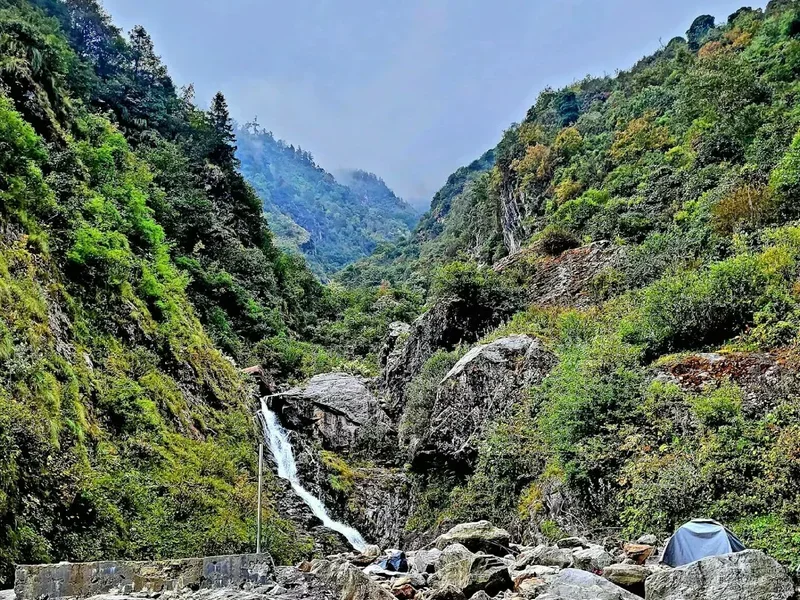
Dzukou Valley Trek - Day Hike (Viswema Trailhead)
Early Morning (Approx. 6:00 AM - 7:00 AM): Departure from Kohima
- Start your journey from Kohima, the capital of Nagaland.
- Hire a taxi or take a shared sumo to Viswema Village.
- The drive takes approximately 1 hour, with road conditions generally fair but can be bumpy.
- Ensure you have your Inner Line Permit (ILP) ready for inspection.
Morning (Approx. 8:00 AM - 9:00 AM): Arrival at Viswema Village & Trek Start
- Arrive at Viswema Village, the primary trailhead for the Dzukou Valley trek.
- Register your trek details at the local checkpoint if required.
- Begin the trek. The initial part of the trail winds through dense forests and terraced fields.
- Distance covered: Approximately 3-4 km.
- Elevation gain: Gradual ascent.
Late Morning / Midday (Approx. 11:00 AM - 1:00 PM): Ascent through Forest and Meadows
- The trail continues to ascend, transitioning from dense forest to more open terrain.
- You will encounter streams and small clearings.
- The path can be steep in sections, requiring a moderate level of fitness.
- Distance covered: Approximately 6-7 km from Viswema.
- Elevation gain: Significant, building towards the valley.
Afternoon (Approx. 1:00 PM - 3:00 PM): Reaching the Valley Rim and Exploration
- Reach the ridge overlooking the Dzukou Valley.
- The first glimpse of the vast, rolling meadows is breathtaking.
- Descend slightly into the valley floor.
- Explore the immediate surroundings, take photographs, and enjoy a packed lunch.
- Distance covered: Approximately 10-12 km from Viswema (one way to the valley floor).
- Total Elevation Gain: Approximately 1450 m.
Late Afternoon (Approx. 3:00 PM - 5:00 PM): Return Journey Begins
- Begin the trek back to Viswema Village.
- The descent can be quicker but requires careful footing.
- Distance covered: Approximately 10-12 km (return).
Evening (Approx. 6:00 PM - 7:00 PM): Arrival back at Viswema & Departure to Kohima
- Arrive back at Viswema Village.
- Arrange for your return transport to Kohima.
- The drive back to Kohima takes approximately 1 hour.
Optional Overnight Stay in Dzukou Valley
Day 1: Viswema to Dzukou Valley Hut
- Follow the same itinerary as the day hike until reaching the valley floor.
- Instead of returning, proceed to the Dzukou Valley base camp/hut area.
- Check into the basic accommodation (dormitory style).
- Spend the evening exploring the valley, enjoying the sunset, and stargazing.
- Distance: Approx. 12 km.
- Elevation Gain: Approx. 1450 m.
- Time: 5-7 hours.
Day 2: Dzukou Valley Exploration and Return to Viswema
- Wake up early to witness the sunrise over the valley.
- Explore further into the valley, perhaps visiting nearby viewpoints or streams.
- After breakfast, begin the trek back to Viswema Village.
- Distance: Approx. 12 km.
- Elevation Loss: Approx. 1450 m.
- Time: 4-6 hours.
Important Notes:
- The Dzukou Valley Hut offers basic dormitory-style accommodation with shared bathrooms. Booking in advance is recommended, especially during peak season.
- Food and water are available at the hut, but carrying some snacks and water is advisable.
- The trail can be steep and slippery, especially after rain.
- Carry a good quality head torch for early morning or late evening treks.
- Respect the local culture and environment.
Planning and Bookings
Book Your Trip
Everything you need to plan your journey
Accommodation
Find places to stay near Kohima
Flights
Search flights to Kohima
Essential Preparation
The Dzukou Valley trek is a popular destination, and proper planning is key to a successful and enjoyable experience. The closest major city and logistical hub is Kohima, the capital of Nagaland. From Kohima, you will need to arrange transport to Viswema Village, the primary trailhead. This typically involves hiring a taxi or taking a shared sumo (a type of local minivan). The road conditions can be variable, so factor in potential delays.
Permits: A crucial requirement for entering Nagaland is the Inner Line Permit (ILP). This can be obtained from the Nagaland House in major Indian cities or online through the Nagaland Tourism website. Ensure you have this permit before you travel to Nagaland. For foreign nationals, a Protected Area Permit (PAP) might also be required, though this is often handled by tour operators or can be obtained from the Ministry of Home Affairs in Delhi.
Fitness: While classified as moderate, the trek involves a significant elevation gain of approximately 1450 metres over a distance of 12 km to reach the valley floor. A good level of cardiovascular fitness is recommended. Regular walking, hiking, or cardio exercises in the weeks leading up to your trek will be beneficial. If planning an overnight stay, consider your ability to carry a slightly heavier pack.
Accommodation: In Kohima, there are various accommodation options ranging from budget guesthouses to more comfortable hotels. Viswema Village itself has limited accommodation, so most trekkers either stay in Kohima or arrange for a day trip. If opting for an overnight stay in Dzukou Valley, the basic hut accommodation is available. It's advisable to book this in advance, especially during peak trekking seasons.
Trail Accommodation
The primary accommodation option within Dzukou Valley is a basic hut or dormitory managed by the local community. This is a no-frills facility designed for trekkers.
Hut Facilities:
- Dormitory-style sleeping arrangements with basic mattresses.
- Shared bathroom facilities with limited running water.
- A common dining area where food can be purchased.
- Basic amenities for cooking and eating are usually available, but it's wise to confirm.
What's NOT Provided:
- Bedding (sleeping bags or blankets are essential).
- Personal toiletries.
- Electricity for charging devices (carry power banks).
- Hot water showers are generally not available.
- Private rooms or en-suite facilities.
Booking Requirements: While not as strictly regulated as some international treks, it is highly recommended to book accommodation at the Dzukou Valley hut in advance, especially if travelling during the peak season (September to November) or on weekends. This can often be done through local guides or by contacting the Nagaland Tourism department. Walk-in bookings may be possible but are not guaranteed.
Seasonal Availability: The hut is generally open year-round, but accessibility and comfort levels can vary significantly with the seasons. During the monsoon, it can be damp, and in winter, it can be very cold.
Costs: Accommodation costs are typically very nominal, often ranging from ₹300 to ₹500 per person per night. Food is also available for purchase at reasonable prices.
For Day Hikes: This is a day hike requiring no overnight accommodation. If you choose to do it as a day hike, you will return to Viswema Village and then Kohima for accommodation.
Required Gear
- Sturdy Trekking Boots: Waterproof and well-broken-in boots with good ankle support are essential for navigating the varied terrain.
- Backpack: A comfortable daypack (20-30 litres) for day hikes, or a larger backpack (40-50 litres) if planning an overnight stay. Ensure it has a rain cover.
- Waterproof Jacket and Trousers: Essential due to the unpredictable weather, especially during the monsoon and shoulder seasons.
- Warm Layers: Fleece jacket, thermal base layers, and a warm hat are recommended, as temperatures can drop significantly, especially at higher altitudes and during evenings.
- Head Torch/Headlamp: Crucial for early morning starts, late finishes, or if staying overnight in the basic hut. Carry spare batteries.
- First-Aid Kit: Include essentials like bandages, antiseptic wipes, pain relievers, blister treatment, and any personal medications.
- Navigation Tools: While the trail is generally well-marked, a map, compass, or GPS device/app is advisable, especially if you plan to explore off the main path.
- Sun Protection: Sunscreen (SPF 30+), sunglasses, and a wide-brimmed hat are important, as the sun can be intense at higher altitudes.
What to Bring
- Food and Snacks: Carry high-energy snacks like nuts, dried fruits, energy bars, and biscuits. If doing a day hike, pack a substantial packed lunch. For overnight stays, while food is available at the hut, carrying some personal snacks is always a good idea.
- Water Bottles/Hydration Reservoir: Carry at least 2-3 litres of water per person. Water sources are available along the trail, but purification (tablets or filter) is strongly recommended.
- Toiletries: Biodegradable soap, toothbrush, toothpaste, hand sanitiser, and toilet paper.
- Insect Repellent: Mosquitoes and other biting insects can be present, especially during warmer months.
- Camera: To capture the stunning landscapes.
- Power Bank: For charging electronic devices, as electricity is scarce.
- Cash: Carry sufficient Indian Rupees in small denominations for transport, permits, food, and accommodation. Card payments are unlikely to be accepted.
- Personal Items: Any personal medications, a small towel, and a book or journal for downtime.
Permits
To trek in the Dzukou Valley, you will need to obtain the necessary permits. The primary permit required for entry into Nagaland is the Inner Line Permit (ILP). This permit is mandatory for all Indian citizens (except those from Nagaland) and foreign nationals visiting the state.
Inner Line Permit (ILP):
- For Indian Citizens: The ILP can be obtained from the Nagaland House in various major cities like Delhi, Kolkata, Guwahati, and Shillong. It can also be applied for online through the official Nagaland Tourism website. The process is generally straightforward and usually takes a day or two.
- For Foreign Nationals: Foreign nationals require a Protected Area Permit (PAP) to visit Nagaland. This permit can be obtained from the Ministry of Home Affairs in Delhi, the Indian Missions abroad, or through the Nagaland Tourism Department. It is advisable to arrange this well in advance of your travel. Some tour operators can assist with the PAP application process.
Trekking Permit/Registration:
- Upon reaching Viswema Village, you may be required to register your trek at the local forest checkpoint or village council office. This is often a formality to inform authorities of trekkers in the area and ensure safety. There might be a nominal fee associated with this registration.
- If you plan to stay overnight at the Dzukou Valley hut, you will need to pay for accommodation and potentially food at the hut itself.
Important Considerations:
- Always carry your permits with you throughout your journey, as they may be checked at various points.
- Ensure your permits are valid for the duration of your stay.
- It is advisable to check the latest permit requirements and application procedures on the official Nagaland Tourism website or by contacting their offices, as regulations can change.
Other Activities in the Area
While the Dzukou Valley trek is the main attraction, the surrounding region offers several other enriching experiences:
- Kohima War Cemetery: A poignant and beautifully maintained memorial dedicated to the soldiers who died during the Second World War. It's a place of solemn reflection and historical significance.
- Kisama Heritage Village: The venue for the Hornbill Festival, this village showcases traditional Naga architecture and cultural practices. Even outside festival times, it offers insight into the diverse Naga tribes.
- Khonoma Green Village: Known for its stunning terraced fields and commitment to conservation, Khonoma is a model village that offers a glimpse into sustainable living and the unique culture of the Angami tribe.
- Japfu Peak: The second highest peak in Nagaland, offering challenging trekking routes and panoramic views. It is also home to the legendary Rhododendron arboreum, one of the tallest of its species.
- Local Markets in Kohima: Explore the vibrant local markets to experience the daily life of the Naga people, sample local produce, and perhaps find unique handicrafts and textiles.
- Cultural Immersion: Engage with the local communities, learn about their traditions, music, and cuisine. Many homestays offer opportunities for deeper cultural exchange.
Safety and Conditions
Pre-Trek Preparation:
- Fitness: Ensure you are physically prepared for a moderate trek with significant elevation gain.
- Permits: Secure all necessary permits (ILP/PAP) well in advance.
- Weather Check: Monitor weather forecasts for Kohima and the Dzukou Valley region. Be prepared for sudden changes, especially during the monsoon and shoulder seasons.
- Inform Someone: Let your accommodation provider or a trusted contact know your trekking plans, including your expected return time.
On the Trail:
- Stay on Marked Paths: The Dzukou Valley trail is generally well-defined, but it's easy to get disoriented in fog or mist. Stick to the main path to avoid getting lost.
- Water Purification: Always treat or filter water from natural sources before drinking, even if it appears clear.
- Food and Hydration: Carry sufficient water and high-energy snacks. Dehydration and fatigue can increase the risk of accidents.
- Footwear: Wear sturdy, well-fitting trekking boots. Loose or ill-fitting footwear can lead to blisters and ankle injuries.
- Weather Changes: Be prepared for rapid weather shifts. Carry waterproofs and warm layers, even on seemingly clear days. Mist can descend quickly, reducing visibility to near zero.
- Altitude: While Dzukou Valley is not at extreme altitudes, be aware of potential symptoms of altitude sickness if you are not acclimatised. Ascend gradually and stay hydrated.
- Insect Bites: Use insect repellent to protect against mosquitoes and other biting insects.
- Emergency Contacts: Have local emergency numbers readily available. The Dzukou Valley hut usually has a caretaker who can assist in emergencies.
Overnight Stay Safety:
- The Dzukou Valley hut is basic. Ensure you have a warm sleeping bag.
- Keep your belongings secure.
- Be mindful of the cold temperatures during the night.
General Safety:
- Respect Local Culture: Be mindful of local customs and traditions. Dress modestly when in villages.
- Leave No Trace: Pack out all your rubbish and minimise your impact on the environment.
- Travel Insurance: It is advisable to have travel insurance that covers trekking and medical emergencies.
Side Trips and Points of Interest
Dzukou Valley Viewpoints: Beyond the main valley floor, several vantage points offer even more spectacular perspectives. These often require short, additional climbs from the main trekking path and are best explored with a local guide. The views of the undulating meadows stretching towards the horizon are particularly stunning at sunrise and sunset.
Dzukou River: The river that flows through the valley is a central feature. While not always a raging torrent, it is a source of water and adds to the scenic beauty. During the monsoon, its waters can become milky or muddy, giving the valley its name.
Wildflowers: If trekking during the monsoon season (June-August), the valley is famous for its carpets of wildflowers, including the unique Dzukou lily. These vibrant blooms add a splash of colour to the green landscape and are a photographer's delight.
Rhododendron Forests: As you ascend towards the valley, you will pass through areas with rhododendron trees. During their blooming season (typically spring), these forests are a riot of colour.
Japfu Peak (Optional Extension): For the more adventurous, a trek to Japfu Peak (3048m), the second highest peak in Nagaland, can be an extension. This requires additional time and planning, often involving an overnight stay at a campsite or basic shelter near the peak. The views from Japfu Peak are said to be unparalleled.
Local Villages: Exploring nearby villages like Viswema or Khonoma (if time permits and transport is arranged) offers a deeper understanding of the Naga way of life, their agricultural practices, and their rich cultural heritage.
Leave No Trace
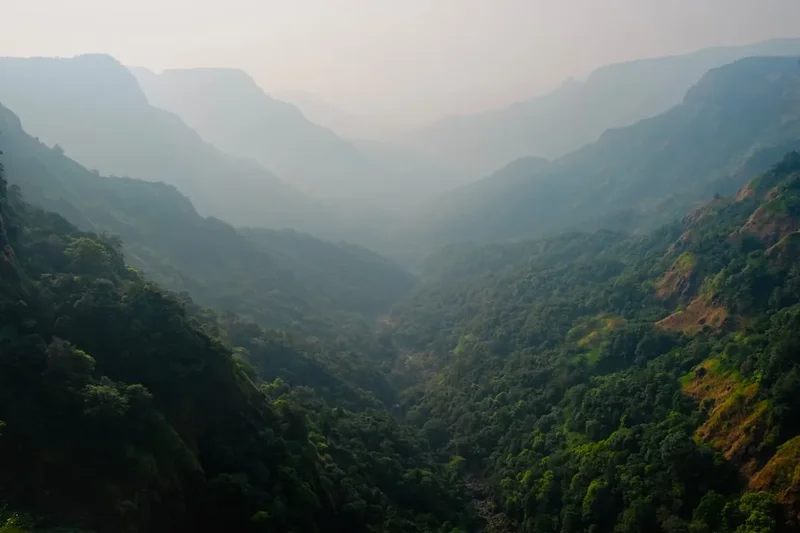
The Dzukou Valley is a pristine natural environment, and it is crucial for all visitors to practice Leave No Trace principles to preserve its beauty and ecological integrity for future generations. As a region of significant natural and cultural value, responsible tourism is paramount.
Your responsibility as a trekker:
- Pack It In, Pack It Out: Carry out all your rubbish, including food scraps, wrappers, and any other waste. Do not bury or burn trash.
- Stay on the Trail: Stick to the marked paths to avoid damaging fragile vegetation, which can take years to recover. This is especially important in the meadows and on the slopes.
- Respect Wildlife: Observe wildlife from a distance and never feed them. Feeding animals can alter their natural behaviour and diet, and can be harmful to their health.
- Minimise Campfire Impacts: If camping is permitted (though generally discouraged in favour of the hut), use established fire rings and keep fires small. Be aware of fire restrictions, especially during dry seasons. For the Dzukou Valley trek, using the facilities at the hut is the preferred option.
- Dispose of Waste Properly: Use designated toilets or dig catholes at least 60 metres away from water sources, trails, and campsites. Pack out all toilet paper. The Dzukou Valley hut has basic toilet facilities.
- Leave What You Find: Do not take any natural objects (rocks, plants, flowers) or cultural artefacts from the valley.
- Be Considerate of Other Visitors: Keep noise levels down, especially in shared accommodation and natural quiet areas. Respect the peace and tranquility of the valley.
- Respect Local Culture: Be mindful of the cultural significance of the valley to the local Naga communities. Dress appropriately when interacting with locals and seek permission before taking photographs of people.
By adhering to these principles, you help ensure that the Dzukou Valley remains a breathtaking and unspoiled destination.