
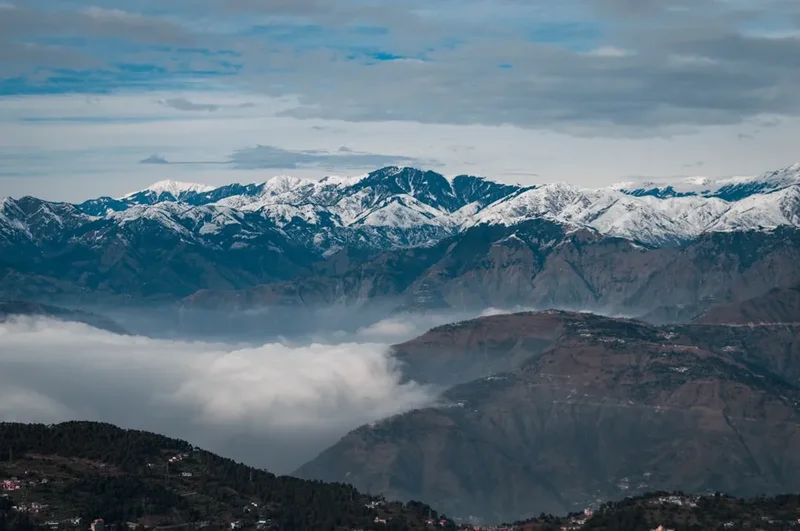
Dzongri Trek - Sikkim's Himalayan Gem
The Dzongri Trek is a classic Himalayan adventure in the Indian state of Sikkim, offering breathtaking views of some of the world's highest peaks, including Kanchenjunga, the third highest mountain on Earth. This moderate-difficulty trek winds through rhododendron forests, alpine meadows, and traditional Sikkimese villages, providing a rich cultural and natural experience. The trail ascends gradually, allowing for acclimatisation to the altitude, and culminates in the spectacular sunrise views from Dzongri Top. It's a journey that immerses you in the serene beauty of the Eastern Himalayas, showcasing vibrant flora, unique fauna, and the spiritual heart of Sikkim.
- Distance: Approximately 46 km (round trip from Yuksom)
- Duration: 6-7 days
- Season: March-May and September-November
- Difficulty: Moderate
- Highest point: Dzongri Top (approx. 4,200 m)
- Base town: Yuksom
- Permits: Required for entry into protected areas and for foreign nationals (Inner Line Permit)
Overview
The Dzongri Trek is a journey into the heart of Sikkim's pristine wilderness, renowned for its panoramic vistas of the mighty Kanchenjunga massif and its surrounding peaks. Starting from the historic town of Yuksom, the trek gradually ascends through diverse landscapes, from dense forests of oak, rhododendron, and pine to open alpine meadows carpeted with wildflowers during the spring and summer months. The trail is well-trodden but challenging enough to offer a true sense of accomplishment.
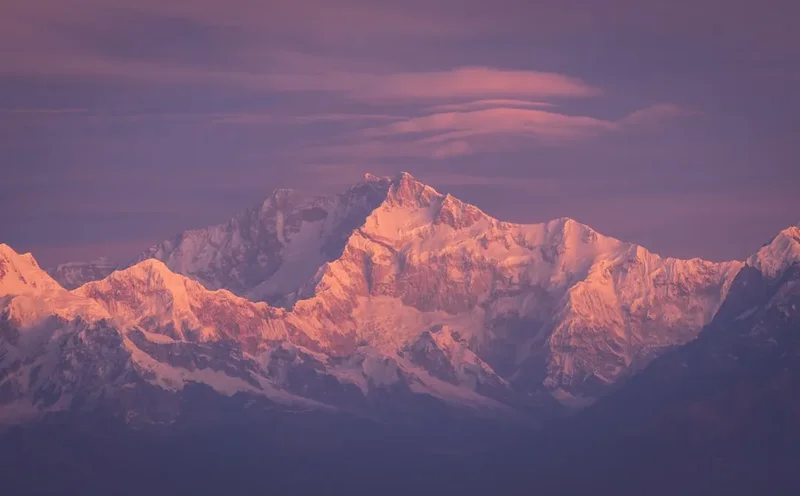
The trek's highlight is undoubtedly the sunrise view from Dzongri Top. Waking up in the pre-dawn chill and hiking to the viewpoint to witness the first rays of the sun illuminate the snow-capped giants is an unforgettable experience. The sheer scale and majesty of Kanchenjunga (8,586 m), along with peaks like Kabru, Rathong, and Pandim, are laid bare in a spectacle of light and shadow. Beyond the mountain views, the trek offers insights into the local culture, with opportunities to interact with the friendly Sikkimese people and observe their traditional way of life. The route passes through villages that retain their old-world charm, and the monasteries encountered along the way add a spiritual dimension to the journey.
The trek is typically completed in 6 to 7 days, allowing for a comfortable pace and adequate acclimatisation. The moderate difficulty level makes it accessible to most reasonably fit trekkers, though the altitude can be a factor. The best times to undertake this trek are during the spring (March to May) and autumn (September to November), when the weather is generally stable, and the skies are clear, offering optimal visibility of the Himalayan panorama.
History and Cultural Context
Sikkim, nestled in the Eastern Himalayas, has a rich and complex history deeply intertwined with its geography and its neighbours. Historically, it was an independent kingdom ruled by the Chogyal dynasty for centuries. The region's strategic location made it a vital trade route between India and Tibet, and its cultural landscape is a fascinating blend of Tibetan Buddhism, Nepalese Hinduism, and indigenous beliefs.
Yuksom, the starting point of the Dzongri Trek, holds significant historical importance. It was the first capital of Sikkim and the place where the first Chogyal, Phuntsog Namgyal, was consecrated in 1642. The Norbugang Coronation Throne, a historic site where the Chogyals were enthroned, still stands in Yuksom, a testament to the region's royal past. The presence of ancient monasteries, such as the Dubdi Monastery (one of Sikkim's oldest), further underscores the spiritual and historical depth of the area.
The Dzongri region itself has been a place of spiritual significance for the local communities for centuries. The name "Dzongri" is believed to derive from a local deity or a sacred site. The trek passes through areas that are considered sacred by the Sikkimese people, and the reverence for the mountains, particularly Kanchenjunga, is palpable. The trek route has evolved from ancient trails used by local herders and pilgrims to a popular trekking destination, carefully managed to preserve its natural beauty and cultural heritage.
The modern trekking routes in Sikkim were developed in the latter half of the 20th century, opening up the region to international travellers. The Dzongri Trek, in particular, gained popularity for its accessibility and the unparalleled views it offers. The Indian government's efforts to promote responsible tourism have ensured that the trek remains a sustainable adventure, respecting the fragile ecosystem and the cultural traditions of Sikkim.
Seasonal Highlights and Weather Reality
The Dzongri Trek's appeal varies significantly with the seasons, each offering a distinct experience of the Sikkimese Himalayas.
Spring (March to May): This is arguably the most popular time to trek. The weather is generally pleasant, with clear skies and moderate temperatures. The rhododendron forests burst into vibrant bloom, painting the hillsides in shades of red, pink, and white. The air is crisp, and the mountain views are spectacular. However, this is also the peak season, meaning more trekkers on the trail and higher accommodation costs. Temperatures can still be cool, especially at higher altitudes, with evenings dropping below freezing.
Summer (June to August): This period marks the monsoon season in Sikkim. While the lower altitudes can experience heavy rainfall, the higher reaches, including the Dzongri region, often receive less rain and can have clearer spells. The landscape is lush and green, with wildflowers in abundance. However, visibility can be compromised by clouds and mist, and landslides can occasionally disrupt travel. Trekking during the monsoon requires flexibility and a good tolerance for wet conditions.
Autumn (September to November): Another prime trekking season, autumn offers stable weather, clear skies, and excellent visibility of the Himalayan peaks. The air is dry and cool, making for comfortable trekking conditions. The post-monsoon greenery is still present, and the skies are often a brilliant blue, providing stunning backdrops for the mountains. This season is ideal for photography and for those seeking the most dramatic mountain panoramas. Temperatures begin to drop significantly as winter approaches.
Winter (December to February): This is the coldest season, with heavy snowfall common at higher altitudes. The trails can be covered in snow, making trekking challenging and potentially dangerous without proper winter gear and experience. While the snow-covered landscapes can be beautiful, visibility of the peaks may be limited, and many routes might be inaccessible. This season is generally not recommended for the standard Dzongri Trek unless one is an experienced winter mountaineer.
Recommended Itinerary
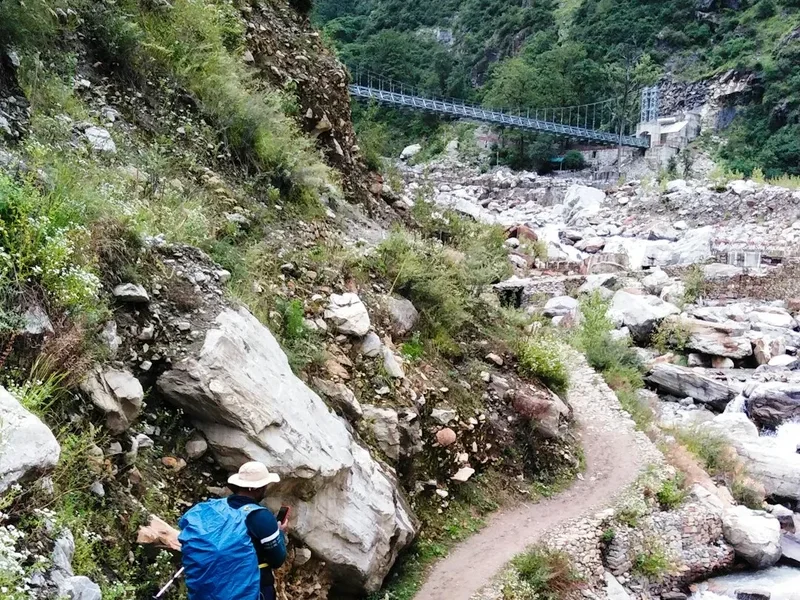
6-Day Dzongri Trek Itinerary
Day 1: Arrival in Yuksom (1,780 m)
- Arrive in Yuksom, the historic starting point of the trek.
- Complete necessary permit formalities and meet your trekking crew.
- Explore Yuksom: visit the Norbugang Coronation Throne, Dubdi Monastery, and the local market.
- Rest and prepare for the trek ahead.
- Overnight stay in a guesthouse or hotel in Yuksom.
Day 2: Yuksom to Tshoka (3,050 m)
- Distance: Approximately 14 km
- Time: 6-7 hours
- Begin the trek from Yuksom, passing through beautiful rhododendron and pine forests.
- The trail gradually ascends, offering glimpses of the surrounding valleys.
- Reach the charming village of Tshoka, which has a significant Tibetan refugee population and a beautiful monastery.
- Enjoy the first views of the higher peaks as you approach Tshoka.
- Overnight stay in a campsite or basic lodge in Tshoka.
Day 3: Tshoka to Phedang (3,650 m)
- Distance: Approximately 7 km
- Time: 4-5 hours
- A shorter but steeper day of trekking.
- The trail continues through dense forests, with the vegetation becoming more alpine.
- Reach Phedang, a scenic campsite offering good views.
- This day is crucial for acclimatisation.
- Overnight stay in a campsite at Phedang.
Day 4: Phedang to Dzongri (4,170 m)
- Distance: Approximately 4 km
- Time: 3-4 hours
- A relatively short but challenging ascent to Dzongri.
- The trail becomes steeper as you gain altitude.
- Arrive at Dzongri, a high-altitude meadow offering spectacular panoramic views.
- Set up camp and rest.
- Optional short acclimatisation hike in the afternoon.
- Overnight stay in a campsite at Dzongri.
Day 5: Dzongri Top Sunrise and Descent to Tshoka (3,050 m)
- Early morning hike to Dzongri Top (approx. 4,200 m) for sunrise views.
- Witness the breathtaking panorama of Kanchenjunga, Kabru, Rathong, Pandim, and other peaks.
- Descend back to Dzongri for breakfast.
- Begin the descent back towards Tshoka.
- The descent is faster but can be hard on the knees.
- Overnight stay in a campsite or lodge in Tshoka.
Day 6: Tshoka to Yuksom (1,780 m) and Departure
- Distance: Approximately 14 km
- Time: 5-6 hours
- Complete the final descent back to Yuksom.
- Enjoy the familiar forest trails as you return to civilisation.
- Upon arrival in Yuksom, you can either depart for your next destination or spend an additional night.
Note: This itinerary can be extended to include a visit to Goechala (approx. 4,940 m), which requires additional days and is a more strenuous trek.
Planning and Bookings
Book Your Trip
Everything you need to plan your journey
Accommodation
Find places to stay near Gangtok
Flights
Search flights to Gangtok
Essential Preparation
The Dzongri Trek requires careful planning, especially concerning permits and logistics. Yuksom is the primary gateway and logistical hub for this trek. It is a small town with limited facilities, so it's advisable to arrange most of your requirements in advance. For foreign nationals, an Inner Line Permit (ILP) is mandatory, which can be obtained from the Tourism Department in Gangtok, the capital of Sikkim. Indian nationals also require permits for certain areas, which are typically arranged by trekking agencies.
Fitness is a crucial aspect of preparation. The trek involves significant ascents and descents at high altitudes, so a good level of cardiovascular fitness is essential. Regular walking, hiking, and cardio exercises in the weeks leading up to the trek will be beneficial. Acclimatisation is key to preventing altitude sickness; the itinerary is designed with gradual ascents to allow for this, but it's important to listen to your body and not push too hard.
Accommodation in Yuksom ranges from basic guesthouses to more comfortable lodges. It's recommended to book your accommodation in Yuksom in advance, especially during peak trekking seasons. Similarly, arranging your trekking crew (guide, porters) and necessary equipment should be done prior to arrival in Yuksom or through a reputable trekking agency.
Trail Accommodation
Accommodation along the Dzongri Trek is primarily in the form of campsites and basic lodges or guesthouses in villages like Tshoka.
Campsites: These are designated areas where tents are pitched. Basic facilities might include a common area for dining and cooking. You will need to carry your own camping gear or arrange it through your trekking operator. Campsites are typically located in scenic spots, offering close proximity to nature.
Lodges/Guesthouses: In villages like Tshoka, there are a few basic lodges or guesthouses that offer simple rooms with beds. These provide a more comfortable alternative to camping, especially during colder periods. Facilities are usually rudimentary, with shared bathrooms and basic dining arrangements.
Booking Requirements: For campsites, there are usually no formal booking requirements, but it's advisable to confirm with your guide or trekking agency. Lodges in Tshoka can be booked in advance, especially during peak season, through local contacts or trekking operators. It is highly recommended to arrange accommodation and camping logistics through a registered trekking agency in Sikkim, as they will handle permits, guides, porters, and equipment.
Facilities Provided: Basic shelter, sleeping space (often on the floor with mattresses in lodges, or in tents), and sometimes a common dining area. Guides and porters will handle cooking and setting up camp.
What's NOT Provided: Sleeping bags, personal toiletries, meals (unless arranged with a full-service package), electricity for charging devices, hot water showers (usually unavailable), and heating.
Seasonal Availability: Campsites and lodges are generally available from March to November. During the monsoon (June-August), some routes might be affected by heavy rain, and during winter (December-February), heavy snowfall can make access difficult or impossible.
Costs: Costs vary depending on the type of accommodation and whether you are using a full-service trekking package. Basic lodge stays might cost around ₹800-1500 per night, while camping with a full crew and meals can range from ₹3000-5000 per person per day.
Required Gear
- Sturdy trekking boots: Waterproof, ankle-supporting, and well broken-in to prevent blisters.
- Backpack: A 40-60 litre backpack with a rain cover. Ensure it has a comfortable hip belt for weight distribution.
- Sleeping bag: A 3-season or 4-season sleeping bag rated for temperatures as low as -10°C to -15°C, as nights at higher altitudes can be very cold.
- Waterproof jacket and trousers: Essential for protection against rain and wind. Gore-Tex or similar breathable waterproof material is recommended.
- Warm layers: Thermal base layers (merino wool or synthetic), fleece jackets or down jackets for insulation.
- Trekking trousers: Comfortable, quick-drying trekking trousers. Avoid jeans.
- Headlamp or torch: With extra batteries, essential for early morning hikes and navigating in the dark.
- Sun protection: High SPF sunscreen, sunglasses with UV protection, and a wide-brimmed hat or cap.
- First-aid kit: Including personal medications, blister treatment, pain relievers, antiseptic wipes, bandages, and altitude sickness medication (consult your doctor).
- Navigation tools: Although you'll have a guide, a map and compass or GPS device can be useful for experienced trekkers.
- Trekking poles: Highly recommended for reducing strain on knees during ascents and descents.
What to Bring
- Food and snacks: High-energy snacks like nuts, dried fruits, energy bars, and chocolate. While meals are usually provided by guides, carrying personal snacks is advisable.
- Water bottles or hydration reservoir: At least 2-3 litres capacity.
- Water purification: Water filter, purification tablets, or boiling water. Do not drink untreated water from streams.
- Toiletries: Biodegradable soap, toothbrush, toothpaste, wet wipes, hand sanitiser, and toilet paper.
- Personal items: Camera, power bank for charging devices, book or journal, identification documents, and cash (Indian Rupees) for small purchases and tips.
- Insect repellent: Especially for lower altitudes during warmer months.
- Small towel: Quick-drying microfibre towel.
- Duffel bag: For porters to carry your main luggage (if using a trekking agency).
- Personal clothing: A few changes of socks (wool or synthetic), underwear, and comfortable camp clothes.
Permits
Trekking in Sikkim, particularly in protected areas like those surrounding Dzongri, requires specific permits. The process can vary slightly depending on your nationality and the specific route.
For Foreign Nationals:
- Inner Line Permit (ILP): This is the most crucial permit for foreign tourists wishing to visit restricted areas of Sikkim, including Yuksom and the trekking routes beyond. The ILP must be obtained from the Tourism Department in Gangtok. It is usually arranged by your registered trekking agency. You will need to submit photocopies of your passport and visa, along with passport-sized photographs.
- Restricted Area Permit (RAP): For certain high-altitude areas, an additional RAP might be required. This is also typically arranged by the trekking agency in Gangtok.
- Group Travel: Foreign nationals must travel in groups of at least two people and be accompanied by a licensed local guide. Solo trekking for foreigners is generally not permitted in these areas.
For Indian Nationals:
- Protected Area Permit (PAP): Indian citizens also require permits to trek in certain restricted areas. These are usually arranged by the trekking agency or can be obtained from the Sikkim Tourism Department or local administrative offices.
- Group Travel: While not as strictly enforced as for foreigners, travelling in groups is always recommended for safety.
Permit Application Process:
- Registered Trekking Agency: The easiest and most common way to obtain permits is through a registered trekking agency in Sikkim. They will handle all the paperwork, liaise with the relevant government departments, and ensure you have the correct permits before you start your trek.
- Documents Required: Typically, you will need photocopies of your passport and visa (for foreigners), identification proof (like Aadhar card or Voter ID for Indians), and passport-sized photographs.
- Timing: It is advisable to start the permit application process at least 1-2 weeks before your intended trekking date, especially if you are arranging it yourself. Agencies can often expedite the process.
Important Considerations:
- Always carry your permits with you throughout the trek, as they will be checked at various checkpoints.
- Ensure your trekking agency is reputable and officially registered with the Sikkim Tourism Department.
- Be aware of the specific permit requirements for the Dzongri-Goenchala trek, as regulations can change.
Other Activities in the Area
Beyond the main Dzongri Trek, Sikkim offers a wealth of experiences for travellers:
- Goechala Trek: For those seeking a more challenging adventure, the Goechala Trek extends from Dzongri and offers even closer views of Kanchenjunga, including a trek to the Goechala viewpoint (approx. 4,940 m). This typically adds 2-3 days to the itinerary.
- Yuksom Exploration: Spend extra time in Yuksom to delve deeper into its history. Visit the Kathok Lake, the oldest monastery in Sikkim, and explore the surrounding villages to understand the local way of life.
- Pelling Sightseeing: A short drive from Yuksom, Pelling offers stunning views of Kanchenjunga and is home to the historic Rabdentse Ruins (the second capital of Sikkim) and the Pemayangtse Monastery, one of Sikkim's oldest and most important monasteries.
- Gangtok Exploration: The capital city of Sikkim, Gangtok, is a vibrant hub with attractions like the Rumtek Monastery (one of the most significant seats of Tibetan Buddhism outside Tibet), the Enchey Monastery, the Namgyal Institute of Tibetology, and the Hanuman Tok viewpoint.
- Tsomgo Lake and Nathula Pass: A popular day trip from Gangtok, Tsomgo Lake (Changu Lake) is a glacial lake surrounded by snow-capped mountains. Nathula Pass, one of the three open trading posts between India and China, offers a unique geopolitical experience (requires special permits and is subject to closure).
- Local Cuisine: Indulge in Sikkimese delicacies such as Momos (dumplings), Thukpa (noodle soup), Phagshapa (pork belly stew), and Gundruk (fermented leafy greens).
Safety and Conditions
Altitude Sickness (Acute Mountain Sickness - AMS): This is the primary concern on the Dzongri Trek. Symptoms include headache, nausea, dizziness, fatigue, and shortness of breath. To mitigate risk:
- Acclimatise properly: Follow the itinerary's gradual ascent.
- Stay hydrated: Drink plenty of water (3-4 litres per day).
- Avoid alcohol and smoking: These can exacerbate AMS symptoms.
- Ascend slowly: Do not gain too much altitude too quickly.
- Listen to your body: If symptoms appear, rest, hydrate, and descend if they worsen. Consult your guide about Diamox (acetazolamide) if prescribed by your doctor.
Weather: Himalayan weather is notoriously unpredictable. Be prepared for sudden changes, including rain, snow, fog, and strong winds, even during the trekking season. Always check weather forecasts and heed the advice of your guide.
Trail Conditions: The trails can be steep, rocky, and slippery, especially after rain or snow. Wear appropriate footwear and use trekking poles for stability. Landslides can occur during the monsoon season, potentially blocking trails.
Guides and Porters: Hiring a licensed local guide is mandatory for foreign nationals and highly recommended for all trekkers. Guides are experienced in navigation, weather assessment, and emergency response. Porters are invaluable for carrying heavy loads, allowing you to focus on the trek.
Communication: Mobile phone reception is unreliable and often non-existent on the trek. Carry a satellite phone or personal locator beacon (PLB) for emergencies, especially if trekking independently or in remote areas. Inform someone of your trekking plans and expected return date.
Health and Hygiene: Carry a comprehensive first-aid kit. Ensure all water is purified. Practice good hygiene to prevent gastrointestinal issues. Be cautious with food from street vendors. Ensure your travel insurance covers high-altitude trekking and emergency evacuation.
Wildlife: While encounters are rare, be aware of local wildlife. Do not feed animals. Keep a safe distance and follow your guide's instructions.
Side Trips and Points of Interest
Dzongri Top Sunrise: The absolute highlight of the trek. An early morning hike (around 4,200 m) to Dzongri Top offers a spectacular 360-degree panoramic view of the Kanchenjunga massif, including peaks like Kabru, Rathong, Pandim, and Koktang. Witnessing the first rays of the sun paint the snow-capped giants in hues of gold and orange is an unforgettable experience.
Tshoka Monastery: Located in the village of Tshoka, this Tibetan Buddhist monastery is a serene and culturally significant site. It offers a glimpse into the spiritual life of the local community and provides a peaceful respite during the trek. The monastery is often adorned with colourful prayer flags, adding to the picturesque setting.
Yuksom Historical Sites: Before embarking on the trek, explore Yuksom's historical landmarks. The Norbugang Coronation Throne is where the first King of Sikkim was crowned, and the nearby Dubdi Monastery is one of the oldest and most important monasteries in Sikkim, offering insights into the region's rich Buddhist heritage.
Rhododendron Forests: During spring (March-May), the trails leading to Tshoka and Phedang are lined with vibrant rhododendron forests. The blooming flowers create a spectacular display of colours, making the trek particularly beautiful during this season.
Views of Kanchenjunga: Throughout the trek, especially from Phedang and Dzongri, you will be treated to increasingly dramatic views of Kanchenjunga. The sheer scale and majesty of the world's third-highest peak are awe-inspiring and a constant companion on this journey.
Leave No Trace
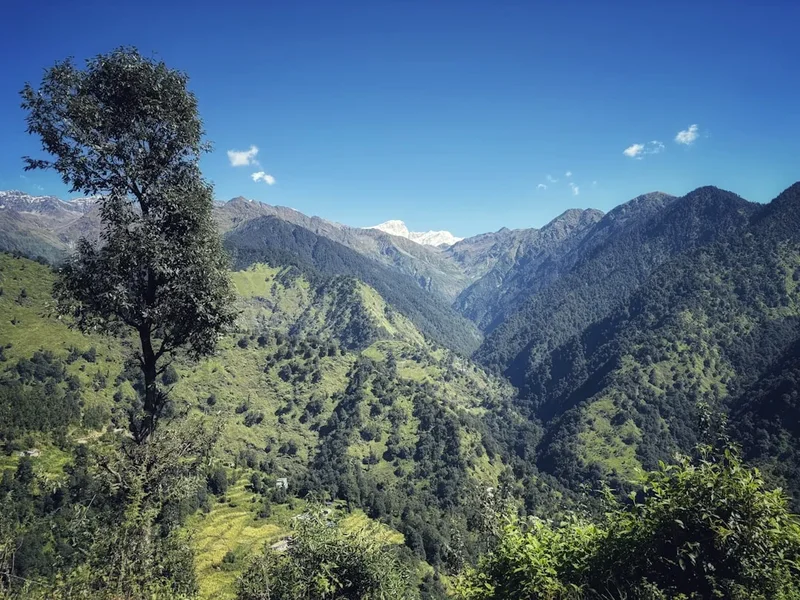
The Dzongri Trek traverses pristine Himalayan landscapes and fragile ecosystems. Adhering to Leave No Trace principles is paramount to preserving this natural beauty for future generations and respecting the local culture.
Plan Ahead and Prepare: Understand the regulations and special concerns for the area. Pack appropriately to prevent the need for unexpected supplies. Be prepared for varying weather conditions.
Travel and Camp on Durable Surfaces: Stick to the established trails to avoid damaging vegetation. Camp in designated areas or on bare ground where available. Avoid camping near water sources.
Dispose of Waste Properly: Pack out everything you pack in, including all food scraps, wrappers, and toilet paper. Use designated toilets where available. If not, dig a cathole at least 60 metres away from water, trails, and campsites.
Leave What You Find: Do not disturb or remove any natural objects, plants, or cultural artifacts. Take only photographs and memories.
Minimize Campfire Impacts: Campfires are often prohibited in high-altitude areas due to the risk of wildfires and the scarcity of firewood. Use a portable stove for cooking.
Respect Wildlife: Observe wildlife from a distance. Never feed animals, as it can disrupt their natural behaviours and diets. Store food securely to prevent attracting animals.
Be Considerate of Other Visitors: Keep noise levels down. Yield to other trekkers on narrow trails. Respect the local culture and traditions.
By following these principles, you contribute to the conservation of the Dzongri region's natural and cultural heritage, ensuring that the magic of this trek can be experienced by others for years to come.