
Dudhsagar Falls Trek
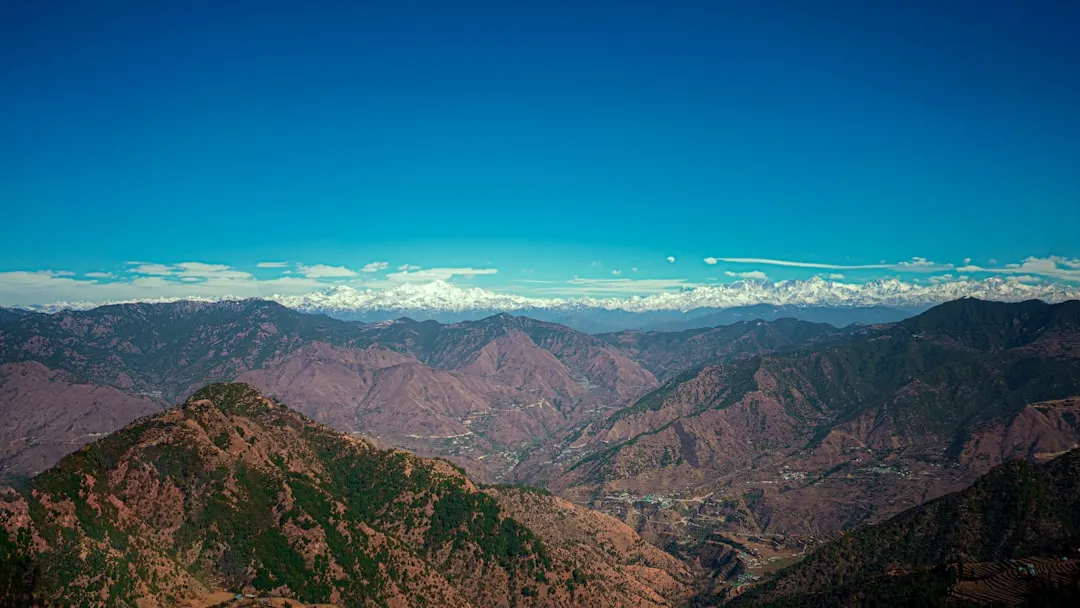
The Dudhsagar Falls Trek is a captivating day walk in the Western Ghats of Goa, India, leading to one of the country's tallest and most spectacular waterfalls. Translating to "Sea of Milk," Dudhsagar Falls cascades down a sheer cliff face in multiple tiers, creating a breathtaking spectacle, especially during and immediately after the monsoon season. The trek offers a moderate challenge, winding through dense tropical forests, past spice plantations, and along the Mandovi River, culminating in the awe-inspiring sight and sound of the falls. It's an accessible adventure for those seeking natural beauty and a refreshing escape from the coastal plains.
- Distance: 11.0 km one-way
- Elevation gain: 600 m
- Duration: 6-8 hours round trip
- Difficulty: Moderate
- Best Time: October to May (post-monsoon and pre-monsoon)
- Closest City: Collem
- Trailhead Access: Nearest airport: Dabolim Airport (GOI). From Goa, take a train or taxi to Collem. Road conditions are generally good. Parking available near Collem Railway Station. Permits may be required from the Forest Department. Check locally.
- Coordinates: 15.3167, 74.3167
Overview
The Dudhsagar Falls Trek is a journey into the verdant heart of Goa's hinterland, a stark contrast to its famous beaches. The trail begins near the village of Collem, a small settlement that serves as the gateway to the Bhagwan Mahavir Wildlife Sanctuary and the Dudhsagar Falls. The path is a mix of well-trodden dirt tracks and more rugged terrain, often shared with local jeeps that transport visitors to the falls during certain parts of the year. The trek itself is an immersion into a vibrant ecosystem, characterised by dense deciduous forests, a rich variety of flora and fauna, and the constant murmur of the Mandovi River and its tributaries.
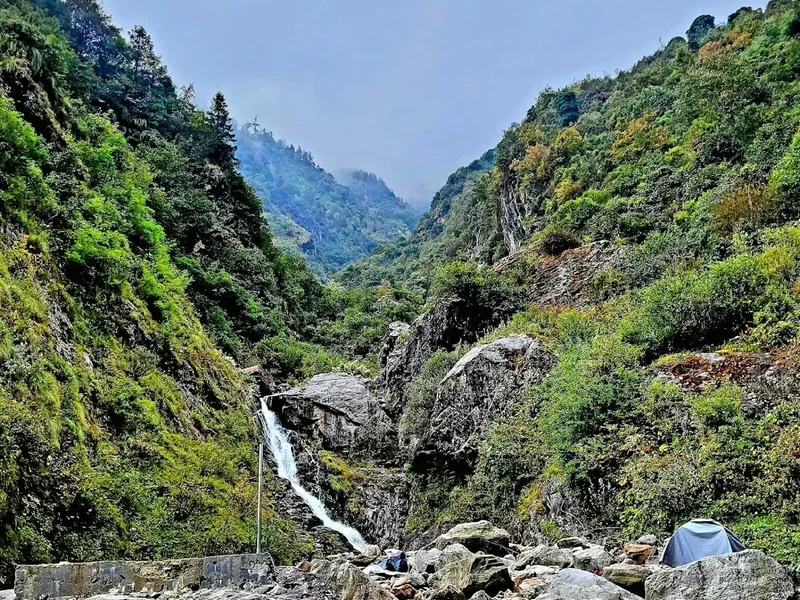
As you ascend, the landscape gradually transforms. The initial stages might take you through areas with cultivated spice plantations, where the air is fragrant with cardamom, pepper, and cinnamon. Further on, the trail enters the protected sanctuary, where ancient trees form a dense canopy, filtering the sunlight and creating a cool, dappled environment. The sounds of the jungle—birdsong, rustling leaves, and the distant roar of the falls—accompany you throughout the hike. The elevation gain of approximately 600 metres is spread across the 11 km, making it a steady climb that requires a reasonable level of fitness.
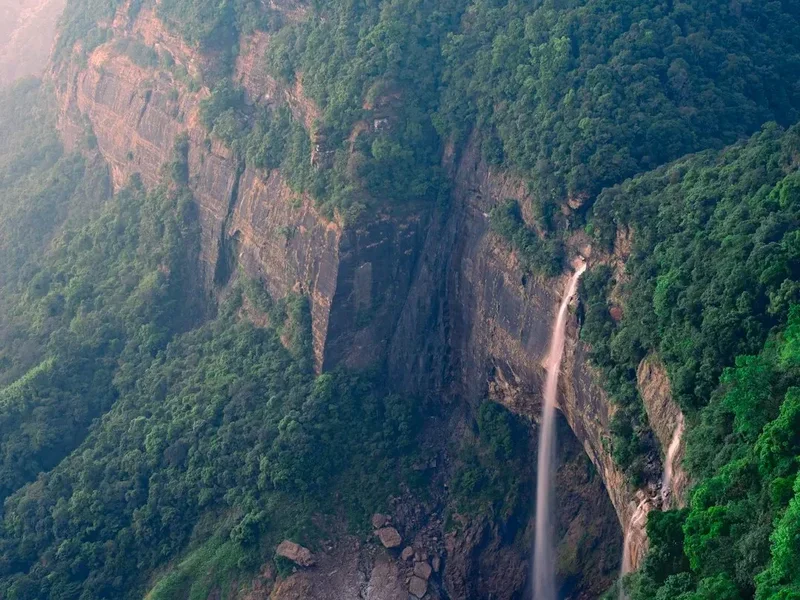
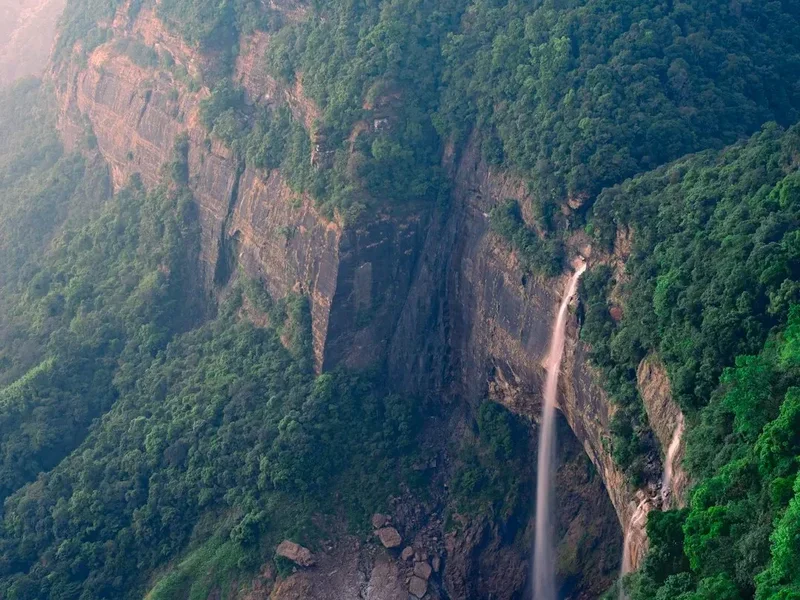
The highlight, of course, is reaching Dudhsagar Falls. The sheer scale of the waterfall, plunging over 310 metres (309 m) in four distinct tiers, is truly awe-inspiring. During the monsoon months (June to September), the falls are at their most powerful, a thundering torrent of white water that lives up to its name. Post-monsoon (October onwards), the flow is still impressive, and the surrounding vegetation is lush and green. The trek concludes with a return journey, offering a different perspective on the landscapes you traversed earlier.
History and Cultural Context
The region surrounding Dudhsagar Falls has a rich history intertwined with the natural landscape and the local communities. For centuries, the Western Ghats have been a vital corridor for trade and migration, and the falls themselves have been a significant landmark for local tribes and villagers. The area is part of the Bhagwan Mahavir Wildlife Sanctuary, established to protect the diverse biodiversity of the region, including its unique flora and fauna.
The falls gained wider recognition in the 20th century, particularly with the development of tourism in Goa. The railway line that passes nearby, connecting Goa to Karnataka, offers glimpses of the falls from the train, further popularising its image. The trek route itself has evolved over time, with local guides and villagers establishing and maintaining the paths. The presence of spice plantations in the vicinity points to a long history of agriculture and trade in the region, with these aromatic crops being cultivated for generations.
Culturally, Dudhsagar Falls holds significance for the local population, often featuring in folklore and local legends. The name "Sea of Milk" is said to have originated from a legend where a beautiful princess, bathing in the stream, was interrupted by a knight. To protect her modesty, she poured a jug of milk, which flowed down the hillside, creating the milky white cascade. This narrative highlights the deep connection between the local culture and the natural wonders of the area.
Seasonal Highlights and Weather Reality
The best time to undertake the Dudhsagar Falls Trek is generally from October to May. This period falls outside the peak monsoon season, ensuring safer trekking conditions and clearer views of the falls.
Post-Monsoon (October to December): This is arguably the most ideal time. The monsoon rains have subsided, but the falls are still at their majestic best, with a powerful flow of water. The surrounding vegetation is incredibly lush and vibrant green, and the air is fresh and clean. The weather is pleasant, with temperatures ranging from 20°C to 30°C, making for comfortable trekking. Sandflies can be present, but are generally manageable.
Winter (January to February): The weather remains pleasant, with cooler temperatures, typically between 18°C and 28°C. The falls are still impressive, though the water flow might be slightly less intense than immediately after the monsoon. This period offers excellent visibility and comfortable trekking conditions, with fewer sandflies compared to the warmer months.
Pre-Monsoon (March to May): Temperatures begin to rise, with daytime highs often reaching 30°C to 35°C. The humidity also increases. While the falls may have a reduced flow compared to the post-monsoon period, they are still a magnificent sight. This time of year can be more challenging due to the heat, so starting the trek early in the morning is highly recommended. The risk of encountering wildlife, such as monkeys and various bird species, might be higher as they seek water sources.
Monsoon (June to September): While the falls are at their most spectacular during the monsoon, trekking is generally not recommended. Heavy rainfall can lead to flash floods, making the trails dangerous and the river crossings treacherous. The dense forest can become slippery, and visibility can be severely reduced. The Bhagwan Mahavir Wildlife Sanctuary and Dudhsagar Falls are often closed to visitors during this period for safety reasons. If attempting during this season, extreme caution and local guidance are essential, and it is often restricted to jeep access only.
Recommended Itinerary
Dudhsagar Falls Trek - Day Walk Itinerary
Early Morning (6:00 AM - 7:00 AM): Arrival and Preparation
- Arrive at Collem village, the starting point for the trek.
- Arrange for local guides and/or jeep transport if not trekking the entire way.
- Final gear check and preparation.
- Secure any necessary permits from the Forest Department office in Collem.
- Have a light breakfast and hydrate well.
Morning (7:00 AM - 11:00 AM): Trek Through Forest and Plantations
- Begin the trek from Collem. The initial part of the trail may pass through agricultural land and spice plantations.
- The path gradually transitions into the Bhagwan Mahavir Wildlife Sanctuary.
- Walk through dense tropical forests, enjoying the sounds and sights of nature.
- The trail involves a steady ascent, with some rocky and uneven sections.
- Keep an eye out for local wildlife, including various bird species and monkeys.
- The air will become cooler and more humid as you gain elevation and enter deeper forest.
Midday (11:00 AM - 1:00 PM): Arrival at Dudhsagar Falls
- Reach the base of Dudhsagar Falls.
- Marvel at the immense scale and power of the waterfall, especially if visiting post-monsoon.
- Spend time taking photographs and soaking in the atmosphere.
- Enjoy a packed lunch amidst the stunning natural scenery.
- Note: Swimming directly at the base of the falls is often prohibited due to strong currents and safety concerns. Designated safe viewing areas are usually available.
Afternoon (1:00 PM - 4:00 PM): Return Journey
- Begin the trek back to Collem.
- The descent offers a different perspective of the forest and the landscape.
- The trail may feel easier on the way down, but caution is advised on slippery sections.
- Continue to be mindful of the environment and any wildlife encountered.
Late Afternoon (4:00 PM onwards): Departure from Collem
- Arrive back in Collem.
- Option to visit local stalls for refreshments or souvenirs.
- Depart from Collem for your onward journey.
Important Notes:
- This is a day hike; no overnight accommodation is required on the trail itself.
- Hiring a local guide is highly recommended for navigation and safety.
- Jeep safaris are available for a portion of the route, especially during peak season, which can shorten the walking distance.
- Carry sufficient water and snacks, as facilities are limited along the trail.
- Wear sturdy, comfortable trekking shoes and appropriate clothing for a forest environment.
- Respect the wildlife and the natural environment; do not litter.
Planning and Bookings
Book Your Trip
Everything you need to plan your journey
Accommodation
Find places to stay near Collem
Flights
Search flights to Collem
Essential Preparation
The Dudhsagar Falls Trek is a day walk, meaning no overnight accommodation is required on the trail. However, thorough preparation is still crucial for a safe and enjoyable experience. The closest town to the trailhead is Collem, which serves as the primary access point. Visitors typically travel to Collem from major Goan cities like Panaji, Margao, or Vasco da Gama. This can be done via train (Collem railway station is on the Konkan Railway line) or by road (taxi or bus). Road conditions leading to Collem are generally good, but the final approach to the falls might involve rougher terrain, often navigated by jeeps.
It is highly advisable to hire a local guide in Collem. Guides are knowledgeable about the trail, local flora and fauna, and importantly, safety conditions, especially regarding river crossings and potential wildlife encounters. They can also assist in arranging necessary permits from the Forest Department, which are often mandatory for entering the Bhagwan Mahavir Wildlife Sanctuary and reaching the falls. Booking a jeep safari for part of the route is also an option, which can reduce the walking distance and time, particularly if you are short on time or prefer a less strenuous experience. Ensure you have sufficient cash, as card facilities are unlikely to be available in Collem or along the trail.
Trail Accommodation
This is a day hike requiring no overnight accommodation.
Required Gear
- Trekking Boots: Sturdy, waterproof trekking boots with good ankle support are essential. Ensure they are well broken-in to prevent blisters.
- Backpack: A comfortable daypack (20-30 litres) to carry essentials like water, snacks, first-aid kit, and personal items. A rain cover for the backpack is advisable.
- Clothing: Lightweight, quick-drying trekking clothes. Long-sleeved shirts and trousers are recommended to protect against the sun, insects, and scratches from vegetation.
- Rain Gear: A lightweight, waterproof jacket or poncho is crucial, as weather can change rapidly, especially in the Western Ghats.
- Headlamp/Torch: Essential for early morning starts or if the trek extends beyond daylight hours. Carry spare batteries.
- Navigation: While a guide is recommended, carrying a map of the area and a compass or GPS device is a good safety measure. Offline map applications on a smartphone can also be useful.
- First-Aid Kit: A comprehensive kit including bandages, antiseptic wipes, pain relievers, blister treatment, and any personal medications.
- Insect Repellent: Strong insect repellent, particularly one effective against sandflies and mosquitoes, is a must.
What to Bring
- Water: Carry at least 2-3 litres of water per person. Water sources along the trail may not be potable without treatment.
- Food: Packed lunch, energy bars, fruits, and other high-energy snacks. There are no food vendors along the trekking route.
- Water Treatment: Water filter or purification tablets as a backup or for refilling water bottles from natural sources (use with caution).
- Toiletries: Biodegradable soap, toothbrush, toothpaste, hand sanitiser, and toilet paper. Ensure you pack out all waste.
- Sun Protection: High SPF sunscreen, sunglasses, and a wide-brimmed hat or cap to protect against the sun, even under the forest canopy.
- Camera: To capture the stunning scenery and the magnificent falls.
- Binoculars: For wildlife spotting.
- Cash: Sufficient Indian Rupees for permits, guides, jeep hire, and any local purchases.
- Personal Items: Any personal medications, a small towel, and a change of clothes for the journey back.
Permits
Access to Dudhsagar Falls and the surrounding Bhagwan Mahavir Wildlife Sanctuary typically requires permits from the Forest Department. These permits are usually obtained at the Forest Department office located in Collem, the starting point of the trek. It is essential to confirm the current permit requirements and fees before your visit, as these can change.
Permit Acquisition:
- Location: Forest Department office in Collem.
- Requirements: Typically, you will need to provide identification and pay a nominal fee per person and potentially for vehicles (if using a jeep).
- Timing: It is advisable to arrive early in the morning to secure permits, especially during peak tourist season.
- Guides: Hiring a local guide is often mandatory or strongly recommended by the Forest Department, and their fees are separate from the permit costs.
Jeep Safari Option: If you opt for a jeep safari for part or all of the route, the jeep operators usually handle the permit process as part of their package. This can simplify the logistics considerably. However, it's always good to confirm this with the operator beforehand.
Sanctuary Regulations: Visitors are expected to adhere to the rules and regulations of the wildlife sanctuary, which include not littering, not disturbing wildlife, and staying on designated paths. Entry and exit times may also be enforced.
Other Activities in the Area
Beyond the Dudhsagar Falls trek, the region offers several other attractions and activities:
- Bhagwan Mahavir Wildlife Sanctuary: Explore the diverse flora and fauna of the sanctuary. The sanctuary is home to various species of mammals, birds, reptiles, and amphibians. Guided nature walks can be arranged.
- Mollem National Park: Adjacent to the wildlife sanctuary, Mollem National Park also offers opportunities for nature walks and wildlife observation.
- Spice Plantations: The areas around Collem and throughout Goa's hinterland are dotted with spice plantations. Many offer guided tours where you can learn about the cultivation of spices like cardamom, pepper, nutmeg, and cloves, and enjoy a traditional Goan meal.
- Temples: Visit ancient temples in the vicinity, such as the Tambdi Surla Mahadev Temple, a 12th-century Shiva temple known for its unique Kadamba-Yadava architecture and its serene jungle setting.
- Dudhsagar Plantation Resort: If you wish to extend your stay or prefer a more comfortable base, resorts in the area offer accommodation and activities like guided plantation tours and nature walks.
- Jeep Safari: Even if you don't trek the entire way, a jeep safari to the falls is a popular way to experience the rugged terrain and reach the viewpoint.
Safety and Conditions
Trail Conditions: The trail to Dudhsagar Falls is a mix of dirt paths, rocky sections, and sometimes muddy terrain, especially after rain. The path can be uneven and slippery, requiring careful footing. During the monsoon season, the trail can become impassable due to heavy rain and potential flash floods.
Weather: The Western Ghats experience a tropical climate. Summers (March-May) can be hot and humid, while the monsoon season (June-September) brings heavy rainfall. Post-monsoon (October-December) and winter (January-February) offer the most pleasant trekking weather. Always check the weather forecast before your trek and be prepared for sudden changes.
Wildlife: The Bhagwan Mahavir Wildlife Sanctuary is home to various animals, including monkeys, deer, wild boars, and numerous bird species. While encounters with larger predators are rare, it's important to maintain a safe distance and avoid feeding any animals. Be aware of snakes and insects; wear appropriate footwear and clothing.
Insects: Sandflies and mosquitoes can be prevalent, especially in the early morning and late afternoon. Use strong insect repellent and wear long sleeves and trousers to protect yourself.
Water Safety: The Mandovi River and its tributaries can have strong currents, especially during and after the monsoon. Avoid swimming in unmarked or fast-flowing water. If you plan to refill water bottles from natural sources, always use a water filter or purification tablets.
Guides: Hiring a local guide is highly recommended. They are familiar with the trail, can assist with navigation, provide insights into the local environment, and are aware of potential hazards. They can also help in case of emergencies.
Communication: Mobile phone signal can be intermittent or non-existent in many parts of the trail. Inform someone about your trekking plans, including your expected return time.
Emergency Contacts: Keep a list of emergency contact numbers, including local police, forest department officials, and your accommodation provider.
Fitness: The trek involves a steady ascent and descent over 11 km, with some challenging sections. A moderate level of fitness is required. Ensure you are adequately prepared physically.
Side Trips and Points of Interest
Dudhsagar Falls Viewpoint: The primary destination, the falls themselves are a multi-tiered spectacle. The sheer volume of water cascading down the cliff face is breathtaking. Depending on the season, the falls can range from a powerful, roaring torrent to a more delicate, milky stream. The area around the falls offers several vantage points for photography and contemplation.
Jeep Track: For those who opt for a jeep safari, the track itself is an experience. It winds through dense jungle, crosses streams, and offers glimpses of the surrounding wilderness. The jeeps are often open-top, allowing for an immersive experience of the forest environment.
Spice Plantations: Many routes to Dudhsagar Falls pass through or near traditional spice plantations. These offer a fascinating insight into Goan agriculture. You can often arrange for guided tours that explain the cultivation of spices like cardamom, pepper, cloves, and nutmeg, and sometimes include a traditional Goan meal.
Mandovi River and Tributaries: The trek often follows or crosses parts of the Mandovi River system. These waterways are vital to the region's ecosystem and offer scenic beauty. During the trek, you might encounter smaller streams and cascades that add to the natural charm.
Tambdi Surla Mahadev Temple: Located a short distance from the main trekking route (and often accessible via a separate path or jeep route), this ancient 12th-century temple is a significant historical and architectural site. Dedicated to Lord Shiva, it is one of the best-preserved examples of Kadamba-Yadava architecture in Goa and is set in a tranquil jungle environment.
Leave No Trace
The Dudhsagar Falls and the Bhagwan Mahavir Wildlife Sanctuary are precious natural environments that deserve our utmost respect and care. Practising Leave No Trace principles ensures that these beautiful places remain pristine for future generations and that the local ecosystem is protected.
Plan Ahead and Prepare: Research the trail, understand its conditions, and be prepared for the weather. Hiring a local guide is part of responsible planning.
Travel and Camp on Durable Surfaces: Stick to marked trails and designated paths. Avoid walking on fragile vegetation, especially mosses and small plants, which can take a long time to recover.
Dispose of Waste Properly: Pack out everything you pack in. This includes all food scraps, wrappers, plastic bottles, and any other litter. Use designated waste bins if available, but be prepared to carry your trash back to Collem.
Leave What You Find: Do not take any natural souvenirs, such as rocks, plants, or flowers. Leave them for others to enjoy and for the ecosystem to thrive.
Minimize Campfire Impacts: Campfires are generally not permitted on day hikes and are highly discouraged in natural areas due to the risk of wildfires. If permitted in specific designated areas (unlikely for this day hike), use existing fire rings and ensure fires are completely extinguished.
Respect Wildlife: Observe wildlife from a distance. Never feed animals, as this can disrupt their natural behaviours and diets, and can make them dependent on humans or aggressive. Keep pets under control if they are permitted.
Be Considerate of Other Visitors: Keep noise levels down, especially in natural settings. Yield to other hikers on the trail. Respect the local culture and traditions.
By following these principles, you contribute to the preservation of the natural beauty and ecological integrity of Dudhsagar Falls and its surroundings.