
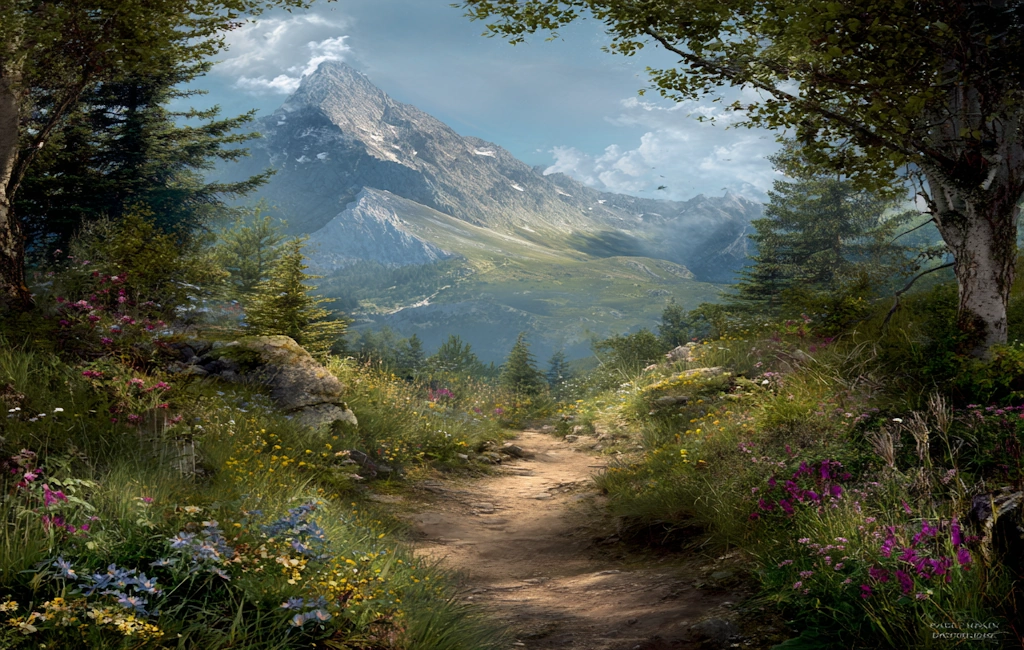
Drakensberg Amphitheatre: A Majestic Day Hike
The Drakensberg Amphitheatre is not just a trail; it's an immersion into one of South Africa's most dramatic and awe-inspiring natural wonders. This challenging day hike takes you to the edge of a colossal basalt cliff face, a natural amphitheatre carved by millennia of erosion, offering unparalleled panoramic views of the surrounding Maloti-Drakensberg Park, a UNESCO World Heritage Site. The journey ascends steeply, rewarding determined hikers with vistas that stretch across rolling grasslands, deep valleys, and the iconic peaks of the Drakensberg range. It's a trek that demands physical exertion but delivers an unforgettable experience of raw, untamed beauty, making it a must-do for serious hikers visiting the region.
- Distance: 18.0 km one-way
- Duration: 8–10 hours
- Elevation Gain: 1,200 m
- Difficulty: Challenging
- Best Time: April–May and September–October
- Closest City: Bergville
- Trailhead Access: Sentinel Car Park
- Permits: May be required; check with authorities
Overview
The Drakensberg Amphitheatre hike is a testament to the raw power and artistry of nature. Beginning at the Sentinel Car Park, the trail immediately sets a challenging tone with a steep ascent. Hikers are immediately greeted by the vastness of the landscape, with the imposing basalt cliffs of the Amphitheatre dominating the horizon. The path winds through rugged terrain, often following ancient cattle trails, gradually gaining altitude. The air grows thinner, and the views become more expansive with every metre climbed.
The true spectacle unfolds as you approach the edge of the escarpment. The Amphitheatre itself is a geological marvel, a sheer cliff face stretching for kilometres, with the Tugela Falls, the world's second-highest waterfall, plunging an astonishing 948 metres in multiple cascades down its face. The hike to the top of the Tugela Falls is a significant part of the Amphitheatre experience, offering a unique perspective of this natural wonder. The trail often involves navigating rocky outcrops, scree slopes, and, in some sections, chains and ladders to assist with steep ascents, particularly the famous "chain ladder" which provides access to the top of the escarpment.
The summit offers a surreal, almost otherworldly landscape. You stand on the edge of a vast plateau, a high-altitude grassland dotted with unique flora and often shrouded in mist, adding to the mystical atmosphere. The sense of scale is immense, with the world stretching out below. The return journey, while downhill, requires careful footing due to the steep and often loose terrain. This hike is not for the faint-hearted; it requires excellent physical fitness, mental fortitude, and a good head for heights, but the rewards are immeasurable.
History and Cultural Context
The Drakensberg Mountains, known as the "Barrier of Spears" in Zulu, have a rich and ancient history. For millennia, these mountains have been a sacred landscape for the indigenous San people (Bushmen), who left behind a legacy of rock art in numerous caves and overhangs throughout the range. These ancient paintings, some dating back thousands of years, offer a glimpse into the spiritual beliefs, daily lives, and connection to the land of these early inhabitants. The Amphitheatre region, with its dramatic cliffs and abundant water sources, would have been a significant area for these nomadic peoples.
Later, the Zulu people also revered these mountains, using them as natural fortifications and spiritual sites. The imposing nature of the Amphitheatre would have instilled a sense of awe and respect. European settlers, arriving in the 19th century, were equally captivated by the dramatic landscapes, naming the peaks and establishing farms in the foothills. The area became a popular destination for explorers, naturalists, and adventurers drawn by its wild beauty and challenging terrain.
The establishment of the Drakensberg National Park (now part of the Maloti-Drakensberg Park, a UNESCO World Heritage Site) in the mid-20th century aimed to protect this unique environment and its cultural heritage. The trails, including the route to the Amphitheatre, have been developed and maintained over decades, allowing visitors to experience the grandeur of the mountains while respecting their historical and ecological significance. The chain ladder, a modern addition, represents a compromise between preserving the natural environment and making the summit accessible to hikers.
Seasonal Highlights and Weather Reality
The Drakensberg Amphitheatre hike is best undertaken during the drier, cooler months, which offer the most favourable conditions for this challenging ascent.
Autumn (April–May): This is arguably the prime season. The weather is typically stable, with clear skies and crisp, cool air. Temperatures are pleasant for hiking, and the risk of rain is significantly lower than in summer. The vegetation may begin to show autumnal colours, adding a subtle beauty to the landscape. The views are often exceptionally clear, providing vast panoramas.
Spring (September–October): Another excellent period. The weather starts to warm up, and the landscape begins to reawaken after winter. Wildflowers may start to bloom, adding splashes of colour to the grasslands. While generally dry, spring can sometimes bring unpredictable weather shifts, so preparedness is still key.
Summer (November–March): This is the wet season in the Drakensberg. While the landscape is lush and green, hikers must be prepared for frequent and often dramatic thunderstorms. These storms can bring heavy rain, lightning, and rapidly deteriorating visibility, making the ascent to the Amphitheatre dangerous. The chain ladder, in particular, can become treacherous when wet. Temperatures can also be warm, increasing the risk of heat exhaustion.
Winter (June–August): Winter brings cold temperatures, with frost and even snow possible at higher elevations. While the skies are often clear and the air crisp, the extreme cold can make for a challenging hike. Ice can form on exposed sections of the trail and the chain ladder, posing a significant hazard. However, for experienced hikers equipped for cold conditions, winter can offer stunning, starkly beautiful scenery and a sense of profound solitude.
Weather is highly unpredictable in the Drakensberg. Conditions can change from clear and sunny to stormy and visibility-poor within minutes, especially at higher altitudes. Always check the mountain forecast before setting out and be prepared for all eventualities, regardless of the season.
Recommended Itinerary
Drakensberg Amphitheatre Day Hike Itinerary
Early Morning (06:00 - 07:00): Arrival and Preparation
- Arrive at Sentinel Car Park (2,840 m).
- Complete registration at the park office/guard post.
- Final gear check and preparation.
- Ensure you have ample water and snacks.
- Apply sunscreen and insect repellent.
Morning (07:00 - 12:00): Ascent to the Escarpment
- Begin the hike from Sentinel Car Park.
- The initial section is a relatively gentle gravel path for approximately 2 km.
- The trail then begins a steep ascent, following a well-defined but rugged path.
- Pass the iconic "The Thumb" rock formation on your left.
- Continue climbing, navigating rocky sections and scree.
- Reach the base of the chain ladder section (approximately 4-5 km from the start).
- Ascend the chain ladder (approx. 90 m). This is a challenging section requiring strength and a good head for heights.
- Continue the steep climb for another kilometre or so to reach the top of the escarpment.
Midday (12:00 - 14:00): Exploring the Amphitheatre and Tugela Falls
- Arrive at the top of the Drakensberg escarpment (approx. 3,000 m).
- Walk towards the edge of the Amphitheatre.
- Follow the path along the cliff edge towards the Tugela Falls viewpoint.
- Marvel at the sheer scale of the Amphitheatre and the Tugela Falls.
- Enjoy a well-deserved lunch break with spectacular views.
- Explore the immediate surroundings of the plateau.
Afternoon (14:00 - 18:00): Descent and Return
- Begin the descent from the escarpment.
- Carefully navigate the chain ladder descent.
- Continue the steep descent back towards Sentinel Car Park.
- Maintain a steady pace, being mindful of loose scree and uneven terrain.
- Return to Sentinel Car Park.
- Complete exit registration.
Important Notes:
- This is a strenuous day hike requiring excellent fitness.
- Start early to allow ample time and avoid afternoon thunderstorms.
- Carry at least 3 litres of water per person.
- Wear sturdy, broken-in hiking boots with good ankle support.
- Pack layers of clothing, including waterproofs, as weather can change rapidly.
- A head torch is essential in case of unexpected delays.
- Inform someone of your hiking plans and expected return time.
Planning and Bookings
Book Your Trip
Everything you need to plan your journey
Accommodation
Find places to stay near Bergville
Flights
Search flights to Bergville
Essential Preparation
The Drakensberg Amphitheatre hike is a significant undertaking that requires thorough preparation. The closest town and primary logistical hub is Bergville, which offers basic accommodation and supplies. However, for more comprehensive services, including a wider range of accommodation, gear shops, and restaurants, visitors often choose to stay in towns like Ladysmith or even further afield in cities like Durban, from which they make a day trip or an overnight stay closer to the mountains. The drive from Durban to Sentinel Car Park can take 4-5 hours, so an early start is crucial if attempting this as a day trip from the coast.
Access to the Sentinel Car Park is via a gravel road, which can be rough in places. While many standard vehicles can manage it, a vehicle with higher clearance is recommended, especially after heavy rain. Parking is available at the car park, and a fee usually applies. It is essential to register your hike at the Sentinel Peak car park before setting off. This is a safety measure, allowing park authorities to know who is on the mountain and to initiate search and rescue if necessary. Check current permit requirements and park fees with the relevant authorities before your visit, as these can change.
Trail Accommodation
This is a day hike requiring no overnight accommodation.
Required Gear
- Sturdy Hiking Boots: Waterproof, with excellent ankle support and a well-worn sole for grip on rocky and scree terrain.
- Backpack: A comfortable daypack (25-35 litres) to carry essentials.
- Waterproof Jacket and Trousers: Essential for protection against rain and wind, which can change rapidly in the mountains.
- Warm Layers: Including a fleece or down jacket, thermal base layers, and a beanie. Temperatures at the summit can be significantly colder than at the car park.
- Head Torch: With spare batteries, crucial in case of unexpected delays or if starting before dawn.
- Navigation Tools: A map of the area, a compass, and a GPS device or smartphone with offline maps. Mobile signal is unreliable.
- First-Aid Kit: Comprehensive kit including blister treatment, pain relievers, antiseptic wipes, bandages, and any personal medications.
- Sun Protection: High SPF sunscreen, sunglasses, and a wide-brimmed hat. The sun at altitude is intense.
- Trekking Poles: Highly recommended for stability and to reduce strain on knees during the steep ascent and descent.
- Gloves: Warm gloves are advisable, especially for handling the chain ladder in cold or wet conditions.
What to Bring
- Food: High-energy snacks (nuts, dried fruit, energy bars), sandwiches, and a packed lunch. You will need enough for 8-10 hours of strenuous activity.
- Water: At least 3 litres of water per person. There are water sources along the route, but they should be treated (filtered or purified) before consumption.
- Water Treatment: A water filter or purification tablets.
- Toiletries: Hand sanitiser, biodegradable toilet paper (pack out used paper), and any personal hygiene items.
- Emergency Shelter: A lightweight emergency bivvy bag or space blanket.
- Whistle: For signalling in emergencies.
- Camera: To capture the incredible scenery.
- Cash: For potential parking fees or small purchases.
Permits
Hiking in the Drakensberg Amphitheatre requires adherence to park regulations. While specific permits for the day hike itself might not always be mandatory in the same way as multi-day treks in other regions, it is crucial to check the latest requirements with the relevant authorities, such as Ezemvelo KwaZulu-Natal Wildlife, before your visit. Often, a conservation fee or park entrance fee is applicable for accessing the Sentinel Peak area and its facilities.
Key Considerations:
- Park Entrance Fees: There is typically a fee to enter the protected area and to park at the Sentinel Car Park. These fees contribute to the maintenance and conservation of the park.
- Registration: It is mandatory to register your hike at the Sentinel Peak car park before commencing your trek. This is a vital safety procedure, allowing park rangers to track who is on the mountain and to initiate search and rescue operations if needed.
- Group Size: While there are no strict limits on the number of people for a day hike, it is advisable to hike in small groups for safety and to minimise environmental impact.
- Guides: While not mandatory for experienced hikers, hiring a local guide can enhance your experience by providing insights into the local flora, fauna, history, and ensuring you navigate safely, especially if you are unfamiliar with the terrain or weather conditions.
Always verify the most current permit and fee structure directly with Ezemvelo KwaZulu-Natal Wildlife or the official park management body responsible for the Maloti-Drakensberg Park to avoid any surprises.
Other Activities in the Area
The Drakensberg region offers a wealth of activities beyond the Amphitheatre hike, catering to various interests and fitness levels:
- Tugela Falls Upper Section Hike: While the Amphitheatre hike takes you to the top of the falls, shorter walks on the plateau can explore the upper reaches of the Tugela River before it plunges over the escarpment.
- Other Drakensberg Hikes: Numerous other trails exist, ranging from short, scenic walks to multi-day treks. Popular options include the hike to the summit of Mont-Aux-Sources (the source of four major rivers), the Sentinel Peak hike (a shorter, less strenuous option to a viewpoint), and various routes in the Royal Natal National Park.
- Rock Art Sites: Explore ancient San rock art galleries in caves and overhangs throughout the Drakensberg. Guided tours are often available and highly recommended to understand the significance of these historical sites.
- Horse Riding: Several lodges and operators offer horse riding excursions through the foothills and valleys of the Drakensberg, providing a different perspective of the landscape.
- Bird Watching: The Maloti-Drakensberg Park is a biodiversity hotspot, home to a wide array of endemic and migratory bird species, including the endangered Cape Vulture and the Bearded Vulture.
- Cultural Villages: Visit local Zulu villages to learn about traditional life, crafts, and customs.
- Scenic Drives: Enjoy breathtaking drives through the Drakensberg passes, such as Oliviershoek Pass and Van Reenen's Pass, offering spectacular viewpoints.
- Rock Climbing and Abseiling: For the adventurous, the Drakensberg offers numerous opportunities for rock climbing and abseiling, with routes for various skill levels.
Safety and Conditions
Pre-Departure Checks:
- Weather Forecast: Always check the mountain weather forecast for the Drakensberg Amphitheatre region from reliable sources like the South African Weather Service or specialist mountaineering forecasts. Be aware that conditions can change rapidly.
- Park Alerts: Check for any park alerts or closures issued by Ezemvelo KwaZulu-Natal Wildlife.
- Road Conditions: Inquire about the condition of the gravel road leading to Sentinel Car Park, especially after periods of heavy rain.
- Inform Someone: Always inform a reliable person of your hiking plans, including your intended route, start time, and expected return time. Provide them with contact details for park authorities.
On the Trail:
- Altitude Sickness: While this is a day hike, the altitude (up to 3,000 m) can affect some individuals. Ascend gradually, stay hydrated, and be aware of symptoms like headache, nausea, and dizziness. If symptoms persist, descend.
- Chain Ladder: The chain ladder is a critical and potentially hazardous section. Ascend and descend with extreme caution. Ensure you have a firm grip, wear gloves if necessary, and wait for others to clear the ladder before proceeding. Never attempt to use the ladder in wet, icy, or stormy conditions.
- Weather Changes: Be prepared for sudden and dramatic weather shifts. Thunderstorms are common in summer and can bring lightning, heavy rain, and reduced visibility. Hypothermia is a risk even in warmer months due to wind chill and rain.
- Navigation: The trail is generally well-marked, but visibility can drop significantly in mist or fog. Carry a map and compass and know how to use them. Do not rely solely on mobile phone GPS, as signal is unreliable.
- Water Sources: While water is available from streams, it should always be treated before drinking to prevent waterborne illnesses.
- Wildlife: Be aware of local wildlife. While large predators are rare, snakes can be present. Maintain a safe distance from all animals.
- Emergency Procedures: Know the emergency contact numbers for park rangers and local rescue services. Carry a fully charged mobile phone, but do not rely on it for communication. A personal locator beacon (PLB) is a valuable safety device for remote hikes.
General Safety: Hike with a companion whenever possible. Wear appropriate footwear and clothing. Carry sufficient food and water. Be aware of your physical limitations and do not push yourself beyond your capabilities.
Side Trips and Points of Interest
Tugela Falls: The primary attraction of this hike. Witnessing the second-highest waterfall in the world, plunging 948 metres in multiple cascades down the sheer Amphitheatre cliff face, is an awe-inspiring experience. The sheer volume of water, especially after rain, is spectacular. Standing at the top, looking down the immense drop, provides a profound sense of scale and the raw power of nature.
The Chain Ladder: A remarkable feat of engineering and a thrilling section of the hike. This series of metal rungs bolted into the rock face allows hikers to ascend the steepest part of the escarpment. It's an iconic feature of the Drakensberg and a memorable part of the adventure, offering incredible views as you climb.
Mont-Aux-Sources Plateau: The summit of the hike places you on the vast, high-altitude plateau of Mont-aux-Sources. This area is a unique ecosystem, often shrouded in mist, with hardy alpine vegetation and stunning rock formations. It's a place of immense geological significance, being the source of four major river systems in Southern Africa.
Sentinel Peak Viewpoint: While the main hike goes to the Amphitheatre, a short detour from the main path can lead to Sentinel Peak itself, offering a different, though equally impressive, panoramic view of the surrounding Drakensberg range and the valleys below.
San Rock Art: Although not directly on the Amphitheatre trail, the wider Drakensberg region is renowned for its ancient San rock art. If time permits, visiting nearby caves like those in the Royal Natal National Park can add a significant cultural dimension to your trip.
Leave No Trace
The Maloti-Drakensberg Park is a UNESCO World Heritage Site, recognised for its outstanding natural beauty, biodiversity, and cultural heritage. Protecting this fragile environment is paramount, and adhering to Leave No Trace principles is essential for all visitors.
Your responsibility as a hiker:
- Plan Ahead and Prepare: Understand the trail, weather conditions, and any regulations before you go. Pack appropriately for the conditions.
- Travel and Camp on Durable Surfaces: Stick to the marked trails. Avoid walking on fragile vegetation, especially the alpine meadows and mosses, which can take years to recover. The chain ladder and surrounding rock are the designated durable surfaces for ascent.
- Dispose of Waste Properly: Pack out everything you pack in. This includes all food scraps, wrappers, and any other litter. Use designated toilet facilities where available, or if not, dig a cathole at least 70 metres away from water sources, trails, and campsites, and bury human waste. Pack out used toilet paper.
- Leave What You Find: Do not remove any natural objects, such as rocks, plants, or cultural artefacts. Take only photographs and memories.
- Minimise Campfire Impacts: Campfires are generally not permitted on day hikes and are highly discouraged in sensitive alpine environments. If camping overnight in designated areas (not applicable for this hike), use established fire rings or portable stoves.
- Respect Wildlife: Observe wildlife from a distance. Do not feed animals, as this can disrupt their natural behaviours and diets. Store food securely.
- Be Considerate of Other Visitors: Respect the experience of others. Keep noise levels down, yield to uphill hikers, and be courteous on the trail and at viewpoints.
By following these principles, you help preserve the pristine beauty and ecological integrity of the Drakensberg Amphitheatre for future generations to enjoy.