
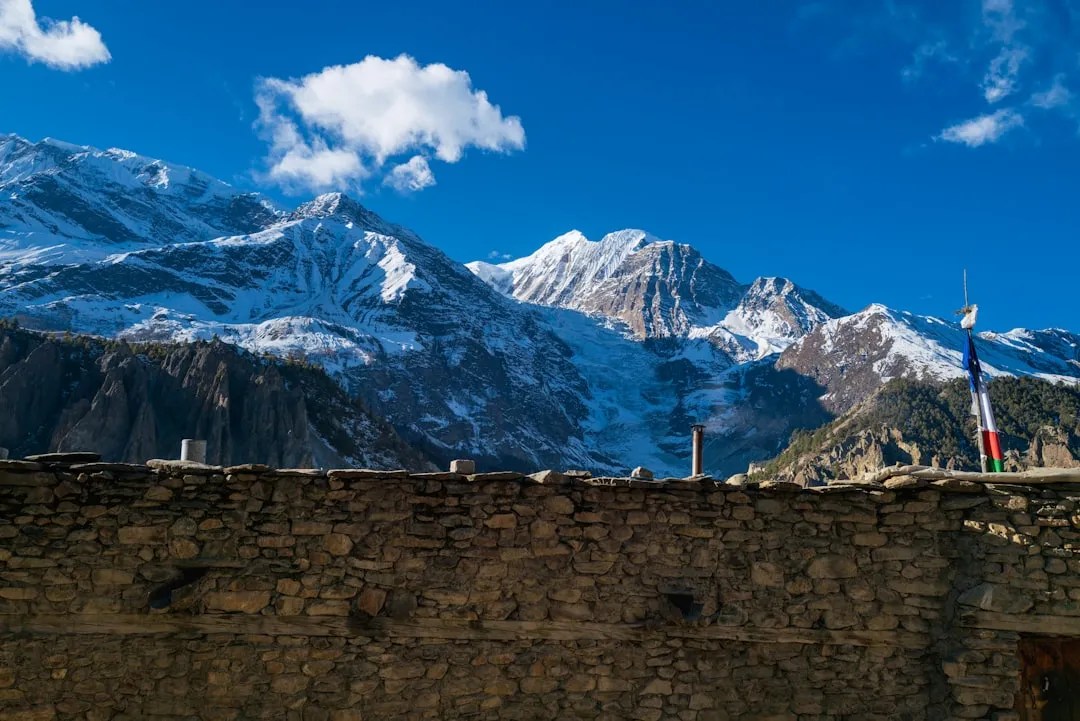
Dolpo Circuit Trek - The Hidden Valleys of the Himalayas
The Dolpo Circuit Trek is an epic journey through one of Nepal's most remote and culturally preserved regions, Upper Dolpo. This challenging trek traverses high mountain passes, ancient Bonpo monasteries, and traditional Tibetan-style villages, offering a profound glimpse into a way of life that has remained largely unchanged for centuries. Far from the bustling trekking routes of the Annapurna and Everest regions, Dolpo is a land of stark beauty, spiritual depth, and unparalleled solitude. The trek is a true adventure, demanding resilience, self-sufficiency, and a deep respect for the unique culture and environment of this high-altitude desert landscape.
- Distance: Approximately 200 km
- Duration: 18–25 days
- Season: Late April to early June and late September to early November
- Highest point: Kang La (5,200 m)
- Difficulty: Challenging
- Permits: Special permits required for Upper Dolpo region
- Access: Fly to Kathmandu (KTM), then Nepalgunj, then Juphal. Limited road access beyond Juphal.
Overview
The Dolpo Circuit Trek is an expedition into the heart of the Trans-Himalayan region, a vast, arid plateau that lies in the rain shadow of the mighty Himalayas. This trek is not for the faint-hearted; it is a demanding expedition that requires excellent physical fitness, mental fortitude, and a spirit of adventure. The landscape is breathtakingly stark, characterised by vast, windswept valleys, towering snow-capped peaks, and turquoise alpine lakes. The air is thin, the sun is intense, and the nights are cold, but the rewards are immense.
What sets Dolpo apart is its profound cultural heritage. This region is one of the last bastions of Tibetan Buddhism and the ancient Bon religion, a pre-Buddhist shamanistic tradition that still thrives here. You will encounter ancient monasteries (gompas), prayer flags fluttering in the wind, and yak caravans traversing high mountain passes. The people of Dolpo are warm and welcoming, their lives deeply intertwined with the rhythms of nature and their spiritual beliefs. The trek offers a rare opportunity to witness a way of life that has remained remarkably preserved, offering a stark contrast to the modern world.
The route typically begins with a flight to Juphal, a small airstrip nestled in a valley. From there, the trek gradually ascends through diverse landscapes, from subtropical forests to high alpine meadows and eventually to the barren, windswept terrain of Upper Dolpo. Key highlights include the stunning Phoksundo Lake, the ancient villages of Ringmo and Dunai, and the challenging high passes such as Kang La and Jeng La, which offer panoramic views of the surrounding Himalayan giants. This is a journey that will test your limits, expand your horizons, and leave you with memories that will last a lifetime.
History and Cultural Context
The Dolpo region has a long and fascinating history, deeply intertwined with Tibetan culture and the ancient Bon religion. For centuries, Dolpo served as a vital trading route between Tibet and the lower valleys of Nepal. Its remote location and challenging terrain helped preserve its unique cultural identity, shielding it from the rapid changes that have affected other parts of the Himalayas.
The Bon religion, which predates Buddhism in Tibet, has a particularly strong presence in Dolpo. Followers of Bon believe in a single creator god and a pantheon of deities, and their practices often involve elaborate rituals, chanting, and the use of sacred symbols. Ancient Bon monasteries, such as Shey Gompa and Tengboche Monastery, are still active centres of religious life, housing ancient scriptures, thangkas (scroll paintings), and sacred artefacts. These monasteries are not just places of worship but also repositories of centuries of cultural and spiritual knowledge.
In the 1950s, following the Chinese annexation of Tibet, Dolpo became a refuge for many Tibetans fleeing persecution. This influx further strengthened the region's Tibetan cultural character. For a long time, Dolpo was closed to foreigners, preserving its pristine environment and unique way of life. It was only in the 1980s that the Nepalese government began to allow limited trekking into the region, making it one of the last frontiers for intrepid explorers. The opening of Dolpo has allowed for a greater understanding and appreciation of its rich cultural heritage, while also presenting the challenge of balancing tourism with the preservation of its delicate ecosystem and traditions.
Seasonal Highlights and Weather Reality
The Dolpo Circuit Trek is best undertaken during two distinct windows: late April to early June and late September to early November. These periods offer the most favourable weather conditions for high-altitude trekking.
Spring (Late April to Early June): This season marks the end of the harsh winter. The snow begins to melt, revealing the landscape and making the high passes more accessible. Wildflowers start to bloom in the lower valleys, adding splashes of colour to the arid terrain. The days are generally sunny and pleasant, though evenings and nights can still be cold. This is an excellent time to trek, with clear skies offering spectacular mountain views. However, there's a chance of late snowfalls on the higher passes, and the monsoon season typically begins in June.
Autumn (Late September to Early November): Following the monsoon, the skies clear, and the air becomes crisp and dry. This is arguably the most popular time to trek in Dolpo. The visibility is excellent, providing unparalleled views of the Himalayan giants. The temperatures are cool, making for comfortable trekking during the day, though it gets significantly colder at night. The autumn colours, though subtle in this arid region, can be beautiful. This season offers stable weather, making it ideal for navigating the high passes.
Winter (December to March): Dolpo experiences extremely harsh winters with heavy snowfall and freezing temperatures. Most passes are impassable, and villages are often cut off. Trekking during this period is not recommended and requires advanced mountaineering skills and extensive preparation. Many locals migrate to lower altitudes during these months.
Monsoon (July to August): While the lower parts of Nepal experience heavy rainfall during the monsoon, Dolpo, being in the rain shadow, receives significantly less precipitation. However, the trails can still be muddy and slippery, and landslides can occur, especially on the approach routes. Visibility may be reduced, and the overall trekking experience can be less enjoyable due to the damp conditions.
Recommended Itinerary
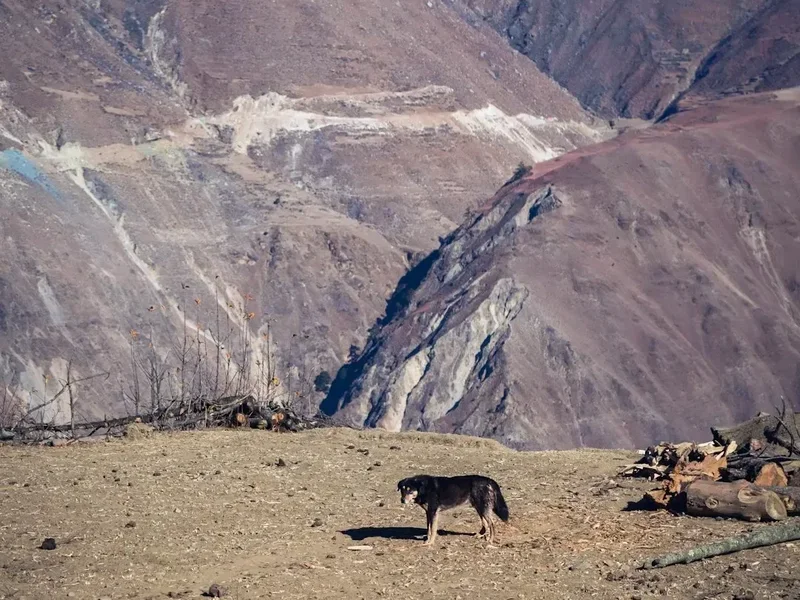
Dolpo Circuit Trek - Sample Itinerary (18 Days)
Day 1: Arrival in Kathmandu (1,400 m)
- Arrive at Tribhuvan International Airport (KTM)
- Transfer to hotel, rest and prepare for the trek
- Briefing with trekking agency
Day 2: Fly to Nepalgunj (150 m)
- Morning flight from Kathmandu to Nepalgunj
- Check into hotel, acclimatise to the lower altitude and warmer climate
- Final gear check and preparation for the next day's flight
Day 3: Fly to Juphal (2,475 m)
- Early morning flight from Nepalgunj to Juphal
- This is a scenic flight over the western Himalayas
- Begin trek from Juphal towards Dunai
- Distance: Approx. 8 km
- Time: 3–4 hours
- Terrain: Downhill and flat
Day 4: Trek to Dunai (2,140 m)
- Continue trekking along the Bheri River
- Pass through small villages and terraced fields
- Distance: Approx. 12 km
- Time: 5–6 hours
- Elevation gain: Minimal
- Key Waypoints: Suspension bridges, local settlements
Day 5: Trek to Tarakot (2,550 m)
- Trek through forests and along the river
- Visit the ancient Tarakot village and its monastery
- Distance: Approx. 15 km
- Time: 6–7 hours
- Elevation gain: Gradual ascent
- Key Waypoints: Tarakot village, Sandhini Gompa
Day 6: Trek to Khola Camp (3,100 m)
- Ascend gradually towards higher altitudes
- The landscape begins to change, becoming more arid
- Distance: Approx. 10 km
- Time: 5–6 hours
- Elevation gain: Significant ascent
- Key Waypoints: River crossings, changing vegetation
Day 7: Trek to Phoksundo Lake (3,660 m)
- A challenging day with a steep climb to the stunning Phoksundo Lake
- The lake is a vibrant turquoise colour and considered sacred
- Distance: Approx. 12 km
- Time: 6–7 hours
- Elevation gain: Steep ascent
- Key Waypoints: Ringmo village, Phoksundo Lake
Day 8: Acclimatisation Day at Phoksundo Lake
- Rest and acclimatise to the altitude
- Explore the village of Ringmo and its monastery
- Enjoy the breathtaking views of the lake and surrounding mountains
- Optional short hikes around the lake
Day 9: Trek to Sallaghari (3,630 m)
- Trek through pine forests and along the lake's outlet
- The trail becomes more remote as you head towards Upper Dolpo
- Distance: Approx. 10 km
- Time: 5–6 hours
- Elevation gain: Gentle ascent
- Key Waypoints: Pine forests, river streams
Day 10: Trek to Nangong (4,200 m)
- Ascend into the high alpine zone
- The landscape becomes increasingly barren and windswept
- Distance: Approx. 14 km
- Time: 7–8 hours
- Elevation gain: Significant ascent
- Key Waypoints: High altitude meadows, yak pastures
Day 11: Trek to Shey Gompa (4,300 m)
- Cross the Kang La pass (5,200 m) - the highest point of the trek
- Descend to the sacred Shey Gompa, nestled in a valley
- Distance: Approx. 16 km
- Time: 8–9 hours
- Elevation gain: Steep ascent to pass, then descent
- Key Waypoints: Kang La pass, Crystal Mountain, Shey Gompa
Day 12: Explore Shey Gompa and Crystal Mountain
- Rest day for acclimatisation and exploration
- Visit the ancient Shey Gompa, a significant Bonpo and Buddhist site
- Hike to the base of Crystal Mountain for panoramic views
Day 13: Trek to Namgung (4,390 m)
- Trek over the Saldang La pass (4,900 m)
- Descend into the Namgung valley
- Distance: Approx. 15 km
- Time: 7–8 hours
- Elevation gain: Ascent to pass, then descent
- Key Waypoints: Saldang La pass, Namgung village
Day 14: Trek to Saldang (3,970 m)
- Descend to the large village of Saldang, a major trading hub
- Experience the unique architecture and lifestyle of Upper Dolpo
- Distance: Approx. 10 km
- Time: 5–6 hours
- Elevation gain: Descent
- Key Waypoints: Saldang village, ancient chortens
Day 15: Trek to Yangjer Gompa (4,600 m)
- Ascend towards the remote Yangjer Gompa
- This is a challenging day with significant altitude gain
- Distance: Approx. 12 km
- Time: 6–7 hours
- Elevation gain: Steep ascent
- Key Waypoints: Remote valleys, prayer flags
Day 16: Trek to Panzang (4,200 m)
- Trek over the Jeng La pass (4,900 m)
- Descend into the Panzang valley
- Distance: Approx. 15 km
- Time: 7–8 hours
- Elevation gain: Ascent to pass, then descent
- Key Waypoints: Jeng La pass, traditional villages
Day 17: Trek to Dunai (2,140 m)
- A long descent back towards Dunai
- The landscape gradually becomes greener
- Distance: Approx. 20 km
- Time: 8–9 hours
- Elevation gain: Significant descent
- Key Waypoints: River valleys, agricultural land
Day 18: Trek to Juphal (2,475 m)
- Final day of trekking back to Juphal
- Celebrate the completion of the trek
- Distance: Approx. 8 km
- Time: 3–4 hours
- Elevation gain: Gradual ascent
Day 19: Fly to Nepalgunj, then Kathmandu
- Morning flight from Juphal to Nepalgunj
- Connect to a flight from Nepalgunj to Kathmandu
- Transfer to hotel in Kathmandu
Day 20: Departure from Kathmandu
- Free time for last-minute souvenir shopping or sightseeing
- Transfer to airport for departure
Note: This is a sample itinerary and can be adjusted based on trekking pace, acclimatisation, and specific interests. Longer durations (up to 25 days) allow for more in-depth exploration of villages and monasteries.
Planning and Bookings
Book Your Trip
Everything you need to plan your journey
Accommodation
Find places to stay near Kathmandu
Flights
Search flights to Kathmandu
Essential Preparation
The Dolpo Circuit Trek is a remote and challenging expedition that requires meticulous planning. Due to its restricted access and the need for special permits, it is mandatory to organise this trek through a registered trekking agency in Nepal. These agencies will handle all necessary permits, arrange flights, guides, porters, and accommodation. It is crucial to choose a reputable agency with experience in trekking in Dolpo.
Fitness: This trek involves long days of walking at high altitudes, often over challenging terrain and high mountain passes. A high level of physical fitness is essential. Begin a rigorous training program at least 2–3 months before your trek, focusing on cardiovascular endurance (running, cycling, swimming) and strength training, particularly for your legs and core. Practice hiking with a weighted backpack on varied terrain.
Logistics: The journey to Dolpo is complex. It typically involves multiple flights: Kathmandu to Nepalgunj, and then Nepalgunj to Juphal. These flights are weather-dependent and can be subject to delays or cancellations. It is advisable to build in buffer days at the beginning and end of your trek to account for potential travel disruptions. Accommodation in Kathmandu is readily available, ranging from budget guesthouses to luxury hotels. Nepalgunj has simpler accommodation options.
Base Town/City: Kathmandu is the primary gateway for international travellers. It is where you will arrange your trek, obtain permits, and prepare for your journey. Juphal is the starting point of the trek, but it is a very basic settlement with limited facilities. Dunai is the largest settlement on the trek and serves as a logistical hub for the initial days.
Trail Accommodation
Accommodation on the Dolpo Circuit Trek is primarily in basic teahouses or lodges along the route. In more remote areas, camping may be required, especially if organised by the trekking agency. The facilities are generally simple and reflect the remote nature of the region.
Teahouses/Lodges:
- Facilities Provided: Basic rooms with twin beds and mattresses, a communal dining area (often heated by a stove), and shared toilet facilities. Some lodges may offer simple hot showers (often solar-heated and an extra charge).
- What's NOT Provided: Sleeping bags, pillows, towels, toiletries, and personal items. Food and drinks are available for purchase at the lodges.
- Seasonal Availability: Teahouses are generally open during the trekking seasons (spring and autumn). During winter, many may close due to heavy snowfall and lack of trekkers.
- Costs: Room costs are usually very low (around $5-10 USD per night), but the primary expense is food and drinks, which are significantly more expensive at higher altitudes.
Camping:
- Facilities Provided: Tents for sleeping, a mess tent for dining, and cooking equipment provided by the trekking agency.
- What's NOT Provided: Personal camping gear (sleeping bag, mat), toiletries.
- Seasonal Availability: Camping is possible throughout the trekking season, especially in areas where teahouses are not available.
- Costs: Included in the overall trekking package organised by the agency.
Booking Requirements: For teahouse accommodation, bookings are usually made by your trekking agency as part of the itinerary. In peak season, it's advisable for the agency to confirm bookings in advance, especially in popular villages. For camping, the agency handles all arrangements.
Required Gear
- Sturdy Trekking Boots: Waterproof, well-broken-in hiking boots with good ankle support are essential.
- Waterproof Jacket and Trousers: Gore-Tex or similar breathable, waterproof material is crucial for protection against rain and wind.
- Warm Layers: Multiple layers of thermal clothing (merino wool or synthetic) for insulation. This includes base layers, mid-layers (fleece or down jacket), and an outer shell.
- Sleeping Bag: A warm sleeping bag rated to at least -10°C to -15°C is highly recommended, as teahouse rooms can be cold.
- Trekking Pack: A comfortable backpack of 40-60 litres capacity with a rain cover. Porters will carry your main duffel bag, but you'll need a daypack for essentials.
- Headlamp/Torch: With spare batteries, for use in teahouses and during early morning starts.
- Sun Protection: High SPF sunscreen, lip balm with SPF, sunglasses (UV protection is vital at altitude), and a wide-brimmed hat or cap.
- First-Aid Kit: Comprehensive kit including personal medications, blister treatment, pain relievers, antiseptic wipes, bandages, and altitude sickness medication (consult your doctor).
- Navigation Tools: While your guide will navigate, a personal map and compass or GPS device can be useful for independent exploration.
- Trekking Poles: Highly recommended for reducing strain on knees, especially during descents and ascents.
What to Bring
- Food and Snacks: While teahouses provide meals, it's wise to carry high-energy snacks like nuts, dried fruits, energy bars, and chocolate for between meals and for high-altitude passes.
- Water Purification: Water bottles and a reliable water filter or purification tablets are essential. Do not drink untreated water.
- Toiletries: Biodegradable soap, toothbrush, toothpaste, hand sanitiser, wet wipes, and toilet paper (often not provided in teahouses).
- Personal Items: Camera, power bank for charging electronics (charging facilities may be limited and costly), book or journal, personal medications, and any comfort items.
- Clothing for Kathmandu: Lighter clothing for the warmer climate of Kathmandu and Nepalgunj.
- Duffel Bag: A sturdy duffel bag (approx. 80-100 litres) for your main luggage to be carried by porters.
- Small Backpack: For essentials you need during the day's trek (water, snacks, camera, rain gear, first-aid kit).
- Cash: Nepalese Rupees (NPR) for purchasing meals, drinks, snacks, and tips. ATMs are not available on the trek.
Permits
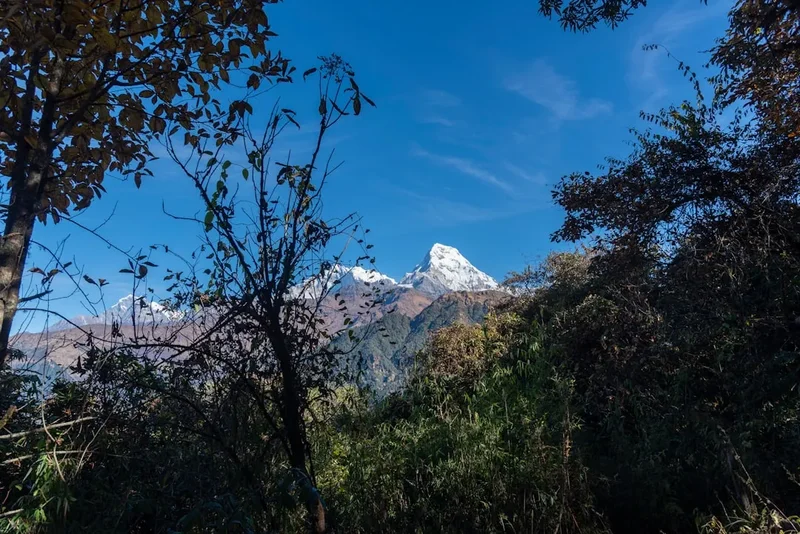
Trekking in the Upper Dolpo region requires special permits due to its restricted and sensitive nature. These permits are typically arranged by your registered trekking agency as part of your overall package.
Required Permits:
- Restricted Area Permit for Upper Dolpo: This is the most crucial permit. It allows access to the restricted areas of Upper Dolpo. The cost is typically around $500 USD per person for the first 10 days, with an additional $50 USD per day for each day beyond that.
- National Park Entry Fee: You will need to pay an entry fee for Shey Phoksundo National Park. This is usually around NPR 3,000 per person.
- TIMS Card (Trekkers' Information Management System): While sometimes waived for restricted areas where specific permits are required, it's good to confirm with your agency if a TIMS card is still necessary.
Important Considerations:
- Agency Arrangement: It is highly recommended to book your trek through a reputable agency that has experience with Dolpo. They will handle the application process for these permits, which can be complex and time-consuming.
- Permit Validity: Ensure your permits are valid for the entire duration of your planned trek.
- Carrying Permits: You must carry your permits with you at all times, as they will be checked by authorities at various checkpoints along the route.
- Documentation: You will need to provide passport details, visa information, and passport-sized photographs to your agency for permit applications.
Note: Permit fees and regulations can change. Always confirm the latest requirements with your trekking agency well in advance of your trip.
Other Activities in the Area
While the Dolpo Circuit Trek is an immersive experience in itself, the region offers opportunities for deeper cultural engagement and exploration:
- Monastery Visits: Spend extra time at ancient monasteries like Shey Gompa, Tso Gompa, and Saldang Gompa. Engage with monks (respectfully), learn about their daily lives, and witness religious ceremonies if possible.
- Village Immersion: Stay longer in traditional villages like Ringmo, Dunai, and Saldang. Observe local life, learn about their agricultural practices, and understand their unique customs and traditions.
- Bonpo Cultural Exploration: Dolpo is a stronghold of the Bon religion. Seek opportunities to learn about Bon practices, visit Bon monasteries, and understand its distinct spiritual philosophy.
- Photography: The stark landscapes, unique architecture, and vibrant culture of Dolpo offer unparalleled photographic opportunities. Dedicate time to capturing the essence of this remote region.
- Stargazing: With minimal light pollution, the night skies in Dolpo are incredibly clear and brilliant. Take time to observe the vastness of the cosmos.
- Yak Herding Observation: Witness the traditional lifestyle of yak herders in the high pastures, a fundamental aspect of Dolpo's economy and culture.
Safety and Conditions
Altitude Sickness (AMS): This is the most significant risk on the Dolpo Circuit Trek. Symptoms can include headache, nausea, dizziness, and fatigue. The best prevention is gradual ascent, adequate acclimatisation, and staying hydrated. Your trekking agency will plan an itinerary with acclimatisation days. Be aware of the symptoms and inform your guide immediately if you feel unwell. Diamox (acetazolamide) can be prescribed by your doctor for prevention and treatment.
Weather: Weather in the Himalayas can be unpredictable and change rapidly. Be prepared for a wide range of conditions, from warm sunshine to freezing temperatures, strong winds, and snow, especially at higher altitudes and on passes. Always check the forecast with your guide and be ready to adjust plans if necessary.
Trail Conditions: Trails can be rough, rocky, and steep. Some sections may be narrow and exposed. High passes can be covered in snow and ice, requiring careful footing. Your guide will assess conditions daily.
Remoteness: Dolpo is a remote region with limited access to medical facilities. The nearest advanced medical care is in Kathmandu. Ensure you have comprehensive travel insurance that covers high-altitude trekking and emergency helicopter evacuation.
Hygiene: Practice good hygiene to prevent gastrointestinal illnesses. Use hand sanitiser frequently, especially before eating. Drink only purified or boiled water.
Guides and Porters: Always trek with experienced, licensed guides and porters. They are knowledgeable about the terrain, weather, and local culture, and are trained to handle emergencies. Ensure your agency provides adequate support and fair treatment for your trekking crew.
Communication: Mobile phone reception is extremely limited and unreliable in Dolpo. Satellite phones are often carried by trekking agencies for emergencies.
Side Trips and Points of Interest
Shey Gompa and Crystal Mountain: The spiritual heart of Dolpo, Shey Gompa is an ancient monastery perched dramatically beneath the sacred Crystal Mountain. The mountain itself is revered by both Buddhists and Bonpos, and its quartz-veined rock glitters in the sun. A hike around the base of Crystal Mountain offers stunning panoramic views and a profound sense of peace.
Phoksundo Lake: This is one of the most beautiful alpine lakes in Nepal, with its striking turquoise waters. The lake is considered sacred, and the village of Ringmo, situated on its shores, is a picturesque settlement with a unique culture. The area around the lake is ideal for short hikes and photography.
Ringmo Village: A traditional Tibetan-style village on the shores of Phoksundo Lake. Explore its narrow alleys, admire the stone houses, and observe the daily lives of the villagers. The village monastery is also worth visiting.
Saldang Village: One of the largest and most important villages in Upper Dolpo, Saldang is a vibrant centre of trade and culture. Its unique architecture, with houses built into the hillside, is a sight to behold. The village offers a glimpse into the resilient lifestyle of the Dolpo people.
Ancient Bon Monasteries: Dolpo is a stronghold of the Bon religion. Seek out opportunities to visit ancient Bon monasteries, such as those near Saldang and in other remote valleys. These sites offer a unique insight into a spiritual tradition that predates Buddhism.
High Mountain Passes: The trek involves crossing several high passes, including Kang La (5,200 m) and Jeng La (4,900 m). These passes offer breathtaking panoramic views of the surrounding Himalayan ranges and are significant landmarks on the trek.
Leave No Trace
The Dolpo region is a fragile ecosystem and a culturally sensitive area. Practising Leave No Trace principles is paramount to preserving its natural beauty and cultural heritage for future generations.
Plan Ahead and Prepare: Understand the challenges of trekking in a remote region. Choose a reputable trekking agency that adheres to LNT principles. Pack appropriately to minimise waste.
Travel and Camp on Durable Surfaces: Stick to established trails and camp in designated areas or on durable surfaces. Avoid trampling vegetation, especially in sensitive alpine meadows.
Dispose of Waste Properly: Pack out everything you pack in, including all food scraps, wrappers, and toilet paper. Use designated toilets where available, or dig catholes at least 60 metres away from water sources, trails, and campsites. Never bury human waste.
Leave What You Find: Do not remove natural objects (rocks, plants) or cultural artefacts. Respect the local culture and traditions. Ask permission before taking photographs of people.
Minimise Campfire Impacts: Campfires are generally not permitted in Dolpo due to the scarcity of firewood and the risk of wildfires. Use portable stoves for cooking.
Respect Wildlife: Observe wildlife from a distance and never feed animals. Feeding them can alter their natural behaviour and diet, and can be harmful.
Be Considerate of Other Visitors: Keep noise levels down, especially in villages and campsites. Respect the peace and solitude that Dolpo offers.
By adhering to these principles, you contribute to the long-term sustainability of trekking in Dolpo, ensuring that its unique environment and culture can be enjoyed by others for years to come.
 Nepal
Nepal