
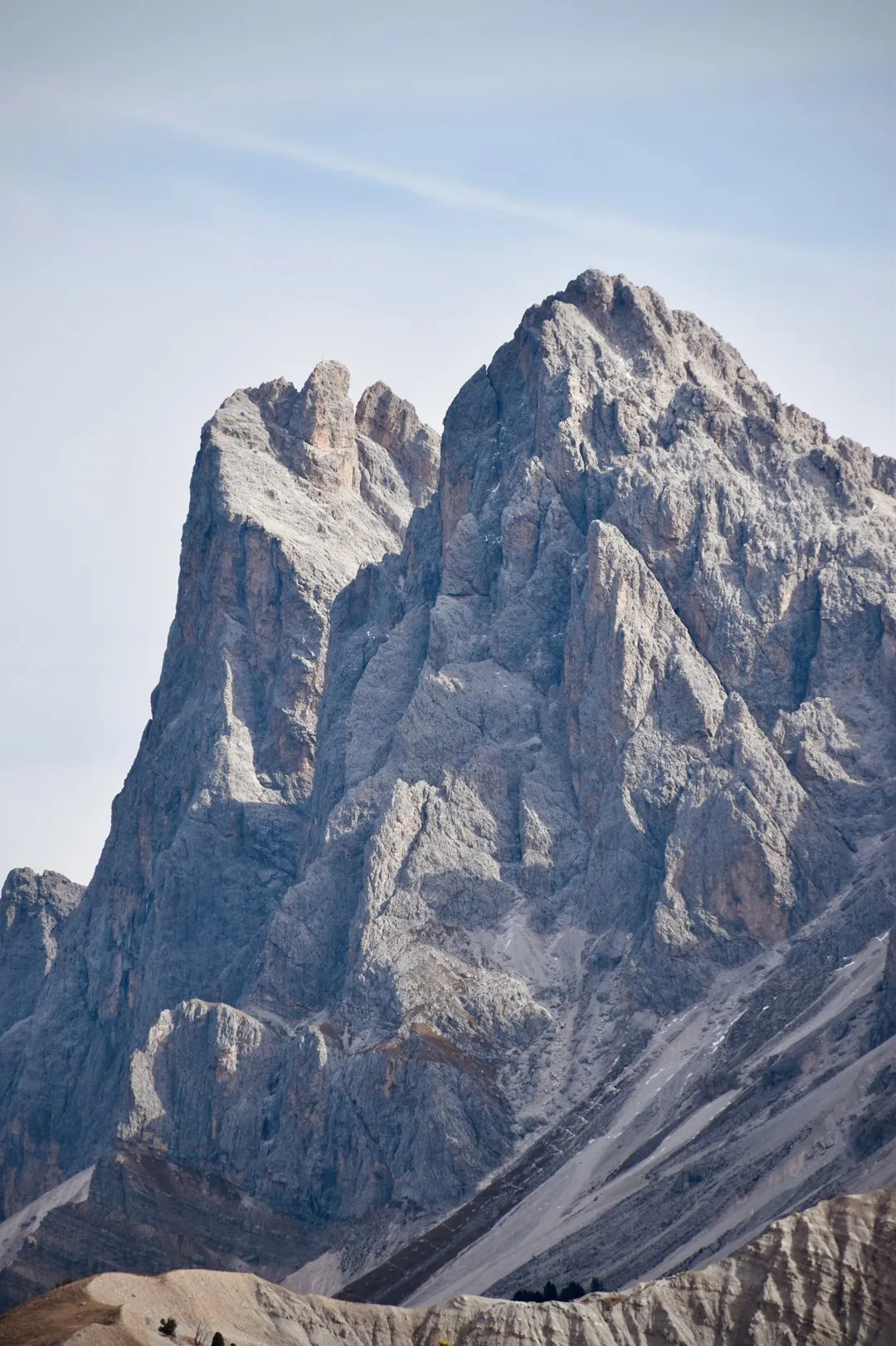
Dolomiti Bellunesi Ridge - A Traverse of Alpine Majesty
The Dolomiti Bellunesi Ridge is a spectacular, multi-day mountain traverse through the heart of the Belluno Dolomites, a UNESCO World Heritage site in Italy's Veneto region. This challenging route connects a series of remote mountain huts (rifugi) and high-altitude passes, offering an immersive experience in one of the most dramatic and geologically significant mountain landscapes in the Alps. Stretching approximately 65 kilometres with a substantial elevation gain of 4,500 metres, this track is designed for experienced hikers seeking solitude, breathtaking panoramas, and a true test of endurance. The journey winds through rugged limestone peaks, vast alpine meadows, and ancient forests, showcasing the raw beauty and untamed wilderness of the Dolomites. Access is typically via the town of Belluno, with trailheads often requiring local transport or a significant drive into the mountains. This is a walk that demands careful planning, excellent physical condition, and a deep respect for the alpine environment.
- Distance: 65.0 km one-way
- Duration: 5–7 days
- Season: July to September (summer months)
- Difficulty: Challenging
- Highest point: Varies, but passes often exceed 2,500 metres
- Accommodation: Mountain huts (rifugi) requiring booking
- Closest City: Belluno
Overview
The Dolomiti Bellunesi Ridge is not a single, formally designated trail but rather a conceptual route that links existing paths and high-level traverses within the Parco Nazionale delle Dolomiti Bellunesi. This park is renowned for its dramatic limestone formations, sheer cliffs, and diverse ecosystems, ranging from dense pine forests to high alpine pastures dotted with wildflowers. The ridge walk offers a continuous high-level perspective, often staying above the tree line for extended periods, providing unparalleled views of the surrounding peaks, valleys, and distant plains.
The terrain is varied and demanding. Expect steep ascents and descents on well-maintained but often rocky and exposed paths. Sections may involve scrambling or navigating scree slopes. The geological character of the Dolomites is a constant spectacle; the pale, porous limestone rock, sculpted by millennia of erosion, creates a landscape of stark beauty. The route typically passes through areas of significant biodiversity, with opportunities to observe alpine flora and fauna.
This trek is best suited for those who are comfortable with multi-day alpine hiking, possess strong navigation skills, and are prepared for rapidly changing mountain weather. The remoteness of many sections means self-sufficiency is key, and the reward is an intimate connection with a truly wild and awe-inspiring mountain environment, far from the more crowded tourist trails.
History and Cultural Context
The Dolomiti Bellunesi region has a rich history intertwined with human settlement, resource exploitation, and military presence. For centuries, these mountains were primarily the domain of shepherds, hunters, and woodcutters. The rugged terrain made large-scale agriculture impossible, but the abundant forests provided timber, and the high pastures supported livestock during the summer months. The construction of mountain huts (rifugi) began in the late 19th and early 20th centuries, driven by the burgeoning Alpine tourism movement and the need for safe havens for climbers and hikers. Many of these rifugi were initially built by local Alpine clubs, such as the Club Alpino Italiano (CAI), to facilitate access to the peaks and promote mountaineering.
During World War I, the Dolomites became a significant front line between the Italian and Austro-Hungarian armies. The rugged terrain was exploited for defensive positions, and remnants of trenches, fortifications, and military paths can still be found in some areas, serving as poignant reminders of this turbulent period. The establishment of the Parco Nazionale delle Dolomiti Bellunesi in 1990 was a crucial step in preserving the unique natural and cultural heritage of the region. The park's designation as part of the UNESCO World Heritage site in 2009 further underscored its global significance, recognising the exceptional universal value of its geological formations and natural beauty.
The cultural landscape of the Belluno Dolomites is also shaped by its proximity to the plains and its historical connections to trade routes. The town of Belluno itself, nestled at the confluence of the Piave and Ardo rivers, has been an important administrative and commercial centre for centuries. The traditions of the mountain communities, including their dialect, cuisine, and festivals, reflect a deep connection to the land and a resilience forged by living in a challenging environment.
Seasonal Highlights and Weather Reality
The optimal season for traversing the Dolomiti Bellunesi Ridge is during the summer months, from July to September. During this period, snow typically recedes from the higher passes, and the mountain huts are generally open and staffed. The weather is usually more stable, with longer daylight hours, allowing for more flexibility in daily itineraries.
July: The alpine meadows are often at their most vibrant, carpeted with a profusion of wildflowers. Days are long, and the temperatures are generally pleasant, though afternoon thunderstorms are common. Snow may still linger on shaded north-facing slopes or at the highest elevations early in the month.
August: This is peak summer, with the warmest temperatures and longest daylight hours. However, it is also the busiest month, and popular rifugi can be crowded. Thunderstorms remain a significant risk, often developing rapidly in the afternoon. The landscape is lush and green, and wildlife sightings are possible.
September: The autumn colours begin to appear in the lower forests, offering a different kind of beauty. The air is often crisp and clear, providing excellent visibility. While generally stable, early snowfalls are possible, especially later in the month at higher altitudes. The crowds thin out considerably, offering a more tranquil experience. Some rifugi may begin to close towards the end of the month.
Weather Reality: Mountain weather is notoriously unpredictable. Even in summer, conditions can change drastically within hours. Expect significant temperature fluctuations, with nights potentially dropping below freezing at higher altitudes. Strong winds, heavy rain, hail, and even snow can occur at any time. Fog can reduce visibility to mere metres, making navigation challenging. It is crucial to be prepared for all eventualities, regardless of the forecast.
Recommended Itinerary
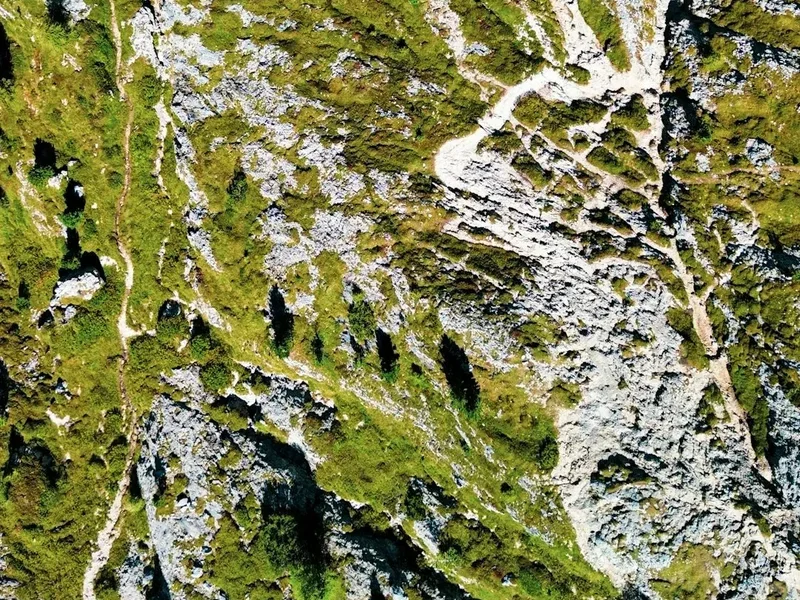
5-Day Dolomiti Bellunesi Ridge Itinerary (Example)
Day 1: La Pissa to Rifugio Giovanni Barbara (Col dei Bos)
- Distance: 12 km
- Elevation gain: 1,200 m
- Time: 6–7 hours
- Start from La Pissa, a small hamlet accessible by local bus from Belluno
- Initial ascent through mixed forest, gradually opening to alpine meadows
- Pass through scenic valleys and cross small streams
- Arrive at Rifugio Giovanni Barbara, offering panoramic views
- This day focuses on gaining significant altitude and acclimatising to the mountain environment
Day 2: Rifugio Giovanni Barbara to Rifugio Città di Vittorio Veneto
- Distance: 15 km
- Elevation gain: 1,000 m, Elevation loss: 800 m
- Time: 7–8 hours
- Traverse high alpine terrain, potentially crossing passes like Forcella di Mont
- Spectacular views of the surrounding Dolomite peaks
- Sections may involve rocky paths and scree slopes
- Arrive at Rifugio Città di Vittorio Veneto, a well-equipped refuge
- A challenging day with significant ascents and descents, testing endurance
Day 3: Rifugio Città di Vittorio Veneto to Rifugio Dolomieu (Val di Zoldo)
- Distance: 13 km
- Elevation gain: 900 m, Elevation loss: 1,100 m
- Time: 6–7 hours
- Descend into a valley before ascending towards the Val di Zoldo
- Pass through varied landscapes, from rocky outcrops to alpine pastures
- Potential for encountering wildlife
- Arrive at Rifugio Dolomieu, offering a different perspective of the Dolomites
- This day involves a significant descent followed by a substantial climb, requiring careful pacing
Day 4: Rifugio Dolomieu to Rifugio Pramperet
- Distance: 14 km
- Elevation gain: 1,100 m
- Time: 7–8 hours
- Ascend towards higher, more rugged terrain
- Traverse exposed ridges and potentially cross high passes
- The landscape becomes increasingly dramatic and remote
- Arrive at Rifugio Pramperet, often situated in a wild and secluded location
- A demanding day with sustained climbing, pushing towards the highest points of the traverse
Day 5: Rifugio Pramperet to Forcella Staulanza / Passo Cibiana
- Distance: 11 km
- Elevation gain: 300 m, Elevation loss: 700 m
- Time: 4–5 hours
- Final day of the traverse, generally a more relaxed descent
- Enjoy final panoramic views of the Belluno Dolomites
- Reach a road access point at Forcella Staulanza or Passo Cibiana, where onward transport can be arranged
- This day allows for a more leisurely conclusion, reflecting on the journey
Important Notes:
- This is a sample itinerary; actual routes and timings may vary based on specific path choices, weather, and individual fitness.
- All rifugi must be booked in advance, especially during peak season.
- Carry sufficient water or a reliable water filter, as water sources can be scarce between rifugi.
- Be prepared for rapid weather changes and carry appropriate gear for all conditions.
- Navigation skills are essential; rely on maps, compass, and GPS devices.
Planning and Bookings
Book Your Trip
Everything you need to plan your journey
Accommodation
Find places to stay near Belluno
Flights
Search flights to Belluno
Essential Preparation
The Dolomiti Bellunesi Ridge requires meticulous planning due to its remote nature and challenging terrain. Begin by thoroughly researching the specific route you intend to follow, as there isn't one single defined "ridge" but rather a network of interconnected trails. Obtain detailed topographic maps (e.g., Tabacco maps scale 1:25,000) and consider using a GPS device or smartphone app with offline maps. Familiarise yourself with the general area and potential access points. Belluno is the primary gateway city, offering comprehensive services including transport links, accommodation, and outdoor gear shops. From Belluno, local buses or taxis are necessary to reach most trailheads. It is advisable to book accommodation in Belluno for the night before and after your trek. Fitness is paramount; this is a strenuous trek with significant elevation changes, so a high level of cardiovascular fitness and leg strength is essential. Practice hiking with a loaded backpack on similar terrain.
Trail Accommodation
Accommodation along the Dolomiti Bellunesi Ridge is provided by mountain huts, known as "rifugi" in Italian. These offer basic but comfortable lodging, typically in dormitory-style rooms with bunk beds. Some rifugi may offer private rooms, but these are less common and should be booked well in advance.
Rifugio Facilities:
- Bunk beds with mattresses and pillows (sleeping bags or liners are mandatory).
- Common dining areas where meals are served.
- Often have shared bathroom facilities with cold water; hot showers may be available at some rifugi for an extra fee.
- Some rifugi have Wi-Fi, but connectivity can be unreliable.
- Most rifugi offer breakfast, packed lunches, and dinner.
- Water is usually available from taps or nearby springs; treatment is recommended.
What's NOT Provided:
- Bed linen (sheets, duvets) – a sleeping bag or liner is essential.
- Towels.
- Personal toiletries beyond basic necessities.
- Cooking equipment or food supplies (unless you plan to self-cater, which is generally not feasible or permitted in rifugi).
Booking Requirements:
- Advance booking is absolutely essential, especially during the summer season (July-September). Popular rifugi can book up months in advance.
- Contact each rifugio directly via phone or email to make reservations. Many have websites with contact details.
- Be prepared to provide your name, dates of stay, and number of people.
- Some rifugi may require a deposit or full payment in advance.
- Check the opening and closing dates for each rifugio, as they can vary.
Seasonal Availability: Rifugi are typically open from mid-June to mid-September, but this can vary depending on snow conditions and management. Always confirm operating dates directly with the rifugio.
Costs: Prices vary per rifugio, but expect to pay approximately €40-€70 per person per night for half-board (dinner, bed, breakfast). Private rooms, if available, will be more expensive.
Required Gear
- Sturdy hiking boots: Waterproof, broken-in, with good ankle support.
- Backpack: 45-65 litre capacity, with a comfortable hip belt and rain cover.
- Waterproof and windproof jacket: Gore-Tex or similar, with taped seams.
- Waterproof overtrousers: Essential for protection against rain and wind.
- Warm layers: Fleece jacket, down or synthetic insulated jacket, thermal base layers (merino wool or synthetic).
- Hiking trousers: Quick-drying and comfortable.
- Headlamp or torch: With spare batteries, for use in rifugi and early morning starts.
- First-aid kit: Including blister treatment, pain relievers, antiseptic wipes, bandages, and any personal medications.
- Navigation tools: Topographic maps (1:25,000 scale), compass, and a GPS device or smartphone with offline maps.
- Sun protection: High SPF sunscreen, sunglasses, wide-brimmed hat or cap.
- Insect repellent: Especially for lower altitudes and forested areas.
- Trekking poles: Highly recommended for steep ascents and descents, and for stability on uneven terrain.
What to Bring
- Sleeping bag or sleeping bag liner: Mandatory for hygiene in rifugi.
- Water bottles or hydration reservoir: Capacity of at least 2-3 litres per person.
- Water purification method: Filter, purification tablets, or UV steriliser.
- Personal toiletries: Toothbrush, toothpaste, biodegradable soap, small towel.
- Snacks: High-energy food such as nuts, dried fruit, energy bars for lunches and between meals.
- Camera and spare batteries/power bank.
- Cash: For purchases in rifugi, as card payment facilities may be limited or unavailable.
- Identification and travel documents.
- Small backpack or daypack for shorter excursions from rifugi.
- Duct tape and cordage: For emergency repairs.
- Book or journal: For downtime in the evenings.
Permits
For the Dolomiti Bellunesi Ridge traverse, specific permits are generally not required for hiking on the established trails within the Parco Nazionale delle Dolomiti Bellunesi. The park is open to public access, and the network of trails is maintained for recreational use. However, it is crucial to note that this applies to hiking and not to activities such as camping outside designated areas or commercial activities.
Accommodation Bookings: The primary requirement for this trek is booking accommodation in the mountain huts (rifugi). These bookings are essential and should be made well in advance, especially during the peak summer season (July to September). Each rifugio operates independently, and you will need to contact them directly to secure your place. Failure to book can result in being turned away, as huts often operate at or near capacity.
Park Regulations: While no specific hiking permit is needed, it is important to adhere to the regulations of the Parco Nazionale delle Dolomiti Bellunesi. These typically include:
- Staying on marked trails to protect fragile alpine vegetation and prevent erosion.
- Not disturbing wildlife or removing plants.
- Proper disposal of waste – pack out everything you pack in.
- Not making open fires outside designated areas (which are rare in high alpine zones).
- Respecting the quiet and natural environment of the park.
Access and Transport: Access to trailheads often requires using local transport services or driving to specific points. Information on bus routes and schedules to areas like La Pissa or other starting points can be obtained from the Belluno tourist information office or online. Parking availability at trailheads can be limited, so planning your transport in advance is advisable.
Seasonal Considerations: Outside the main summer season (July-September), access to some rifugi may be limited, and trails can be covered in snow, requiring specialised equipment and experience. Always check current conditions and the operational status of rifugi before planning a trek during the shoulder seasons (June, October).
Other Activities in the Area
Beyond the ridge traverse itself, the Belluno Dolomites offer a wealth of activities for outdoor enthusiasts:
- Via Ferrata: The Dolomites are famous for their "iron paths" – protected climbing routes equipped with steel cables, rungs, and ladders. Many challenging and scenic via ferratas are accessible from the Belluno region, offering a different perspective on the mountains.
- Rock Climbing: Numerous climbing areas cater to all skill levels, from beginner crags to challenging multi-pitch routes on iconic peaks.
- Mountain Biking: Dedicated trails and forest roads provide excellent opportunities for mountain biking, with routes ranging from gentle forest paths to technical downhill tracks.
- Day Hiking: Numerous shorter trails branch off from the main ridge route or are accessible from nearby villages, allowing for exploration of specific valleys, lakes, or peaks.
- Cultural Tourism in Belluno: Explore the historic town of Belluno, with its charming piazzas, Renaissance architecture, and local museums.
- Local Cuisine: Sample the regional specialities of the Veneto, including hearty mountain dishes, local cheeses, and wines.
- Photography: The dramatic landscapes, unique rock formations, and vibrant alpine flora provide endless opportunities for landscape and wildlife photography.
Safety and Conditions
Pre-Trip Planning:
- Weather Forecast: Always check the most up-to-date mountain weather forecast for the Dolomites before and during your trek. Websites like Meteo Trentino-Alto Adige or Meteo Dolomiti provide detailed regional forecasts. Be aware that mountain weather can change rapidly and forecasts can be inaccurate.
- Trail Conditions: Obtain information on current trail conditions from local tourist offices, CAI sections, or directly from the rifugi you plan to visit. Snow, landslides, or trail damage can affect accessibility.
- Emergency Contacts: Save the emergency number for Italy (112) on your mobile phone. Know the location of the nearest rifugi and potential exit points.
On the Trail:
- Navigation: Carry and know how to use topographic maps, a compass, and a GPS device. Trails can be steep, rocky, and sometimes poorly marked, especially in higher alpine areas.
- Altitude: Be aware of the effects of altitude. Ascend gradually, stay hydrated, and be vigilant for symptoms of altitude sickness (headache, nausea, dizziness).
- Weather Changes: Be prepared for sudden weather shifts. Carry waterproofs, warm layers, and a hat and gloves, even on sunny days. Seek shelter immediately if a thunderstorm approaches; avoid exposed ridges and summits.
- Terrain: Much of the terrain is rugged, with steep ascents, descents, scree slopes, and potentially exposed sections. Wear appropriate footwear and use trekking poles for stability.
- Water: Carry sufficient water and a reliable purification method. Water sources can be scarce between rifugi, and stream water should always be treated.
- Wildlife: While generally not dangerous, be aware of local wildlife. Maintain a safe distance and never feed animals.
- Communication: Mobile phone reception can be intermittent or non-existent in many areas. Consider carrying a personal locator beacon (PLB) or satellite messenger for emergencies.
- Rifugio Etiquette: Follow the rules and guidelines of the rifugi, including quiet hours and waste disposal procedures.
Insurance: Ensure you have adequate travel insurance that covers mountain activities, including potential helicopter evacuation.
Side Trips and Points of Interest
Punta Anna and the Via delle Trincee: For experienced climbers and hikers, a detour to explore the remnants of WWI fortifications along the Via delle Trincee (Trench Route) offers a unique historical and scenic experience. This route often involves exposed sections and requires good navigation skills.
Lago di Braies (Pragser Wildsee): While not directly on the ridge, this iconic emerald lake is a popular destination in the Dolomites and can be a worthwhile detour if your route allows for it or as an extension to your trip. Its stunning beauty and surrounding peaks make it a photographer's dream.
Tre Cime di Lavaredo (Drei Zinnen): Another world-famous landmark, the three iconic peaks are a must-see for many visitors to the Dolomites. While a significant detour from a typical ridge traverse, they are accessible via day trips from certain areas or as part of a longer itinerary.
Local Rifugi Cuisine: Each rifugio often has its own specialities. Trying local dishes like canederli (dumplings), polenta, speck, and regional cheeses is a significant part of the experience. Some rifugi are renowned for their culinary offerings.
Panoramic Viewpoints: Throughout the traverse, numerous natural viewpoints offer breathtaking vistas of the surrounding mountain ranges, including the Marmolada (the highest peak in the Dolomites), the Sella Group, and the Pale di San Martino. Keep an eye out for named peaks and passes on your maps.
Leave No Trace
The Dolomiti Bellunesi Ridge traverses a fragile alpine environment that is part of a UNESCO World Heritage site. Adhering to Leave No Trace principles is paramount to preserving its natural beauty and ecological integrity for future generations.
Plan Ahead and Prepare: Research your route thoroughly, understand the terrain, weather, and regulations. Pack appropriate gear to prevent the need for improvisation or leaving items behind. Book accommodation in advance to avoid overcrowding.
Travel and Camp on Durable Surfaces: Stick to marked trails and established paths. Avoid cutting switchbacks, as this causes erosion. If camping is permitted in specific areas (generally not on this route), use existing campsites or durable surfaces like rock or gravel.
Dispose of Waste Properly: Pack out everything you pack in, including all food scraps, wrappers, and toilet paper. Use designated toilet facilities in rifugi. If no facilities are available, dig a cathole at least 60 metres from water sources, trails, and campsites, and bury human waste.
Leave What You Find: Resist the temptation to take souvenirs such as rocks, plants, or historical artefacts. Leave the natural and cultural heritage of the Dolomites as you found it.
Minimise Campfire Impacts: Campfires are generally prohibited in high alpine areas and national parks. If permitted in specific zones, use existing fire rings and keep fires small. Ensure fires are completely extinguished before leaving.
Respect Wildlife: Observe wildlife from a distance. Never feed animals, as this can disrupt their natural behaviours and diets, and can be harmful to their health. Store food securely to prevent attracting animals.
Be Considerate of Other Visitors: Keep noise levels down, especially in rifugi and natural areas. Yield to others on the trail. Respect the solitude and natural quiet of the mountains.
 Italy
Italy