
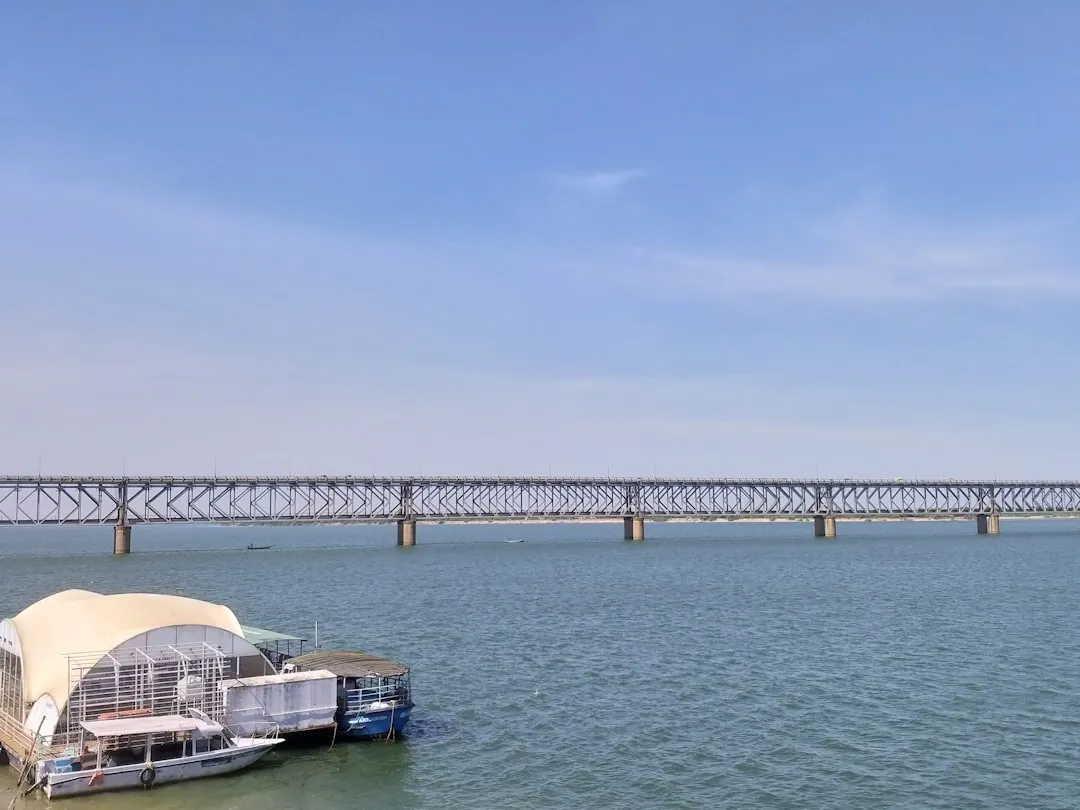
Diamond Lake & Rocky Mountain Track
The Diamond Lake and Rocky Mountain Track is a popular day walk located near Wanaka, New Zealand, offering stunning panoramic views of the surrounding Southern Alps, Lake Wanaka, and the Matukituki Valley. This moderate-difficulty loop combines a scenic lake walk with a more challenging ascent to Rocky Mountain's summit, providing a rewarding experience for hikers of varying fitness levels. The trail is well-maintained and accessible, making it a fantastic option for a half-day adventure from Wanaka.
- Distance: 7.1 km loop
- Duration: 3–4 hours
- Elevation Gain: 450 m
- Difficulty: Moderate
- Best Time: Year-round, but best in late spring to early autumn (October – April) for milder weather.
- Closest City: Wanaka
- Trailhead Access: Nearest airport: Queenstown (ZQN). Drive from Queenstown (1hr) or Wanaka (10 min). Follow Wanaka-Mount Aspiring Rd, turn onto Diamond Lake Rd. Parking available at trailhead. No permits required.
- Coordinates: -45.0167, 168.6667
Overview
The Diamond Lake and Rocky Mountain Track is a classic day walk that showcases the dramatic beauty of the Mount Aspiring National Park region. The loop is typically walked in a clockwise direction, starting with a gentle amble around the picturesque Diamond Lake, a small, jewel-like tarn nestled in a basin. This initial section is relatively flat and meanders through native beech forest, offering tranquil reflections of the surrounding peaks in the clear water.
The real challenge and reward of the walk begin as the track ascends towards Rocky Mountain. The path becomes steeper, with well-constructed steps and switchbacks guiding hikers upwards. As the elevation increases, the forest canopy gradually opens up, revealing increasingly spectacular vistas. The summit of Rocky Mountain, at 1,070 metres, provides a breathtaking 360-degree panorama. To the north, the vast expanse of Lake Wanaka stretches out, dotted with islands. To the west, the rugged peaks of the Southern Alps, including Mount Aspiring, dominate the skyline, while the Matukituki Valley carves its way through the landscape.
The descent from Rocky Mountain offers a different perspective, often following a more open ridge before rejoining the forest and eventually looping back to the Diamond Lake area. The variety of terrain, from serene lakeside paths to exposed alpine ridges, makes this walk a comprehensive introduction to the region's diverse natural beauty. The well-marked nature of the trail and the clear signage ensure that even less experienced hikers can navigate it safely, provided they are prepared for the elevation gain and potential weather changes.
History and Cultural Context
The land surrounding Diamond Lake and Rocky Mountain has a rich history, deeply intertwined with the Māori people and early European settlers. For Māori, particularly Ngāi Tahu, this region was a vital part of their traditional territory, used for hunting, gathering, and as a passage to access resources in the Southern Alps, including pounamu (greenstone).
European exploration and settlement in the Wanaka area began in the mid-19th century, driven by the gold rushes and the desire to establish pastoral runs. The development of tracks and trails in the area, including those around Diamond Lake and Rocky Mountain, was part of the broader effort to open up the region for recreation and tourism. The establishment of the Mount Aspiring National Park in 1964 further solidified the importance of preserving these landscapes for public enjoyment and conservation.
The Diamond Lake and Rocky Mountain Track, as it exists today, is a testament to the efforts of the Department of Conservation (DOC) and local authorities in developing and maintaining walking tracks that allow visitors to experience the unique natural heritage of the area. The track's popularity reflects its accessibility and the unparalleled scenic rewards it offers, making it a cornerstone of Wanaka's outdoor recreation offerings.
Seasonal Highlights and Weather Reality
The Diamond Lake and Rocky Mountain Track is accessible and enjoyable year-round, but the optimal time to visit is generally from late spring through to early autumn (October to April). During these months, the weather is typically milder, and the days are longer, providing ample time for the hike.
Spring (October – November): The landscape begins to awaken after winter. Wildflowers may start to appear, and the snowmelt can contribute to fuller streams and waterfalls. However, higher sections of the track may still hold patches of snow, especially in early spring, and the weather can be unpredictable, with potential for late frosts or snow showers.
Summer (December – February): This is the most popular time to visit. The weather is generally warm and stable, with long daylight hours. The views are often at their clearest, offering excellent visibility of the surrounding mountains. However, this is also the busiest period, and sandflies can be prevalent, especially in shaded, damp areas. It's essential to carry insect repellent.
Autumn (March – April): Autumn offers a spectacular display of colour as the beech forests turn golden and red. The weather is often crisp and clear, with fewer sandflies than in summer. The cooler temperatures can make for very pleasant hiking conditions. However, as autumn progresses, the risk of early snow on the higher sections of Rocky Mountain increases.
Winter (May – September): While the track is technically open, winter conditions can make it challenging and potentially hazardous. Snow and ice can cover significant portions of the track, particularly on the ascent to Rocky Mountain. If attempting the walk in winter, appropriate winter hiking gear, including ice axe and crampons, and a high level of experience in snow and ice navigation are essential. The views can be stunning with a dusting of snow, but weather can change rapidly, and avalanche risk should be considered.
Regardless of the season, Fiordland weather is notoriously changeable. Visitors should always be prepared for sudden shifts, including rain, wind, and temperature drops, even on a clear day.
Recommended Itinerary
Diamond Lake & Rocky Mountain Loop (Day Walk)
Early Morning (Approx. 8:00 AM - 9:00 AM): Arrival and Start
- Drive from Wanaka to the Diamond Lake car park (approx. 10 minutes).
- Ensure you have water, snacks, and appropriate clothing for changing weather.
- Begin the walk from the car park, heading towards Diamond Lake.
Morning (Approx. 9:00 AM - 10:30 AM): Diamond Lake Circuit
- Follow the well-formed track around Diamond Lake.
- Enjoy the reflections of the surrounding mountains in the still waters of the lake.
- The path is relatively flat and easy, passing through native beech forest.
- This section is approximately 1.5 km and takes about 30-45 minutes.
Late Morning (Approx. 10:30 AM - 12:30 PM): Ascent to Rocky Mountain Summit
- From the far side of Diamond Lake, the track begins its ascent towards Rocky Mountain.
- The trail becomes steeper, with numerous steps and switchbacks.
- The forest gradually thins, offering glimpses of the expansive views to come.
- Reach the summit of Rocky Mountain (1,070 m) and take time to absorb the panoramic vistas.
- This section is approximately 2.5 km and can take 1–1.5 hours, depending on fitness and stops.
Midday (Approx. 12:30 PM - 1:30 PM): Summit Break and Views
- Spend time at the summit, enjoying the 360-degree views of Lake Wanaka, the Southern Alps, and the Matukituki Valley.
- This is an ideal spot for a packed lunch and photographs.
- Note the different viewpoints and landmarks visible from the summit.
Afternoon (Approx. 1:30 PM - 3:00 PM): Descent and Loop Completion
- Begin the descent from Rocky Mountain. The track may follow a slightly different route than the ascent, offering new perspectives.
- The descent is also steep in places and requires careful footing.
- The track eventually leads back into the forest and rejoins the path towards Diamond Lake.
- Complete the loop by returning to the car park.
- This section is approximately 3.1 km and can take 1–1.5 hours.
Late Afternoon (Approx. 3:00 PM onwards): Departure
- Return to your vehicle at the Diamond Lake car park.
- Consider a stop in Wanaka for refreshments or to explore the town.
Important Notes:
- This is a loop track, typically walked clockwise.
- The summit section is exposed and can be windy; be prepared for rapid weather changes.
- Carry sufficient water, as there are no water sources on the upper sections of the track.
- Wear sturdy, broken-in hiking boots.
- Sandflies can be present, especially during warmer months; bring insect repellent.
Planning and Bookings
Book Your Trip
Everything you need to plan your journey
Accommodation
Find places to stay near Wanaka
Flights
Search flights to Wanaka
Essential Preparation
The Diamond Lake and Rocky Mountain Track is a popular day walk, easily accessible from Wanaka. No advance bookings or permits are required for this track, making it a flexible option for visitors. However, essential preparation is still crucial for a safe and enjoyable experience. Ensure your vehicle is in good condition for the short drive to the trailhead. The nearest major airport is Queenstown (ZQN), approximately a one-hour drive from Wanaka. Wanaka itself offers a wide range of accommodation, from budget hostels to luxury lodges, and is well-equipped with supermarkets, outdoor gear shops, and cafes for last-minute supplies.
Trail Accommodation
This is a day hike requiring no overnight accommodation. The Diamond Lake and Rocky Mountain Track is designed to be completed within a single day, typically taking 3-4 hours. Visitors can base themselves in Wanaka or nearby accommodation and drive to the trailhead for the day's walk.
Required Gear
- Sturdy hiking boots: Waterproof and with good ankle support are recommended due to the steep and sometimes uneven terrain.
- Waterproof jacket: Fiordland weather can change rapidly; a waterproof and windproof jacket is essential.
- Warm layers: Including a fleece or wool mid-layer, as temperatures can drop significantly at higher elevations, especially in cooler months or if the weather turns.
- Sun protection: Hat, sunglasses, and sunscreen are important, as the sun can be intense, particularly at higher altitudes.
- Navigation: While the track is well-marked, a map or GPS device is always a good precaution, especially if you plan to explore any unofficial side routes. A downloaded offline map on your phone is also useful.
- First aid kit: A basic kit with plasters, antiseptic wipes, pain relief, and any personal medications.
- Head torch: Essential if you plan to start early or finish late, or in case of unexpected delays.
What to Bring
- Food: Pack enough snacks and a packed lunch to sustain you for the 3-4 hour walk. There are no facilities for purchasing food on the track.
- Water: Carry at least 1-1.5 litres of water per person. While there are streams, it is advisable to treat any water collected from natural sources.
- Water treatment: A water filter or purification tablets are recommended if you plan to refill from streams.
- Insect repellent: Sandflies can be a nuisance, particularly during warmer months and in shaded, damp areas.
- Camera: The views are spectacular and highly photogenic.
- Trekking poles: Optional, but can be helpful for stability on the steep ascents and descents.
- Small backpack: To carry all your essentials comfortably.
Permits
No permits or bookings are required to walk the Diamond Lake and Rocky Mountain Track. This track is managed by the Department of Conservation (DOC) and is open to the public year-round without charge. Visitors are encouraged to check the DOC website for any track alerts or closures before their visit, although these are rare for this particular walk.
Important Considerations:
- Vehicle Access: The road to the trailhead is sealed and suitable for all vehicle types. Parking is available at the designated car park.
- Seasonality: While accessible year-round, winter conditions (snow and ice) can make the upper sections of Rocky Mountain hazardous without appropriate winter mountaineering equipment and experience.
- Visitor Numbers: This is a popular walk, especially during peak season (summer and autumn). Arriving earlier in the morning or later in the afternoon can help avoid the busiest periods.
Other Activities in the Area
The Wanaka region offers a wealth of activities for visitors looking to extend their stay or explore beyond the Diamond Lake and Rocky Mountain Track:
- Lake Wanaka Activities: Enjoy swimming, kayaking, paddleboarding, or boat trips on the crystal-clear waters of Lake Wanaka. The lakefront is lined with cafes, restaurants, and shops.
- Roy's Peak Track: For those seeking a more challenging and iconic hike, the Roy's Peak Track offers unparalleled views over Lake Wanaka and the surrounding mountains. This is a strenuous day hike requiring a good level of fitness.
- Mount Iron Track: A shorter, easier loop walk near Wanaka town centre, offering excellent 360-degree views of the town, lake, and surrounding peaks. Ideal for a less strenuous outing.
- Puzzling World: A unique attraction featuring illusion rooms, a maze, and a sculpture park, offering fun for all ages.
- Wanaka Tree: The famous solitary willow tree growing out of Lake Wanaka is a popular photographic spot.
- Skiing and Snowboarding: During the winter months (June-October), Wanaka is a gateway to several world-class ski fields, including Cardrona Alpine Resort and Treble Cone.
- Wine Tasting: The Central Otago region, including the area around Wanaka, is renowned for its Pinot Noir. Several local wineries offer cellar door experiences and tastings.
- Scenic Flights: Take a scenic flight over the Southern Alps, including Mount Aspiring National Park, for a breathtaking perspective of the dramatic landscapes.
Safety and Conditions
Weather: The weather in the Wanaka region, particularly in the mountains, can change very quickly. Always check the local weather forecast before you go and be prepared for rain, wind, and temperature drops, even on a sunny day. MetService provides detailed mountain forecasts for the area.
Track Conditions: The Diamond Lake and Rocky Mountain Track is generally well-maintained. However, after heavy rain, sections of the track, especially the steeper parts, can become slippery. In winter, snow and ice can make the upper sections of Rocky Mountain hazardous. Always wear appropriate footwear with good grip.
Navigation: The track is clearly marked with signage and poles. However, it is always advisable to carry a map or use a GPS device, especially if you are unfamiliar with the area or if visibility is poor. Download an offline map on your smartphone as mobile reception can be unreliable.
Sandflies: Sandflies are common in New Zealand, especially in damp, forested areas and near water. They are most active during warmer months and can be a nuisance. Use a good quality insect repellent containing DEET or picaridin, and wear long sleeves and trousers if they are particularly bothersome.
Fitness: While rated as moderate, the ascent to Rocky Mountain involves significant elevation gain over a relatively short distance. Ensure you have a reasonable level of fitness before undertaking the walk. Take breaks as needed and stay hydrated.
Emergency: In case of an emergency, dial 111 (New Zealand emergency services). If you have a personal locator beacon (PLB), ensure it is registered and know how to use it. Inform someone of your plans, including your expected return time.
Side Trips and Points of Interest
Diamond Lake: The walk around Diamond Lake itself is a pleasant and easy introduction to the area. The lake is a beautiful, small tarn that offers stunning reflections of the surrounding mountains, particularly on calm mornings. It's a great spot for a brief pause and some initial photography before the main ascent.
Rocky Mountain Summit Views: The primary point of interest is the summit of Rocky Mountain (1,070 m). From here, you are rewarded with exceptional 360-degree panoramic views. Key sights include:
- Lake Wanaka: The vast, blue expanse of the lake stretches out to the north, with its distinctive islands.
- Southern Alps: The majestic peaks of the Southern Alps form a dramatic backdrop to the west, often including views of Mount Aspiring on clear days.
- Matukituki Valley: This impressive glacial valley carves its way inland, offering a sense of the wild, remote landscapes of Mount Aspiring National Park.
- Surrounding Hills and Ridges: The immediate landscape offers interesting geological formations and varied vegetation zones.
Forest Sections: The track passes through native beech forest, particularly on the lower sections and during the descent. These sections offer a contrast to the open alpine views and provide opportunities to observe local flora and fauna. The dappled light filtering through the canopy can be very atmospheric.
Lookout Points: Along the ascent and descent of Rocky Mountain, there are several natural lookout points that offer excellent, albeit less comprehensive, views than the summit. These are good places to pause, catch your breath, and appreciate the changing scenery.
Leave No Trace
The Diamond Lake and Rocky Mountain Track traverses a beautiful and ecologically sensitive area within the Southern Alps. Practising Leave No Trace principles ensures that this natural environment remains pristine for future visitors and for the health of the ecosystem.
Your responsibility as a walker:
- Pack it in, pack it out: Carry out all rubbish, including food scraps, wrappers, and any other waste you generate. Do not bury or burn rubbish.
- Stay on the track: Stick to the marked trail to prevent erosion and protect fragile vegetation. Off-track travel can damage delicate alpine plants and disturb wildlife habitats.
- Respect wildlife: Observe wildlife from a distance and never feed them. Feeding animals can alter their natural behaviour and diet, and can be harmful to their health.
- Dispose of waste properly: Use designated toilet facilities where available. If no facilities are present, dig a cathole at least 70 metres away from water sources, trails, and campsites. Pack out all toilet paper.
- Leave what you find: Do not remove or disturb natural objects such as rocks, plants, or flowers.
- Minimise campfire impacts: Campfires are generally not permitted on this track. If camping is permitted in designated areas (not applicable here), use established fire rings and keep fires small. Ensure fires are completely extinguished.
- Be considerate of other visitors: Keep noise levels down and yield to other walkers on the track.
By adhering to these principles, you help preserve the natural beauty and ecological integrity of the Diamond Lake and Rocky Mountain area.
 New Zealand