
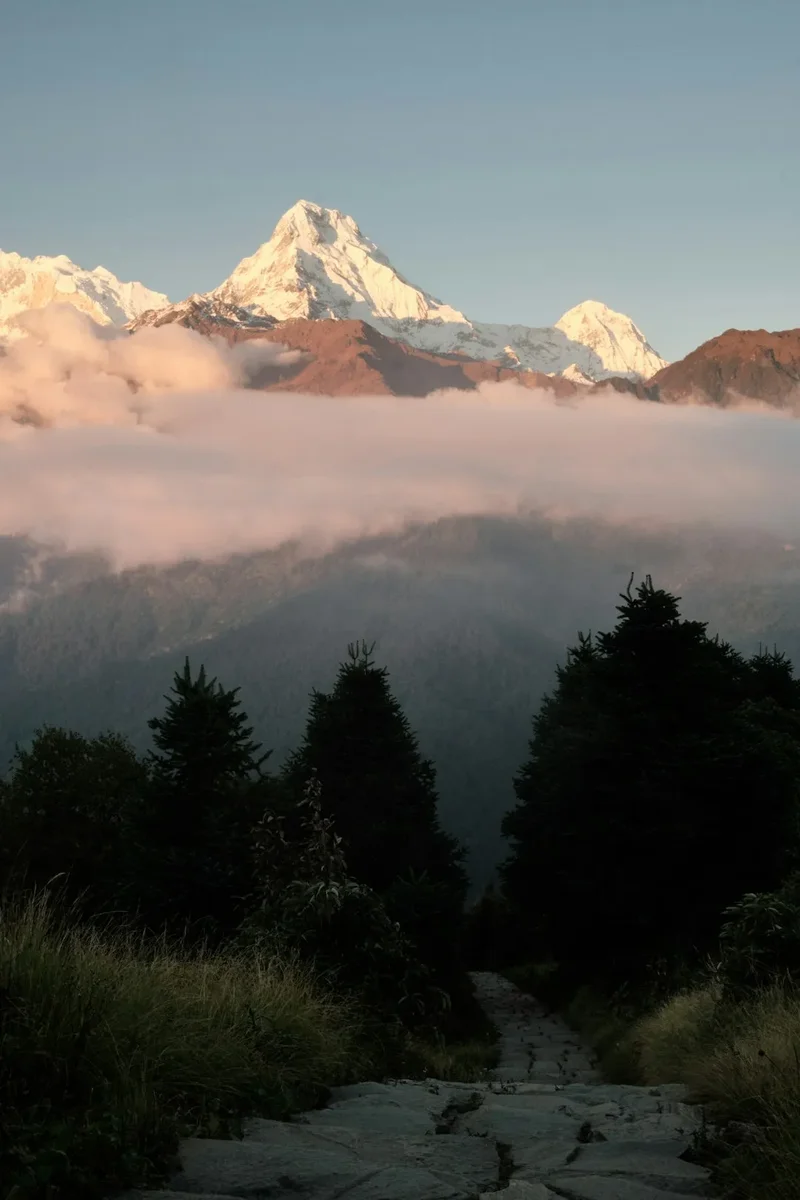
Dhorpatan Hunting Reserve Trail
The Dhorpatan Hunting Reserve Trail is a remote and challenging trek through the heart of Nepal's only hunting reserve, offering a unique blend of high-altitude desert landscapes, alpine meadows, and traditional Tibetan culture. This trail is not for the faint-hearted; it demands significant physical fitness, self-sufficiency, and a spirit of adventure. Unlike the more frequented trekking routes in Nepal, Dhorpatan provides an experience of true wilderness, where encounters with wildlife are possible and the vastness of the Himalayas unfolds before you. The journey traverses diverse terrain, from arid plateaus reminiscent of Tibet to lush valleys dotted with yak herds and remote villages. It’s a trek that immerses you in a raw, untamed environment, far from the usual tourist trails, offering a profound connection with nature and the resilient communities that call this region home.
- Distance: 90.0 km
- Duration: 7–10 days
- Season: October–November and March–April
- Difficulty: Challenging
- Highest point: Approximately 4,200 m (variable depending on exact route)
- Closest city: Pokhara
- Permits: Dhorpatan Hunting Reserve entry permit required
Overview
The Dhorpatan Hunting Reserve Trail is a journey into a landscape that feels both ancient and untouched. It winds through a region that is a stark contrast to the verdant foothills and dense rhododendron forests typical of many Nepalese treks. Here, the terrain is often arid, with wide valleys, rolling hills, and high-altitude meadows that are carpeted with wildflowers in spring and summer, and dusted with snow in winter. The reserve is renowned for its diverse wildlife, including blue sheep, Himalayan tahr, and the elusive snow leopard, though sightings are rare and require considerable luck and patience.
The trek typically begins after a rugged jeep journey from Beni, leading to the gateway of the reserve. From there, the trail ascends gradually, passing through small settlements where traditional Tibetan culture is still very much alive. Prayer flags flutter in the wind, mani walls are etched with ancient mantras, and the rhythm of life is dictated by the seasons and the needs of livestock. The higher you climb, the more dramatic the scenery becomes, with panoramic views of the Dhaulagiri and Annapurna ranges often visible on clear days. The air is thin, the days can be long, and the nights are cold, but the sense of accomplishment and the sheer beauty of the remote wilderness make every challenge worthwhile.
This trek is best suited for experienced trekkers who are comfortable with basic camping, navigating less-defined trails, and carrying their own supplies or arranging for porters and guides. The remoteness means that resupply points are few and far between, and communication can be difficult. However, for those seeking an authentic Himalayan adventure away from the crowds, Dhorpatan offers an unparalleled experience of Nepal's wild heart.
History and Cultural Context
The Dhorpatan Hunting Reserve was established in 1983, making it Nepal's first and only hunting reserve. Its primary purpose was to conserve the habitat of various wildlife species, particularly the blue sheep and Himalayan tahr, while also allowing for regulated trophy hunting. This dual mandate has shaped the region's development and its relationship with conservation efforts.
Historically, the areas around Dhorpatan have been inhabited by communities with strong Tibetan cultural ties. These communities, often referred to as Dolpo-pa or Bhotia people, have traditionally relied on yak herding, agriculture, and trade. Their way of life is deeply intertwined with the natural environment, and their customs, religious practices (primarily Tibetan Buddhism), and social structures have remained remarkably preserved due to the region's isolation.
The establishment of the hunting reserve brought a new layer of management and regulation to the area. While hunting is a contentious issue globally, in Dhorpatan, it has been managed with the aim of generating revenue for conservation and local community development. The fees collected from hunting expeditions are intended to fund anti-poaching efforts, habitat management, and projects that benefit the local population. However, the reserve's existence also means that certain areas are restricted, and access may be regulated, particularly during hunting seasons.
The trekking routes that have emerged within and around the reserve often follow ancient yak herding trails and routes used by local communities for centuries. These trails connect remote villages, high-altitude pastures (known as 'kharkas'), and the pristine alpine lakes that dot the landscape. The cultural experience of trekking in Dhorpatan is as significant as the natural beauty, offering a glimpse into a way of life that has endured for generations, largely unaffected by the rapid changes occurring elsewhere in Nepal.
Seasonal Highlights and Weather Reality
The Dhorpatan Hunting Reserve experiences distinct seasons, each offering a different trekking experience. The best times to visit are during the shoulder seasons when the weather is most stable and the landscapes are at their most appealing.
Autumn (October–November): This is widely considered the prime trekking season for Dhorpatan. The monsoon rains have ceased, leaving the skies clear and offering excellent visibility of the surrounding mountain ranges. The temperatures are cool and pleasant during the day, making for comfortable trekking. The landscapes are often golden and dry, with a crispness in the air. This is also a good time for wildlife spotting, as animals may be more active in the cooler weather.
Spring (March–April): Spring is another excellent season for trekking in Dhorpatan. The snow begins to melt, and the high-altitude meadows come alive with a vibrant display of wildflowers, including various species of primulas and rhododendrons at lower elevations. The weather is generally mild, though there can be occasional rain showers. The days are longer, providing more daylight hours for trekking. This season is ideal for photographers and nature enthusiasts who want to witness the landscape in bloom.
Summer (May–September): This period coincides with the monsoon season in Nepal. While Dhorpatan is a high-altitude desert and receives less rainfall than the southern regions, it can still experience heavy downpours, fog, and landslides, making trekking difficult and potentially dangerous. Trails can become muddy and slippery, and visibility is often poor. Wildlife may also be more dispersed during this time. It is generally not recommended for trekking.
Winter (December–February): Winters in Dhorpatan are cold, with temperatures often dropping well below freezing, especially at higher altitudes. Snowfall is common, and many of the higher passes can become impassable. While the clear winter skies can offer stunning mountain views, the extreme cold, limited daylight hours, and potential for heavy snow make this season challenging and suitable only for very experienced and well-equipped trekkers. Some local communities may also migrate to lower altitudes during winter.
Recommended Itinerary
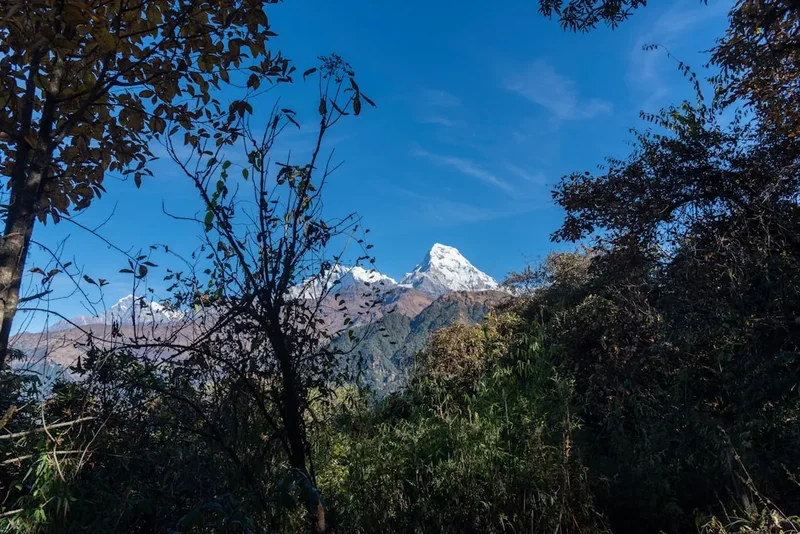
7-Day Dhorpatan Hunting Reserve Trek Itinerary
Day 1: Arrival in Pokhara and Travel to Beni
- Distance: Approx. 80 km
- Time: 6–8 hours by bus or jeep
- Arrive in Pokhara, Nepal's second-largest city and a popular tourist hub.
- Arrange transport (bus or private jeep) to Beni, the starting point for many treks in the Annapurna region.
- The journey to Beni is scenic but can be rough, especially the latter half.
- Overnight in Beni, preparing for the trek.
Day 2: Beni to Darbang
- Distance: Approx. 25 km
- Time: 6–7 hours
- Begin the trek from Beni.
- The trail follows the Myagdi Khola river, passing through small villages and terraced fields.
- Gradual ascent with some undulating sections.
- Reach Darbang, a small settlement offering basic teahouses.
Day 3: Darbang to Lumsung
- Distance: Approx. 18 km
- Time: 7–8 hours
- The trail becomes steeper as you gain altitude.
- Pass through rhododendron forests (especially beautiful in spring).
- The landscape starts to open up, offering glimpses of higher peaks.
- Camp or stay in a basic teahouse at Lumsung.
Day 4: Lumsung to Gurja Gaon
- Distance: Approx. 15 km
- Time: 6–7 hours
- Continue ascending through varied terrain.
- The villages become more sparse and the environment more remote.
- Reach Gurja Gaon, a larger village with a more established local community.
- Opportunity to experience local culture and hospitality.
Day 5: Gurja Gaon to Dhorpatan Hunting Reserve Area
- Distance: Approx. 20 km
- Time: 7–9 hours
- This is a significant day of ascent, entering the higher alpine zone.
- The vegetation changes to alpine shrubs and meadows.
- The air becomes thinner and cooler.
- Reach the vicinity of Dhorpatan, a high-altitude plateau known for its meadows and hunting lodges.
- Set up camp or find basic accommodation if available.
Day 6: Exploration around Dhorpatan
- Distance: Variable
- Time: Full day
- Explore the Dhorpatan plateau and its surroundings.
- Possible day hikes to higher viewpoints for panoramic mountain vistas.
- Observe local yak herders and their camps.
- Enjoy the vast, open landscapes and the feeling of remoteness.
- This day allows for acclimatisation and appreciation of the unique environment.
Day 7: Dhorpatan to Seng Khola (or further)
- Distance: Approx. 20 km
- Time: 7–8 hours
- Begin the descent, retracing some of your steps or taking a slightly different route.
- The aim is to reach a point from where you can arrange transport back towards Beni.
- Seng Khola is a potential camping spot or a point to aim for before arranging a jeep.
- The descent can be faster but requires careful footing.
Note: This itinerary is a guideline. Actual distances and times can vary significantly based on trail conditions, weather, and individual pace. It is highly recommended to hire a local guide and porter for this trek due to its remoteness and challenging nature.
Planning and Bookings
Book Your Trip
Everything you need to plan your journey
Accommodation
Find places to stay near Pokhara
Flights
Search flights to Pokhara
Essential Preparation
The Dhorpatan Hunting Reserve Trail is a challenging trek that requires thorough preparation. Due to its remote nature, self-sufficiency is key. It is strongly advised to hire a reputable local guide and porters. Guides are invaluable for navigation, cultural insights, and emergency situations, while porters will carry your gear, making the trek more manageable. Bookings for accommodation are generally not possible in the traditional sense; you will likely be camping or staying in very basic teahouses or lodges. Ensure you have all necessary permits well in advance. The closest major city for logistical support and flight connections is Pokhara. From Pokhara, you will need to arrange transport to Beni, the common starting point for treks in this region. Road conditions to Beni can be rough, so a sturdy 4WD vehicle is recommended for the final leg of the journey if you are not starting directly from Beni.
Trail Accommodation
Accommodation along the Dhorpatan Hunting Reserve Trail is extremely basic and limited. Unlike more established trekking routes, there are no formal booking systems or well-equipped lodges. Trekkers typically rely on a combination of:
- Camping: This is the most common and often the only option for much of the trek, especially within the reserve itself. You will need to carry your own tent, sleeping bag, and cooking equipment. Designated campsites are usually found in meadows or near water sources.
- Basic Teahouses/Lodges: In villages like Darbang, Lumsung, Gurja Gaon, and potentially near Dhorpatan itself, you might find very rudimentary teahouses or lodges. These offer basic rooms with beds (often just mattresses on the floor) and sometimes a communal dining area. Facilities are minimal, with shared squat toilets and no running hot water.
- Hunting Lodges: Within the Dhorpatan Hunting Reserve, there are a few hunting lodges. These are typically used by hunting parties and may offer basic accommodation, but access and availability for trekkers can be uncertain and may require prior arrangement or special permission.
Facilities Provided:
- Basic shelter (tent or room)
- Sometimes a mattress or sleeping mat
- Communal dining area (in teahouses)
- Access to water (usually from streams; treatment is essential)
What's NOT Provided:
- Bedding (sleeping bags are essential)
- Food (you must carry your own or rely on very limited options in villages)
- Cooking equipment (unless camping)
- Hot water
- Electricity or charging facilities
- Private bathrooms or en-suite facilities
- Heating
Seasonal Availability: Accommodation is generally available year-round, but the quality and accessibility are highly dependent on the season. During the monsoon (summer), trails can be difficult, and some basic shelters might be less maintained. During winter, snow can make access to some areas impossible.
Costs: Costs are very low, typically ranging from a few hundred Nepalese Rupees for a room in a teahouse to a nominal fee for camping. However, you must factor in the cost of carrying all your food and supplies.
Required Gear
- Sturdy Trekking Boots: Waterproof, well-broken-in boots with good ankle support are essential for navigating varied and often rough terrain.
- Waterproof Jacket and Trousers: Essential for protection against rain and wind, especially at higher altitudes.
- Warm Layers: Multiple layers of thermal clothing (merino wool or synthetic) are crucial for cold nights and high-altitude conditions. Include a fleece jacket or down vest.
- Sleeping Bag: A 3-season or 4-season sleeping bag (rated to at least -10°C or lower) is vital for cold nights, especially if camping.
- Backpack: A comfortable trekking backpack (50-70 litres) with a rain cover. If you are not using porters, you will need a larger pack to carry all your gear.
- Head Torch: With spare batteries, as there is no electricity in most locations.
- First-Aid Kit: Comprehensive kit including blister treatment, pain relievers, antiseptic wipes, bandages, and any personal medications.
- Navigation Tools: Map of the region, compass, and a GPS device or smartphone with offline maps. While guides are recommended, having your own navigation aids is wise.
- Sun Protection: High SPF sunscreen, sunglasses, and a wide-brimmed hat are necessary due to the intense sun at high altitudes.
- Insect Repellent: Especially important for lower elevations and during warmer months.
What to Bring
- Food Supplies: Carry enough non-perishable food for the entire trek, including high-energy snacks, dried meals, and staples. Resupply points are scarce and unreliable.
- Water Purification: Water filters, purification tablets, or a SteriPEN are essential as stream water, while plentiful, is not safe to drink without treatment.
- Cooking Gear (if camping): Lightweight stove, fuel, cooking pot, utensils, mug, and lighter/matches.
- Toiletries: Biodegradable soap, toothbrush, toothpaste, toilet paper (carry out used paper), hand sanitiser, and any personal hygiene items.
- Trekking Poles: Highly recommended for stability on ascents and descents, and to reduce strain on knees.
- Duffel Bag (if using porters): A sturdy, waterproof duffel bag for your main gear.
- Daypack: A smaller backpack for essentials you need during the day's trek (water, snacks, camera, rain gear).
- Camera and Spare Batteries/Power Bank: To capture the stunning scenery.
- Personal Documents: Passport, visa, permits, and travel insurance details.
- Cash: Nepalese Rupees (NPR) are essential, as ATMs and card payment facilities are non-existent. Carry enough for all expenses, including guides, porters, food, and any unexpected costs.
Permits
To trek in the Dhorpatan Hunting Reserve, you will need to obtain an entry permit. This permit is crucial for legal access to the reserve and is typically obtained from the Department of National Parks and Wildlife Conservation or the reserve's administrative office. It is advisable to arrange this permit in advance, either in Kathmandu or Pokhara, through your trekking agency or guide.
Permit Requirements:
- Dhorpatan Hunting Reserve Entry Permit: This permit is mandatory for all visitors entering the reserve. The cost can vary, and it is often included in trekking packages arranged through agencies. For independent trekkers, it's essential to inquire about the current fees and application process.
- TIMS Card (Trekkers' Information Management System): While not always strictly enforced for this specific route, it is generally recommended for all trekkers in Nepal. It helps in tracking trekkers and for rescue operations. You can obtain a TIMS card from the Nepal Tourism Board office in Kathmandu or Pokhara.
- National Park/Conservation Area Permits: Depending on the exact route taken to reach Dhorpatan, you might pass through areas that require separate national park or conservation area permits. Your guide will be able to advise on this.
Where to Obtain Permits:
- Kathmandu: Department of National Parks and Wildlife Conservation, or through registered trekking agencies.
- Pokhara: Nepal Tourism Board office, or through trekking agencies.
- Beni: Local authorities might be able to assist, but it's best to have permits secured before reaching this point.
Important Considerations:
- Advance Application: It is highly recommended to apply for permits well in advance of your trek, especially if travelling during peak season.
- Guide Assistance: If you are using a trekking agency, they will typically handle the permit acquisition process for you.
- Fees: Permit fees are subject to change. Always check the latest information from official sources or your trekking agency.
- Identification: Carry your passport and visa copies when applying for permits.
Other Activities in the Area
While the primary focus of a trip to Dhorpatan is the trek itself, the region offers opportunities for unique experiences:
- Wildlife Observation: Dhorpatan is a designated hunting reserve, but it is also a vital habitat for various species. While sightings are not guaranteed, keep an eye out for blue sheep (bharal), Himalayan tahr, musk deer, and various bird species. The elusive snow leopard is also present, though extremely difficult to spot.
- Cultural Immersion: The villages around Dhorpatan are home to communities with strong Tibetan roots. Engaging respectfully with locals, observing their daily life, visiting local monasteries (Gompas), and understanding their traditions can be a deeply rewarding experience.
- Yak Herding Camps: You will likely encounter seasonal yak herding camps (kharkas) in the higher meadows. Observing the herders and their animals, and perhaps even sharing a cup of tea, offers a glimpse into a traditional nomadic lifestyle.
- Photography: The stark, high-altitude landscapes, dramatic mountain backdrops, unique flora and fauna, and the vibrant cultural elements make Dhorpatan an exceptional destination for photographers.
- Stargazing: Due to its remote location and lack of light pollution, the night skies above Dhorpatan are incredibly clear and offer spectacular stargazing opportunities.
- Trophy Hunting (Regulated): While not an activity for most trekkers, the reserve is known for regulated trophy hunting expeditions, primarily for blue sheep and Himalayan tahr. These are highly controlled and expensive operations, typically organised by specialised hunting outfitters.
Safety and Conditions
Altitude Sickness (AMS): The Dhorpatan region reaches altitudes of over 4,000 metres. Altitude sickness is a serious risk. Acclimatise properly by ascending gradually, staying hydrated, and avoiding strenuous activity on arrival at higher elevations. Be aware of the symptoms (headache, nausea, dizziness, fatigue) and descend if they worsen. Hiring a guide is highly recommended as they are experienced in managing altitude-related issues.
Trail Conditions: Trails can be rough, uneven, and steep. They may be muddy and slippery during and after rain, and snow-covered during winter. Proper footwear and trekking poles are essential for stability.
Weather: Weather in the Himalayas can change rapidly. Be prepared for cold temperatures, strong winds, rain, and snow, even during the trekking season. Always carry appropriate clothing layers and waterproof gear.
Remoteness and Communication: Dhorpatan is a remote area with limited or no mobile phone reception. In case of an emergency, evacuation can be difficult and expensive. Ensure you have comprehensive travel insurance that covers high-altitude trekking and emergency helicopter evacuation. Inform someone of your itinerary and expected return date.
Wildlife: While encounters with large predators like snow leopards are rare, be aware of your surroundings. Respect wildlife and maintain a safe distance. Do not feed animals.
Water and Food Safety: Always treat water before drinking. Carry sufficient food supplies, as options are limited and can be unhygienic in remote villages. Ensure food is well-cooked.
Guides and Porters: Hiring experienced local guides and porters is crucial for safety. They are familiar with the terrain, weather patterns, and local conditions, and can assist in emergencies.
Side Trips and Points of Interest
Dhorpatan Plateau: The heart of the reserve, this vast high-altitude plateau is a stunning expanse of rolling meadows, dotted with glacial lakes and surrounded by towering peaks. It's an ideal area for acclimatisation, photography, and simply soaking in the immense scale of the landscape. The plateau is also a seasonal home for yak herders.
Local Monasteries (Gompas): Several small, traditional Tibetan Buddhist monasteries can be found in the villages leading up to and around Dhorpatan. Visiting these serene places offers insight into the local spiritual practices and provides opportunities to admire Buddhist art and architecture. Respectful behaviour and appropriate dress are required.
High-Altitude Lakes: Scattered throughout the higher reaches of the reserve are numerous pristine alpine lakes. While not always directly on the main trekking route, short detours can lead to these tranquil bodies of water, often reflecting the surrounding snow-capped mountains. These are excellent spots for quiet contemplation and photography.
Yak Herder Camps: During the warmer months, nomadic herders bring their yaks to graze in the high meadows. Observing their way of life, their simple shelters, and their hardy animals provides a unique cultural experience. If you encounter them, a respectful greeting and perhaps a shared cup of tea can be a memorable interaction.
Panoramic Viewpoints: From various points along the trail and especially from the Dhorpatan plateau, you can gain breathtaking panoramic views of the surrounding Himalayan giants, including peaks from the Dhaulagiri and Annapurna ranges on clear days. These viewpoints are perfect for appreciating the grandeur of the Nepalese Himalayas.
Leave No Trace
The Dhorpatan Hunting Reserve is a fragile ecosystem, and it is imperative that trekkers adhere to Leave No Trace principles to minimise their impact. This region, while remote, is vital for biodiversity and the traditional lifestyles of its inhabitants.
Plan Ahead and Prepare: Research the area thoroughly, hire experienced guides, and pack appropriate gear to avoid the need for improvisation that could harm the environment. Carry out all waste, including food scraps and toilet paper.
Travel and Camp on Durable Surfaces: Stick to established trails to avoid damaging vegetation. When camping, use designated sites or choose durable surfaces like rock or dry grass, away from water sources.
Dispose of Waste Properly: Pack it in, pack it out. This includes all food wrappers, packaging, and any other refuse. Use designated toilets where available, or dig catholes at least 60 metres away from water, trails, and campsites.
Leave What You Find: Do not disturb or remove any natural or cultural objects. This includes rocks, plants, and historical artefacts.
Minimise Campfire Impacts: Campfires are generally discouraged in high-altitude and sensitive areas. If permitted and necessary, use a lightweight stove for cooking. If a campfire is essential, use existing fire rings and ensure it is completely extinguished before leaving.
Respect Wildlife: Observe wildlife from a distance. Never feed animals, as this can disrupt their natural behaviours and diets, and can be harmful to their health. Store food securely to prevent attracting animals.
Be Considerate of Other Visitors: Respect the local culture and the solitude of the wilderness. Keep noise levels down, and be mindful of other trekkers and local communities.
Useful Links
- Dhorpatan Hunting Reserve Official Information (Department of National Parks and Wildlife Conservation)
- Nepal Tourism Board - Trekking Permits
- Trekking Agencies' Association of Nepal (TAAN) - Trekking Information
- Pokhara Tourism Information
- Sample Dhorpatan Trek Map (Note: Verify accuracy with guide)
 Nepal
Nepal