
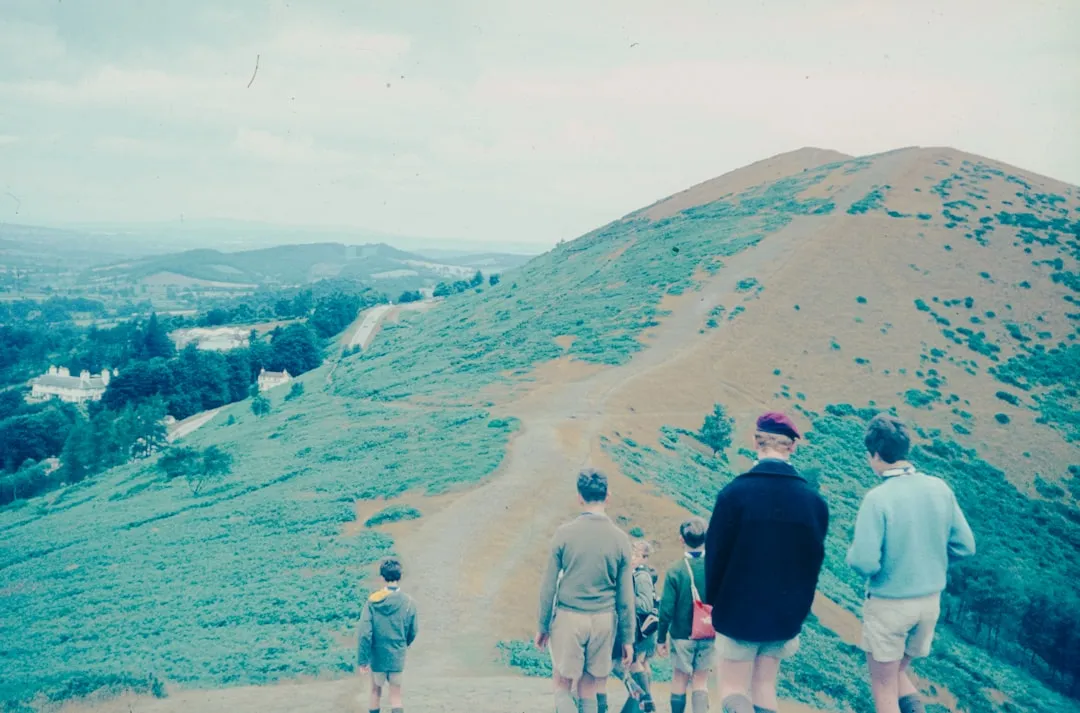
The Devil's Staircase Walk
The Devil's Staircase Walk is a challenging yet rewarding mountain track located in the heart of the Scottish Highlands, offering breathtaking panoramic views of the surrounding Glencoe landscape. This route is renowned for its steep, rocky ascent, which earns its formidable name, but the effort is amply repaid by the dramatic vistas and sense of accomplishment upon reaching the summit. It's a popular choice for experienced hikers seeking a taste of classic Highland terrain, providing a significant physical challenge coupled with unparalleled natural beauty.
- Distance: 12.0 km one-way
- Duration: 3–4 hours
- Season: April–October (best conditions)
- Difficulty: Moderate to Challenging
- Highest point: Approximately 500 m
- Trailhead Access: Kingshouse, Glencoe
- Permits: Not required
Overview
The Devil's Staircase Walk is a quintessential Highland experience, a route that embodies the rugged spirit of Glencoe. Beginning near the iconic Kingshouse Hotel, the path initially follows a relatively gentle gradient, tracing the valley floor before the true nature of the "staircase" begins to reveal itself. The ascent is characterised by a series of steep, rocky sections and switchbacks that demand concentration and a good level of fitness. While the climb is demanding, it is not technically difficult, making it accessible to those with hiking experience and sturdy footwear.
As you gain elevation, the landscape transforms. The initial views of the Aonach Eagach ridge and the surrounding Munros become increasingly expansive. The air grows cooler, and the sounds of the valley floor recede, replaced by the whisper of the wind and the occasional cry of a bird of prey. The summit, while not a distinct peak, offers a commanding viewpoint over the vast expanse of Glencoe, including the iconic Buachaille Etive Mòr and the dramatic sweep of the glen towards Loch Leven. The descent mirrors the ascent, requiring careful footing on the loose scree and rocky steps.
This walk is best undertaken during the spring, summer, and early autumn months when daylight hours are longer and the weather is generally more favourable. Winter ascents are possible but require advanced winter mountaineering skills, appropriate equipment (ice axe, crampons), and a thorough understanding of avalanche risks, as the higher sections can be snow-covered and treacherous. The moderate difficulty rating reflects the sustained steepness and the need for sure-footedness, rather than extreme technical challenges.
History and Cultural Context
The area around Glencoe, including the route of the Devil's Staircase, is steeped in history, most notably the infamous Glencoe Massacre of 1692. This tragic event saw the brutal slaughter of members of the MacDonald clan by government troops who were guests in their homes, a betrayal that has left an indelible mark on the glen's identity. While the Devil's Staircase itself is a more recent development, likely established as a path for shepherds, drovers, or early tourists, its existence is intertwined with the long human history of traversing these formidable mountains.
The route is part of the West Highland Way, a long-distance walking trail stretching 154 kilometres from Milngavie to Fort William. The Devil's Staircase section is a particularly memorable and challenging segment of this iconic trail, often cited by walkers as a highlight due to its dramatic scenery and the physical test it presents. The Kingshouse area, near the start of the walk, has a long history as a staging post for travellers crossing the Highlands, with the Kingshouse Hotel itself being a landmark for centuries, offering shelter and sustenance to those journeying through the glen.
The landscape has been shaped by millennia of geological activity, with the dramatic peaks and glens carved by glaciers during the last Ice Age. This raw, untamed beauty has attracted artists, writers, and adventurers for generations, all drawn to the powerful atmosphere and awe-inspiring scale of the Scottish Highlands. The Devil's Staircase Walk offers a direct engagement with this wild heritage, allowing walkers to experience the grandeur of Glencoe firsthand.
Seasonal Highlights and Weather Reality
The Devil's Staircase Walk is a route that truly showcases the changing moods of the Scottish Highlands throughout the year. The best time for this walk is generally from April to October, when the weather is typically milder, daylight hours are longer, and the risk of snow and ice on the higher sections is significantly reduced.
Spring (April–May): This period offers a chance to see the landscape awakening. Snowmelt can create impressive waterfalls, and the heather may begin to show hints of colour. However, spring weather can be highly unpredictable, with cold snaps, rain, and even late snowfalls still possible. The higher sections of the path may remain icy or snow-covered in early spring, requiring caution and appropriate gear.
Summer (June–August): Summer provides the longest daylight hours, ideal for a leisurely exploration of the route. The landscape is at its most vibrant, with green hillsides and blooming wildflowers. However, summer also brings the highest number of midges, tiny biting insects that can be a significant nuisance, especially during calm, humid conditions. The weather can still be highly variable, with heavy rain showers and strong winds being common, even on seemingly clear days.
Autumn (September–October): Autumn is a spectacular time to walk the Devil's Staircase, as the hillsides are often ablaze with russet and gold hues. The midges are usually less prevalent, and the air can be crisp and clear, offering excellent visibility. However, daylight hours shorten, and the weather becomes increasingly autumnal, with a higher chance of strong winds, heavy rain, and the possibility of early snow on the higher ground.
Winter (November–March): This is the most challenging season. The path can be covered in snow and ice, making it treacherous and requiring advanced winter mountaineering skills, including the use of an ice axe and crampons. Avalanche risk is a serious consideration. Daylight hours are very short, and the weather can change with extreme rapidity. This season is only recommended for experienced winter hillwalkers.
Recommended Itinerary
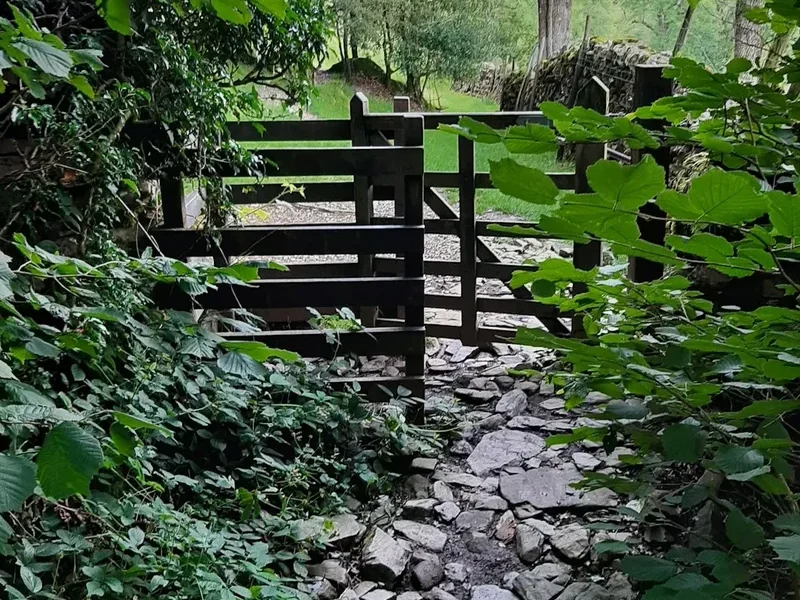
The Devil's Staircase Walk - Day Hike Itinerary
Early Morning (Approx. 9:00 AM): Start at Kingshouse
- Begin your walk from the vicinity of the Kingshouse Hotel.
- Locate the start of the West Highland Way heading north.
- Initial section follows a relatively flat, well-trodden path alongside the River Etive.
- Enjoy views of Buachaille Etive Mòr to your right.
Morning (Approx. 9:30 AM - 11:00 AM): The Approach to the Staircase
- The path gradually begins to ascend.
- You will start to see the distinctive zig-zagging path of the Devil's Staircase ahead.
- The terrain becomes rockier and more uneven.
- Keep an eye out for the distinctive cairns marking the route.
Midday (Approx. 11:00 AM - 1:00 PM): Ascending the Devil's Staircase
- The main ascent begins. This is the most challenging part of the walk.
- The path is steep and rocky, with many steps and switchbacks.
- Take your time, pace yourself, and use your walking poles for support.
- Pause frequently to catch your breath and admire the expanding views of Glencoe.
- The highest point of the walk is reached around the summit of the staircase.
Afternoon (Approx. 1:00 PM - 3:00 PM): Summit Views and Descent
- Reach the highest point of the Devil's Staircase, offering panoramic views.
- Take time to rest, have lunch, and soak in the magnificent scenery.
- Begin the descent back down the rocky path.
- Exercise caution on the descent, as loose scree can make footing difficult.
- Continue following the West Highland Way path back towards Kingshouse.
Late Afternoon (Approx. 3:00 PM - 4:00 PM): Return to Kingshouse
- Complete the walk, returning to the Kingshouse area.
- Reflect on your accomplishment and the stunning Highland landscape you have traversed.
Important Notes:
- This is a demanding day hike; ensure you are adequately fit and prepared.
- Weather in Glencoe can change rapidly; always check the forecast before setting out.
- Carry sufficient water and high-energy snacks.
- Wear sturdy, waterproof hiking boots with good ankle support.
- A map and compass are recommended, even though the path is generally clear.
- Be aware of midges, especially during summer months.
Planning and Bookings
Book Your Trip
Everything you need to plan your journey
Accommodation
Find places to stay near Kingshouse
Flights
Search flights to Kingshouse
Essential Preparation
The Devil's Staircase Walk is a popular route, and while it doesn't require advance booking for the trail itself, careful preparation is essential for a safe and enjoyable experience. The nearest significant hub for accommodation and amenities is Glencoe village or the larger town of Fort William, both of which are a short drive away. Kingshouse itself offers limited accommodation at the Kingshouse Hotel, which is a convenient starting point. Ensure you have a reliable mode of transport to reach the trailhead, as public transport options directly to Kingshouse can be infrequent. It's advisable to check bus timetables if relying on public transport. The road leading to Kingshouse (A82) is generally well-maintained but can be busy, especially during peak tourist season.
Trail Accommodation
This is a day hike requiring no overnight accommodation on the trail itself. However, accommodation is available in the surrounding areas:
- Kingshouse Hotel: Offers hotel rooms and a bunkhouse for walkers. Booking in advance is highly recommended, especially during peak season. Facilities include en-suite rooms, a bar, and a restaurant.
- Glencoe Village: Provides a range of options including hotels, guesthouses, and self-catering cottages.
- Fort William: A larger town approximately 30 minutes' drive away, offering a wide selection of hotels, hostels, B&Bs, and campsites.
- Inverness: Further afield (approx. 2 hours' drive), but a major city with extensive accommodation choices.
Campsites: Several official campsites are located in the wider Glencoe and Fort William areas, offering pitches for tents and sometimes campervans.
Required Gear
- Sturdy Hiking Boots: Waterproof and with good ankle support are essential due to the rocky and uneven terrain.
- Waterproof Jacket and Trousers: The weather in the Highlands can change rapidly; waterproofs are non-negotiable.
- Warm Layers: Including a fleece or insulated jacket, and a hat and gloves, even in summer, as temperatures can drop significantly at higher altitudes.
- Backpack: A comfortable daypack (20-30 litres) to carry essentials.
- Navigation: A detailed map of the area (e.g., OS Landranger or Explorer series) and a compass. A GPS device or smartphone with offline maps is also advisable.
- Head Torch: With spare batteries, in case of unexpected delays or early starts/late finishes.
- First Aid Kit: Including blister plasters, pain relievers, antiseptic wipes, and any personal medications.
- Sun Protection: Sunscreen, sunglasses, and a sun hat, as the sun can be strong at altitude, even on cloudy days.
What to Bring
- Food: Plenty of high-energy snacks (e.g., nuts, dried fruit, energy bars) and a packed lunch. There are no facilities to purchase food on the trail.
- Water: At least 1.5-2 litres of water per person. Water sources are available but should be treated or filtered before drinking.
- Water Treatment: A water filter or purification tablets are recommended if you plan to refill from natural sources.
- Mobile Phone: Fully charged, with a power bank if possible. Signal can be intermittent.
- Walking Poles: Highly recommended for the steep ascent and descent, providing stability and reducing strain on joints.
- Insect Repellent: Particularly important during summer months to ward off midges.
- Whistle: For emergency signalling.
- Small Trowel and Toilet Paper: For 'wild' toilet breaks, ensuring you follow Leave No Trace principles.
Permits
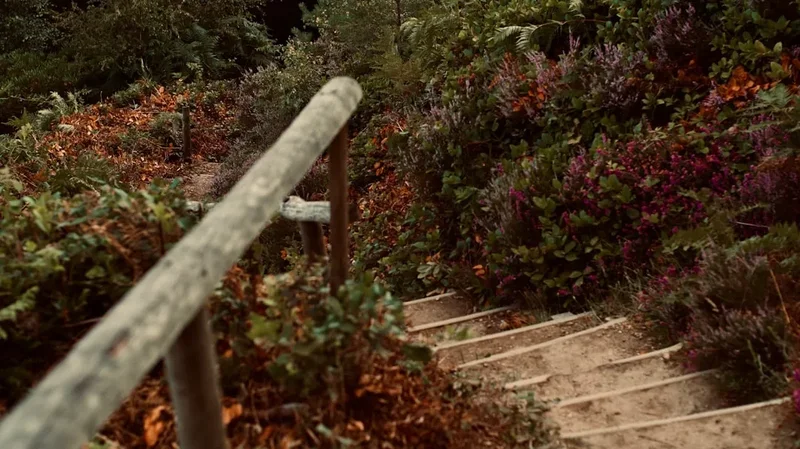
No permits are required to walk the Devil's Staircase. As it is part of the public right of way and the West Highland Way, access is generally open. However, it is crucial to be aware of any specific local regulations or temporary closures that may be in place, particularly if you are planning to camp in the vicinity (wild camping is permitted in Scotland under the Scottish Outdoor Access Code, but with specific guidelines and restrictions, especially near roads and buildings).
While no permits are needed for the walk itself, if you plan to stay at the Kingshouse Hotel or other commercial accommodations, advance booking is essential, especially during the peak season (May to September) and around public holidays. For those considering wild camping, it is advisable to familiarise yourself with the Scottish Outdoor Access Code to ensure you are camping responsibly and respectfully.
Other Activities in the Area
The Glencoe area offers a wealth of activities for outdoor enthusiasts and history buffs:
- Glencoe Visitor Centre: Learn about the glen's dramatic history, geology, and wildlife. Offers exhibitions, a café, and information on local walks.
- Hiking and Mountaineering: Numerous other trails exist in Glencoe, ranging from gentle valley walks to challenging Munros like Bidean nam Bian and the Aonach Eagach ridge (for experienced climbers only).
- Photography: The dramatic landscapes of Glencoe are a photographer's paradise, with iconic viewpoints such as the Three Sisters and the iconic Buachaille Etive Mòr.
- History and Culture: Explore the Glencoe Folk Museum, visit the Glencoe Massacre sites, and learn about the clan history of the region.
- Scenic Drives: The A82 through Glencoe is one of Scotland's most scenic routes, offering stunning views at every turn.
- Water Sports: Loch Leven offers opportunities for kayaking and fishing.
- Fort William: A larger town nearby, offering more amenities, shops, and attractions, including the Ben Nevis Distillery and the West Highland Museum.
Safety and Conditions
Weather: The most significant hazard on the Devil's Staircase Walk is the unpredictable Highland weather. Conditions can change rapidly from sunshine to heavy rain, fog, and strong winds within a short period. Always check the Met Office mountain forecast for Glencoe before you set out and be prepared for all conditions. Hypothermia is a real risk, even in summer, if you get wet and cold.
Terrain: The path is steep, rocky, and can be slippery, especially after rain. Loose scree on the descent requires careful footing. Ensure you have appropriate footwear with good grip and ankle support. Walking poles are highly recommended to aid stability and reduce impact on your knees.
Navigation: While the Devil's Staircase is part of the well-marked West Highland Way, visibility can drop dramatically in fog or heavy rain. Carry a map and compass and know how to use them. A GPS device or smartphone with offline maps can provide an additional layer of security.
Midges: During the summer months (May to September), midges can be a significant nuisance, particularly at dawn and dusk, and in damp, still conditions. Carry a good quality insect repellent (containing DEET or Picaridin) and consider wearing a midge head net.
Emergency: In case of an emergency, dial 999 or 112 and ask for Police, then Mountain Rescue. Provide your location as accurately as possible. It is advisable to have a fully charged mobile phone and consider carrying a personal locator beacon (PLB) for remote areas.
Fitness: The walk involves a significant amount of ascent and descent over rough terrain. Ensure you have a good level of fitness and are comfortable with sustained uphill walking. Take regular breaks, stay hydrated, and eat well to maintain energy levels.
Side Trips and Points of Interest
Buachaille Etive Mòr: While not a direct side trip from the Devil's Staircase itself, this iconic mountain dominates the views at the start of the walk. Its distinctive pyramid shape makes it one of Scotland's most photographed mountains. For experienced mountaineers, climbing Buachaille Etive Mòr is a serious undertaking.
The Lost Valley (Coire Gabhail): A more significant detour, accessible from the main Glencoe road (A82) a short drive from Kingshouse. This hidden valley was reputedly used by the MacDonalds to hide cattle rustled from neighbouring clans. The walk into Coire Gabhail involves some scrambling and river crossings, making it a rewarding adventure for those with time and energy.
Loch Etive: The river you follow at the start of the walk flows into Loch Etive, a beautiful sea loch. While not directly on the walking route, the views towards the loch and its surrounding mountains are spectacular. Kayaking or boat trips on Loch Etive can offer a different perspective of the landscape.
Kingshouse Hotel: A historic inn that has served travellers for centuries. It's a great place to stop for refreshments before or after your walk, offering a glimpse into the area's past and providing a comfortable base.
Aonach Eagach Ridge: This is one of the most famous and challenging ridge walks in the UK. It is strictly for experienced scramblers and climbers with a good head for heights and is not a casual side trip. The views from the ridge are legendary, but the exposure is extreme.
Leave No Trace
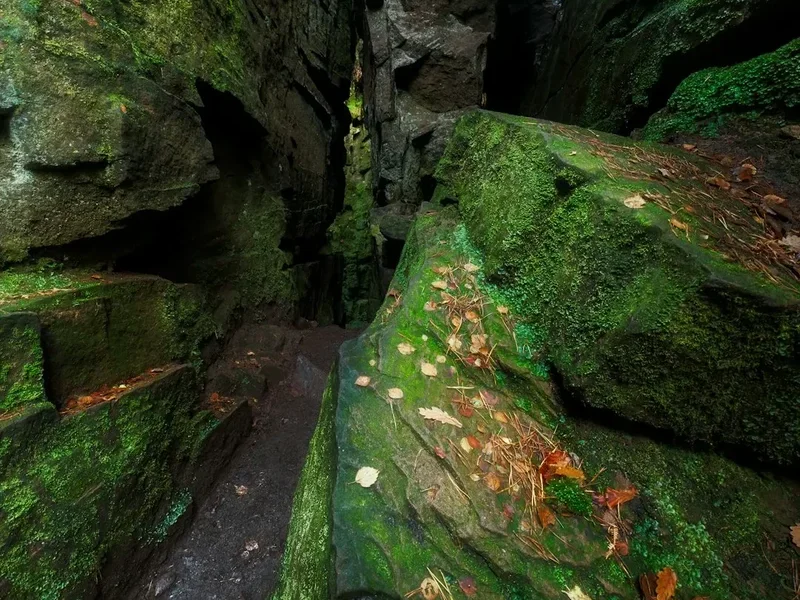
The Scottish Highlands are a precious natural environment, and it is vital that all visitors adhere to Leave No Trace principles to preserve their beauty and ecological integrity. The Devil's Staircase, being part of the popular West Highland Way, experiences significant footfall, making responsible behaviour even more critical.
Plan Ahead and Prepare: Understand the route, weather conditions, and any potential hazards. Pack appropriately for the conditions you expect and for unexpected changes.
Travel and Camp on Durable Surfaces: Stick to the established paths and trails. Avoid walking on fragile vegetation, especially in wet conditions, as this can cause erosion. If camping, choose established sites or durable surfaces away from water sources and sensitive habitats.
Dispose of Waste Properly: Pack out everything you pack in, including all litter, food scraps, and packaging. Use designated bins where available, or take your waste home with you. If you need to go to the toilet, do so at least 30 metres away from water sources, paths, and campsites. Bury human waste and disguise the site. Pack out all toilet paper.
Leave What You Find: Do not disturb or remove any natural objects, plants, or historical artefacts. Take only photographs and memories.
Minimise Campfire Impacts: Campfires are generally discouraged in the Highlands due to the risk of wildfires and damage to vegetation. If you must have a fire, use a portable stove instead. If a campfire is absolutely necessary, keep it small, use an existing fire ring, and ensure it is completely extinguished and cold before leaving.
Respect Wildlife: Observe wildlife from a distance and never feed wild animals. Their natural behaviours can be disrupted by human interaction, and human food can be harmful to them.
Be Considerate of Other Visitors: Keep noise levels down, especially in popular areas and at night. Yield to other walkers on narrow paths. Respect the local communities and their way of life.