
Devil's Punchbowl Waterfall Track
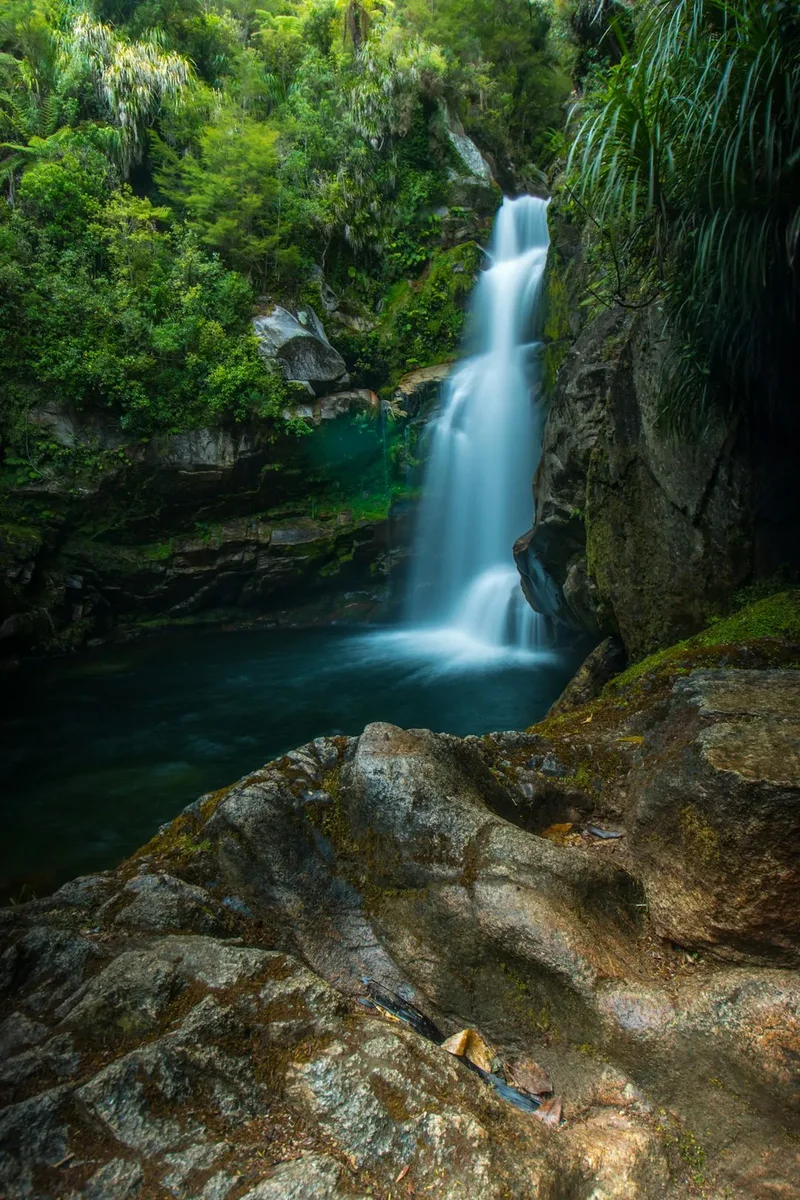
The Devil's Punchbowl Waterfall Track is a short, rewarding day walk located in the heart of Arthur's Pass National Park, New Zealand. This popular trail offers a direct and accessible route to one of the park's most iconic natural features: the spectacular Devil's Punchbowl Waterfall. Cascading over 130 metres down a sheer rock face, the waterfall is a dramatic spectacle, particularly after periods of rain when its power is amplified. The track itself winds through native beech forest, providing a pleasant immersion in the alpine environment before revealing the breathtaking waterfall at its conclusion. It's an ideal walk for those seeking a significant natural wonder with a relatively short time commitment, making it a must-do for visitors to the Arthur's Pass region.
- Category: Day Walk
- Distance: 2.4 km return
- Elevation Gain: 120 m
- Duration: 1–2 hours
- Difficulty: Moderate
- Best Time: Year-round, but spring and after rainfall offer the most impressive waterfall flow.
- Closest City: Arthur's Pass Village
- Trailhead Access: Well-signed from SH73, just before Arthur's Pass village. Ample parking available.
- Permits: No permits required for this day walk.
Overview
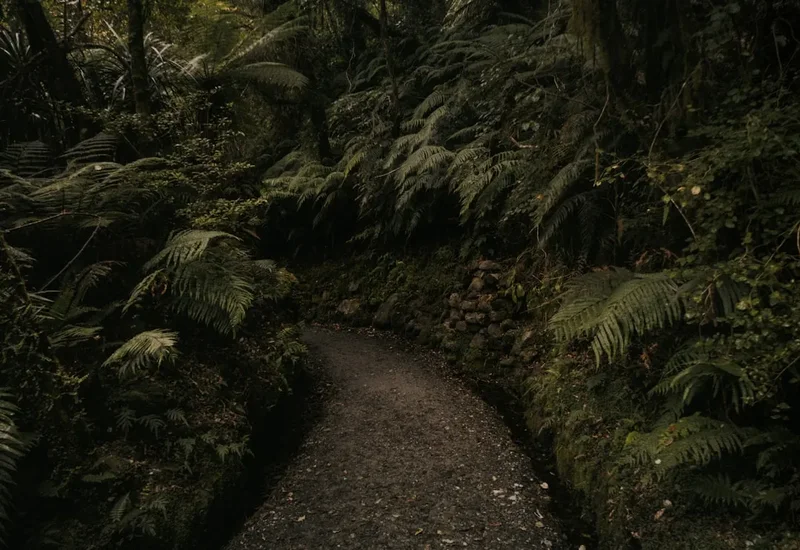
The Devil's Punchbowl Waterfall Track is a quintessential Arthur's Pass experience, offering a concentrated dose of alpine beauty and geological drama. The walk begins with a gentle ascent through a mature mountain beech forest, where the air is cool and damp, and the ground is carpeted with moss and ferns. Sunlight filters through the dense canopy, creating an ethereal atmosphere. As the track progresses, the gradient becomes steeper, with well-maintained steps and sections of boardwalk guiding walkers upwards. The sound of rushing water grows steadily louder, building anticipation for the main event.
The trail culminates at a viewing platform directly opposite the Devil's Punchbowl Waterfall. Here, the full majesty of the waterfall is revealed. Water plunges in a single, powerful stream from a high cliff, disappearing into a swirling pool at the base – the "punchbowl" from which it derives its name. The sheer height and volume of water are impressive, and the mist generated by the cascade often creates rainbows on sunny days. The surrounding rock faces are often damp and verdant, testament to the constant spray. While the main viewpoint offers a stunning perspective, a short, steeper spur track leads closer to the base of the falls, allowing for a more immersive experience, though caution is advised due to slippery conditions.
This walk is classified as moderate due to the consistent uphill climb and the presence of numerous steps, which can be challenging for those with lower fitness levels or mobility issues. However, the relatively short distance and the clear, well-defined path make it accessible to most reasonably fit individuals. The track is popular year-round, but its true spectacle is often witnessed in spring when snowmelt increases water flow, or after significant rainfall events that swell the river feeding the falls.
History and Cultural Context
The area surrounding Arthur's Pass has a rich history, deeply intertwined with Māori exploration and later, European settlement and resource exploitation. For centuries, Māori, particularly Ngāi Tahu, used the Arthur's Pass route as a vital link between the West Coast and the Canterbury Plains. This pass was one of the few accessible routes through the Southern Alps, used for travelling, hunting, and gathering pounamu (greenstone).
The specific location of the Devil's Punchbowl Waterfall, while not a major historical Māori route itself, lies within the broader landscape that was significant for travel and resource gathering. The dramatic geological formations of the region, including the powerful waterfalls, would have been noted and respected by early Māori travellers.
European exploration and settlement in the mid-19th century brought about the development of the pass as a route for Cobb & Co coaches and later, road traffic. The discovery and naming of prominent natural features like the Devil's Punchbowl Waterfall are attributed to early surveyors and explorers. The waterfall's name vividly describes its appearance: a powerful torrent of water seemingly pouring into a deep, circular basin carved into the rock. The establishment of Arthur's Pass National Park in 1929 was a crucial step in preserving these natural wonders, including the Devil's Punchbowl, for public enjoyment and ecological protection.
Today, the track is a testament to the efforts of conservationists and park management, ensuring that this impressive natural feature remains accessible while being protected from overuse. The forest surrounding the track is a remnant of the original beech forest that once dominated the region, providing a glimpse into the pre-colonial landscape.
Seasonal Highlights and Weather Reality
The Devil's Punchbowl Waterfall Track is a year-round destination, but each season offers a distinct experience and requires different considerations.
Spring (September–November): This is often considered an ideal time to visit. Snowmelt from the higher alpine regions feeds the Otira River, significantly increasing the volume and power of the Devil's Punchbowl Waterfall. The surrounding beech forest begins to show signs of new growth, with vibrant green mosses and ferns becoming more prominent. Temperatures are generally mild, though alpine weather can still be unpredictable, with potential for late snowfalls or sudden temperature drops.
Summer (December–February): The waterfall remains impressive, though its volume may be slightly less than in spring unless there have been recent rain events. Summer offers the warmest temperatures and longest daylight hours, making for pleasant walking conditions. However, this is also peak season for sandflies, which can be a significant nuisance. The forest canopy provides good shade, but exposed sections of the track can be warm.
Autumn (March–May): Autumn brings a spectacular display of colour to the beech forests, with leaves turning shades of gold and russet. The weather typically becomes more settled, with cooler temperatures and fewer sandflies. The waterfall's flow may decrease as rainfall lessens, but it remains a substantial cascade. The crisp air and vibrant foliage make this a beautiful time for the walk.
Winter (June–August): Winter transforms the landscape into a serene, snow-covered wonderland. The track can be icy and may be covered in snow, requiring appropriate winter walking gear, including sturdy, waterproof boots and potentially micro-spikes or crampons for traction. The waterfall itself may partially freeze, creating an entirely different, yet equally captivating, spectacle. Access to the trailhead is generally maintained, but visitors should always check weather and track conditions before departing. The forest, dusted with snow, offers a quiet, magical experience.
Weather Reality: Arthur's Pass is renowned for its rapidly changing weather. Visitors should always be prepared for rain, wind, and temperature fluctuations, regardless of the season. The waterfall's appearance is directly linked to recent rainfall, so checking local weather forecasts is advisable for the most dramatic viewing experience.
Recommended Itinerary
Devil's Punchbowl Waterfall Track - Day Walk
Early Morning (Approx. 9:00 AM): Arrival and Trailhead Start
- Arrive at the well-signed trailhead parking area located just before Arthur's Pass village on SH73.
- Ensure you have your day pack ready with water, snacks, and rain gear.
- Take a moment to read any information panels at the trailhead.
- Begin the walk on the clearly marked path heading into the beech forest.
Morning (Approx. 9:15 AM - 10:00 AM): Forest Ascent
- The initial section of the track is a gentle, undulating path through mature mountain beech forest.
- Enjoy the sights and sounds of the native bush, including moss-covered trees and the calls of native birds.
- The path begins to climb more noticeably, with sections of well-constructed steps and boardwalks.
- Listen for the increasing sound of rushing water, indicating you are getting closer to the waterfall.
Midday (Approx. 10:00 AM - 10:30 AM): Waterfall Viewpoint and Exploration
- Arrive at the main viewing platform for Devil's Punchbowl Waterfall.
- Spend time admiring the impressive 130-metre cascade.
- If conditions are favourable and you wish for a closer perspective, take the short, steeper spur track leading towards the base of the falls. Be mindful of slippery surfaces.
- Take photographs and absorb the power and beauty of the waterfall.
- Enjoy a snack or drink while taking in the views.
Afternoon (Approx. 10:30 AM - 11:00 AM): Descent and Departure
- Begin the descent back down the track.
- The downhill journey is generally quicker than the ascent.
- Take care on the steps and steeper sections.
- Return to the trailhead parking area.
- Continue your exploration of Arthur's Pass or begin your onward journey.
Important Notes:
- This is a day walk; no overnight accommodation is required.
- The track is well-maintained but can be slippery, especially after rain or in winter.
- Wear sturdy footwear.
- Carry water and snacks.
- Be prepared for changeable weather; pack rain gear.
- Sandflies can be prevalent in warmer months; bring repellent.
Planning and Bookings
Book Your Trip
Everything you need to plan your journey
Accommodation
Find places to stay near Arthur's Pass
Flights
Search flights to Arthur's Pass
Essential Preparation
The Devil's Punchbowl Waterfall Track is a straightforward day walk, meaning extensive pre-booking is not required. However, essential preparation still involves understanding the logistics of reaching Arthur's Pass and being ready for the conditions on the track. Arthur's Pass village is the primary hub for visitors to the national park. It offers basic amenities, including a visitor centre, a few accommodation options (motels, holiday parks), and limited food services. Christchurch is the nearest major city and airport, approximately a 2-hour drive east via State Highway 73 (SH73). Queenstown is a longer drive, around 5-6 hours, making Christchurch the more convenient gateway.
When planning your visit, consider the time of year. While the track is accessible year-round, winter conditions can make it icy and potentially hazardous without appropriate gear. Checking the weather forecast for Arthur's Pass National Park is crucial, as conditions can change rapidly. The Department of Conservation (DOC) visitor centre in Arthur's Pass village is an excellent resource for up-to-date track conditions, weather information, and safety advice.
Trail Accommodation
This is a day hike requiring no overnight accommodation. The Devil's Punchbowl Waterfall Track is designed for completion within a few hours, allowing visitors to stay in Arthur's Pass village or nearby towns and complete the walk as part of a day trip.
Required Gear
- Footwear: Sturdy, closed-toe walking shoes or hiking boots with good grip are essential. The track has uneven surfaces, steps, and can be slippery.
- Clothing: Wear comfortable, layered clothing suitable for alpine conditions. A waterproof and windproof outer jacket is highly recommended, as weather can change quickly.
- Navigation: While the track is well-marked and easy to follow, carrying a basic map of Arthur's Pass National Park or using a reliable offline map app on your phone is always a good idea.
- Safety Gear: A small first-aid kit for minor injuries, a mobile phone (though reception can be patchy), and a head torch (in case of unexpected delays or winter visits) are advisable.
What to Bring
- Water: Carry at least 1 litre of water per person. There are no water refill stations on the track.
- Food: Pack snacks such as energy bars, fruit, or nuts. A packed lunch is also a good idea if you plan to spend more time exploring the Arthur's Pass area.
- Sun Protection: Sunscreen, sunglasses, and a hat are important, especially during summer, as the alpine sun can be intense even on cloudy days.
- Insect Repellent: Sandflies can be a nuisance, particularly during warmer months. Bring a good quality repellent containing DEET.
- Camera: To capture the stunning waterfall and surrounding scenery.
- Small backpack: To carry your essentials comfortably.
Permits
No permits are required to walk the Devil's Punchbowl Waterfall Track. This is a public day walk managed by the Department of Conservation (DOC) and is freely accessible to all visitors. While no booking or fee is necessary for the track itself, visitors should be aware that parking at the trailhead is available on a first-come, first-served basis. During peak seasons or busy weekends, the car park can fill up, so arriving early is recommended.
For those planning to stay overnight in Arthur's Pass National Park, various accommodation options exist, including DOC campsites and huts, as well as private lodges and motels. These facilities may require bookings, especially during busy periods. It is advisable to check the DOC website or contact the Arthur's Pass Visitor Centre for information on booking requirements for camping or hut stays within the national park.
Other Activities in the Area
Arthur's Pass National Park offers a wealth of activities for visitors, extending well beyond the Devil's Punchbowl Waterfall Track:
- Arthur's Pass Village Exploration: Visit the Arthur's Pass Visitor Centre to learn about the park's natural and human history. Explore the small village, which has a unique alpine character.
- Other Day Walks:
- Avalanche Peak Track: A challenging but rewarding climb offering panoramic views of the surrounding mountains. (Steep, 6-8 hours return).
- Bealey Spur Track: A gentler walk through tussock grasslands and beech forest, with historical remnants of early settlement. (Moderate, 3-4 hours return).
- Otira Valley Track: A historic track leading to the abandoned mining settlement of Otira, offering a glimpse into the region's gold-mining past. (Moderate, 2-3 hours return).
- Bridal Veil Falls Track: A short, easy walk to another picturesque waterfall. (Easy, 1 hour return).
- Scenic Drives: The drive through Arthur's Pass National Park on SH73 is spectacular, with numerous viewpoints and short walks accessible from the road.
- Wildlife Spotting: Keep an eye out for native birds such as the kea (the world's only alpine parrot), fantails, and bellbirds.
- Photography: The dramatic mountain landscapes, alpine flora, and powerful waterfalls provide endless opportunities for photographers.
- Winter Sports: In winter, the Temple Basin Ski Area (a club ski field) offers opportunities for experienced skiers and snowboarders.
Safety and Conditions
Weather Preparedness: Arthur's Pass is notorious for its rapidly changing weather. Visitors must be prepared for all conditions, including strong winds, heavy rain, fog, and snow, even in summer. Always check the MetService mountain forecast for Arthur's Pass before you set out and be prepared to turn back if conditions deteriorate.
Track Conditions: The Devil's Punchbowl Waterfall Track is generally well-maintained. However, after heavy rain, sections of the track, particularly the steps and the spur track to the base of the falls, can become very slippery. In winter, ice and snow can make the track hazardous. Wear appropriate footwear with good grip.
Sandflies: Sandflies are prevalent in the Arthur's Pass region, especially during warmer months (spring, summer, and autumn). They are most active on calm, humid days. It is essential to bring effective insect repellent containing DEET and to cover exposed skin when stationary.
Water Safety: The rivers and streams in Arthur's Pass are fast-flowing and can be dangerous, especially after rain. Never attempt to cross swollen rivers. The water is also very cold.
Wildlife: While generally shy, native wildlife can be encountered. Do not feed any animals, particularly kea, as this can harm their health and behaviour. Kea can also be mischievous and may damage unattended belongings.
Communication: Mobile phone reception can be unreliable within Arthur's Pass National Park. Inform someone of your plans, including your expected return time. Consider carrying a personal locator beacon (PLB) if venturing on longer or more remote tracks.
Emergency Contacts: In case of an emergency, dial 111 for Police, Fire, or Ambulance. For search and rescue, contact the New Zealand Police.
Side Trips and Points of Interest
Devil's Punchbowl Waterfall Base Track: Immediately after reaching the main viewpoint, a short, steeper spur track descends towards the base of the waterfall. This track is often wet and can be slippery, but it offers a more immersive experience, allowing you to feel the spray and hear the thunderous roar of the water up close. Caution is advised on this section.
Arthur's Pass Visitor Centre: Located in Arthur's Pass village, the visitor centre provides valuable information about the park's natural and human history, including details about the geology, flora, fauna, and early exploration of the area. It's an excellent starting point for understanding the context of the Devil's Punchbowl Waterfall and the surrounding landscape.
Arthur's Pass Village: The village itself is a point of interest, nestled in a dramatic alpine setting. It retains a sense of its history as a key stop on the trans-alpine route. You can find local crafts, cafes, and accommodation here.
SH73 Scenic Drive Viewpoints: The State Highway 73 route through Arthur's Pass is incredibly scenic. Numerous pull-offs and viewpoints offer stunning vistas of the Otira Valley, the snow-capped peaks, and the rugged alpine terrain. These offer excellent opportunities for photography and appreciating the grand scale of the landscape.
Leave No Trace
The Devil's Punchbowl Waterfall Track, like all natural areas, benefits greatly from visitors adhering to Leave No Trace principles. These guidelines help minimise human impact and preserve the natural beauty and ecological integrity of the area for future generations.
Plan Ahead and Prepare: Understand the conditions, weather, and any potential hazards before you go. Pack appropriately for the conditions you expect.
Travel and Camp on Durable Surfaces: Stick to the marked track. Avoid walking on vegetation or creating new paths, as this can damage fragile alpine plants and soil.
Dispose of Waste Properly: Pack out everything you pack in. This includes all litter, food scraps, and anything else you bring onto the track. Use the bins provided in Arthur's Pass village if necessary, but ideally, carry all waste with you.
Leave What You Find: Do not remove or disturb natural objects such as rocks, plants, or flowers. Take only photographs and memories.
Minimise Campfire Impacts: Campfires are not permitted on this day walk. If camping elsewhere in the park, use designated fire rings and ensure fires are completely extinguished.
Respect Wildlife: Observe wildlife from a distance and never feed them. Feeding animals can alter their natural behaviour and diet, potentially harming their health.
Be Considerate of Other Visitors: Keep noise levels down, yield to others on the track, and be mindful of the shared experience of enjoying nature.
 New Zealand