
Dentelles de Montmirail Loop
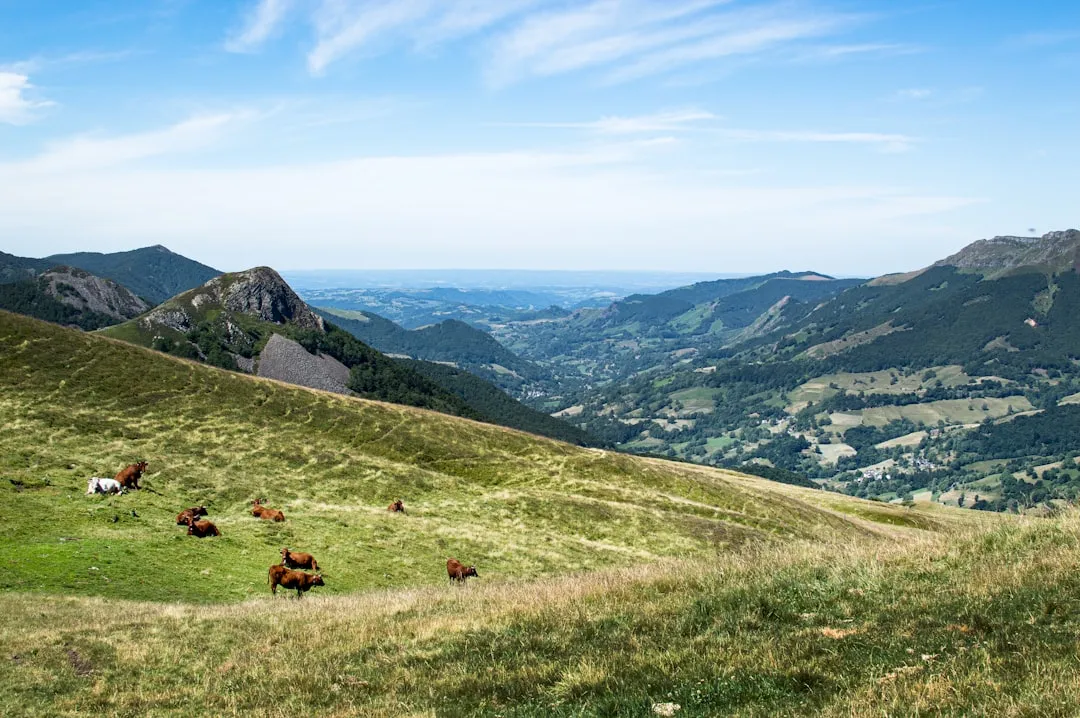
The Dentelles de Montmirail Loop is a captivating day walk in the heart of the Rhône Valley wine region of France. This moderate trail offers a unique blend of stunning natural landscapes, rich history, and the irresistible allure of world-renowned vineyards. The "Dentelles" (meaning "little teeth" or "lacework") are a dramatic limestone ridge that rises abruptly from the surrounding plains, offering breathtaking panoramic views. The loop winds through picturesque villages, past ancient ruins, and through the very vineyards that produce some of the world's most celebrated wines, including Gigondas, Vacqueyras, and Beaumes-de-Venise. It's a walk that engages all the senses, from the visual spectacle of the rugged peaks and rolling vineyards to the aromas of wild herbs and the promise of exquisite local produce and wine.
- Distance: 10.0 km
- Elevation Gain: 500 m
- Duration: 4-5 hours
- Difficulty: Moderate
- Best Time: Spring (April-June) and Autumn (September-October)
- Closest City: Carpentras
- Trailhead Access: Nearest airport: Marseille (MRS). From Marseille, take a train to Carpentras, then bus/taxi to Gigondas (trailhead). By car from Carpentras: D7 to Gigondas. Road in good condition. Parking available at the base of the Dentelles. No permits needed.
- Coordinates: 44.1856, 5.0708
Overview
The Dentelles de Montmirail Loop is a journey through a landscape sculpted by both nature and human hands over millennia. The trail's name derives from the striking limestone formations that form the backbone of the walk. These jagged, eroded peaks, resembling a row of teeth, provide a dramatic backdrop and a challenging, yet rewarding, ascent. The loop is designed to showcase the diverse character of the region, transitioning from the rugged, wild beauty of the Dentelles themselves to the meticulously cultivated vineyards that carpet the lower slopes and surrounding plains.
The walk typically begins in or near the charming village of Gigondas, a name synonymous with powerful, full-bodied red wines. From here, the path ascends into the Dentelles, offering increasingly spectacular vistas. You'll traverse rocky outcrops, pass through fragrant garrigue (scrubland), and encounter ancient ruins that hint at the area's long history. The higher sections of the loop provide sweeping panoramas of the Rhône Valley, stretching towards Mont Ventoux in the distance. The descent often leads you through vineyards, where you can observe the different grape varietals and the careful cultivation that goes into producing the region's esteemed wines.
This trail is not just about the physical act of walking; it's an immersion into a region where viticulture and landscape are inextricably linked. The moderate difficulty level makes it accessible to most reasonably fit walkers, while the 500 metres of elevation gain ensures a good workout and a genuine sense of accomplishment. The best times to visit are spring and autumn, when the weather is pleasant, the colours of the landscape are at their most vibrant, and the tourist crowds are thinner than in the peak summer months. The loop offers a perfect introduction to the natural beauty and cultural heritage of the Vaucluse department.
History and Cultural Context
The Dentelles de Montmirail have witnessed human activity for thousands of years. Archaeological evidence suggests settlements dating back to prehistoric times, drawn by the strategic vantage points and natural resources of the area. The Romans were among the first to recognise the potential of the fertile plains for viticulture, establishing vineyards that laid the foundation for the region's enduring wine-making tradition. The very name "Montmirail" is believed to derive from the Latin "Mons-Miralis," meaning "miraculous mountain," a testament to the awe inspired by its imposing presence.
Throughout the Middle Ages, the region was a strategic territory, often contested by various feudal lords. The imposing limestone formations of the Dentelles provided natural fortifications, and remnants of ancient castles and watchtowers can still be found, whispering tales of past conflicts and power struggles. The villages that dot the landscape, such as Gigondas, Vacqueyras, and Séguret (often considered one of France's most beautiful villages), have evolved over centuries, retaining their medieval charm with narrow cobblestone streets, stone houses, and ancient churches.
The development of the wine industry in the Dentelles de Montmirail is a story of resilience and dedication. While viticulture has ancient roots, the modern appellations (AOC - Appellation d'Origine Contrôlée) that define the quality and origin of wines like Gigondas and Vacqueyras were established in the 20th century. These appellations ensure that wines are produced according to strict regulations, preserving the unique character and quality associated with this specific terroir. The loop walk offers a tangible connection to this history, passing through vineyards that have been tended by generations of families, each contributing to the rich tapestry of the region's cultural and agricultural heritage.
Seasonal Highlights and Weather Reality
The Dentelles de Montmirail Loop is a year-round destination, but its charm and accessibility are significantly influenced by the seasons.
Spring (April-June): This is arguably the most beautiful time to undertake the walk. The landscape bursts into life with vibrant green foliage in the vineyards and a profusion of wildflowers carpeting the hillsides. The weather is generally mild and pleasant, perfect for hiking, with average temperatures ranging from 15°C to 25°C. The air is fresh, and the light is often soft and flattering for photography. However, spring can also bring occasional rain showers, so packing layers and waterproofs is advisable.
Summer (July-August): Summers in this region can be very hot, with temperatures frequently exceeding 30°C, sometimes reaching 40°C. While the vineyards are lush, the heat can make hiking strenuous, especially during the midday sun. If walking in summer, it is essential to start very early in the morning, carry ample water, and seek shade whenever possible. The landscape can appear drier, and the colours more muted under the intense sun.
Autumn (September-October): Autumn offers another excellent window for walking. The weather remains warm and pleasant, with average temperatures between 18°C and 28°C. This season is particularly spectacular for wine lovers, as the vineyards turn to stunning shades of gold, red, and orange. The grape harvest typically takes place in September, adding a lively atmosphere to the region. The light is often golden and beautiful, making for excellent photographic opportunities. As in spring, occasional rain is possible.
Winter (November-March): Winter can be cooler, with average temperatures ranging from 5°C to 12°C. While snow is rare in the valleys, the higher elevations of the Dentelles can experience frost and occasional light snow. The landscape takes on a starker, more minimalist beauty. The vineyards are dormant, and the colours are muted. This season is ideal for those seeking solitude and a more contemplative walking experience. However, shorter daylight hours and the possibility of colder, wetter weather mean that careful planning and appropriate gear are essential.
Recommended Itinerary
Dentelles de Montmirail Loop - Day Walk Itinerary
Early Morning (Approx. 8:00 AM - 9:00 AM): Arrival and Preparation
- Arrive at the designated trailhead, likely near Gigondas.
- Park your vehicle in the available parking area at the base of the Dentelles.
- Final gear check: ensure you have water, snacks, map, and appropriate clothing.
- Take a moment to appreciate the imposing limestone formations and the surrounding vineyards.
Morning (Approx. 9:00 AM - 12:00 PM): Ascent into the Dentelles
- Begin the ascent from Gigondas, following marked trails into the Dentelles de Montmirail.
- The initial part of the walk involves a steady climb through scrubland and rocky terrain.
- Enjoy the changing vegetation, with fragrant herbs like thyme and rosemary common.
- Reach higher vantage points offering increasingly impressive views over the Rhône Valley.
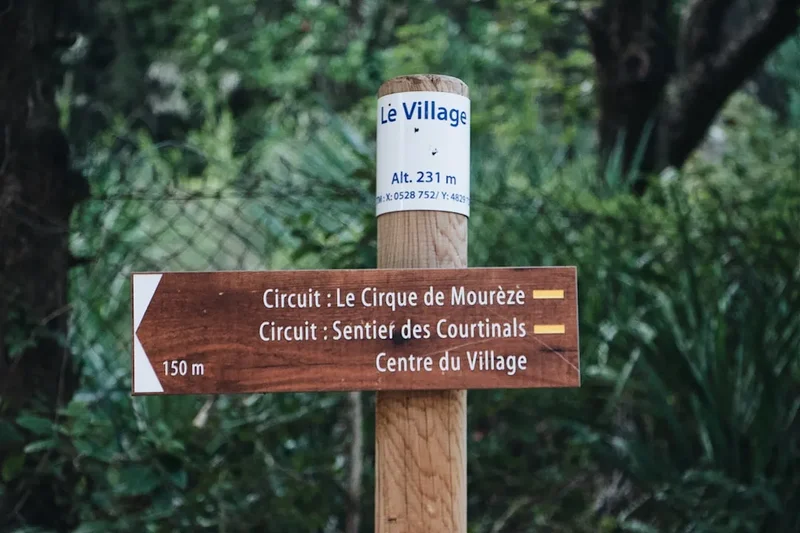
- Key Waypoints: Look for signs indicating routes towards the various peaks and viewpoints within the Dentelles.
Midday (Approx. 12:00 PM - 1:00 PM): Summit Views and Picnic
- Reach one of the higher points or designated viewpoints within the Dentelles.
- Take a break to enjoy the panoramic vistas. On a clear day, you can see Mont Ventoux, the Côtes du Rhône vineyards, and the surrounding villages.
- Enjoy a packed lunch amidst this spectacular scenery.
- Approximate elevation gain at this stage: 300-400 metres.
Afternoon (Approx. 1:00 PM - 3:30 PM): Descent and Vineyard Exploration
- Begin the descent from the Dentelles, often following a different path to complete the loop.
- The trail will lead you down towards the vineyard-covered plains.
- Pass through or alongside vineyards producing famous wines like Gigondas, Vacqueyras, and Beaumes-de-Venise.
- Observe the different grape varietals and the agricultural practices.
- Key Waypoints: Follow signs for the loop back towards Gigondas or your starting point.
Late Afternoon (Approx. 3:30 PM - 4:30 PM): Return to Trailhead
- Complete the loop, returning to your starting point near Gigondas.
- The final section may involve walking along vineyard tracks or quiet country roads.
- Total distance covered: approximately 10.0 km.
- Total elevation gain: approximately 500 m.
- Estimated duration: 4-5 hours, depending on pace and stops.
Optional Extension: Consider visiting a local winery in Gigondas or Vacqueyras for a tasting after your walk to sample the fruits of the region.
Planning and Bookings
Book Your Trip
Everything you need to plan your journey
Accommodation
Find places to stay near Carpentras
Flights
Search flights to Carpentras
Essential Preparation
The Dentelles de Montmirail Loop is a day walk, meaning no overnight accommodation is required. However, thorough preparation is still crucial for an enjoyable and safe experience. The closest major city with good transport links is Avignon, from which you can take a train to Carpentras. From Carpentras, local buses or taxis can take you to Gigondas, the most common starting point for the loop. Alternatively, driving is a convenient option, with good roads leading to Gigondas and ample parking available at the base of the Dentelles. It is advisable to check local bus schedules in advance if relying on public transport, as services can be infrequent, especially outside peak tourist seasons. Familiarise yourself with the route using a detailed map or a reliable hiking app, as trail markings can vary in clarity. Given the potential for heat, especially in summer, carrying sufficient water (at least 2 litres per person) is paramount. Sun protection, including a hat, sunglasses, and high SPF sunscreen, is also essential.
Trail Accommodation
This is a day hike requiring no overnight accommodation.
Required Gear
- Sturdy walking shoes or hiking boots: With good ankle support and grip, suitable for rocky and uneven terrain.
- Comfortable hiking socks: Preferably moisture-wicking to prevent blisters.
- Lightweight, breathable clothing: Layers are recommended to adapt to changing temperatures.
- Waterproof and windproof jacket: Essential for protection against sudden weather changes, especially at higher elevations.
- Sun hat or cap: For protection against strong sun.
- Sunglasses: To protect your eyes from glare.
- Backpack: A small to medium-sized daypack (15-25 litres) to carry essentials.
- Navigation tools: A detailed map of the area, a compass, and/or a GPS device or smartphone with offline maps.
- First-aid kit: Including blister treatment, antiseptic wipes, bandages, pain relievers, and any personal medications.
- Mobile phone: Fully charged, for emergencies (note that signal can be intermittent).
What to Bring
- Water: At least 2 litres per person, more if hiking in hot weather.
- Food: A packed lunch, energy bars, and snacks.
- Sunscreen: High SPF (30-50+).
- Insect repellent: Particularly useful during warmer months.
- Hand sanitiser: For hygiene.
- Small towel: For wiping sweat or drying off after unexpected rain.
- Camera: To capture the stunning scenery.
- Cash: For potential purchases at local wineries or small villages (card facilities may not always be available).
- Walking poles (optional): Can provide extra stability and reduce strain on knees, especially during descents.
Permits
No specific permits are required to walk the Dentelles de Montmirail Loop. The trails are generally public access routes through natural landscapes and vineyards. However, it is important to be respectful of private property, particularly when walking through vineyards. Always stay on marked paths and avoid disturbing the vines or any agricultural equipment. While no formal booking is necessary for the walk itself, if you plan to visit specific wineries for tastings or tours, it is highly recommended to book these in advance, especially during peak season or weekends. Many wineries operate by appointment only to ensure a personalised experience for visitors.
Other Activities in the Area
The Dentelles de Montmirail region offers a wealth of activities beyond the loop walk, catering to a variety of interests:
- Wine Tasting and Vineyard Tours: This is the heartland of some of France's most celebrated wines. Visit renowned wineries in Gigondas, Vacqueyras, Beaumes-de-Venise, and Séguret for guided tours and tastings. Explore the unique terroir that gives these wines their distinctive character.
- Exploring Picturesque Villages: Wander through the charming medieval streets of Gigondas, Vacqueyras, and Séguret. Discover local markets, artisan shops, and traditional Provençal architecture. Séguret, in particular, is listed as one of "The Most Beautiful Villages of France."
- Mont Ventoux: For the more adventurous, the iconic Mont Ventoux, often called the "Giant of Provence," is within reach. It offers challenging cycling routes (famous from the Tour de France) and hiking trails with spectacular panoramic views from its summit.
- Culinary Experiences: Indulge in the local gastronomy. Enjoy traditional Provençal cuisine at local restaurants, savour regional specialities, and pair your meals with the excellent local wines.
- Cycling: The surrounding countryside is a paradise for cyclists, with quiet roads winding through vineyards and rolling hills. Bike hire is available in nearby towns.
- Local Markets: Experience the vibrant atmosphere of Provençal markets, where you can find fresh produce, local crafts, cheeses, olives, and more. Check local schedules for market days in Gigondas, Vaugines, or other nearby towns.
Safety and Conditions
Trail Conditions: The Dentelles de Montmirail Loop is generally well-maintained, but sections can be rocky, uneven, and steep, particularly on the ascent into the Dentelles. The paths are usually clear, but in spring, some lower sections might be muddy after rain. In summer, the ground can become very dry and dusty.
Weather: The region experiences a Mediterranean climate. Summers can be extremely hot, with temperatures often exceeding 30°C. Spring and autumn offer milder conditions, but rain showers are possible. Winters are cool and can be damp. Always check the weather forecast before setting out and be prepared for rapid changes, especially at higher elevations.
Hydration: Carrying sufficient water is critical, especially during warmer months. There are very few, if any, reliable water sources along the trail itself. Plan to carry all the water you will need for the duration of your walk.
Sun Protection: The sun can be intense, particularly in the open vineyards and on the exposed ridges of the Dentelles. Wear a hat, sunglasses, and apply sunscreen liberally. Seek shade during the hottest parts of the day if hiking in summer.
Navigation: While the loop is generally well-signposted, it is advisable to carry a map and compass or use a GPS device/app with offline maps. Trail markings can sometimes be faded or ambiguous, especially at junctions.
Respecting Private Property: The loop passes through vineyards. Always stay on marked paths and respect the boundaries of private property. Do not pick grapes or disturb the vines.
Emergency Contacts: In case of emergency, dial 112 (the European emergency number). Ensure your mobile phone is fully charged and consider downloading an offline map application that can provide location data.
Footwear: Sturdy walking shoes or hiking boots with good grip are essential due to the uneven and rocky terrain.
Side Trips and Points of Interest
Gigondas Village: Before or after your walk, explore the charming village of Gigondas itself. Known for its powerful red wines, the village is picturesque with its stone buildings, narrow streets, and a beautiful church. The views from the village towards the Dentelles are stunning.
Vacqueyras Village: Another renowned wine village in the vicinity. Vacqueyras offers a similar charm to Gigondas, with its own distinct character and excellent wineries to visit. The surrounding vineyards are a key part of the landscape.
Séguret: Often cited as one of France's most beautiful villages, Séguret is a short drive from Gigondas. Its well-preserved medieval architecture, narrow winding streets, and panoramic views make it a worthwhile detour. It offers a glimpse into a more ancient past.
Château de Montmirail: While largely in ruins, the remnants of this historic castle offer a tangible link to the region's medieval past. Its strategic location atop a hill provides excellent vantage points, though access may be limited or require a separate exploration.
Vineyard Trails: Beyond the main loop, numerous smaller trails and tracks wind through the vineyards. These offer opportunities for shorter, more leisurely walks, allowing for deeper immersion in the viticultural landscape and the chance to discover hidden wineries.
Local Markets: If your visit coincides with a local market day in Gigondas or a nearby town, it's a fantastic opportunity to experience the local culture, sample regional produce, and purchase souvenirs.
Leave No Trace
The Dentelles de Montmirail are a precious natural and cultural landscape, and it is vital to preserve their beauty and integrity for future visitors. Adhering to Leave No Trace principles ensures that your impact is minimal:
- Plan Ahead and Prepare: Familiarise yourself with the trail, weather conditions, and local regulations. Pack appropriately and carry sufficient supplies.
- Travel and Camp on Durable Surfaces: Stick to marked trails to avoid damaging fragile vegetation, especially in the vineyards and on the rocky slopes of the Dentelles. Avoid creating new paths.
- Dispose of Waste Properly: Pack out everything you pack in. This includes all food scraps, wrappers, and any other litter. Use designated bins where available, but be prepared to carry waste back to your accommodation or a suitable disposal point.
- Leave What You Find: Do not pick wildflowers, take rocks, or disturb historical artefacts. Let nature and history remain as they are.
- Minimise Campfire Impacts: As this is a day walk, campfires are not applicable. However, if you were to picnic, ensure any cooking is done responsibly and that all traces are removed.
- Respect Wildlife: Observe wildlife from a distance and do not feed any animals.
- Be Considerate of Other Visitors: Keep noise levels down, especially in quiet areas and villages. Yield to others on narrow paths. Respect the peace and tranquility of the landscape.
By following these principles, you help protect the unique environment and cultural heritage of the Dentelles de Montmirail, ensuring it remains a beautiful and inspiring place for generations to come.
 France