
Damaraland Trek - Namibia's Ancient Heart
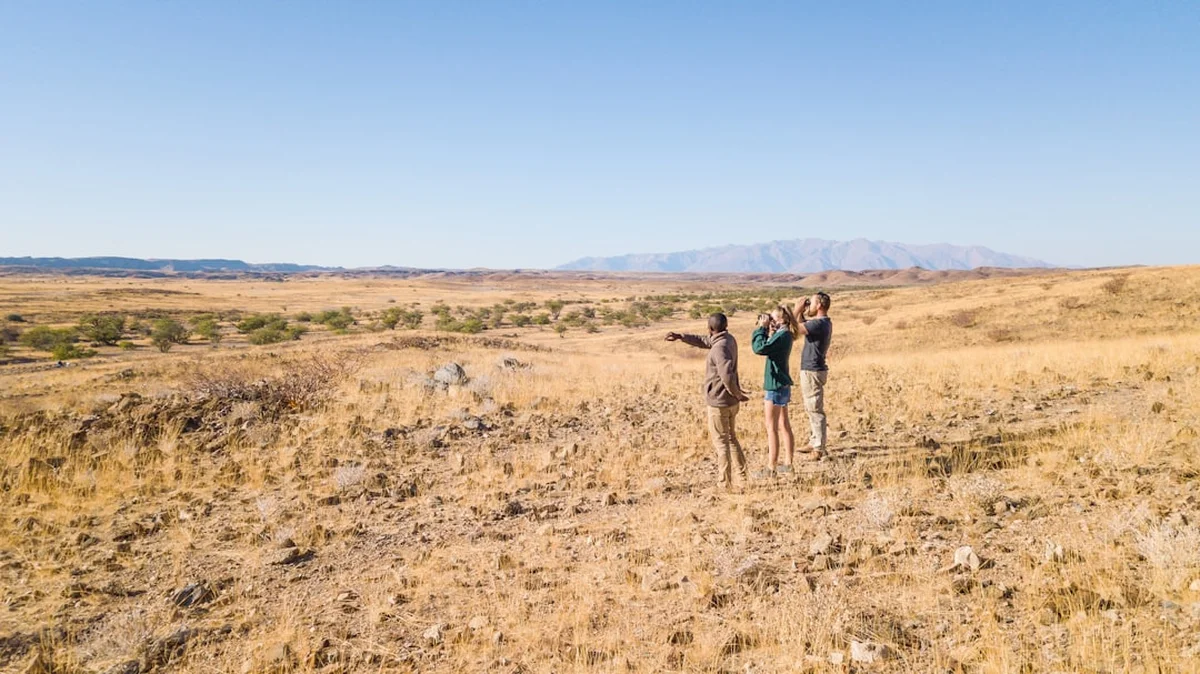
The Damaraland Trek is an immersive journey into one of Africa's most geologically unique and culturally rich landscapes. Spanning approximately 65 kilometres across the rugged, arid heart of Namibia, this challenging trek navigates ancient rock formations, vast desert plains, and ephemeral riverbeds, offering a profound connection to a land shaped by time and elemental forces. Unlike more verdant trails, the Damaraland Trek's beauty lies in its stark, dramatic vistas, its resilient desert-adapted wildlife, and the echoes of ancient human presence etched into its very stones. This is a trek for those seeking solitude, raw natural beauty, and an understanding of life's tenacity in extreme environments.
- Distance: 65.0 km
- Duration: 4-5 days
- Season: May to September (dry season, cooler temperatures)
- Difficulty: Challenging
- Category: Desert/Remote Trek
- Closest City: Swakopmund
- Trailhead Access: Nearest airport: Walvis Bay (WVB), then Swakopmund. Rental car is recommended (4x4 advised). Drive from Swakopmund to trailhead (approx 4-5 hrs). Road conditions vary, check locally. Parking is limited. GPS: -20.7833, 14.7500. Permits required; obtain in Windhoek or Swakopmund.
Overview
The Damaraland Trek is a testament to the power of endurance and adaptation. This is not a trail of lush forests or flowing rivers, but rather a landscape sculpted by wind, sun, and scarce water over millennia. The trek takes you through a region characterised by dramatic granite inselbergs, vast gravel plains, and the dry riverbeds that are the lifeblood of the desert ecosystem. Each day presents a new facet of this ancient land, from the towering rock formations that seem to defy gravity to the subtle signs of life that persist against all odds.
The challenge of the Damaraland Trek lies in its remoteness and the demanding desert environment. Days can be warm, even in the cooler months, and water sources are few and far between, requiring careful planning and self-sufficiency. Navigation can be complex, often relying on landmarks and GPS, as well-defined paths are rare. However, these very challenges contribute to the trek's profound rewards. The silence of the desert is absolute, broken only by the wind or the distant call of a bird. The night sky, unpolluted by artificial light, is a breathtaking spectacle of stars. Encounters with desert-adapted wildlife, such as elephants, springbok, and perhaps even the elusive desert lion, are unforgettable highlights.
This trek offers a unique opportunity to connect with a landscape that feels almost prehistoric. The geological formations are a visual record of Earth's history, while the rock art found in scattered sites speaks of human cultures that have thrived here for thousands of years. The Damaraland Trek is an expedition into a wild, untamed corner of the world, demanding respect, preparation, and a spirit of adventure.
History and Cultural Context
Damaraland's history is deeply intertwined with its harsh environment. For millennia, this land has been home to indigenous peoples, most notably the Damara and later the Herero, who adapted their pastoralist lifestyles to the scarce resources. These communities developed intricate knowledge of the land, its water sources, and its wildlife, a legacy that continues to inform the region's cultural identity.
The most visible remnants of this ancient human presence are the rock engravings and paintings found scattered throughout Damaraland. Sites like Twyfelfontein, a UNESCO World Heritage site, showcase thousands of rock engravings created by Stone Age hunter-gatherers over 6,000 years ago. These artworks depict animals, human figures, and abstract symbols, offering a window into the beliefs, rituals, and daily lives of people who lived in harmony with this challenging landscape. The sheer artistry and preservation of these sites are remarkable, a testament to the enduring human connection to this land.
European exploration and settlement in Damaraland were limited for a long time due to the extreme conditions. German colonial efforts in the late 19th and early 20th centuries had some impact, but the vastness and remoteness of the region meant that much of it remained largely untouched. Post-independence Namibia has focused on conservation and sustainable tourism, recognising the immense natural and cultural value of Damaraland. Today, the region is a vital area for wildlife conservation, particularly for species like the desert-adapted elephant and black rhino, which have found refuge in its arid expanses. The Damaraland Trek allows walkers to tread lightly through this ancient landscape, respecting its history and the cultures that have shaped it.
Seasonal Highlights and Weather Reality
The Damaraland Trek is best undertaken during the dry season, from May to September. This period offers the most favourable conditions for desert trekking.
May to September (Dry Season): This is the prime trekking season. Daytime temperatures are generally pleasant, ranging from 20°C to 30°C, making hiking more comfortable. Nights can be cool, dropping to around 5°C to 15°C, so warm layers are essential. Rainfall is minimal to non-existent, ensuring clear skies and excellent stargazing opportunities. Water sources are at their lowest, making water management critical. Wildlife is often more concentrated around remaining waterholes, increasing the chances of sightings.
October to April (Wet Season): This period is characterised by higher temperatures, often exceeding 35°C, and the possibility of summer thunderstorms. While rain can bring life to the desert, transforming the landscape with ephemeral flowers and filling dry riverbeds, it also presents significant challenges for trekkers. Flash floods in dry riverbeds are a serious hazard, and navigation can become more difficult. Visibility can be reduced during storms. This season is generally not recommended for the Damaraland Trek due to the extreme heat and potential for dangerous weather events.
The stark beauty of Damaraland is present year-round, but the dry season offers the most predictable and safest conditions for undertaking this challenging desert trek.
Recommended Itinerary
4-Day Damaraland Trek Itinerary
Day 1: Trailhead to Base Camp Alpha
- Distance: 15 km
- Elevation gain: 200 m
- Time: 5-6 hours
- Start at the designated trailhead, typically a remote point accessible by 4x4.
- Initial trek across open gravel plains, with distant views of granite inselbergs.
- Navigate through dry riverbeds, observing the unique desert flora.
- Establish Base Camp Alpha, a pre-arranged campsite or designated wild camping spot.
- Focus on acclimatising to the desert heat and the weight of your pack.
- Set up camp and prepare for the days ahead.
Day 2: Base Camp Alpha to Base Camp Beta (via Rock Art Site)
- Distance: 18 km
- Elevation gain: 300 m
- Time: 6-7 hours
- Continue through varied terrain, including rocky outcrops and sandy washes.
- Detour to a significant rock art site (e.g., near Twyfelfontein area, if accessible and permitted). Spend time observing ancient engravings.
- Cross more expansive desert plains, keeping an eye out for desert-adapted wildlife like springbok or oryx.
- Arrive at Base Camp Beta, another remote camping location.
- Evening stargazing is a highlight in this remote, light-pollution-free environment.
Day 3: Base Camp Beta to Base Camp Gamma (via Elephant Tracks)
- Distance: 20 km
- Elevation gain: 400 m
- Time: 7-8 hours
- Trek through a more rugged section, potentially following ancient elephant tracks through dry river systems.
- Ascend to higher ground for panoramic views of the Damaraland landscape.
- Observe the resilience of desert vegetation, such as Welwitschia mirabilis if encountered.
- The terrain may become more challenging with steeper ascents and descents.
- Reach Base Camp Gamma, a strategically chosen spot for its remoteness and potential for wildlife sightings.
- Conserve water and energy, as this is often the most demanding day.
Day 4: Base Camp Gamma to Trail End
- Distance: 12 km
- Elevation gain: 150 m
- Time: 4-5 hours
- A final push through the desert landscape.
- The terrain may ease slightly as you approach the end point.
- Reflect on the journey and the unique environment you have traversed.
- Arrive at the designated trail end point, where transport (typically a 4x4 vehicle) will be waiting.
- Transfer back to Swakopmund or your next destination.
Optional 5th Day: An extra day can be incorporated for a more relaxed pace, deeper exploration of a particular area, or to allow for unexpected delays due to weather or vehicle issues.
Important Notes:
- This itinerary is a guideline; actual routes may vary based on guide's discretion, water availability, and wildlife movements.
- Water sources are extremely limited; all water must be carried or sourced from pre-arranged caches.
- Navigation is critical; a GPS device and map are essential, and a local guide is highly recommended.
- Wild camping is often the norm; ensure you have the necessary permits and follow Leave No Trace principles.
- This trek requires significant self-sufficiency in terms of food, water, and safety.
Planning and Bookings
Book Your Trip
Everything you need to plan your journey
Accommodation
Find places to stay near Swakopmund
Flights
Search flights to Swakopmund
Essential Preparation
The Damaraland Trek is a serious undertaking that requires meticulous planning and a high degree of self-sufficiency. Due to its remote nature and challenging environment, it is strongly recommended to undertake this trek with an experienced local guide or tour operator. They will handle logistics such as permits, water drops, and emergency support, which are crucial for safety and success. Base town information: Swakopmund is the primary gateway for Damaraland treks. It offers a range of accommodation from guesthouses to hotels, gear rental shops, supermarkets for supplies, and tour operators. Walvis Bay (WVB) is the nearest airport, approximately 30 minutes from Swakopmund. A 4x4 vehicle is highly recommended for reaching the trailhead and for any independent exploration in the region, as roads can be rough and sandy.
Trail Accommodation
This is a remote desert trek that primarily involves wild camping. There are no established huts or lodges along the route. Trekkers will establish temporary campsites at pre-determined locations or designated wild camping spots. These are not formal campsites with facilities.
Wild Camping:
- Booking requirements: Permits for wild camping in specific areas may be required and should be arranged in advance, often through tour operators or local authorities.
- Facilities provided: None. You are entirely self-sufficient.
- What's NOT provided: Water, toilets, shelter, cooking facilities, charging points, any amenities.
- Seasonal availability: Available year-round, but May to September (dry season) is the recommended period due to more moderate temperatures.
- Costs: Permit fees may apply, typically included in guided tour packages.
This is a remote trek requiring overnight accommodation in tents at designated or permitted wild camping locations.
Required Gear
- Sturdy hiking boots: Broken-in, waterproof, with good ankle support for rocky and sandy terrain.
- Backpack: 60-75 litre capacity, with a comfortable harness and hip belt, and a rain cover.
- Tent: Lightweight, durable, and wind-resistant 3-season tent.
- Sleeping bag: Rated for temperatures down to 0°C, as desert nights can be cool.
- Sleeping mat: For insulation and comfort.
- Head torch: With spare batteries. Essential for camp tasks and navigating in the dark.
- Navigation tools: GPS device with pre-loaded maps, compass, and a detailed map of the area. A local guide is highly recommended for navigation.
- First-aid kit: Comprehensive kit including blister treatment, pain relievers, antiseptic wipes, bandages, and any personal medications.
- Sun protection: Wide-brimmed hat, sunglasses with UV protection, high SPF sunscreen (SPF 50+).
- Water bottles/hydration reservoir: Minimum 5-6 litres capacity per person per day, or more depending on the route and water cache availability.
- Water purification: Filter or purification tablets as a backup.
- Trekking poles: Highly recommended for stability on uneven terrain and to reduce strain on knees.
- Durable clothing: Lightweight, breathable, long-sleeved shirts and trousers to protect from sun and abrasion.
- Warm layers: Fleece jacket or down vest, warm hat, and gloves for cool desert nights.
- Waterproof jacket: Lightweight and breathable, for wind protection and potential rare rain showers.
What to Bring
- Food: Sufficient non-perishable food for the entire trek (breakfasts, lunches, dinners, snacks). Lightweight, high-energy options are best.
- Cooking equipment: Lightweight camping stove, fuel, cooking pot, utensils, mug, plate, and bowl.
- Toiletries: Biodegradable soap, toothbrush, toothpaste, toilet paper, hand sanitiser, and any personal hygiene items.
- Trash bags: To pack out all waste, including food scraps and toilet paper.
- Camera and spare batteries/power bank: To capture the stunning landscapes.
- Personal locator beacon (PLB) or satellite phone: For emergency communication in remote areas.
- Insect repellent: While not as prevalent as in other regions, some biting insects may be present.
- Small trowel: For burying human waste if no designated facilities are available (follow LNT principles).
- Duct tape and repair kit: For gear repairs.
- Book or journal: For downtime at camp.
Permits
Permits are a crucial aspect of trekking in Damaraland, particularly for accessing certain areas and for wild camping. These permits are typically obtained from the Ministry of Environment, Forestry and Tourism (MEFT) in Windhoek or through regional offices, or often arranged by your tour operator.
Types of Permits:
- Entry Permits: May be required for specific conservation areas or national parks within Damaraland.
- Wild Camping Permits: Essential if you plan to camp outside of designated campsites. These permits specify approved camping locations and duration.
- Vehicle Permits: If travelling by 4x4, permits for vehicle access to certain routes may be necessary.
Obtaining Permits:
- Tour Operators: The easiest and most recommended method is to book through a reputable tour operator. They will handle all permit applications as part of their service.
- Direct Application: If planning an independent trek, contact the MEFT well in advance of your travel dates. Requirements and application processes can vary, so early inquiry is vital. Be prepared to provide detailed itinerary information, group size, and intended camping locations.
- Location: Permits can often be obtained in Windhoek at the MEFT head office or at regional tourism offices. Some may be obtainable in Swakopmund, but it is best to confirm this beforehand.
Important Considerations:
- Advance Booking: Permits, especially for popular areas or during peak season, should be secured months in advance.
- Fees: Permit fees vary depending on the type of permit, duration of stay, and number of people. These are typically modest but add to the overall cost of the trek.
- Regulations: Adhere strictly to the conditions of your permit, including designated camping areas, waste disposal, and fire restrictions.
Failure to obtain the correct permits can result in significant fines or being denied access to trekking areas.
Other Activities in the Area
Damaraland offers a wealth of experiences beyond the trek itself, allowing for a deeper immersion into its unique environment and culture:
- Twyfelfontein Rock Engravings: A UNESCO World Heritage site featuring one of Africa's largest concentrations of ancient rock art. Explore thousands of petroglyphs created by the San people thousands of years ago.
- Organ Pipes: A geological wonder of closely packed dolerite columns, formed by volcanic intrusions.
- Burnt Mountain: A striking landscape of dark, volcanic rock that appears scorched, offering a stark contrast to the surrounding desert.
- Petrified Forest: Discover ancient tree trunks, fossilised over millions of years, providing a glimpse into prehistoric flora.
- Desert-Adapted Elephant Safaris: Embark on guided drives to search for elephants that have adapted to survive in the arid conditions of the region, often found near ephemeral riverbeds.
- Black Rhino Tracking: Join conservation efforts to track and observe the critically endangered black rhino in their natural habitat, often with experienced guides.
- Damara Cultural Village: Visit a traditional Damara village to learn about their customs, traditions, and way of life.
- Damaraland Jewellery: Explore local craft markets for unique jewellery made from semi-precious stones found in the region.
- Scenic Flights: Take a breathtaking aerial tour over Damaraland to appreciate the vastness and dramatic geological formations from above.
Safety and Conditions
Pre-Trek Preparation:
- Medical Check-up: Consult your doctor before undertaking this challenging trek, especially if you have pre-existing health conditions.
- Fitness: Ensure you have a high level of cardiovascular fitness and strength. The trek involves long days, carrying a heavy pack, and navigating difficult terrain in a hot climate.
- Hydration and Nutrition: Understand the importance of consistent hydration and adequate calorie intake in a desert environment. Practice carrying and managing water supplies.
- Gear Check: Ensure all your gear is in good working order and suitable for desert conditions.
Environmental Hazards:
- Heatstroke and Dehydration: This is the primary risk. Trek during the cooler parts of the day, take frequent breaks in the shade, and drink water consistently, even if you don't feel thirsty. Recognise the symptoms of heat exhaustion and heatstroke.
- Flash Floods: While rare in the dry season, sudden thunderstorms can cause flash floods in dry riverbeds. Always be aware of weather conditions and avoid camping or trekking in dry riverbeds if there is any risk of rain.
- Navigation: The terrain can be disorienting, and trails are often indistinct. GPS and map skills are essential. A guide is highly recommended to mitigate navigation risks.
- Wildlife: While encounters are usually positive, maintain a safe distance from all wildlife, including desert elephants and lions. Never approach or feed animals.
- Sunburn and Sun Exposure: The desert sun is intense. Use high SPF sunscreen, wear protective clothing, and seek shade whenever possible.
Communication and Emergencies:
- Satellite Phone/PLB: Essential for emergency communication as mobile phone reception is non-existent in most of Damaraland.
- Emergency Plan: Have a clear emergency plan with your trekking companions or guide, including evacuation procedures.
- First Aid: Be proficient in administering first aid. Your first-aid kit should be well-stocked and easily accessible.
Guides: Hiring a local, experienced guide is strongly advised. They possess invaluable knowledge of the terrain, water sources, wildlife, and emergency procedures, significantly enhancing safety and the overall experience.
Side Trips and Points of Interest
Twyfelfontein Rock Engravings: While not a side trip in the traditional sense, a visit to Twyfelfontein is an essential component of any Damaraland experience. This UNESCO World Heritage site is home to one of the largest and most significant collections of ancient rock art in Africa, with thousands of petroglyphs created by the San people over 6,000 years ago. The engravings depict a wide array of animals, human figures, and abstract symbols, offering a profound connection to the region's ancient past. Guided tours are available and highly recommended to understand the context and significance of these artworks.
The Organ Pipes: Located near Twyfelfontein, this geological formation consists of a series of closely packed, parallel dolerite columns that resemble a giant church organ. These columns were formed by volcanic intrusions and subsequent erosion, creating a striking natural monument. It's a relatively short and easy walk to view the Organ Pipes, offering a fascinating geological contrast to the surrounding desert landscape.
Burnt Mountain: A visually dramatic and stark landscape, Burnt Mountain is a hill composed of dark, volcanic rock that appears to have been scorched. The colours range from deep black to shades of red and brown, creating an almost alien environment. It's a popular spot for photography and offers a unique perspective on the volcanic history of the region. The contrast between the dark mountain and the pale desert floor is particularly striking.
Petrified Forest: This site showcases ancient tree trunks that have been fossilised over millions of years. These enormous logs, some still showing bark patterns, are a tangible link to a prehistoric era when the climate of Damaraland was vastly different. It's a remarkable natural museum, offering a glimpse into the deep geological history of the area.
Ephemeral Riverbeds: While not a specific point of interest, the dry riverbeds (omurambas) are central to the Damaraland ecosystem. They are the primary pathways for wildlife, especially desert-adapted elephants, and the locations where sparse vegetation can thrive. Observing the tracks and signs of life along these riverbeds is a constant source of fascination and a key element of the trekking experience.
Leave No Trace
The Damaraland Trek traverses an incredibly fragile desert ecosystem. The principles of Leave No Trace are paramount to preserving this unique environment for future generations and for the wildlife that calls it home. The vastness and apparent emptiness of the desert can be deceptive; life here is tenacious but vulnerable.
Your responsibility as a trekker:
- Pack It In, Pack It Out: This is the golden rule. All waste, including food scraps, wrappers, toilet paper, and any other refuse, must be carried out with you. Do not bury waste, as decomposition is extremely slow in the desert.
- Stay on the Path: Where paths exist, stick to them. In areas without defined trails, tread lightly and avoid creating new paths, especially through fragile vegetation or on sensitive soil crusts.
- Dispose of Waste Properly: Human waste should be disposed of in designated latrines if available. If not, dig a cathole at least 10 metres away from water sources and campsites, and at least 20 cm deep. Pack out all toilet paper.
- Leave What You Find: Do not take rocks, plants, or any natural or cultural artefacts. The desert's beauty lies in its untouched state.
- Minimise Campfire Impacts: Campfires are generally discouraged in desert environments due to the scarcity of fuel and the risk of wildfires. Use a lightweight camping stove for cooking. If a fire is absolutely necessary and permitted, use an existing fire ring and ensure it is completely extinguished before leaving.
- Respect Wildlife: Observe animals from a distance. Never feed them, as this can alter their natural behaviour and diet, and can be harmful. Keep your campsite secure to avoid attracting animals.
- Be Considerate of Other Visitors: While Damaraland is remote, you may encounter other trekkers or vehicles. Keep noise levels down and respect the solitude of the environment.
The Damaraland Trek is an opportunity to experience a truly wild place. By adhering to Leave No Trace principles, you help ensure that this ancient landscape remains pristine and awe-inspiring.
Useful Links
- Namibia Tourism Board
- Namibian Meteorological Service (for weather forecasts)
- Damaraland Weather Forecast (example link, actual URL may vary)
- Ministry of Environment, Forestry and Tourism (MEFT) - Namibia (for permit information)
- UNESCO World Heritage Centre - Twyfelfontein
- Information on Damaraland Conservation Areas