
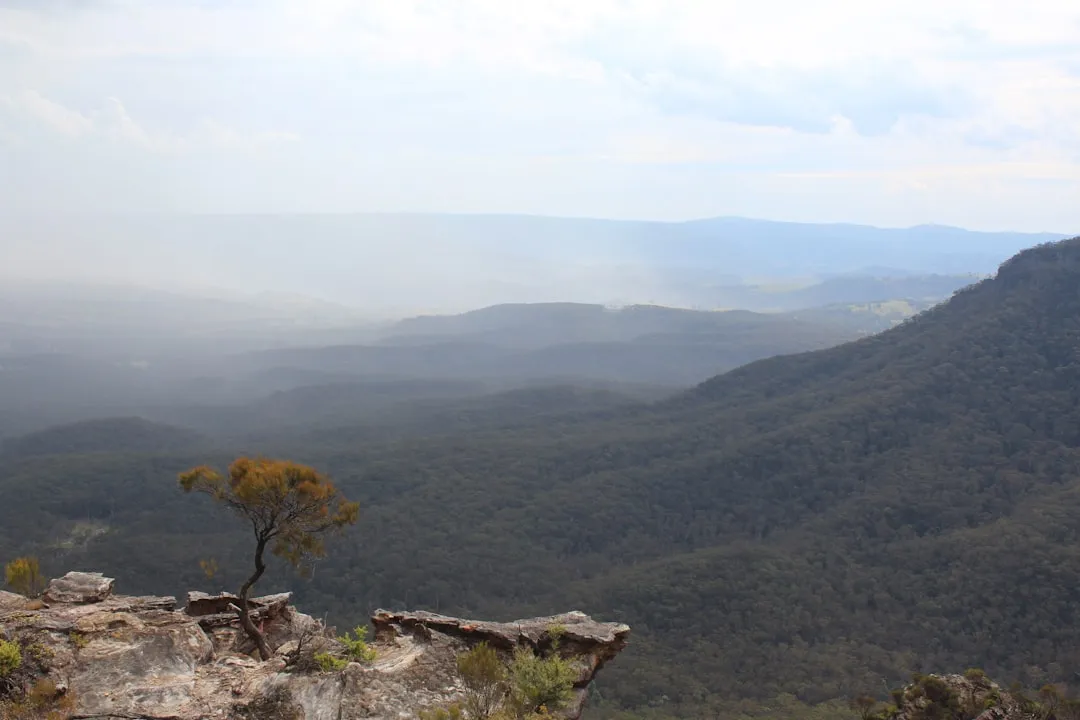
Dales Gorge Trail
The Dales Gorge Trail is a spectacular day walk located within Karijini National Park in the Pilbara region of Western Australia. This trail offers a captivating journey into one of the park's most iconic gorges, showcasing dramatic red rock formations, ancient geological history, and the refreshing reward of permanent waterholes and waterfalls. It's a relatively short but immensely rewarding experience, allowing visitors to immerse themselves in the raw beauty and unique ecosystem of the Australian outback. The trail is renowned for its accessibility, providing a taste of the grandeur of Karijini's gorges without requiring an overnight stay or extensive multi-day commitment. It's an ideal introduction to the park's geological wonders and a must-do for anyone visiting the region.
- Category: Day Walk
- Distance: 12.0 km
- Elevation Gain: 300 m
- Duration: 4-6 hours
- Difficulty: Moderate
- Best Time: April to September (cooler months)
- Closest City: Tom Price
- Trailhead Access: Nearest airport: Paraburdoo Airport (PBO). Drive ~1hr to Tom Price, then another ~1hr to Dales Gorge. Mostly sealed roads. Parking available at Fortescue Falls Carpark. No permits typically required, but check Karijini National Park alerts before visiting.
- Coordinates: -22.4406, 118.6442
Overview
The Dales Gorge Trail is a circular route that takes walkers through the heart of Dales Gorge, one of Karijini National Park's most accessible and visually stunning gorges. The trail is a testament to millions of years of geological processes, with its towering, rust-coloured ironstone walls carved by ancient rivers. The walk involves descending into the gorge, traversing its floor, and then ascending back out, offering a diverse range of experiences and perspectives. Key highlights include the magnificent Fortescue Falls, a permanent waterfall cascading into a clear pool, and Circular Pool, another beautiful waterhole perfect for a refreshing dip on a warm day. The trail also passes by Djada Pool, a significant Aboriginal site.
The journey into the gorge typically begins with a descent via steps or a well-maintained path, leading walkers onto the gorge floor. Here, the scale of the ancient rock formations becomes truly apparent, with sheer cliffs rising hundreds of metres above. The air is cooler and more humid at the gorge floor, supporting a unique microclimate with hardy ferns and other vegetation clinging to the rock faces. The sound of water is a constant companion, whether it's the gentle flow of the Dales River or the more dramatic cascade of Fortescue Falls.
The trail is classified as moderate due to the need for scrambling over rocks, navigating uneven terrain, and the significant elevation changes involved in descending into and ascending out of the gorge. While the distance is manageable for most fit individuals, the challenging sections require careful footing and a reasonable level of physical fitness. The reward for this effort is an intimate encounter with a landscape that feels both ancient and alive, a stark contrast to the arid plains above. The Dales Gorge Trail is an essential experience for understanding the geological and ecological significance of Karijini National Park.
History and Cultural Context
Karijini National Park, and specifically the area encompassing Dales Gorge, holds deep cultural significance for the local Banjima, Yinhawangka, Purduna, and Kurrama Aboriginal peoples. These groups have a continuous connection to the land spanning tens of thousands of years, utilising the gorges for water, shelter, and as important ceremonial sites. The permanent water sources within the gorges, such as Fortescue Falls and Circular Pool, were vital for survival in this arid environment and were central to traditional life, providing sustenance and a place for gathering.
The geological history of the gorges themselves is a story of immense time. The rock formations are part of the Hamersley Basin, one of the world's most significant iron ore provinces. The gorges were carved over millions of years by the erosive power of water, a process that continues to shape the landscape today. The distinct layers of rock visible in the gorge walls tell a story of ancient seabeds, volcanic activity, and the slow uplift of the land. The ironstone formations, rich in iron oxides, give the gorges their characteristic red and orange hues, particularly striking at sunrise and sunset.
European exploration and settlement in the Pilbara region began in the mid-19th century, primarily driven by pastoralism and later, mining. The area that is now Karijini National Park was initially part of pastoral leases. The recognition of the area's unique natural beauty and geological importance led to its proclamation as a National Park in 1967, initially as Wittenoom Gorge National Park, and later renamed Karijini National Park in 1991 to reflect its Aboriginal heritage. The development of visitor facilities, including the Dales Gorge Trail, has aimed to balance public access with the preservation of the park's natural and cultural values. Understanding this dual heritage—both Aboriginal and geological—is crucial to appreciating the profound significance of Dales Gorge.
Seasonal Highlights and Weather Reality
The Pilbara region experiences a hot desert climate, with extreme temperatures during the summer months. Therefore, the best time to visit Dales Gorge and hike the Dales Gorge Trail is during the cooler, drier months, typically from April to September. This period, often referred to as the "winter" or "dry season" in Western Australia, offers more moderate temperatures, making hiking significantly more comfortable and enjoyable.
April to May (Autumn): Temperatures begin to cool, and the landscape can still show signs of recent rains, with some ephemeral wildflowers appearing. The heat is less intense, and the humidity starts to decrease, making it a pleasant time for hiking. Water levels in the gorges are usually good.
June to August (Winter): These are the coolest months, with daytime temperatures typically ranging from 20°C to 25°C. Nights can be cool, sometimes dropping to around 10°C. This is the peak season for visiting Karijini National Park, and Dales Gorge can be quite busy. The waterholes are at their most inviting for swimming, and the weather is ideal for exploring the gorges.
September (Spring): Temperatures begin to rise again, but it is generally still a comfortable time to visit. Wildflowers may be more prevalent, especially if there has been good rainfall in the preceding months. By the end of September, temperatures can start to become quite warm, so early morning or late afternoon hikes are recommended.
October to March (Summer): These months are extremely hot, with daytime temperatures frequently exceeding 40°C. Hiking in the gorges during this period is strongly discouraged due to the high risk of heatstroke and dehydration. While the gorges offer some shade, the ambient temperatures can be dangerous. If visiting during these months, activities should be limited to early mornings and late evenings, and extreme caution must be exercised.
Rainfall: While the region is generally dry, occasional tropical cyclones can bring heavy rainfall between November and March. This can lead to flash flooding in the gorges, making them impassable and dangerous. Always check park alerts and weather forecasts before and during your visit.
Recommended Itinerary
Dales Gorge Trail - Day Walk Itinerary
Early Morning (Approx. 8:00 AM): Arrival and Descent
- Arrive at Fortescue Falls Carpark.
- Begin the descent into Dales Gorge. This is typically via a well-maintained set of stairs or a graded path, leading you down to the gorge floor.
- Take your time to appreciate the changing vegetation and the first glimpses of the towering gorge walls.
- The air will become noticeably cooler as you descend.
Morning (Approx. 8:30 AM - 11:00 AM): Fortescue Falls and Gorge Floor Exploration
- Reach the gorge floor and make your way to Fortescue Falls.
- Spend time admiring the permanent waterfall and the clear pool below. This is an excellent spot for photos and to experience the unique atmosphere of the gorge.
- Continue along the gorge floor, following the Dales River. The path can be uneven, requiring careful footing over rocks and sandy sections.
- Observe the unique flora adapted to the gorge environment, such as ferns and hardy shrubs clinging to the rock faces.
- The towering ironstone walls provide a dramatic backdrop, showcasing millions of years of geological history.
Midday (Approx. 11:00 AM - 1:00 PM): Circular Pool and Djada Pool
- Continue your walk along the gorge floor towards Circular Pool.
- Circular Pool is another beautiful, permanent waterhole, often a popular spot for a refreshing swim.
- Take a break here, enjoy a snack, and perhaps take a dip if conditions are suitable and you have swimwear.
- From Circular Pool, you can also visit Djada Pool, a significant Aboriginal site. Please observe this area with respect and do not disturb any cultural artefacts or markings.
- The trail may involve some minor scrambling over rocks and navigating around natural obstacles.
Afternoon (Approx. 1:00 PM - 3:00 PM): Ascent and Return
- Begin the ascent out of the gorge. This is typically via a different set of stairs or a graded path, leading you back to the rim.
- The climb can be strenuous, so pace yourself and take breaks as needed.
- As you ascend, the views back down into the gorge become increasingly expansive.
- Once back on the gorge rim, follow the paths back to the Fortescue Falls Carpark.
- Allow ample time for the ascent, especially if the weather is warm.
Important Notes:
- This is a day walk; no overnight accommodation is required.
- Carry plenty of water (at least 3-4 litres per person).
- Wear sturdy, closed-toe walking shoes with good grip.
- Sun protection is essential: hat, sunglasses, and sunscreen.
- Be aware of the moderate difficulty; the trail involves uneven terrain, rock scrambling, and significant elevation changes.
- Check park alerts for any track closures or warnings before your visit.
- Swimming is permitted at Circular Pool and Fortescue Falls, but exercise caution and be aware of water depth and currents.
Planning and Bookings
Book Your Trip
Everything you need to plan your journey
Accommodation
Find places to stay near Tom Price
Flights
Search flights to Tom Price
Essential Preparation
The Dales Gorge Trail is located within Karijini National Park, which is remote. The nearest town with significant services is Tom Price, approximately a 1-hour drive away. Paraburdoo Airport (PBO) is the closest airport, about a 1.5-hour drive from Tom Price. Ensure your vehicle is in good condition, as roads within the park can be unsealed and corrugated. It is highly recommended to have a full tank of fuel before entering the park, as fuel is not available within Karijini. Carry ample water and food, as facilities within the park are limited. Mobile phone reception is unreliable to non-existent in most areas of the park, including within the gorges, so inform someone of your plans and expected return time.
Logistics:
- Vehicle: A 2WD vehicle is generally sufficient for accessing the main attractions like Dales Gorge, provided roads are dry. However, a 4WD offers greater comfort and capability on unsealed sections.
- Accommodation: While this is a day walk, if you are staying in the park, the Karijini Eco Retreat and various campgrounds are available. Bookings are essential, especially during peak season. Tom Price also offers hotel and motel accommodation.
- Timing: Plan your visit during the cooler months (April to September) for the most comfortable hiking experience. Avoid the hottest summer months (October to March) due to extreme heat.
Trail Accommodation
This is a day hike requiring no overnight accommodation.
Required Gear
- Footwear: Sturdy, closed-toe walking shoes or hiking boots with good ankle support and excellent grip are essential. The terrain is uneven, rocky, and can be slippery.
- Clothing: Lightweight, breathable clothing suitable for warm weather. Long sleeves and trousers are recommended for sun protection and to guard against scratches. A wide-brimmed hat is crucial.
- Navigation: While the Dales Gorge Trail is generally well-marked, a map of Karijini National Park and a compass or GPS device are advisable, especially for exploring beyond the main trail. A downloaded offline map on your phone is also useful.
- Safety Gear: A comprehensive first-aid kit, including blister treatment, pain relievers, antiseptic wipes, and any personal medications. A whistle for emergencies.
- Sun Protection: High SPF sunscreen, sunglasses, and a wide-brimmed hat.
What to Bring
- Water: This is the most critical item. Carry at least 3-4 litres of water per person. There are no reliable water sources for drinking on the trail, and dehydration is a serious risk.
- Food: Pack plenty of high-energy snacks and a packed lunch. There are no food services within the park.
- Water Treatment: While there are waterholes, the water is not treated and should not be consumed without purification. Bring a water filter or purification tablets if you intend to use gorge water for any purpose other than swimming.
- Toiletries: Biodegradable soap (for swimming, use sparingly and away from water sources), toothbrush, toothpaste, hand sanitiser. Pack out all personal waste.
- Personal Items: Camera, insect repellent (though sandflies are less of an issue here than in coastal areas), swimwear if you plan to swim, a small towel.
- Emergency Kit: A basic emergency kit including a head torch (even for a day walk, in case of unexpected delays), a multi-tool or knife, and a basic repair kit.
Permits
Typically, no specific permits are required for day hiking on the Dales Gorge Trail or for general entry into Karijini National Park. However, it is always advisable to check the official Karijini National Park website or contact the Parks and Wildlife Service of Western Australia for the most up-to-date information regarding park entry fees, any special conditions, or potential closures. Fees may apply for park entry, and these are usually payable at designated entry points or can be pre-purchased online.
Park Entry Fees:
- Karijini National Park generally has a vehicle entry fee. This fee contributes to the maintenance and conservation of the park.
- Check the Department of Biodiversity, Conservation and Attractions (DBCA) website for current fee structures.
Alerts and Closures:
- It is crucial to check for any park alerts before your visit. Gorges can be closed temporarily due to:
- Flash flooding risk after heavy rainfall.
- Maintenance work.
- Bushfire activity.
- The park website is the best source for this information.
Aboriginal Heritage Sites:
- The gorges are culturally significant sites for the local Aboriginal peoples. Visitors are expected to treat these areas with respect.
- Do not disturb any rock art, artefacts, or natural features. Stay on marked paths to protect sensitive areas.
Other Activities in the Area
Karijini National Park offers a wealth of other activities and gorges to explore, making it a destination that can easily fill several days:
- Hancock Gorge: Famous for its challenging "Spider Walk" and the stunning Kermit's Pool. Requires a good level of fitness and comfort with heights and confined spaces.
- Weano Gorge: Another spectacular gorge with a challenging descent and the beautiful Handrail Pool.
- Joffre Gorge: Features a beautiful waterfall and pool, accessible via a steep but rewarding descent.
- Oxer Lookout: Offers breathtaking panoramic views where four gorges converge.
- Karijini Eco Retreat: Provides accommodation and dining options within the park, offering a comfortable base for exploration.
- Campgrounds: Several campgrounds are available within the park, offering a more rustic experience.
- Tom Price: Visit the nearby town of Tom Price for supplies, fuel, and additional accommodation options.
- Pilbara Region Exploration: Beyond Karijini, the wider Pilbara region offers unique landscapes, mining history, and cultural experiences.
Safety and Conditions
Pre-Trip Checks:
- Weather: Always check the weather forecast for Karijini National Park before and during your visit. Extreme heat is a significant danger, especially during summer.
- Park Alerts: Visit the official Karijini National Park website or contact the local ranger station for any alerts regarding track closures, flash flood warnings, or other hazards.
- Road Conditions: Check the condition of the roads within the park, especially if travelling during or after rain.
Gorge Safety:
- Flash Flooding: This is the most significant danger in Karijini's gorges. Gorges can flood rapidly and without warning during or after rainfall, even if it is not raining directly over the gorge. If there is any chance of rain, do not enter the gorges. Always check the weather forecast and heed any warnings.
- Heatstroke and Dehydration: Carry significantly more water than you think you will need. Drink regularly, even if you don't feel thirsty. Wear a hat, sunglasses, and sunscreen. Hike during the cooler parts of the day (early morning and late afternoon). If you feel unwell, seek shade immediately and rehydrate.
- Terrain: The trails involve uneven surfaces, loose rocks, and scrambling. Wear appropriate footwear with good grip. Be mindful of your footing at all times.
- Swimming: While swimming is a popular activity, exercise caution. Water depth can vary, and currents can be strong, especially after rain. Be aware of submerged rocks. Never swim alone.
- Wildlife: While most wildlife is harmless, be aware of snakes and spiders. Do not approach or handle any wildlife.
Communication:
- Mobile phone reception is extremely limited to non-existent within the gorges and much of the park.
- Inform someone of your hiking plans, including your intended route and expected return time.
- Consider carrying a Personal Locator Beacon (PLB) for remote areas.
First Aid: Carry a well-stocked first-aid kit and know how to use it. Be prepared to self-rescue or wait for assistance if necessary.
Side Trips and Points of Interest
Fortescue Falls: The primary attraction of the Dales Gorge Trail. This permanent waterfall cascades over the ironstone cliffs into a clear, inviting pool below. It's a stunning visual spectacle and a refreshing spot to cool off. The falls are accessible via a well-maintained staircase from the gorge rim.
Circular Pool: Located further along the gorge floor from Fortescue Falls, Circular Pool is another beautiful and permanent waterhole. It's a popular spot for swimming and relaxing. The pool is surrounded by the impressive red rock walls of the gorge, creating a picturesque setting.
Djada Pool: Situated near Circular Pool, Djada Pool is a significant Aboriginal site. It is a place of cultural importance to the local Banjima people and should be treated with respect. Visitors are asked to observe the area quietly and not to disturb any natural or cultural features.
Gorge Floor Scenery: The entire walk along the gorge floor is a point of interest in itself. The towering, ancient ironstone walls, sculpted by millions of years of erosion, are a geological marvel. The unique flora that thrives in the shaded, humid environment of the gorge floor, such as ferns and mosses, adds to the dramatic contrast with the arid landscape above.
The Descent and Ascent: The experience of descending into and ascending out of the gorge provides distinct perspectives. The descent offers a sense of entering a hidden world, while the ascent provides expansive views back into the gorge and across the surrounding landscape.
Leave No Trace
The Dales Gorge Trail, like all natural environments, requires visitors to practice Leave No Trace principles to minimise their impact and preserve its beauty for future generations. Karijini National Park is a fragile ecosystem, and responsible behaviour is paramount.
Your responsibility as a walker:
- Pack It In, Pack It Out: Carry out all rubbish, including food scraps, wrappers, and any other waste you generate. Do not bury or burn rubbish.
- Stay on Marked Trails: Stick to the designated paths and boardwalks. This prevents erosion, protects fragile vegetation, and avoids disturbing sensitive Aboriginal heritage sites. Venturing off-trail can lead to injury and damage to the environment.
- Respect Wildlife: Observe animals from a distance and never feed them. Feeding wildlife can alter their behaviour, make them dependent on human food, and spread disease.
- Dispose of Waste Properly: Use designated toilet facilities where available. If caught short, dig a cathole at least 100 metres away from water sources, trails, and campsites, and bury human waste. Pack out all toilet paper.
- Leave What You Find: Do not take rocks, plants, or any natural or cultural artefacts from the park. Leave them for others to enjoy and to maintain the natural integrity of the environment.
- Minimise Campfire Impacts: Campfires are generally not permitted in Karijini National Park, especially within the gorges. If camping, use a portable stove for cooking. If fires are permitted in designated areas, use existing fire rings and ensure fires are completely extinguished.
- Be Considerate of Other Visitors: Keep noise levels down, especially in natural settings. Respect the experience of others seeking solitude and enjoyment of nature.
- Protect Water Sources: When swimming, use biodegradable soaps and apply them away from the water's edge. Avoid using soaps or shampoos directly in the waterholes.
By adhering to these principles, you help ensure that the Dales Gorge Trail and Karijini National Park remain a pristine and awe-inspiring destination.
 Australia