
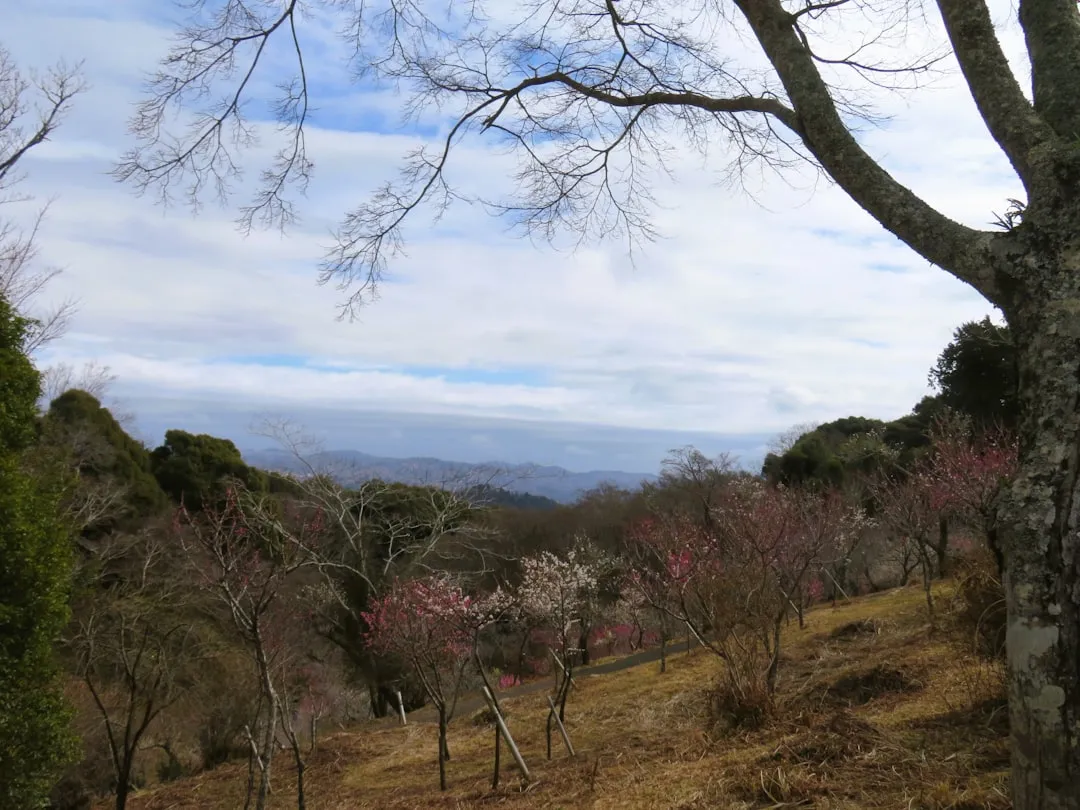
Daibutsu Hiking Course
The Daibutsu Hiking Course is a scenic and accessible day walk located in Kamakura, Japan, offering a delightful blend of natural beauty, historical significance, and iconic landmarks. This relatively short trail connects several important cultural sites, most notably leading to the Great Buddha (Daibutsu) of Kotoku-in Temple, one of Japan's most famous Buddhist statues. The course winds through tranquil forests, past smaller temples, and offers glimpses of the surrounding urban landscape and coastline, making it a popular choice for both locals and tourists seeking a peaceful yet engaging outdoor experience.
- Distance: 6.5 km
- Duration: 3-4 hours
- Season: Spring (March-May) and Autumn (September-November)
- Difficulty: Moderate
- Closest City: Kamakura
- Trailhead Access: Nearest airport: Narita (NRT) or Haneda (HND). Take the JR Yokosuka Line to Kita-Kamakura Station. From Kita-Kamakura Station, follow signs to the Daibutsu Hiking Course. Train is the best option. Limited parking near trailheads. No permits required.
- Coordinates: 35.3167, 139.5500
Overview
The Daibutsu Hiking Course is a charming and relatively easy day walk that encapsulates the essence of Kamakura's historical and natural appeal. It's not a wilderness trek but rather a well-maintained path that meanders through a mix of urban fringe, forested hills, and temple grounds. The trail's moderate difficulty stems from some gentle inclines and descents, making it suitable for most fitness levels, though sturdy footwear is recommended.
The journey typically begins near Kita-Kamakura Station, a gateway to many of Kamakura's significant temples. From here, the path ascends gradually, leading walkers through serene wooded areas that offer a welcome respite from the bustling city below. Along the way, smaller, less-visited temples and shrines can be discovered, providing moments of quiet contemplation and a deeper appreciation for the region's spiritual heritage. The air is often filled with the scent of pine and damp earth, and the sounds of birdsong replace the urban clamour.
The highlight for most is the eventual arrival at Kotoku-in Temple, home to the colossal bronze statue of Amida Buddha, the Daibutsu. Standing at over 13 metres tall, this iconic figure has been a symbol of Kamakura for centuries. The trail's design allows for a natural progression towards this magnificent landmark, building anticipation as you approach. Beyond the Great Buddha, the course continues, often leading towards Hase Station or other points of interest, allowing for further exploration of Kamakura's rich history and coastal beauty.
The best times to undertake this walk are during spring and autumn. Spring (March to May) brings pleasant temperatures and the blooming of cherry blossoms and other flowers, adding vibrant colour to the landscape. Autumn (September to November) offers crisp air, clear skies, and the beautiful foliage of changing leaves, creating a picturesque setting. Summer can be hot and humid, while winter, though cooler, can be less visually appealing due to bare trees.
History and Cultural Context
Kamakura, a coastal city located about an hour south of Tokyo, served as the political centre of Japan during the Kamakura Shogunate (1185–1333). This period was a pivotal era in Japanese history, marked by the rise of the samurai class and the establishment of a military government. The city flourished as a centre of power, culture, and religion, and many of the temples and historical sites that exist today were established or gained prominence during this time.
The Daibutsu Hiking Course itself is not a single ancient path but rather a modern route that connects existing historical sites and natural pathways. The most significant landmark on the course, the Great Buddha of Kotoku-in Temple, has a rich history. Originally housed within a large temple hall, the statue was exposed to the elements when the hall was destroyed by a tsunami in 1498. Since then, it has stood in the open air, a testament to its enduring presence and the resilience of its creators.
The temple of Kotoku-in was founded in the 13th century, and the Great Buddha was cast between 1243 and 1252. It is made of bronze and weighs approximately 121 tonnes. Its serene expression and imposing size have made it a focal point for pilgrims and visitors for centuries. The surrounding area, including the paths that form the hiking course, has been shaped by the development of these religious sites and the urban expansion of Kamakura over time.
Other temples along or near the route, such as Engaku-ji and Kencho-ji (often starting points or nearby attractions), also boast long histories dating back to the Kamakura period. These temples were instrumental in the spread of Zen Buddhism in Japan. The hiking course, therefore, offers a journey not just through nature but through layers of Japanese history, from the samurai era to the present day, connecting the natural landscape with the spiritual and political heart of ancient Japan.
Seasonal Highlights and Weather Reality
The Daibutsu Hiking Course is a year-round destination, but its appeal varies significantly with the seasons, primarily due to weather and foliage.
Spring (March-May): This is arguably the most pleasant season for walking the course. Temperatures are mild, typically ranging from 10°C to 20°C. Cherry blossoms (sakura) bloom in late March to early April, transforming the landscape with delicate pink and white flowers. The forests begin to green, and the overall atmosphere is one of renewal and vibrancy. The weather is generally stable, with sunny days being common, though occasional spring showers can occur.
Summer (June-August): Summers in Kamakura are hot and humid, with average temperatures ranging from 25°C to 30°C, often feeling hotter due to humidity. The rainy season (tsuyu) typically occurs in June and early July, bringing frequent rainfall. While the lush greenery is at its peak, the heat and humidity can make hiking uncomfortable. The trail can be busy with tourists seeking to escape the city heat, and sandflies or mosquitoes may be present.
Autumn (September-November): Autumn is another prime season for the Daibutsu Hiking Course. The weather becomes cooler and drier, with average temperatures between 15°C and 25°C. The humidity drops, making for comfortable walking conditions. From mid-November onwards, the autumn foliage (koyo) reaches its peak, with maple trees and other deciduous species turning brilliant shades of red, orange, and yellow. This creates a stunning visual spectacle, making the forested sections of the trail particularly beautiful.
Winter (December-February): Winters are cool and dry, with average temperatures ranging from 5°C to 12°C. While there is rarely snow, the landscape appears more subdued with bare trees. However, the clear skies often offer excellent visibility, and the absence of crowds can provide a more tranquil experience. The Great Buddha, in particular, can be quite striking against a crisp winter sky. The lower temperatures make it a comfortable season for walking, provided one dresses warmly.
Weather Considerations: While the trail is generally well-maintained, heavy rain can make some sections slippery. It's always advisable to check the weather forecast before setting out, especially during the rainy season or if there's a risk of typhoons in late summer and early autumn.
Recommended Itinerary
Day 1: Kita-Kamakura Station to Kotoku-in Temple (Great Buddha)
- Start: Kita-Kamakura Station
- End: Kotoku-in Temple
- Distance: Approximately 3.5 km
- Elevation Gain: 100 m
- Time: 1.5–2 hours
- Morning: Arrive at Kita-Kamakura Station. Follow signs for the Daibutsu Hiking Course. The initial section passes through the grounds of Engaku-ji Temple, one of Kamakura's most important Zen Buddhist temples.
- Mid-morning: Continue on the marked trail, ascending gently into the forested hills. Enjoy the peaceful atmosphere and the sounds of nature. You may pass smaller, less-visited shrines and temples.
- Late Morning: The trail begins to descend slightly as you approach the area of Kotoku-in Temple.
- Midday: Arrive at Kotoku-in Temple. Spend time admiring the Great Buddha (Daibutsu), exploring the temple grounds, and perhaps visiting the treasure hall.
Day 2: Kotoku-in Temple to Hase Station (or other Kamakura sights)
- Start: Kotoku-in Temple
- End: Hase Station or continue exploration
- Distance: Approximately 3 km (to Hase Station)
- Elevation Gain: Minimal, mostly flat or gentle descent
- Time: 1–1.5 hours (to Hase Station)
- Morning: Depart Kotoku-in Temple. The trail continues, often leading towards the Hase area.
- Late Morning: You can choose to visit Hase-dera Temple, famous for its eleven-headed statue of Kannon and its beautiful gardens offering panoramic views of the coast.
- Midday: Continue towards Hase Station, which provides easy access back to other parts of Kamakura or onward travel. Alternatively, you can extend your exploration to the nearby beaches or other historical sites.
- Afternoon: Conclude your hike and explore further, or return to your accommodation.
Alternative Starting Points: Some variations of the Daibutsu Hiking Course may start closer to other stations like Kamakura Station, incorporating more of the city's central temples before heading towards the hills.
Flexibility: This is a day walk, so the itinerary can be adjusted based on your interests and available time. You can spend more or less time at each temple or viewpoint.
Planning and Bookings
Book Your Trip
Everything you need to plan your journey
Accommodation
Find places to stay near Kamakura
Flights
Search flights to Kamakura
Essential Preparation
The Daibutsu Hiking Course is a day walk, meaning no overnight accommodation is required. Preparation primarily involves understanding transportation, checking weather conditions, and ensuring you have appropriate gear for a few hours of walking and temple visits.
Transportation: Kamakura is easily accessible by train from Tokyo. The most convenient stations for accessing the trail are Kita-Kamakura Station (for the start) and Hase Station or Kamakura Station (for the end or onward travel). The JR Yokosuka Line connects Tokyo to Kamakura and Kita-Kamakura. From Narita (NRT) or Haneda (HND) airports, you will typically take a Narita Express or Limousine Bus to Tokyo Station, then transfer to the JR Yokosuka Line. Within Kamakura, local buses and the Enoden Line (a charming coastal railway) are useful for getting between different sites.
Logistics: Since this is a day walk, you can base yourself in Tokyo or a nearby city and make it a day trip. Alternatively, Kamakura itself offers a range of accommodation options, from traditional ryokans to modern hotels, which can enhance your experience by allowing for more relaxed exploration. It's advisable to purchase a Suica or Pasmo card for easy payment on trains and buses.
Trail Accommodation
This is a day hike requiring no overnight accommodation.
Required Gear
- Footwear: Comfortable walking shoes or trainers with good grip are essential. The paths can be uneven and occasionally slippery, especially after rain. Hiking boots are not strictly necessary but offer extra ankle support.
- Clothing: Wear comfortable, breathable clothing suitable for the season. Layers are recommended, especially for spring and autumn, as temperatures can fluctuate.
- Rain Gear: A lightweight, waterproof jacket or poncho is advisable, particularly during the rainy season (June-July) or if the forecast indicates showers.
- Sun Protection: A hat, sunglasses, and sunscreen are recommended, especially during spring, summer, and autumn, as there are exposed sections and the sun can be strong.
- Backpack: A small daypack is sufficient to carry essentials like water, snacks, a camera, and any personal items.
- Navigation: While the trail is generally well-marked, a map of Kamakura's hiking trails or a reliable navigation app on your smartphone can be helpful.
What to Bring
- Water: Carry at least 1 litre of water per person, especially during warmer months. Vending machines are available at major temples, but it's wise to start with a full bottle.
- Snacks: Energy bars, fruit, or other light snacks are useful for maintaining energy levels between meals.
- Camera: Kamakura offers numerous picturesque spots, so bring a camera to capture the scenery and historical sites.
- Cash: While many larger establishments accept credit cards, smaller temples, local shops, and some vending machines may only accept Japanese Yen cash.
- Insect Repellent: Recommended during summer months to ward off mosquitoes and other biting insects.
- Small Towel: Useful for wiping sweat during warmer weather or if you encounter unexpected rain.
- Pocket Wi-Fi or SIM card: For navigation and communication, especially if relying on online maps.
Permits
No permits are required to walk the Daibutsu Hiking Course. The trails are public access, and entry to the main temples (Kotoku-in, Hase-dera, Engaku-ji) involves an entrance fee, which is typically modest and paid directly at the temple gates.
Temple Entrance Fees:
- Kotoku-in Temple (Great Buddha): Approximately ¥300 per person.
- Hase-dera Temple: Approximately ¥400 per person.
- Engaku-ji Temple: Approximately ¥300 per person.
These fees contribute to the maintenance and preservation of these historical and cultural treasures. It is advisable to carry sufficient Japanese Yen in cash, as not all temples may accept credit cards or electronic payment methods.
Other Activities in the Area
Kamakura is rich in cultural and natural attractions, offering numerous activities to complement your hike:
- Visit other temples and shrines: Beyond the Daibutsu course, Kamakura boasts over 60 temples and shrines. Must-sees include Tsurugaoka Hachimangu Shrine (the city's most important Shinto shrine), Hokoku-ji Temple (known for its bamboo grove), and Jochi-ji Temple.
- Explore Hase-dera Temple: Famous for its eleven-headed Kannon statue and beautiful gardens with stunning views over the Pacific Ocean.
- Relax on Yuigahama Beach: A popular sandy beach offering swimming, sunbathing, and various water sports during the summer months. It's also a pleasant place for a stroll year-round.
- Ride the Enoden Line: This charming, old-fashioned electric railway runs along the coast, offering scenic views and connecting various points of interest between Kamakura and Enoshima.
- Discover Komachi-dori Street: A bustling shopping street near Kamakura Station, lined with souvenir shops, local craft stores, and numerous restaurants and cafes serving local delicacies.
- Day trip to Enoshima Island: A small, picturesque island accessible by train or bus, featuring shrines, caves, an observation tower, and beautiful sea views.
- Experience a traditional tea ceremony: Several locations in Kamakura offer opportunities to participate in a traditional Japanese tea ceremony, providing a serene cultural immersion.
Safety and Conditions
Trail Conditions: The Daibutsu Hiking Course is generally well-maintained. However, sections can be uneven, with steps and natural terrain. After rain, some paths may become slippery, so caution is advised. The trail is not typically prone to major hazards like landslides or extreme weather events that would necessitate closure, but it's always wise to check local weather forecasts.
Weather: Kamakura experiences distinct seasons. Summers are hot and humid with a rainy season in June/July. Autumn offers pleasant, dry weather, while winters are cool and clear. Be prepared for the conditions of the season you are visiting. Hypothermia is not a significant risk on this short day walk, but staying dry and warm in winter is important.
Wildlife: While you might encounter common birds and insects, there are no significant wildlife hazards on this trail. Be mindful of mosquitoes during warmer months.
Crowds: Kamakura is a popular tourist destination, especially during peak seasons (cherry blossom season in spring, autumn foliage, and weekends). Expect crowds at major attractions like the Great Buddha and Hase-dera Temple. The hiking trails themselves can also be busy, particularly on weekends.
Navigation: The trail is generally well-signposted, especially the main route to the Great Buddha. However, having a map or using a navigation app on your smartphone is recommended for peace of mind and to explore any minor detours or alternative paths.
Emergency Services: In case of an emergency, contact local police or ambulance services. Mobile phone reception is generally good throughout the area. The entrance fees for temples often include access to basic facilities like restrooms.
Personal Safety: As with any walk, be aware of your surroundings, especially in more secluded forested sections. Keep valuables secure and inform someone of your hiking plans if possible.
Side Trips and Points of Interest
Kotoku-in Temple and the Great Buddha (Daibutsu): The undisputed highlight of the course. This monumental bronze statue of Amida Buddha, standing over 13 metres tall, is one of Japan's most iconic sights. Originally housed in a hall, it has been exposed to the elements since the 15th century. Visitors can enter the statue for a small additional fee, offering a unique perspective from within.
Hase-dera Temple: A short walk from the Great Buddha, this temple is renowned for its eleven-headed Kannon statue, one of the largest wooden statues in Japan. The temple grounds are beautifully maintained, featuring gardens, a small cave, and a picturesque observation deck offering panoramic views of the coastline and the Pacific Ocean. It's particularly beautiful during cherry blossom season or when autumn colours are present.
Engaku-ji Temple: Often considered a starting point or a nearby attraction, Engaku-ji is one of Kamakura's most important Zen Buddhist temples. It features impressive temple buildings, serene gardens, and a rich history dating back to the Kamakura period. The hiking trail may pass through or near its extensive grounds.
Jochi-ji Temple: A smaller, quieter temple often encountered on the hiking route. It offers a more tranquil experience compared to the larger, more famous temples, with beautiful natural surroundings and a peaceful atmosphere.
Kamakura's Coastal Views: As the trail descends towards the Hase area, or from viewpoints at temples like Hase-dera, you can enjoy scenic vistas of the Pacific coastline, including the popular Yuigahama Beach.
Leave No Trace
The Daibutsu Hiking Course traverses a landscape that is a blend of natural beauty and significant cultural heritage. Practising Leave No Trace principles ensures that these areas remain pristine and enjoyable for all visitors, both now and in the future.
Plan Ahead and Prepare: Familiarise yourself with the trail, weather conditions, and any entrance fees for temples. Carry appropriate gear and sufficient water and snacks.
Travel and Camp on Durable Surfaces: Stick to marked trails and paths. Avoid walking on vegetation, especially in the forested sections, to prevent erosion and damage to plant life. The temple grounds are well-maintained, so stay within designated visitor areas.
Dispose of Waste Properly: Pack out everything you pack in. This includes all food wrappers, fruit peels, and any other litter. Use designated bins where available, but be prepared to carry your rubbish until you find one. Temple restrooms are available for human waste.
Leave What You Find: Do not take any natural items (rocks, plants, flowers) or historical artefacts from the sites. Respect the cultural significance of the temples and their surroundings.
Minimise Campfire Impacts: Campfires are not permitted on this trail or within temple grounds.
Respect Wildlife: Observe any wildlife from a distance and do not feed animals. While significant wildlife is unlikely on this urban-fringe trail, maintaining a respectful distance is always good practice.
Be Considerate of Other Visitors: Keep noise levels down, especially in the quiet temple areas and forested sections. Allow others to enjoy the peace and serenity of the surroundings. Be patient with crowds at popular attractions.
 Japan
Japan