
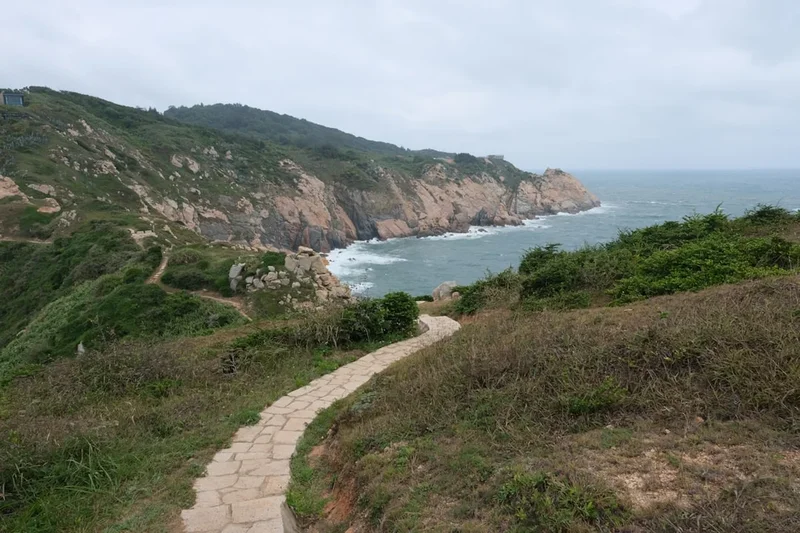
D'Entrecasteaux Coast Trek
The D'Entrecasteaux Coast Trek is a challenging multi-day expedition traversing the remote and rugged southern coastline of Tasmania, Australia. This 120-kilometre journey winds through a spectacular landscape of windswept beaches, dramatic sea cliffs, ancient temperate rainforests, and pristine wilderness. Offering a profound sense of isolation and immersion in nature, the trek demands resilience, self-sufficiency, and a deep respect for the wild environment. It is a true test of endurance and a rewarding adventure for experienced hikers seeking an authentic wilderness experience far from the beaten path.
- Distance: 120.0 km one-way
- Duration: 7-8 days
- Season: October to April (Spring/Summer/Autumn)
- Difficulty: Challenging
- Highest point: Varies, significant elevation changes over coastal ranges
- Closest City: Hobart
- Trailhead Access: Cockle Creek, Southwest National Park
Overview
The D'Entrecasteaux Coast Trek is a journey into one of Australia's last great wilderness areas. Stretching for 120 kilometres along Tasmania's wild southern edge, it connects the remote settlement of Cockle Creek to the historic site of Recherche Bay. This is not a manicured trail; it is a true expedition that requires careful planning, robust navigation skills, and a high level of physical fitness. The terrain is varied and demanding, featuring long stretches of soft sand, steep ascents and descents over coastal headlands, dense rainforest, and challenging river crossings.
The trek offers an unparalleled opportunity to experience the raw beauty of the Tasmanian coast. You will walk through ancient forests where sunlight filters through a dense canopy of myrtle beech, sassafras, and celery-top pine, their branches draped in moss and lichen. You will traverse vast, empty beaches pounded by the Southern Ocean, where the only footprints are likely to be your own and those of the abundant wildlife. Dramatic sea cliffs rise from the ocean, offering breathtaking views and a sense of the immense power of nature.
Wildlife encounters are common. Expect to see wallabies, wombats, echidnas, and a rich diversity of birdlife, including sea eagles and albatrosses. The marine environment is equally vibrant, with opportunities to spot seals, dolphins, and even whales during their migration seasons. The isolation is profound; for much of the trek, you will be days away from any human settlement, relying entirely on your own resources and skills.
This trek is a significant undertaking, suitable only for experienced hikers who are comfortable with navigation, wilderness camping, and carrying all their own supplies for an extended period. The weather in Tasmania's southwest can be unpredictable and severe, with strong winds, heavy rain, and rapidly changing conditions a constant possibility, even during the warmer months. Preparation and a cautious approach are paramount to a successful and safe journey.
History and Cultural Context
The D'Entrecasteaux Coast region holds a deep and layered history, stretching back millennia. For thousands of years, this coastline was the ancestral home of the Muwinina people, an Aboriginal Tasmanian nation who lived in harmony with the land and sea. They traversed these shores, utilising the abundant marine resources and navigating the coastal forests. Evidence of their presence can be found in shell middens and other archaeological sites, testament to a long and enduring connection to this country.
European exploration of this region began in the late 18th century. In 1792, French explorer Antoine Bruni d'Entrecasteaux sailed into the bay that now bears his name, charting the coastline and making scientific observations. His expedition was followed by other European navigators, drawn by the strategic location and potential resources of the island. The area around Recherche Bay became a significant site for early European settlement and whaling activities in the 19th century, with evidence of this past still visible in remnants of old structures and the landscape itself.
In more recent times, the D'Entrecasteaux Coast Trek has emerged as a challenging route for bushwalkers seeking to explore this remote wilderness. The establishment of the Southwest National Park in the mid-20th century helped to protect the area's unique natural and cultural heritage. The trek itself is not a formally constructed track in many sections, but rather a route that follows the natural contours of the land, utilising existing animal trails, old logging tracks, and requiring significant off-track navigation. This wild character is central to its appeal for those seeking an authentic wilderness experience.
Seasonal Highlights and Weather Reality
The D'Entrecasteaux Coast Trek is best undertaken during the warmer months, from October to April. This period offers the highest probability of more favourable weather, longer daylight hours, and generally more accessible conditions.
Spring (October to November): The landscape begins to awaken after winter. Wildflowers start to bloom, and birdlife becomes more active. Days are lengthening, but temperatures can still be cool, and rain is frequent. Snow is possible at higher elevations, though less common on the immediate coast.
Summer (December to February): This is the most popular time for trekking. Daylight hours are at their longest, offering ample time for walking and exploration. Temperatures are generally milder, though heatwaves can occur. However, summer also brings the highest risk of sandflies, which can be a significant nuisance. The Southern Ocean can still be rough, and storms can develop rapidly.
Autumn (March to April): The colours of the forest change, offering beautiful autumnal hues. Temperatures begin to cool, and the sandfly season starts to wane. The weather can be more settled, but the risk of early winter storms increases as the season progresses. Daylight hours shorten, requiring careful time management for daily stages.
Winter (May to September): This period is generally not recommended for the D'Entrecasteaux Coast Trek due to the high risk of severe weather. Cold temperatures, heavy rainfall, strong winds, and potential snow at higher elevations make conditions extremely challenging and dangerous. Many sections of the route can become impassable due to flooding and rough seas. Only highly experienced winter mountaineers with appropriate gear and knowledge should consider attempting the trek during this time.
Weather Reality: It is crucial to understand that the weather in Tasmania's Southwest is notoriously unpredictable and can change with extreme rapidity. Even in summer, you must be prepared for cold temperatures, strong winds, and heavy rain. Hypothermia is a genuine risk. Always check the latest weather forecasts before and during your trek, and be prepared to alter your plans or wait out adverse conditions.
Recommended Itinerary
7-Day D'Entrecasteaux Coast Trek Itinerary
Day 1: Cockle Creek to South East Point
- Distance: 15 km
- Elevation gain: Moderate, with several ascents and descents over headlands
- Time: 5–7 hours
- Start at the end of the road at Cockle Creek
- Follow the beach south, passing the iconic "The End of the World" sign
- Ascend over Lion Rock and other coastal headlands
- Navigate through coastal heath and pockets of rainforest
- Camp at South East Point, a sheltered beach area
- This day introduces you to the coastal walking and the feeling of remoteness
Day 2: South East Point to Surprise Bay
- Distance: 18 km
- Elevation gain: Significant ascents and descents over multiple headlands
- Time: 6–8 hours
- Continue south along the coast, with more challenging headland crossings
- Pass through areas of dense temperate rainforest
- Potential for challenging river crossings depending on recent rainfall
- Arrive at Surprise Bay, a beautiful, exposed beach
- Camp at Surprise Bay
- This day is physically demanding, testing your endurance and navigation
Day 3: Surprise Bay to Dead Island Beach
- Distance: 16 km
- Elevation gain: Varied, with coastal climbs and descents
- Time: 5–7 hours
- Follow the coastline, with sections of beach walking and rocky headlands
- Navigate through coastal scrub and forest
- Potential for significant river crossings
- Arrive at Dead Island Beach, named for its isolated feel
- Camp at Dead Island Beach
- A day of consistent coastal walking with varied terrain
Day 4: Dead Island Beach to Lune River Estuary
- Distance: 14 km
- Elevation gain: Moderate, with some climbs
- Time: 4–6 hours
- Continue along the coast, with a mix of beach and headland walking
- Pass through more rainforest sections
- The Lune River estuary can present a significant crossing challenge, especially after rain
- Camp near the Lune River Estuary
- Focus on managing the Lune River crossing
Day 5: Lune River Estuary to South Cape Rivulet
- Distance: 17 km
- Elevation gain: Significant ascents and descents over coastal ranges
- Time: 6–8 hours
- This day involves a substantial inland detour to navigate around the Lune River and ascend into the coastal ranges
- The terrain becomes more rugged and forested
- Steep climbs and descents are common
- Camp at South Cape Rivulet, a sheltered camping area
- A physically demanding day with significant elevation changes
Day 6: South Cape Rivulet to Maude Quoin Bay
- Distance: 15 km
- Elevation gain: Moderate, with some climbs
- Time: 5–7 hours
- Descend from the ranges back towards the coast
- Continue through coastal heath and forest
- Arrive at Maude Quoin Bay, a scenic and relatively sheltered bay
- Camp at Maude Quoin Bay
- A day of transition, moving back towards the coast
Day 7: Maude Quoin Bay to Recherche Bay (via South East Point)
- Distance: 25 km
- Elevation gain: Moderate, with some climbs
- Time: 8–10 hours
- A long final day, retracing some steps along the coast before heading towards Recherche Bay
- This day requires an early start to cover the distance
- The final section leads to the historic site of Recherche Bay
- End of the trek. Arrange for pickup or transport from Recherche Bay.
- A challenging but rewarding final day to complete the trek
Important Notes:
- This itinerary is a guideline; actual distances and times may vary significantly due to weather, tide conditions, and individual pace.
- River crossings can be dangerous and impassable after heavy rain. Be prepared to wait for conditions to improve or to alter your route.
- Navigation is critical. Carry detailed maps, a compass, and a GPS device, and know how to use them.
- All food and supplies must be carried for the entire duration of the trek.
- Camping is permitted in designated or suitable wild camping locations. Leave no trace.
- This trek is not suitable for beginners.
Planning and Bookings
Book Your Trip
Everything you need to plan your journey
Accommodation
Find places to stay near Hobart
Flights
Search flights to Hobart
Essential Preparation
The D'Entrecasteaux Coast Trek is a serious undertaking that requires meticulous planning and preparation. Due to its remote location and challenging nature, it is crucial to be self-sufficient and well-equipped. Base yourself in Hobart or a nearby town like Huonville or Cygnet to finalise your preparations. Ensure you have reliable transport to and from the trailhead at Cockle Creek and a pickup point at Recherche Bay. This often involves arranging private transport or a shuttle service, as public transport is extremely limited in this region. Thoroughly research the route, understand the potential hazards, and inform someone of your detailed itinerary and expected return date.
Trail Accommodation
This is a wilderness trek requiring self-sufficient camping. There are no established huts, lodges, or campsites along the D'Entrecasteaux Coast Trek. Walkers must carry all their own camping gear, including tents, sleeping bags, and cooking equipment. Suitable camping locations are generally found on beaches, in sheltered coves, or in clearings within the coastal heath and forest. It is essential to practice Leave No Trace principles, camping on durable surfaces and minimising your impact on the environment. Always check current regulations regarding camping in Southwest National Park.
This is a day hike requiring no overnight accommodation.
Required Gear
- Backpack: A robust, comfortable pack of 70-90 litre capacity, with a good hip belt and rain cover.
- Tent: A sturdy, waterproof, and wind-resistant tent suitable for coastal conditions.
- Sleeping Bag: A 3-season or 4-season sleeping bag rated for cold temperatures (0°C or lower comfort rating).
- Sleeping Mat: Insulated sleeping mat for comfort and warmth.
- Boots: Sturdy, waterproof, broken-in hiking boots with good ankle support. Gaiters are highly recommended to keep sand and debris out of your boots.
- Clothing:
- Waterproof and windproof jacket and overtrousers (Gore-Tex or equivalent).
- Thermal base layers (merino wool or synthetic).
- Insulating mid-layers (fleece or down jacket).
- Hiking trousers and shirts (quick-drying material).
- Warm hat (beanie) and gloves.
- Spare set of dry clothes for camp.
- Navigation:
- Topographic maps of the area (detailed and waterproofed).
- Compass.
- GPS device with spare batteries or power bank.
- Personal Locator Beacon (PLB) or satellite phone (highly recommended).
- Safety Gear:
- Comprehensive first-aid kit, including blister treatment and personal medications.
- Head torch with spare batteries.
- Sunscreen (SPF 50+), sunglasses, and wide-brimmed hat.
- Insect repellent (especially for sandflies – high DEET concentration recommended).
- Water filter or purification tablets.
- Emergency shelter (e.g., bivvy bag or space blanket).
- Knife or multi-tool.
What to Bring
- Food: Sufficient non-perishable food for 7-8 days, plus at least one extra day's supply for emergencies. Plan lightweight, high-energy meals.
- Water Bottles/Bladder: Capacity for at least 2-3 litres per person.
- Cooking Gear: Lightweight stove, fuel, cooking pot, mug, bowl, and utensils.
- Toiletries: Biodegradable soap, toothbrush, toothpaste, toilet paper, trowel for burying waste, hand sanitiser.
- Repair Kit: Duct tape, cordage, needle and thread, safety pins.
- Trekking Poles: Highly recommended for stability on uneven terrain and river crossings.
- Camera and spare batteries/power bank.
- Book or journal for downtime.
- Cash for any unexpected needs or emergency services.
Permits
Access to Southwest National Park, where the D'Entrecasteaux Coast Trek is located, requires a Tasmanian Parks Pass. These can be purchased online from the Tasmania Parks and Wildlife Service website or at various visitor centres and outlets across Tasmania. For a multi-day trek of this nature, an annual pass is often the most cost-effective option if you plan to visit other national parks within a year.
Tasmanian Parks Pass:
- Day Pass: Valid for 24 hours.
- Holiday Pass: Valid for up to two months.
- Annual Pass: Valid for 12 months and covers entry to all Tasmanian National Parks.
It is essential to check the latest information on park entry requirements and fees on the Tasmania Parks and Wildlife Service website before your trip. While no specific booking is required for the D'Entrecasteaux Coast Trek itself (as it is a wilderness route with no designated campsites or huts), it is highly recommended to register your intentions with the Parks and Wildlife Service or a local police station, especially for remote expeditions. This ensures that authorities are aware of your plans in case of an emergency.
Important Considerations:
- Leave No Trace: Adherence to Leave No Trace principles is mandatory in all national parks.
- Fire Restrictions: Be aware of any fire bans or restrictions in place, particularly during warmer months. Campfires may be prohibited in many areas.
- Environmental Protection: Respect the fragile environment and avoid disturbing wildlife or vegetation.
Other Activities in the Area
The D'Entrecasteaux Coast region offers several opportunities for exploration and enjoyment beyond the main trek:
- Recherche Bay: Explore the historic significance of Recherche Bay, a site of early European exploration and settlement. Visit the remnants of old whaling stations and enjoy the scenic beauty of the bay.
- Southport and Huonville: These nearby towns offer amenities such as cafes, restaurants, and local produce markets. They are good places to resupply or enjoy a meal before or after your trek.
- Bruny Island: A short ferry ride from Kettering (south of Hobart) takes you to Bruny Island, known for its stunning beaches, dramatic cliffs (like the Neck), and the Cape Bruny Lighthouse. It offers excellent day walks and coastal scenery.
- Hartz Mountains National Park: Located inland from the coast, this park offers spectacular alpine scenery, glacial lakes, and a range of walking tracks, from short strolls to more challenging hikes.
- Cygnet: A charming artistic community known for its galleries, wineries, and local markets.
- Fishing and Boating: The coastal waters and estuaries in the region are popular for fishing and boating, offering a different perspective of the landscape.
Safety and Conditions
Pre-Departure Checks:
- Weather Forecast: Obtain the most up-to-date weather forecast for the Southwest region from the Bureau of Meteorology (BOM) and MetService. Be prepared for rapid changes.
- Track Conditions: While not a formal track, check for any alerts or advisories from Tasmania Parks and Wildlife Service regarding access or specific hazards.
- Tide Times: Crucial for beach walking sections. Consult tide charts to ensure safe passage along beaches and to avoid being cut off by high tides.
- River Crossings: Assess river conditions carefully. If a river is swollen and fast-flowing due to recent rain, it may be impassable. Be prepared to wait or find an alternative route.
- Inform Someone: Leave a detailed itinerary with a trusted friend or family member, including your planned route, expected start and end dates, and emergency contact information.
Key Hazards:
- Weather: Strong winds, heavy rain, fog, and rapidly dropping temperatures are common. Hypothermia is a serious risk.
- Terrain: Soft sand, slippery rocks, steep and unstable headlands, dense rainforest, and potentially fast-flowing rivers.
- Navigation: Off-track sections and coastal environments can be disorienting. Reliable navigation skills and equipment are essential.
- Isolation: You will be days away from assistance. Self-sufficiency is paramount.
- Sandflies: Particularly prevalent in warmer months. They are aggressive and their bites can be intensely irritating.
- Wildlife: While generally not aggressive, maintain a safe distance from all wildlife.
- Tides: High tides can make beach sections impassable and dangerous. Plan your walking around low tide where possible.
Emergency Procedures:
- Personal Locator Beacon (PLB) or Satellite Phone: Strongly recommended for emergency communication in this remote area.
- First Aid: Be proficient in administering first aid.
- Evacuation: In a serious emergency, evacuation may be difficult and costly.
Travel insurance is strongly recommended to cover potential medical emergencies, evacuation, and trip cancellations.
Side Trips and Points of Interest
Recherche Bay: At the end of the trek, Recherche Bay is a historically significant site. It was a favoured anchorage for early European explorers and a centre for whaling and sealing operations in the 19th century. Explore the remnants of this past and enjoy the scenic beauty of the bay.
Lion Rock: A prominent coastal feature encountered on the first day, offering excellent views back along the coastline and out to the Southern Ocean. It's a good spot to acclimatise to the coastal walking environment.
Coastal Heathlands: The trek passes through extensive areas of coastal heath, a unique and diverse ecosystem that bursts with wildflowers in spring and summer. Take time to appreciate the delicate flora.
Temperate Rainforest: Sections of the trek wind through ancient temperate rainforests, characterised by myrtle beech, sassafras, and celery-top pine. The air is often damp and cool, with a rich undergrowth of ferns and mosses, creating an almost prehistoric atmosphere.
Wildlife Viewing: Keep an eye out for a variety of native Australian wildlife. Wallabies and wombats are common, especially in the early morning and late evening. Birdlife is abundant, including various seabirds along the coast and forest birds inland. Seals may be spotted offshore, and whales are present during their migration seasons (typically May-October for humpbacks, June-November for southern right whales).
Remote Beaches: The trek traverses numerous stunning, often deserted beaches. These offer opportunities for quiet contemplation, photography, and a profound sense of solitude. Be mindful of the power of the Southern Ocean.
Leave No Trace
The D'Entrecasteaux Coast Trek traverses a pristine and fragile wilderness area. Adhering to the principles of Leave No Trace (LNT) is not just recommended; it is essential for preserving this environment for future generations. Your actions have a direct impact on the delicate ecosystems you pass through.
Your responsibility as a walker:
- Plan Ahead and Prepare: Understand the route, weather, and potential hazards. Carry appropriate gear and sufficient food.
- Travel and Camp on Durable Surfaces: Stick to existing trails where they exist. Camp on bare ground, sand, or rock, well away from water sources and vegetation. Avoid creating new campsites.
- Dispose of Waste Properly: Pack out everything you pack in, including all food scraps, wrappers, and toilet paper. Use a trowel to dig catholes for human waste at least 100 metres from water, camp, and trails. Pack out all toilet paper.
- Leave What You Find: Do not remove or disturb natural objects, plants, or cultural artifacts.
- Minimise Campfire Impacts: Campfires are generally prohibited in Southwest National Park. Use a lightweight stove for cooking. If fires are permitted in specific designated areas (check regulations), use existing fire rings and keep fires small. Ensure fires are completely extinguished.
- Respect Wildlife: Observe wildlife from a distance. Never feed animals, as it can harm their health, alter their natural behaviours, and expose them to predators. Store food securely to prevent attracting animals.
- Be Considerate of Other Visitors: While this trek is remote, you may encounter other walkers. Keep noise levels down and yield to others on narrow sections.
By following these principles, you help ensure that the D'Entrecasteaux Coast Trek remains a wild and beautiful place for all to experience.
 Australia