USA — Bend, Oregon
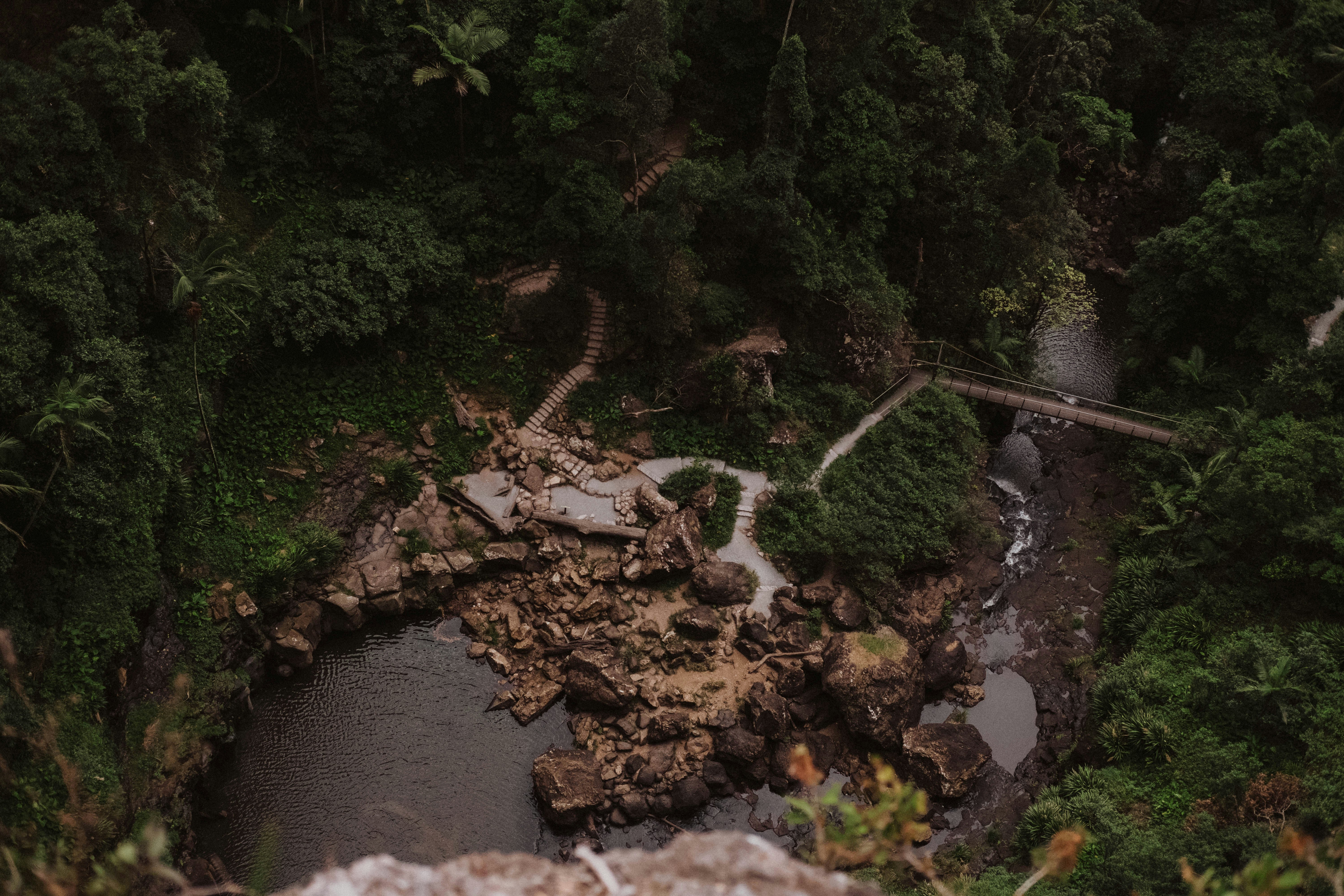
Crooked River Trail: A moderate 17.7 km out-and-back walk through Central Oregon's high desert. This secluded route winds through a dramatic volcanic gorge carved by the river, offering a profound sense of isolation. Expect rugged terrain and stunning geological formations on this scenic desert journey, just a short drive from Bend.
Distance: 17.7 km
Elevation Gain: 244 m
Difficulty: Moderate
Duration: 5-7 hours
The Crooked River Trail offers an immersive journey into the rugged heart of Central Oregon’s high desert, where the relentless force of water has carved a deep, serpentine sanctuary through ancient volcanic basalt. Spanning 17.7 kilometres as an out-and-back route, this trail provides a profound sense of isolation and geological wonder just a short drive from the bustling outdoor hub of Bend. Unlike the more vertical challenges of the nearby Cascade Range, the Crooked River Trail focuses on the horizontal intimacy of the canyon floor, where the scent of sagebrush and western juniper fills the air and the rhythmic pulse of the river serves as a constant companion. This is a landscape defined by its contrasts: the stark, vertical geometry of the canyon walls against the fluid, winding path of the water; the scorched heat of the summer sun against the cool, shaded alcoves of the riparian zone; and the silence of the desert broken only by the cry of a golden eagle or the rustle of a canyon wren.
The Crooked River Trail is a masterclass in high desert ecology and geological storytelling. As a designated Wild and Scenic River, the Crooked River winds through a landscape that feels suspended in time, far removed from the modern developments of the Pacific Northwest. The trail itself is a relatively flat but physically engaging trek that follows the river's contours, offering hikers a front-row seat to the dramatic "palisades"—towering basalt columns that rise hundreds of metres above the canyon floor. These formations, created by ancient lava flows that were subsequently cooled and eroded over millions of years, provide a stark, architectural backdrop to the lush greenery of the riverbanks.
The trail type is an out-and-back, meaning walkers can tailor the length of their journey to their fitness levels, though completing the full 17.7 kilometres is highly recommended to experience the shifting character of the canyon. In the early stages, the canyon is wide and the sun exposure is significant, but as you progress deeper, the walls often narrow, creating a more intimate and sheltered environment. The elevation gain of 244 metres is distributed gently across the entire distance, making this an accessible option for those who want a long-distance experience without the punishing verticality of mountain peaks. However, the "moderate" difficulty rating is earned through the ruggedness of the terrain; the path can be rocky, sandy, and occasionally obscured by seasonal overgrowth, requiring steady footwork and consistent navigation.
Wildlife enthusiasts will find the Crooked River Trail particularly rewarding. The canyon serves as a critical corridor for various species, including mule deer, North American river otters, and an impressive array of raptors. The vertical cliffs provide ideal nesting sites for prairie falcons and golden eagles, while the river itself supports a healthy population of native redband trout, making it a premier destination for fly fishing. The sensory experience of the trail is perhaps its greatest draw—the sound of the water transitioning from gentle ripples to rushing rapids, the vibrant yellow of the rabbitbrush in autumn, and the deep, earthy aroma of the desert after a rare rainstorm.
The history of the Crooked River region is a tapestry of geological upheaval and human resilience. Long before European settlers arrived in the Oregon Territory, the area was the ancestral home of the Sahaptin-speaking peoples, including the Warm Springs, Wasco, and Northern Paiute tribes. These indigenous communities utilised the canyon for its abundant resources, from the fish in the river to the edible plants and game found along the rim. The river was not merely a source of sustenance but a vital cultural and spiritual landmark, a thread of life in an otherwise arid landscape. Evidence of their presence can still be found in the region, and hikers are reminded to treat the land with the utmost respect, recognising it as a living cultural heritage site.
In the 19th century, the arrival of fur trappers and later, pioneers on the Oregon Trail, marked a significant shift in the region's history. The Crooked River presented a formidable obstacle for early travellers, its deep canyons and unpredictable flows requiring careful navigation. The name "Crooked River" is a literal translation of the indigenous names for the waterway, reflecting its incredibly sinuous path. As ranching and agriculture became the dominant industries in Central Oregon, the river was harnessed for irrigation, leading to the construction of various dams and diversions. However, the section of the river where the trail is located has remained remarkably preserved, eventually leading to its protection under the Wild and Scenic Rivers Act of 1988.
This federal designation was a turning point for the Crooked River, ensuring that its free-flowing character, water quality, and "outstandingly remarkable values"—including its scenery, recreation, and geology—would be protected for future generations. Today, the trail is managed by the Bureau of Land Management (BLM), which works to balance the needs of recreation with the preservation of the delicate high desert ecosystem. Walking the trail today is an exercise in appreciating this balance, seeing how the land has recovered from past pressures and remains a vital sanctuary for both wildlife and humans seeking solace in the wilderness.
Want more background? Read extended notes on history and cultural context → Learn more
The high desert climate of Central Oregon is one of extremes, and timing your visit to the Crooked River Trail is essential for a safe and enjoyable experience. Unlike the temperate rainforests to the west of the Cascades, this region receives very little precipitation, and the sun can be relentless. Spring (April to June) is arguably the most spectacular time to visit. During these months, the desert floor comes alive with wildflowers, including desert parsley, balsamroot, and Indian paintbrush. The temperatures are typically mild, ranging from 15°C to 22°C, and the river is often at its highest volume due to snowmelt from the surrounding mountains, creating a more dramatic auditory and visual experience.
Autumn (September to November) is another prime window for hiking. As the heat of summer fades, the canyon is bathed in a golden light, and the deciduous vegetation along the riverbanks—such as willows and alders—turns vibrant shades of yellow and orange. The air is crisp and clear, providing excellent visibility of the basalt palisades. Daytime temperatures are comfortable, though hikers should be prepared for rapid cooling as soon as the sun drops behind the canyon walls. Night-time temperatures in the autumn can easily dip towards freezing, even after a warm day.
Summer (July and August) presents the greatest challenge. Temperatures frequently exceed 30°C and can soar above 35°C in the depths of the canyon, where the basalt walls absorb and radiate heat. Shade is sparse, and the risk of heat exhaustion and dehydration is significant. If you choose to hike in summer, an early morning start (before 6:00 AM) is mandatory, and you must carry significantly more water than you think you will need. Conversely, Winter (December to March) brings a quiet, stark beauty to the canyon. While the trail remains accessible, it can be icy or covered in light snow. The low sun creates long shadows, and the canyon can feel incredibly cold, with temperatures often staying below 5°C. Winter hiking requires specialised traction for boots and high-quality thermal layers.
Early Morning: Departure and Arrival
Mid-Morning: Into the Canyon
Midday: The Turnaround and Lunch
Afternoon: The Return Leg
Important Notes:
Preparation for the Crooked River Trail focuses on self-sufficiency and environmental awareness. Because this is a high desert environment, your primary concerns are sun exposure, hydration, and navigation. Before leaving Bend, ensure you have downloaded offline maps (such as Gaia GPS or AllTrails), as you cannot rely on a data connection once you descend into the canyon. Check the local weather forecast specifically for the Prineville/Post area, as it can differ significantly from the weather in Bend.
Fitness requirements are moderate. While the trail is relatively flat, the 17.7 km distance is substantial for a day walk, and the uneven terrain can be taxing on the ankles and knees. If you are not accustomed to long-distance walking, consider a shorter version of the trail for your first visit. Logistics are straightforward: the trailhead is accessible via a forest service road, but you should check the BLM website for any recent alerts regarding road washouts or seasonal closures. Bend serves as the perfect base, offering a wide range of outdoor retailers where you can hire gear or purchase last-minute supplies.
This is a day hike requiring no overnight accommodation on the trail itself. Camping is generally prohibited directly on the trail to protect the sensitive riparian habitat and the Wild and Scenic River corridor. However, there are several excellent options for those who wish to stay nearby and experience the desert night sky.
Nearby Options:
One of the great appeals of the Crooked River Trail is its accessibility. Currently, no permits are required for day hiking on this section of the river. There are no trailhead fees or parking passes mandated by the BLM at the primary access point, making it an excellent "spur-of-the-moment" adventure for those visiting Central Oregon.
Important Considerations:

Detailed route notes, maps, logistics & tips for the Crooked River Trail (PDF).

Precisely traced GPX for the Crooked River Trail, ready for your GPS or favourite mapping app.
The Crooked River Trail is situated in one of the most recreation-rich regions of the United States. Consider these nearby activities to round out your trip:
Environmental Hazards:
Trail Conditions:
Emergency Protocol:
The Palisades: These are the iconic basalt columns that define the canyon's architecture. Take a moment to look closely at the hexagonal patterns—a result of the lava cooling slowly and shrinking. They are a favourite subject for photographers, especially in the late afternoon when the "golden hour" light accentuates their texture.
Wildlife Viewing Blinds: While there are no formal structures, several natural rock outcrops along the trail serve as excellent vantage points for birdwatching. Bring a pair of binoculars to spot golden eagles soaring on the thermals or American dippers bobbing in the river shallows.
Hidden Alcoves: In certain sections, the canyon walls have small caves or overhanging "alcoves" created by wind and water erosion. These spots often stay significantly cooler than the rest of the trail and can provide a much-needed respite from the sun. Please do not deface these areas or leave any rubbish behind.
River Rapids: Depending on the water level, you may encounter sections where the river drops over basalt ledges, creating small but powerful rapids. The sound of the water here is a dramatic contrast to the silent stretches of the desert and provides a great spot for a meditative break.
The high desert is a deceptively fragile environment. Footprints on the "cryptobiotic" soil—a living crust of cyanobacteria, lichens, and mosses—can take decades to recover. This crust is vital for preventing erosion and fixing nitrogen in the soil. Staying on the established trail is the most important thing you can do to protect this ecosystem.
The Seven Principles:
