
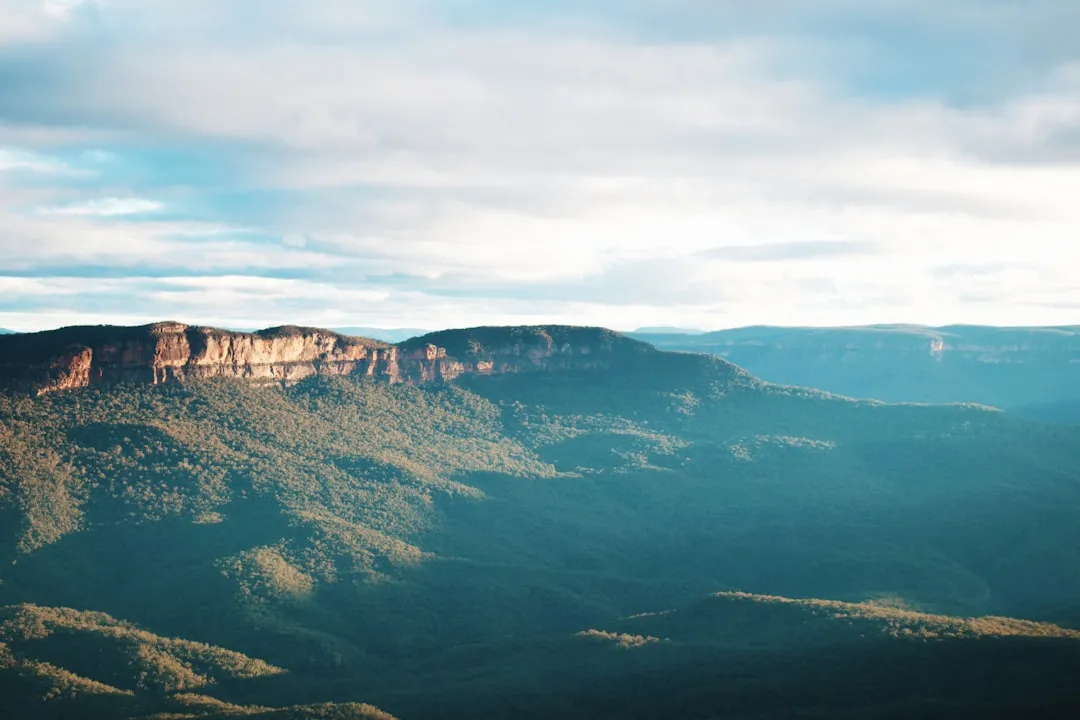
Cradle Mountain Summit Walk
The Cradle Mountain Summit walk is a quintessential Tasmanian day hike, offering a challenging yet immensely rewarding ascent to one of the state's most iconic peaks. Situated within the Tasmanian Wilderness World Heritage Area, this trail plunges you into a landscape of dramatic alpine scenery, ancient glacial valleys, and breathtaking panoramic views. While the summit itself presents a rugged scramble, the journey to its peak is a testament to the raw, untamed beauty of the Tasmanian highlands. This is a walk that demands respect for the elements and a good level of fitness, but the vistas from the top are an unforgettable prize, making it a must-do for any visitor to Cradle Mountain-Lake St Clair National Park.
- Distance: 12.5 km return
- Duration: 5–8 hours
- Season: Best in Summer (December–February) and Autumn (March–May)
- Difficulty: Challenging (includes rock scrambling)
- Highest point: 1,545 m
- Trailhead: Dove Lake Carpark
- Access: Via shuttle bus from visitor centre or private vehicle (parking limited)
Overview
The ascent to Cradle Mountain summit is a journey through diverse and spectacular Tasmanian alpine environments. Beginning from the picturesque Dove Lake, the initial section of the track is well-formed and relatively gentle, winding through ancient rainforests of myrtle beech, sassafras, and ancient King Billy pines. As you gain elevation, the vegetation transitions to more hardy alpine heath and cushion plants, indicative of the harsher conditions at higher altitudes. The path then becomes steeper, leading to a series of rock steps and scree slopes that require careful navigation and a steady foot. The final approach to the summit involves a degree of rock scrambling, where hands are often needed to assist progress. This section, while demanding, is well-trodden and offers a thrilling sense of accomplishment.
The summit itself provides an unparalleled 360-degree panorama. To the north, the iconic jagged peaks of Cradle Mountain dominate the skyline, while to the south, the vast expanse of the Tasmanian Wilderness World Heritage Area unfolds, stretching towards the distant Lake St Clair. On a clear day, the views are simply breathtaking, encompassing glacial lakes, rugged mountain ranges, and vast tracts of untouched wilderness. The weather in this alpine environment can change with astonishing speed; sunshine can quickly give way to mist, wind, and rain, transforming the landscape and adding to the wild, dramatic character of the walk. This unpredictability is part of the allure, reminding walkers of the raw power of nature in this remote corner of Tasmania.
The walk is a popular day hike, attracting a wide range of visitors from seasoned hikers to those seeking a significant challenge. Its accessibility from the main visitor centre and the sheer iconic status of Cradle Mountain make it a highlight for many. However, it is crucial to approach this hike with adequate preparation, understanding its challenging nature and the potential for rapidly changing weather conditions. The reward for your efforts is an intimate encounter with one of Australia's most celebrated natural landmarks.
History and Cultural Context
Cradle Mountain and its surrounding landscape hold deep cultural significance for the Aboriginal people of Tasmania, the Palawa. For millennia, this land was a vital part of their ancestral territory, a place of sustenance, spiritual connection, and seasonal movement. The dramatic peaks and valleys were observed, understood, and respected, forming an integral part of their cultural heritage. While specific historical accounts of Aboriginal use of the immediate summit area are scarce in colonial records, the broader region was undoubtedly traversed and utilised for its resources.
The modern history of Cradle Mountain is intertwined with the exploration and development of Tasmania's wilderness. In the late 19th and early 20th centuries, as European settlers began to explore and document the island's interior, Cradle Mountain captured the imagination. Gustav Weindorfer, an Austrian immigrant and passionate conservationist, was instrumental in advocating for the protection of this unique area. He was captivated by the mountain's dramatic form and the surrounding alpine environment. Weindorfer, along with his wife Kate, established a small guesthouse, Waldheim ("home in the forest"), near the base of the mountain in 1912. His tireless efforts, including extensive lobbying and public advocacy, were pivotal in the eventual establishment of the Cradle Mountain National Park in 1922, later expanded and incorporated into the Tasmanian Wilderness World Heritage Area.
The trails around Cradle Mountain, including the route to the summit, evolved from early exploration tracks and routes used by Weindorfer and his guests. The development of the Overland Track, which passes through the area, further cemented Cradle Mountain's status as a premier hiking destination. The summit walk, in particular, became a rite of passage for visitors, a challenging ascent that offered unparalleled views and a profound connection to the wild heart of Tasmania. Today, the area continues to be managed with a strong emphasis on conservation, balancing visitor access with the preservation of its natural and cultural values.
Seasonal Highlights and Weather Reality
The Cradle Mountain Summit walk is a year-round destination, but the experience varies significantly with the seasons. Each period offers unique challenges and rewards, and understanding these is crucial for planning a safe and enjoyable hike.
Summer (December–February): This is generally considered the best time to attempt the summit. Daylight hours are longest, and the weather is typically at its most stable, with warmer temperatures and less frequent snow. The alpine flora is in bloom, adding splashes of colour to the landscape. However, summer also brings the highest number of visitors, and sandflies can be prevalent, especially in sheltered, damp areas. Even in summer, alpine weather can change rapidly, and snow can fall at any time.
Autumn (March–May): Autumn offers a spectacular display of colour as the deciduous beech trees turn golden hues. The air is crisp and clear, and the crowds begin to thin. This season can be ideal for photography and for those seeking a more serene experience. However, temperatures drop significantly, and the risk of snow and ice on the upper reaches of the track increases, particularly towards the end of autumn. Frosts are common.
Winter (June–August): Winter transforms Cradle Mountain into a starkly beautiful, snow-covered wonderland. The summit is often blanketed in snow and ice, making the ascent extremely challenging and potentially dangerous without specialised winter mountaineering equipment and experience (ice axe, crampons, avalanche awareness). The track can be obscured, and visibility can be severely reduced. While visually stunning, winter ascents are generally not recommended for casual day hikers. Access to the summit may be impossible or require advanced skills.
Spring (September–November): Spring is a transitional season. Snowmelt can make some sections of the track muddy and boggy. While the days begin to lengthen and temperatures rise, the weather remains highly unpredictable, with a mix of sunshine, rain, and even late snowfalls. The alpine wildflowers begin to emerge, offering a preview of summer's bloom. The summit may still have snow patches, especially in shaded areas.
Weather Reality: It cannot be overstated that the weather at Cradle Mountain is highly variable and can change with extreme rapidity. Even on a clear summer morning, conditions can deteriorate to involve strong winds, heavy rain, sleet, or snow, and a complete whiteout within a matter of hours. Always check the forecast immediately before your hike and be prepared for all conditions.
Recommended Itinerary
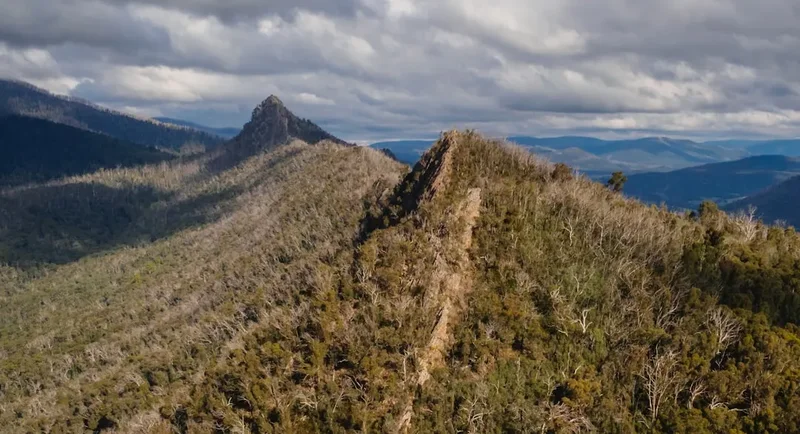
Cradle Mountain Summit Day Walk Itinerary
Early Morning (Approx. 7:00 AM - 8:00 AM): Arrival and Preparation
- Arrive at the Cradle Mountain Visitor Centre.
- If using the shuttle bus, purchase your ticket and wait for the next service to Dove Lake Carpark. If driving, park at the Dove Lake Carpark (fills very early, especially in peak season).
- Final gear check: ensure you have all necessary equipment, food, and water.
- Check the latest weather forecast at the visitor centre or via a reliable app.
- Register your intentions at the visitor centre or trailhead logbook.
Morning (Approx. 8:00 AM - 11:00 AM): Dove Lake to Ronny Creek / Lake Hanson
- Begin the walk from Dove Lake Carpark.
- Follow the well-formed track towards Dove Lake.
- Enjoy the initial scenic section along the lake's edge, with iconic views of Cradle Mountain reflected in the water.
- The track may involve boardwalks and gravel paths through rainforest and button grass plains.
- Continue towards the junction for the summit track, often passing the turn-off for Ronny Creek or Lake Hanson.
- The gradient is generally gentle in this section, allowing for acclimatisation.
Midday (Approx. 11:00 AM - 2:00 PM): Ascent to Summit Plateau
- The track begins to steepen significantly as you leave the lake basin.
- You will encounter a series of rock steps and potentially some boggy sections, depending on recent rainfall.
- The vegetation changes from rainforest to alpine heath and cushion plants.
- The path becomes more rugged, with loose scree and larger rocks underfoot.
- Navigate carefully through this section, paying attention to track markers.
- Reach the summit plateau, a relatively flat area before the final push to the peak.
Afternoon (Approx. 2:00 PM - 4:00 PM): Summit and Descent
- The final ascent to the summit involves rock scrambling. This is not a technical climb but requires careful hand and foot placement.
- Take your time, assess each move, and ensure you have a secure grip.
- Reach the summit (1,545 m) and enjoy the spectacular 360-degree views (weather permitting).
- Spend time taking photos and appreciating the vastness of the landscape.
- Begin your descent, retracing your steps carefully. The descent can be as challenging as the ascent, especially on loose scree.
Late Afternoon (Approx. 4:00 PM - 6:00 PM): Return to Dove Lake Carpark
- Continue descending back towards Dove Lake.
- The track may feel easier on the way down, but maintain focus to avoid slips and falls.
- Rejoin the initial section of the track around Dove Lake.
- Arrive back at Dove Lake Carpark.
- Sign out at the trailhead logbook.
- Catch the shuttle bus back to the Visitor Centre or drive back to your accommodation.
Important Considerations:
- This is a challenging day hike; ensure you are physically prepared.
- Always carry sufficient water and high-energy food.
- Wear sturdy, broken-in hiking boots with good ankle support.
- Pack layers of warm clothing, including waterproof and windproof outer shells, even in summer.
- Carry a map, compass, and/or GPS device, and know how to use them. Mobile phone reception is unreliable.
- Inform someone of your hiking plans and expected return time.
Planning and Bookings
Book Your Trip
Everything you need to plan your journey
Accommodation
Find places to stay near Sheffield
Flights
Search flights to Sheffield
Essential Preparation
The Cradle Mountain Summit walk is a significant undertaking that requires thorough preparation. Given its challenging nature and the potential for rapidly changing alpine weather, it is crucial to be well-equipped and informed. The closest major town with comprehensive services is Sheffield, approximately a 30-minute drive from the Cradle Mountain Visitor Centre. Launceston is the nearest major city and airport, about a 2.5-hour drive away. Ensure you have arranged transport to the park, as public transport options directly to the trailhead are limited. Parking at Dove Lake Carpark is extremely limited and often full by mid-morning, especially during peak season. The use of the park's shuttle bus service from the Visitor Centre is highly recommended and often mandatory during busy periods. Familiarise yourself with the park entry fees and purchase them online in advance to save time. It is also advisable to register your hike plan at the Visitor Centre or the trailhead logbook, providing details of your intended route and expected return time.
Trail Accommodation
This is a day hike requiring no overnight accommodation. Visitors typically stay in accommodation in nearby towns such as Sheffield, Mole Creek, or Deloraine, or at the various lodges and cabins located within the Cradle Mountain precinct itself. These range from basic campsites and backpacker hostels to more luxurious hotel and lodge options. Booking accommodation in advance is strongly advised, particularly during school holidays, weekends, and the peak summer and autumn seasons.
Required Gear
- Sturdy Hiking Boots: Waterproof, with good ankle support and a well-worn sole. Essential for navigating uneven terrain and scree.
- Waterproof Jacket and Trousers: Fully waterproof and windproof outer layers are non-negotiable. The weather can change from sunshine to heavy rain and wind in minutes.
- Warm Layers: Multiple layers of synthetic or merino wool clothing. Avoid cotton, as it loses its insulating properties when wet. Include a fleece or down jacket for insulation.
- Hat and Gloves: A warm beanie and gloves are essential, even in summer, due to the altitude and potential for cold winds.
- Backpack: A comfortable daypack (20-30 litres) to carry essentials.
- Navigation Tools: A detailed map of the area, a compass, and/or a GPS device. Mobile phone reception is unreliable.
- Head Torch: With spare batteries, in case your hike takes longer than expected.
- First-Aid Kit: Including blister treatment, pain relievers, antiseptic wipes, bandages, and any personal medications.
- Sun Protection: High SPF sunscreen, sunglasses, and a wide-brimmed hat. The sun can be intense at altitude, even on cloudy days.
What to Bring
- Water: At least 2-3 litres per person. There are no reliable water sources on the summit track itself, and any water collected should be treated.
- Food: High-energy, non-perishable food. Include plenty of snacks (nuts, dried fruit, energy bars) and a substantial lunch. Pack more than you think you'll need in case of delays.
- Water Treatment: A water filter or purification tablets if you plan to refill from streams (though not recommended on the summit track).
- Toilet Paper and Trowel: For emergencies, and a bag to pack out used toilet paper. Follow Leave No Trace principles.
- Mobile Phone: Fully charged, for emergency use only (reception is very limited). Consider a personal locator beacon (PLB) for remote areas.
- Camera: To capture the incredible scenery.
- Trekking Poles: Optional, but can aid stability and reduce strain on knees, especially during the descent.
- Insect Repellent: Sandflies can be present, particularly in warmer months and damp conditions.
Permits
A park entry fee is required for all visitors to Cradle Mountain-Lake St Clair National Park. This fee contributes to the conservation and maintenance of the park's infrastructure and natural environment. Fees can be purchased online in advance through the Tasmania Parks and Wildlife Service website, or at the Cradle Mountain Visitor Centre. For day walks like the summit ascent, a standard day entry permit is sufficient. There are no specific permits required for the summit walk itself, beyond the general park entry fee. However, it is always advisable to check the Tasmania Parks and Wildlife Service website for any current alerts, track closures, or specific regulations that may be in place before your visit. Registration of your hike at the Visitor Centre or trailhead logbook is strongly recommended for safety purposes.
Other Activities in the Area
Cradle Mountain-Lake St Clair National Park offers a wealth of activities beyond the summit walk, catering to a range of interests and fitness levels:
- Dove Lake Circuit: A relatively easy 6 km loop walk that circumnavigates Dove Lake, offering stunning views of Cradle Mountain from various angles. This is a highly recommended walk for those seeking a less strenuous but equally scenic experience.
- The Overland Track: For experienced multi-day hikers, the iconic Overland Track begins at Cradle Mountain and traverses 65 km of pristine wilderness to Lake St Clair. This requires advance booking and a high level of fitness and preparedness.
- Lake St Clair: Located at the southern end of the park, Lake St Clair is Tasmania's deepest lake. It offers opportunities for kayaking, scenic cruises, and further walking trails.
- Waldheim Chalet: Visit the historic guesthouse established by Gustav Weindorfer, offering a glimpse into the area's pioneering past.
- Tasmanian Devil Encounters: Several wildlife parks and centres in the region offer opportunities to see and learn about the iconic Tasmanian devil and other native fauna.
- Scenic Drives: The drive to Cradle Mountain itself is incredibly scenic, with opportunities to stop at various lookouts and points of interest.
- Photography: The dramatic landscapes, unique flora, and changing light conditions make Cradle Mountain a photographer's paradise.
Safety and Conditions
Weather Preparedness: The most critical safety aspect of the Cradle Mountain Summit walk is being prepared for rapid weather changes. Always check the MetService mountain forecast for Cradle Mountain and the surrounding alpine areas immediately before your hike. Be prepared for cold temperatures, strong winds, heavy rain, sleet, and even snow, regardless of the season. Hypothermia is a real risk. Ensure you have adequate warm and waterproof clothing, including a hat and gloves.
Track Conditions: The summit track involves steep ascents, rocky sections, and scree slopes. The final approach to the summit requires scrambling over boulders, where hands are needed for balance and progress. The track can be slippery and hazardous after rain or if snow and ice are present. Wear sturdy, broken-in hiking boots with good grip. Take your time, especially on descents, and be mindful of loose rocks.
Navigation: While the summit track is generally well-marked, visibility can drop to near zero in fog or mist, making navigation difficult. Carry a detailed map and compass, and know how to use them. A GPS device or a reliable offline map app on your phone can be a valuable backup, but do not rely solely on electronic devices. Inform someone of your hiking plans and expected return time.
Physical Fitness: This is a challenging day hike with significant elevation gain and a rugged final ascent. Ensure you have a good level of fitness and are comfortable with steep climbs and rock scrambling. If you are unsure about your fitness, consider completing shorter walks in the area first.
Water and Food: Carry sufficient water (at least 2-3 litres per person) and high-energy food. There are no reliable water sources on the upper sections of the track, and any water collected should be treated. Delays can occur, so pack more food than you anticipate needing.
Sandflies: Sandflies can be a nuisance, particularly during warmer months and in damp, sheltered areas. Carry insect repellent containing DEET or picaridin.
Emergency: In case of an emergency, call 000 (triple zero) for immediate assistance. If you have a Personal Locator Beacon (PLB), activate it. Mobile phone reception is extremely limited within the park.
Side Trips and Points of Interest
The Ballroom Forest: Located on the initial section of the Dove Lake Circuit, this section of ancient rainforest is a magical experience. Towering myrtle beech, sassafras, and ancient King Billy pines create a dense canopy, with mosses and ferns carpeting the forest floor. The air is cool and damp, and the light filters through the leaves, creating an ethereal atmosphere. It's a stark contrast to the open alpine environment higher up.
Glacier Rock: A prominent rock formation offering excellent views back towards Dove Lake and the surrounding peaks. It's a good spot for a rest and to appreciate the scale of the glacial valley you are walking through.
Face of Cradle: As you ascend, you'll get increasingly dramatic views of the sheer western face of Cradle Mountain. This iconic view is what gives the mountain its name, resembling a rocking cradle. The scale and ruggedness of this rock face are awe-inspiring.
Summit Views: On a clear day, the summit provides unparalleled panoramic views. To the north, the jagged peaks of Cradle Mountain itself are the dominant feature. To the south, the vast expanse of the Tasmanian Wilderness World Heritage Area stretches out, including views towards Barn Bluff, Pelion West, and the distant Lake St Clair. The intricate network of glacial lakes and valleys is a testament to the powerful geological forces that shaped this landscape.
Alpine Flora: Keep an eye out for the unique alpine wildflowers that bloom in spring and summer, such as scoparia, button grass, and various species of cushion plants. These hardy plants are adapted to the harsh alpine conditions and add delicate beauty to the rugged terrain.
Leave No Trace
The Cradle Mountain Summit walk traverses a pristine and fragile alpine environment within a UNESCO World Heritage Area. Adhering to Leave No Trace principles is paramount to preserving this landscape for future generations. Your actions have a direct impact on the delicate ecosystem.
Plan Ahead and Prepare: Understand the trail conditions, weather, and your own capabilities. Pack appropriate gear and sufficient supplies.
Travel and Camp on Durable Surfaces: Stay on the marked track at all times. The alpine vegetation is slow-growing and easily damaged. Avoid walking on mosses and cushion plants.
Dispose of Waste Properly: Pack out everything you pack in, including all food scraps, wrappers, and used toilet paper. Use designated toilet facilities where available, or dig a cathole at least 100 metres away from water sources, trails, and campsites.
Leave What You Find: Do not remove any natural objects, such as rocks, plants, or flowers. Take only photographs and memories.
Minimise Campfire Impacts: Campfires are not permitted on this day walk. If camping elsewhere in the park, use designated fire rings and ensure fires are completely extinguished.
Respect Wildlife: Observe wildlife from a distance. Do not feed any animals, as this can disrupt their natural behaviours and diets. Keep your food secure.
Be Considerate of Other Visitors: Keep noise levels down and yield to other walkers on the trail. Respect the wilderness experience of others.
By following these principles, you help ensure that the beauty and ecological integrity of Cradle Mountain are maintained.
 Australia